Kansas Residential Real Estate Sales Disclosure Statement
What this document covers
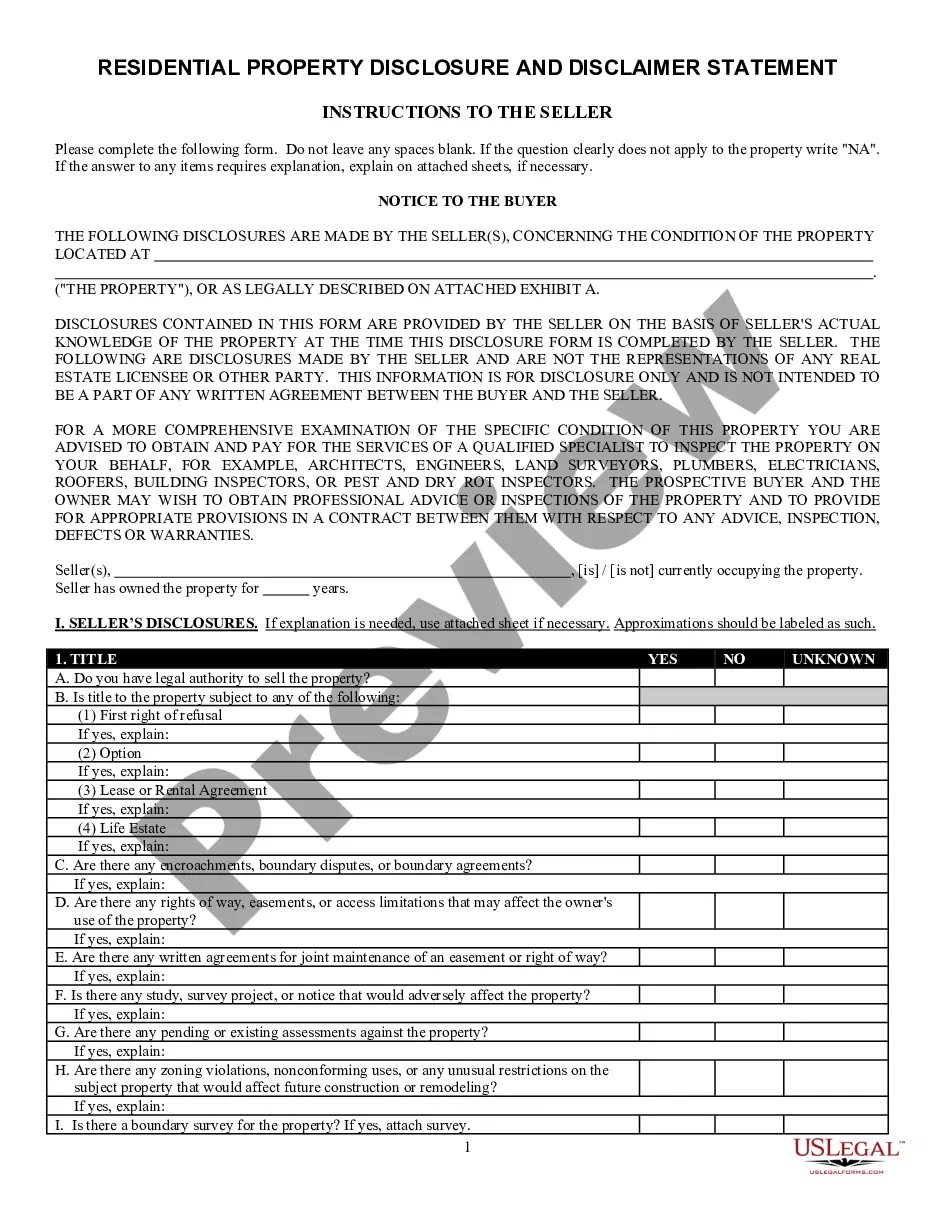
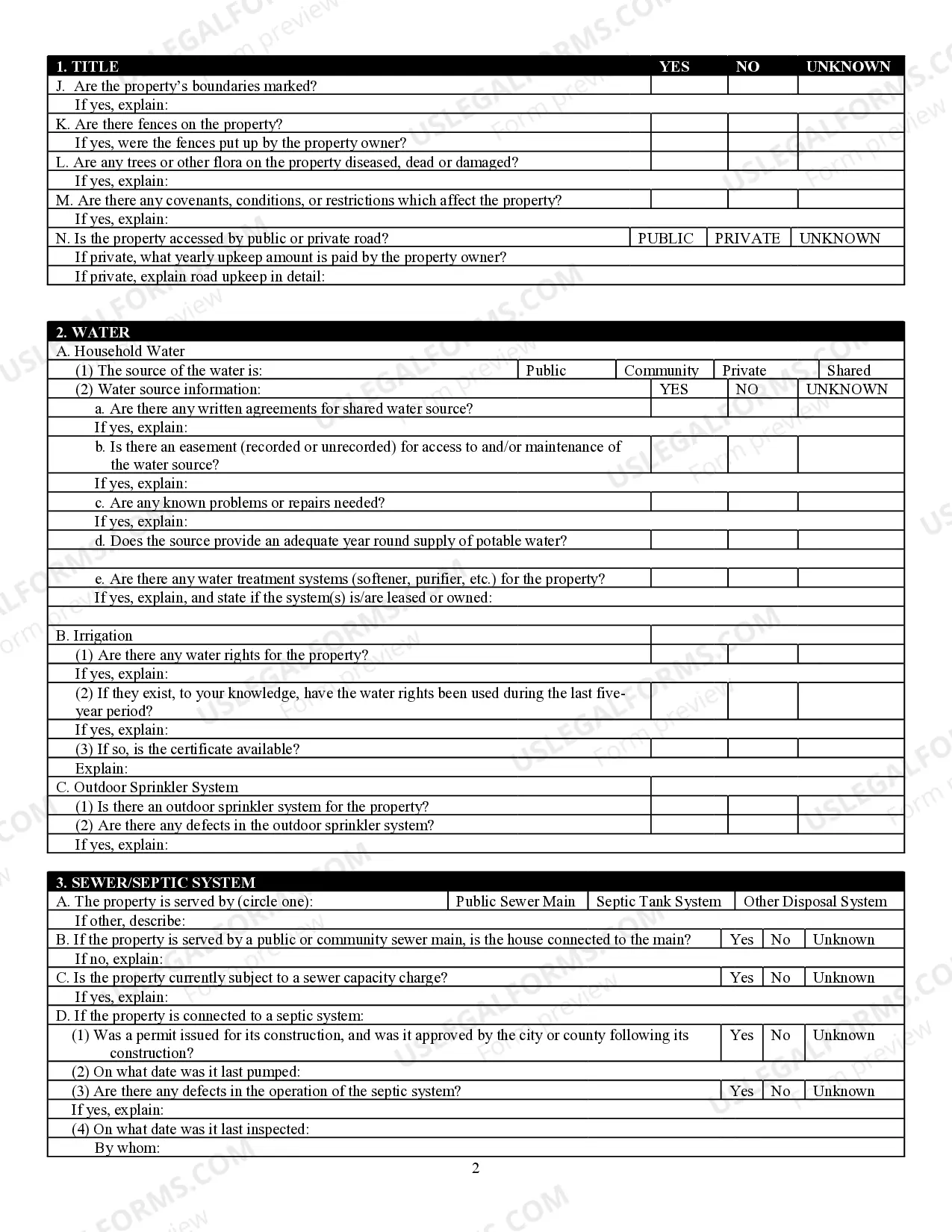
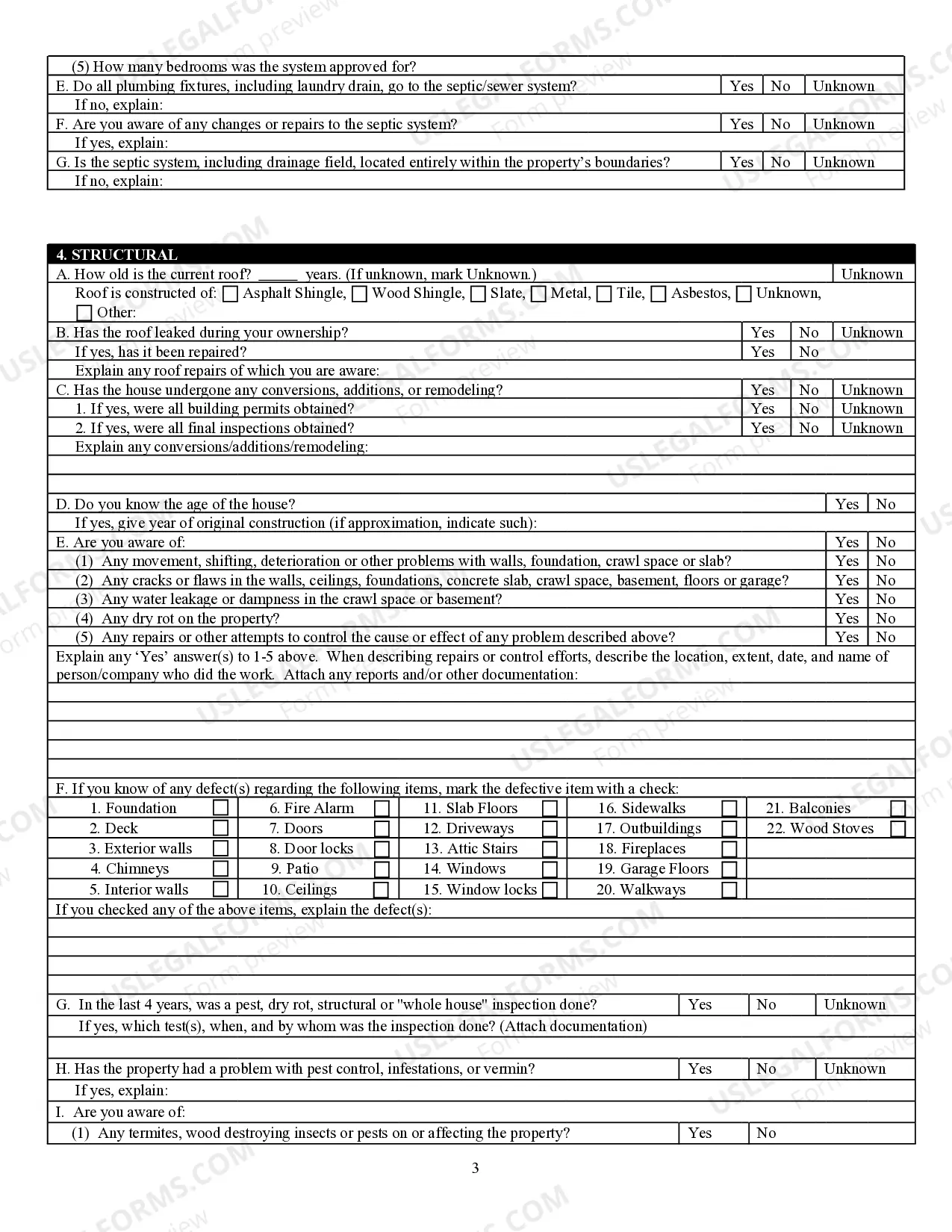
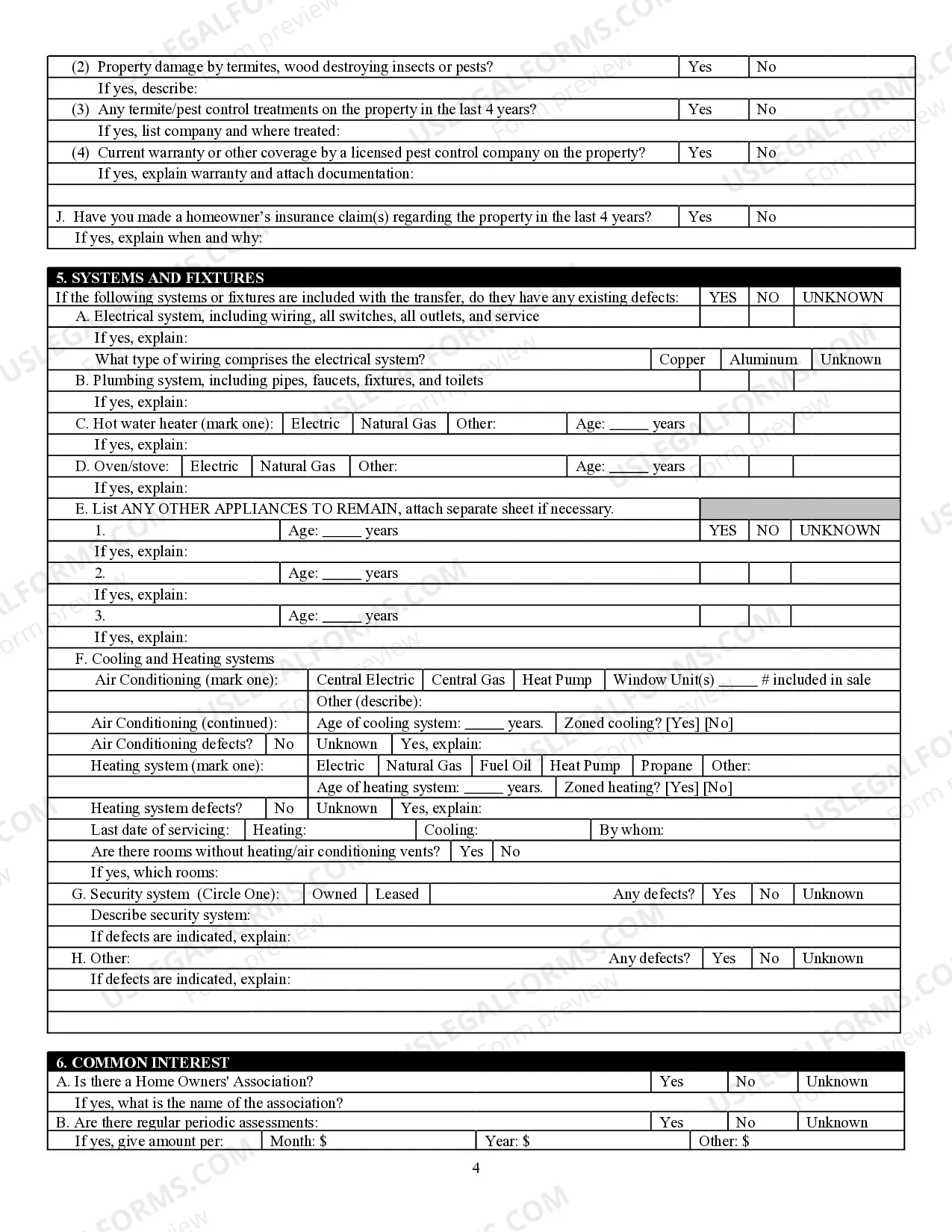
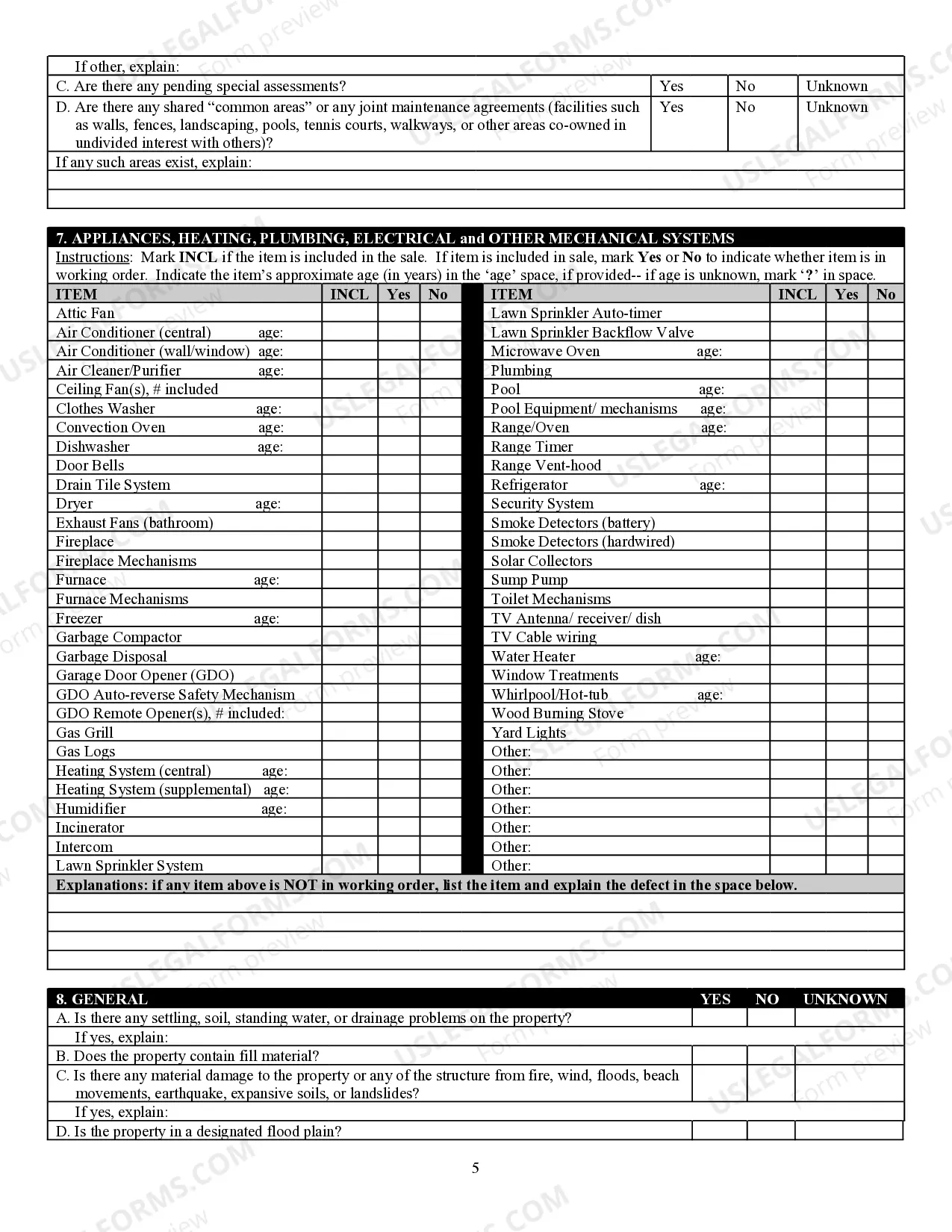
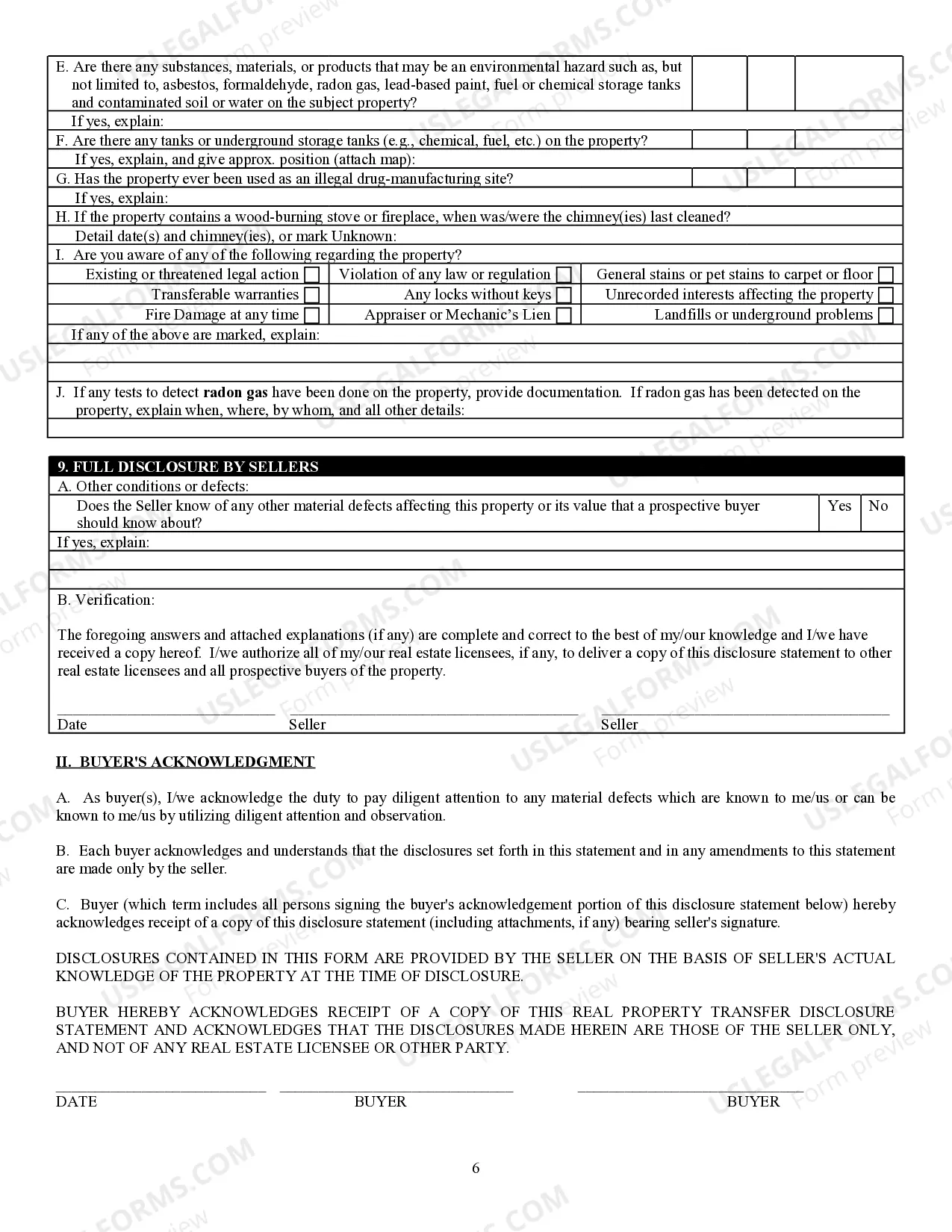
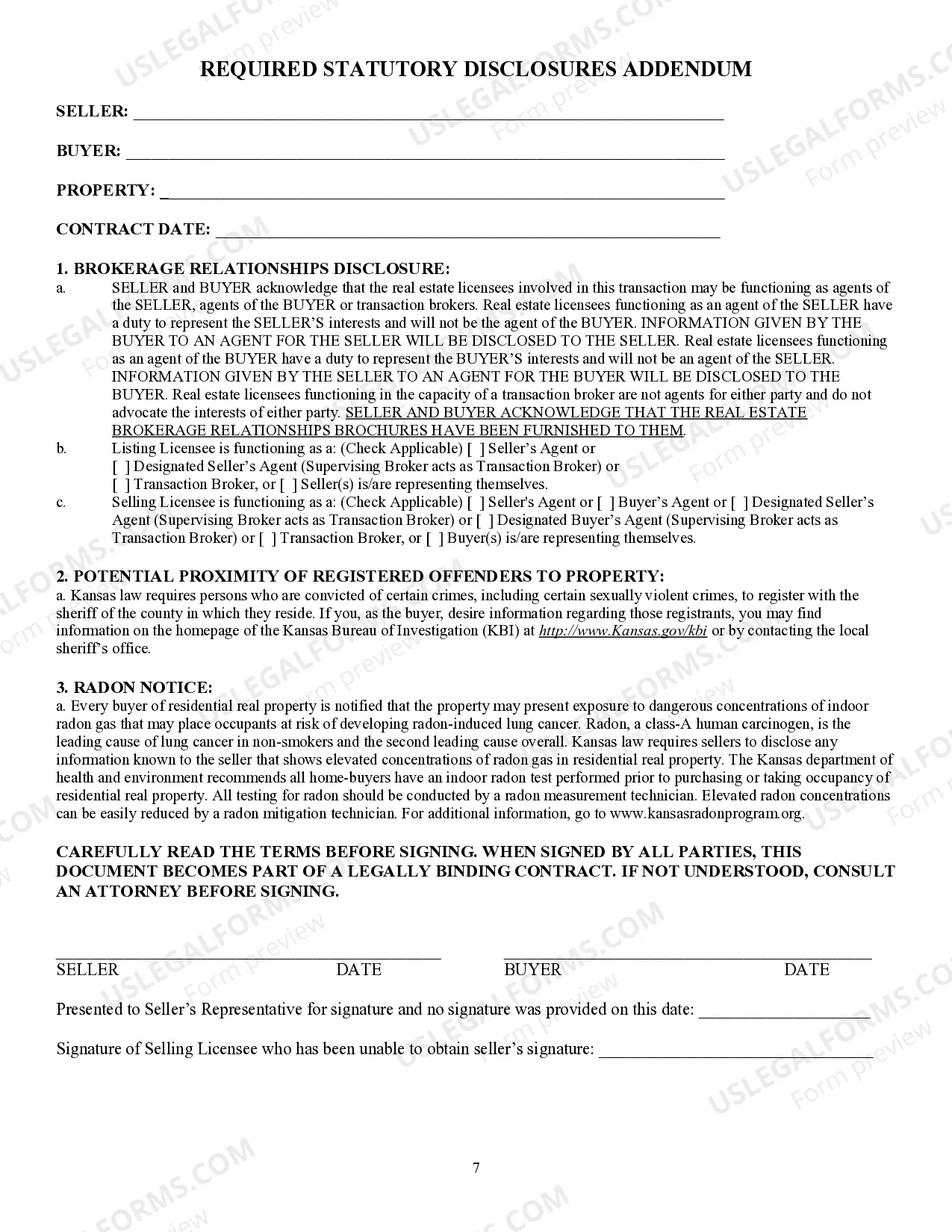
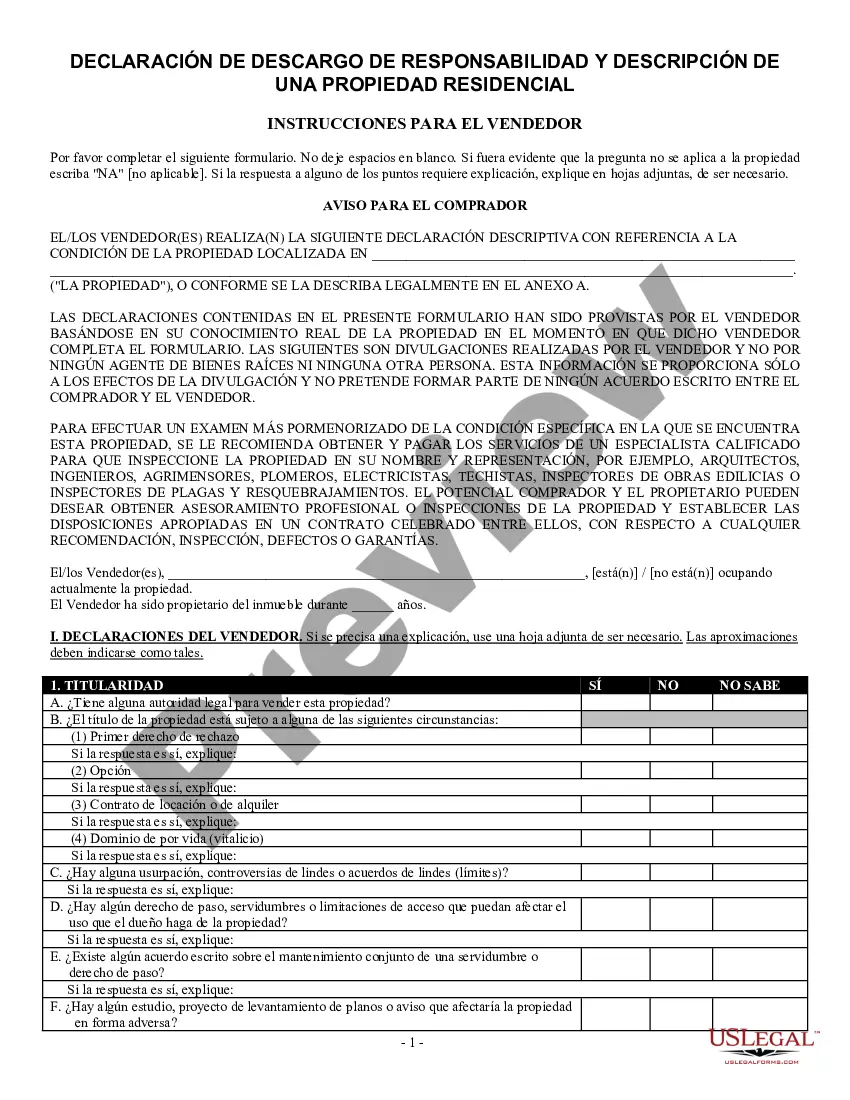
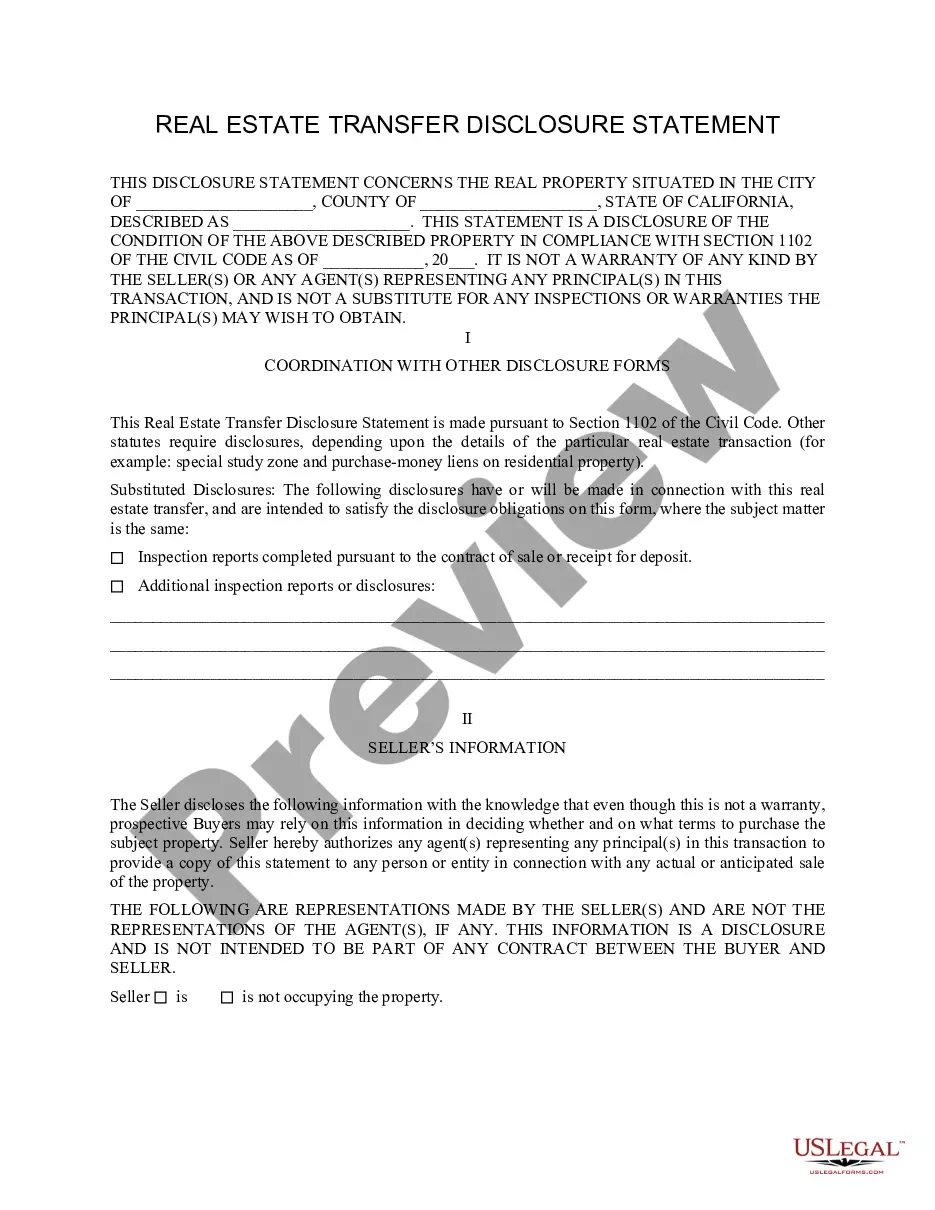
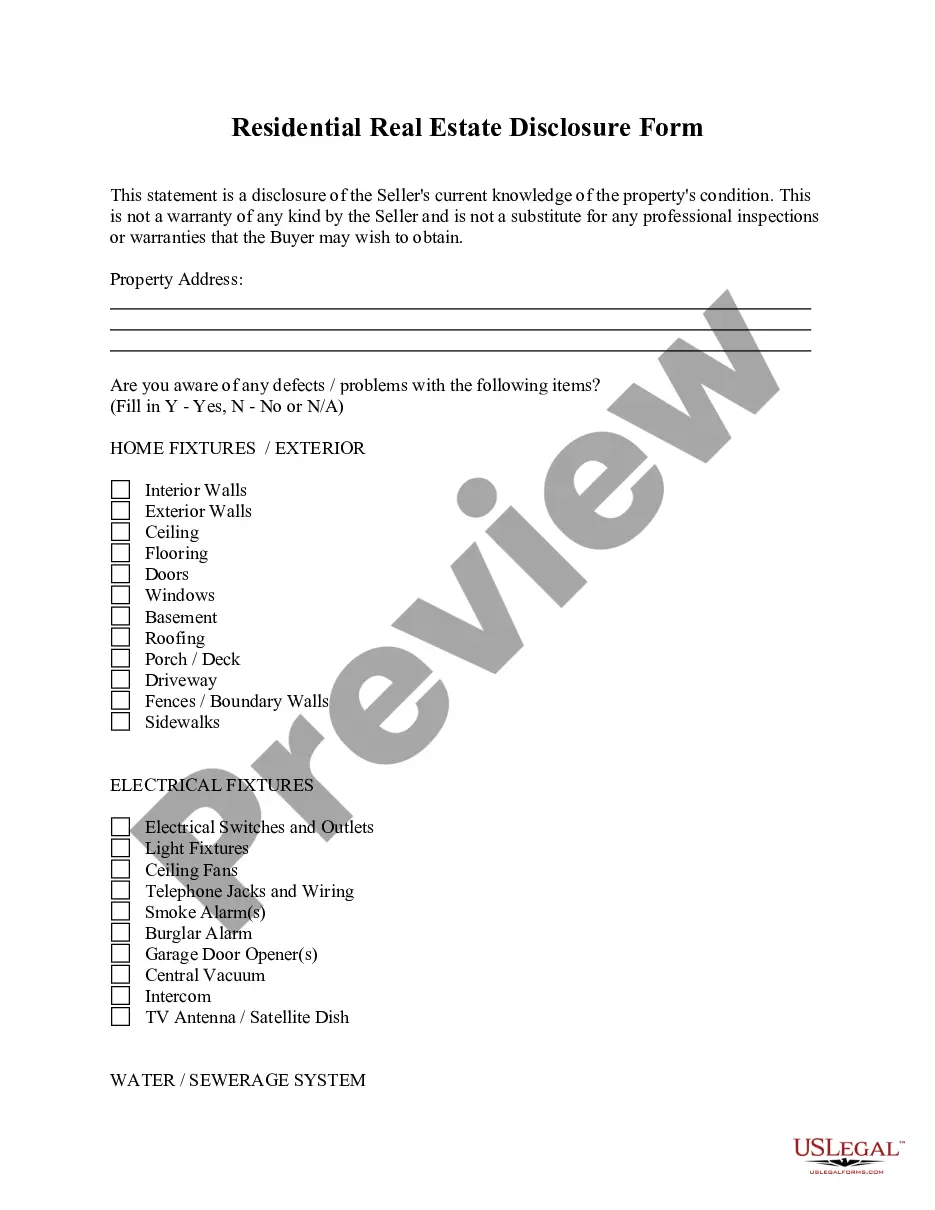
The Residential Real Estate Sales Disclosure Statement is a crucial document in a residential real estate transaction in Kansas. This form is designed to communicate the current condition of the property from the seller to the buyer. Unlike other real estate forms, this disclosure statement specifically focuses on any known issues or defects, helping prospective buyers make informed decisions prior to completing a purchase.
Key parts of this document
- Seller's identification and property details
- Disclosure of known property defects
- Instructions for reporting additional information
- Advisory notice to buyers regarding further inspections
Situations where this form applies
This form should be used by sellers during the process of selling a residential property in Kansas. It is essential when a seller wants to formally disclose any known issues with the property, ensuring transparency and protecting both parties in the transaction.
Intended users of this form
- Sellers of residential properties in Kansas
- Real estate agents representing sellers
- Buyers seeking information about a property before purchase
How to complete this form
- Identify the seller and specify the property in the designated fields.
- Complete each section regarding known defects, ensuring no spaces are left blank.
- Write "NA" for non-applicable questions.
- Provide detailed explanations on attached sheets if necessary.
- Review the completed form for accuracy before submission.
Notarization guidance
Notarization is not commonly needed for this form. However, certain documents or local rules may make it necessary. Our notarization service, powered by Notarize, allows you to finalize it securely online anytime, day or night.
Get your form ready online
Our built-in tools help you complete, sign, share, and store your documents in one place.
Make edits, fill in missing information, and update formatting in US Legal Forms—just like you would in MS Word.
Download a copy, print it, send it by email, or mail it via USPS—whatever works best for your next step.
Sign and collect signatures with our SignNow integration. Send to multiple recipients, set reminders, and more. Go Premium to unlock E-Sign.
If this form requires notarization, complete it online through a secure video call—no need to meet a notary in person or wait for an appointment.
We protect your documents and personal data by following strict security and privacy standards.

Make edits, fill in missing information, and update formatting in US Legal Forms—just like you would in MS Word.

Download a copy, print it, send it by email, or mail it via USPS—whatever works best for your next step.

Sign and collect signatures with our SignNow integration. Send to multiple recipients, set reminders, and more. Go Premium to unlock E-Sign.

If this form requires notarization, complete it online through a secure video call—no need to meet a notary in person or wait for an appointment.

We protect your documents and personal data by following strict security and privacy standards.
Avoid these common issues
- Leaving sections blank without marking them as "NA."
- Failing to provide explanations for complex issues listed.
- Not reviewing the form for completeness and accuracy before submission.
Benefits of using this form online
- Convenience of completing the form at any time and from any location.
- Editable format allows for easy adjustments as needed.
- Reliable access to attorney-drafted templates ensures compliance with legal standards.
Legal use & context
- This form serves as a legal disclosure statement and must be accurately completed to protect both the seller and buyer.
- Failure to provide truthful disclosures may result in legal penalties or disputes post-sale.
- Consulting with a real estate attorney can offer additional protection and clarity regarding your obligations.
Summary of main points
- This disclosure statement is crucial for residential real estate transactions in Kansas.
- Sellers must provide accurate information about property conditions to avoid legal issues.
- Buyers should consider obtaining professional inspections in addition to relying on this form.
Looking for another form?
Form popularity
FAQ
Using that definition, 39 states and Washington D.C. allow public disclosure while the following 11 states are currently non-disclosure states: Alaska, Idaho, Kansas, Louisiana Mississippi, Montana, New Mexico, North Dakota, Texas, Utah and Wyoming (International Association of Assessing Officers, 2011; Berrens & Mckee
"No Seller Disclosures" means that the seller is selling the property without disclosing any defects or facts that might be necessary for a buyer to make an informed decision.
If a seller fails to disclose, or actively conceals, problems that affect the value of the property; they are violating the law, and may be subject to a lawsuit for recovery of damages based on claims of fraud and deceit, misrepresentation and/or breach of contract.
California's Especially Stringent Disclosure Requirements Sellers must fill out and give the buyers a disclosure form listing a broad range of defects, such as a leaky roof, deaths that occurred within three years on the property, neighborhood nuisances such as a dog that barks every night, and more.
Texas is a non disclosure state meaning the sales price does not have to be disclosed to anyone. However, if you list a property on MLS, you must abide by the rules of the MLS ad must disclose. Disclosure has noting to do with government agencies only.
Unlike some states, Kansas law does not require a standardized seller property disclosure form, although real estate agents often use a form designed to encompass standard disclosures. A potential buyer should always carefully review each item in any disclosure statement provided by a seller.
But, there are 12 states that are still considered non-disclosure: Alaska, Idaho, Kansas, Louisiana, Mississippi, Missouri (some counties), Montana, New Mexico, North Dakota, Texas, Utah and Wyoming. In a non-disclosure state, transaction sale prices are not available to the public.
If you live in a non-disclosure state, it means that sale prices in a real estate transaction are not disclosed or recorded as public record. If you want to know a sale price of a home, you'd have to ask the seller directly or work with a real estate professional who has access to the Multiple Listing Service (MLS).