Louisiana Letter from Tenant to Landlord about Sexual Harassment
Description
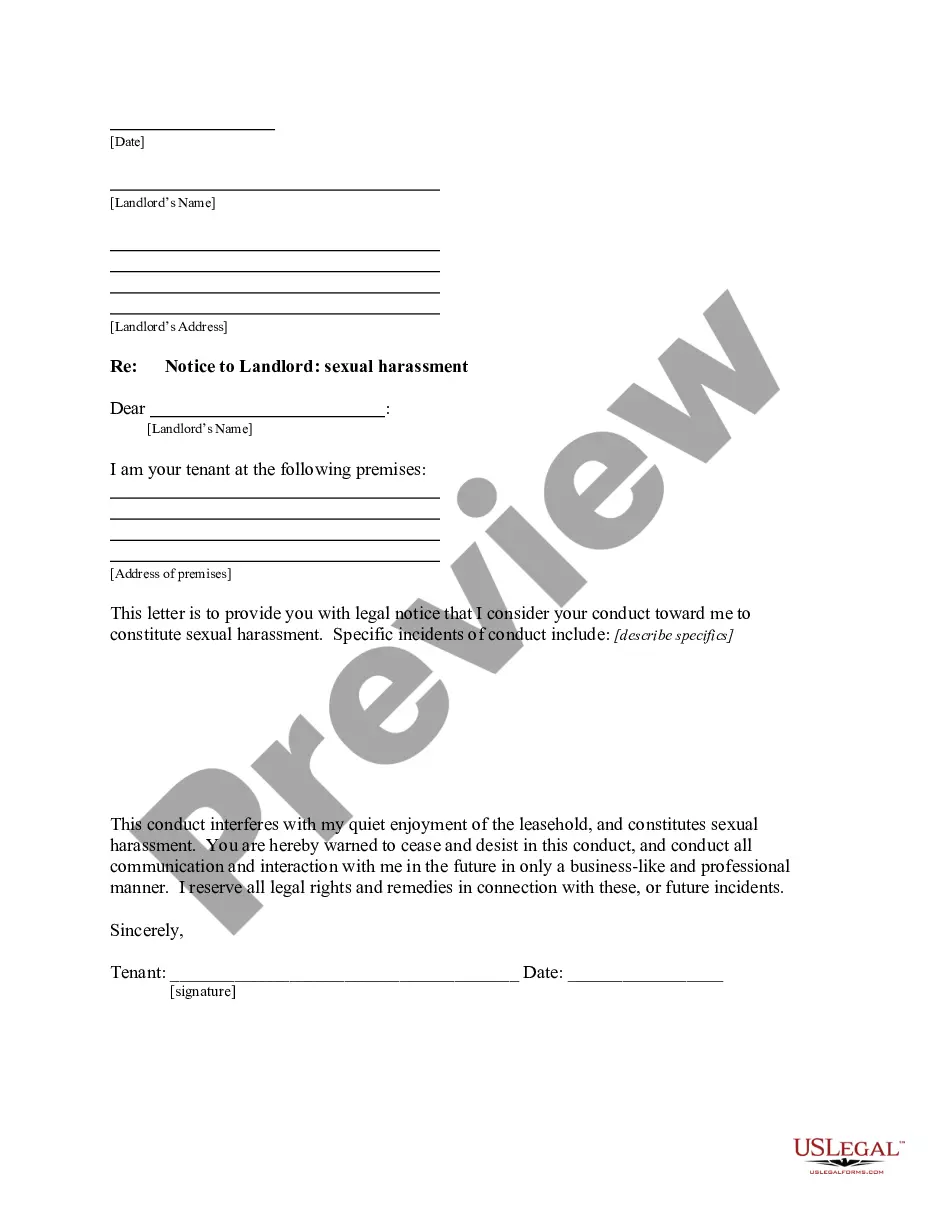
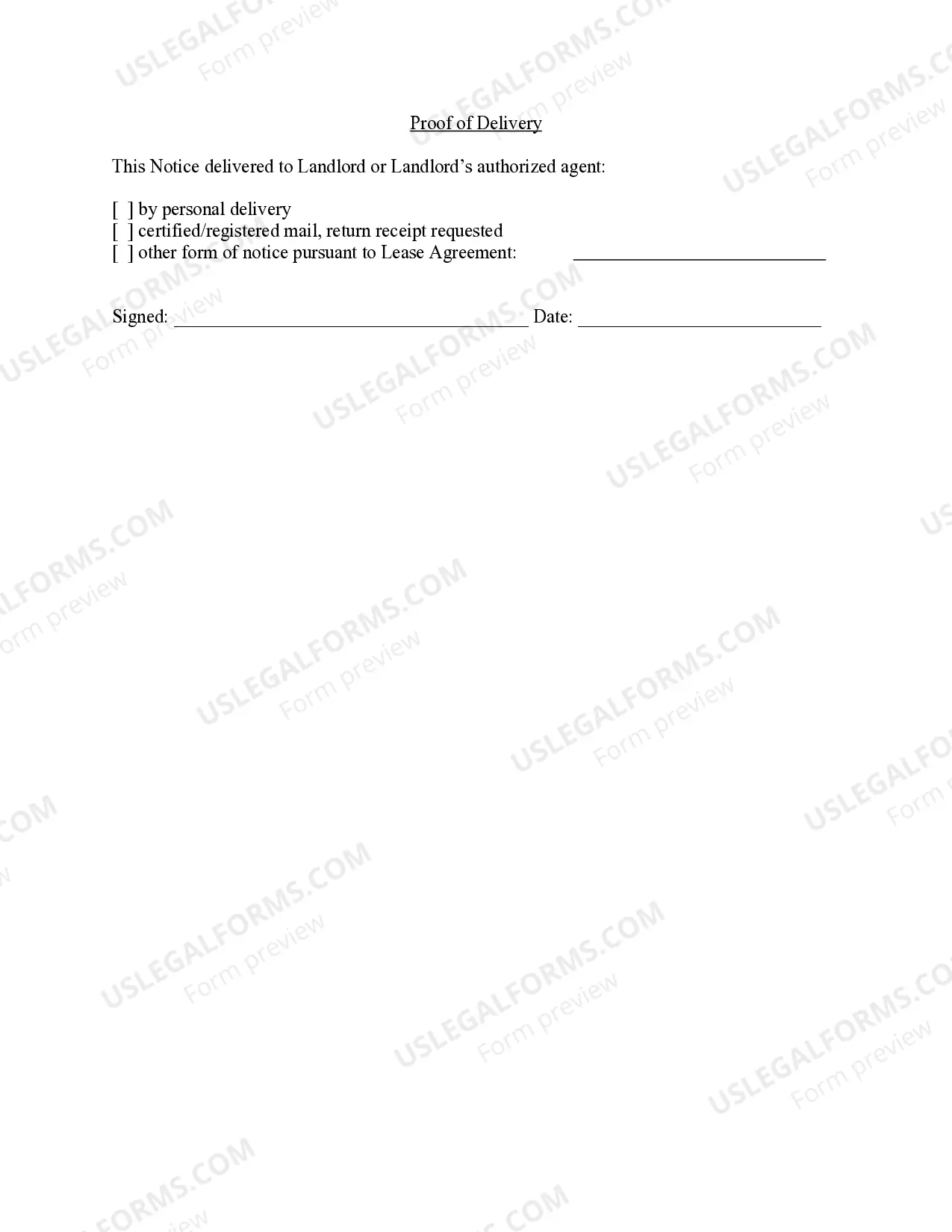

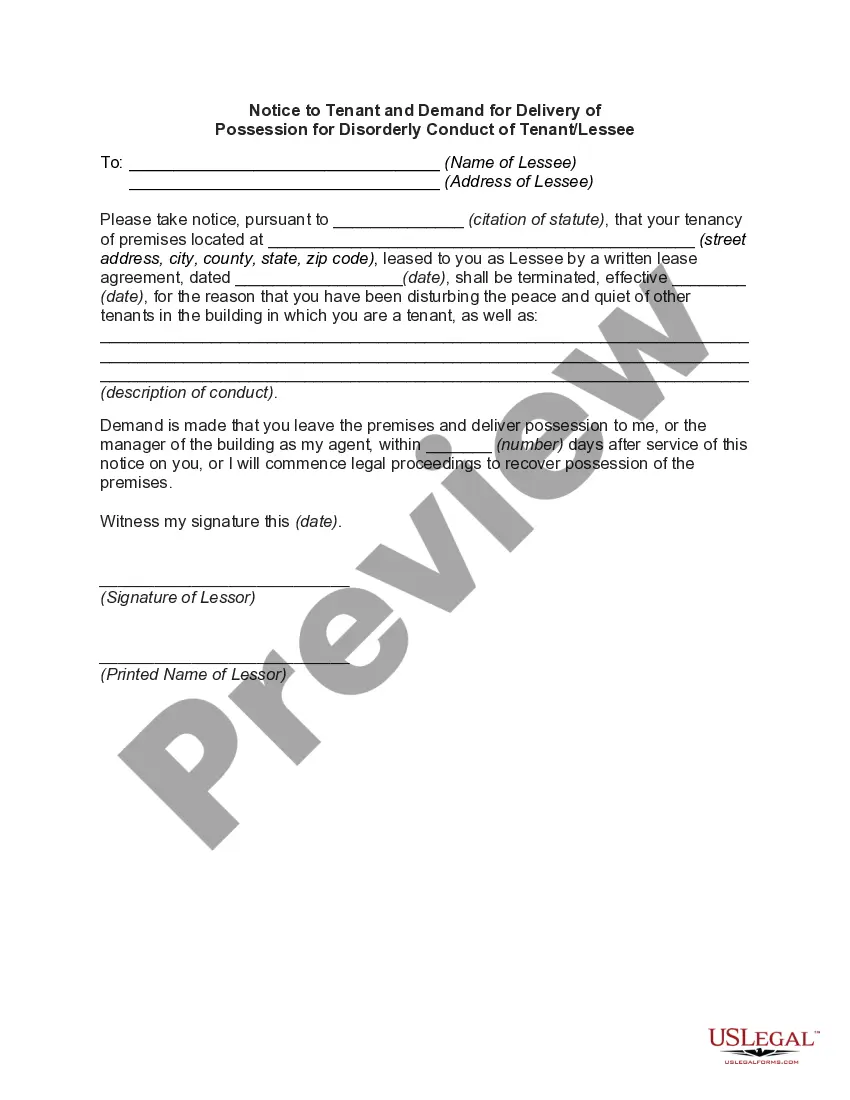
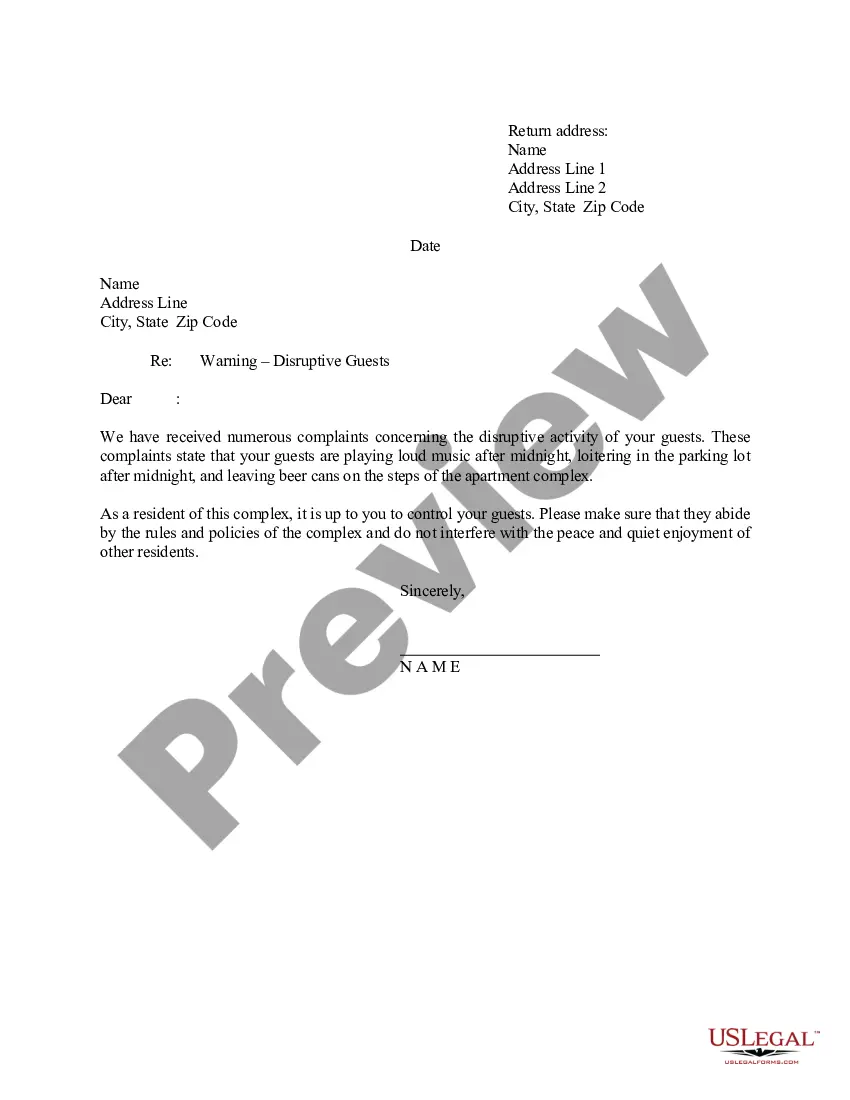
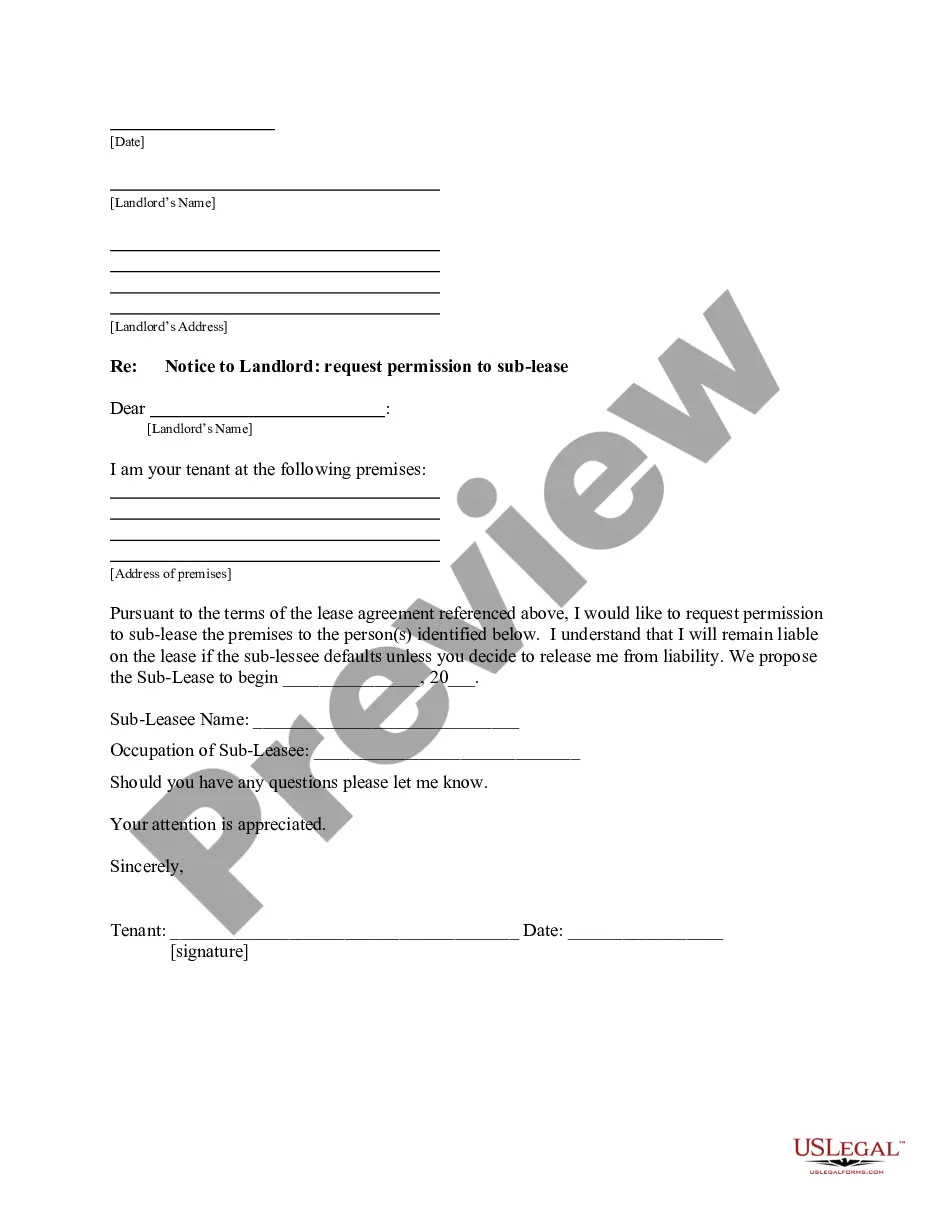
How to fill out Louisiana Letter From Tenant To Landlord About Sexual Harassment?
Searching for a Louisiana Letter from Tenant to Landlord regarding Sexual Harassment example can be challenging.
To conserve time, expenses, and effort, utilize US Legal Forms to locate the relevant template tailored for your state with just a few clicks.
Our legal professionals prepare every document, so you only need to complete them. It’s truly that easy.
Select your package on the pricing page and create an account. Choose your payment method by credit card or PayPal. Save the document in your preferred format. Now you can print the Louisiana Letter from Tenant to Landlord regarding Sexual Harassment template or complete it using any online editor. Don’t worry about typos, as your form can be used and submitted, and printed as many times as needed. Experience US Legal Forms and gain access to over 85,000 state-specific legal and tax documents.
- Log into your account and return to the form's page to save the sample.
- Your saved templates can be found in My documents and are available at all times for future use.
- If you have not yet subscribed, you will need to register.
- Review our step-by-step guidelines on how to obtain your Louisiana Letter from Tenant to Landlord concerning Sexual Harassment form in just a few minutes.
- To acquire a suitable example, confirm its relevance to your state.
- Examine the example through the Preview option (if accessible).
- If a description is available, read it to understand the details.
- Click the Buy Now button once you find what you need.
Form popularity
FAQ
Write a letter to your landlord asking for the harassment to stop. Send the letter with proof of mailing and keep a copy of the letter. Ask a witness to be there for landlord interactions. Witness accounts and video recordings of your interactions can be used in court as long as they were done legally.
Your landlord discriminates against you. Your landlord takes your security deposit illegally. Your rental unit is inhabitable. The property owner interferes with your right to quiet enjoyment. Your landlord fails to make the necessary repairs.
Uninhabitable conditions can include dangerous ones, such as holes in the floor, unsafe or exposed wiring, or non-working air conditioning in dangerously hot summer months. Gross infestations of roaches, fleas or other pests are also uninhabitable conditions.
Respectfully state that you are making a complaint. Explain the reason behind you making the complaint, making sure to put in the various reasons why you are making the complaint. Relate to the reader what you wish to be done about your complaint. End on a positive tone.
You can recover up to $250,000 in pain and suffering, or any non-economic damages.
Harassment is unwelcome conduct that is based on race, color, religion, sex (including pregnancy), national origin, age (40 or older), disability or genetic information.The victim does not have to be the person harassed, but can be anyone affected by the offensive conduct.
Know your state's landlord/tenant laws. Read and respond to the court summons. Try to work out a settlement. Consider legal counsel. Show up for court. Look sharp and provide evidence.
If you're seeking damages for emotional distress caused by a landlord's discrimination, or punitive damages for especially blatant and intentional discrimination, a lawsuit may well be your best bet. Understand what's involved in suing your landlord. You may file a lawsuit in either federal or state court.
Get an Injunctive Order from the Court to Stop the Behavior: A tenant can go to court to get a legal order from the court for the landlord to stop the harassing behavior. 12feff Sue the Landlord: A tenant could also sue the landlord for damages due to the harassment.