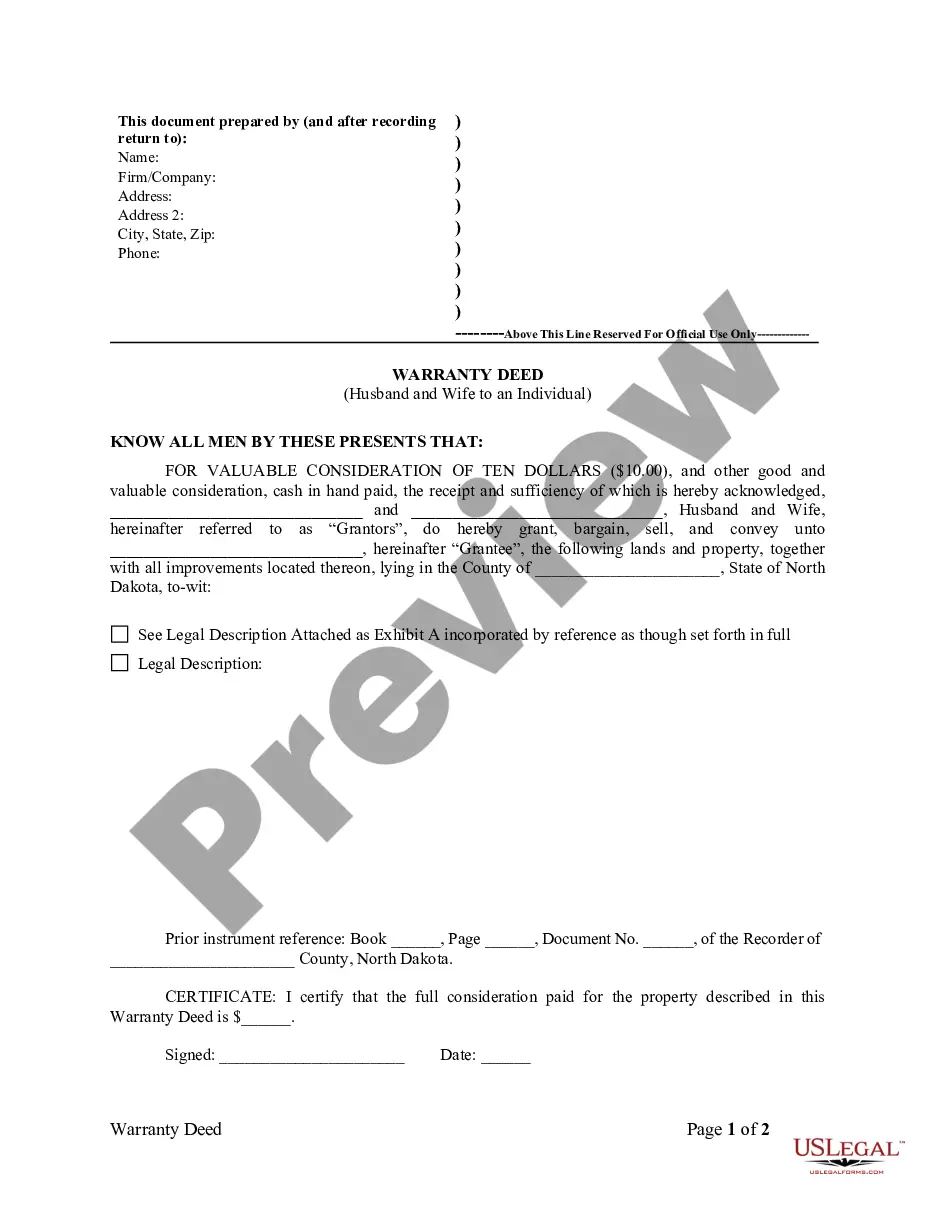
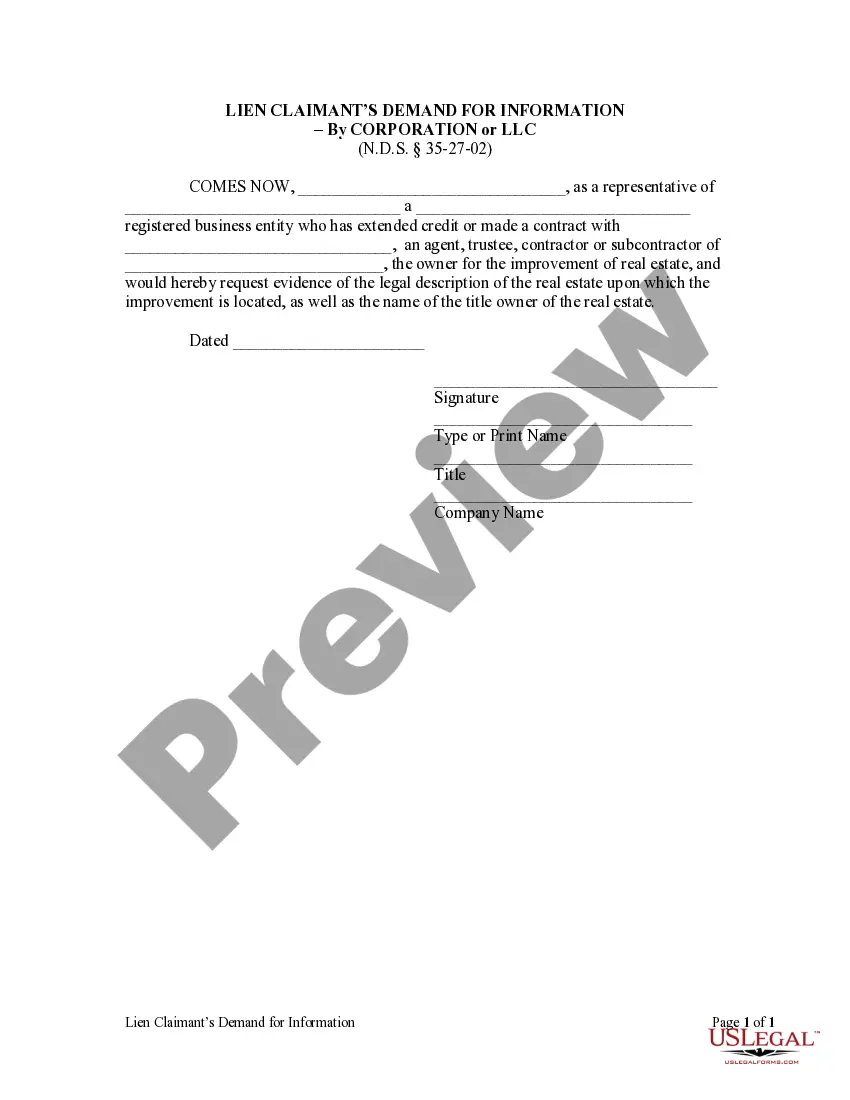
Massachusetts Financial Account Transfer to Living Trust
Description
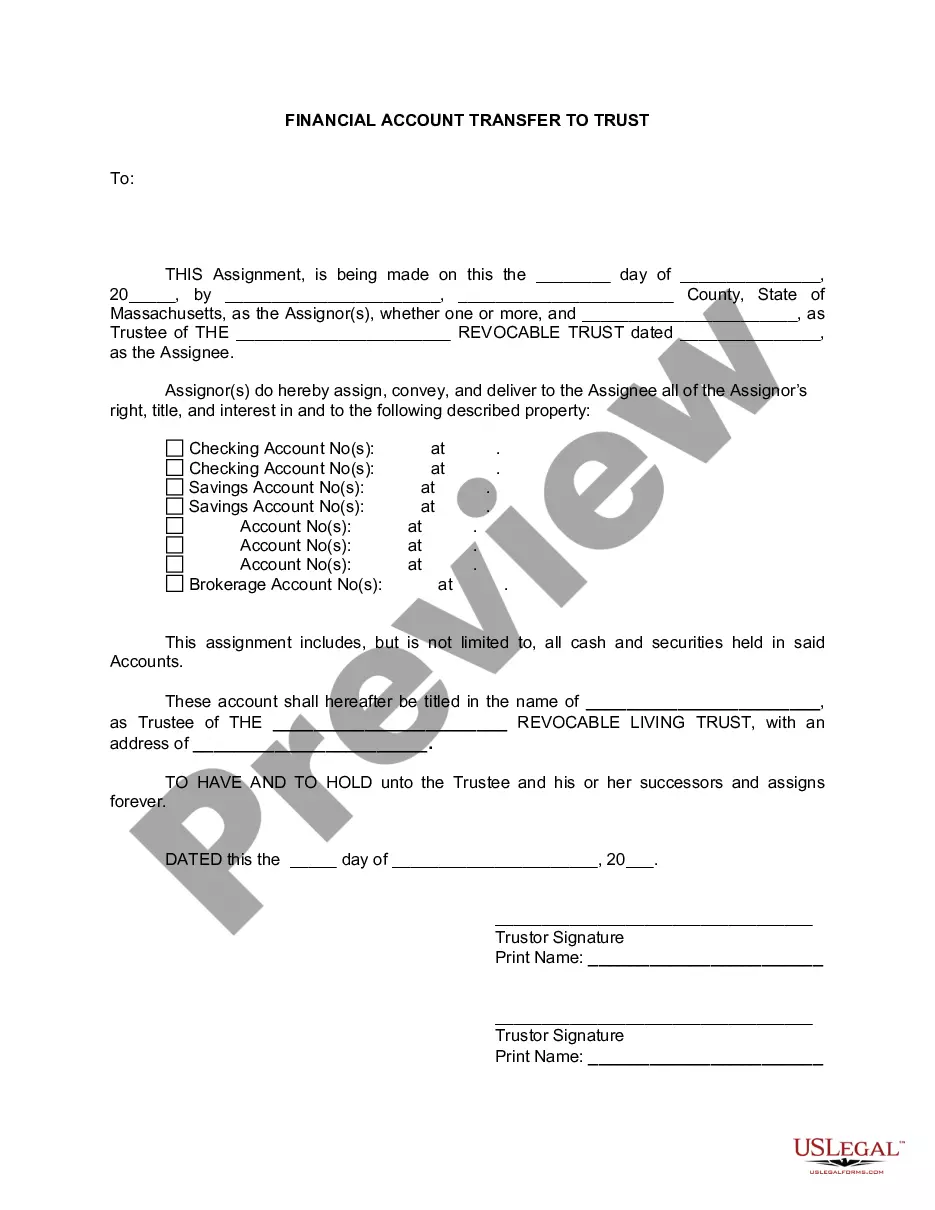
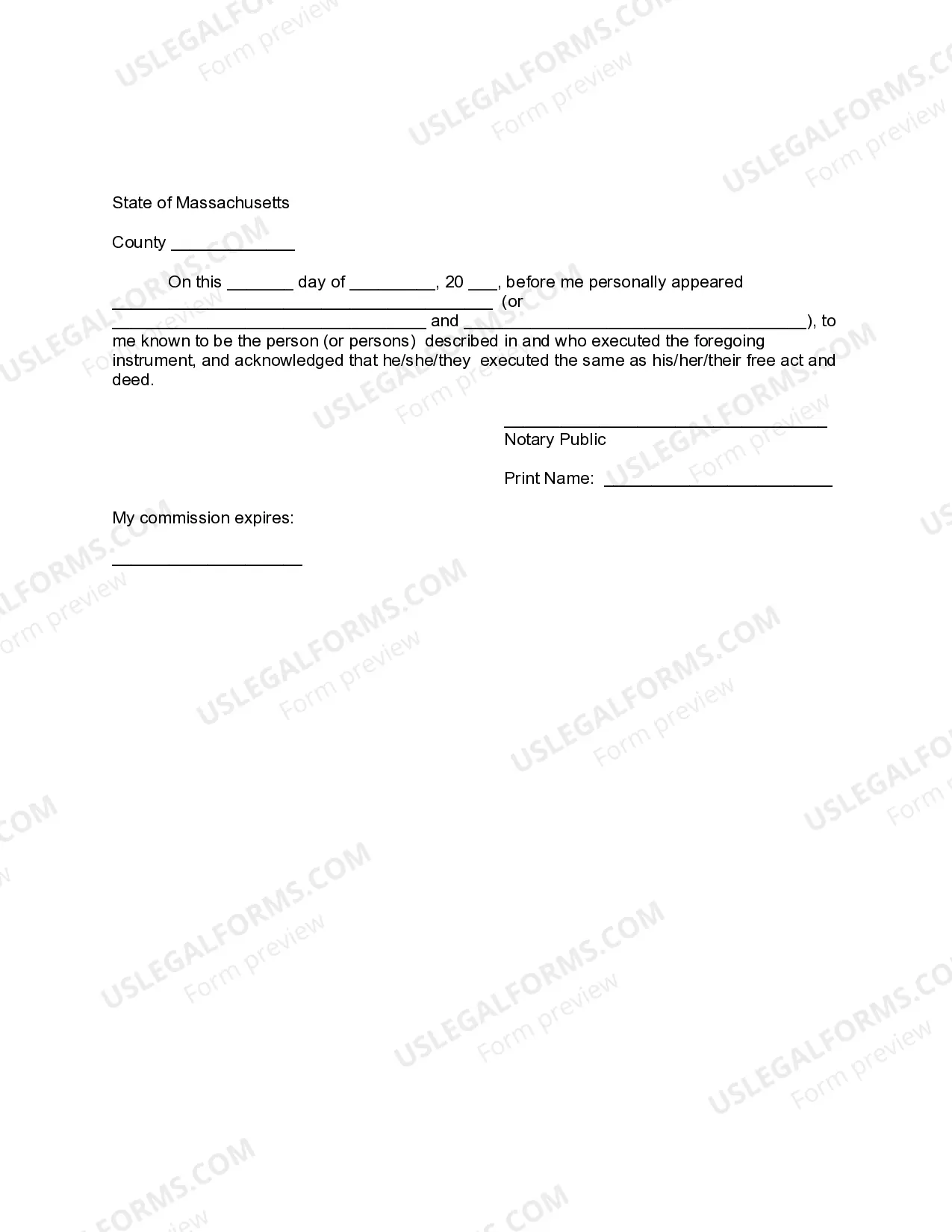

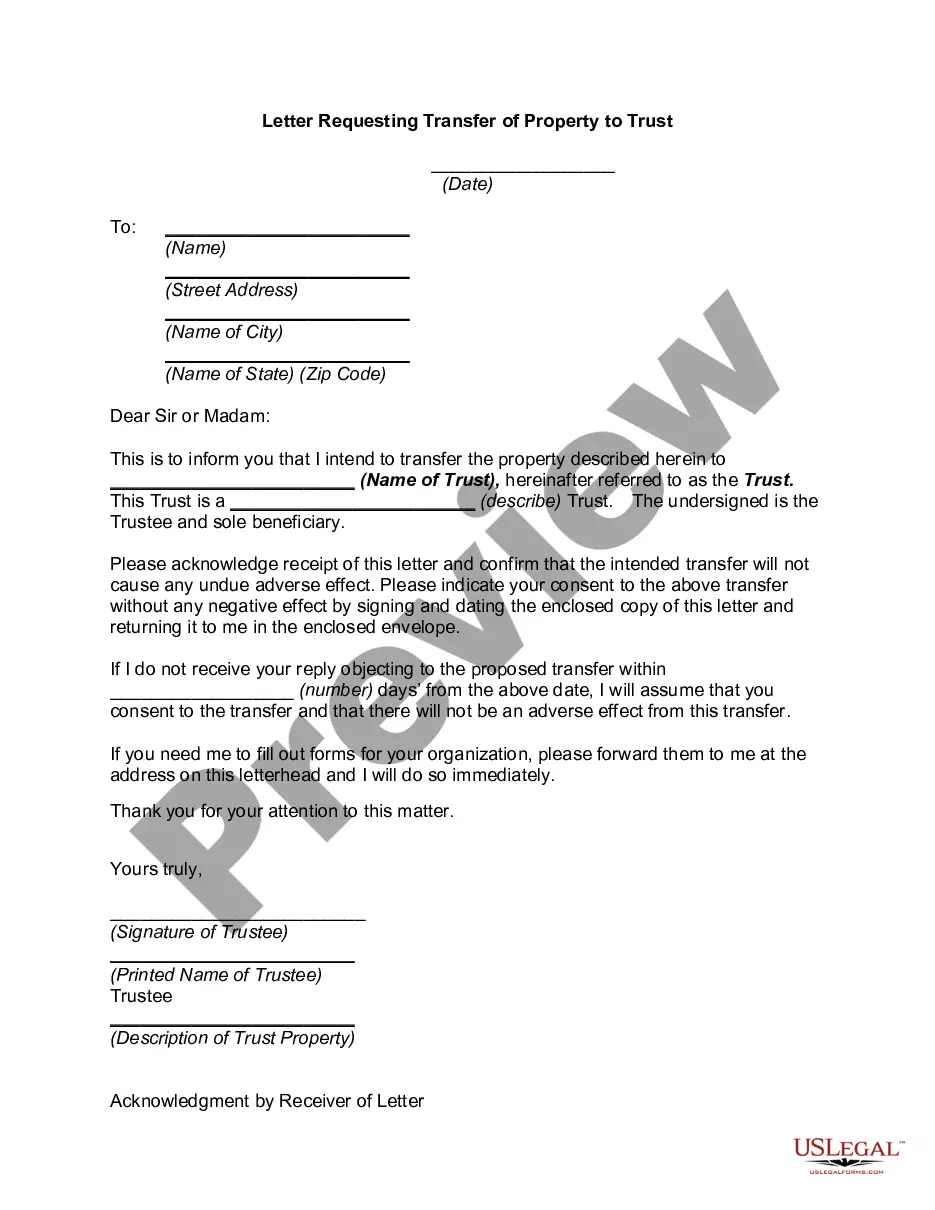
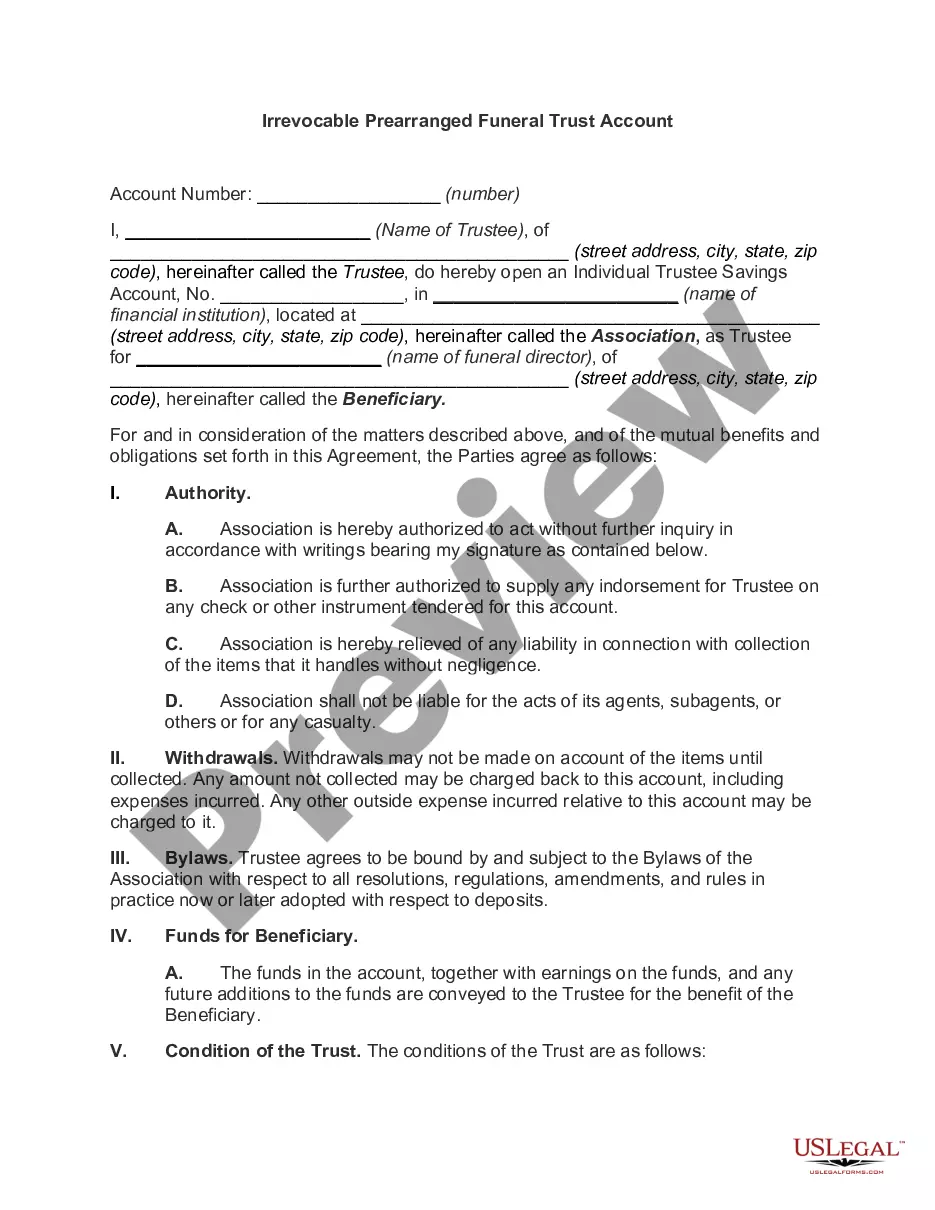






How to fill out Massachusetts Financial Account Transfer To Living Trust?
Greetings to the largest legal documentation repository, US Legal Forms. Here you will discover any template such as Massachusetts Financial Account Transfer to Living Trust samples and retain them (as many as you desire/require). Prepare official paperwork in just a few hours, instead of days or weeks, without spending excessively on a lawyer.
Obtain your state-specific form in a few clicks and feel confident with the assurance that it was created by our qualified legal professionals.
If you’re already a registered user, just sign in to your account and click Download next to the Massachusetts Financial Account Transfer to Living Trust template you need. As US Legal Forms is an online solution, you will typically have access to your downloaded documents, regardless of the device you are using. Locate them under the My documents section.
Print the document and fill it with your or your business’s information. After completing the Massachusetts Financial Account Transfer to Living Trust, forward it to your lawyer for validation. It’s an extra step but a crucial one to ensure you’re fully protected. Join US Legal Forms today and gain access to numerous reusable templates.
- If you don't yet possess an account, what are you waiting for.
- Review our instructions outlined below to initiate the process.
- If this is a state-specific document, verify its legitimacy in your state.
- Examine the description (if available) to ascertain if it’s the correct template.
- View additional details with the Preview feature.
- If the template meets your needs, simply click Buy Now.
- To establish an account, choose a subscription plan.
- Utilize a credit card or PayPal to register.
- Download the template in your desired format (Word or PDF).
Form popularity
FAQ
When Should You Put a Bank Account into a Trust?More specifically, you can hold up to $166,250 of real or personal property outside a trust and avoid full probate in California. However, if you have more than $166,250 in a bank account, you should consider transferring it into your trust.
Property you put in a living trust doesn't have to go through probate, which means that the assets won't get tied up in court for months and maybe years. However, you don't have to put bank accounts in a living trust, and sometimes it's not a good idea.
To transfer assets such as investments, bank accounts, or stock to your real living trust, you will need to contact the institution and complete a form. You will likely need to provide a certificate of trust as well. You may want to keep your personal checking and savings account out of the trust for ease of use.
Visit your local bank branch and let the branch manager or representative know you want to transfer your bank account into the trust. Give the bank representative a signed and notarized copy of your trust document. The bank will need to confirm that you're the owner and verify the name of the trust.
The process of funding your living trust by transferring your assets to the trustee is an important part of what helps your loved ones avoid probate court in the event of your death or incapacity. Qualified retirement accounts such as 401(k)s, 403(b)s, IRAs, and annuities, should not be put in a living trust.
Visit your local bank branch and let the branch manager or representative know you want to transfer your bank account into the trust. Give the bank representative a signed and notarized copy of your trust document. The bank will need to confirm that you're the owner and verify the name of the trust.
To transfer assets into a trust, the grantor must transfer titles from their name to the legal name of the trust. A grantor can create a living trust using an online legal document provider or by hiring an attorney. They can transfer almost any asset, including bank accounts, into a trust.
Houses and other real estate (even if they're mortgaged) stock, bond, and other security accounts held by brokerages (but think about naming a TOD beneficiary instead) small business interests (stock in a closely held corporation, partnership interests, or limited liability company shares)