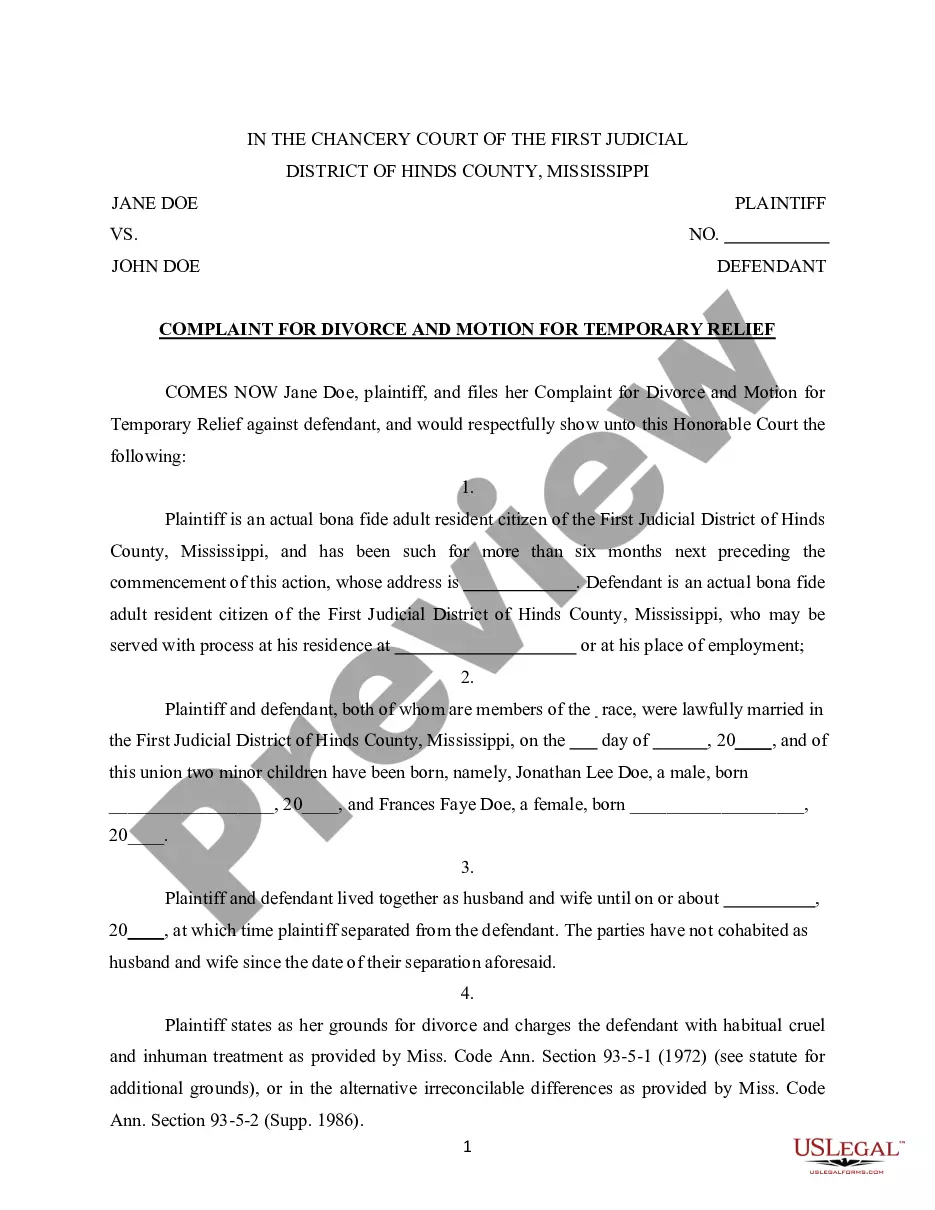
North Dakota Financial Account Transfer to Living Trust
Overview of this form
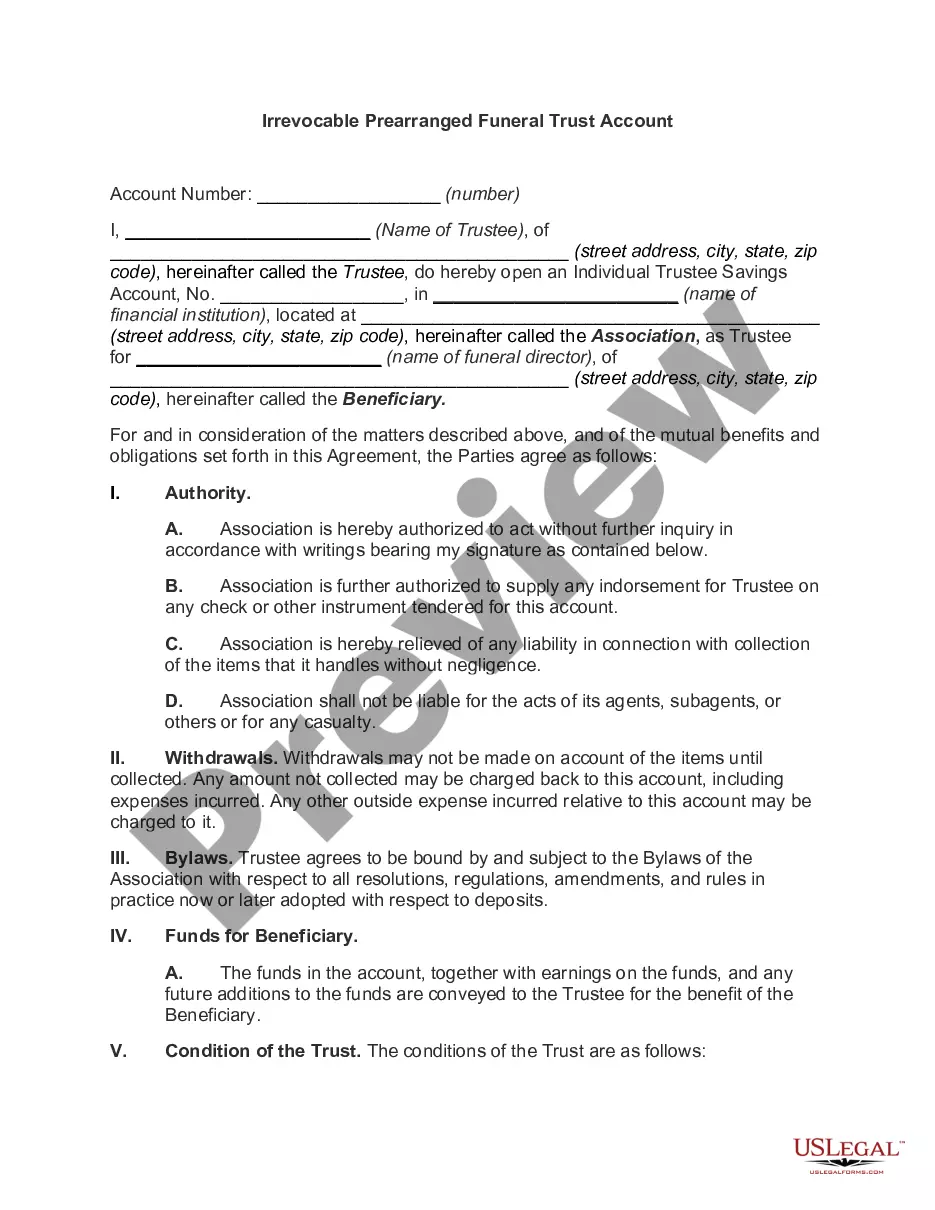
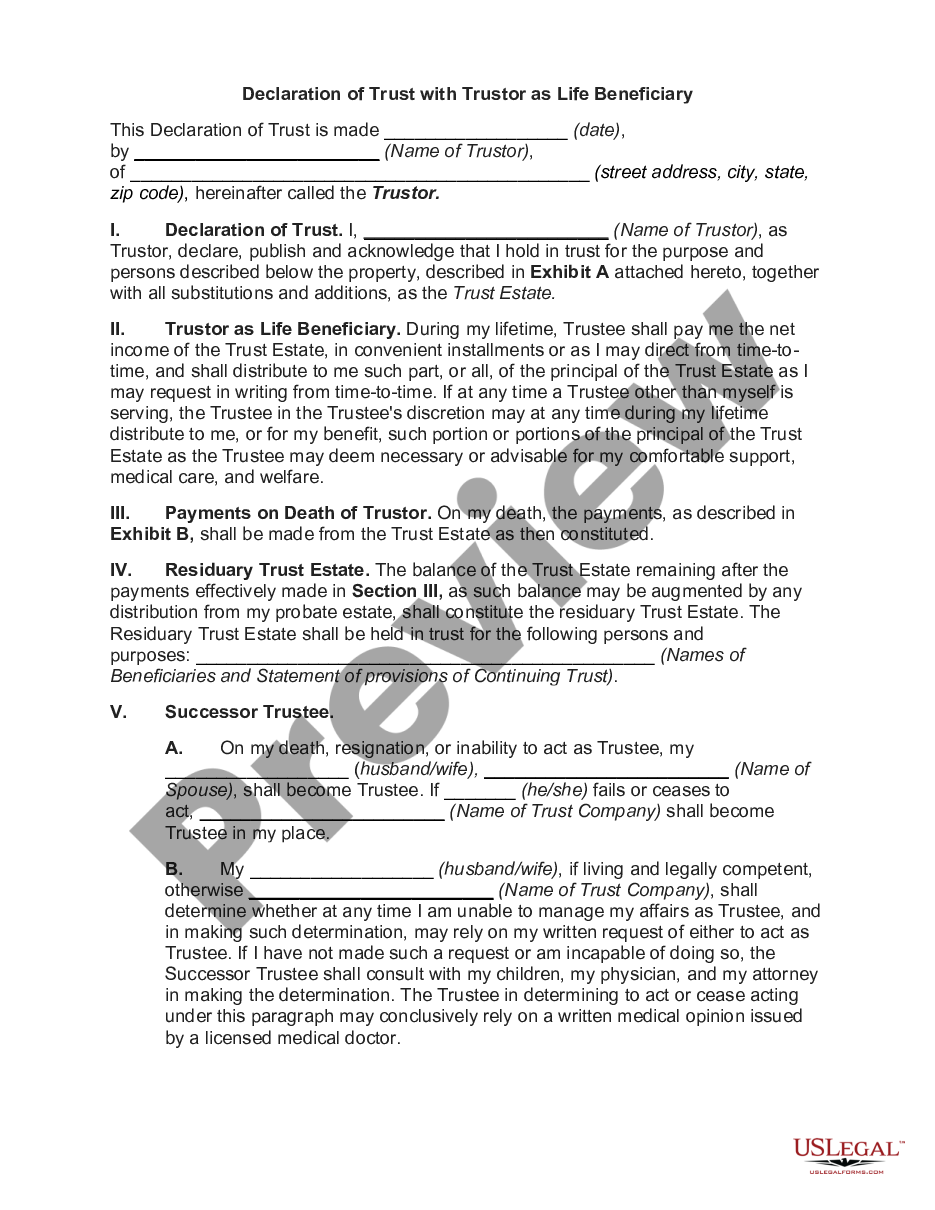
The Financial Account Transfer to Living Trust form facilitates the transfer of financial accounts, such as bank accounts and securities, into a living trust. A living trust is established during a person's lifetime, allowing individuals to manage their assets effectively while still alive and ensuring a smoother estate transition upon their passing. This form specifically addresses the transfer of ownership of specified financial assets, distinguishing it from other estate planning documents like wills or powers of attorney.
What’s included in this form
- Assignor details: The person transferring the accounts.
- Asset description: Specific accounts and property being transferred.
- Trustee information: Name of the trustee managing the trust.
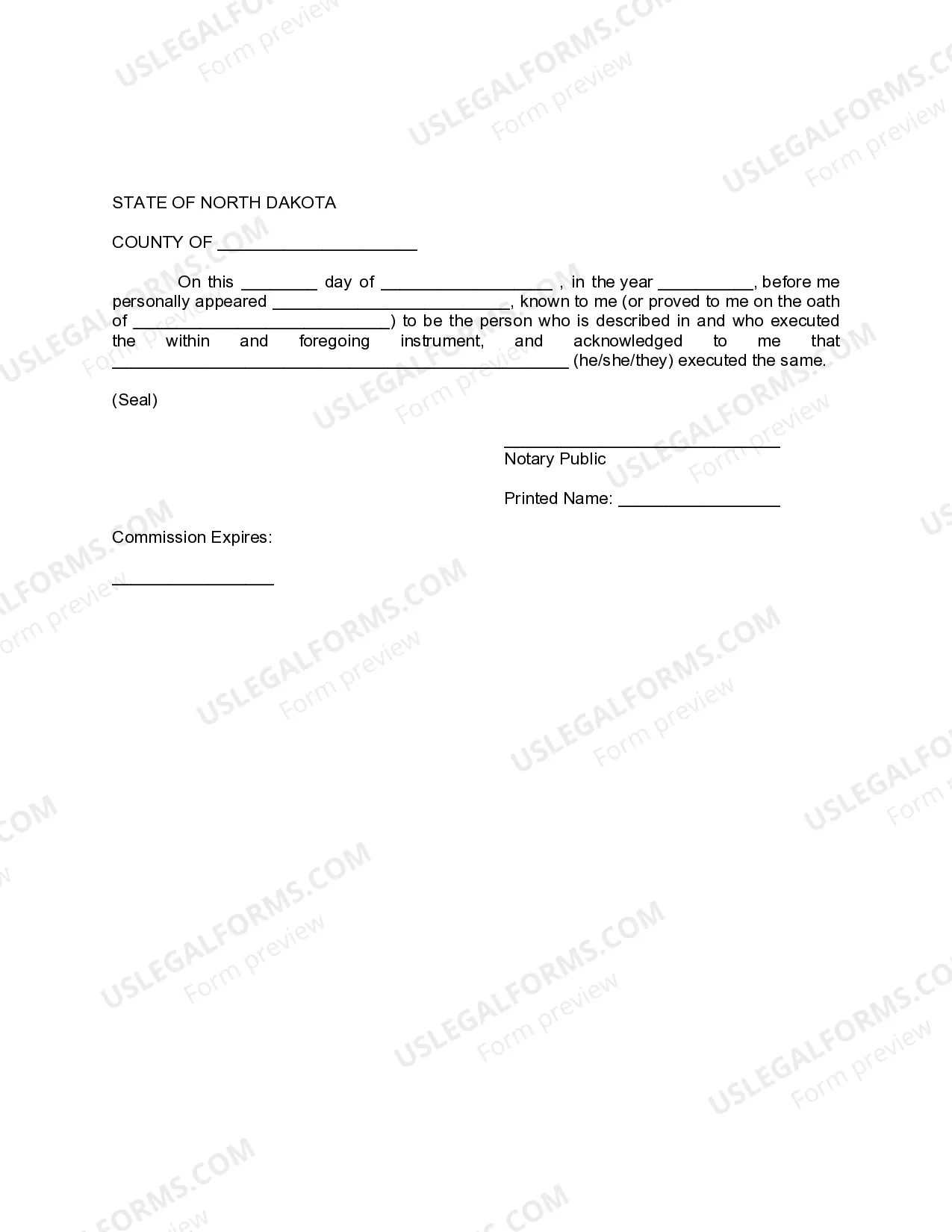
- Signatures: Required signatures of the assignors and notary acknowledgment.
- Date of transfer: The date when the form is executed.

When to use this form
This form is necessary when you want to transfer ownership of your financial accounts to a living trust. It is particularly useful for individuals who are establishing a living trust as part of their estate planning to ensure that their assets are managed according to their wishes during their lifetime and distributed appropriately after their death.
Who needs this form
This form is intended for:
- Individuals establishing a living trust for themselves.
- Trustors looking to consolidate their assets into a trust.
- Anyone seeking to simplify the management of their financial accounts after their passing.
Completing this form step by step
- Identify the parties involved: List the assignor(s) and the trustee.
- Specify the property: Clearly describe the financial accounts being transferred.
- Enter the trust name: Include the full name of the living trust.
- Sign the form: Ensure all assignors sign in the presence of a notary public.
- Fill in the date: Record the date of execution as required.
Notarization guidance
Yes, this form must be notarized to be legally valid. The signatures of the assignor(s) need to be acknowledged before a notary public, ensuring that the document is executed properly. US Legal Forms offers integrated online notarization services, available 24/7, through secure video calls, making it easy and efficient to complete this requirement without the need for in-person visits.
Get your form ready online
Our built-in tools help you complete, sign, share, and store your documents in one place.
Make edits, fill in missing information, and update formatting in US Legal Forms—just like you would in MS Word.
Download a copy, print it, send it by email, or mail it via USPS—whatever works best for your next step.
Sign and collect signatures with our SignNow integration. Send to multiple recipients, set reminders, and more. Go Premium to unlock E-Sign.
If this form requires notarization, complete it online through a secure video call—no need to meet a notary in person or wait for an appointment.
We protect your documents and personal data by following strict security and privacy standards.

Make edits, fill in missing information, and update formatting in US Legal Forms—just like you would in MS Word.

Download a copy, print it, send it by email, or mail it via USPS—whatever works best for your next step.

Sign and collect signatures with our SignNow integration. Send to multiple recipients, set reminders, and more. Go Premium to unlock E-Sign.

If this form requires notarization, complete it online through a secure video call—no need to meet a notary in person or wait for an appointment.

We protect your documents and personal data by following strict security and privacy standards.
Typical mistakes to avoid
- Failing to list all relevant financial accounts in the description.
- Not having signatures witnessed by a notary public.
- Leaving the date section blank.
- Using incorrect names or titles for the trust or trustee.
Why use this form online
- Convenient access to legal documents that can be downloaded and completed at your own pace.
- Editable templates ensure that you can customize the information accurately.
- Reliability, as all forms are drafted by licensed attorneys to ensure they meet legal requirements.
What to keep in mind
- The Financial Account Transfer to Living Trust form is crucial for managing financial accounts in a living trust.
- Ensure proper notarization to comply with legal requirements.
- This form supports streamlined estate planning, helping to protect assets from probate.
Looking for another form?
Form popularity
FAQ
When Should You Put a Bank Account into a Trust?More specifically, you can hold up to $166,250 of real or personal property outside a trust and avoid full probate in California. However, if you have more than $166,250 in a bank account, you should consider transferring it into your trust.
Ownership in a business can also be transferred through a living trust. To do this, the business owner must first transfer the business to the trust, then name the intended successor as successor trustee to the trust. The business owner, while living, would serve as both trustee and beneficiary of the trust.
As of 2019, attorney fees can range from $1,000 to $2,500 to set up a trust, depending upon the complexity of the document and where you live. You can also hire an online service provider to set up your trust. As of 2019, you can expect to pay about $300 for an online trust.
Transferring Real Property to a Trust You can transfer your home (or any real property) to the trust with a deed, a document that transfers ownership to the trust. A quitclaim deed is the most common and simplest method (and one you can do yourself).
Houses and other real estate (even if they're mortgaged) stock, bond, and other security accounts held by brokerages (but think about naming a TOD beneficiary instead) small business interests (stock in a closely held corporation, partnership interests, or limited liability company shares)
Determine the Current Title and Vesting to Your Property. Prepare a Deed. Be Aware of Your Lender and Title Insurance. Prepare a Preliminary Change of Ownership Report. Execute Your Deed. Record Your Deed. Wait for the Deed to be Returned. Keep the Property in the Trust.
The process of funding your living trust by transferring your assets to the trustee is an important part of what helps your loved ones avoid probate court in the event of your death or incapacity. Qualified retirement accounts such as 401(k)s, 403(b)s, IRAs, and annuities, should not be put in a living trust.
Property you put in a living trust doesn't have to go through probate, which means that the assets won't get tied up in court for months and maybe years. However, you don't have to put bank accounts in a living trust, and sometimes it's not a good idea.
Visit your local bank branch and let the branch manager or representative know you want to transfer your bank account into the trust. Give the bank representative a signed and notarized copy of your trust document. The bank will need to confirm that you're the owner and verify the name of the trust.