Nebraska Letter from Tenant to Landlord containing Notice to landlord to cease retaliatory threats to evict or retaliatory eviction
Overview of this form
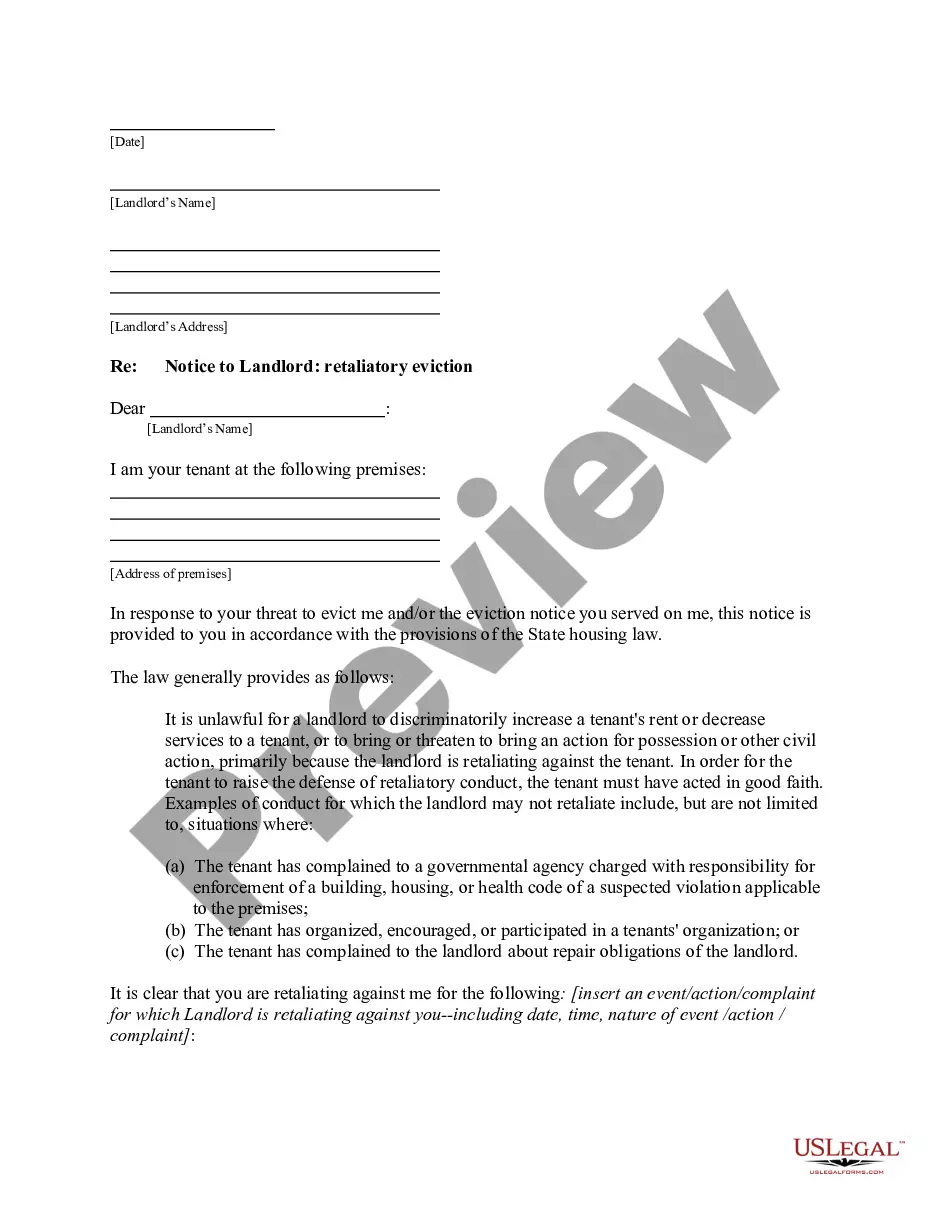
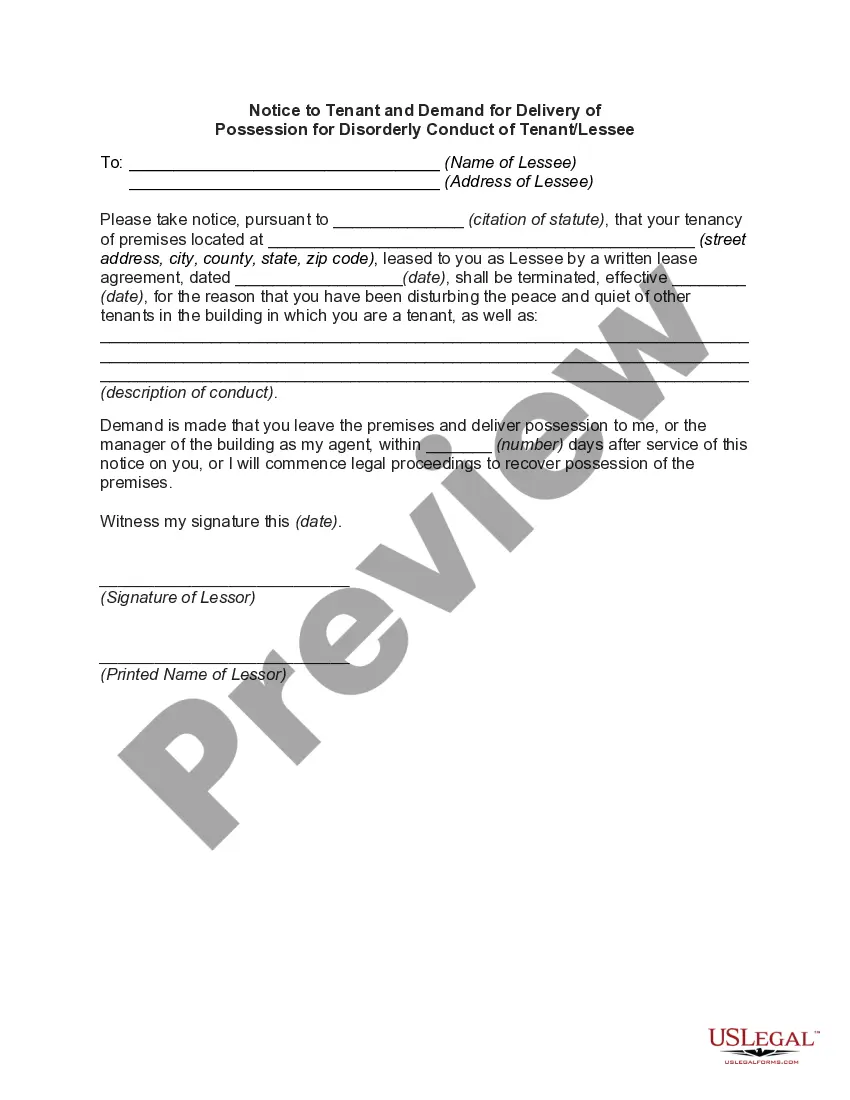
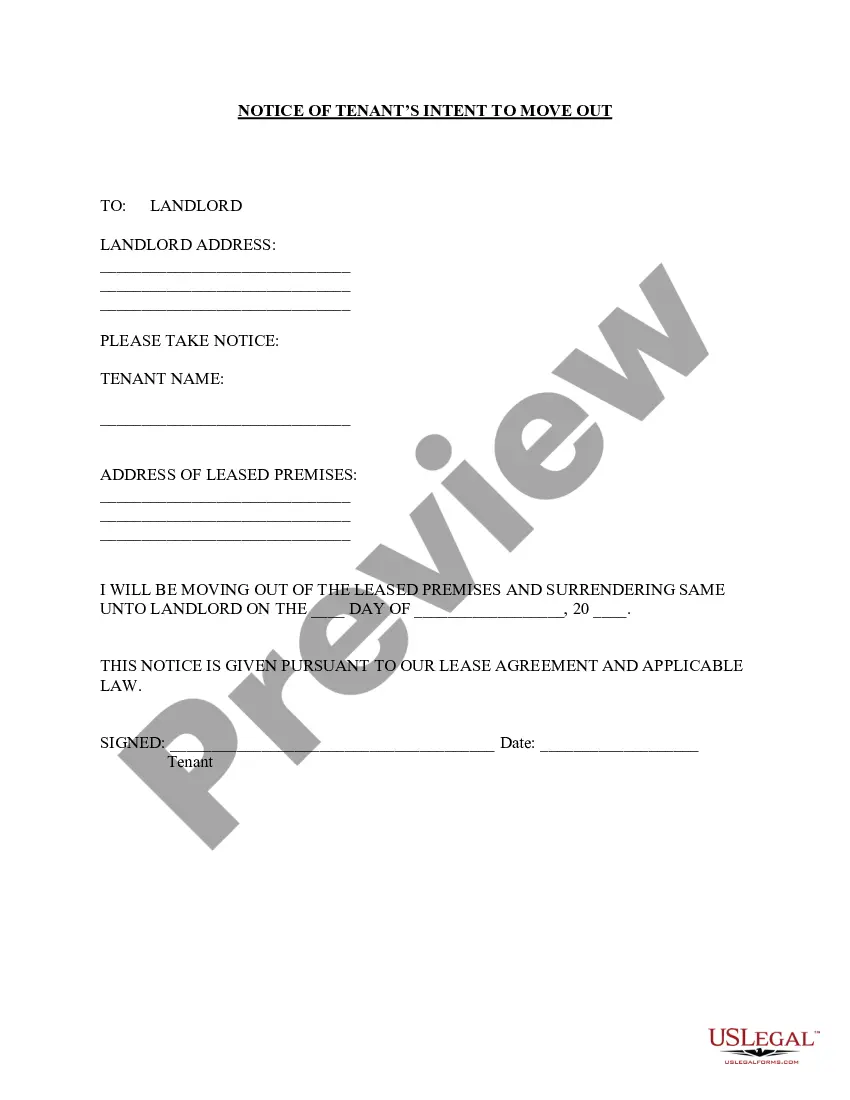
This Letter from Tenant to Landlord is a legal notice sent by a tenant when a landlord threatens eviction in retaliation for tenant actions. The form serves to assert the tenant's rights under housing laws, helping to prevent unjust evictions motivated by retaliation. Unlike standard eviction notices, this form specifically addresses retaliatory threats and provides a framework for tenants to protect themselves from unlawful eviction practices.
Main sections of this form
- Details of the tenant, including name and contact information.
- Identification of the landlord or the landlord's authorized agent.
- Clear statement of the landlord's eviction threat.
- Description of the tenantâs actions that triggered the retaliation, such as complaints about repairs.
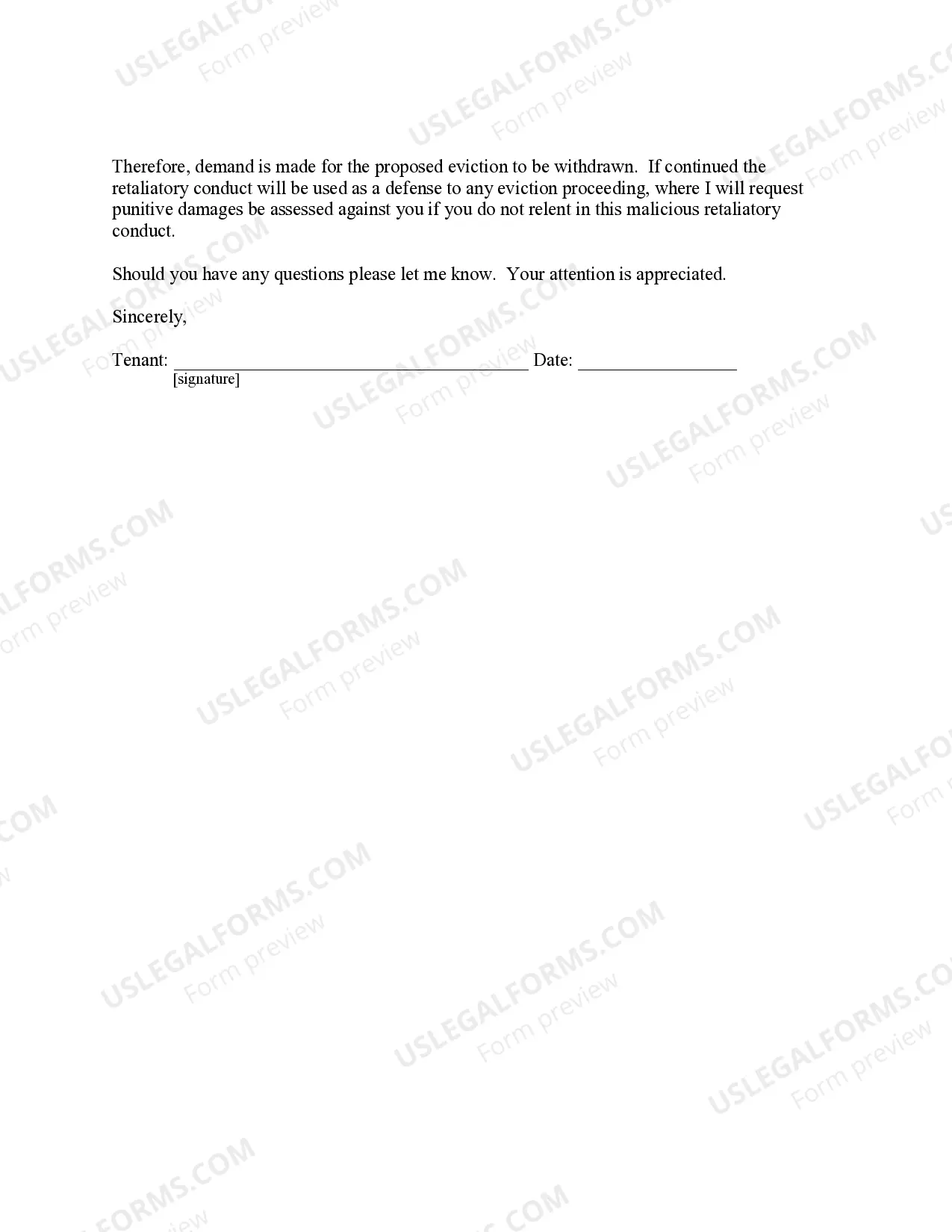
- A request for the landlord to cease retaliatory actions.
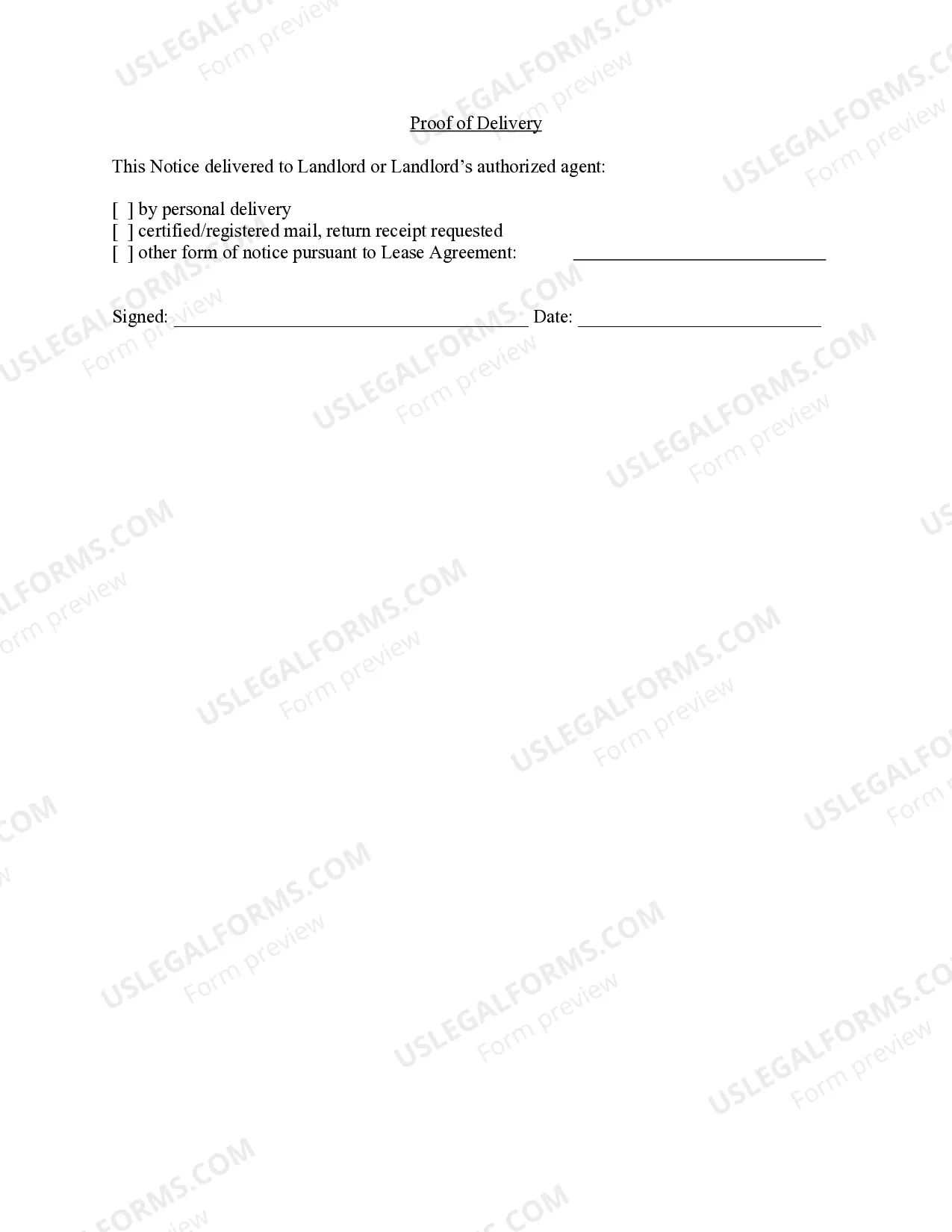
- Proof of delivery confirmation of the notice.



When to use this form
This form should be used when a tenant receives a threat of eviction from the landlord believed to be retaliatory. Typical scenarios include when a tenant has complained to a housing authority about violations, has organized a tenantâs rights group, or has reported the landlord for failing to make necessary repairs. Using this form helps to formally communicate the tenant's position and request that the landlord stop any retaliatory behavior.
Intended users of this form
- Tenants who have experienced threats of eviction from their landlord.
- Individuals facing retaliatory eviction due to lawful tenant actions.
- Tenants seeking to assert their rights under local housing laws.
Completing this form step by step
- Enter the tenant's full name and contact information.
- Provide the name and address of the landlord or authorized agent.
- State the nature of the eviction threat made by the landlord.
- Detail the specific actions taken by the tenant that resulted in the threat, such as complaints.
- Sign and date the letter to confirm its authenticity.
- Deliver the letter to the landlord, retaining proof of delivery.
Does this document require notarization?
This form does not typically require notarization unless specified by local law. However, having a notary public witness the signing can add an extra layer of credibility to the document.
Get your form ready online
Our built-in tools help you complete, sign, share, and store your documents in one place.
Make edits, fill in missing information, and update formatting in US Legal Forms—just like you would in MS Word.
Download a copy, print it, send it by email, or mail it via USPS—whatever works best for your next step.
Sign and collect signatures with our SignNow integration. Send to multiple recipients, set reminders, and more. Go Premium to unlock E-Sign.
If this form requires notarization, complete it online through a secure video call—no need to meet a notary in person or wait for an appointment.
We protect your documents and personal data by following strict security and privacy standards.

Make edits, fill in missing information, and update formatting in US Legal Forms—just like you would in MS Word.

Download a copy, print it, send it by email, or mail it via USPS—whatever works best for your next step.

Sign and collect signatures with our SignNow integration. Send to multiple recipients, set reminders, and more. Go Premium to unlock E-Sign.

If this form requires notarization, complete it online through a secure video call—no need to meet a notary in person or wait for an appointment.

We protect your documents and personal data by following strict security and privacy standards.
Avoid these common issues
- Failing to send the notice via a method that provides proof of delivery.
- Not including all necessary details about the landlord's threats.
- Missing the deadline for sending the notice as specified by local laws.
- Using unclear language that could weaken the legal argument against retaliation.
Benefits of using this form online
- Accessible and easy to download for immediate use.
- Edit and customize the template to fit your specific situation.
- Prepared by licensed attorneys to ensure legal compliance.
- Provides a prompt and formal means of communication with your landlord.
Legal use & context
This form serves an important legal purpose by asserting the tenant's rights against retaliatory eviction. It reinforces tenants' protection under state laws against discrimination and retaliatory threats, aiming to promote fair housing practices.
What to keep in mind
- This letter is crucial for tenants facing retaliatory eviction threats.
- Clearly documenting retaliatory actions can strengthen your position as a tenant.
- Using this form helps protect your rights under state housing laws.
Looking for another form?
Form popularity
FAQ
An eviction is a legal proceeding in which a landlord asks a court to order the tenant to leave the property. Giving a tenant a notice to terminate is often a first step in the eviction process, but it isn't the same as an eviction.
Eviction notices When written by a landlord, a notice to vacate is commonly known as an "eviction notice," which tells the tenant they must move out of the rental property.
Unfortunately that is not the case. Once a break notice has been served is cannot be unilaterally withdrawn. Even if both parties agree that the notice is withdrawn, service of the notice terminates the existing lease and creates a new tenancy by implication. There are a number of consequences that flow from this.
Unfortunately that is not the case. Once a break notice has been served is cannot be unilaterally withdrawn. Even if both parties agree that the notice is withdrawn, service of the notice terminates the existing lease and creates a new tenancy by implication. There are a number of consequences that flow from this.
An eviction notice must state a reason why you are being evicted, otherwise it is invalid.For tenants who lived in the property for more than 12 months, the landlord must provide at least 60 days prior notice to vacate, under California Civil Code 1946.
Pay any delinquent rent that is due to the landlord within the allotted time of the notice. Move out of the premises within the allotted time of the notice. File an answer with the judicial court. File a motion to stay with the court.
To give you an idea, it's in good taste to start your letter "Dear Mr./Ms. Insert Name Here," as is the case with any polite letter. No matter how much you might want to give your landlord a piece of your mind, do yourself a favor and refrain from calling him a slumlord.
There is no direct way to stop a landlord from serving an eviction notice. Although, there are indirect ways. One is through a public authority or agency. By filing a complaint with the local housing authority, a tenant may be able to stop eviction.
A Notice to Vacate is a notice written by the landlord or property manager giving a notice to leave the premises within a specified time frame. This type of notice is typically given during the end of a lease period, or due to an infringement of the lease agreement.