Tennessee Bill of Sale without Warranty by Individual Seller
Understanding this form
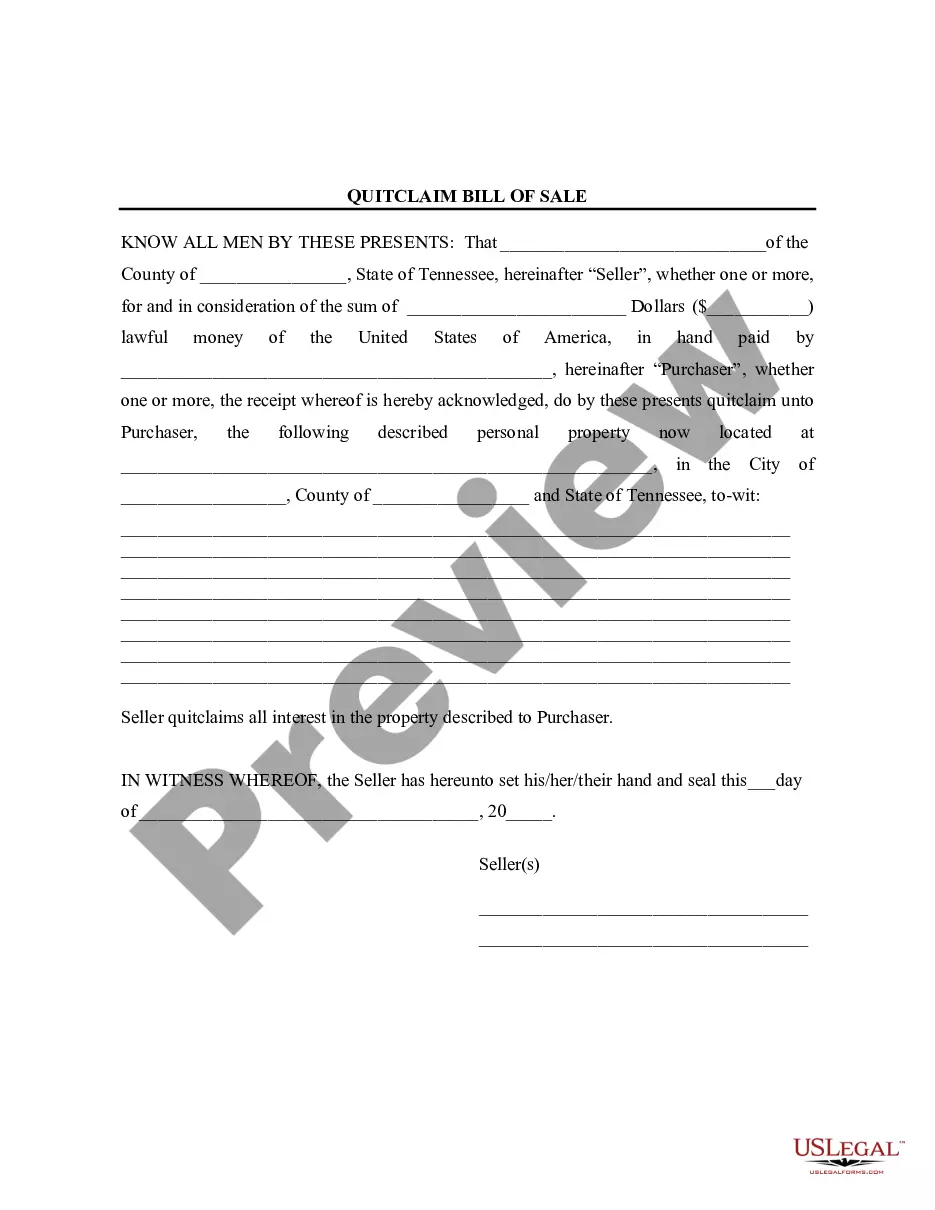
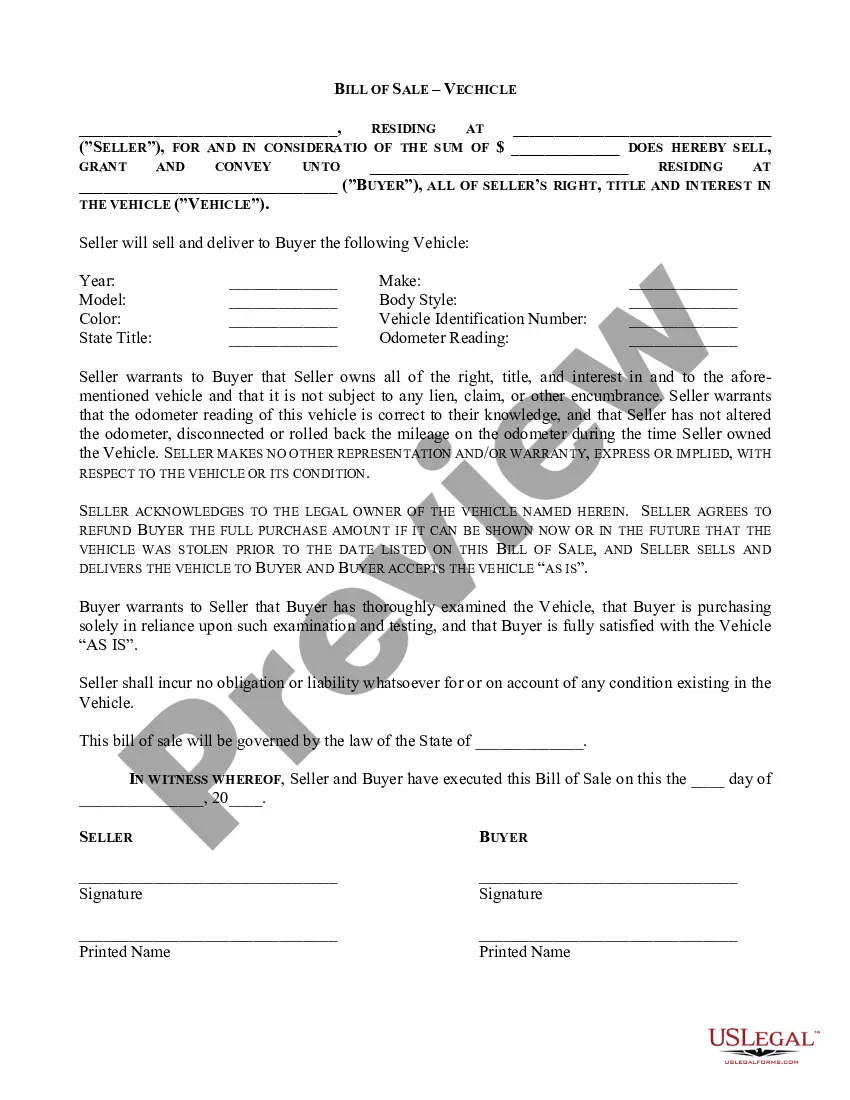
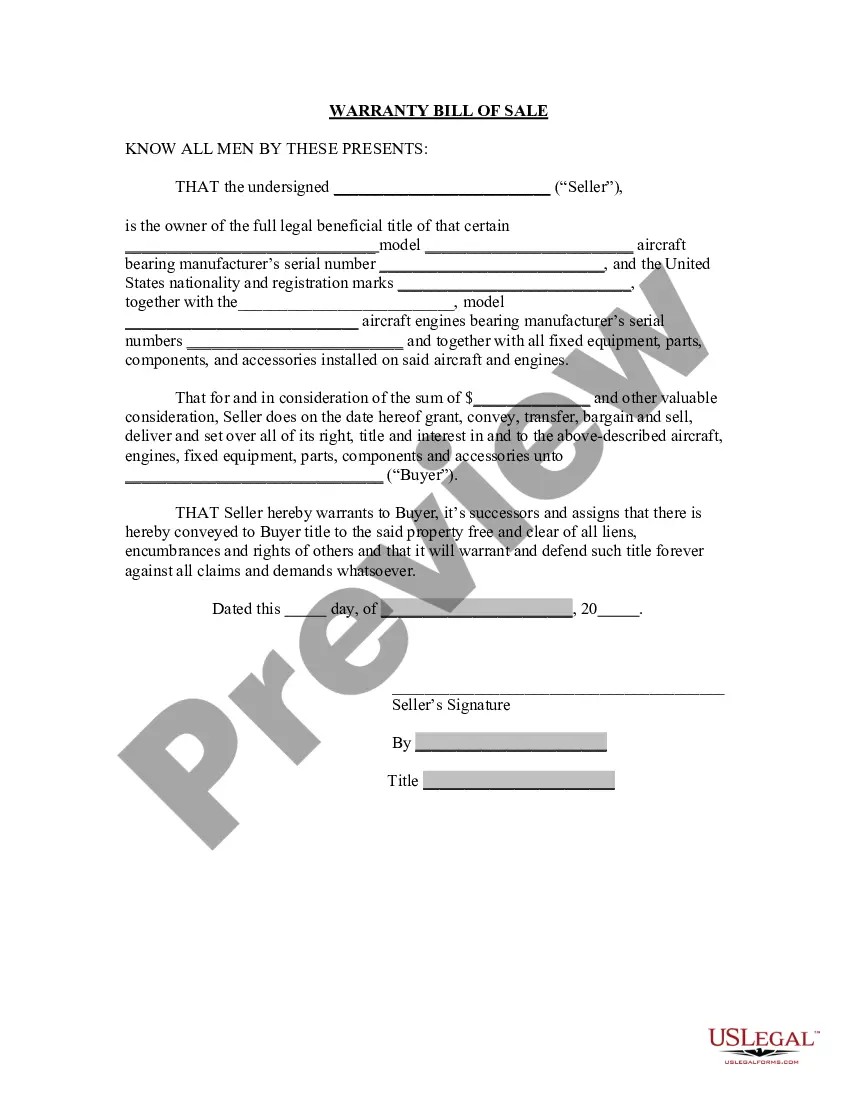
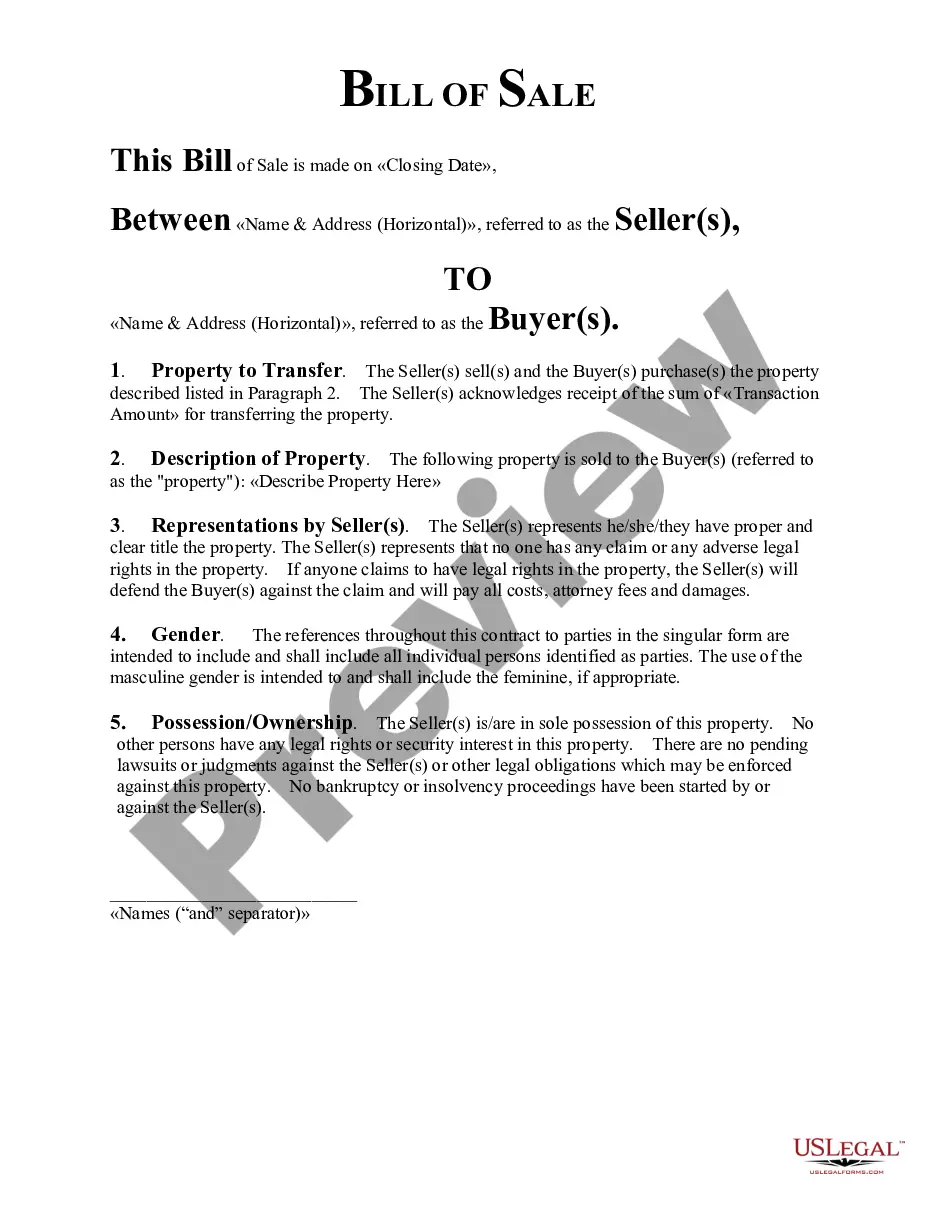
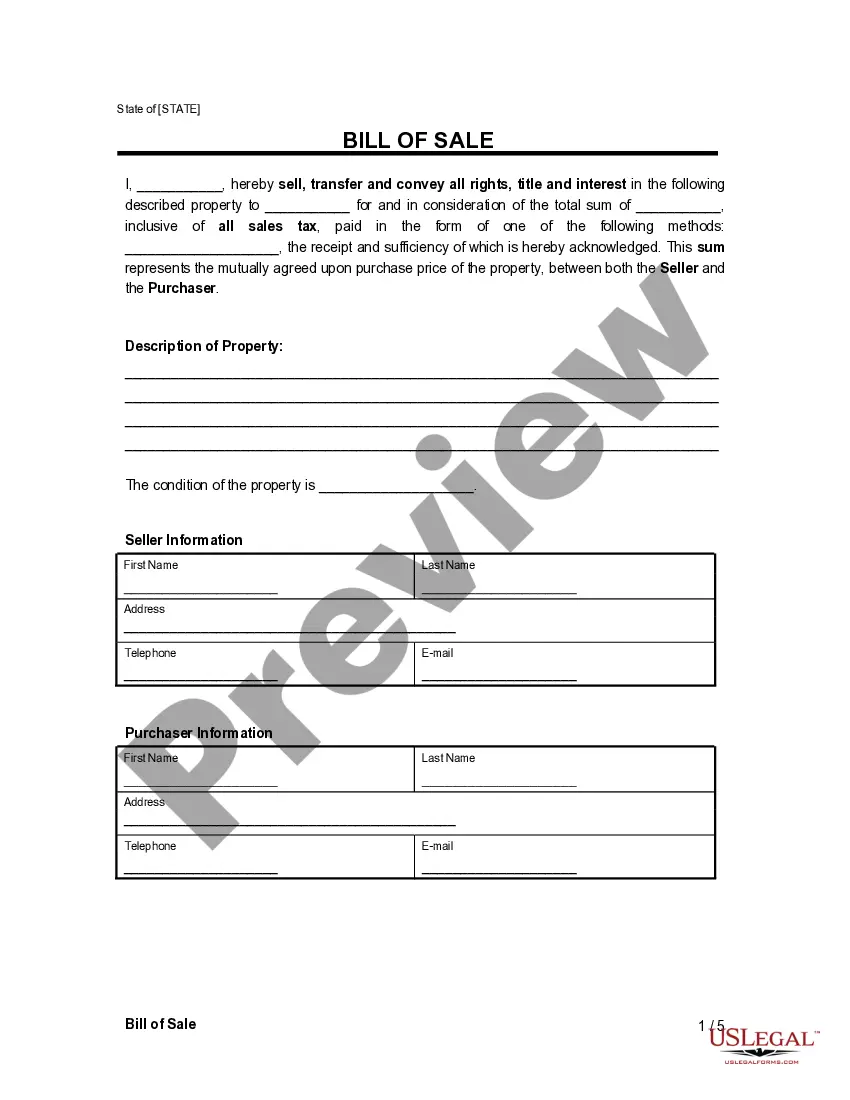
The Bill of Sale without Warranty by Individual Seller is a legal document that facilitates the transfer of ownership of personal property from one individual to another without any warranty of condition or title. This form is particularly useful for private sales where the seller wishes to limit liability, distinguishing it from other bills of sale that may offer warranties or guarantees on the property being sold.
Key components of this form
- Identification of the seller and purchaser, including their names and addresses.
- Detailed description of the personal property being sold.
- Statement of consideration (the amount paid for the property).
- Seller's quitclaim of any interest in the property to the purchaser.
- Signatures of the seller(s) to confirm the transaction.
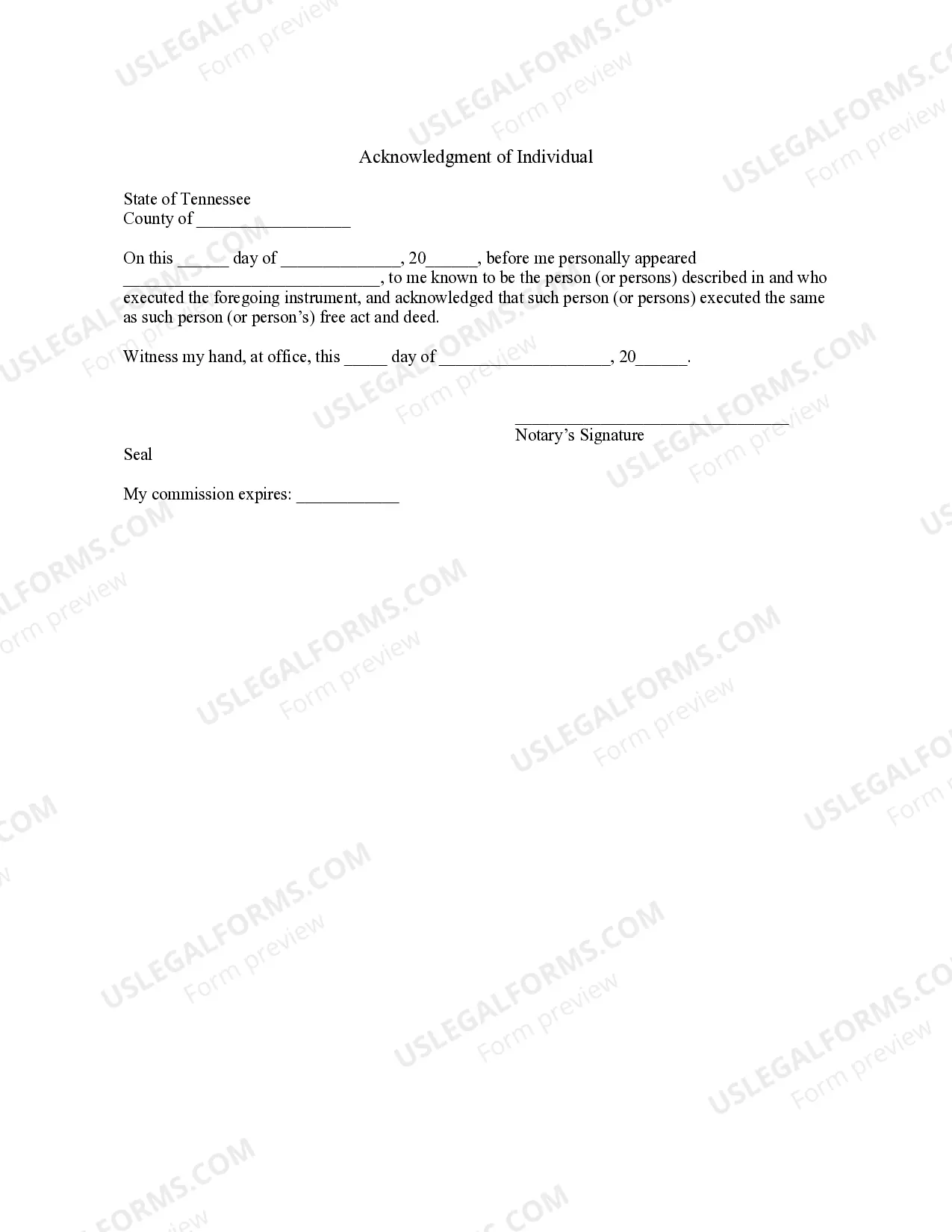
- Notarization section for acknowledgment of the sellerâs signature.
When to use this form
This form should be used when an individual seller is transferring ownership of personal property, such as vehicles, antiques, or equipment, without providing any warranties regarding the itemâs condition or title. It is ideal for informal sales between individuals where minimal legal risk is desired by the seller.
Who should use this form
- Individual sellers looking to sell personal property without warranties.
- Purchasers who are comfortable buying items without guarantees on their condition.
- Anyone involved in a private sale of items such as vehicles, furniture, or equipment.
Completing this form step by step
- Identify and enter the names and addresses of both the seller and the purchaser.
- Clearly describe the personal property being sold, including details like make, model, and serial number if applicable.
- Specify the total amount paid by the purchaser in the appropriate section.
- Have the seller sign and date the document to finalize the sale.
- Ensure the document is notarized, if required, to validate the transaction.
Does this document require notarization?
Yes, this form must be notarized to be legally valid. The notarization verifies the identity of the seller and confirms that the transaction occurred willingly. US Legal Forms offers integrated online notarization services, allowing users to complete this process securely via video call without the need to travel.
Get your form ready online
Our built-in tools help you complete, sign, share, and store your documents in one place.
Make edits, fill in missing information, and update formatting in US Legal Forms—just like you would in MS Word.
Download a copy, print it, send it by email, or mail it via USPS—whatever works best for your next step.
Sign and collect signatures with our SignNow integration. Send to multiple recipients, set reminders, and more. Go Premium to unlock E-Sign.
If this form requires notarization, complete it online through a secure video call—no need to meet a notary in person or wait for an appointment.
We protect your documents and personal data by following strict security and privacy standards.

Make edits, fill in missing information, and update formatting in US Legal Forms—just like you would in MS Word.

Download a copy, print it, send it by email, or mail it via USPS—whatever works best for your next step.

Sign and collect signatures with our SignNow integration. Send to multiple recipients, set reminders, and more. Go Premium to unlock E-Sign.

If this form requires notarization, complete it online through a secure video call—no need to meet a notary in person or wait for an appointment.

We protect your documents and personal data by following strict security and privacy standards.
Typical mistakes to avoid
- Not providing a complete description of the property being sold.
- Failing to sign the document or to have it notarized when necessary.
- Omitting the consideration amount paid for the property.
- Using an outdated version of the form that may no longer comply with current state laws.
Why use this form online
- Convenient access to download and print the form on demand.
- Editable fields allow for customization to fit specific situations.
- Forms are drafted by licensed attorneys to ensure legal compliance.
- Quick turnaround time enables timely transactions without delays.
What to keep in mind
- This Bill of Sale is a legally binding document for transferring personal property without warranties.
- It is essential for sellers and buyers to create a formal record of the transaction.
- Notarization enhances the document's legitimacy.
Looking for another form?
Form popularity
FAQ
Date of vehicle sale. The seller's full name and address. The buyer's full name and address. Purchase amount. The vehicle's year, make and model. The vehicle identification number (VIN). The mileage on the vehicle's odometer. Vehicle warranty information, if applicable.
Write the title "Bill of Sale" at the top of the paper. Write the buyer's full name and address under the title of "Buyer." Write the seller's full name and address under the title of "Seller." Write down the year, make, model, color, current odometer reading, and Vehicle Identification Number from the vehicle.
One of the documents is the 'Bill of Sale,' also referred to as a 'Notice of Sale'. Although not legally needed in Florida since it doesn't actually replace the title transfer, it does provide extra protection both for the vehicle buyer and seller, and makes for an excellent personal record.
After a vehicle is sold from one private party to another, the buyer can ask for their money back, but the seller generally does not have to agree to cancel the sale, absent a warranty or fraud.
Use a company letterhead. Use electronic or paper letterhead. Write acknowledgment statement. Referring to the document by name, version number if applicable and state that the recipient has received the document. Sign and date. Explain the next step. Provide contact information.
The date of the sale. A description of the car, including its: Year, make and model. The selling price of the car. If the car is a gift or partial gift, you should still create a bill of sale. Warranty information. The full names, addresses and signatures of the buyer and seller.
A bill of sale for a car is a legal document that confirms the sale and transfer of possession of a motor vehicle. It usually contains the personal information of the buyer and seller, a description of the vehicle, and a statement of the price and terms of sale. Typically, the seller drafts the bill.
Is a bill of sale required in California? While a bill of sale is not a legal requirement in California, it's a good idea to have one if you sell or purchase a vehicle. There is no specific form required, but the California Department of Motor Vehicles (DMV) has a bill of sale form.
Generally, a bill of sale does not have to be recorded but may be required as proof of ownership. Who must sign a bill of sale? The owners of the property being sold must sign. If the property is owned jointly, both owners must generally sign.
Your company's details including name, address, phone number and/or email address. the date of transaction showing date, month and year.