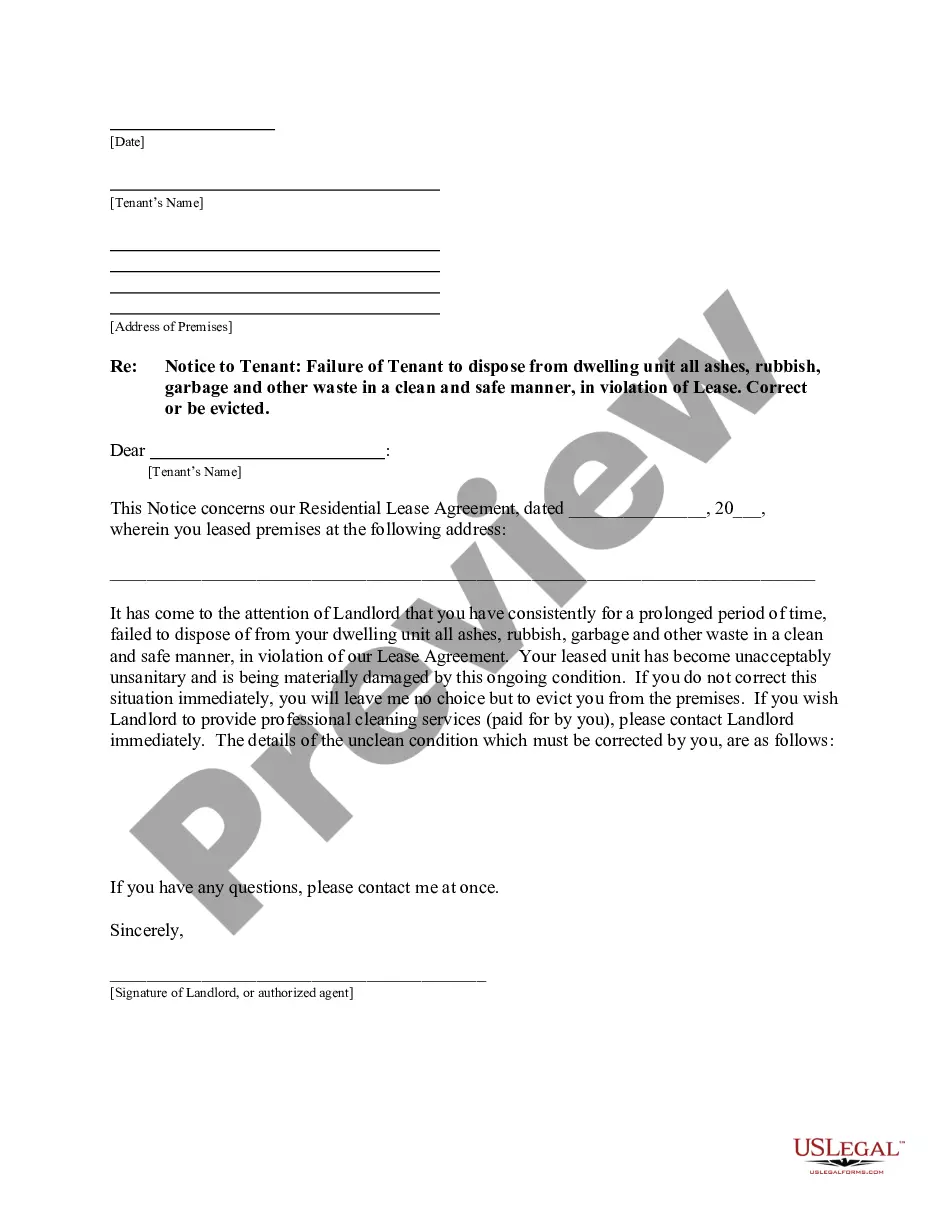
Tennessee Sample Transmittal Letter for Corporate Charter
Overview of this form
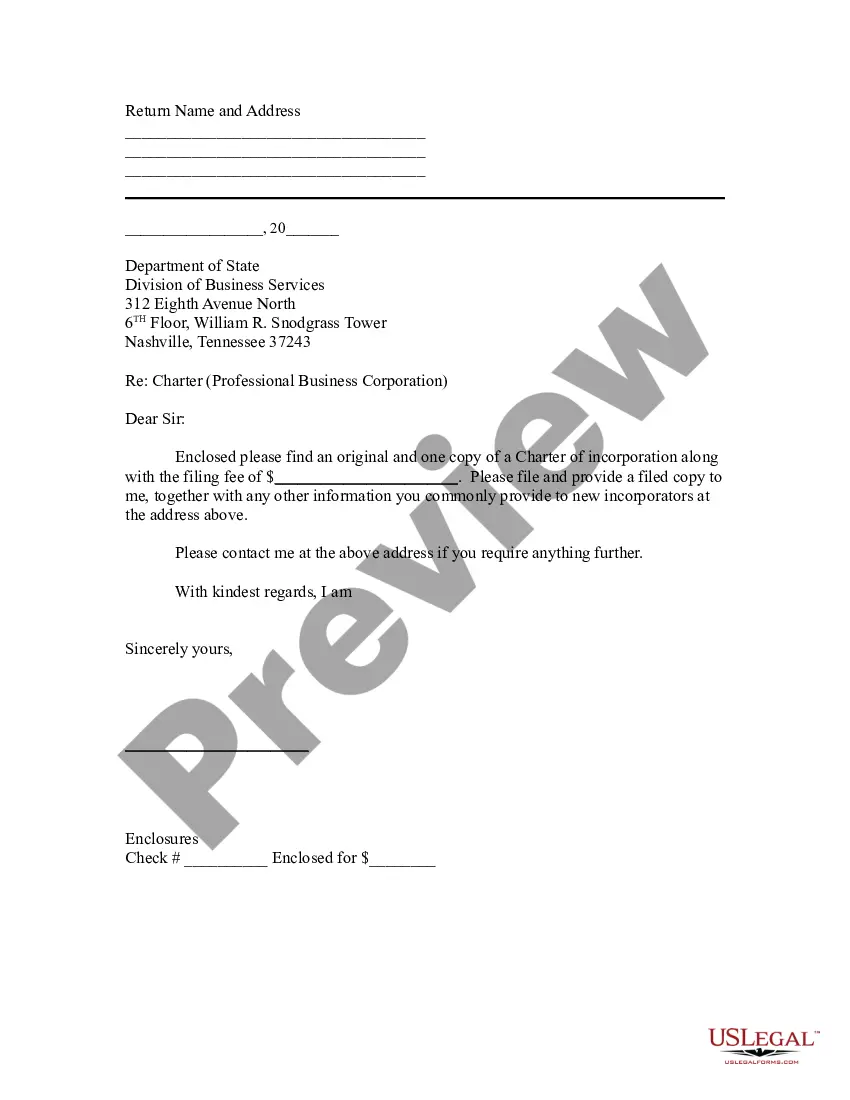
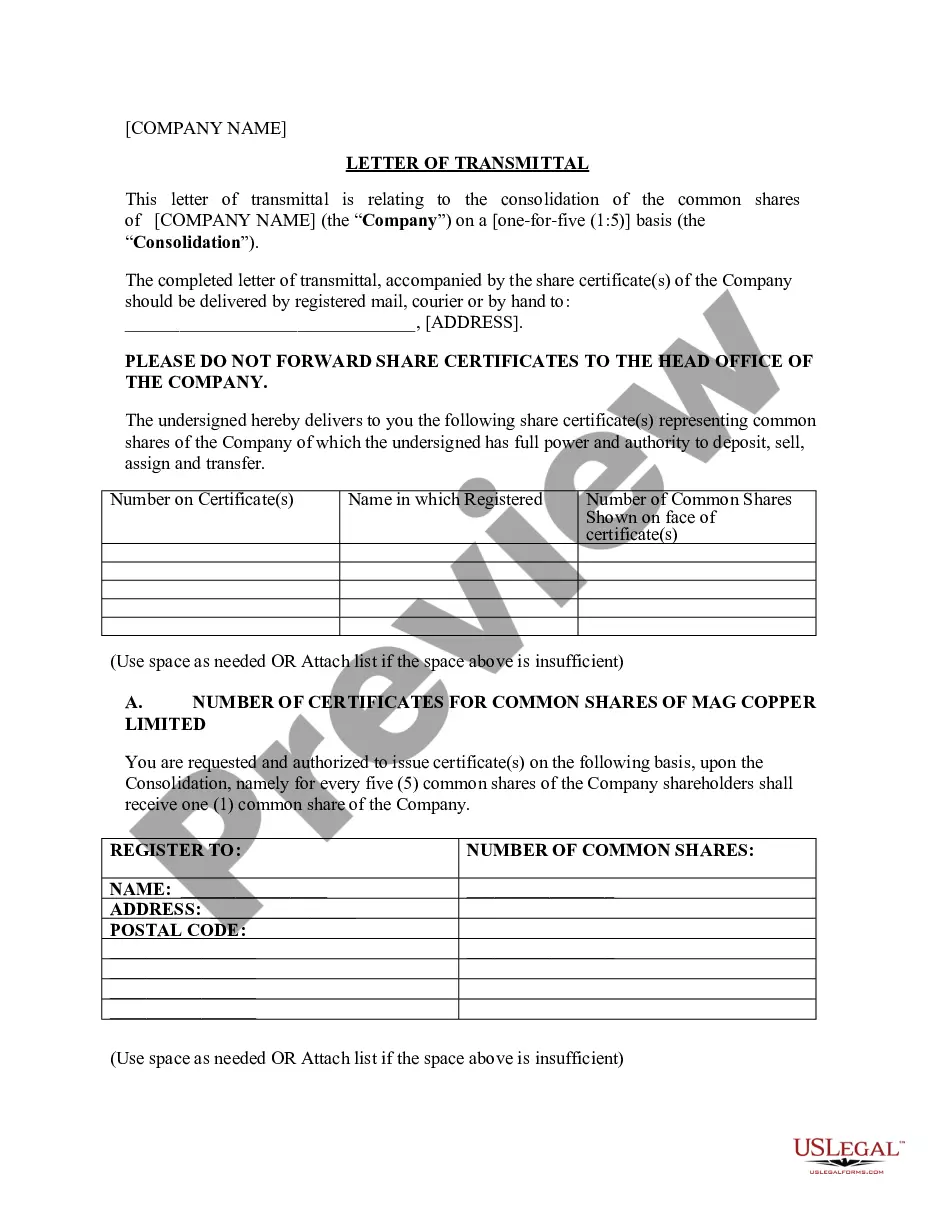
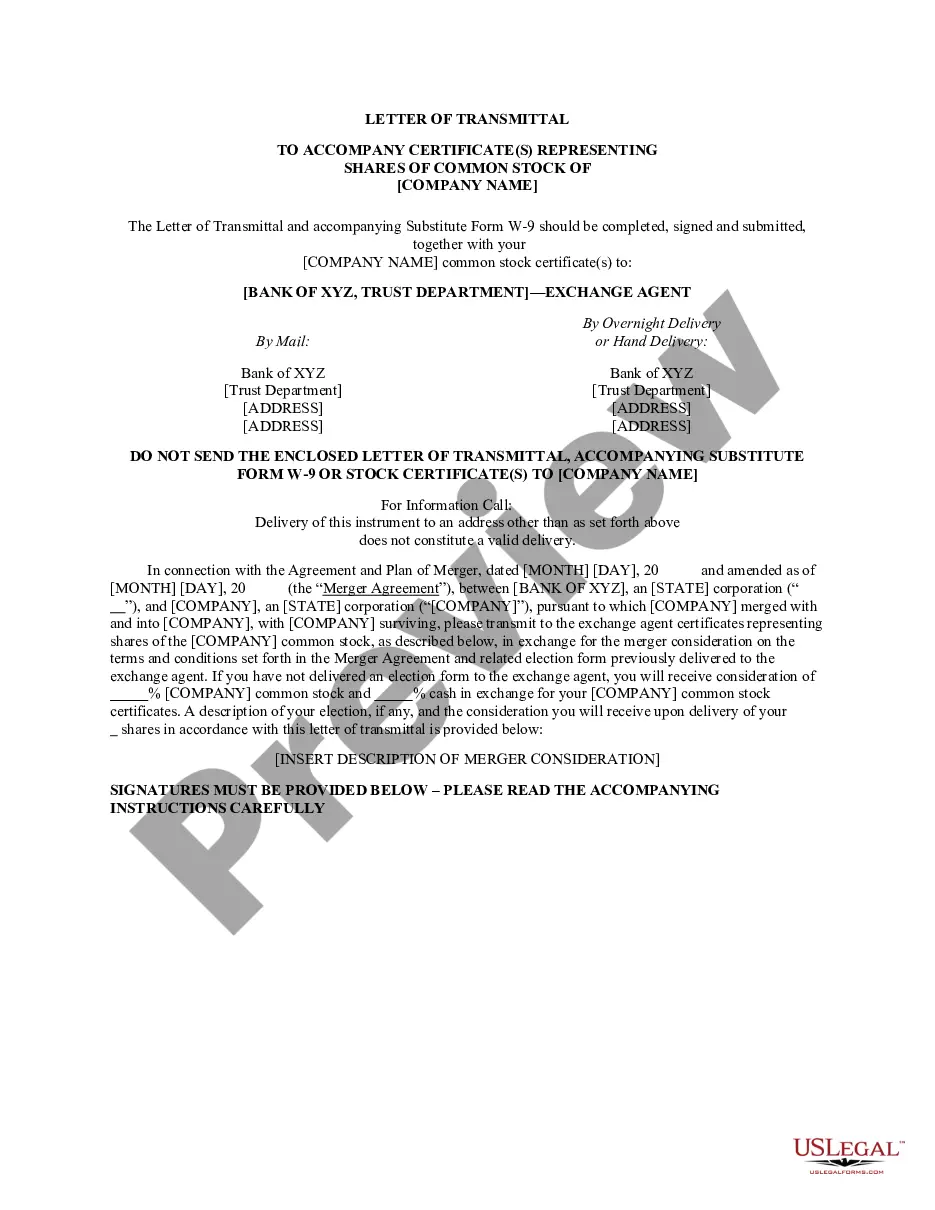
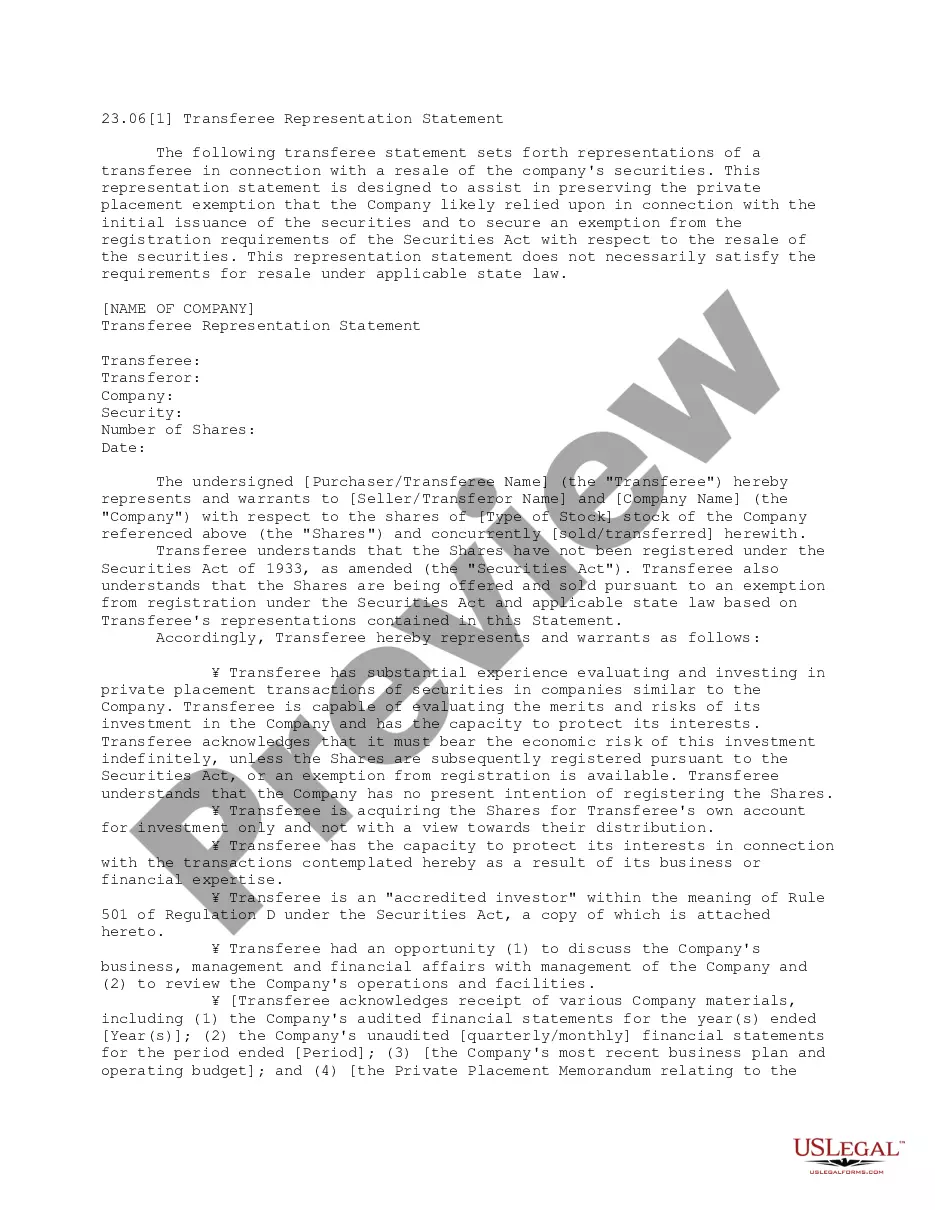
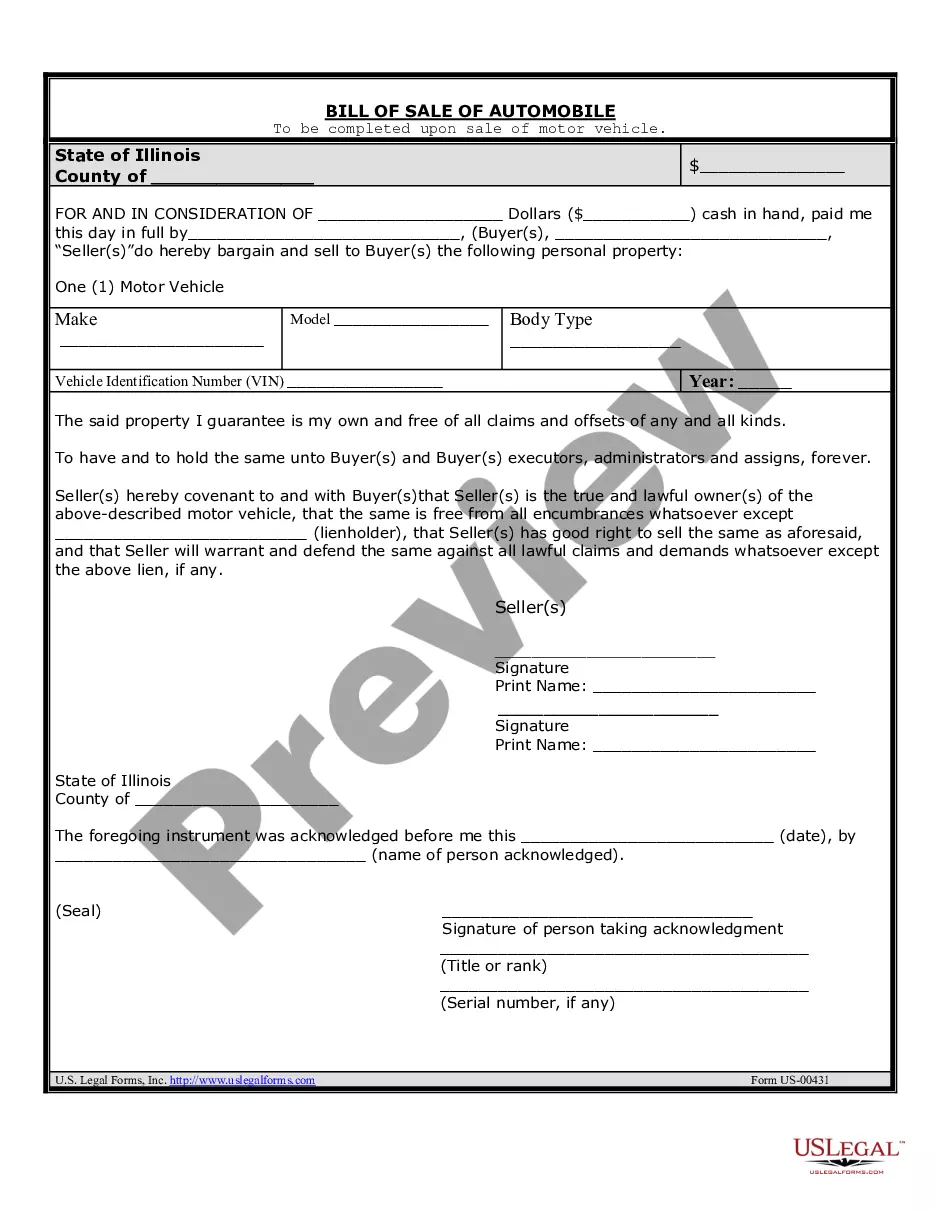
The Sample Transmittal Letter for Corporate Charter is a template used to accompany a Corporate Charter when submitting it to the Secretary of State. This form serves as a cover letter for the charter filing, providing essential details such as the filing fee and contact information. It is specifically designed for businesses looking to incorporate, distinguishing it from other types of letters typically used in legal filings.
What’s included in this form
- Date of submission
- Recipient address (Department of State, Division of Business Services)
- Reference to the business type (Professional Business Corporation)
- Enclosures mentioned (charter of incorporation, filing fee)
- Contact information for follow-up
When to use this document
This transmittal letter should be used when filing a Corporate Charter with the Secretary of State. It is essential when you want to ensure that your submission is complete and includes all necessary documentation, allowing for a smoother incorporation process.
Who needs this form
- Business owners looking to incorporate a Professional Business Corporation.
- Legal representatives preparing submission documents for incorporation.
- Individuals or organizations complying with state requirements for business formation.
How to prepare this document
- Enter the date of the letter at the top.
- Fill in the recipient's address.
- Specify the type of corporation in the subject line.
- Indicate the filing fee amount in the designated space.
- Provide your contact information at the bottom.
- Attach the Corporate Charter and any required enclosures before sending.
Does this document require notarization?
This form does not typically require notarization unless specified by local law. Always check with your stateâs requirements to ensure compliance for your incorporation process.
Get your form ready online
Our built-in tools help you complete, sign, share, and store your documents in one place.
Make edits, fill in missing information, and update formatting in US Legal Forms—just like you would in MS Word.
Download a copy, print it, send it by email, or mail it via USPS—whatever works best for your next step.
Sign and collect signatures with our SignNow integration. Send to multiple recipients, set reminders, and more. Go Premium to unlock E-Sign.
If this form requires notarization, complete it online through a secure video call—no need to meet a notary in person or wait for an appointment.
We protect your documents and personal data by following strict security and privacy standards.

Make edits, fill in missing information, and update formatting in US Legal Forms—just like you would in MS Word.

Download a copy, print it, send it by email, or mail it via USPS—whatever works best for your next step.

Sign and collect signatures with our SignNow integration. Send to multiple recipients, set reminders, and more. Go Premium to unlock E-Sign.

If this form requires notarization, complete it online through a secure video call—no need to meet a notary in person or wait for an appointment.

We protect your documents and personal data by following strict security and privacy standards.
Common mistakes to avoid
- Failing to include the correct gross receipts as the filing fee.
- Not providing a complete address for follow-up communication.
- Forgetting to sign the letter before submission.
Why complete this form online
- Convenience of downloading and completing at your own pace.
- Editability to customize the document for your specific needs.
- Reliability of using a legally vetted template created by licensed attorneys.
What to keep in mind
- Use the Sample Transmittal Letter for Corporate Charter to ensure proper filing of your business incorporation documents.
- Complete all fields accurately to avoid delays in processing.
- Be aware of specific state requirements that may affect your submission.
Looking for another form?

Form popularity
FAQ
A project charter is a formal, typically short document that describes your project in its entirety including what the objectives are, how it will be carried out, and who the stakeholders are. It is a crucial ingredient in planning the project because it is used throughout the project lifecycle.
Corporate bylaws are a detailed set of rules adopted by a corporation's board of directors after the company has been incorporated. They are an important legal document for a corporation to have in place as they specify its internal management structure and how it will be run.
At the most basic level, the corporate charter includes the corporation's name, its purpose, whether the corporation is a for-profit or nonprofit institution, the location of the corporation, the number of shares that are authorized to be issued, and the names of the parties involved in the formation.
The corporation's name and address. The corporation's purpose. Whether the corporation is a nonprofit or for-profit entity. The name and address of the corporation's registered agent. The number of shares authorized.
Taxes. Corporations must file their annual tax returns. Securities. Corporations must issue stock as their security laws and articles of incorporation mandate. Bookkeeping. Board meetings. Meeting minutes. State registration. Licensing.
Corporate bylaws commonly include information that specifies, for example, the number of directors the corporation has, how they will be elected, their qualification, and the length of their terms. It can also specify when, where, and how your board of directors can call and conduct meetings, and voting requirements.
Bylaws are required when the articles of incorporation do not specify the number of directors in a corporation. Any corporation whose articles of incorporation do not specify the number of directors must adopt bylaws before the first meeting of the board of directors specifying the number of directors.
Bylaws generally define things like the group's official name, purpose, requirements for membership, officers' titles and responsibilities, how offices are to be assigned, how meetings should be conducted, and how often meetings will be held.
Put simply, Corporate Bylaws are the internal rules of your organization. They create the structure of your company and help to make sure that it runs smoothly. These fundamental rules will guide how your business will operate so everyoneshareholders, executives, and employeesare on the same page.