Alaska 15 Day Notice to Recover or Forfeit Abandoned Personal Property for Residential from Landlord to Tenant
About this form
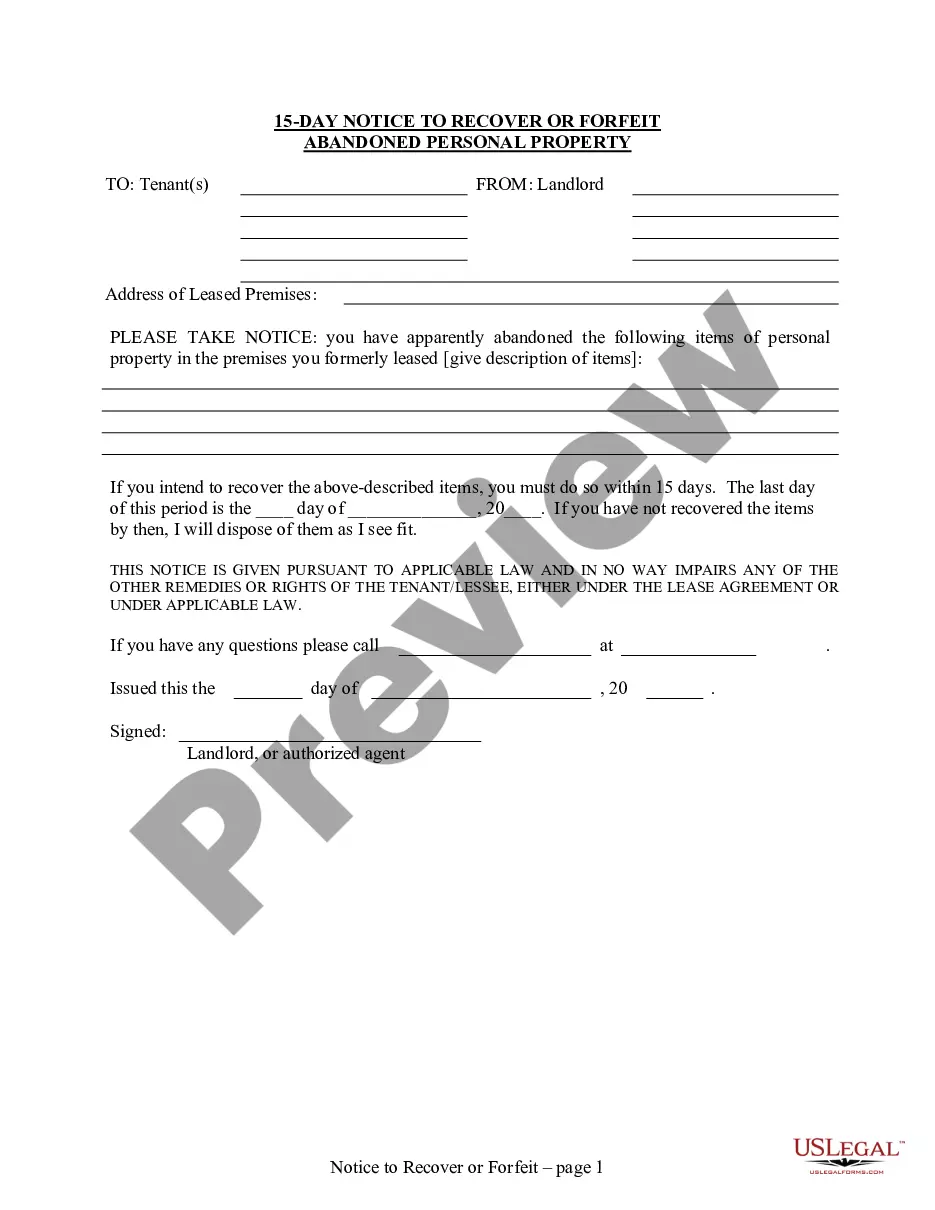
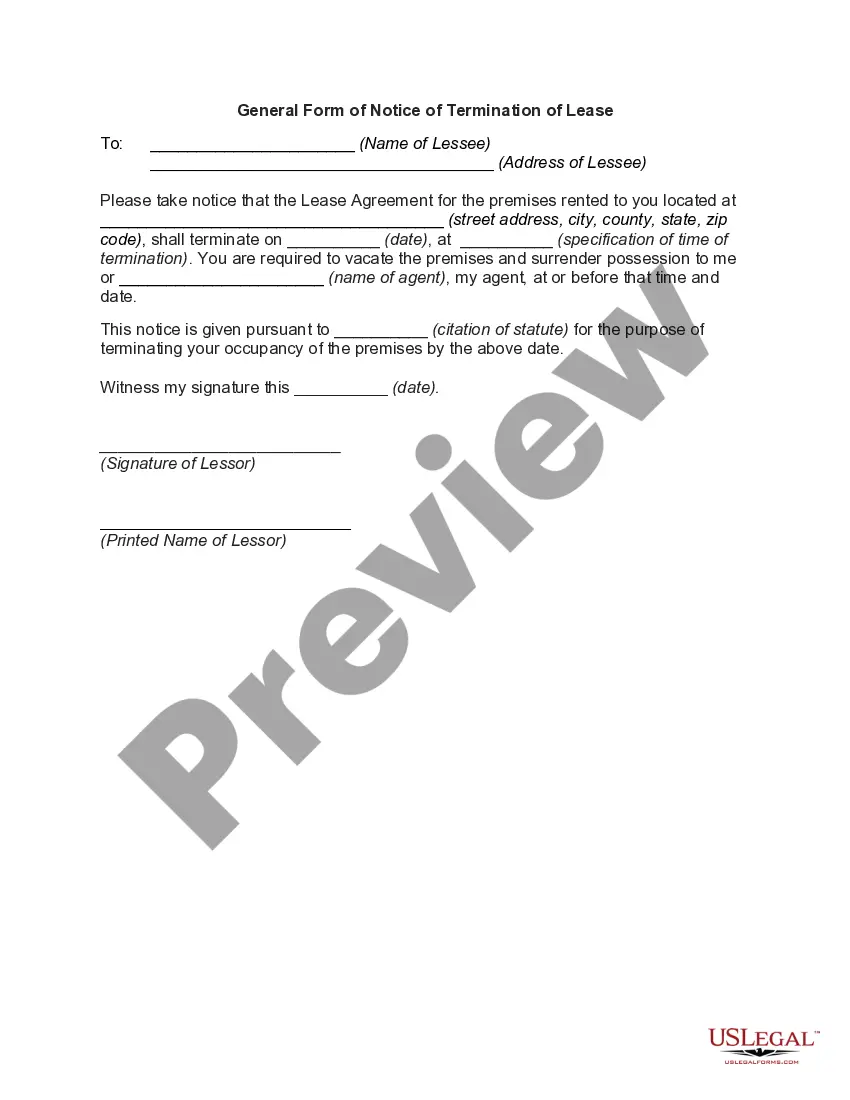
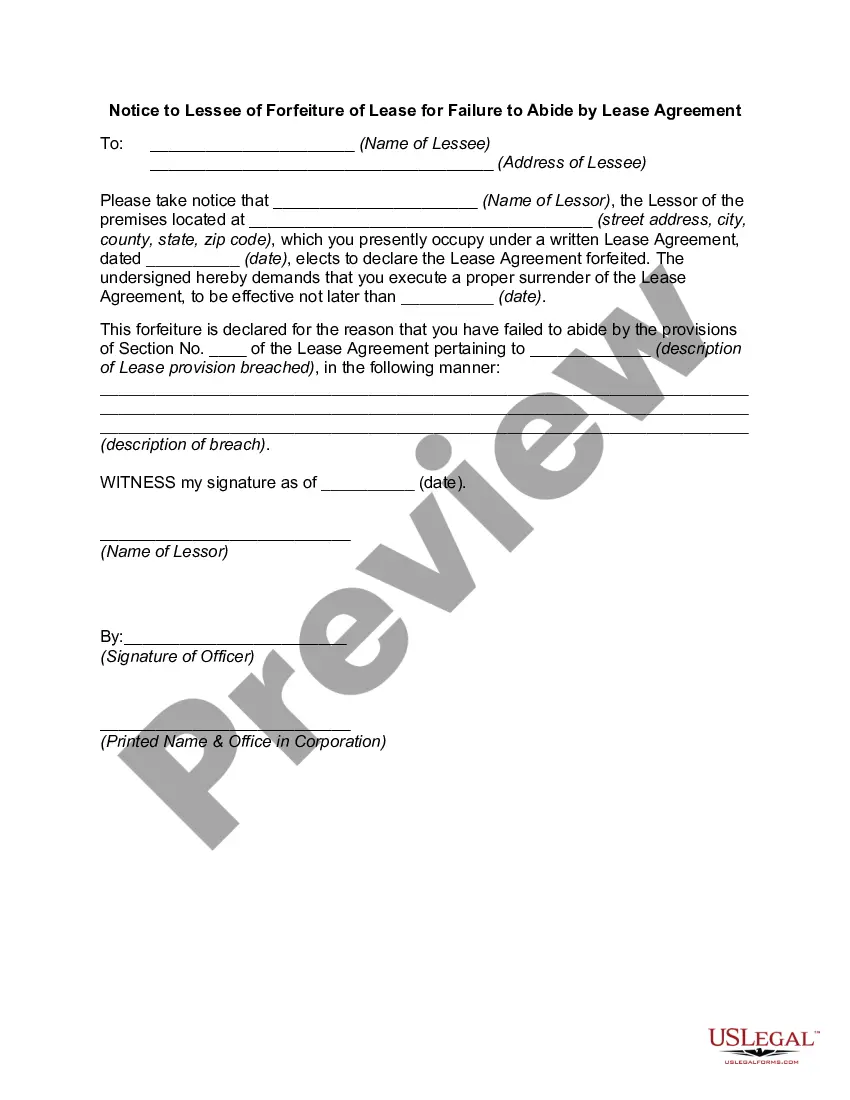
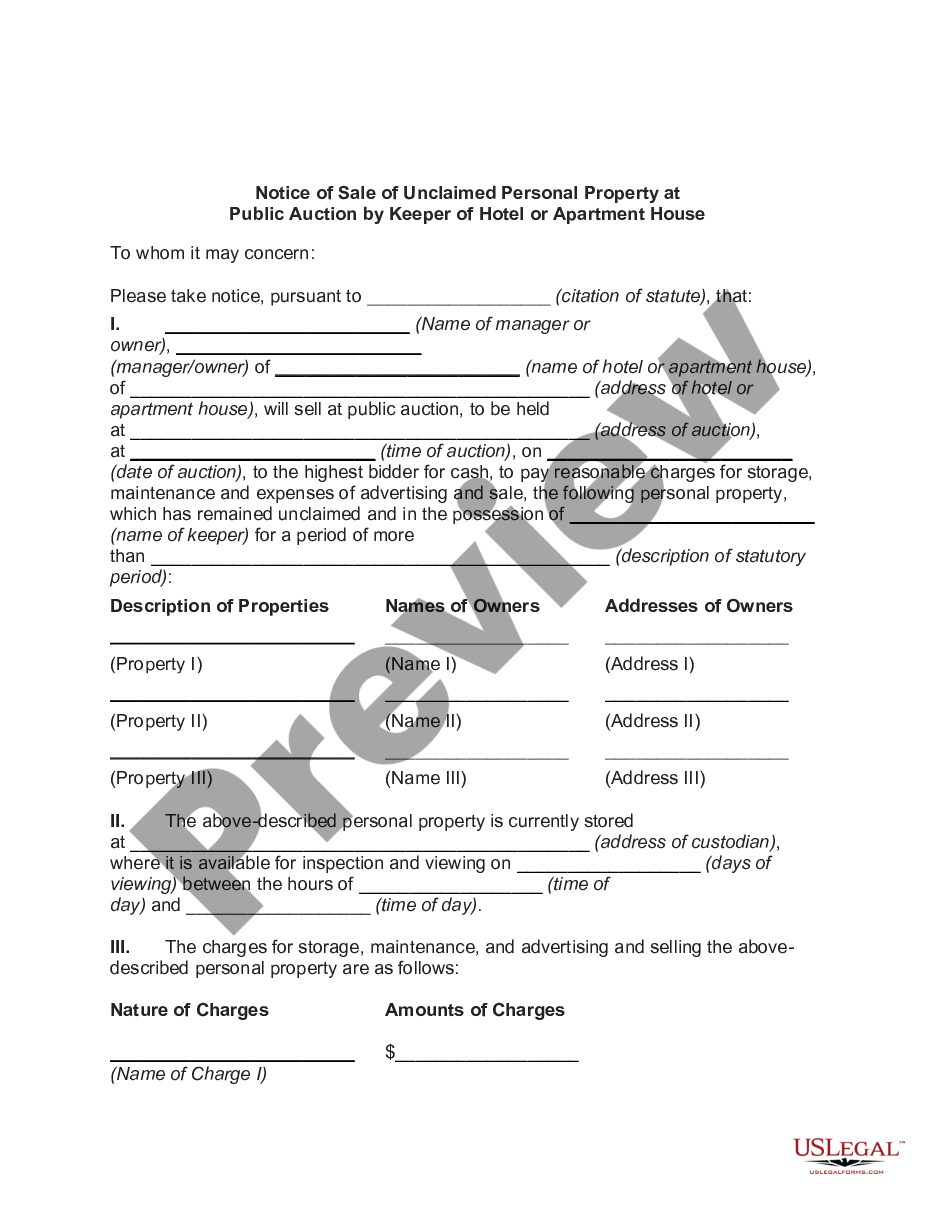
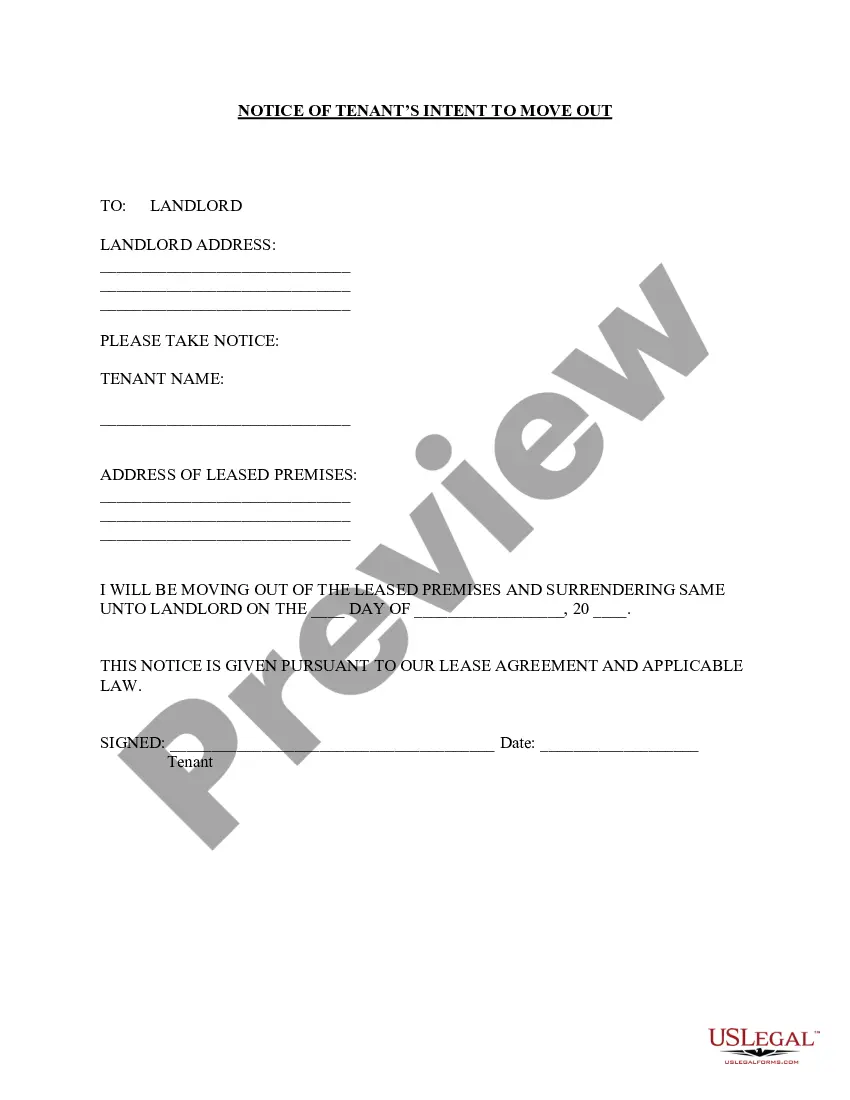
The 15 Day Notice to Recover or Forfeit Abandoned Personal Property form serves as an official notification from a landlord to a former tenant. It informs the tenant that their personal belongings have been left behind after vacating the rental property. If the tenant does not collect their items within 15 days of receiving this notice, the landlord has the right to dispose of the property as they choose. This form is essential for landlords to comply with legal requirements and to document the abandonment of personal property, distinguishing it from eviction notices or lease termination notices, which address different situations.
Main sections of this form
- Identification of the tenant and landlord involved in the lease.
- Address of the leased premises where the personal property was left.
- Description of the abandoned items left by the tenant.
- Deadline for the tenant to recover their belongings (15 days).
- Statement about the disposal rights of the landlord if items are not collected.

Common use cases
This form should be used when a tenant has vacated the rental property and left behind personal items. It is necessary when the landlord wishes to legally inform the tenant of the abandoned property and the potential consequences of not retrieving those items within the stipulated timeframe. Using this notice ensures that the landlord follows appropriate legal procedures and protects their rights regarding abandoned property.
Who needs this form
- Landlords or property managers who have tenants that have vacated their premises.
- Individuals responsible for handling rental agreements and tenant communications.
- Real estate professionals managing rental properties on behalf of landlords.
How to complete this form
- Identify the landlord and tenant, including full names and contact information.
- Specify the address of the leased premises where the belongings were abandoned.
- Provide a detailed description of the abandoned personal property.
- Enter the date of the notice and specify the last day the tenant has to recover their items.
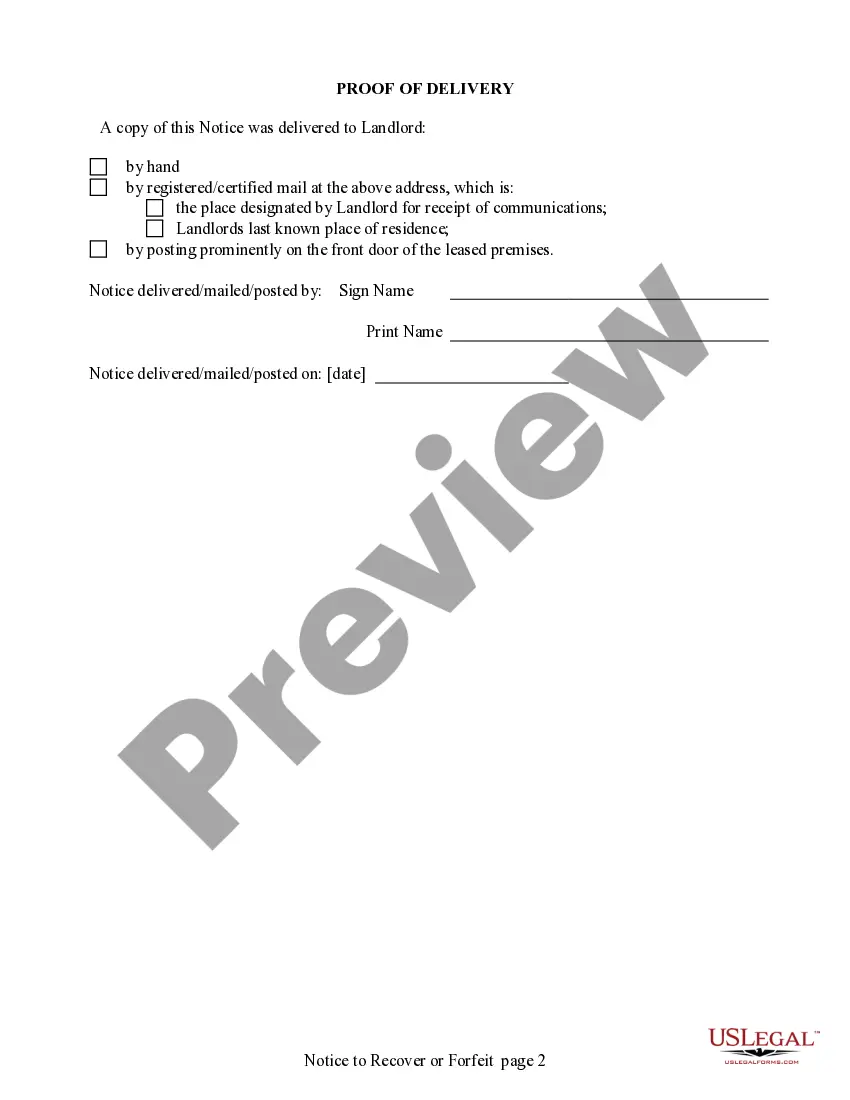
- Sign the form to validate the notice and provide proof of delivery method.
Notarization requirements for this form
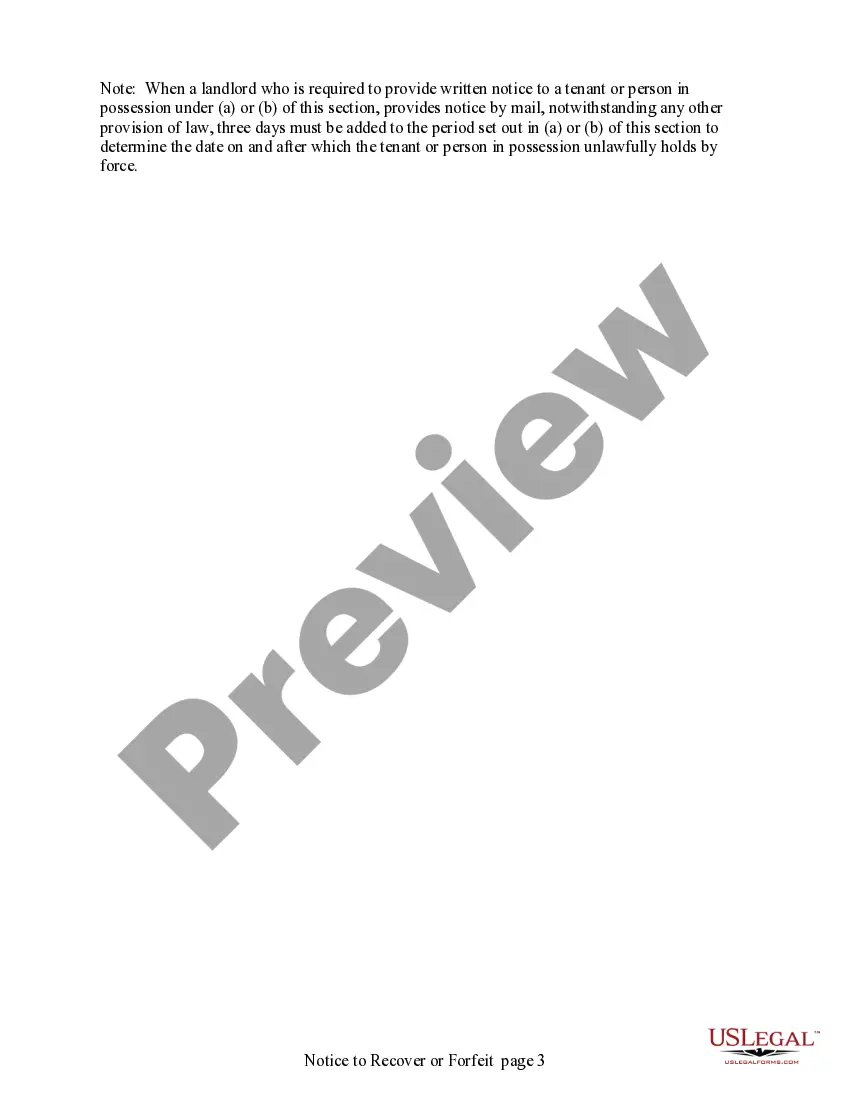
This form does not typically require notarization unless specified by local law. Ensure you understand your stateâs requirements, as some jurisdictions may have additional rules regarding the delivery of notices.
Get your form ready online
Our built-in tools help you complete, sign, share, and store your documents in one place.
Make edits, fill in missing information, and update formatting in US Legal Forms—just like you would in MS Word.
Download a copy, print it, send it by email, or mail it via USPS—whatever works best for your next step.
Sign and collect signatures with our SignNow integration. Send to multiple recipients, set reminders, and more. Go Premium to unlock E-Sign.
If this form requires notarization, complete it online through a secure video call—no need to meet a notary in person or wait for an appointment.
We protect your documents and personal data by following strict security and privacy standards.

Make edits, fill in missing information, and update formatting in US Legal Forms—just like you would in MS Word.

Download a copy, print it, send it by email, or mail it via USPS—whatever works best for your next step.

Sign and collect signatures with our SignNow integration. Send to multiple recipients, set reminders, and more. Go Premium to unlock E-Sign.

If this form requires notarization, complete it online through a secure video call—no need to meet a notary in person or wait for an appointment.

We protect your documents and personal data by following strict security and privacy standards.
Common mistakes to avoid
- Failing to provide a detailed description of the abandoned property.
- Neglecting to specify the deadline for item recovery accurately.
- Not delivering the notice through the appropriate methods as required by law.
- Forgetting to sign the notice before issuing it to the tenant.
Why use this form online
- Convenience of downloading and printing the form directly from your device.
- Editable fields allow for customization specific to your situation.
- Access to professionally drafted templates ensures legal compliance.
- Saves time and reduces stress by streamlining the notification process.
Key takeaways
- The 15-Day Notice to Recover or Forfeit Abandoned Personal Property informs tenants of their abandoned belongings.
- Landlords must allow a minimum of 15 days for tenants to retrieve their items.
- Proper delivery of the notice is crucial for legal validity.
- This form helps protect the landlord's rights while providing tenants with a fair opportunity to recover their property.
Looking for another form?
Form popularity
FAQ
Abandoned property is an asset that has been turned over to the state after several years of inactivity. State laws determine when an asset is legally considered abandoneddeadlines vary, though usually property must be unclaimed for at least two years to qualify.
Property remaining on premises is considered abandoned after (1) a tenant has been absent for at least 30 days without explanation or (2) at least 15 days have passed since the tenant was supposed to pay rent and it appears to the landlord that he has vacated the premises.
While a landlord has a right of entry, this is balanced against your right to privacy as a tenant. Landlords are not entitled to go through your unit and belongings at will. They generally must have a valid reason to enter the unit and give you proper notice, unless you gave them permission in advance.
Inventory and store the tenant's abandoned property in a safe location. Best practice is to photograph items left behind. Store the abandoned property. Notify the tenant of the abandoned personal property and your intention to dispose of it if they do not claim it.
Property is considered abandoned only after a lease is terminated. Termination occurs when the lease is up and the tenant moves out, or if the tenant is legally evicted.
An abandoned house is a vacant property due to foreclosure, bankruptcy, and financial or legal reasons.This makes abandoned homes attractive properties for investors, flippers and wholesalers because they sell lower than market price.
According to U.S. law, property that is left behind by a tenant is typically assumed to be abandoned after a specific timeframe. This timeframe can be anywhere between one week and one year. If the property remains unclaimed during this timeframe, it may be disposed of, or sold in order to recoup storage costs.