Alaska Sewer Easement
What this document covers
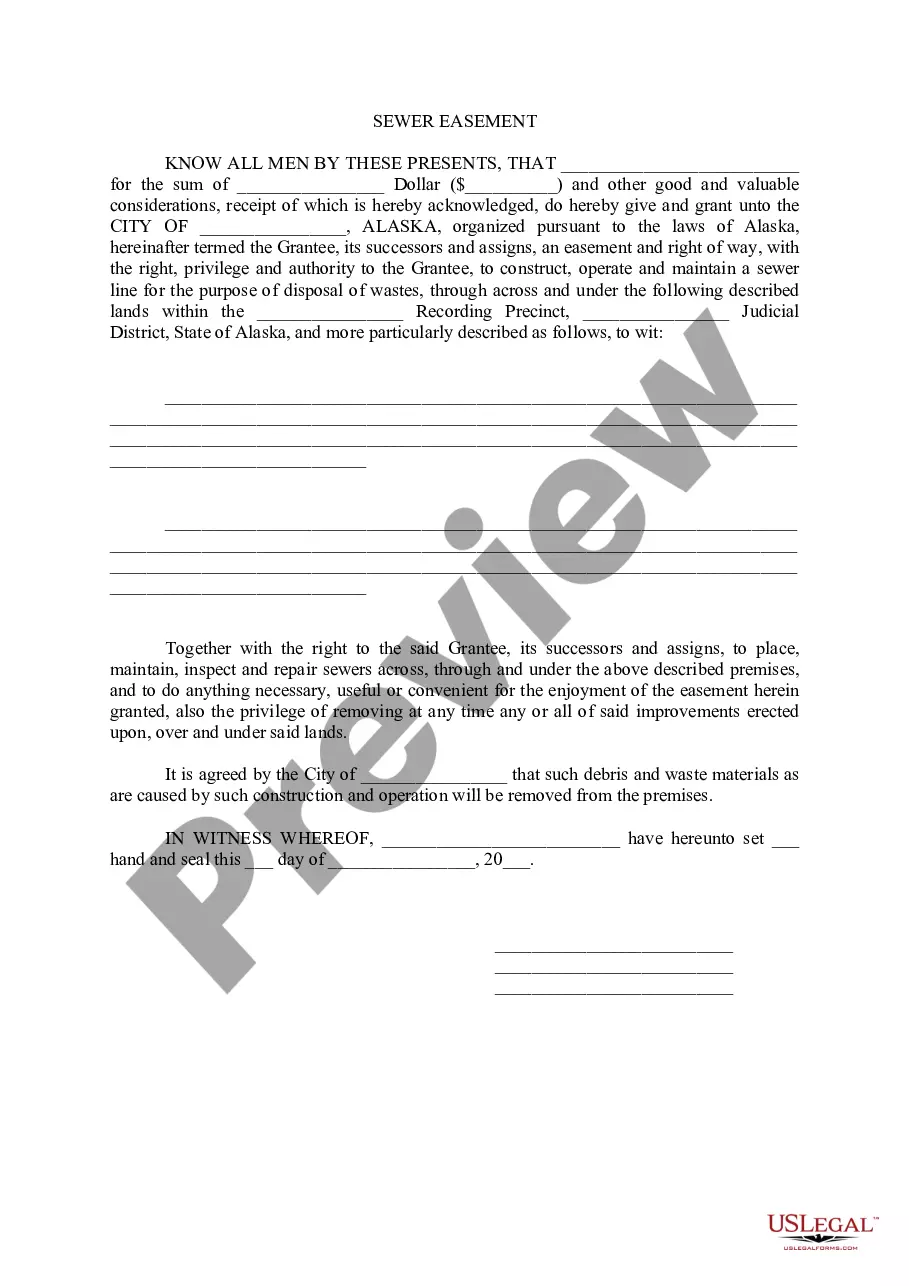
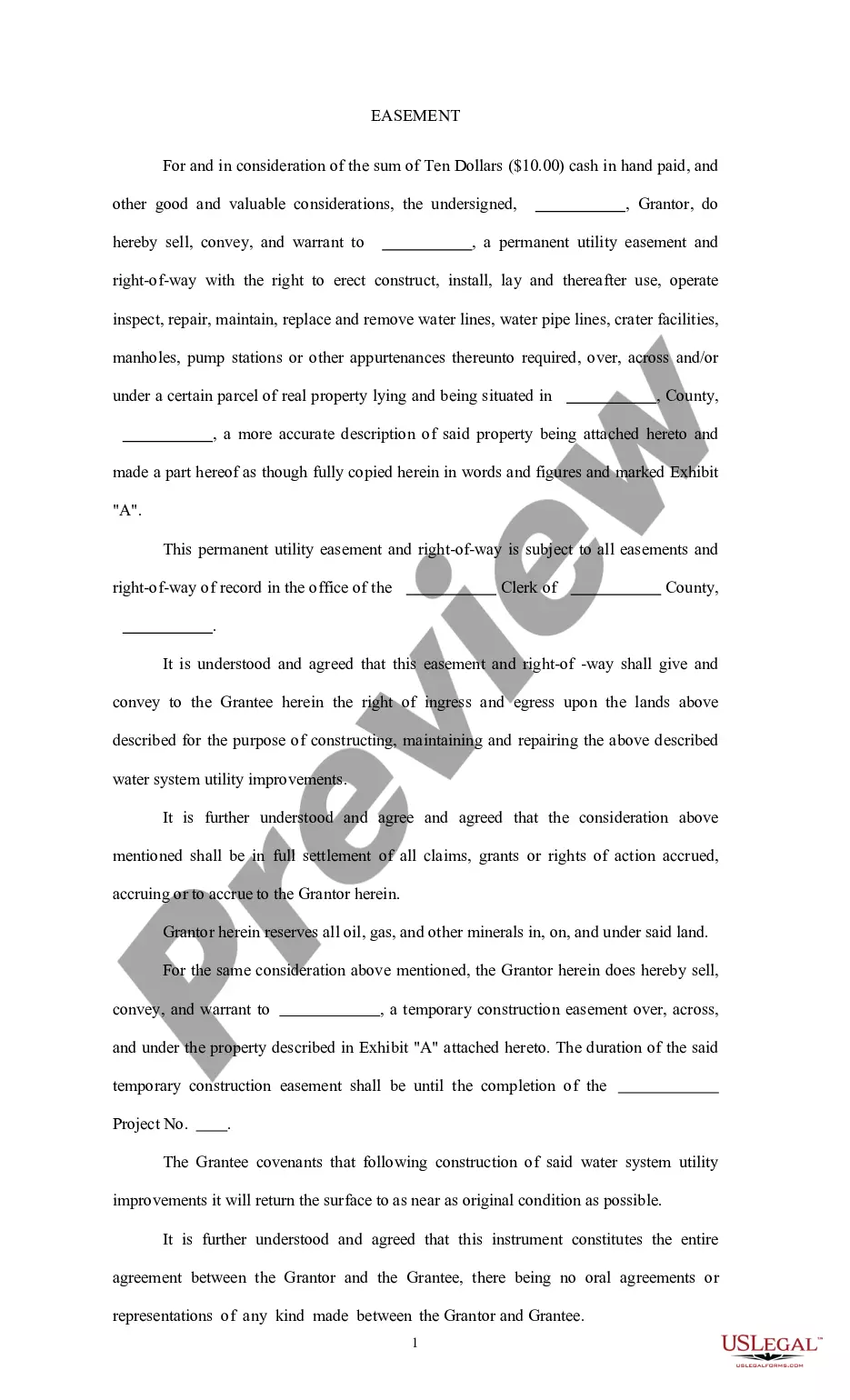
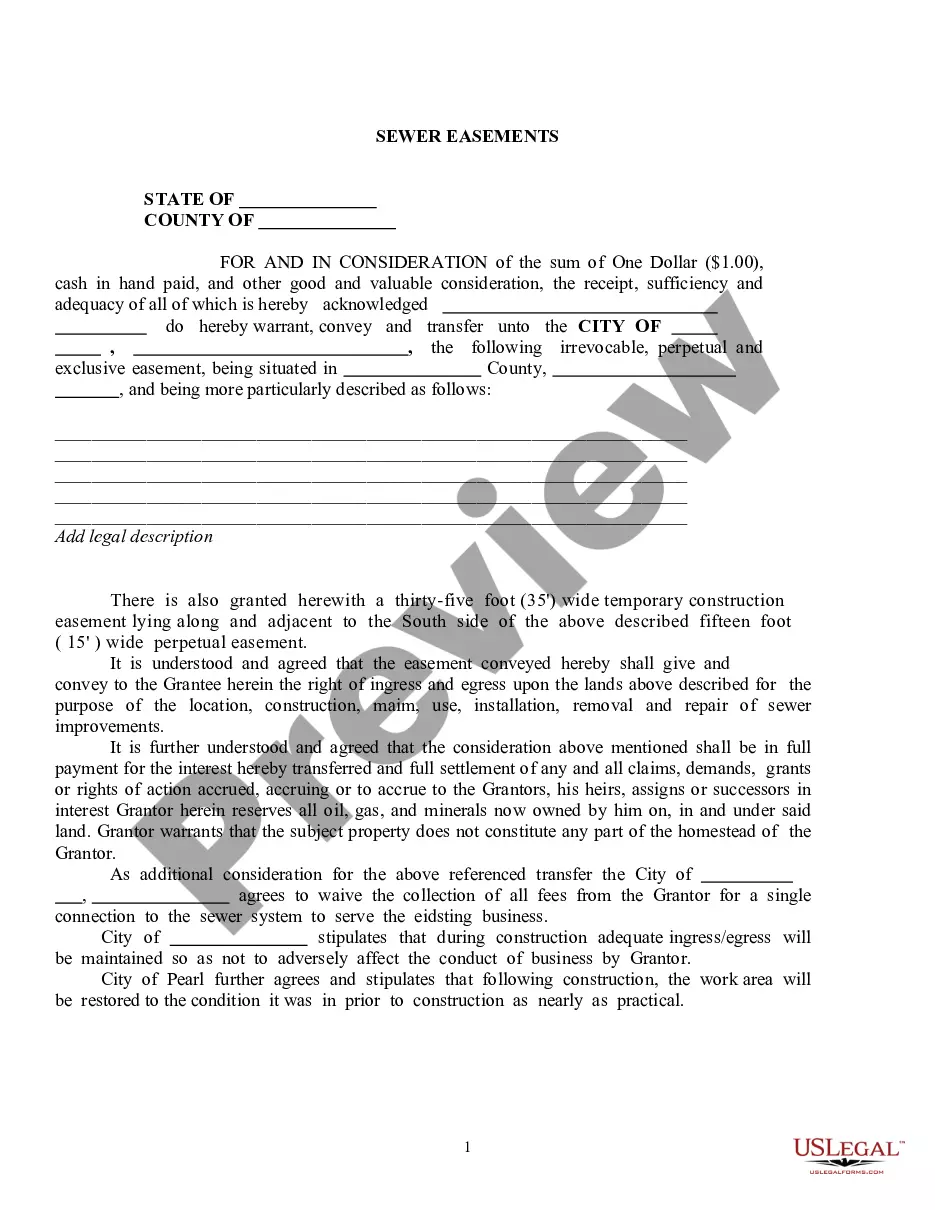
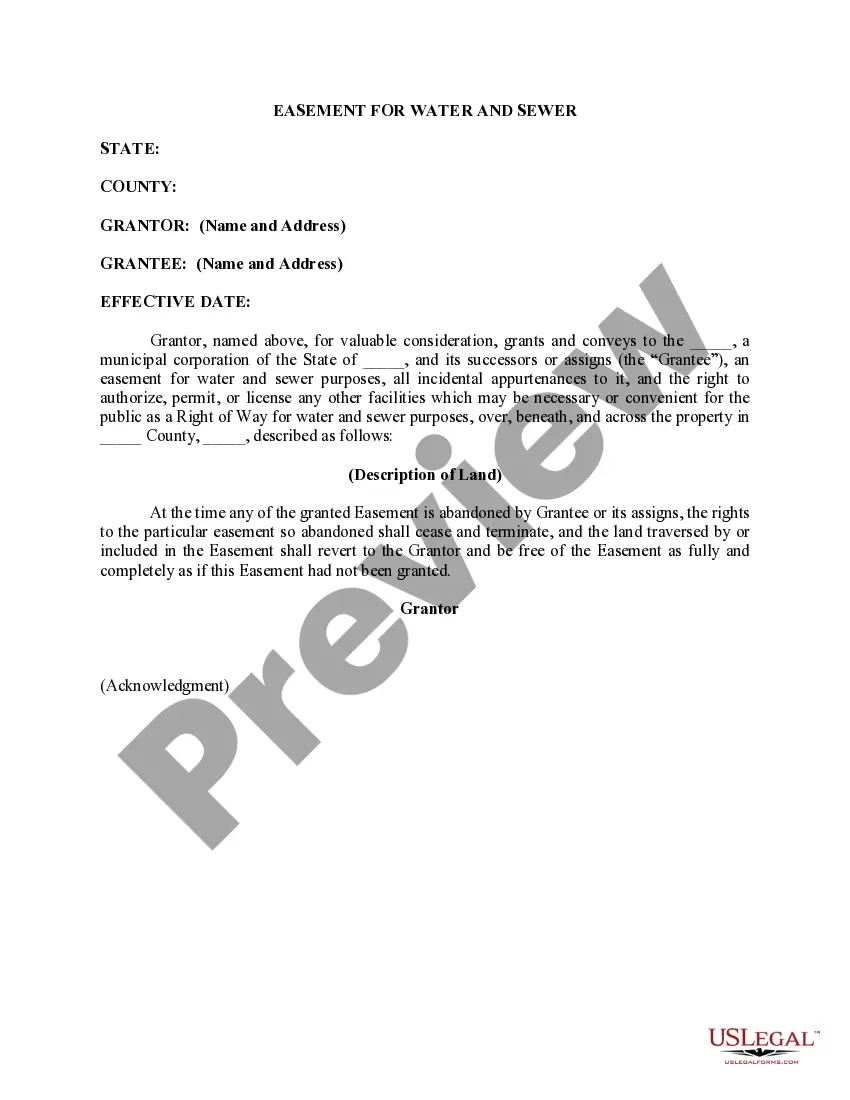
A sewer easement is a legal document granting a city or municipality the right to access a specified portion of private property for the purpose of constructing, operating, and maintaining a sewer line. This easement ensures that the necessary infrastructure for waste disposal is in place while establishing the rights and responsibilities of both the property owner and the grantee. Unlike other easements, a sewer easement specifically pertains to sanitary sewer systems and the associated rights of access for maintenance and construction activities.
Main sections of this form
- Parties involved: Identification of the grantor (property owner) and grantee (city or municipality).
- Easement description: Detailed description of the property where the easement is granted.
- Consideration: Monetary amount or valuable consideration exchanged for granting the easement.
- Rights granted: Outline of the rights provided to the grantee to construct and maintain the sewer line.
- Debris removal clause: Agreement that the city will remove debris caused by construction and operation.
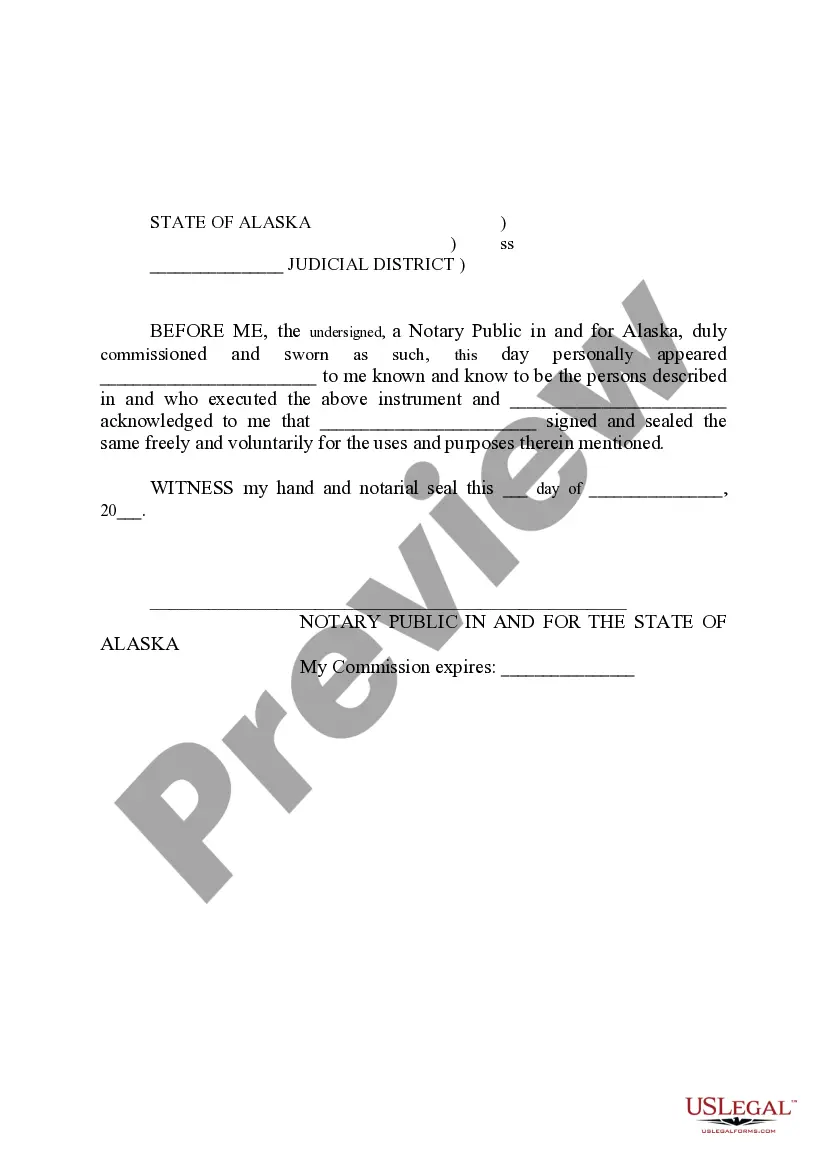
- Notarization: A section for the notary public to affirm the signature and validity of the document.
Situations where this form applies
This form is typically used when a municipality needs to establish a legal right to access private property for the installation or maintenance of a sanitary sewer line. Property owners may need to grant a sewer easement during urban development, when a sewer main is required for neighborhood services, or when existing sewer lines need repairs or upgrades. It is essential for both property owners and municipalities to formalize this agreement to avoid future disputes regarding property access and maintenance responsibilities.
Who should use this form
- Property owners who need to grant an easement to their local city or municipality.
- Cities or municipalities requiring access to construct or maintain sewer lines on private property.
- Real estate developers involved in urban planning and development that includes public sewer systems.
How to prepare this document
- Identify the parties involved by entering the name of the property owner and the name of the city.
- Specify the monetary consideration in the appropriate section.
- Provide a detailed description of the property where the easement will be granted.
- Include the relevant legal notices regarding debris removal and access rights.
- Have all parties sign the document and include the date of signing.
- Complete the notary section, ensuring a notary public witnesses the signatures.
Notarization requirements for this form
Yes, this form must be notarized to be legally valid. US Legal Forms offers integrated online notarization services that are available 24/7. This service allows you to complete the notarization process securely via video call, ensuring that your legal document is authentic without the need for travel.
Get your form ready online
Our built-in tools help you complete, sign, share, and store your documents in one place.
Make edits, fill in missing information, and update formatting in US Legal Forms—just like you would in MS Word.
Download a copy, print it, send it by email, or mail it via USPS—whatever works best for your next step.
Sign and collect signatures with our SignNow integration. Send to multiple recipients, set reminders, and more. Go Premium to unlock E-Sign.
If this form requires notarization, complete it online through a secure video call—no need to meet a notary in person or wait for an appointment.
We protect your documents and personal data by following strict security and privacy standards.

Make edits, fill in missing information, and update formatting in US Legal Forms—just like you would in MS Word.

Download a copy, print it, send it by email, or mail it via USPS—whatever works best for your next step.

Sign and collect signatures with our SignNow integration. Send to multiple recipients, set reminders, and more. Go Premium to unlock E-Sign.

If this form requires notarization, complete it online through a secure video call—no need to meet a notary in person or wait for an appointment.

We protect your documents and personal data by following strict security and privacy standards.
Typical mistakes to avoid
- Failing to provide a detailed property description, which can lead to disputes.
- Not specifying the amount of consideration, which is essential for legal validity.
- Omitting necessary signatures or not having the document notarized.
Benefits of completing this form online
- Easy access: Download the form instantly from the website.
- Editable: Customize the document to fit specific needs without hassle.
- Legally compliant: Forms are drafted by licensed attorneys to ensure legal validity.
Looking for another form?
Form popularity
FAQ
Quiet the Title. Allow the Purpose for the Easement to Expire. Abandon the Easement. Stop Using a Prescriptive Easement. Destroy the Reason for the Easement. Merge the Dominant and Servient Properties. Execute a Release Agreement.
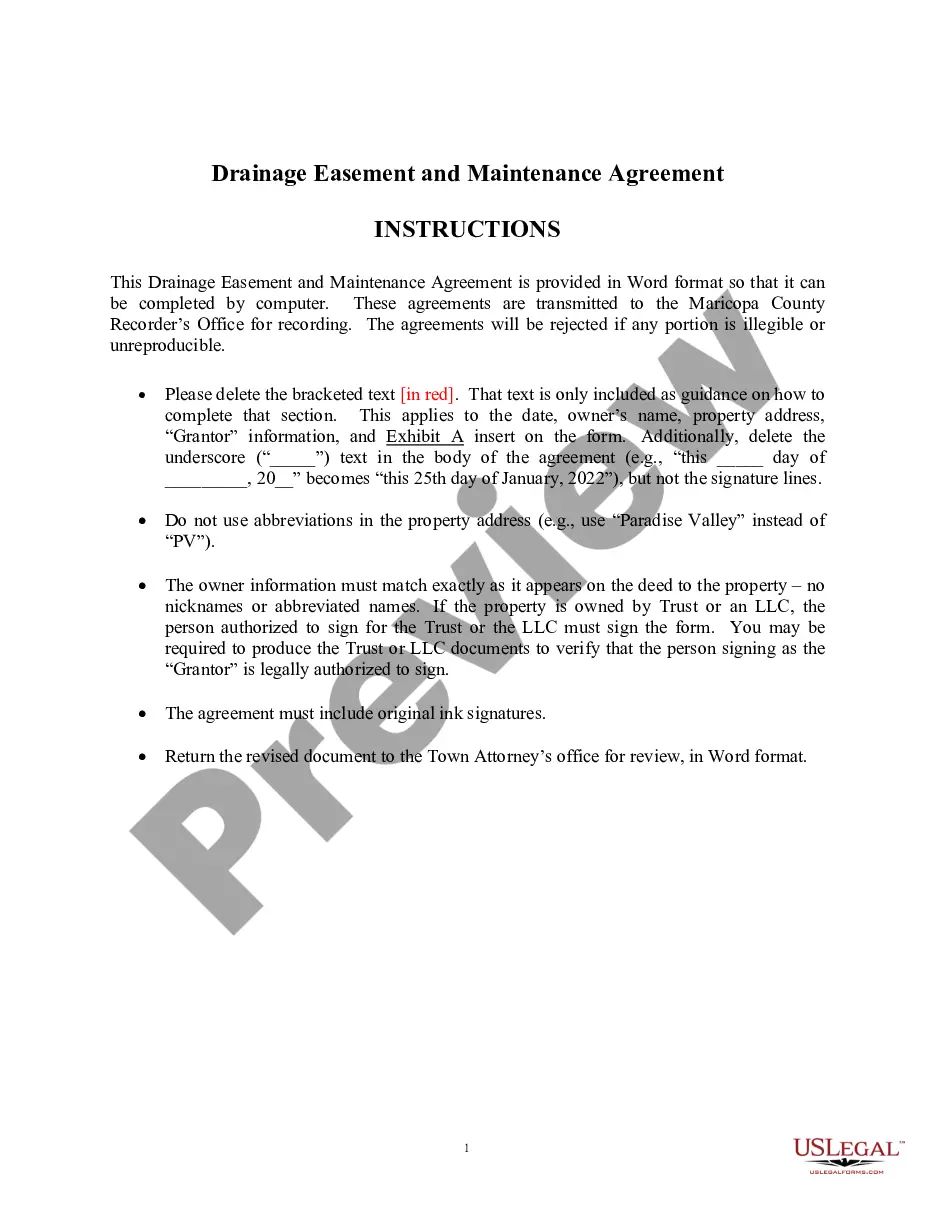
A drainage easement is a legal right to use a parcel of land for a specific purpose. In this case, orderly flow of water. They are essential for controlling stormwater runoff and often contain engineered best management practices.
Sewer easements are common in private property and are mostly located along the rear or front boundary of a property. They exist over a portion of land that contains sewers or sewerage facilities. Council requires reasonable access to these areas and clear access to manholes.
An easement owner cannot claim another party has trespassed on their easement, because trespass involves interference with the plaintiff's exclusive possession. Easement holders do not have a right to exclusive possession. They may claim nuisance, but only if the interference is substantial and unreasonable.
Easement holders have the right to use the land to their enjoyment as long as it does not place an unreasonable burden on the servient estate. Landowners have the right to make whatever use of the land as long as it doesn't unduly affect the easement.
Easements are dedicated portions of private property dedicated for public use. In the case of sanitary sewer, the easement is a piece of the property where the sanitary sewer main is located and it gives Fox Metro the right to access the property.
If an authority has an easement registered over your land, they have the right to access the easement to maintain or repair the easement land or their equipment on the land.
A property easement is a legal situation in which the title to a specific piece land remains with the landowner, but another person or organization is given the right to use that land for a distinct purpose.
Many properties have drainage easements within them, and if you're purchasing a home you will see the outline of the easement on the title plan. You can't build in such an easement, so in that sense it affects the future value of the property.For the most part, though, drainage easements do not impact home value.