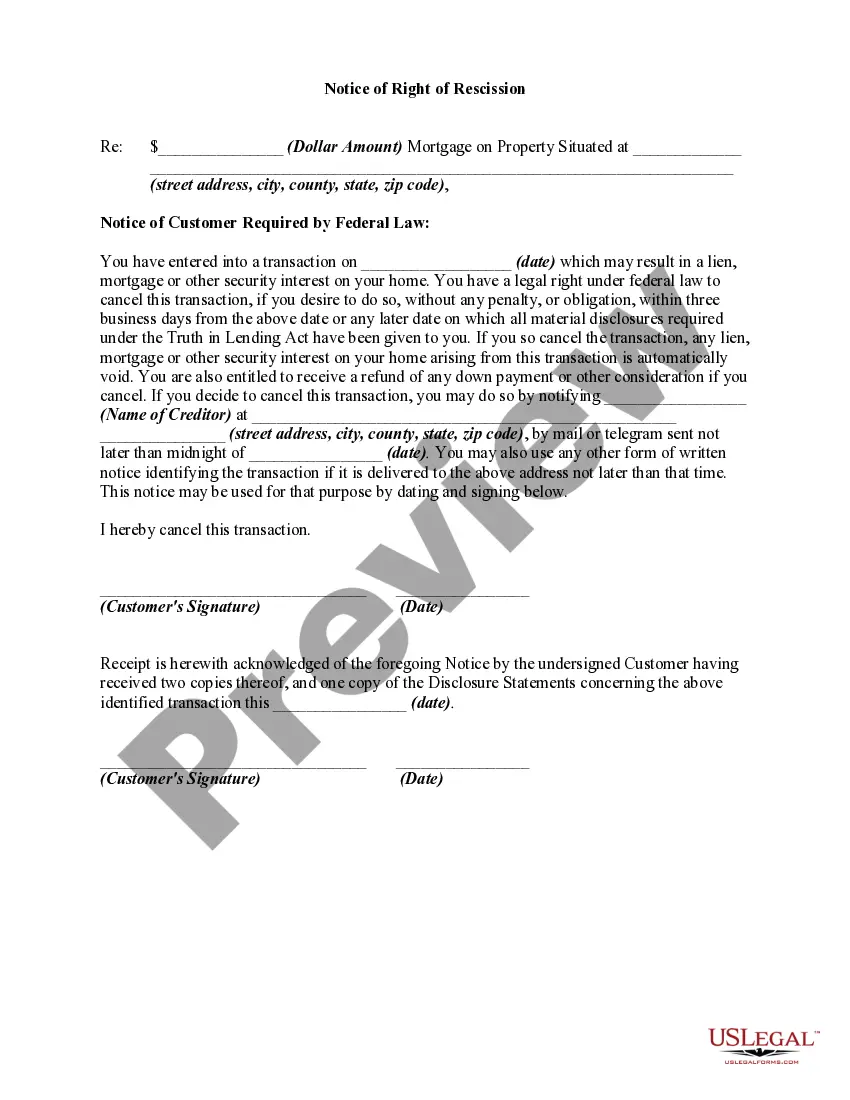
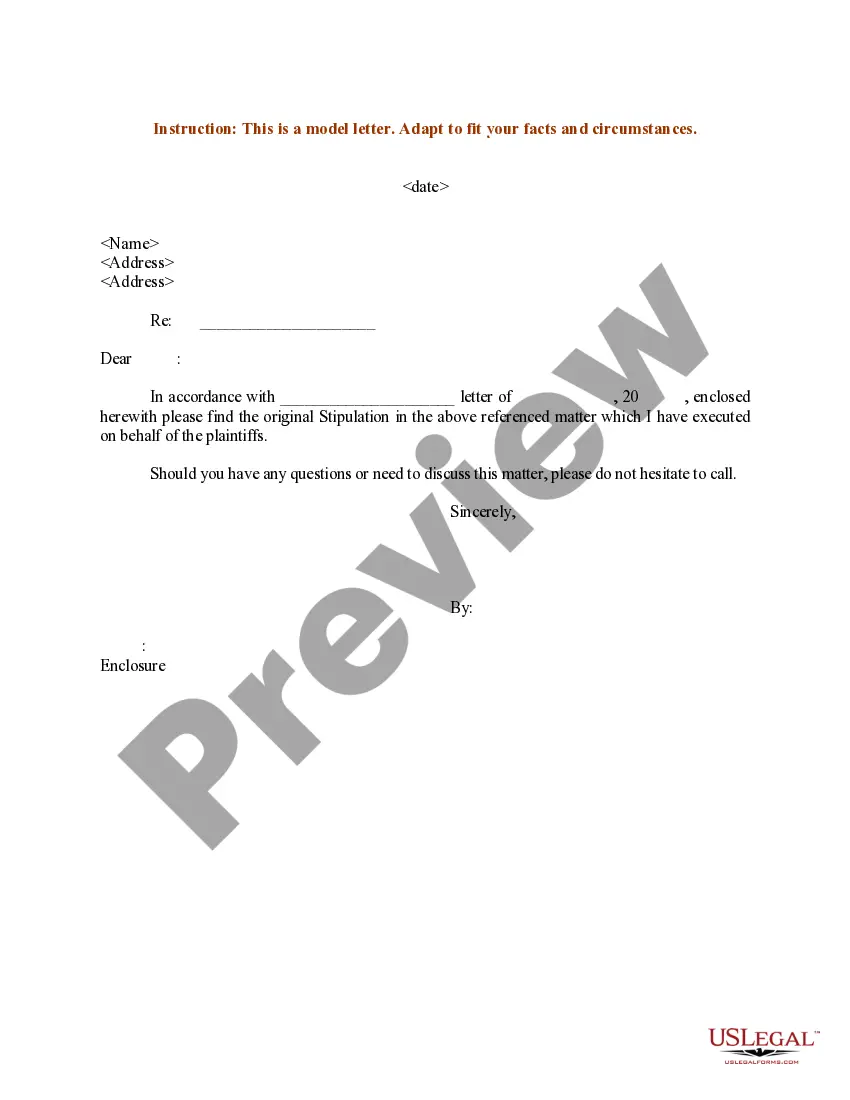
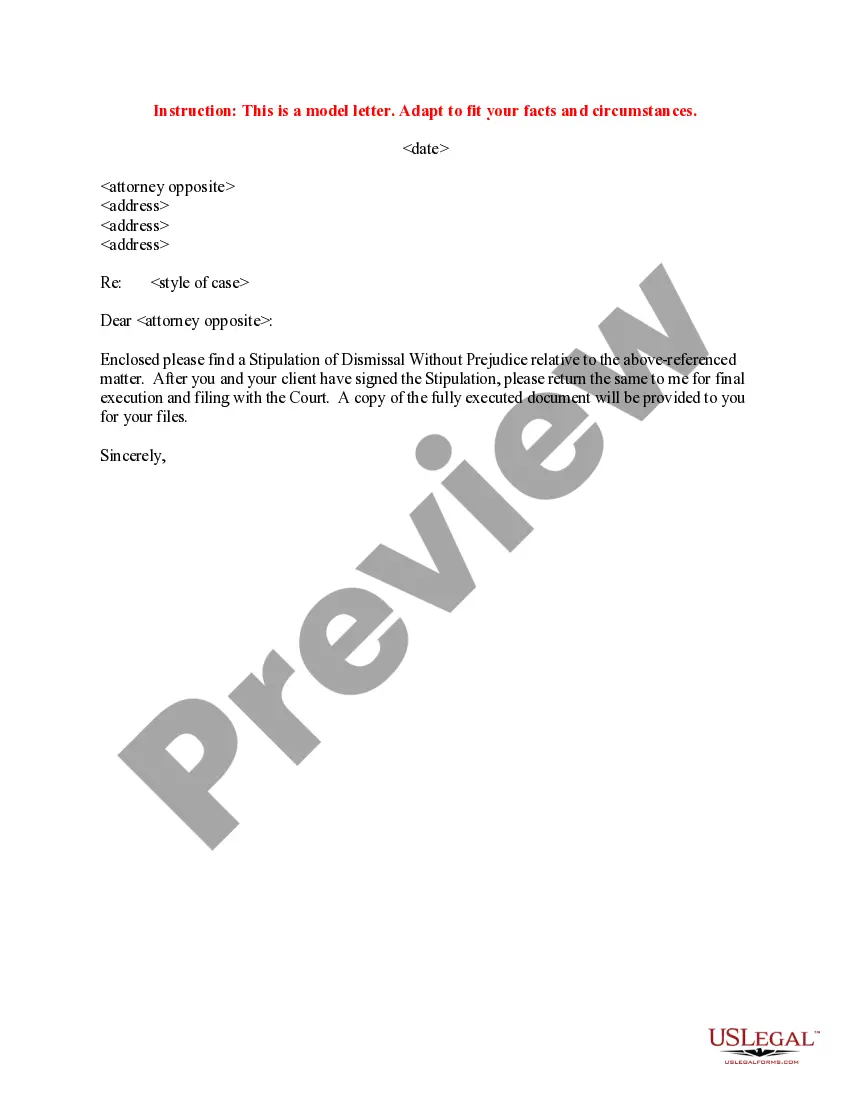
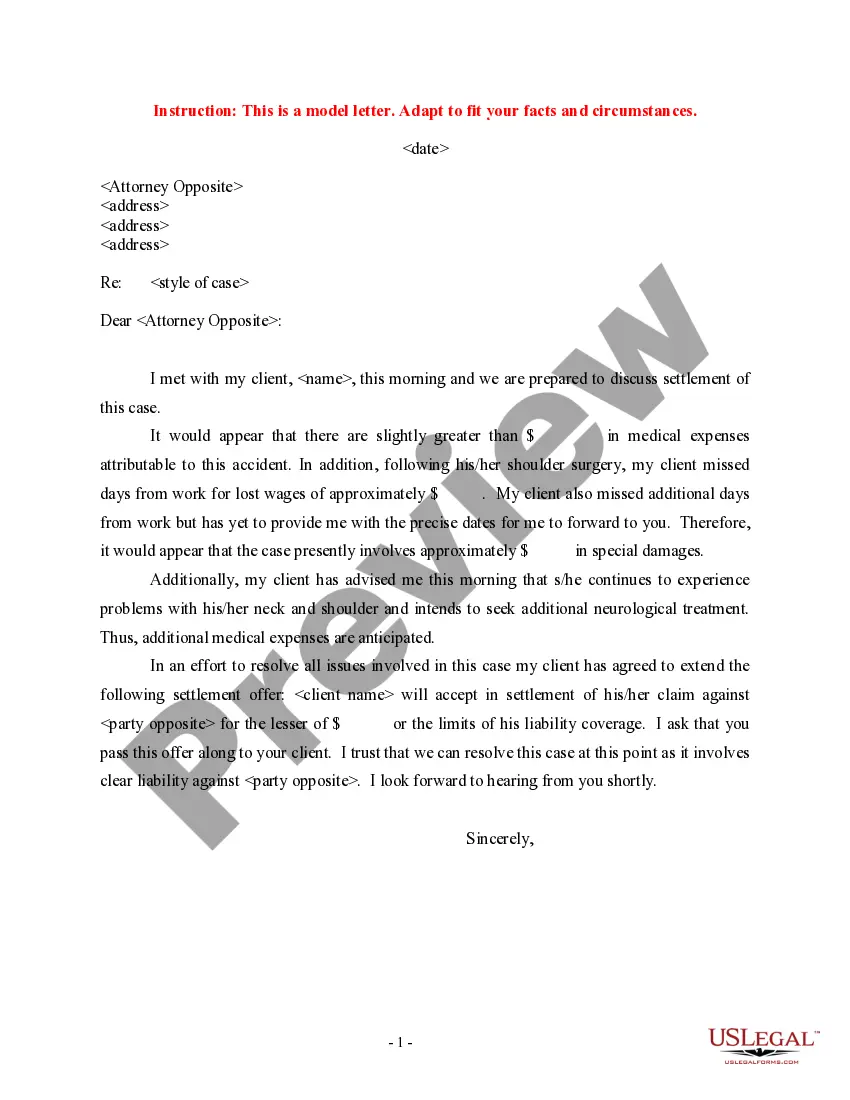
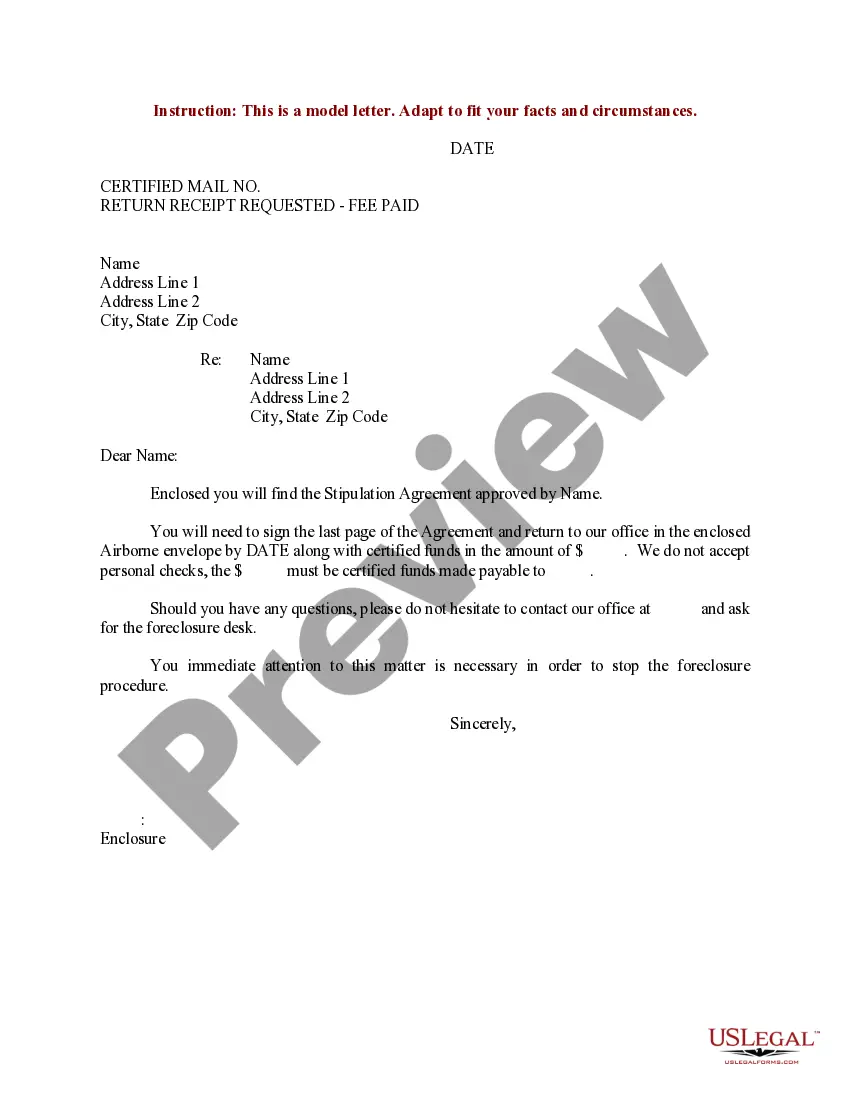
Alabama Sample Letter to Opposing Counsel with Enclosed Stipulation
Description


Get your form ready online
Our built-in tools help you complete, sign, share, and store your documents in one place.
Make edits, fill in missing information, and update formatting in US Legal Forms—just like you would in MS Word.
Download a copy, print it, send it by email, or mail it via USPS—whatever works best for your next step.
Sign and collect signatures with our SignNow integration. Send to multiple recipients, set reminders, and more. Go Premium to unlock E-Sign.
If this form requires notarization, complete it online through a secure video call—no need to meet a notary in person or wait for an appointment.
We protect your documents and personal data by following strict security and privacy standards.

Make edits, fill in missing information, and update formatting in US Legal Forms—just like you would in MS Word.

Download a copy, print it, send it by email, or mail it via USPS—whatever works best for your next step.

Sign and collect signatures with our SignNow integration. Send to multiple recipients, set reminders, and more. Go Premium to unlock E-Sign.

If this form requires notarization, complete it online through a secure video call—no need to meet a notary in person or wait for an appointment.

We protect your documents and personal data by following strict security and privacy standards.
Looking for another form?
How to fill out Sample Letter To Opposing Counsel With Enclosed Stipulation?
If you need to obtain, download, or print legal document templates, utilize US Legal Forms, the largest repository of legal forms available online. Benefit from the website's simple and user-friendly search to locate the documents you require. A variety of templates for business and personal purposes are organized by categories and states, or keywords. Use US Legal Forms to access the Alabama Sample Letter to Opposing Counsel with Enclosed Stipulation in just a few clicks.
If you are already a US Legal Forms user, Log In to your account and click the Acquire option to obtain the Alabama Sample Letter to Opposing Counsel with Enclosed Stipulation. You can also access forms you previously saved in the My documents section of your account.
If you are using US Legal Forms for the first time, follow the instructions below: Step 1. Ensure you have selected the form for the correct city/state. Step 2. Utilize the Preview option to review the form's content. Don't forget to read the details. Step 3. If you are dissatisfied with the form, use the Search field at the top of the screen to find other forms in the legal document template. Step 4. Once you have found the form you need, click the Buy now button. Choose the pricing plan you prefer and enter your details to register for an account. Step 5. Complete the purchase. You can use your Visa or MasterCard or PayPal account to finalize the transaction. Step 6. Select the format of the legal form and download it to your device. Step 7. Complete, modify and print or sign the Alabama Sample Letter to Opposing Counsel with Enclosed Stipulation.
- Every legal document template you purchase is yours permanently.
- You have access to every form you saved in your account.
- Visit the My documents section and select a form to print or download again.
- Stay competitive and download, and print the Alabama Sample Letter to Opposing Counsel with Enclosed Stipulation with US Legal Forms.
- There are thousands of professional and state-specific forms available for your business or personal needs.
Form popularity
FAQ
Try to Be Cooperative To that end, create an accommodating tone at the beginning of your dealings with the other attorney. If you set that tone, you may see a measure of reciprocal, even pleasant behavior.
8 Tips for Dealing with Difficult Opposing Counsel Point out Common Ground. ... Don't be Afraid to Ask Why. ... Separate the Person from the Problem. ... Focus on your Interests. ... Don't Fall for your Assumptions. ... Take a Calculated Approach. ... Control the Conversation by Reframing. ... Pick up the Phone.
Unprofessional Behavior Failing to show up for meetings. Using foul or crass language. Making important decisions about your case without your input. Missing deadlines. Filing paperwork incorrectly. Failing to disclose conflicts of interest. Continuing to work on your case when there is a known conflict of interest.
If you wish to be taken seriously by the court, whether in oral or written argument, never malign or belittle your opponents or their position. Treat opposing counsel with respect, regardless of whether you feel they deserve it. This is a fundamental rule of courtroom etiquette and common decency.
Dear [Opposing Counsel Name], I am writing to follow up on our recent communication regarding [case name].
Clients must respect that boundary and avoid speaking directly to opposing counsel about their case. Why? An Attorney Cannot Speak to the Talkative Opposing Client about their Case.