Arkansas Agent's Certification As To The Validity Of Power Of Attorney And Agent's Authority
Understanding this form
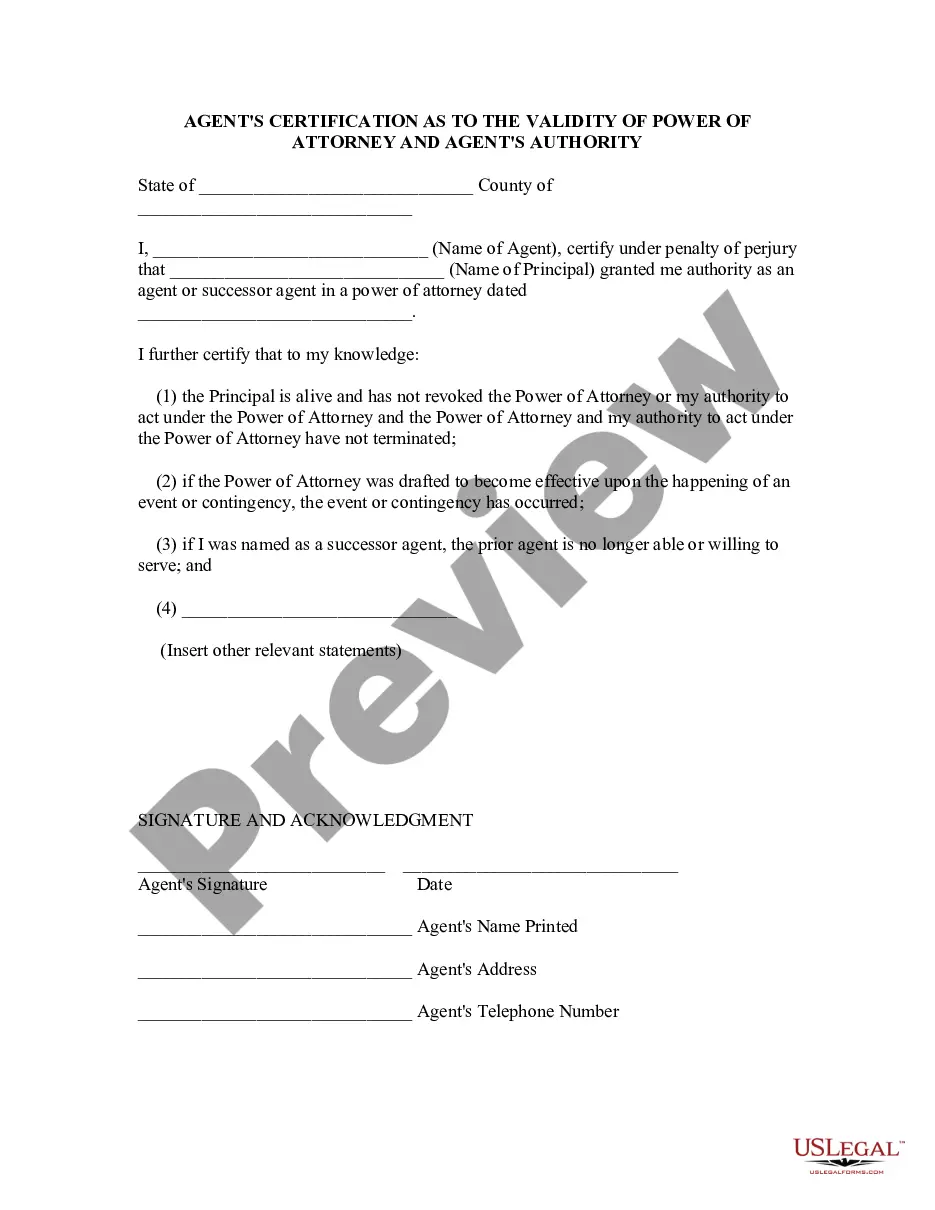
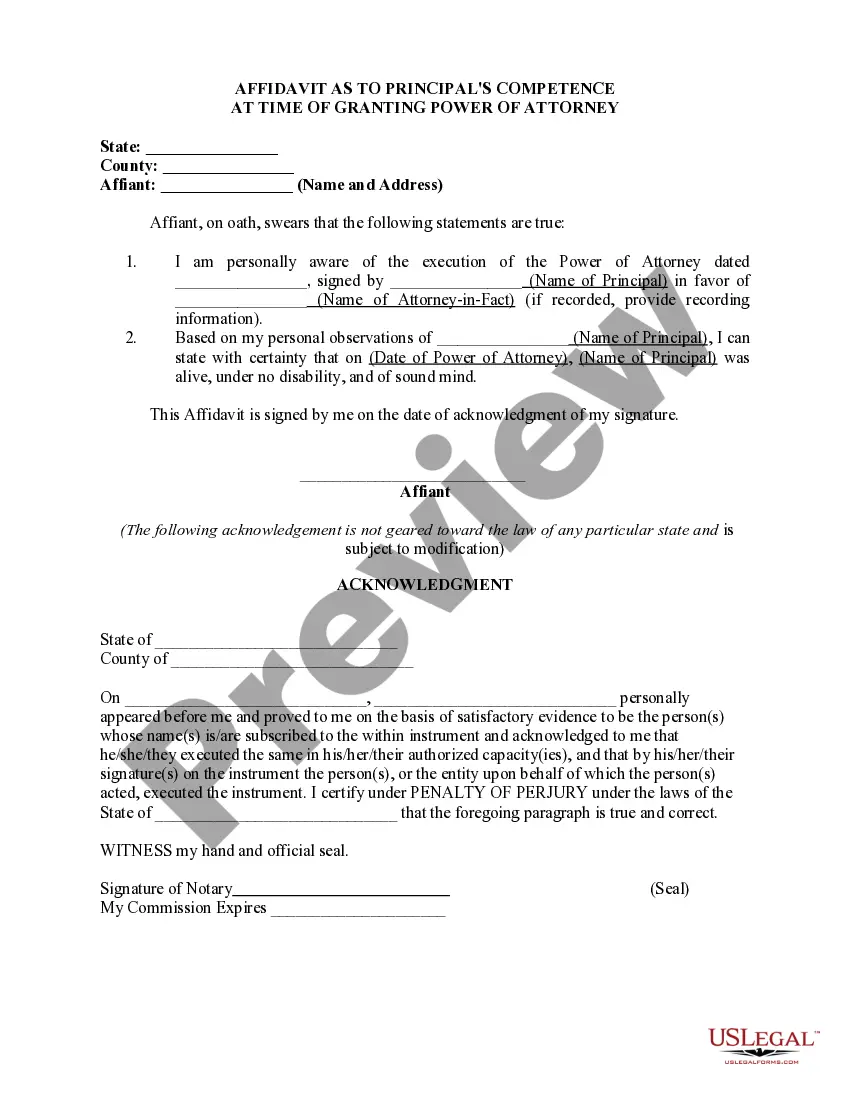
The Agent's Certification As To The Validity Of Power Of Attorney And Agent's Authority is a legal document used to verify an agent's authority under a power of attorney. This form serves as evidence that the agent can act on behalf of the principal, differentiating it from other related documents by specifically certifying the validity of both the power of attorney and the agent's ongoing authority.
Key components of this form
- Name of the agent and principal involved.
- Date the power of attorney was executed.
- Certification statements regarding the principal's status and the validity of the power of attorney.
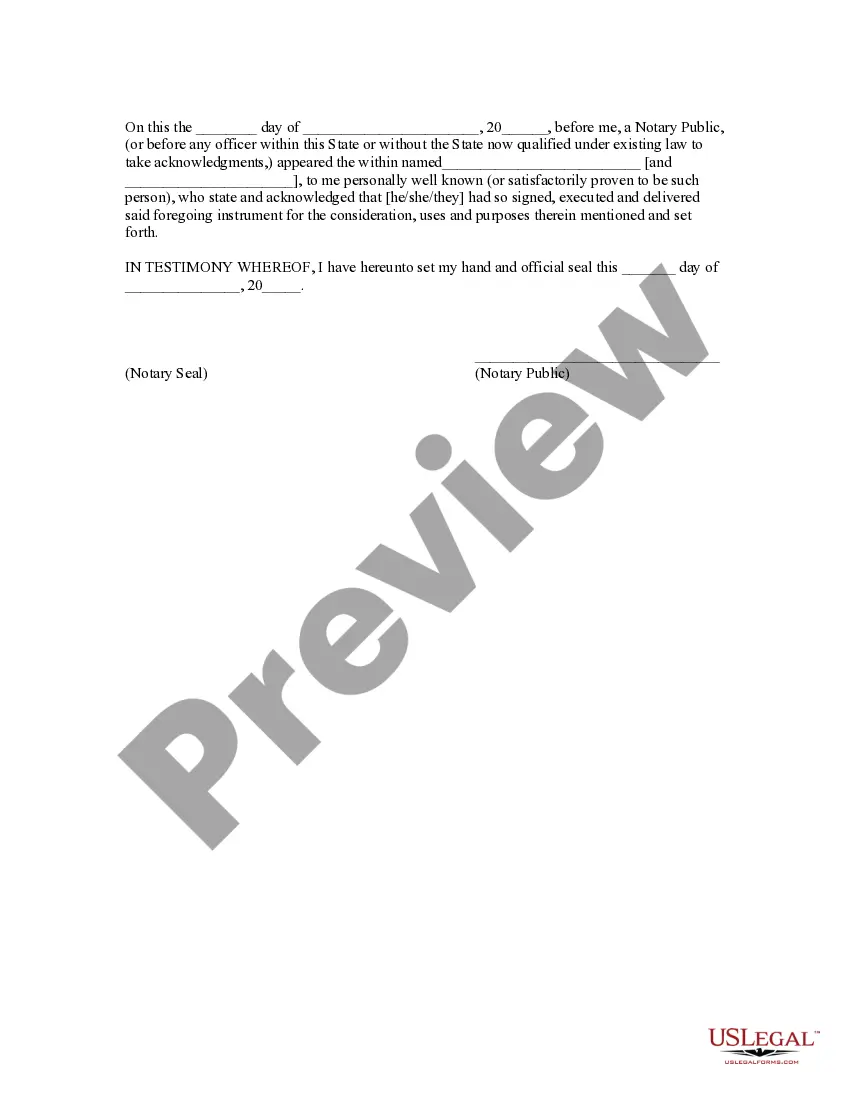
- Signature and acknowledgment section including notarization details.
- Contact information for the agent, including address and telephone number.
When to use this form
This form is needed when an agent wishes to demonstrate their authority to act on behalf of a principal under a power of attorney. You may require this certification in situations such as dealing with banks, legal processes, or any other situations where proof of authority is necessary.
Who needs this form
- Agents authorized under a power of attorney.
- Successor agents who need to prove their authority after a prior agent is unable or unwilling to serve.
- Principals who have appointed an agent and want to ensure their authority is recognized.
Instructions for completing this form
- Fill in the names of the agent and principal in the designated fields.
- Indicate the date of the original power of attorney documentation.
- Complete the certification statements, ensuring accuracy regarding the principal's status and any relevant declarations.
- Sign and date the form, providing your printed name, address, and telephone number.
- Have the document notarized if required, by including the notary's information and seal.
Does this form need to be notarized?
To make this form legally binding, it must be notarized. Our online notarization service, powered by Notarize, lets you verify and sign documents remotely through an encrypted video session.
Get your form ready online
Our built-in tools help you complete, sign, share, and store your documents in one place.
Make edits, fill in missing information, and update formatting in US Legal Forms—just like you would in MS Word.
Download a copy, print it, send it by email, or mail it via USPS—whatever works best for your next step.
Sign and collect signatures with our SignNow integration. Send to multiple recipients, set reminders, and more. Go Premium to unlock E-Sign.
If this form requires notarization, complete it online through a secure video call—no need to meet a notary in person or wait for an appointment.
We protect your documents and personal data by following strict security and privacy standards.

Make edits, fill in missing information, and update formatting in US Legal Forms—just like you would in MS Word.

Download a copy, print it, send it by email, or mail it via USPS—whatever works best for your next step.

Sign and collect signatures with our SignNow integration. Send to multiple recipients, set reminders, and more. Go Premium to unlock E-Sign.

If this form requires notarization, complete it online through a secure video call—no need to meet a notary in person or wait for an appointment.

We protect your documents and personal data by following strict security and privacy standards.
Common mistakes
- Failing to include the principal's current status or revocation of authority.
- Neglecting to have the document notarized when required.
- Leaving out necessary signatures or contact details.
Benefits of completing this form online
- Convenient access to downloadable templates that can be completed immediately.
- Editable forms allow for customization to match specific needs.
- Reliable templates drafted by licensed attorneys to ensure legal compliance.
Key takeaways
- The form certifies the authority of an agent under a power of attorney.
- It is essential for facilitating transactions where agent authority must be proven.
- Ensure accuracy and completeness to avoid issues when presenting this document.
Looking for another form?
Form popularity
FAQ
In Arkansas, the primary rules for a power of attorney include being written, signed by the principal, and notarized. The document must clearly state the powers granted to the agent, and it should comply with both state laws and any specific requirements that might be needed for certain transactions. Following these rules helps to ensure the validity of your power of attorney. The Arkansas Agent's Certification As To The Validity Of Power Of Attorney And Agent's Authority serves as a vital resource for understanding these regulations.
To revoke a power of attorney in Arkansas, you must complete a revocation form and ensure it is signed in front of a notary public. Notify the agent and any institutions or parties that were provided with the original power of attorney. This process ensures that the power is rendered void, protecting your interests moving forward. The Arkansas Agent's Certification As To The Validity Of Power Of Attorney And Agent's Authority can assist you during this revocation process.
Typically, a legal power of attorney cannot make decisions regarding voting in elections, making or amending a will, or making health care decisions that the principal has specifically restricted. Understanding these limitations is crucial to avoid overstepping the authority granted. You can refer to the Arkansas Agent's Certification As To The Validity Of Power Of Attorney And Agent's Authority for guidance on how to structure these stipulations effectively.
In Arkansas, guardianship can indeed override a power of attorney if the court determines that guardianship is in the best interest of the individual. When a guardian is appointed, their authority takes precedence over the decisions made by an agent appointed under a power of attorney. It's important to understand how both concepts interact and to ensure that any agent's authority complies with the Arkansas Agent's Certification As To The Validity Of Power Of Attorney And Agent's Authority.
Arkansas Code 28-68-105 pertains to the rules governing the validity of powers of attorney in the state. This particular code outlines the requirements for creating a valid power of attorney, including the necessity for the principal's signature and notarization. Understanding this code is essential for anyone looking to ensure their power of attorney is enforced correctly. For further assistance, you may refer to the Arkansas Agent's Certification As To The Validity Of Power Of Attorney And Agent's Authority.
To obtain power of attorney for someone who is incapacitated in Arkansas, begin by establishing the person's incapacity through appropriate documentation, such as a medical diagnosis. Next, you will need to complete a power of attorney form that complies with Arkansas laws. After filling out the form, it should be signed in the presence of a notary public. Utilizing the Arkansas Agent's Certification As To The Validity Of Power Of Attorney And Agent's Authority can simplify this process.
Several factors can supersede a power of attorney in Arkansas, including the principal's revocation of the document, the principal's death, or a legal judgment declaring the agent unfit. Understanding when a power of attorney may no longer be valid is key to managing your affairs effectively. Utilizing resources like US Legal Forms can provide clarity on Arkansas Agent's Certification As To The Validity Of Power Of Attorney And Agent's Authority and ensure your documents are up-to-date and valid.
In Arkansas, the principal has the authority to override a power of attorney at any time as long as they are mentally capable. Additionally, a court may intervene if there are concerns about the actions of the agent or if the principal is deemed incapacitated. It’s important to consult legal resources, such as those offered by US Legal Forms, for information related to Arkansas Agent's Certification As To The Validity Of Power Of Attorney And Agent's Authority when needing updates or changes.
The three basic types of powers of attorney include general, durable, and limited powers of attorney. A general power of attorney gives broad authority, a durable power remains effective even if the principal becomes incapacitated, and a limited power is specific to a particular task or timeframe. Understanding these distinctions is essential when considering the appropriate type and ensuring compliance with Arkansas Agent's Certification As To The Validity Of Power Of Attorney And Agent's Authority. For further guidance, check out US Legal Forms for comprehensive resources.
Obtaining power of attorney in Arkansas involves completing a power of attorney document that outlines your authority. The principal, who is granting this authority, must sign the document in the presence of a notary public. Additionally, Arkansas Agent's Certification As To The Validity Of Power Of Attorney And Agent's Authority may also be needed to ensure the legality of the document. Using US Legal Forms can help you navigate this process efficiently and accurately.