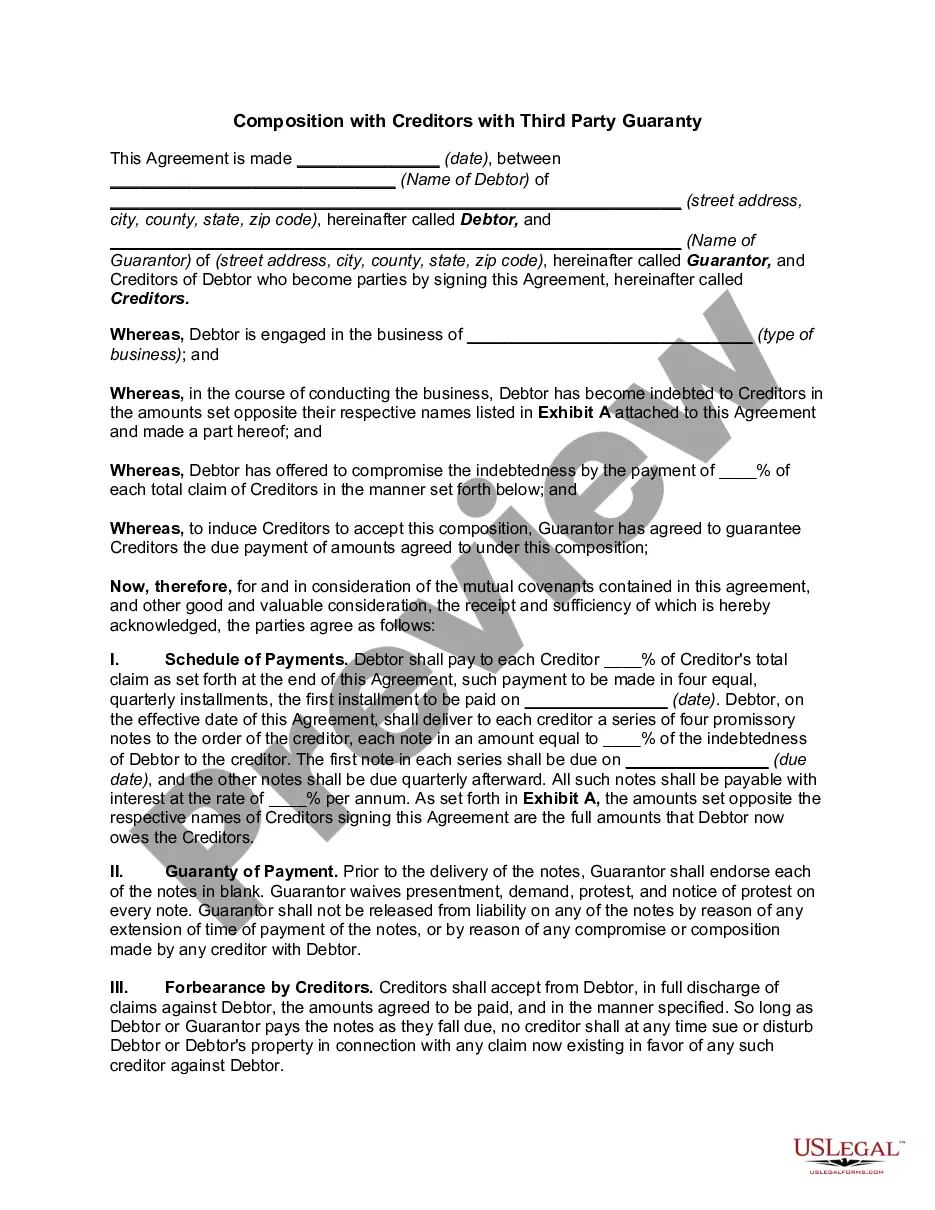
Arkansas Accounts Receivable - Contract to Sale
Description

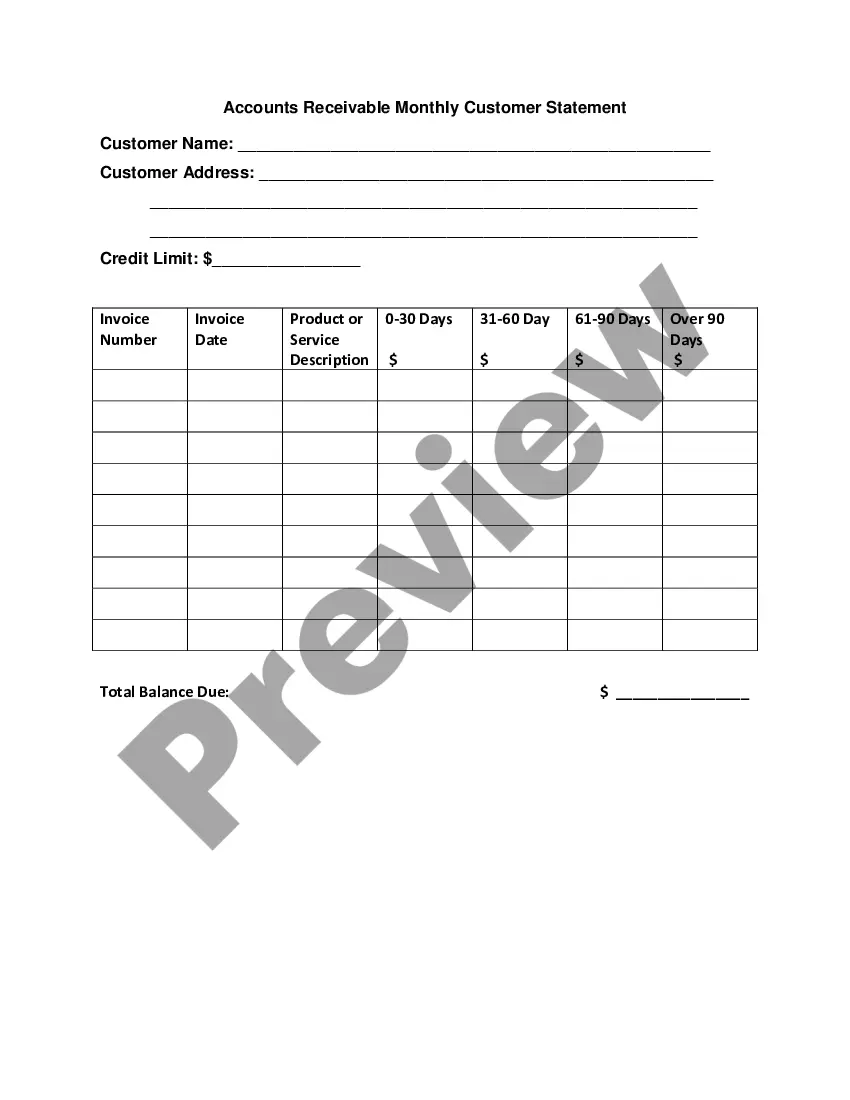

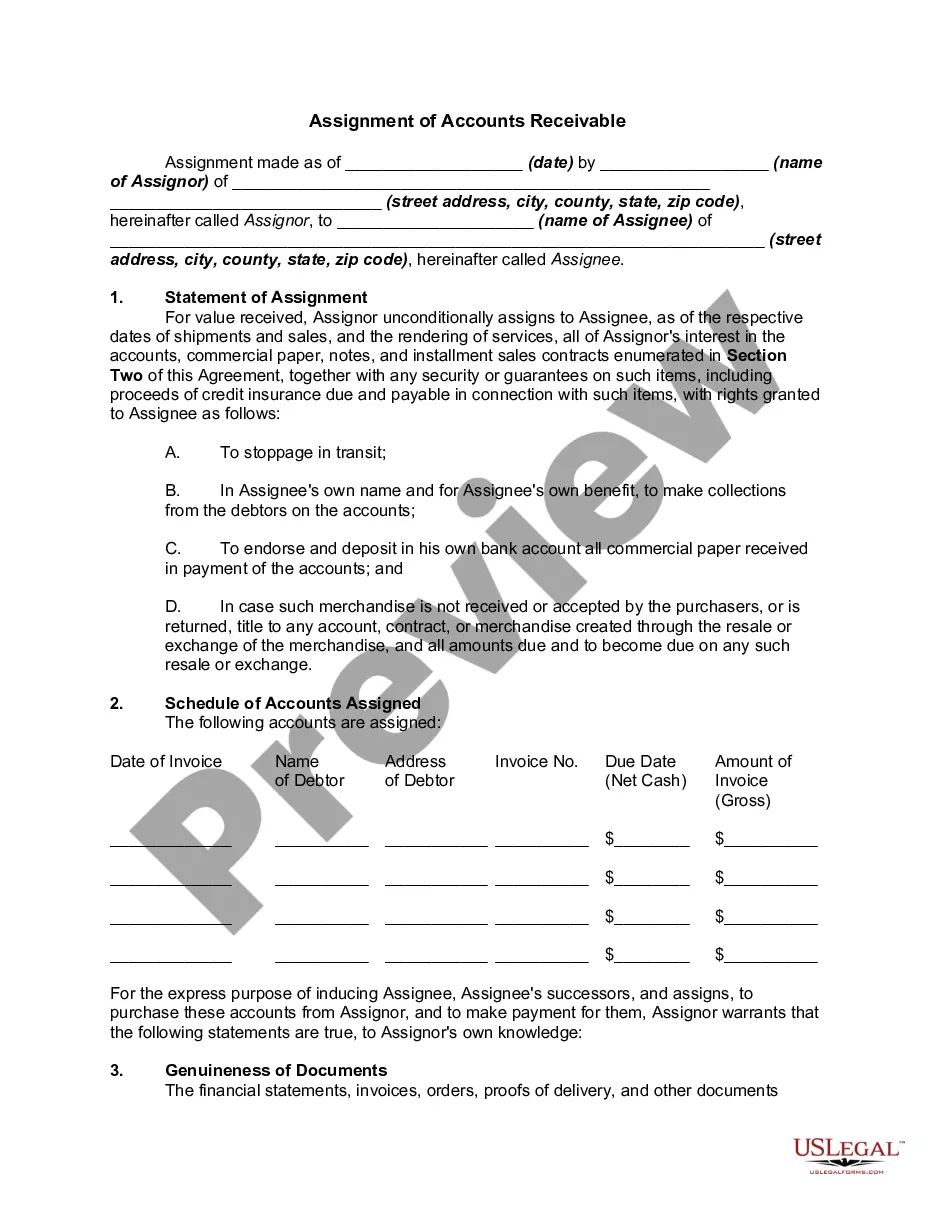
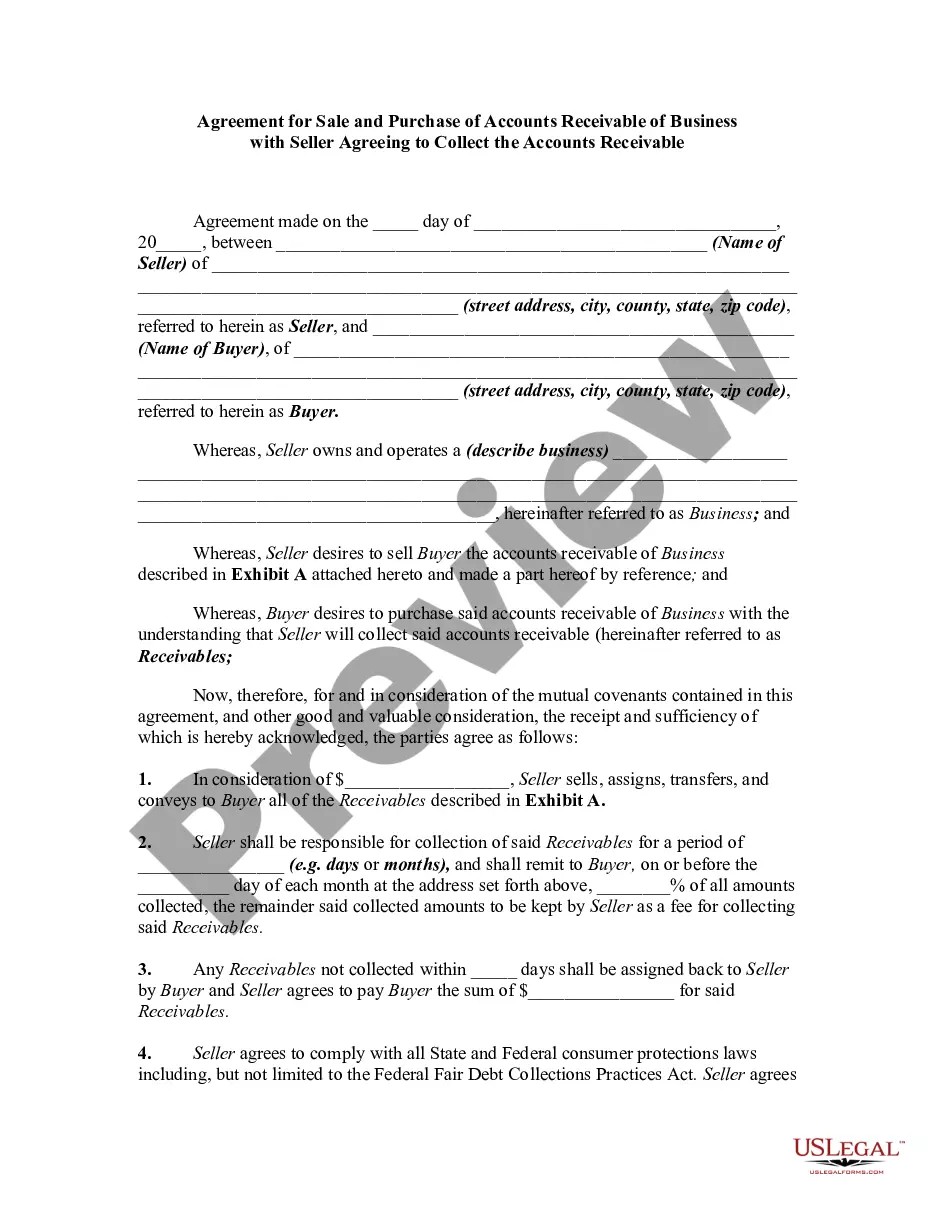
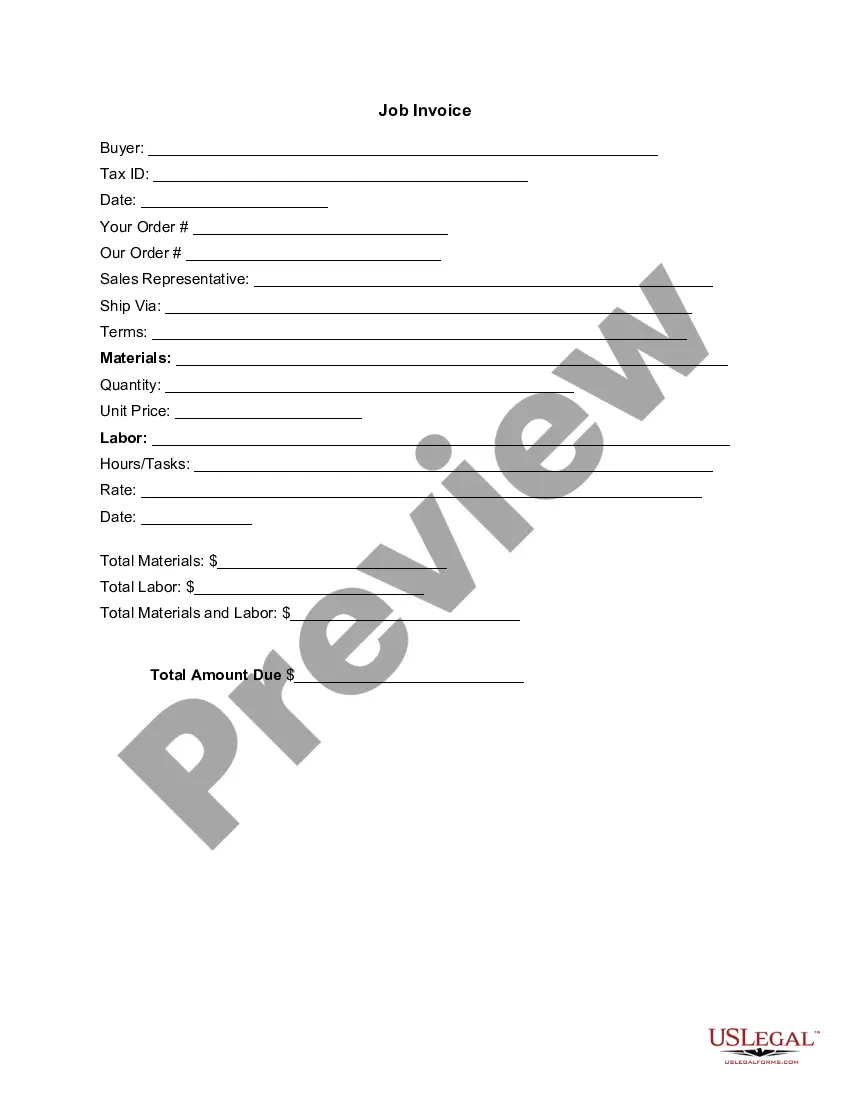
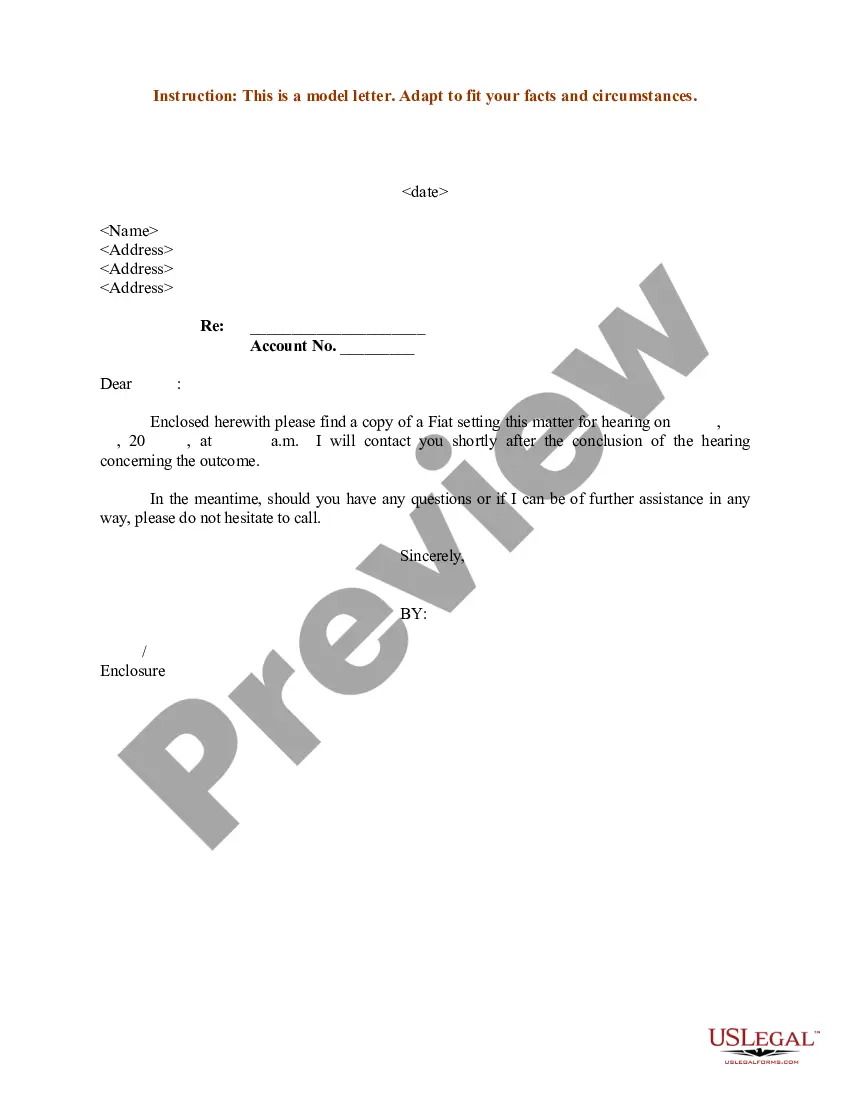
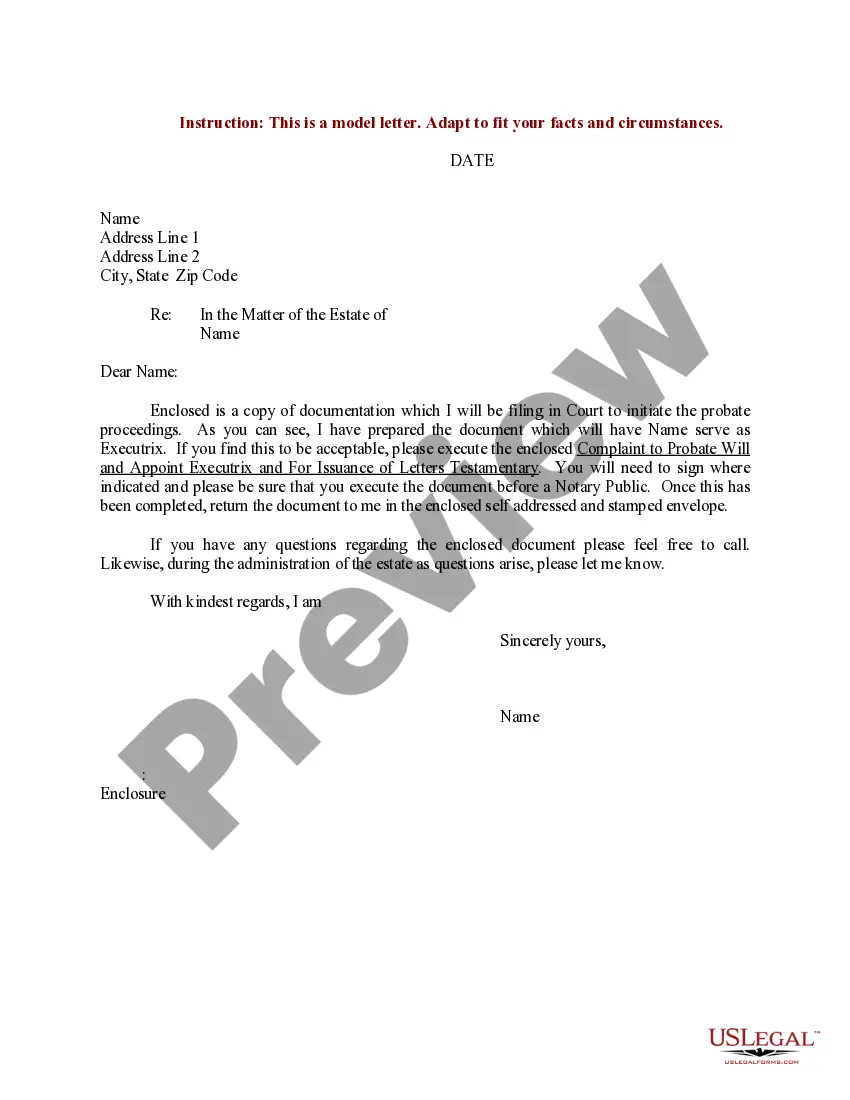
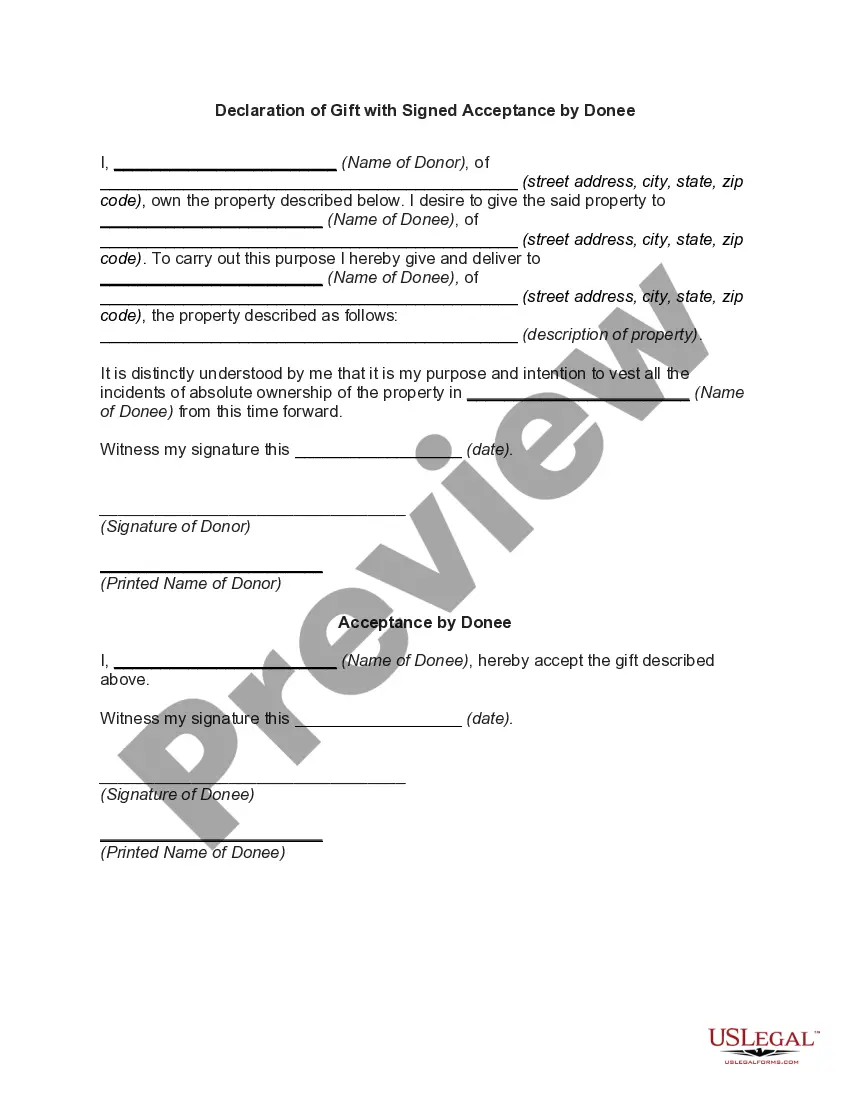
How to fill out Accounts Receivable - Contract To Sale?
If you want to finalize, acquire, or print valid document templates, utilize US Legal Forms, the largest assortment of legal forms available online.
Take advantage of the site's user-friendly search feature to locate the documents you need.
A wide range of templates for commercial and personal purposes are organized by categories and states, or keywords.
Step 4. Once you have found the form you need, click the Purchase now button. Choose the pricing plan you prefer and enter your details to register for an account.
Step 5. Complete the payment process. You can use your credit card or PayPal account to finalize the transaction. Step 6. Select the format of the legal form and download it to your device. Step 7. Fill out, edit, and print or sign the Arkansas Accounts Receivable - Contract to Sale. Every legal document template you purchase is yours forever. You have access to every form you downloaded in your account. Visit the My documents section and choose a form to print or download again.
- Use US Legal Forms to locate the Arkansas Accounts Receivable - Contract to Sale with just a few clicks.
- If you are already a US Legal Forms customer, Log In to your account and click the Download button to obtain the Arkansas Accounts Receivable - Contract to Sale.
- You can also access forms you have previously downloaded in the My documents section of your account.
- If you are using US Legal Forms for the first time, follow these steps.
- Step 1. Ensure you have selected the form for the correct city/state.
- Step 2. Utilize the Review option to check the form's details. Don't forget to read the description.
- Step 3. If you are not satisfied with the form, use the Search field at the top of the screen to find alternative forms in the legal format.
Form popularity
FAQ
In an Arkansas Accounts Receivable - Contract to Sale, accounts receivable are typically reviewed for their value and collection potential. Buyers often assess these receivables to determine the financial health of the business. This process includes verifying outstanding invoices and understanding the payment history of customers. By addressing accounts receivable effectively, both buyers and sellers can ensure a smoother transaction.
Yes, accounts receivable are generally included in an asset sale. They are considered valuable assets that contribute to the overall value of a business. When entering into an Arkansas Accounts Receivable - Contract to Sale, it is crucial to clearly define these assets to ensure both parties understand what is being transferred in the transaction.
The process of selling accounts receivable typically involves several steps. First, the seller identifies the accounts they wish to sell and evaluates their value. Next, they negotiate terms with a buyer and formalize the arrangement through an Arkansas Accounts Receivable - Contract to Sale. Finally, the seller receives payment and the buyer takes over the collection process, allowing businesses to focus on growth.
An accounts receivable sales agreement is a legal document that outlines the terms under which a business sells its outstanding invoices to another party. This agreement is essential for defining the responsibilities, payment terms, and any fees involved in the transaction. By understanding the details of the Arkansas Accounts Receivable - Contract to Sale, businesses can ensure they are protected and comply with state regulations.
Purchase of Accounts Receivable refers to the bank buying the creditor's rights in accounts receivable possessed by the seller (creditor) against the buyer (debtor) under the commercial contract while maintaining the recourse to the debtor. The bank may have the right of recourse to the creditor or not.
Factoring is when a company sells its accounts receivable to another company in exchange for cash in advance of the accounts receivable payment due date. The company pledges its rights to collect its accounts receivable to the Factor in exchange for a cash advance.
A receivable purchase agreement is a contract between a seller and a financial institution that allows the seller to sell unpaid invoices from buyers to the financial institution. This means that the seller can enable cash flow until payment is received from the buyer.
The key difference between Contract asset and Account receivable is its conditionality i.e. Contract Asset is recognized in the Financial Statements when the right to receive the payment is conditional upon something other than just passage of time (having conditional right to receive payment).
While all transactions are as unique as the parties involved, in most small business sale transactions the seller keeps the cash and outstanding receivables. They pay off the bills and any other outstanding payables and deliver the business free and clear of debt to the buyer.
With contract receivables, a business sells to a third-party finance provider the rights to receive the future contracted cash flows for delivered assets and services due under a new or existing contract that it has with one of its customers.