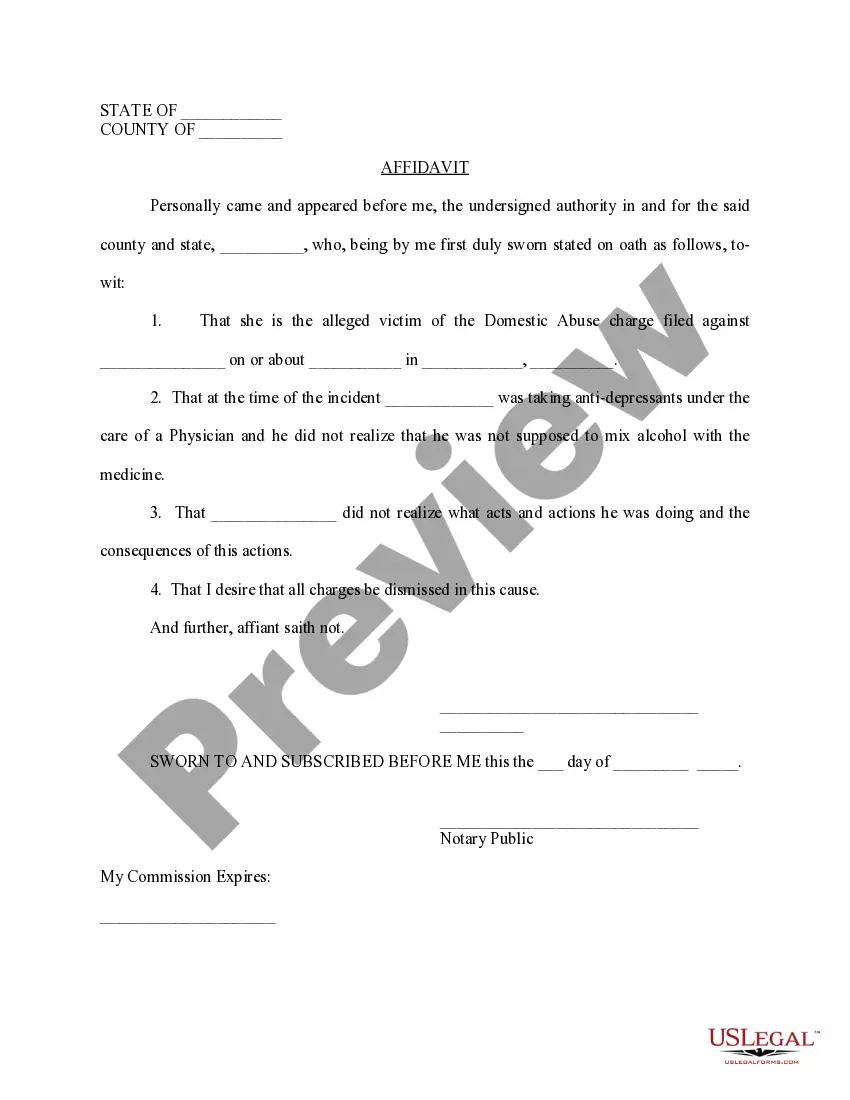
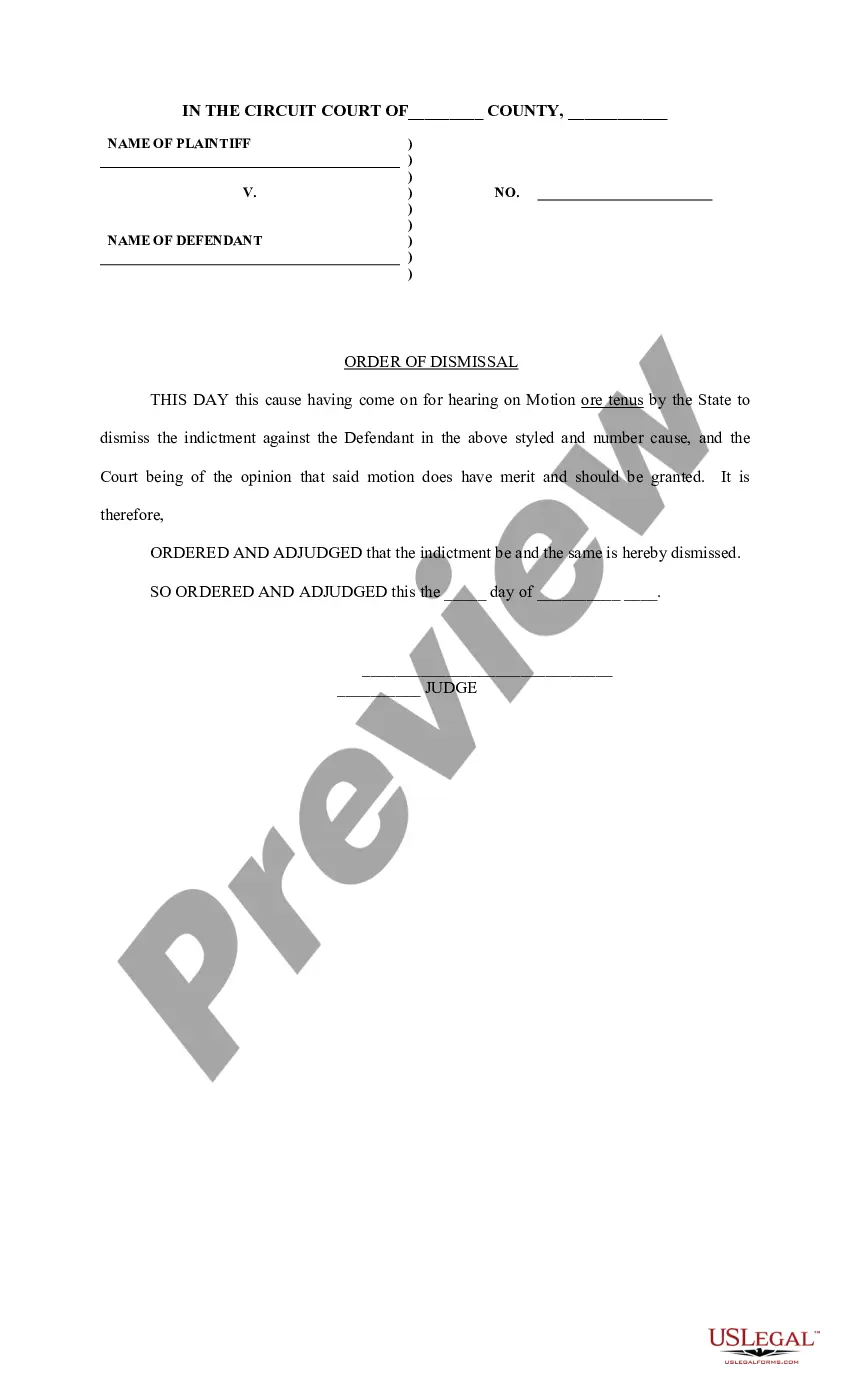
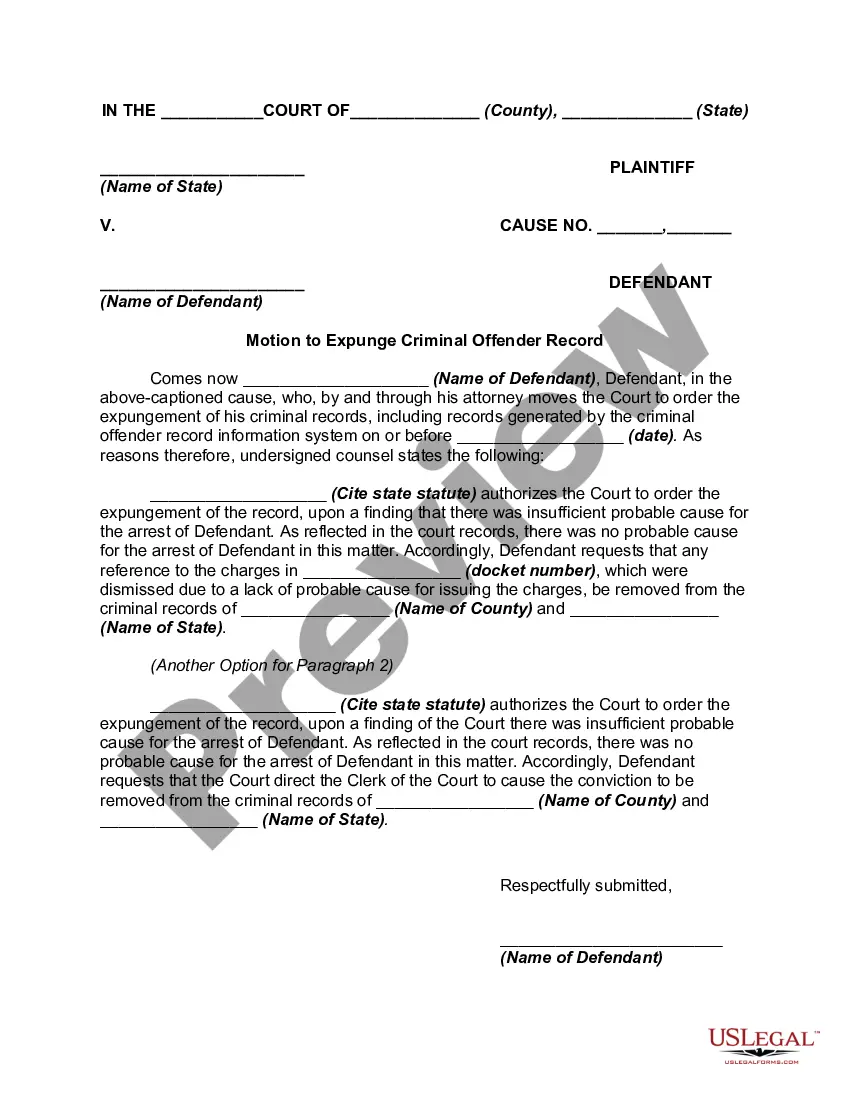
Arkansas Affidavit by Victim for Dismissal
Description
Get your form ready online
Our built-in tools help you complete, sign, share, and store your documents in one place.
Make edits, fill in missing information, and update formatting in US Legal Forms—just like you would in MS Word.
Download a copy, print it, send it by email, or mail it via USPS—whatever works best for your next step.
Sign and collect signatures with our SignNow integration. Send to multiple recipients, set reminders, and more. Go Premium to unlock E-Sign.
If this form requires notarization, complete it online through a secure video call—no need to meet a notary in person or wait for an appointment.
We protect your documents and personal data by following strict security and privacy standards.

Make edits, fill in missing information, and update formatting in US Legal Forms—just like you would in MS Word.

Download a copy, print it, send it by email, or mail it via USPS—whatever works best for your next step.

Sign and collect signatures with our SignNow integration. Send to multiple recipients, set reminders, and more. Go Premium to unlock E-Sign.

If this form requires notarization, complete it online through a secure video call—no need to meet a notary in person or wait for an appointment.

We protect your documents and personal data by following strict security and privacy standards.
Looking for another form?









How to fill out Affidavit By Victim For Dismissal?
Are you currently in a situation where you require documents for either business or personal purposes almost every day.
There are numerous legal document templates available online, but finding reliable ones can be challenging.
US Legal Forms offers thousands of form templates, including the Arkansas Affidavit by Victim for Dismissal, which are designed to meet federal and state requirements.
Once you have found the appropriate form, click Acquire now.
Choose the payment plan you prefer, fill in the required information to set up your payment, and complete the transaction using your PayPal or credit card. Select a convenient file format and download your copy. Access all the document templates you have purchased in the My documents menu. You can obtain another copy of the Arkansas Affidavit by Victim for Dismissal at any time, if necessary. Just click the desired form to download or print the document template. Use US Legal Forms, the most extensive collection of legal forms, to save time and avoid errors. The service provides professionally crafted legal document templates that can be used for various purposes. Create an account on US Legal Forms and start making your life a bit easier.
- If you are already acquainted with the US Legal Forms website and have an account, simply Log In.
- Then, you can download the Arkansas Affidavit by Victim for Dismissal template.
- If you do not have an account and wish to start using US Legal Forms, follow these instructions.
- Find the form you need and ensure it is for the correct jurisdiction/area.
- Utilize the Preview button to examine the form.
- Review the details to confirm that you have selected the right form.
- If the form is not what you are looking for, use the Search field to find the form that fits your needs.
Form popularity
FAQ
Prosecutors are supposed to both enforce the law and "do justice." Doing justice means that a prosecutor occasionally decides not to prosecute a case (or files less severe charges) because the interests of justice require it, even if the facts of the case might support a conviction.
This affidavit is a sworn statement, which is punishable under penalty of perjury if there are falsehoods or lies contained in the affidavit, which states basically that the complainant or the alleged victim is requesting that the prosecutors drop the charges or not go forward with the prosecution.
Filling out an affidavit of non-prosecution in Texas is pretty straight-forward. It should state that the victim doesn't want to cooperate or prosecute. The affidavit must be signed under penalty of perjury, attesting that the information provided is true and correct to the best of their knowledge.
An affidavit of non-prosecution serves as a formal declaration by the alleged victim that they do not wish to participate in the prosecution process. This document can be submitted to the prosecutor's office or the court as evidence of the victim's intentions not to cooperate.
Affidavits of Non-Prosecution will put the DA on notice that you want the case dismissed. What this basically means to a DA is that you are more than likely not willing to testify against this individual, and that you are likely not going to be a great witness for the state.
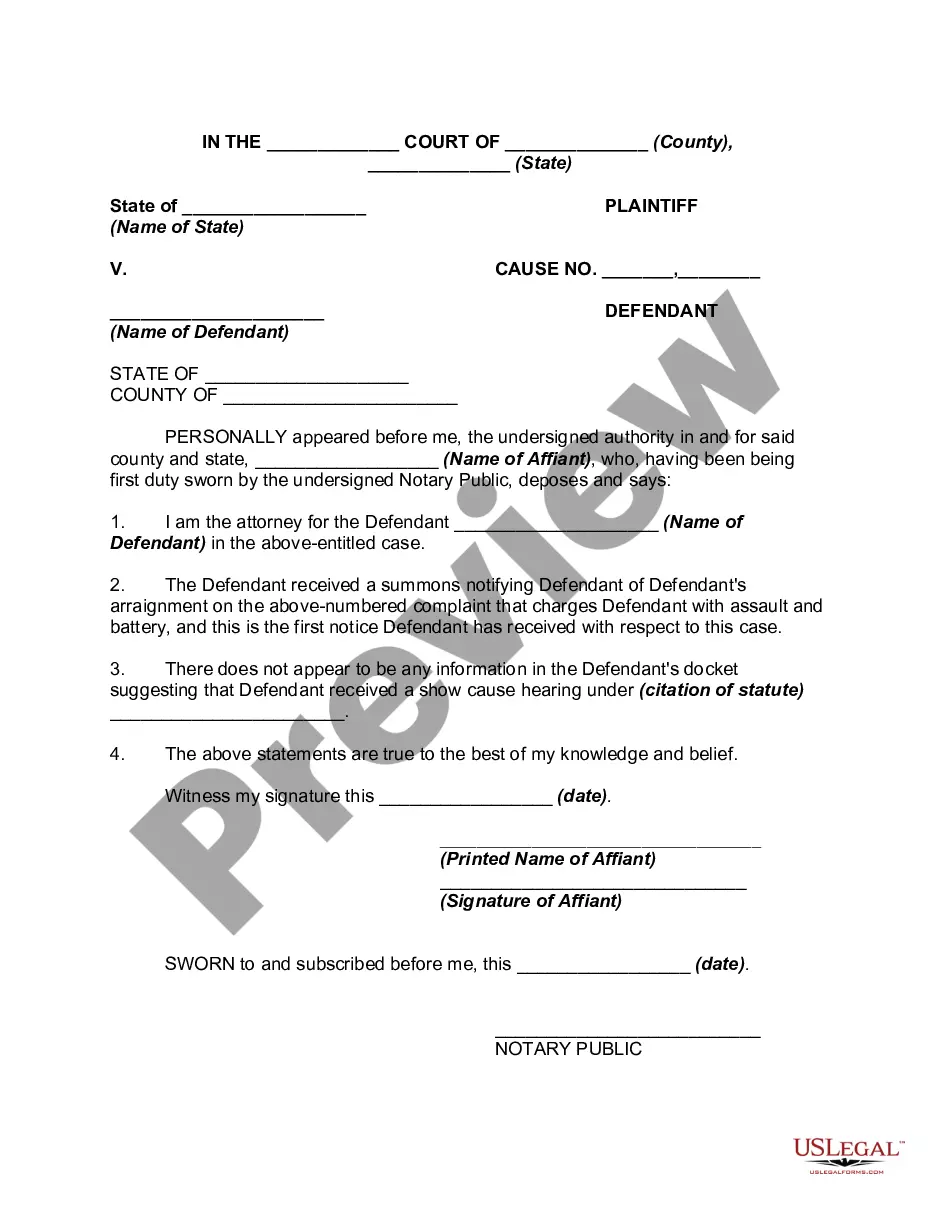
The following are six critical sections that must be included: Title. This is either your name (?Affidavit of Jane Doe?) or the specific case information. Statement of identity. The next paragraph tells the court about yourself. ... Statement of truth. ... Statement of facts. ... Closing statement of truth. ... Sign and notarize.
Grounds on which a prosecutor may decide not to prosecute include the following: - The act is not an offence; the act does not fulfil the essential elements of an offence and the law provides no punishment for it. - No evidence; there is not sufficient evidence of guilt.