Arizona Stipulation for Continuance and Order
Overview of this form
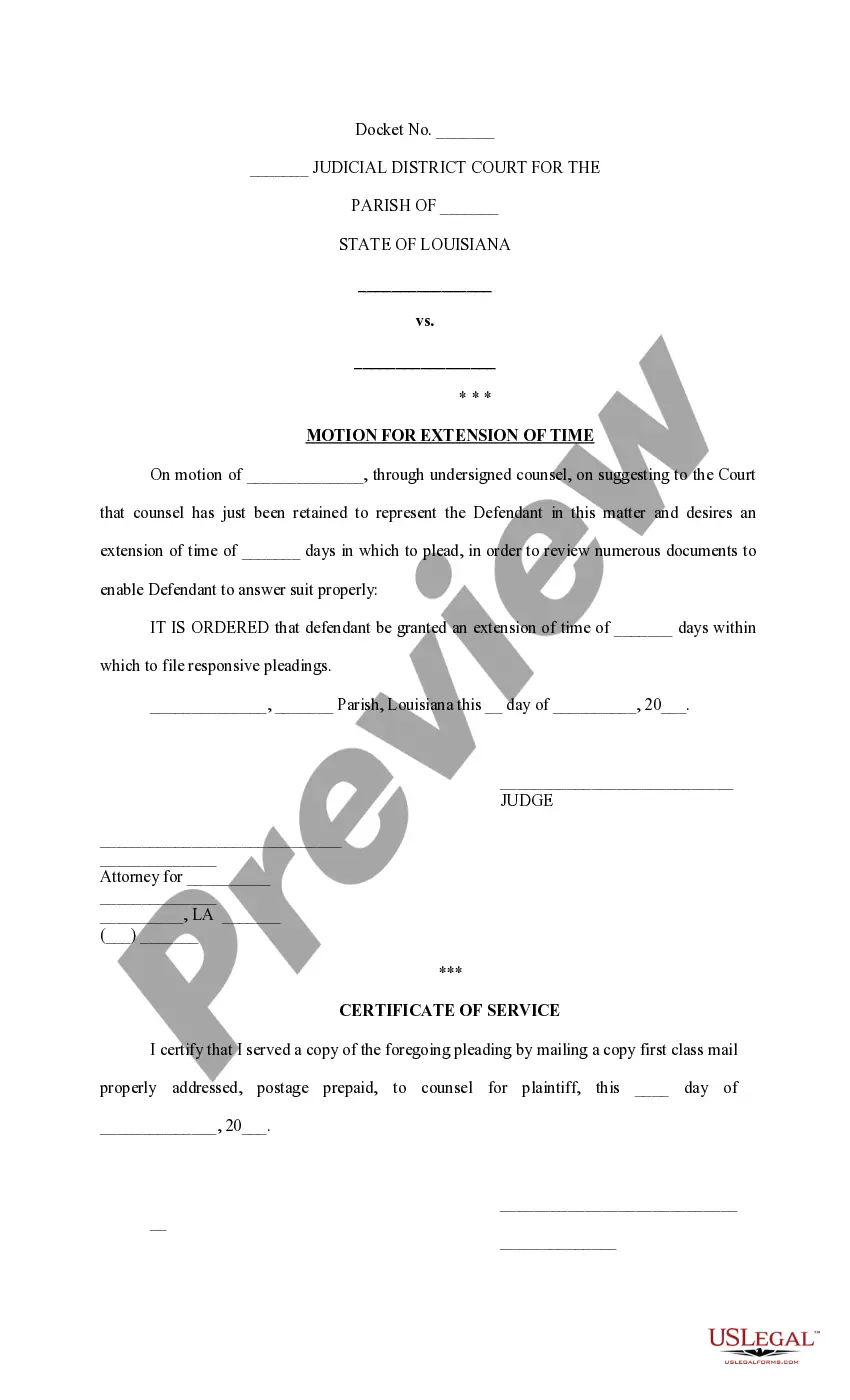
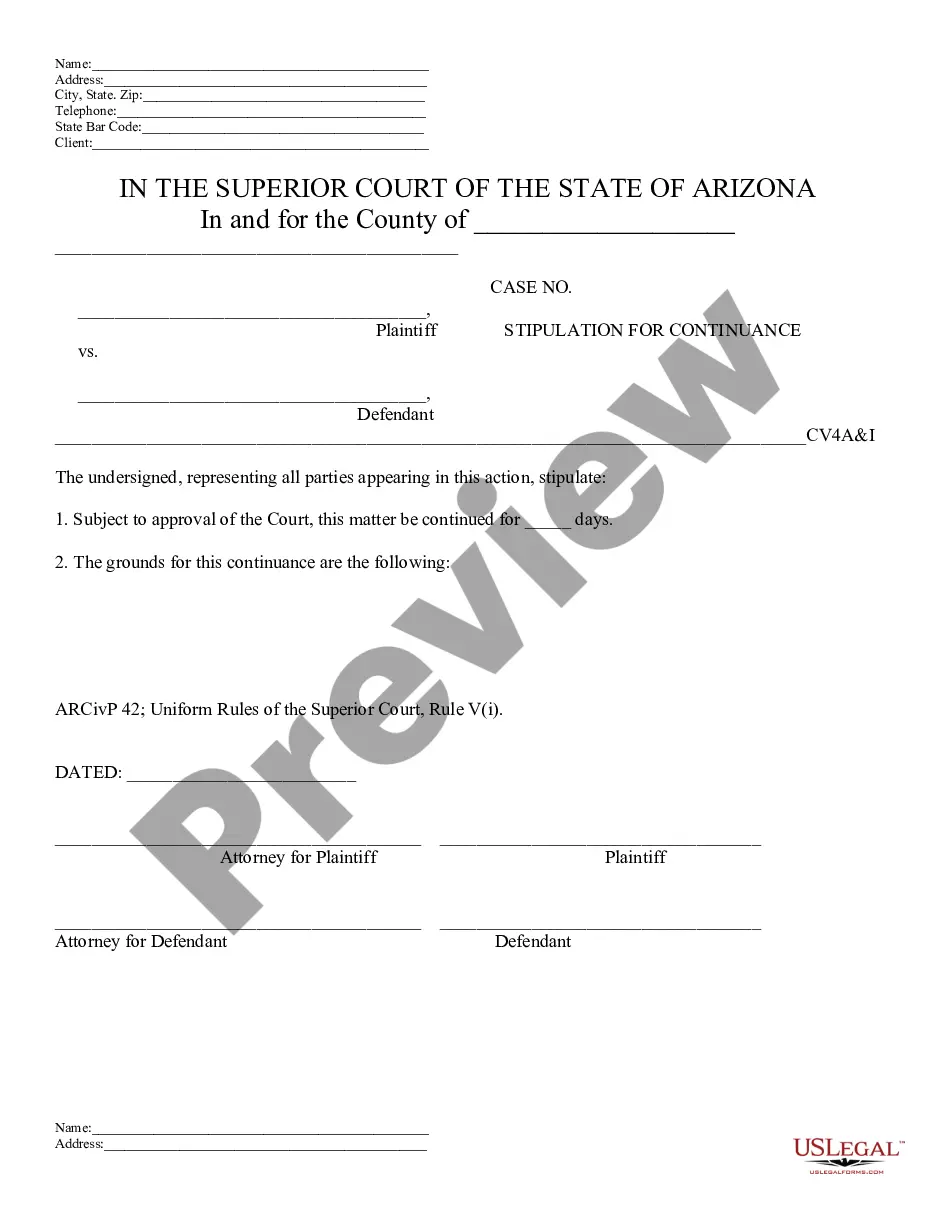
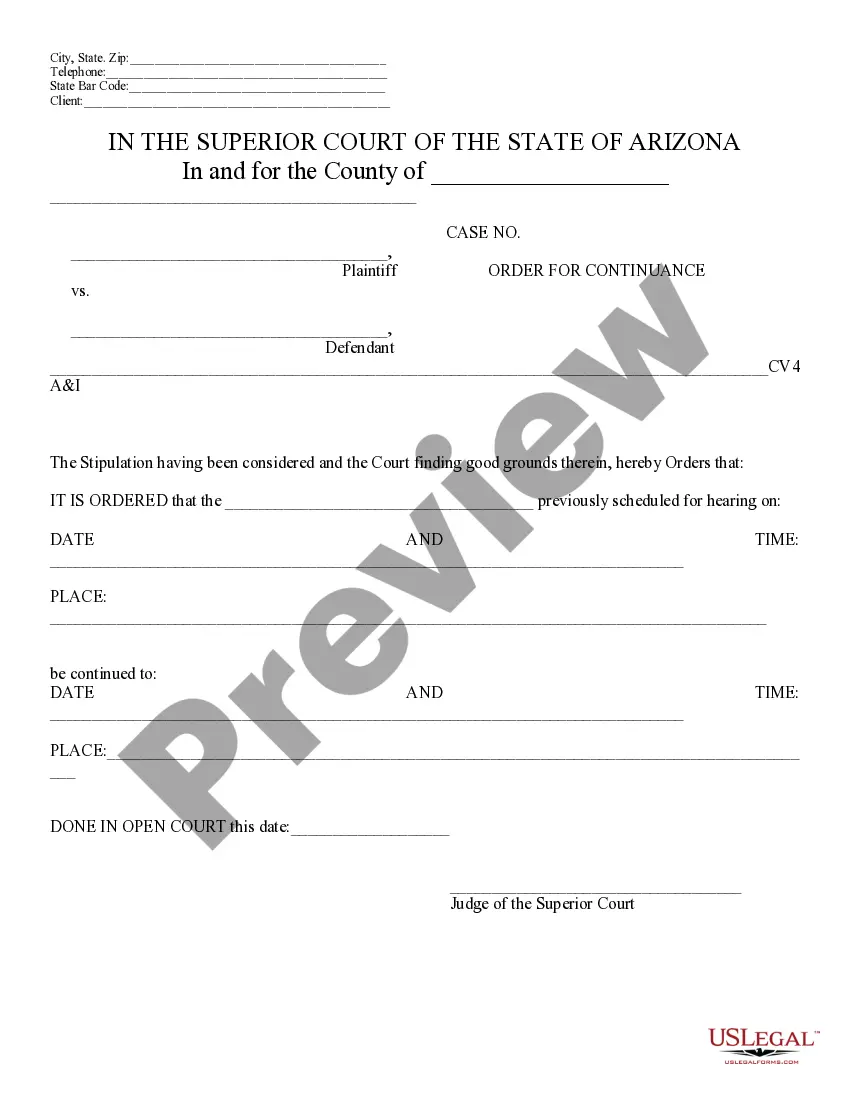
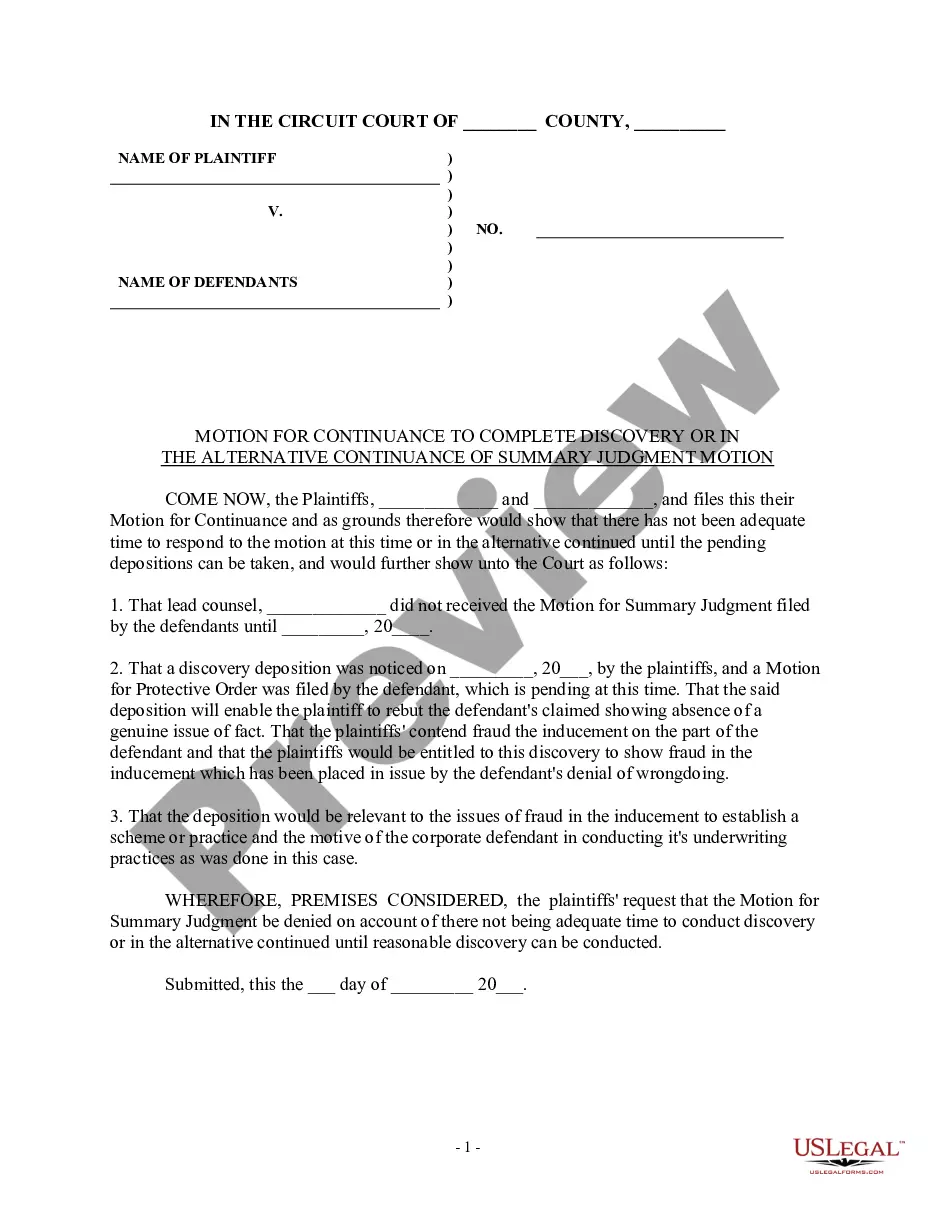
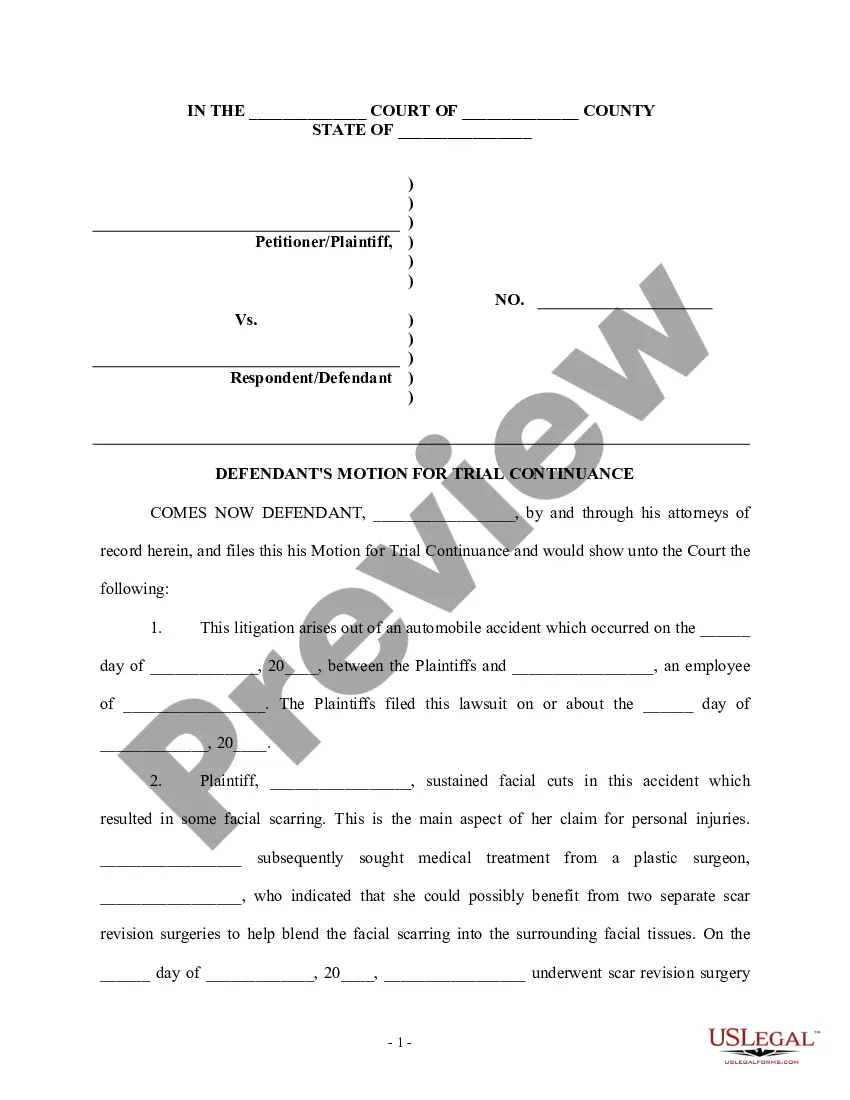
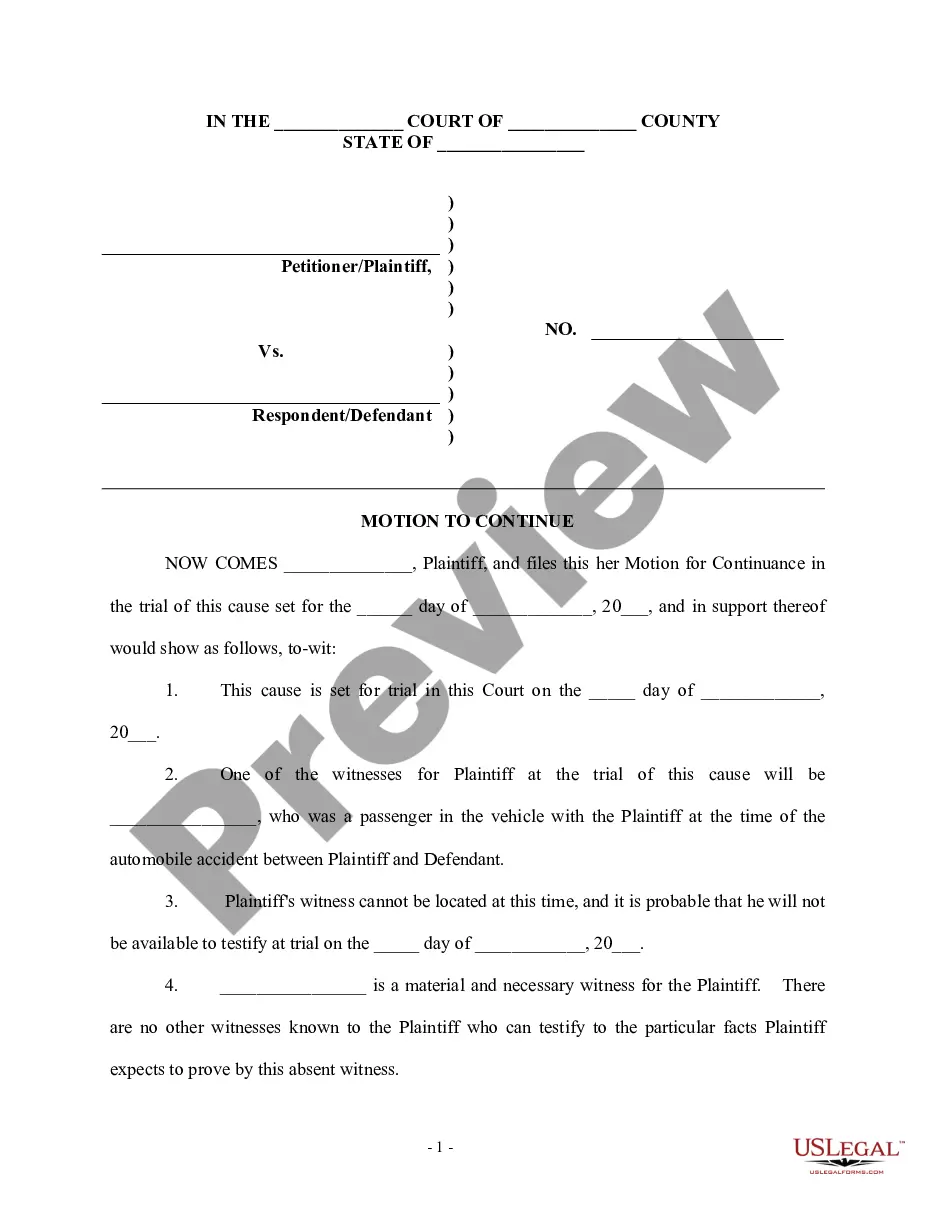
The Stipulation for Continuance and Order is a legal document that requests a court to postpone a scheduled trial or hearing. This form outlines the reasons for the postponement and must be approved by the court. It differs from other forms by ensuring that all parties agree to the delay and that the judge officially endorses the new dates.
Key parts of this document
- Parties involved: Information about the plaintiff and the defendant.
- Continuation period: Specifies the requested number of additional days for the trial or hearing.
- Grounds for continuance: Detailed reasons supporting the request for postponement.
- Order section: Contains the court's approval and new scheduled dates.
- Signatures: Required signatures from the attorneys and parties involved.
When to use this form
This form should be used when one or both parties in a case need additional time before a trial or hearing due to various circumstances, such as needing more time to gather evidence, scheduling conflicts, or other legitimate reasons. It helps ensure that both parties can adequately prepare for the proceedings.
Who should use this form
- Attorneys representing either the plaintiff or the defendant in a legal action.
- Parties involved in a legal case who need to request a postponement of their trial or hearing.
- Individuals seeking clarity on procedural requirements in court cases involving a delay.
Steps to complete this form
- Identify all parties involved in the case and fill in their details.
- Clearly state the number of days for the requested continuance.
- Provide the specific grounds for the continuance within the designated section.
- Ensure that all necessary signatures are obtained from attorneys and parties.
- Submit the completed form to the appropriate court for approval.
Does this document require notarization?
This form does not typically require notarization unless specified by local law. Check with your local court for any specific requirements pertaining to your case.
Get your form ready online
Our built-in tools help you complete, sign, share, and store your documents in one place.
Make edits, fill in missing information, and update formatting in US Legal Forms—just like you would in MS Word.
Download a copy, print it, send it by email, or mail it via USPS—whatever works best for your next step.
Sign and collect signatures with our SignNow integration. Send to multiple recipients, set reminders, and more. Go Premium to unlock E-Sign.
If this form requires notarization, complete it online through a secure video call—no need to meet a notary in person or wait for an appointment.
We protect your documents and personal data by following strict security and privacy standards.

Make edits, fill in missing information, and update formatting in US Legal Forms—just like you would in MS Word.

Download a copy, print it, send it by email, or mail it via USPS—whatever works best for your next step.

Sign and collect signatures with our SignNow integration. Send to multiple recipients, set reminders, and more. Go Premium to unlock E-Sign.

If this form requires notarization, complete it online through a secure video call—no need to meet a notary in person or wait for an appointment.

We protect your documents and personal data by following strict security and privacy standards.
Common mistakes to avoid
- Failing to provide sufficient grounds for the continuance.
- Not obtaining all necessary signatures before submission.
- Using incorrect or incomplete party information.
- Missing the filing deadline for the motion.
Benefits of completing this form online
- Immediate access to a legally sound template created by licensed attorneys.
- Convenient download options in Word and Rich Text formats for easy editing.
- Clear instructions that guide you through completing critical sections of the form.
Looking for another form?
Form popularity
FAQ
Punishments for contempt of court in Arizona can include fines and incarceration, depending on the court's findings. Should a party be found in contempt, the ramifications can significantly impact various legal proceedings. Therefore, knowing your options, such as an Arizona Stipulation for Continuance and Order, can help protect your legal interests.
If a respondent does not reply to court documents in Arizona, the court may grant a default judgment against them. This decision underscores the importance of responding promptly to legal notices. Understanding the implications of non-response is vital, especially when considering an Arizona Stipulation for Continuance and Order to manage your case.
A motion to continue in Arizona family law seeks to delay court proceedings due to various acceptable reasons, such as needing more time to gather evidence. This is crucial for ensuring that parties have ample opportunity to present their cases. Utilizing an Arizona Stipulation for Continuance and Order can facilitate this process efficiently.
A Rule 32 petition in Arizona allows a convicted individual to seek relief from a court decision. This process challenges the legality of the conviction or sentence. If you’re considering filing this petition, you may also look into an Arizona Stipulation for Continuance and Order to manage deadlines effectively.
Unlike its Arizona counterpart, a motion for continuance in Texas serves the same purpose: to postpone a court hearing or trial. This request must usually demonstrate a valid reason for the delay, akin to Arizona's processes. Knowing the differences can aid in understanding how an Arizona Stipulation for Continuance and Order operates in a different jurisdiction.
A petition to enforce in Arizona is a legal request made to compel compliance with court orders. If a party does not follow the terms set by the court, this petition can initiate enforcement action. Understanding this can be valuable when exploring an Arizona Stipulation for Continuance and Order, which may help avoid enforcement issues.
In Arizona, penalties for contempt of court can vary from fines to time spent in jail. The court determines the penalty based on the severity of the contempt action. Being aware of these penalties is crucial when considering an Arizona Stipulation for Continuance and Order, as it can impact your legal strategy.
Rule 48 in Arizona mandates a party to move for a continuance if the party believes that adjournment is necessary due to extraordinary circumstances. This is essential in court proceedings where timely matters must be addressed. When dealing with an Arizona Stipulation for Continuance and Order, understanding Rule 48 will help you navigate the legal process effectively.
A Stipulated Order of Continuance is often utilized in criminal cases to give both sides time to prepare or gather additional information. This order can prevent immediate prosecution while allowing for specific requirements to be met, ultimately benefiting the accused. By using an Arizona Stipulation for Continuance and Order, you can create a structured timeline for your case, ensuring that all parties have a fair opportunity to present their positions.
A Stipulated Order of Continuance (SOC) is not an admission of guilt. Instead, it serves as an agreement between the parties involved in a case, allowing for the postponement of court proceedings. This can provide you with additional time to meet specific conditions, review evidence, or consult with legal counsel. Understanding the implications of an Arizona Stipulation for Continuance and Order can help you navigate this process effectively.