California Letter from Tenant to Landlord containing Notice of wrongful deductions from security deposit and demand for return
What this document covers
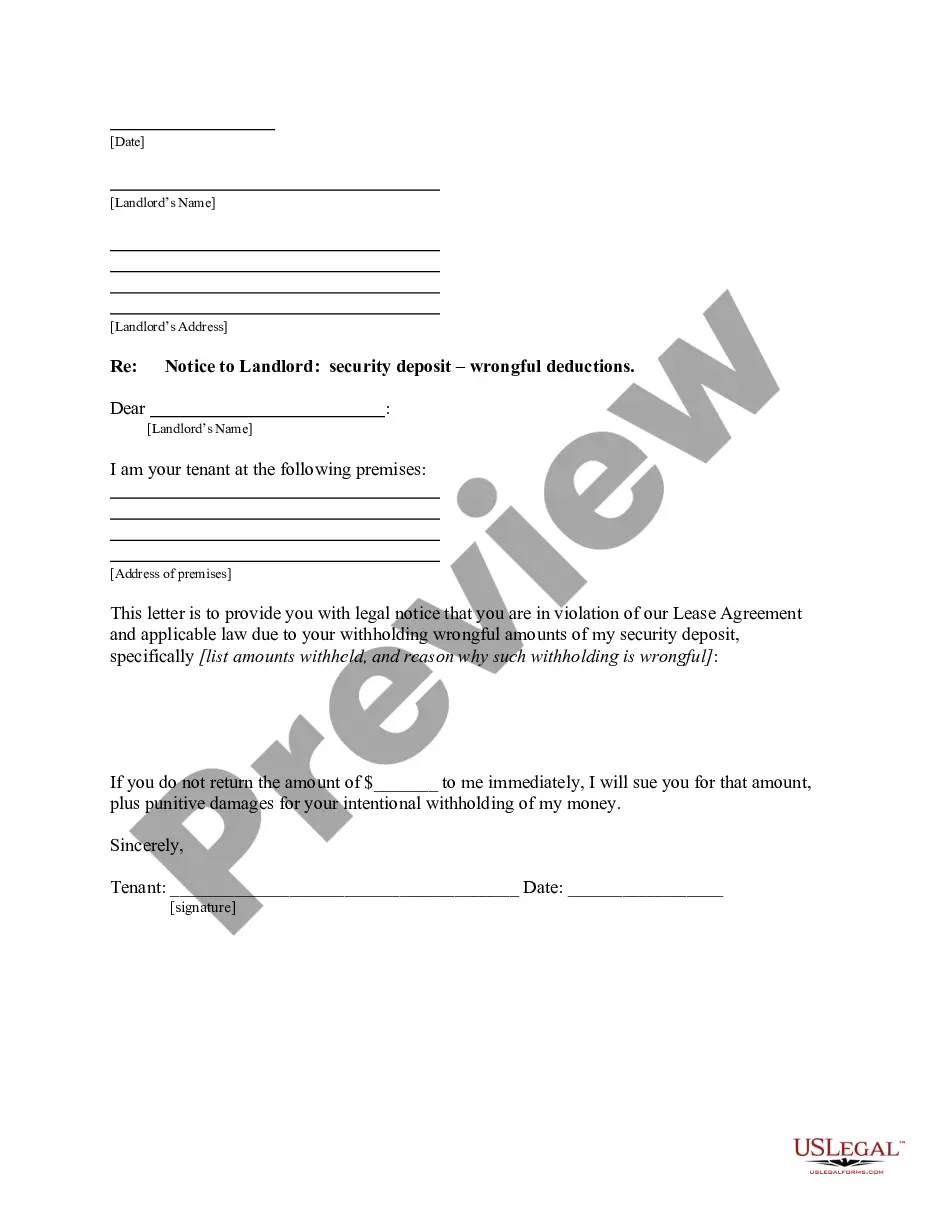
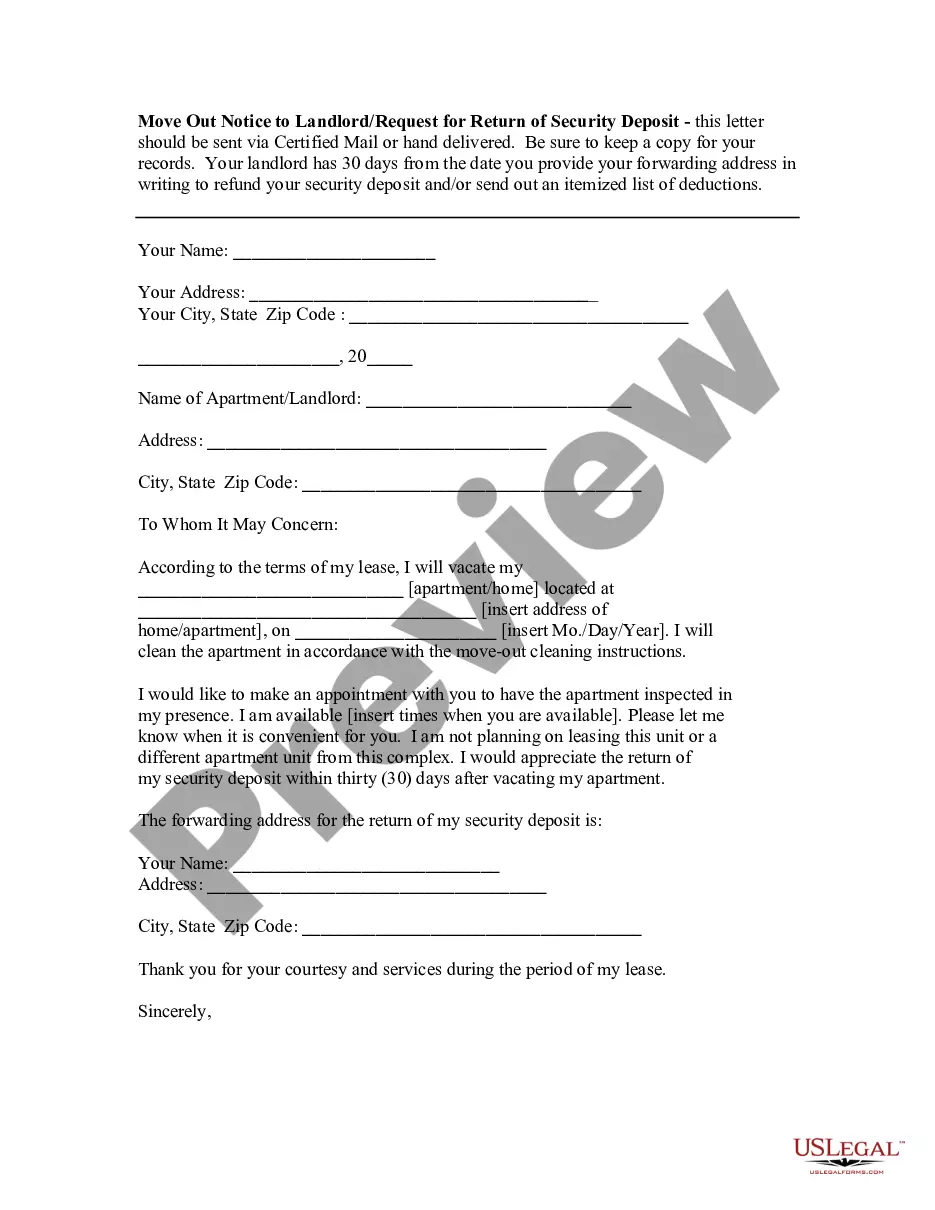
This Letter from Tenant to Landlord containing Notice of wrongful deductions from security deposit and demand for return is a crucial document for tenants who believe that their landlord has wrongfully deducted amounts from their security deposit. This form is designed to formally notify the landlord about these deductions and demand the return of the funds. Unlike other tenant forms, this one specifically addresses security deposit issues, ensuring compliance with state statutory law.
Key parts of this document
- Tenant's signature and date
- Details of wrongful deductions from the security deposit
- Demand for the return of the security deposit
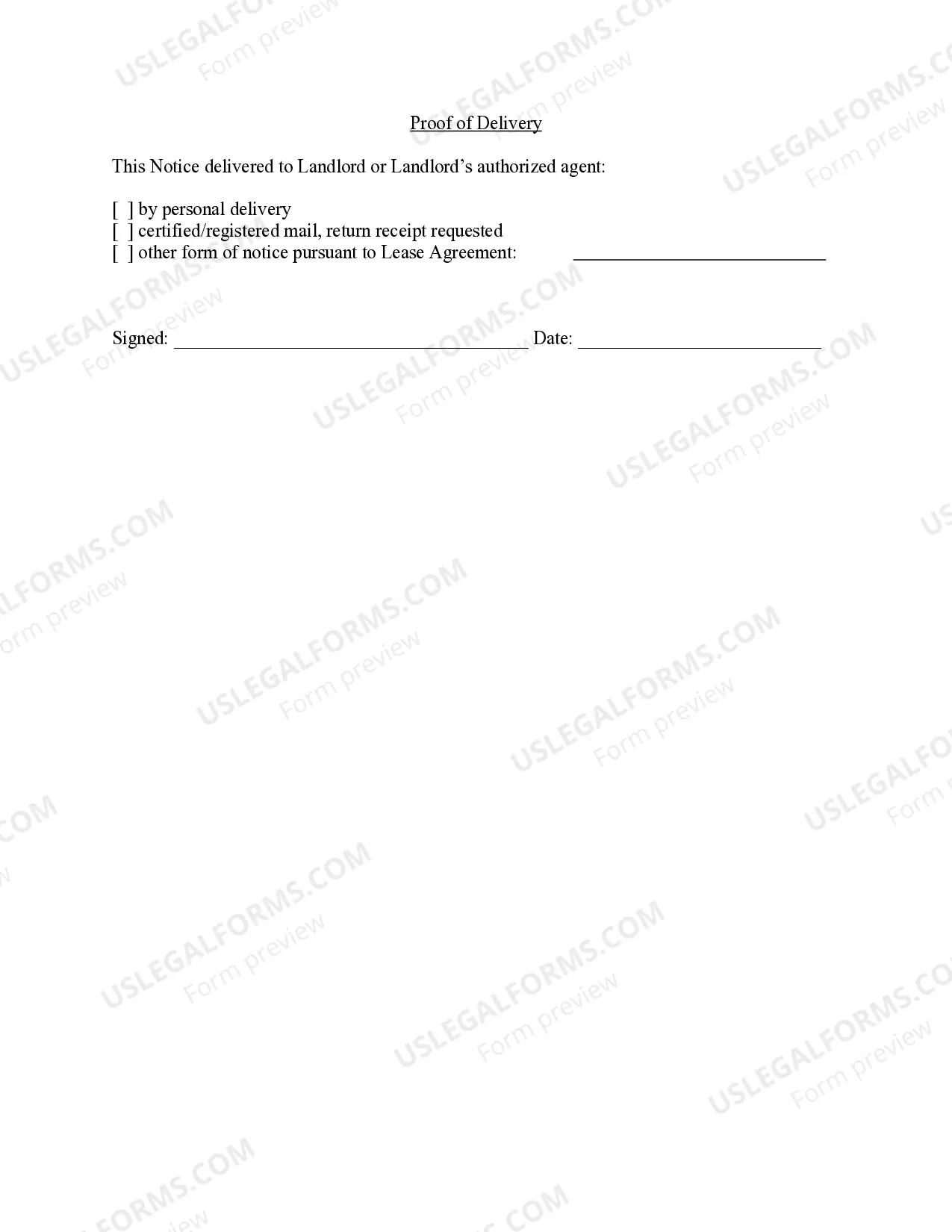
- Proof of delivery options to confirm receipt by the landlord


Situations where this form applies
This form should be used when a tenant suspects that their landlord has made unjust deductions from their security deposit. Common scenarios include instances where repairs were not needed, cleaning charges were excessive, or deductions were not communicated as required by state law. Using this letter helps to formally address the issue and pressure the landlord to rectify it.
Who can use this document
- Tenants who recently moved out and are disputing their security deposit deductions
- Tenants looking to formally communicate with their landlord regarding financial disputes
- Anyone seeking to ensure compliance with state security deposit laws
Steps to complete this form
- Identify the tenant and landlord by entering their names and addresses.
- Outline the specific deductions you are disputing in detail.
- State the amount you believe should be returned to you.
- Sign and date the document to confirm its authenticity.
- Choose a method of delivery and indicate that method on the form.
Does this document require notarization?
This form does not typically require notarization unless specified by local law. It is important to review your state regulations to confirm any specific requirements.
Get your form ready online
Our built-in tools help you complete, sign, share, and store your documents in one place.
Make edits, fill in missing information, and update formatting in US Legal Forms—just like you would in MS Word.
Download a copy, print it, send it by email, or mail it via USPS—whatever works best for your next step.
Sign and collect signatures with our SignNow integration. Send to multiple recipients, set reminders, and more. Go Premium to unlock E-Sign.
If this form requires notarization, complete it online through a secure video call—no need to meet a notary in person or wait for an appointment.
We protect your documents and personal data by following strict security and privacy standards.
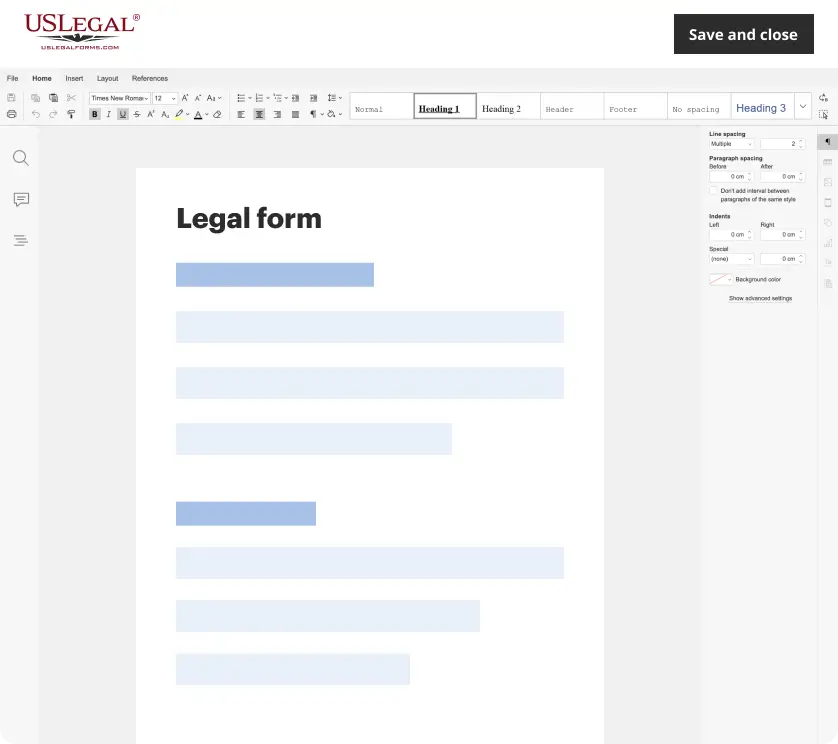
Make edits, fill in missing information, and update formatting in US Legal Forms—just like you would in MS Word.
Download a copy, print it, send it by email, or mail it via USPS—whatever works best for your next step.
Sign and collect signatures with our SignNow integration. Send to multiple recipients, set reminders, and more. Go Premium to unlock E-Sign.
If this form requires notarization, complete it online through a secure video call—no need to meet a notary in person or wait for an appointment.
We protect your documents and personal data by following strict security and privacy standards.
Common mistakes to avoid
- Failing to specify the exact amounts of deductions being disputed.
- Not retaining proof of delivery to the landlord.
- Omitting the date of the dispute letter.
Benefits of completing this form online
- Quick access to professionally drafted forms that meet legal standards.
- Convenient download and editing options to tailor the form to your needs.
- Comprehensive guidance ensures you include all necessary information.
Summary of main points
- This letter serves as a formal request for the return of your security deposit.
- It is crucial to provide a clear and detailed account of any disputed deductions.
- Following the correct procedures can help enforce your rights as a tenant.
Looking for another form?

Form popularity
FAQ
To sue your landlord for your security deposit in California, first attempt to resolve the issue directly by sending a California Letter from Tenant to Landlord containing Notice of wrongful deductions from security deposit and demand for return. If that does not work, gather all relevant documents, including your lease and any correspondence. You can then file a small claims suit if the amount exceeds the small claims limit, ensuring you follow all local court procedures. Consider consulting with legal professionals for guidance.
In California, a tenant can sue a landlord for several reasons, including failure to return the security deposit, unlawful eviction, or violations of the lease agreement. If the landlord wrongfully deducts from your security deposit, you can file a claim using a California Letter from Tenant to Landlord containing Notice of wrongful deductions from security deposit and demand for return. Consider documenting all communications and maintaining records of any issues to strengthen your case.
To write an effective letter requesting your security deposit back, begin with a clear and polite greeting. Include details such as your name, address, the property address, and the date of your move-out. In your California Letter from Tenant to Landlord containing Notice of wrongful deductions from security deposit and demand for return, specify the amount due, outline the condition of the property upon your departure, and assert your expectation for a prompt return. Be sure to keep a copy of the letter for your records as well.
If your landlord refuses to return your security deposit in California, start by reviewing your lease agreement. Next, you can send a California Letter from Tenant to Landlord containing Notice of wrongful deductions from security deposit and demand for return. This letter should outline the reasons you believe your deposit should be returned and include any supporting documentation. If the issue remains unresolved, consider legal action or seeking advice from local tenant rights organizations.
When drafting a letter to request your security deposit back, clearly state your request and reference the amount due. It's helpful to include details about your rental agreement and any premature deductions. If necessary, utilize a template for a California Letter from Tenant to Landlord containing Notice of wrongful deductions from security deposit and demand for return to guide you through the process effectively.
Yes, you should absolutely get a receipt for your security deposit to ensure there is a formal record of the payment. This receipt can protect your interests and serve as evidence if disputes arise in the future. If you encounter wrongful deductions, having that receipt will bolster your case when you send a California Letter from Tenant to Landlord containing Notice of wrongful deductions from security deposit and demand for return.
In California, landlords are not legally required to provide receipts for rent payments. Nevertheless, offering rent receipts can be a helpful measure for tracking payments and resolving disputes. Tenants are encouraged to insist on receipts or keep detailed records themselves, especially if they later send a California Letter from Tenant to Landlord containing Notice of wrongful deductions from security deposit and demand for return.
Yes, a landlord can sue for damages after returning a security deposit if they can prove that the tenant caused damages beyond normal wear and tear. However, the burden of proof is on the landlord to demonstrate that these damages existed. Both parties should be aware of their rights when dealing with security deposits, as outlined in a California Letter from Tenant to Landlord containing Notice of wrongful deductions from security deposit and demand for return.
A demand letter to a landlord is a formal written communication requesting a specific action or remedy, such as the return of a security deposit. This letter provides details about the situation and outlines the tenant's entitlement to the funds. When drafting a California Letter from Tenant to Landlord containing Notice of wrongful deductions from security deposit and demand for return, be sure to clearly state your claims.
Yes, California law requires landlords to provide an itemized statement of any deductions from a security deposit. This statement must include the specific reasons for the deductions along with any applicable receipts. If you believe these deductions are wrongful, a California Letter from Tenant to Landlord containing Notice of wrongful deductions from security deposit and demand for return can help assert your rights.