California Amendment of Residential Lease
What this document covers
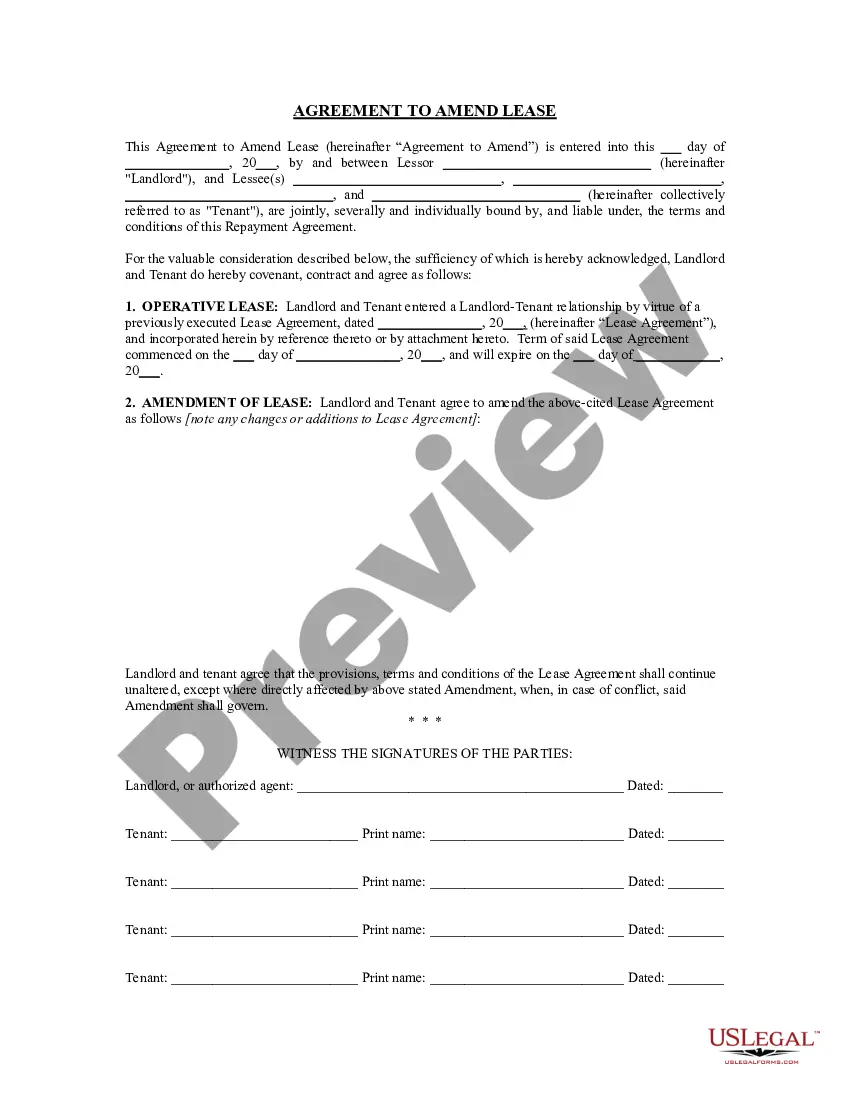
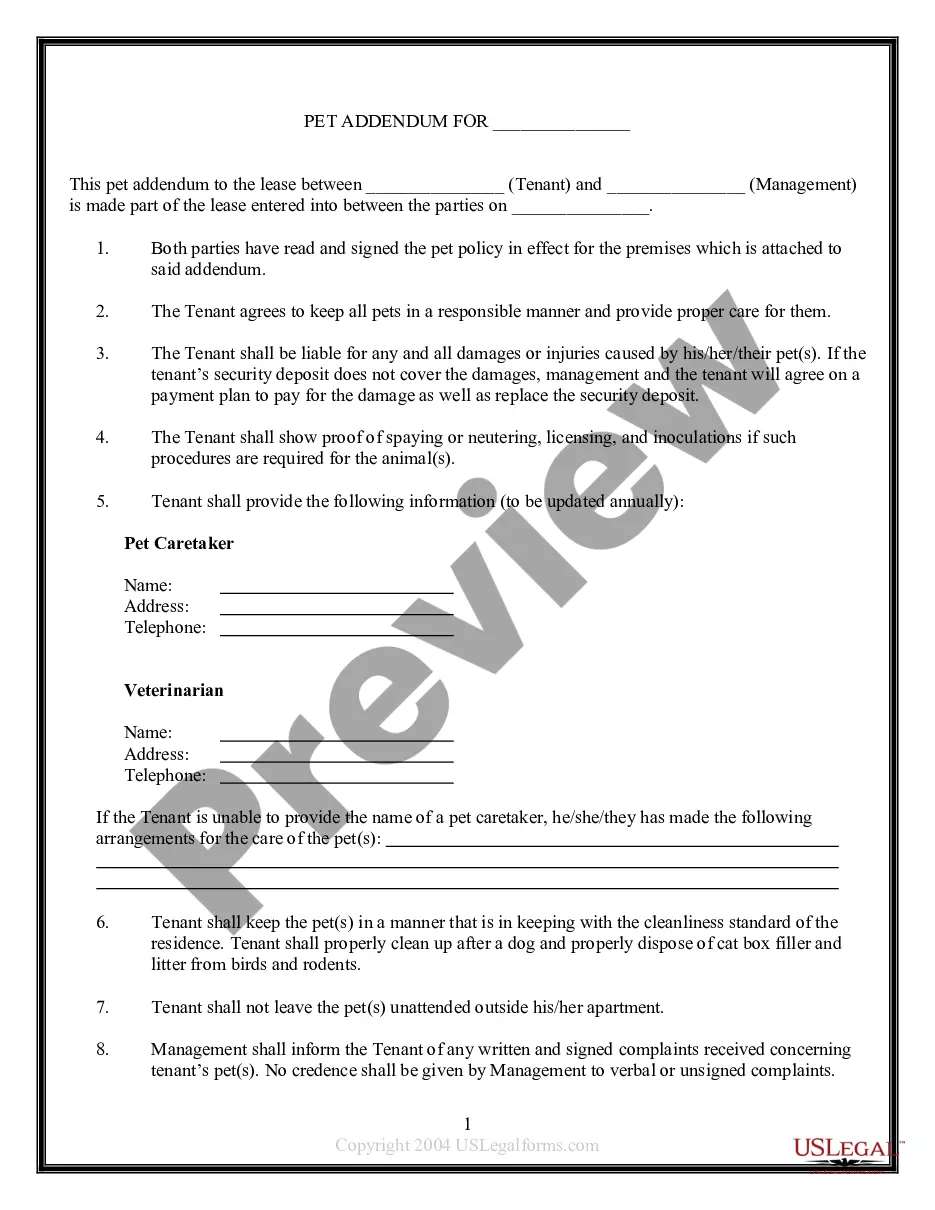
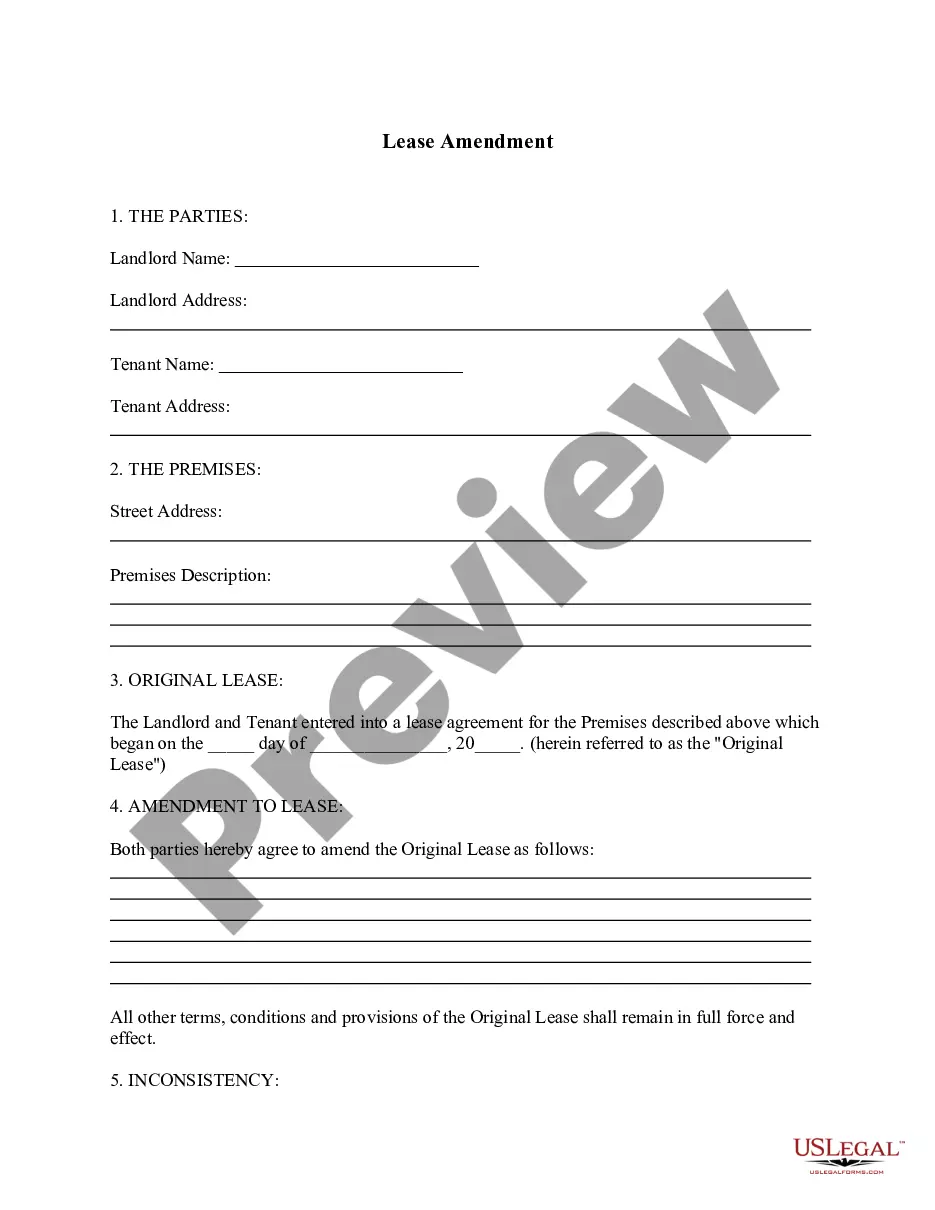
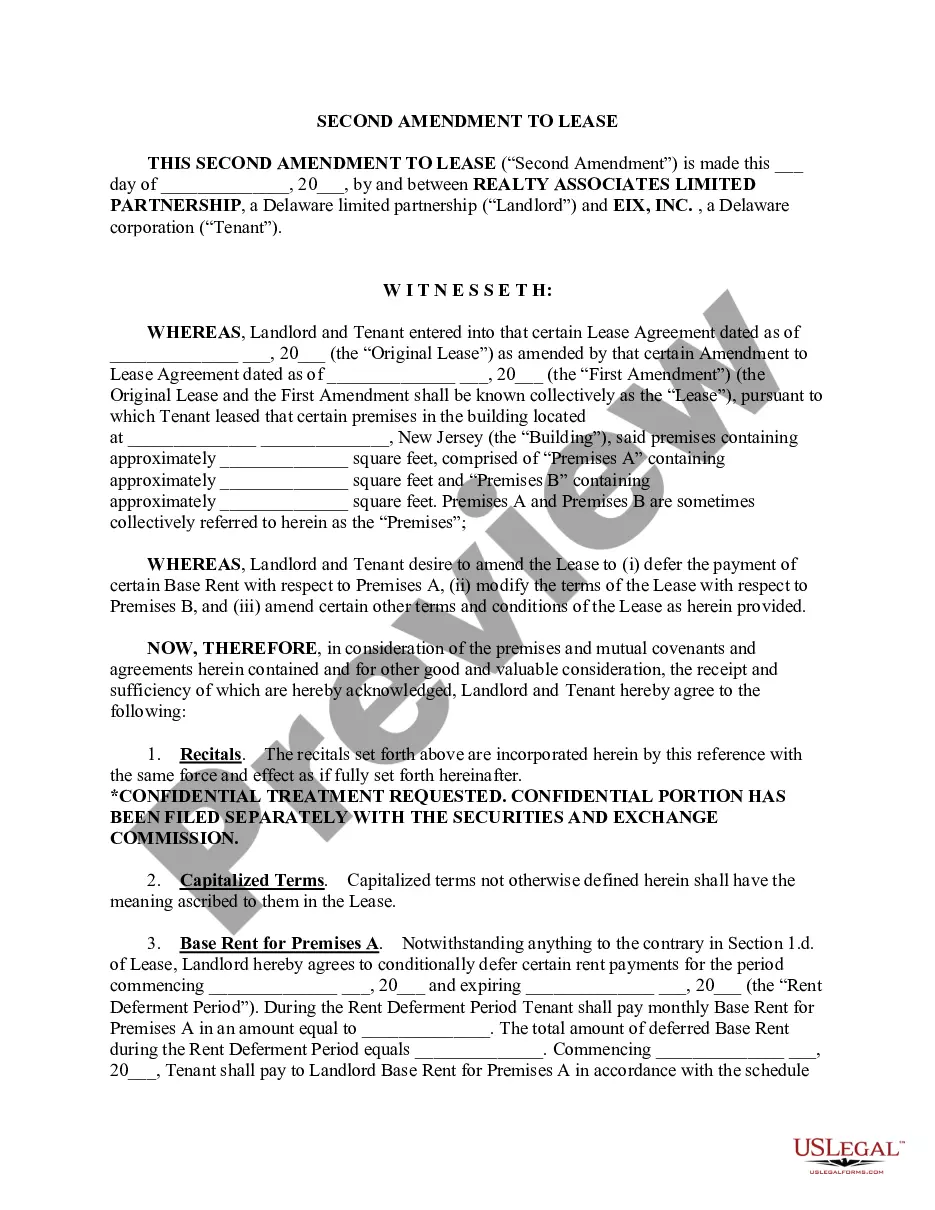
The Amendment of Residential Lease is a legal document used to make changes to an existing residential lease agreement. This form allows landlords and tenants to officially document agreed amendments, ensuring that modifications are clear and legally enforceable. Different from a complete lease renewal or a new lease, this form specifically addresses amendments while maintaining the original agreement's structure and terms.
Form components explained
- Identifying information for both the landlord and tenant
- Reference to the original lease agreement date
- Details on the amendments being made, including any new terms
- Signature lines for all parties involved
- Provisions for effective date of amendments
Common use cases
This amendment form is ideal in several scenarios, such as:
- When the landlord and tenant agree to change lease terms, such as rent or lease duration.
- When modifications to responsibilities for maintenance or repairs are necessary.
- When a new tenant needs to be added to the lease.
Who should use this form
This form is suitable for:
- Residential landlords seeking to modify lease agreements without drafting a new lease.
- Tenants who need to negotiate and document changes to their existing lease.
- Real estate agents or property managers facilitating lease amendments.
How to complete this form
- Identify the parties involved: Enter the names of the landlord and tenants.
- Reference the original lease: Provide the original lease agreement date and relevant details.
- List the amendments: Clearly specify the changes being made to the lease terms.
- Obtain signatures: Ensure all parties sign and date the agreement for validity.
- Document the effective date: Indicate when the amendments will take effect.
Does this document require notarization?
This form usually doesn’t need to be notarized. However, local laws or specific transactions may require it. Our online notarization service, powered by Notarize, lets you complete it remotely through a secure video session, available 24/7.
Get your form ready online
Our built-in tools help you complete, sign, share, and store your documents in one place.
Make edits, fill in missing information, and update formatting in US Legal Forms—just like you would in MS Word.
Download a copy, print it, send it by email, or mail it via USPS—whatever works best for your next step.
Sign and collect signatures with our SignNow integration. Send to multiple recipients, set reminders, and more. Go Premium to unlock E-Sign.
If this form requires notarization, complete it online through a secure video call—no need to meet a notary in person or wait for an appointment.
We protect your documents and personal data by following strict security and privacy standards.
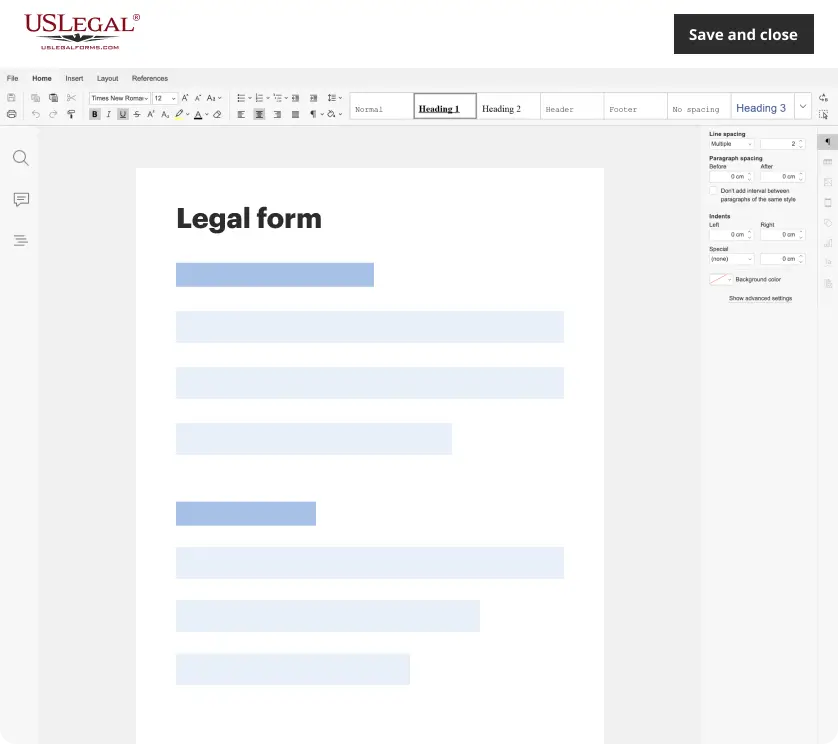
Make edits, fill in missing information, and update formatting in US Legal Forms—just like you would in MS Word.
Download a copy, print it, send it by email, or mail it via USPS—whatever works best for your next step.
Sign and collect signatures with our SignNow integration. Send to multiple recipients, set reminders, and more. Go Premium to unlock E-Sign.

If this form requires notarization, complete it online through a secure video call—no need to meet a notary in person or wait for an appointment.
We protect your documents and personal data by following strict security and privacy standards.
Common mistakes
- Failing to ensure all parties sign the amendment.
- Not clearly specifying the terms of the amendments.
- Omitting the effective date of the changes.
- Using the wrong version of the amendment form for their state.
Advantages of online completion
- Convenience of completing the document from home at any time.
- Editable templates that allow for easy customization to fit specific situations.
- Access to forms drafted by licensed attorneys to ensure legal compliance.
Looking for another form?






Form popularity
FAQ
When discussing a California Amendment of Residential Lease, it's important to differentiate between a lease addendum and an amendment. A lease addendum is an additional document that outlines new terms or conditions without altering the existing lease agreement. In contrast, a California Amendment of Residential Lease modifies specific clauses or terms within the original lease, thereby updating the agreement. Both documents serve important roles in ensuring you and your landlord understand the changes, but it's crucial to choose the right one based on your needs.
Filling out a California residential lease agreement involves several steps, including providing details about the property, the landlord, and the tenant. You must disclose specific terms, such as rent amount, security deposit, and lease duration, to complete a valid agreement. Utilizing resources like the US Legal Forms platform can simplify this process by providing step-by-step guidance and customizable templates, helping ensure your California Amendment of Residential Lease meets all legal requirements.
A lease addendum is an additional document that adds specific terms to the existing lease without changing the original contract, while a lease amendment modifies the existing lease directly. Understanding these distinctions is crucial when making a California Amendment of Residential Lease. Both tools serve to clarify and adjust rental agreements, but the approach and implications can differ significantly. Users can benefit greatly from templates available on the US Legal Forms platform when drafting these documents.
A lease amendment modifies existing terms in a lease, while a lease addendum introduces new conditions that supplement the original agreement. Each serves a unique purpose in managing lease arrangements and ensuring both parties are aligned. It’s important to choose the correct option to maintain legal clarity. US Legal Forms provides templates for both California Amendment of Residential Lease and addendums to help you navigate these changes effectively.
To change the terms of a California residential tenancy, you need to draft an amendment that specifies the updated terms. Engage in clear communication with your landlord or tenant to ensure mutual agreement. After both parties sign the amendment, it becomes part of the original lease. For professional guidance, look into US Legal Forms for drafting your California Amendment of Residential Lease.
Yes, you can make changes to a lease after signing by creating an amendment. Both the landlord and tenant must agree to the changes and sign the amendment for it to be legally binding. This flexibility helps address evolving situations during the lease term. For a straightforward process, consider using US Legal Forms for your California Amendment of Residential Lease.
An amendment to a lease agreement in California is a formal change made to the original lease contract. It outlines new terms or adjustments that both the landlord and tenant agree upon. This process ensures clarity and avoids misunderstandings about the lease terms. Utilizing resources like US Legal Forms can help you create an effective California Amendment of Residential Lease.
To change the terms of a California residential tenancy, both the landlord and tenant must agree to the modifications in writing. This written agreement typically takes the form of a California Amendment of Residential Lease. Utilizing platforms like US Legal Forms can simplify this process, providing templates and guidance to make sure all necessary legal requirements are met.
A lease in California can be deemed invalid for several reasons, including lack of mutual consent, absence of legally required elements, or if it violates public policy. Furthermore, if the lease includes illegal provisions, it may not hold up in court. Therefore, understanding the California Amendment of Residential Lease can help you ensure that all terms comply with state laws.
A lease addendum is an additional document that modifies specific parts of the existing lease without altering its original terms. In contrast, a California Amendment of Residential Lease refers to a formal change that directly alters the text of the lease itself. Understanding these differences is crucial for both landlords and tenants to ensure all modifications are legally binding.