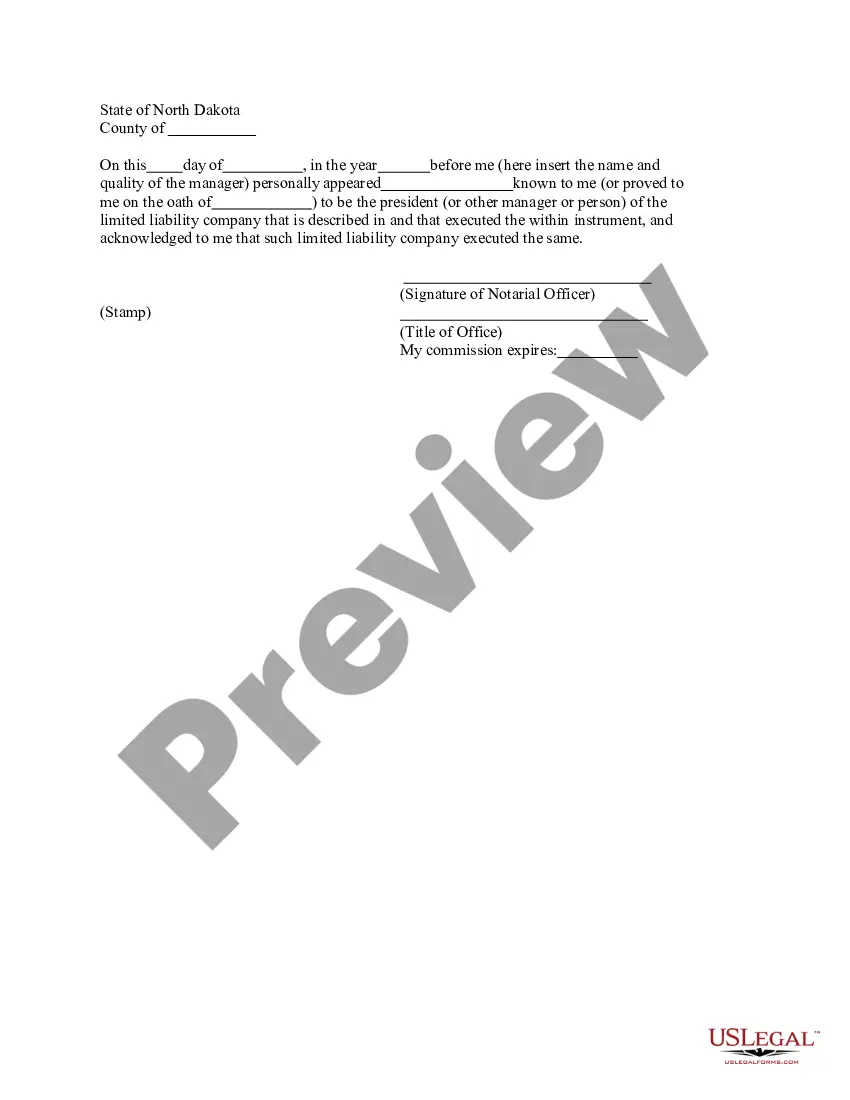
California General Deed of Trust
Overview of this form
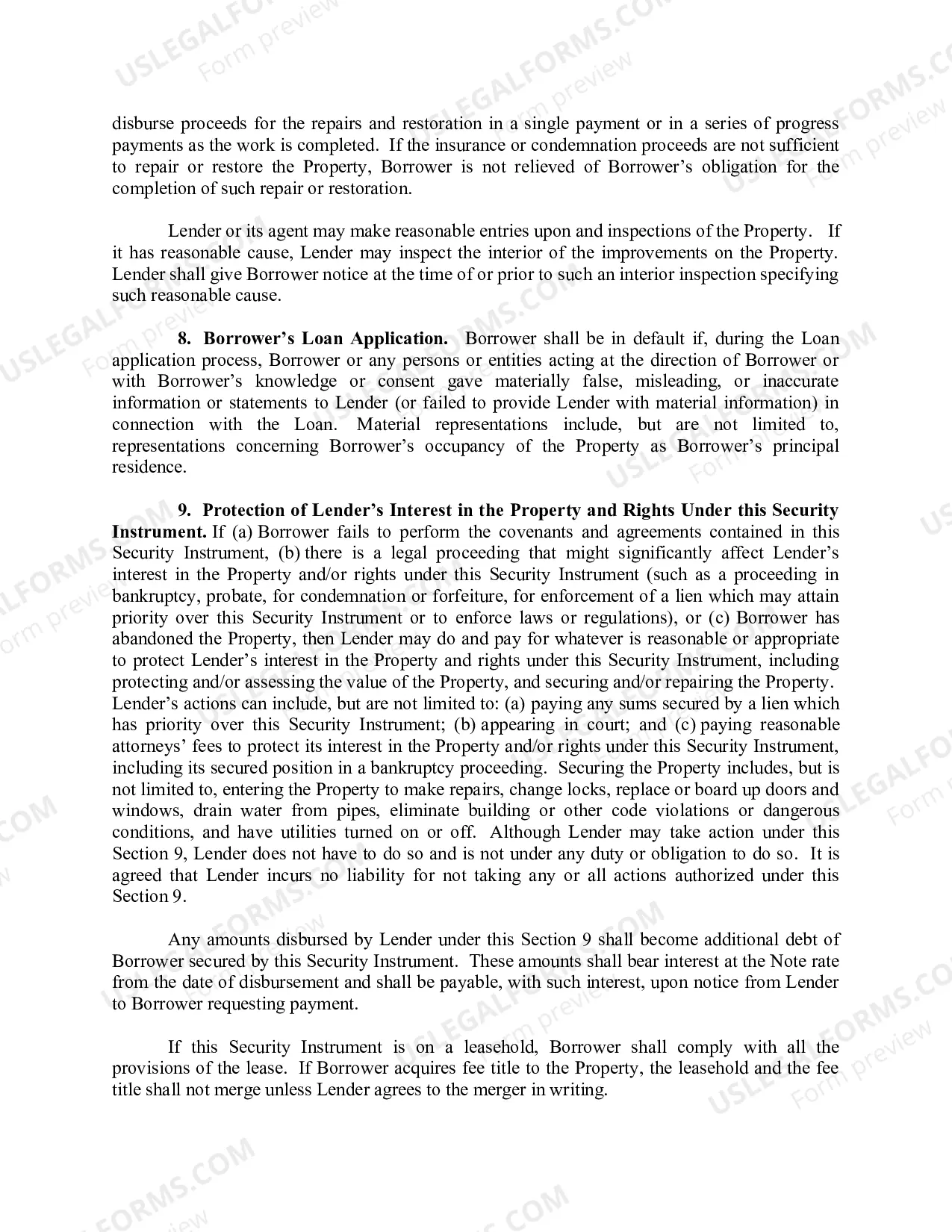
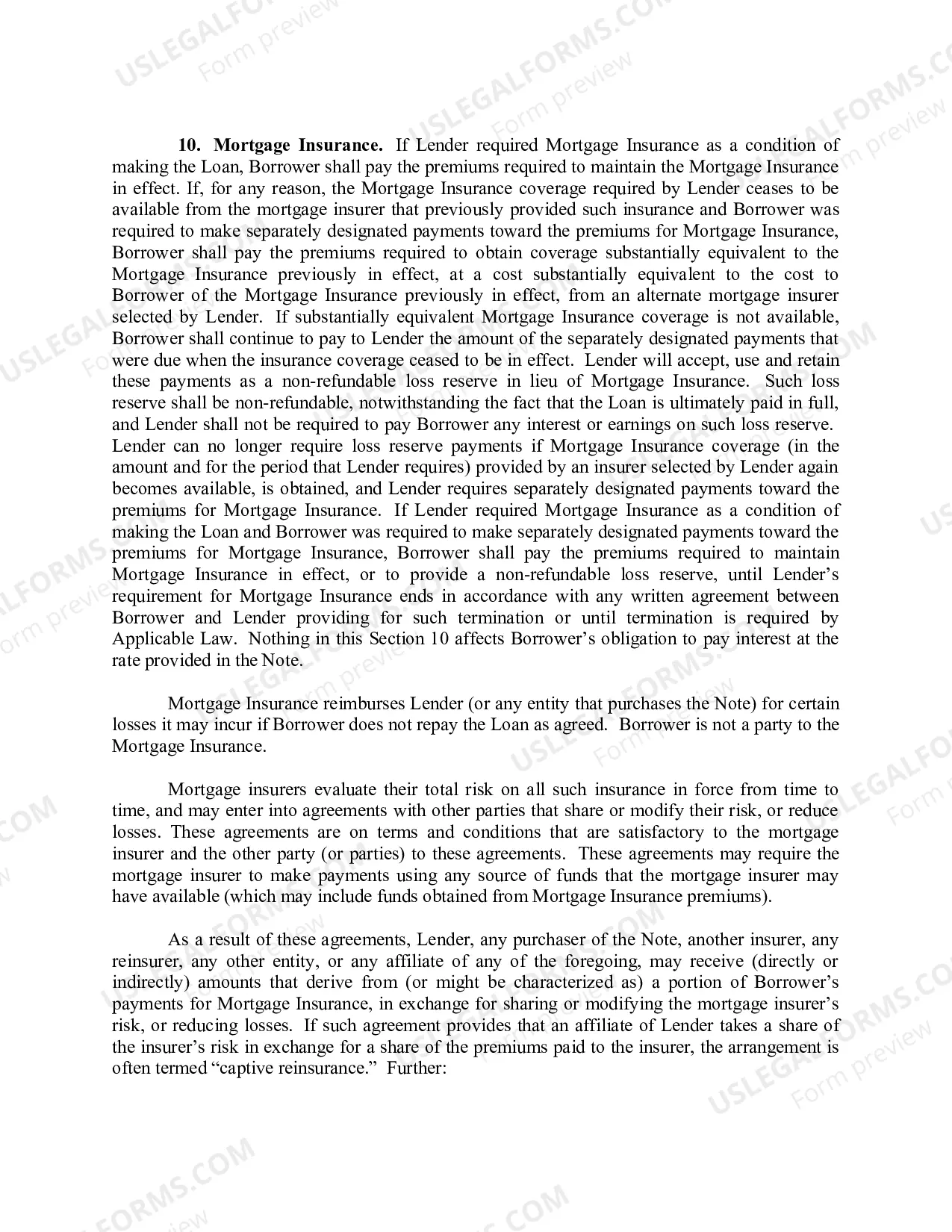
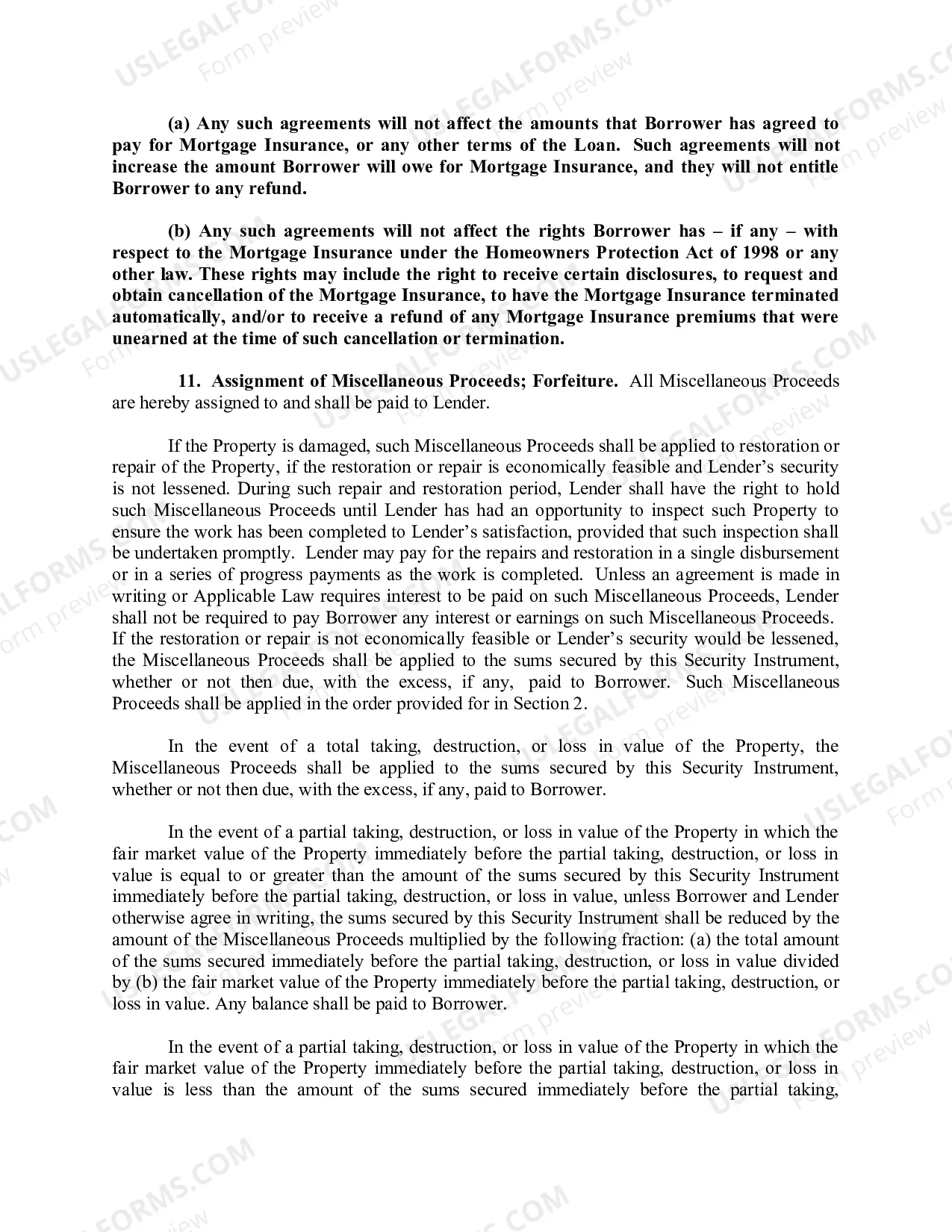
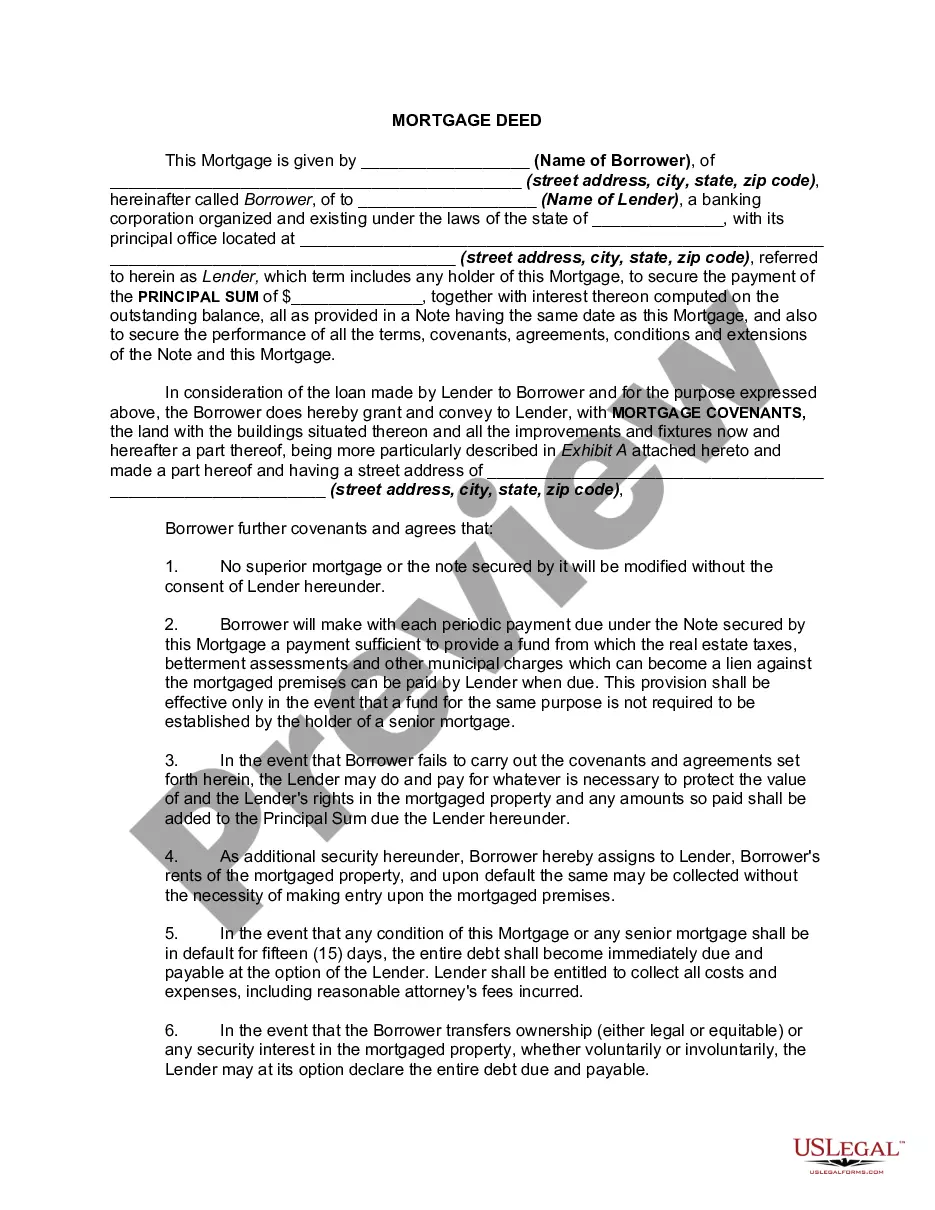
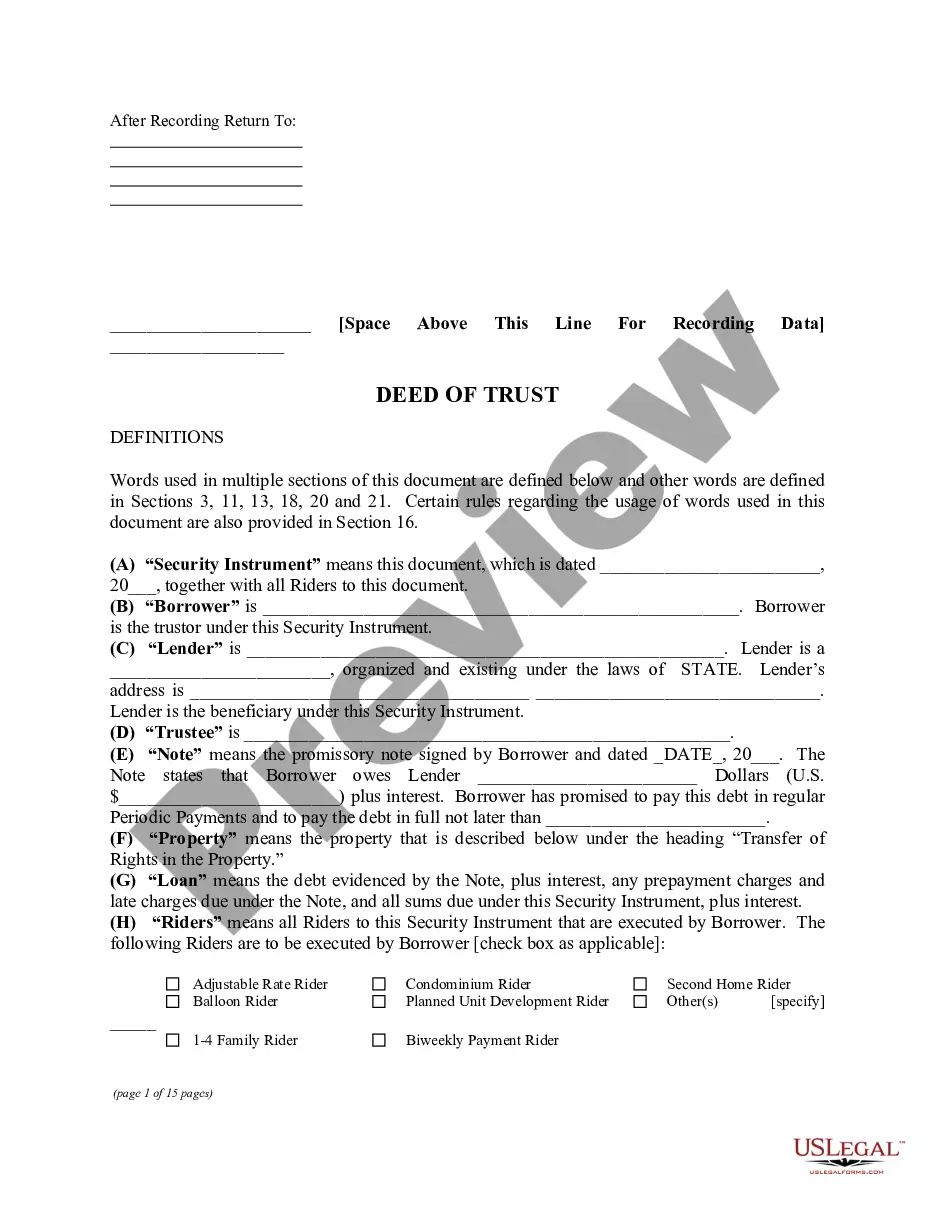
A General Deed of Trust is a legal document used in some states to secure a loan for purchasing real estate, acting as an alternative to a traditional mortgage. It establishes an agreement between a borrower (the trustor) and a lender (the beneficiary), detailing the responsibilities of each party. This form allows for the customization of various terms to suit the specific needs of the transaction.
Key parts of this document
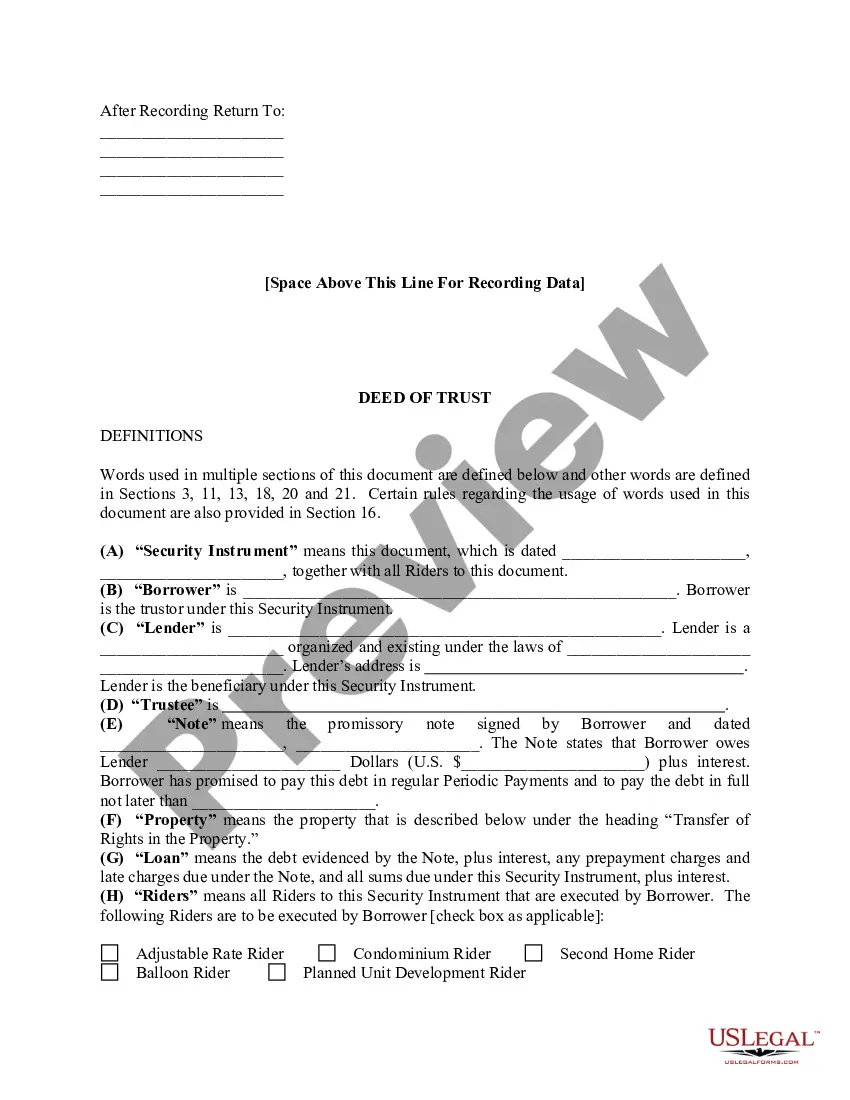
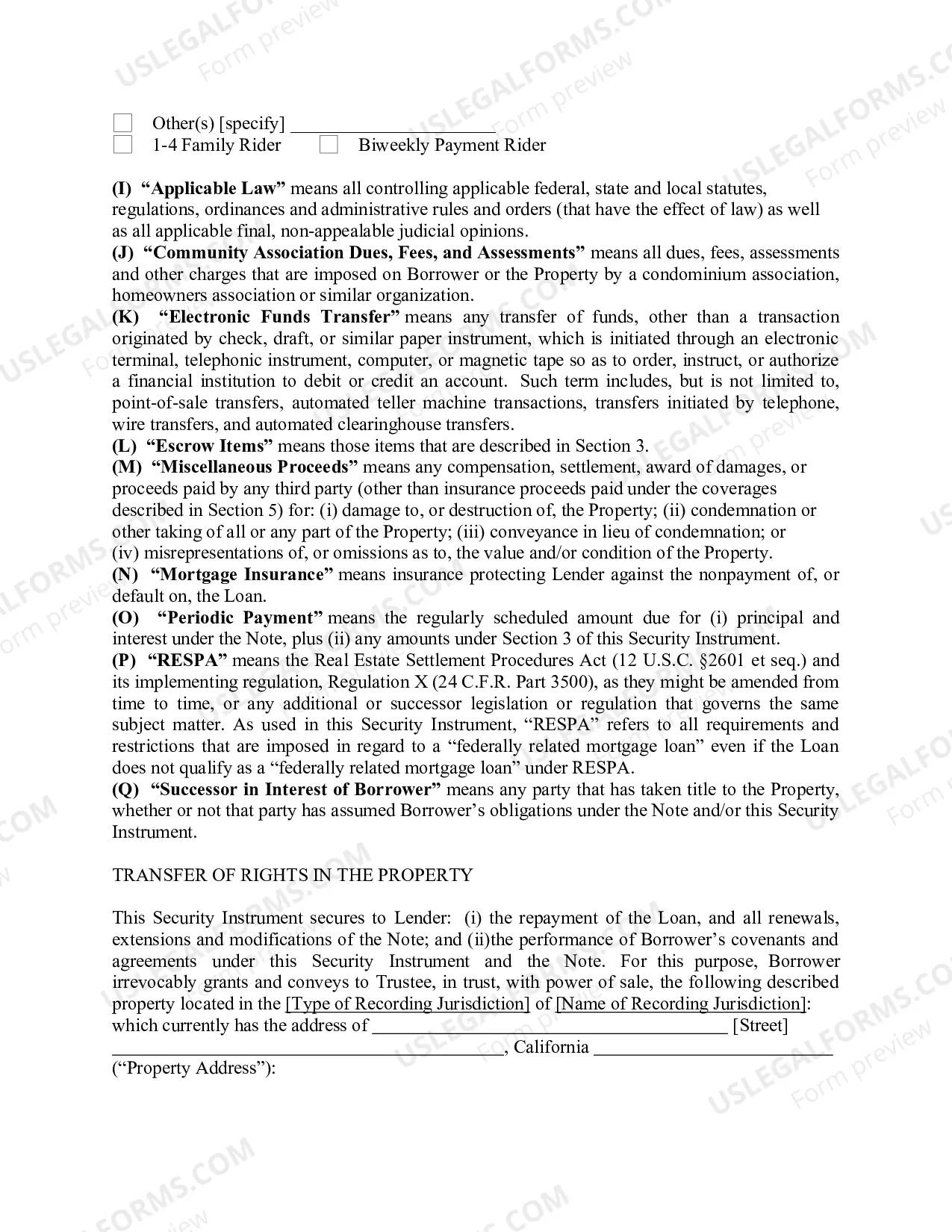
- Definitions: Includes key terms such as "Borrower," "Lender," and "Property."
- Transfer of Rights: Specifies how rights in the property are transferred to the trustee and conditions for repayment.
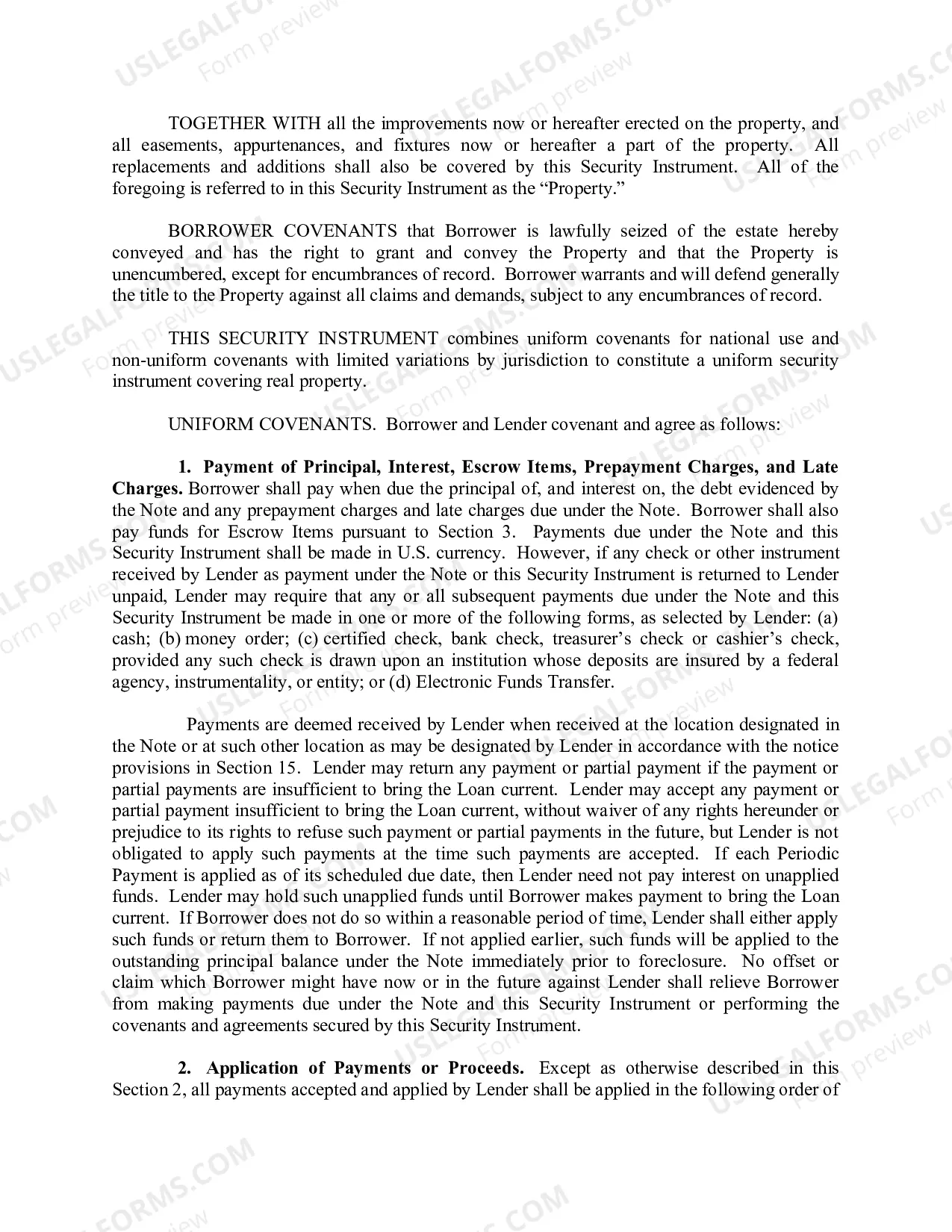
- Uniform Covenants: Details the obligations of the Borrower, including payment of principal and interest.
- Escrow Items: Outlines the responsibilities related to property taxes, insurance, and other fees.
- Notices: Describes how and when notices between Borrower and Lender should be communicated.



When to use this form
This form is typically used during the closing of a property when a borrower secures a loan through a deed of trust. It is essential in scenarios such as purchasing a home or refinancing an existing loan, where the property is used as collateral for the loan. This document ensures that both parties' interests are protected in the event of default.
Who should use this form
- Home buyers who are securing financing for property purchase.
- Lenders looking to formalize the terms of a loan with real estate as collateral.
- Real estate agents or attorneys facilitating transactions involving trust deeds.
Instructions for completing this form
- Identify the parties involved: Enter the names of the Borrower, Lender, and Trustee.
- Specify the property: Include the full address and legal description of the property being secured.
- Document the loan amount: Clearly state the loan amount and the terms associated with it.
- Choose any applicable riders: Check any boxes for additional terms relevant to the loan (e.g., adjustable rates or balloon payments).
- Obtain signatures: Ensure that the Borrower and any co-borrowers sign the document where indicated.
Notarization requirements for this form
This form does not typically require notarization unless specified by local law. However, having the document notarized can provide an additional layer of authenticity and may be recommended for certain transactions.
Get your form ready online
Our built-in tools help you complete, sign, share, and store your documents in one place.
Make edits, fill in missing information, and update formatting in US Legal Forms—just like you would in MS Word.
Download a copy, print it, send it by email, or mail it via USPS—whatever works best for your next step.
Sign and collect signatures with our SignNow integration. Send to multiple recipients, set reminders, and more. Go Premium to unlock E-Sign.
If this form requires notarization, complete it online through a secure video call—no need to meet a notary in person or wait for an appointment.
We protect your documents and personal data by following strict security and privacy standards.

Make edits, fill in missing information, and update formatting in US Legal Forms—just like you would in MS Word.

Download a copy, print it, send it by email, or mail it via USPS—whatever works best for your next step.

Sign and collect signatures with our SignNow integration. Send to multiple recipients, set reminders, and more. Go Premium to unlock E-Sign.

If this form requires notarization, complete it online through a secure video call—no need to meet a notary in person or wait for an appointment.

We protect your documents and personal data by following strict security and privacy standards.
Avoid these common issues
- Failing to accurately define the parties involved, leading to potential disputes.
- Omitting essential details about the property or the loan amount.
- Not including necessary riders that may be required for specific loan conditions.
Benefits of completing this form online
- Convenience: Complete the form at your own pace from anywhere.
- Editability: Easily modify sections to meet specific needs without professional help.
- Accessibility: Downloadable form allows for immediate printing and use.
Legal use & context
- The General Deed of Trust serves as a legally binding agreement once signed by all parties.
- It establishes clear terms about the rights and responsibilities of Borrower and Lender.
- Should a dispute arise, the Deed of Trust can be enforced in court, provided it complies with applicable laws.
Quick recap
- A deed of trust is an important document in real estate transactions involving loans.
- Accurate and complete documentation is crucial to protect the interests of all parties.
- Customization of the form ensures it meets specific transaction requirements.
Legal terms and meanings
- Trustor: The borrower who grants the deed of trust.
- Beneficiary: The lender who benefits from the security of the deed.
- Trustee: The party who holds the deed in trust for the lender.
- Escrow Items: Costs that need to be paid regularly, typically for taxes and insurance.
Looking for another form?
Form popularity
FAQ
In a deed of trust, the borrower (trustor) transfers the Property, in trust, to an independent third party (trustee) who holds conditional title on behalf of the lender or note holder (beneficiary) for the purpose of exercising the following powers: (1) to reconvey the deed of trust once the borrower satisfies all
If real property is utilized to secure a loan, it is usually achieved by executing a mortgage or, in California, a Deed of Trust. A mortgage is a document that allows the creditor, who is unpaid, to proceed to court to force the sale of the property to pay off the debt.
A deed of trust is a commonly used mortgage document in California. Essentially, a deed of trust provides a lender with security for the repayment of the loan and effectively functions similarly to a mortgage.
Homeowners that need a copy of their recorded Deed of Trust should contact a title company to obtain the document for them. Keep Your Home California does not fulfill these requests.
A deed of trust is an agreement between a home buyer and a lender at the closing of a property. The agreement states that the home buyer will repay the home loan and the mortgage lender will hold the property's legal title until the loan is paid in full.
Title to the California real estate is held by the Trustee or Trustees of the trust who retains complete control over the trust and has complete power of direction over the real property.