California Complaint to Confirm Title
Description
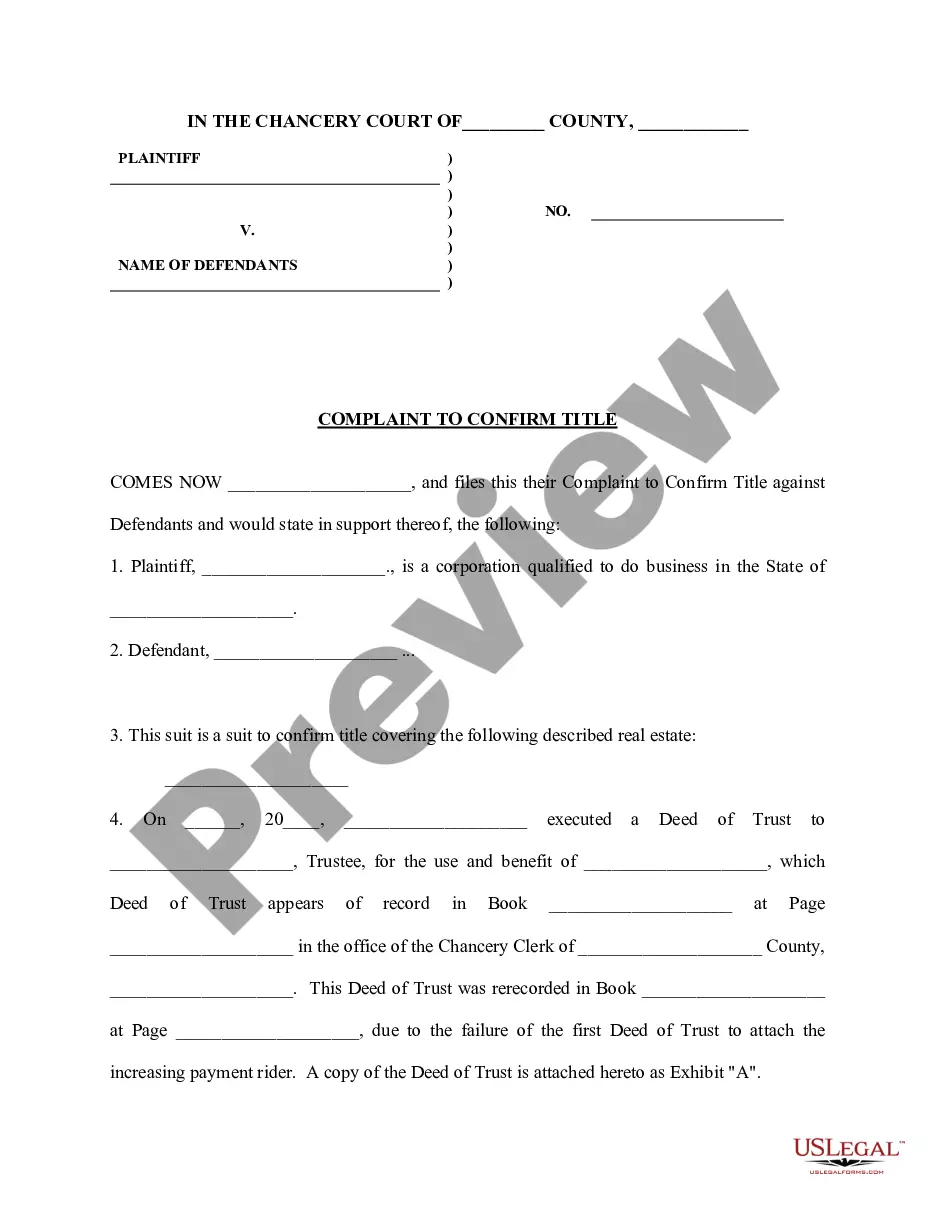
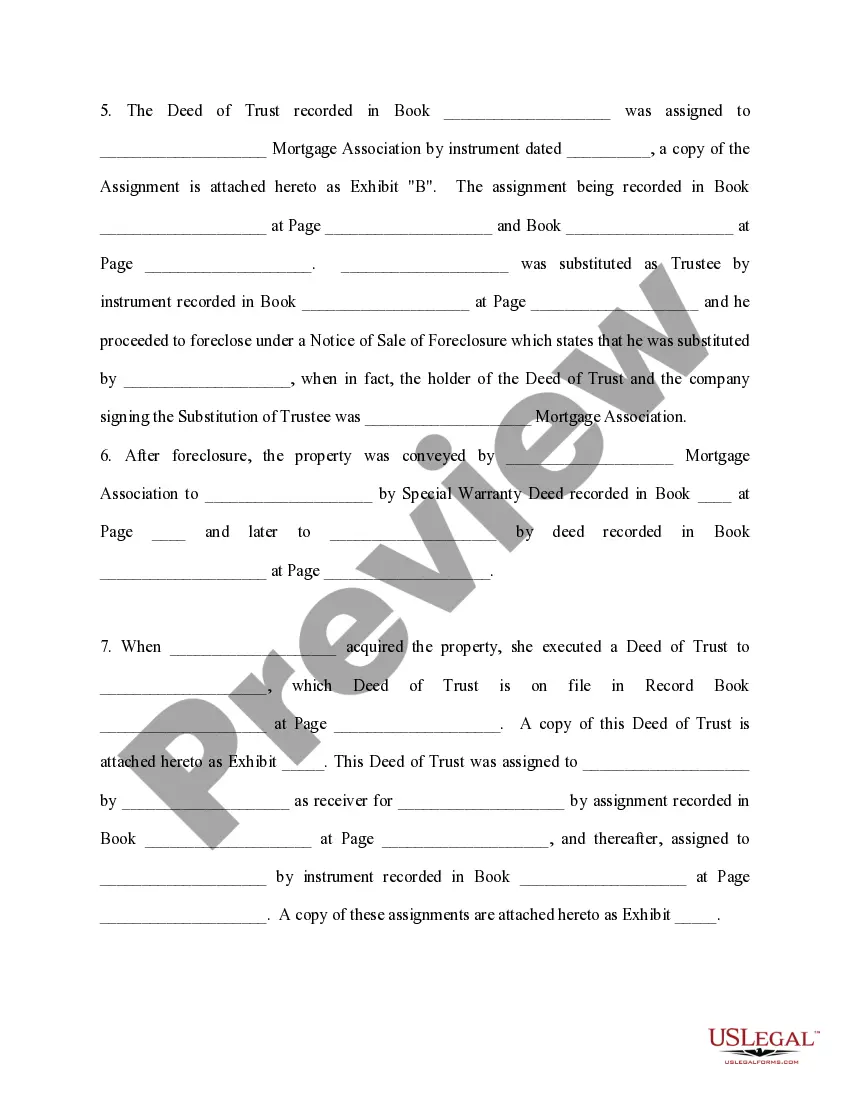
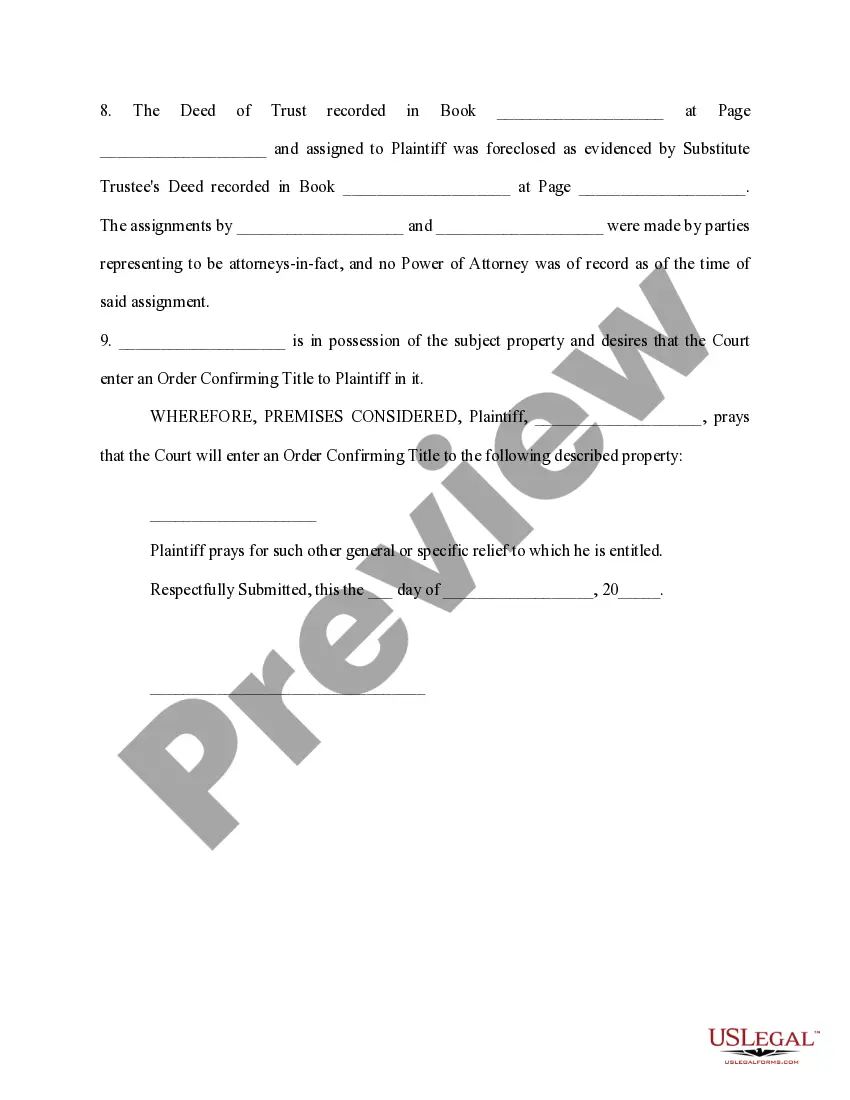
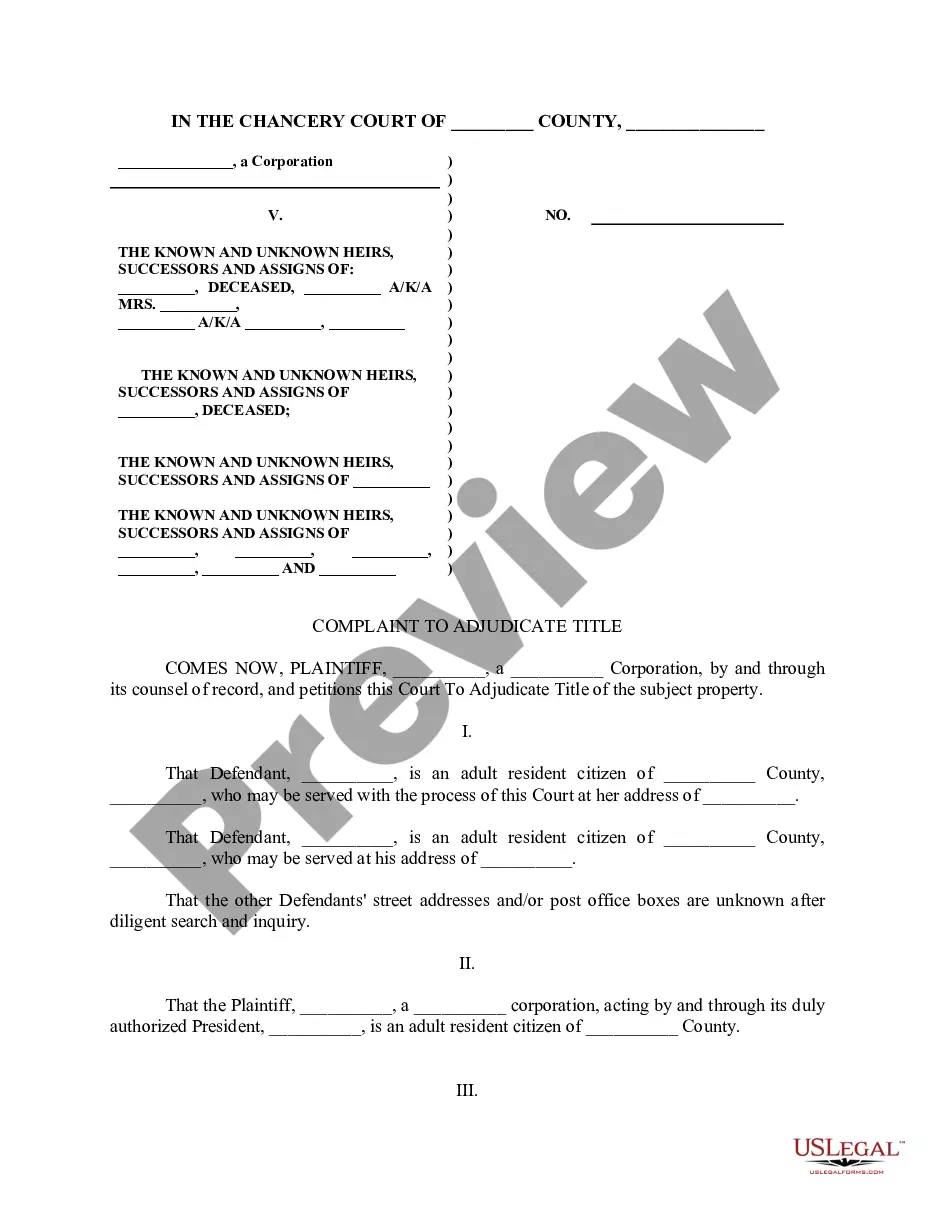
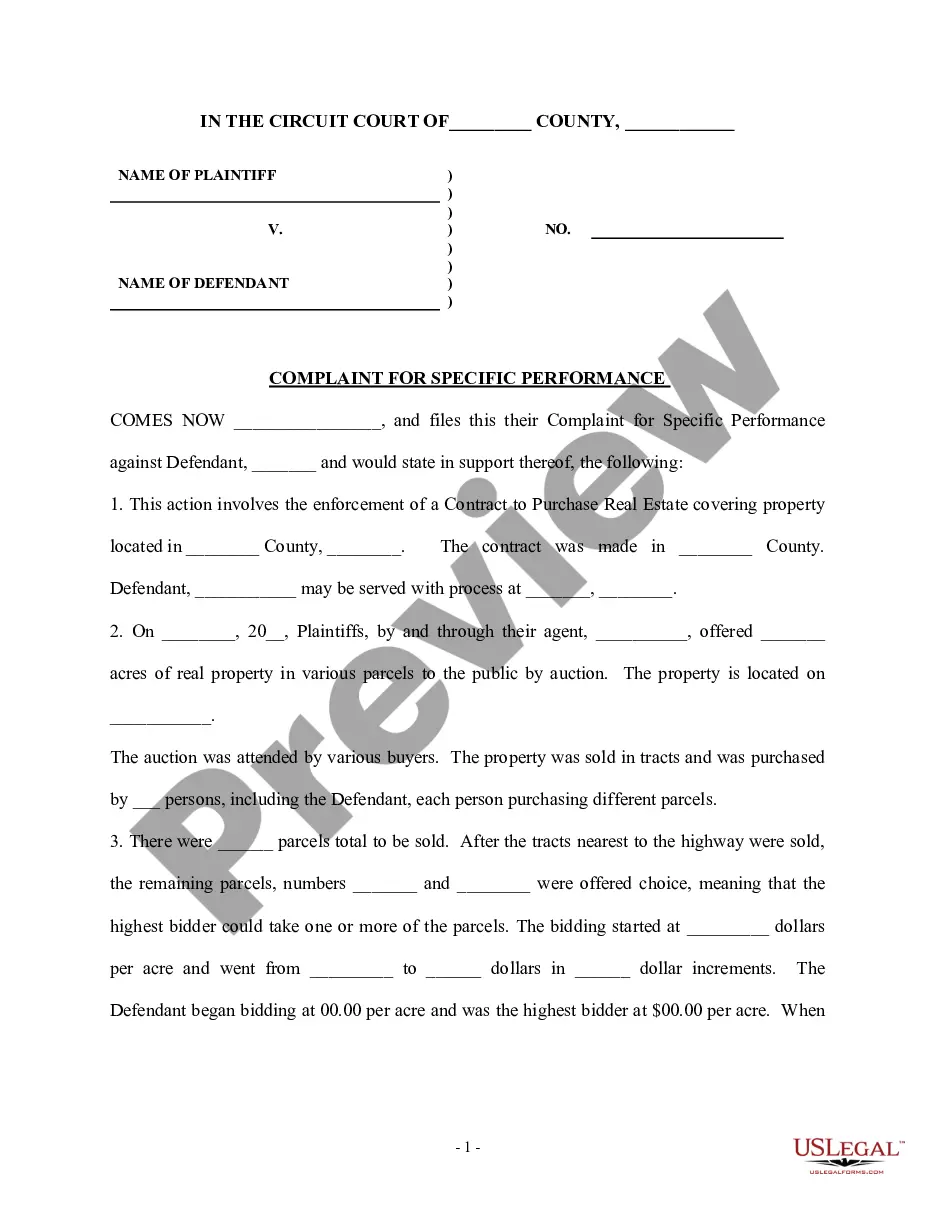
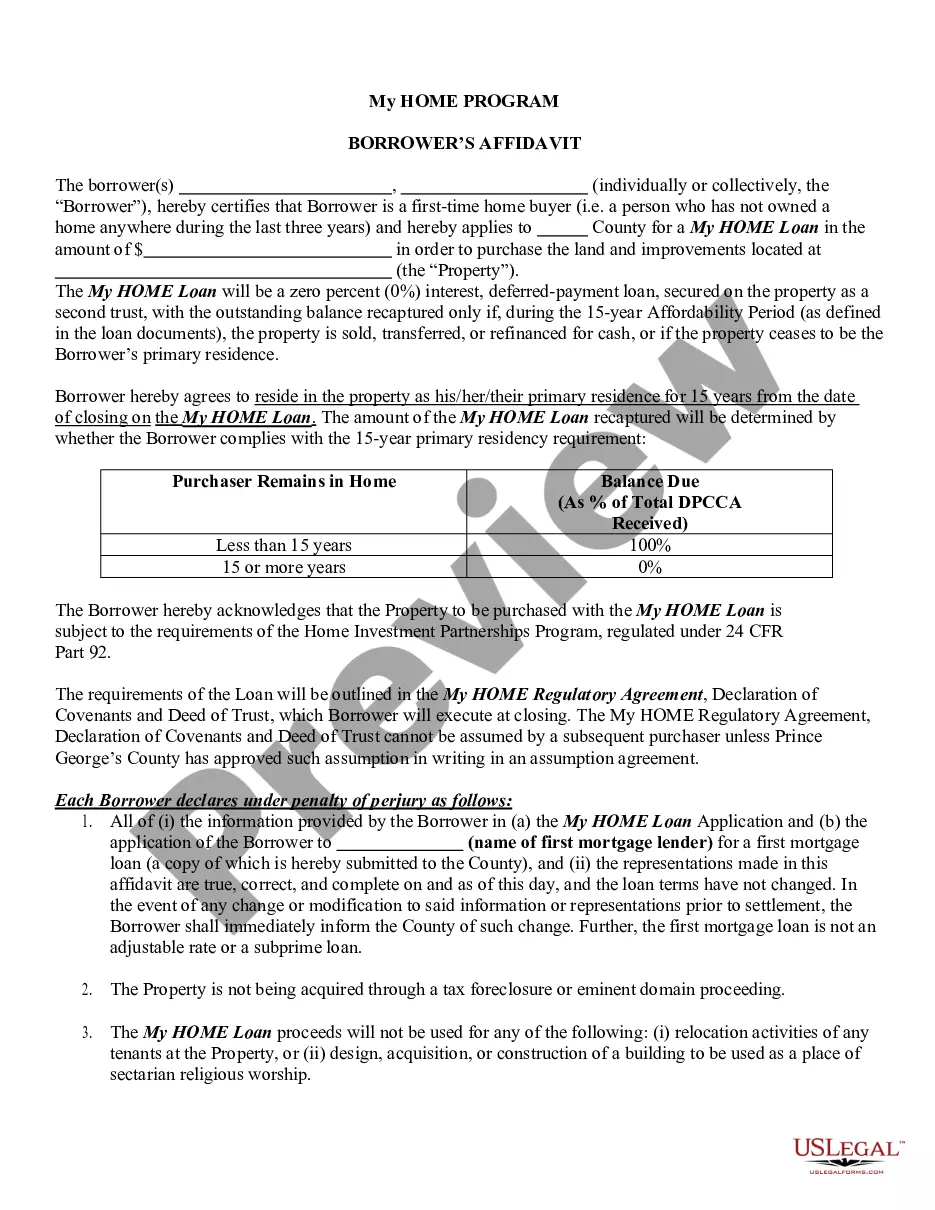
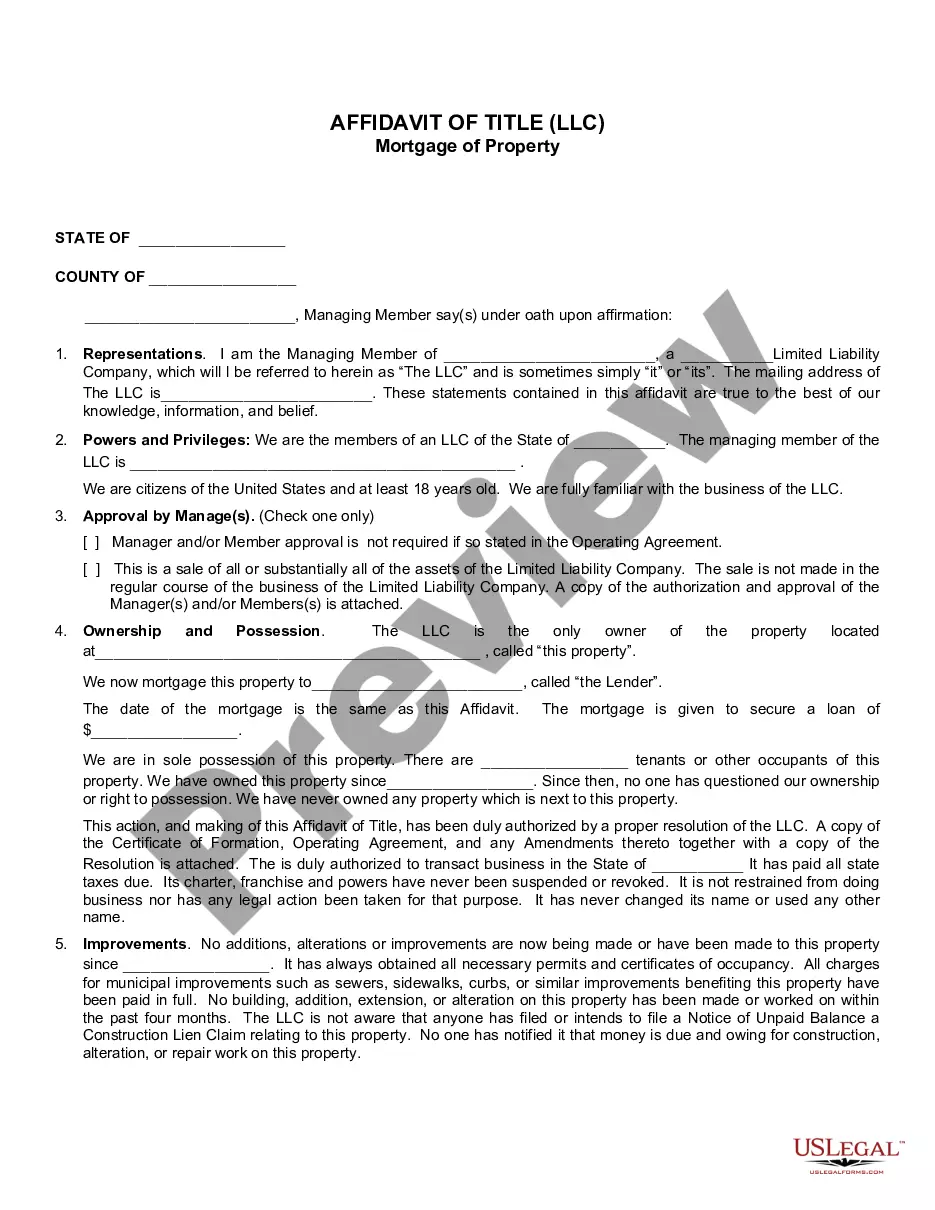
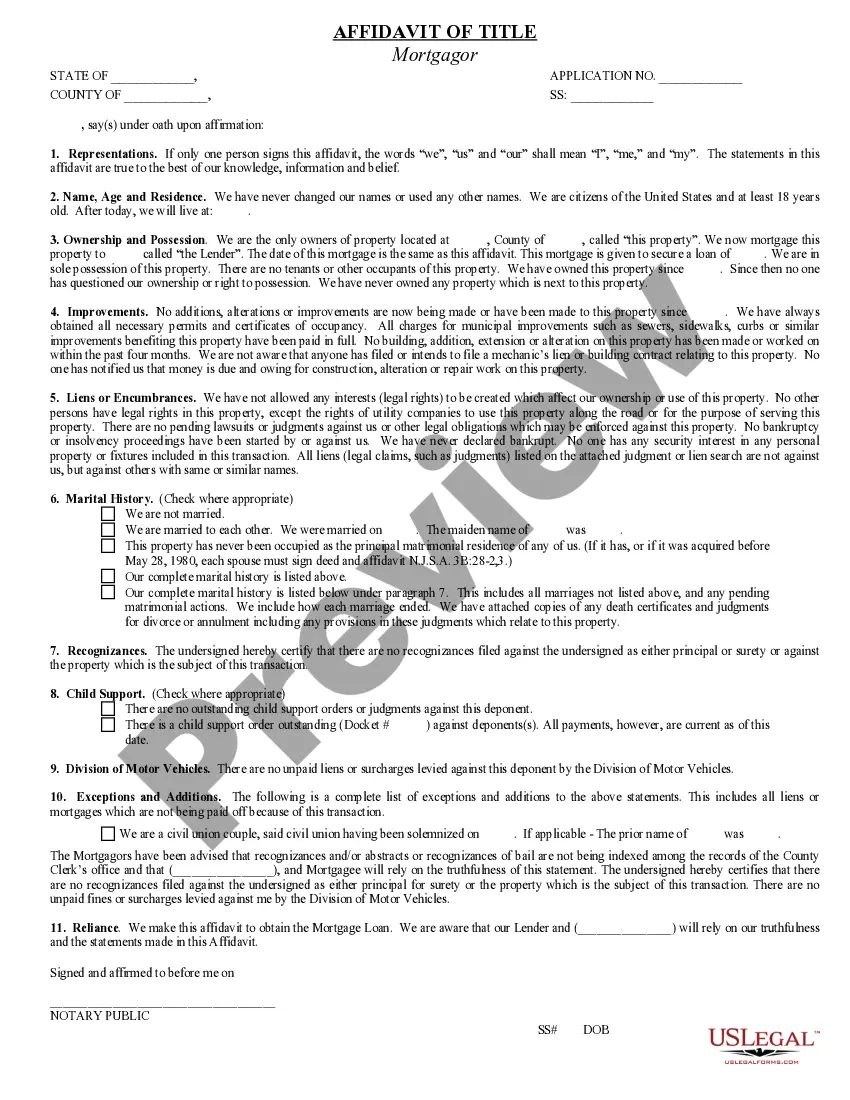
Get your form ready online
Our built-in tools help you complete, sign, share, and store your documents in one place.
Make edits, fill in missing information, and update formatting in US Legal Forms—just like you would in MS Word.
Download a copy, print it, send it by email, or mail it via USPS—whatever works best for your next step.
Sign and collect signatures with our SignNow integration. Send to multiple recipients, set reminders, and more. Go Premium to unlock E-Sign.
If this form requires notarization, complete it online through a secure video call—no need to meet a notary in person or wait for an appointment.
We protect your documents and personal data by following strict security and privacy standards.

Make edits, fill in missing information, and update formatting in US Legal Forms—just like you would in MS Word.

Download a copy, print it, send it by email, or mail it via USPS—whatever works best for your next step.

Sign and collect signatures with our SignNow integration. Send to multiple recipients, set reminders, and more. Go Premium to unlock E-Sign.

If this form requires notarization, complete it online through a secure video call—no need to meet a notary in person or wait for an appointment.

We protect your documents and personal data by following strict security and privacy standards.
Looking for another form?


How to fill out Complaint To Confirm Title?
Have you ever found yourself in a situation where you require paperwork for both business or personal purposes nearly every day? There are numerous legitimate document templates accessible online, but acquiring forms you can trust is challenging.
US Legal Forms offers a wide array of document templates, such as the California Complaint to Confirm Title, which are designed to meet federal and state requirements.
If you are already familiar with the US Legal Forms website and have an account, simply Log In. After that, you can download the California Complaint to Confirm Title template.
Choose a convenient file format and download your version.
Access all the document templates you have purchased in the My documents menu. You can obtain another copy of the California Complaint to Confirm Title at any time, if needed. Just click the required template to download or print the document. Utilize US Legal Forms, the most extensive collection of legitimate forms, to save time and prevent errors. The service provides professionally crafted legal document templates that can be used for various purposes. Create an account on US Legal Forms and begin simplifying your life.
- If you do not have an account and wish to start using US Legal Forms, follow these steps.
- Obtain the template you need and verify it is for the correct jurisdiction/state.
- Utilize the Review button to examine the form.
- Check the description to ensure you have selected the right template.
- If the template is not what you’re looking for, use the Search field to find the form that meets your criteria.
- Once you find the appropriate template, click Purchase now.
- Select the pricing plan you prefer, provide the necessary information to create your account, and complete your purchase using your PayPal or credit card.
Form popularity
FAQ
A complaint to quiet title must be verified and must contain all of the following information [Code Civ. Proc. §761.020]: 1. a description of the property that is the subject of the action.
Quiet title actions are complex and generally require detailed pre-litigation factual analysis. After the pre-litigation analysis, a verified complaint is filed. The complaint is followed by a Notice of Pendency of Action (Lis Pendens) that must be recorded with the county recorder's office and filed with the court.
When filing a lawsuit in California, the original complaint may be either verified or unverified. If it is verified, the plaintiff makes assertions under the pains and penalties of perjury. A verified complaint also forces the defendant to respond to the lawsuit with a verified answer.
In addition, a Plaintiff seeking to quiet title against a person who has legal title to a property bears the burden of proving title by clear and convincing proof. Cal. Evid. Code § 662.
Necessary Elements of a Quiet Title Claim A description of the property that is the subject of the action. ... The title of the Plaintiff as to which a determination of quiet title is sought. The adverse claims to the Plaintiff's title. ... The date as of which the determination is sought.
There are reasons to verify complaints even when verification is not required by statute: If the complaint is verified, the answer must be verified, unless the defendant is a public entity or officer. CCP §446. The defendant's denials and allegations must be made under oath or penalty of perjury.
Necessary Elements of a Quiet Title Claim For real property, the description must include a legal description as well as the street address or other common designation. The title of the Plaintiff as to which a determination of quiet title is sought. The adverse claims to the Plaintiff's title.