Colorado Commercial Contract for Contractor

Understanding this form
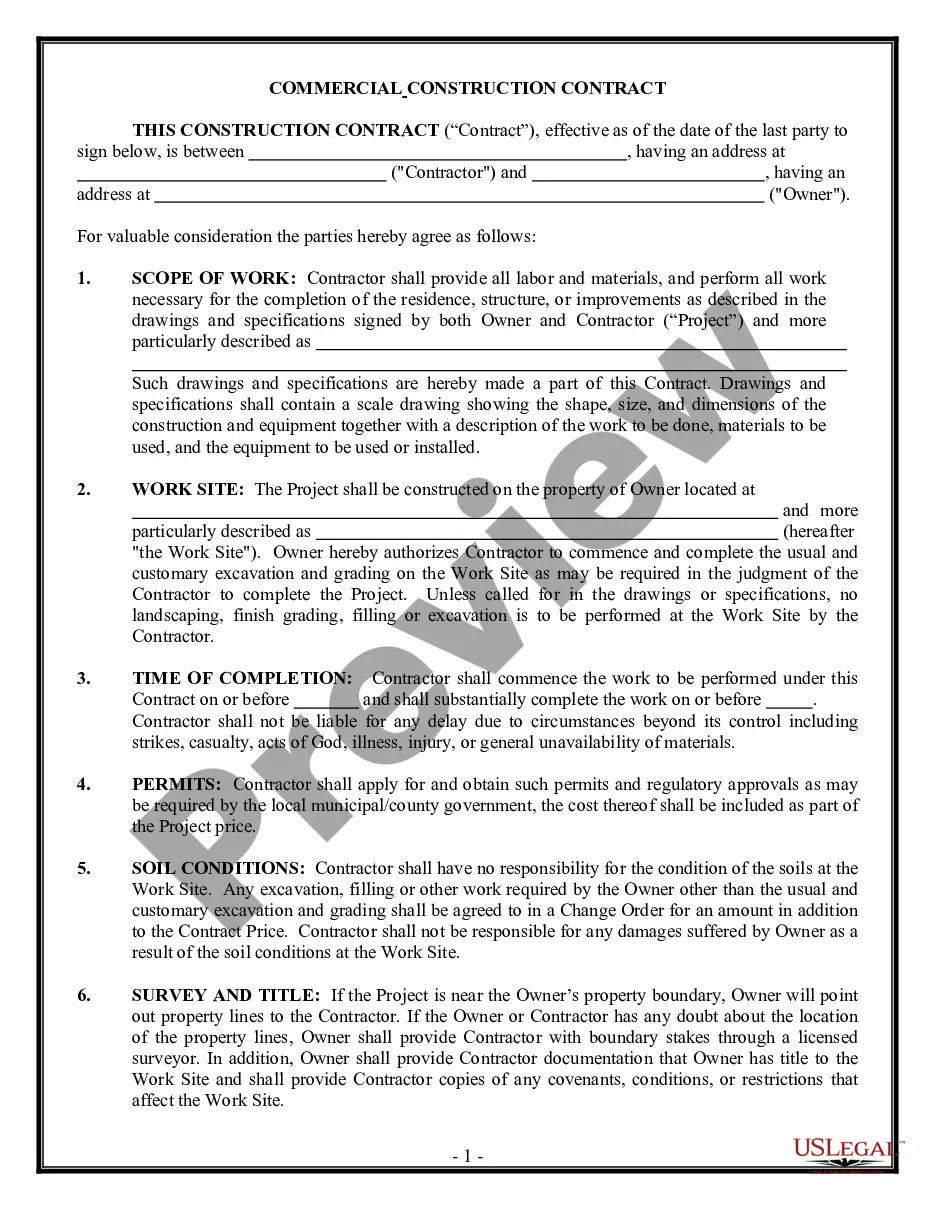
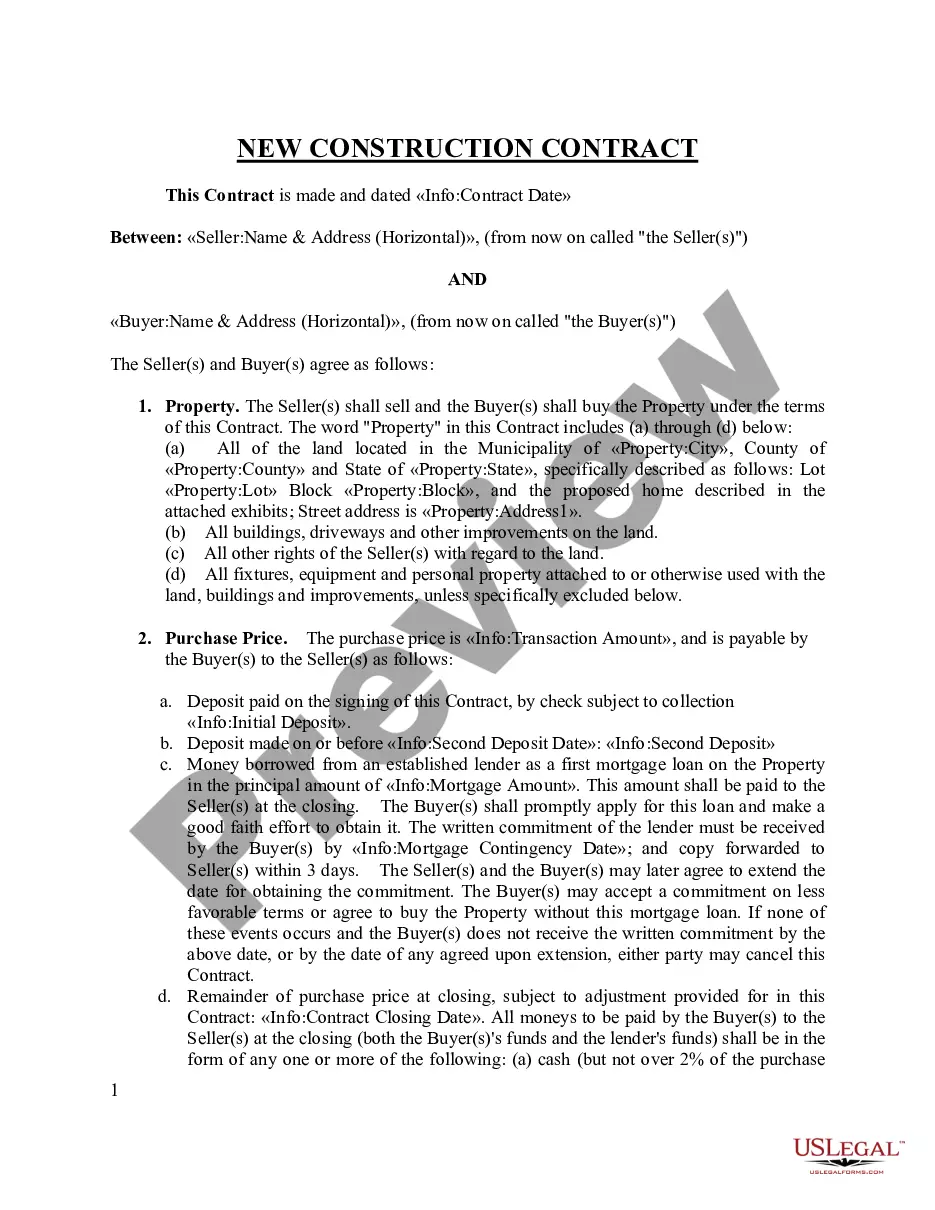
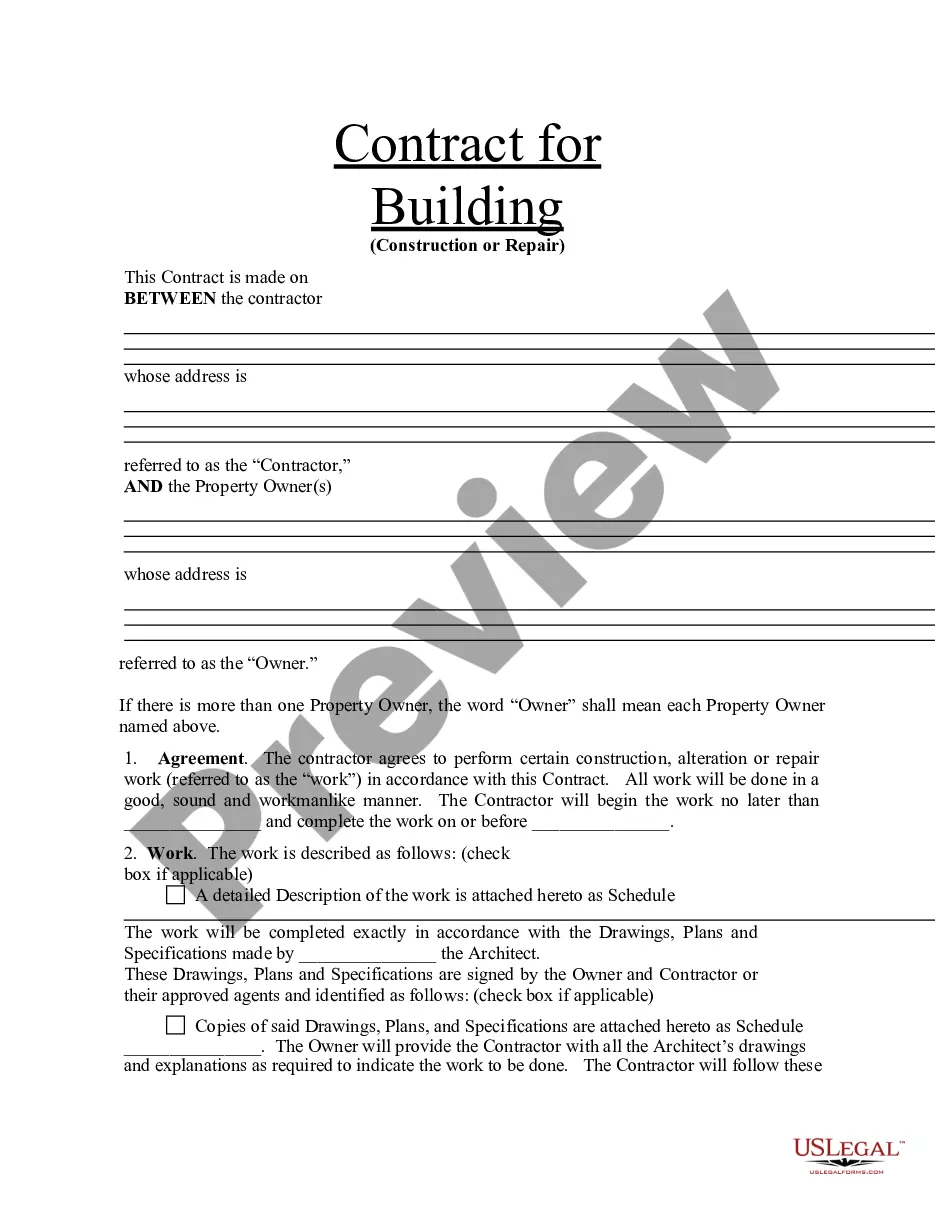
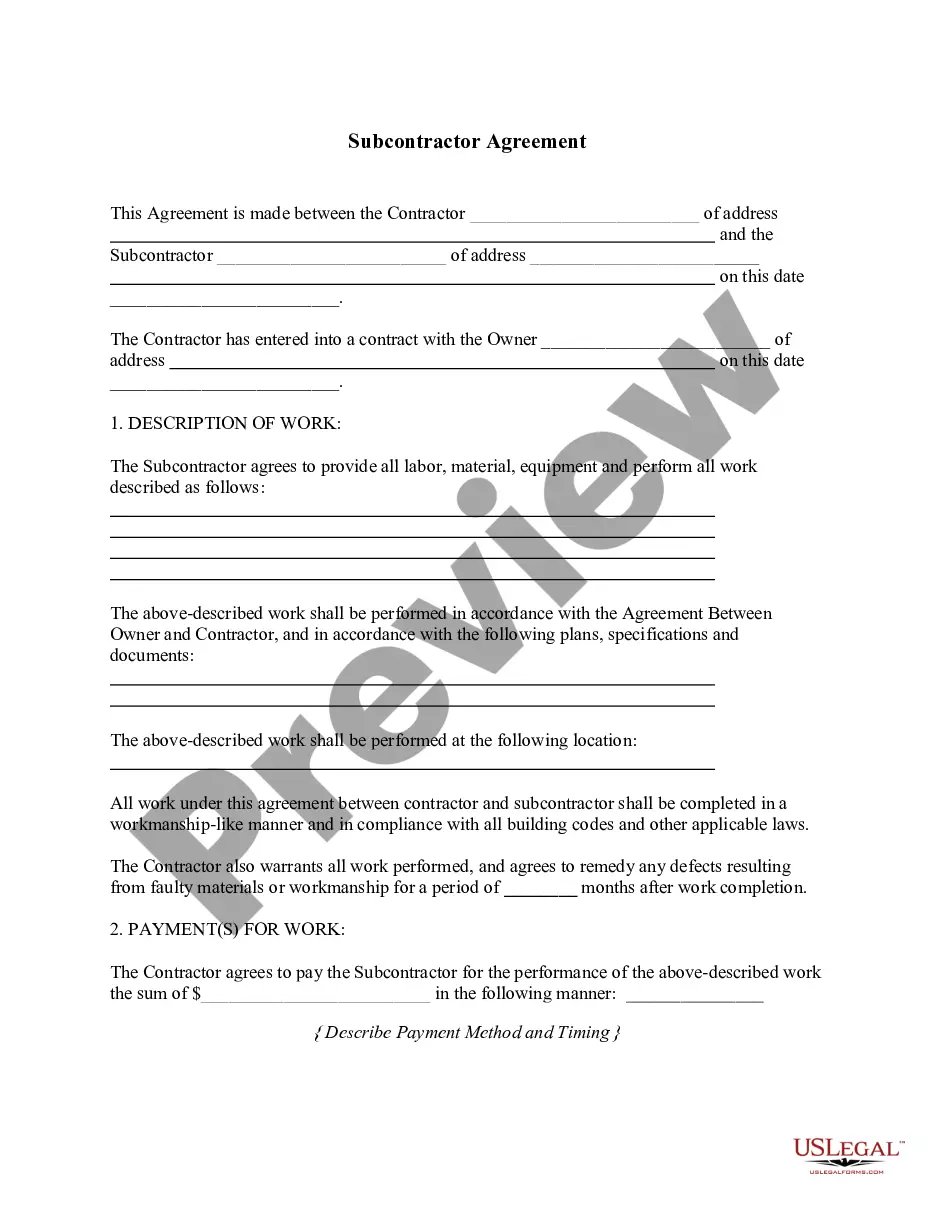
The Commercial Contract for Contractor is a legal document designed to outline the terms of agreement between commercial contractors and property owners. It enables parties to establish clear guidelines for construction work, including payment arrangements, site conditions, and responsibilities. This form is specific to projects governed by Colorado law and aims to protect the interests of both contractors and property owners throughout the construction process.
Key parts of this document
- Work site information, including project location and responsibilities.
- Permit acquisition process and cost considerations.
- Soil condition clauses detailing responsibilities and change orders.
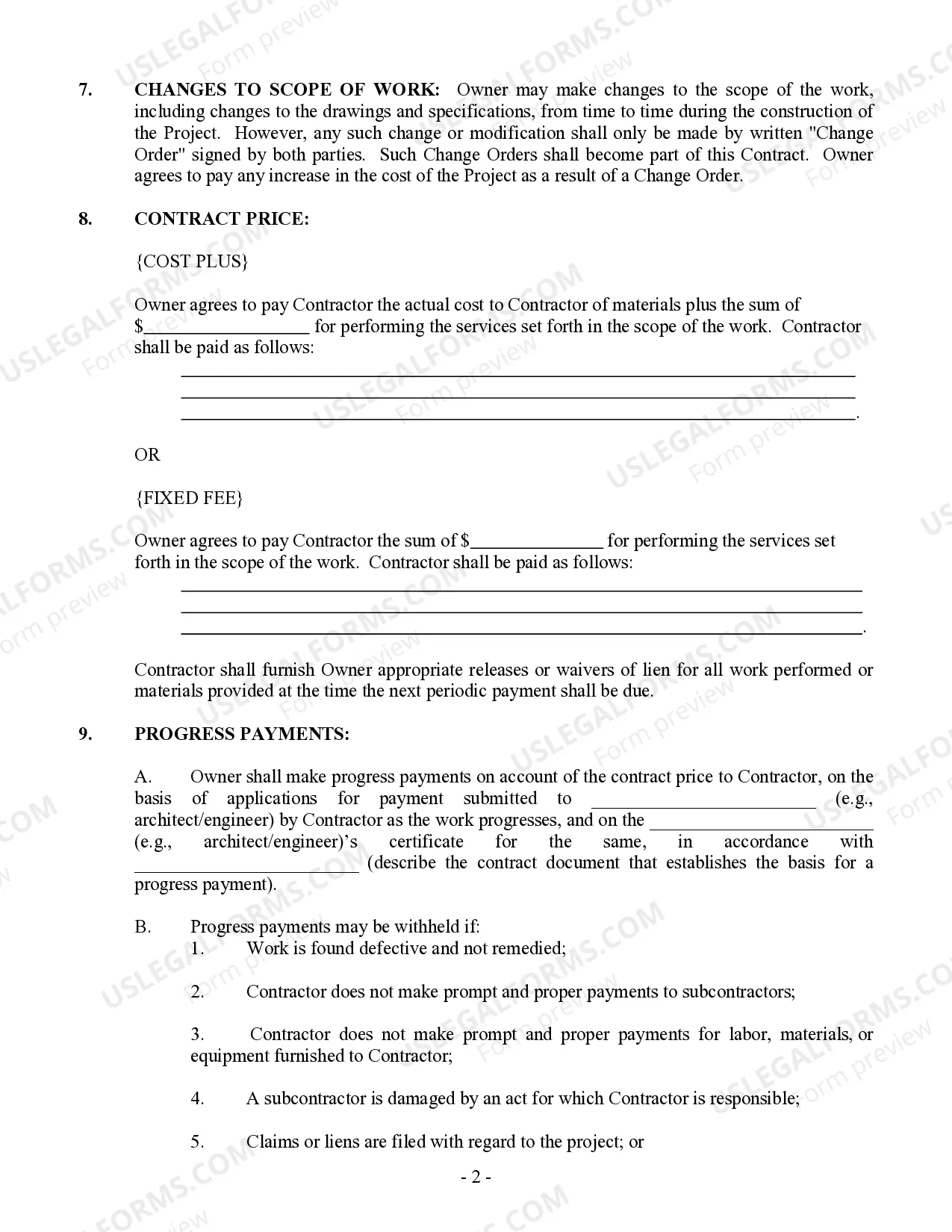
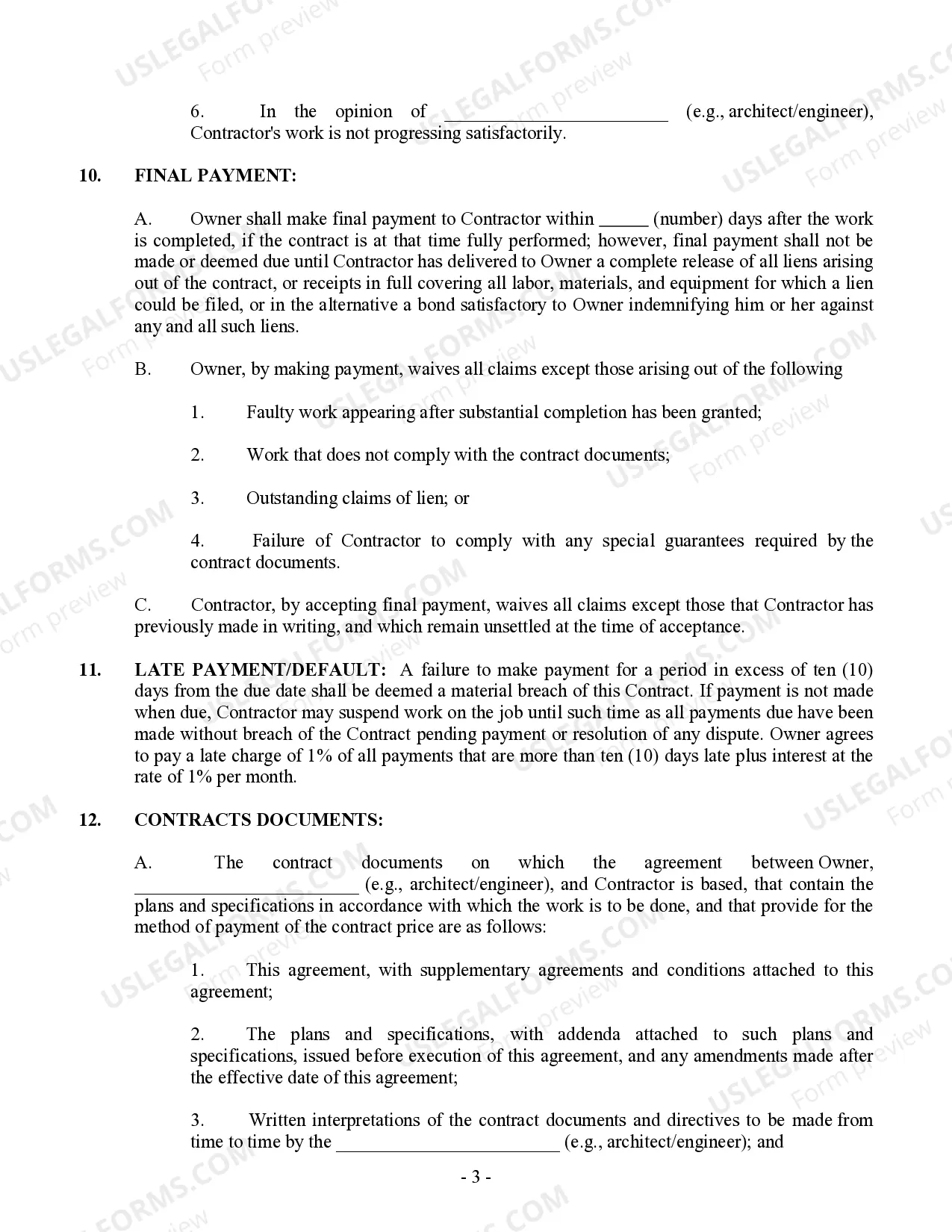
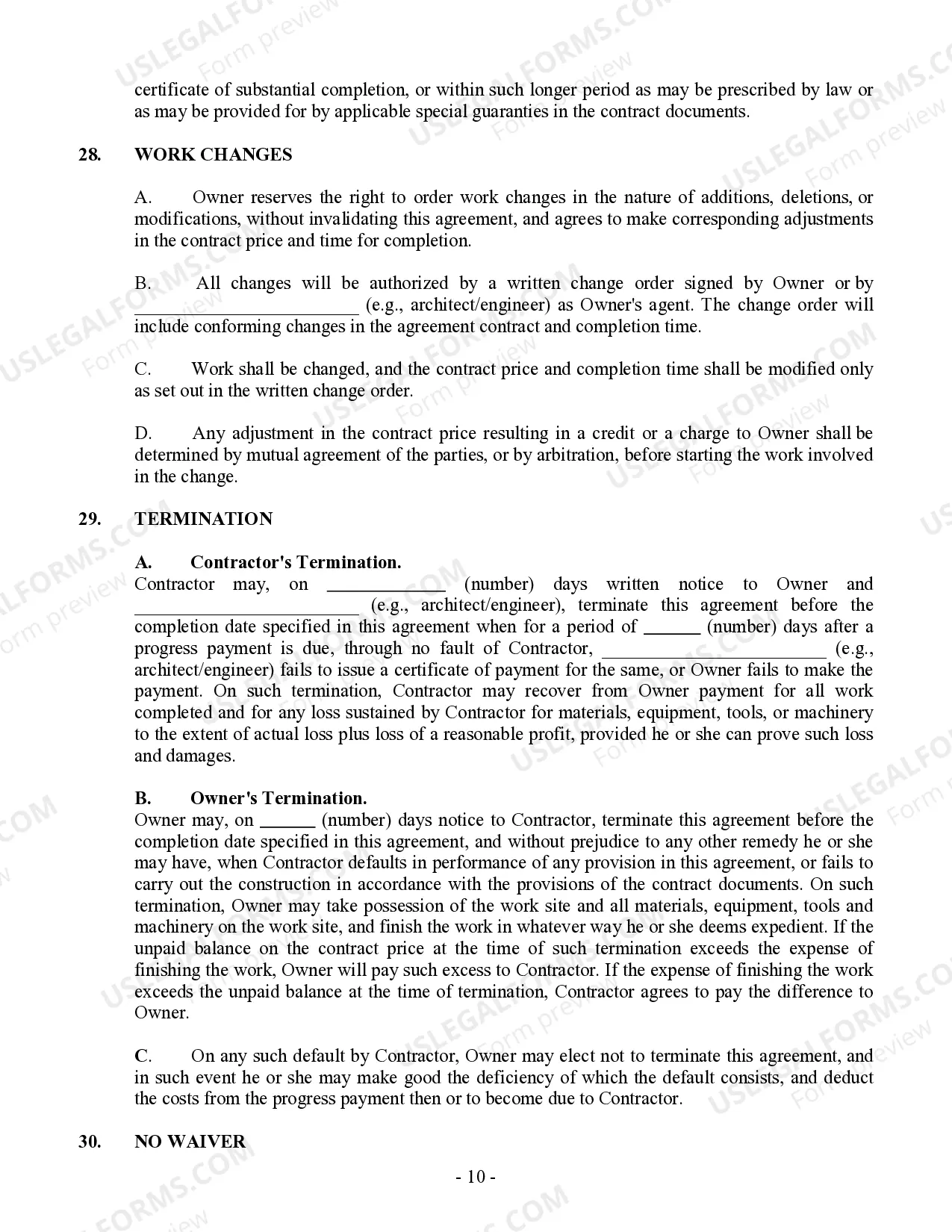
- Progress payment terms and conditions for withholding payments.
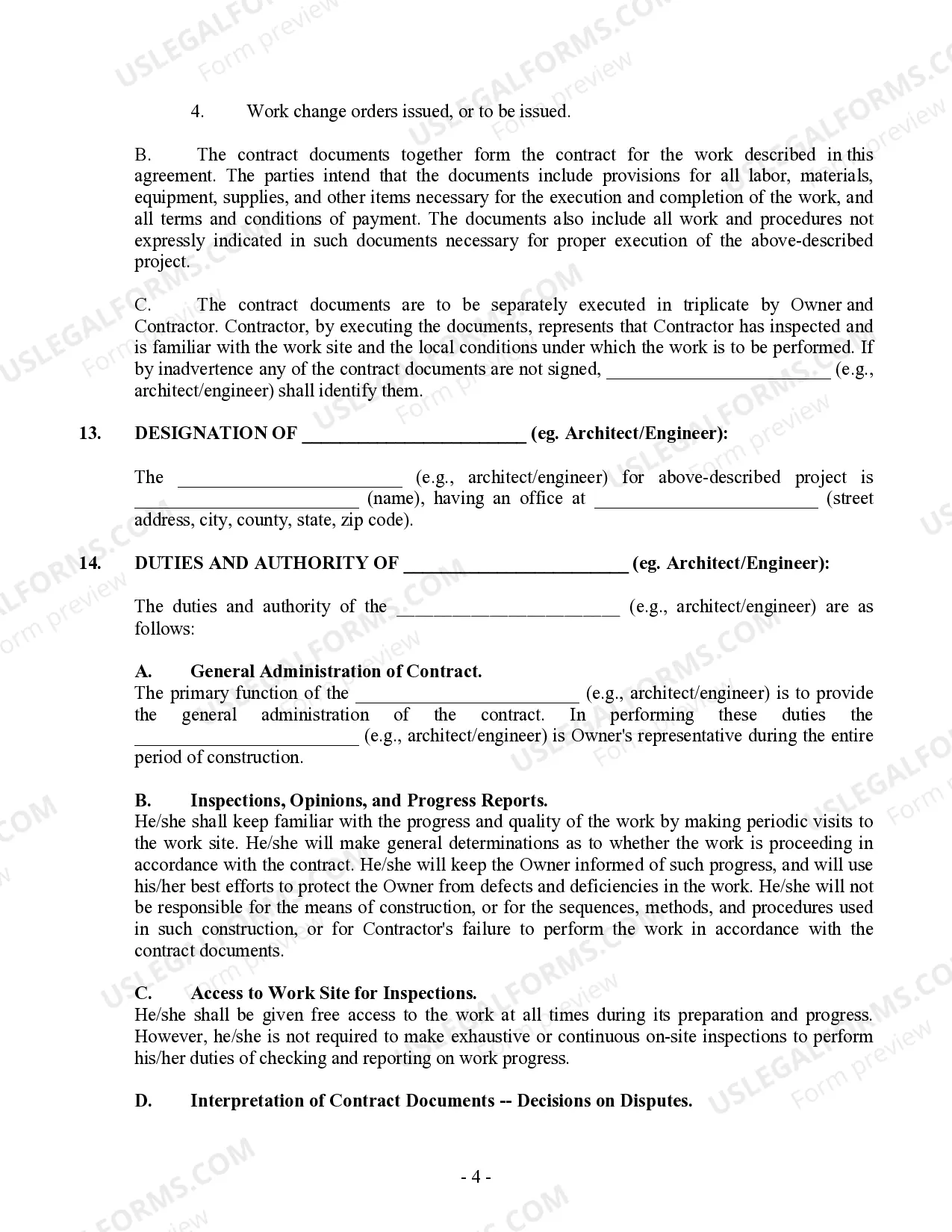
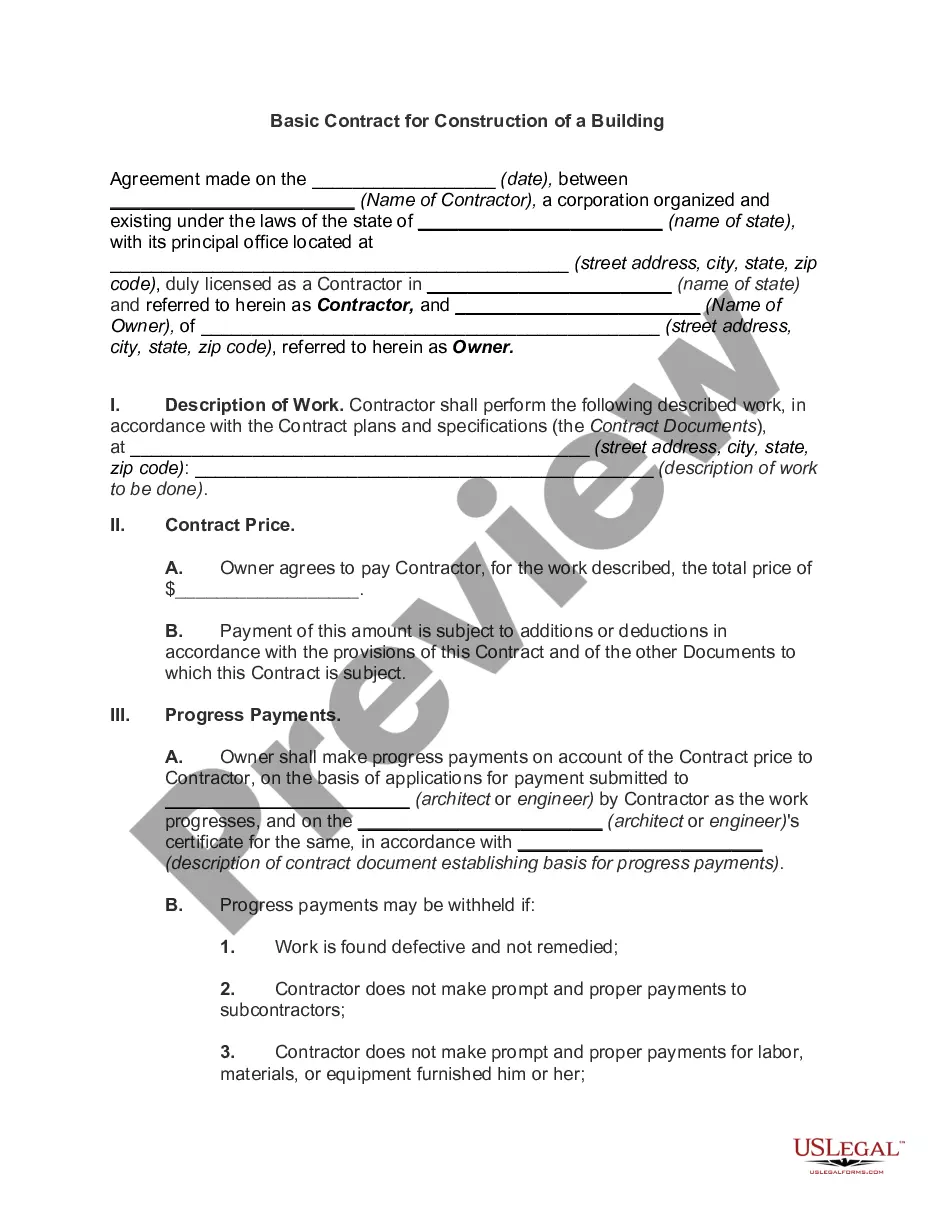
- Contract documents that establish project specifications and payment methods.
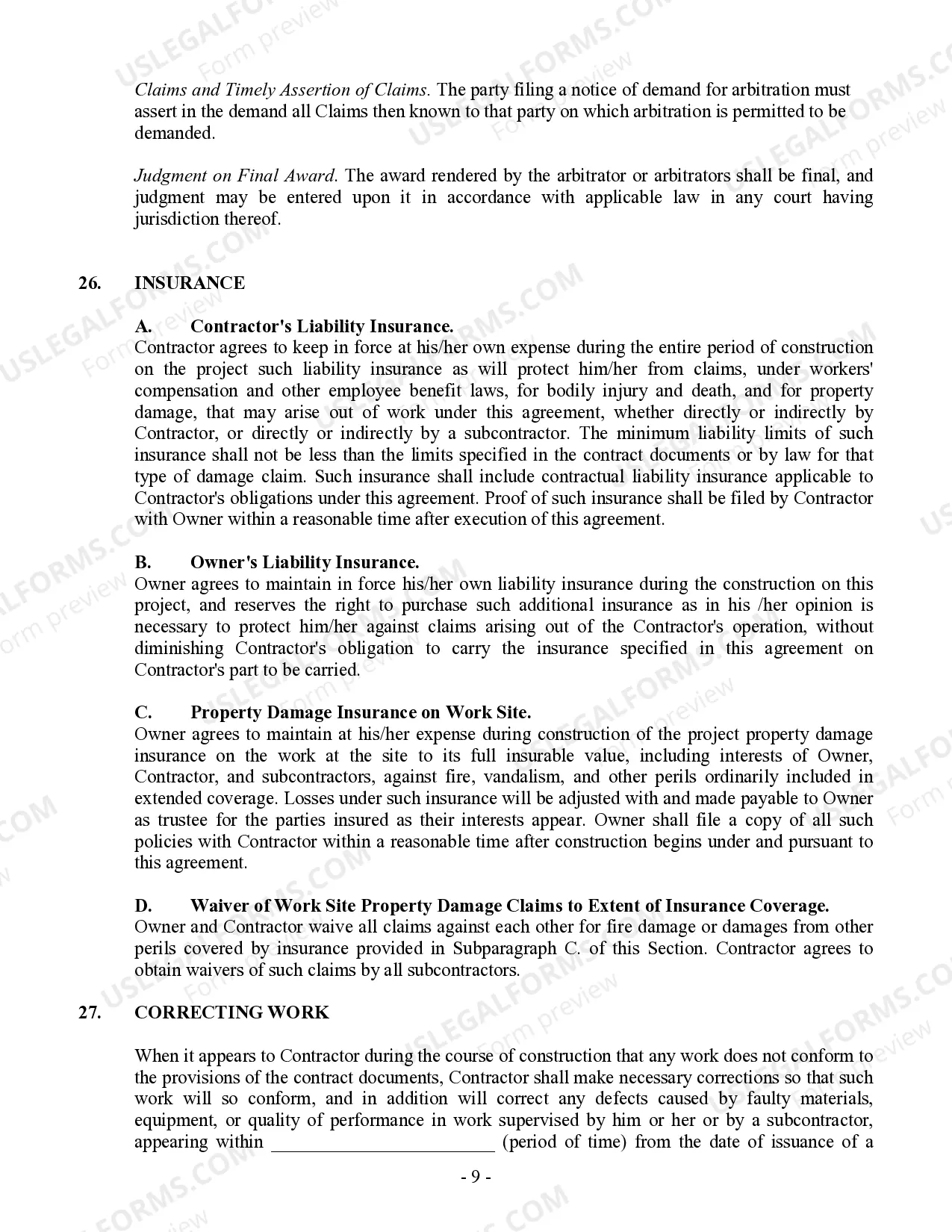
- Insurance requirements and liability protections for both parties.

Common use cases
This form should be used when a property owner engages a contractor for a construction project, particularly in commercial settings. It is applicable in situations where the terms of payment (cost plus or fixed fee) need to be clearly outlined. Use this form when starting a project to ensure all parties understand their responsibilities and the terms under which the work will be completed.
Intended users of this form
- Commercial contractors undertaking construction projects.
- Property owners seeking to formalize agreements with contractors.
- Architects or engineers involved in overseeing construction contracts.
- Real estate developers managing commercial projects.
Steps to complete this form
- Identify and enter the names of the contractor and property owner.
- Specify the location of the work site and attach any relevant documentation.
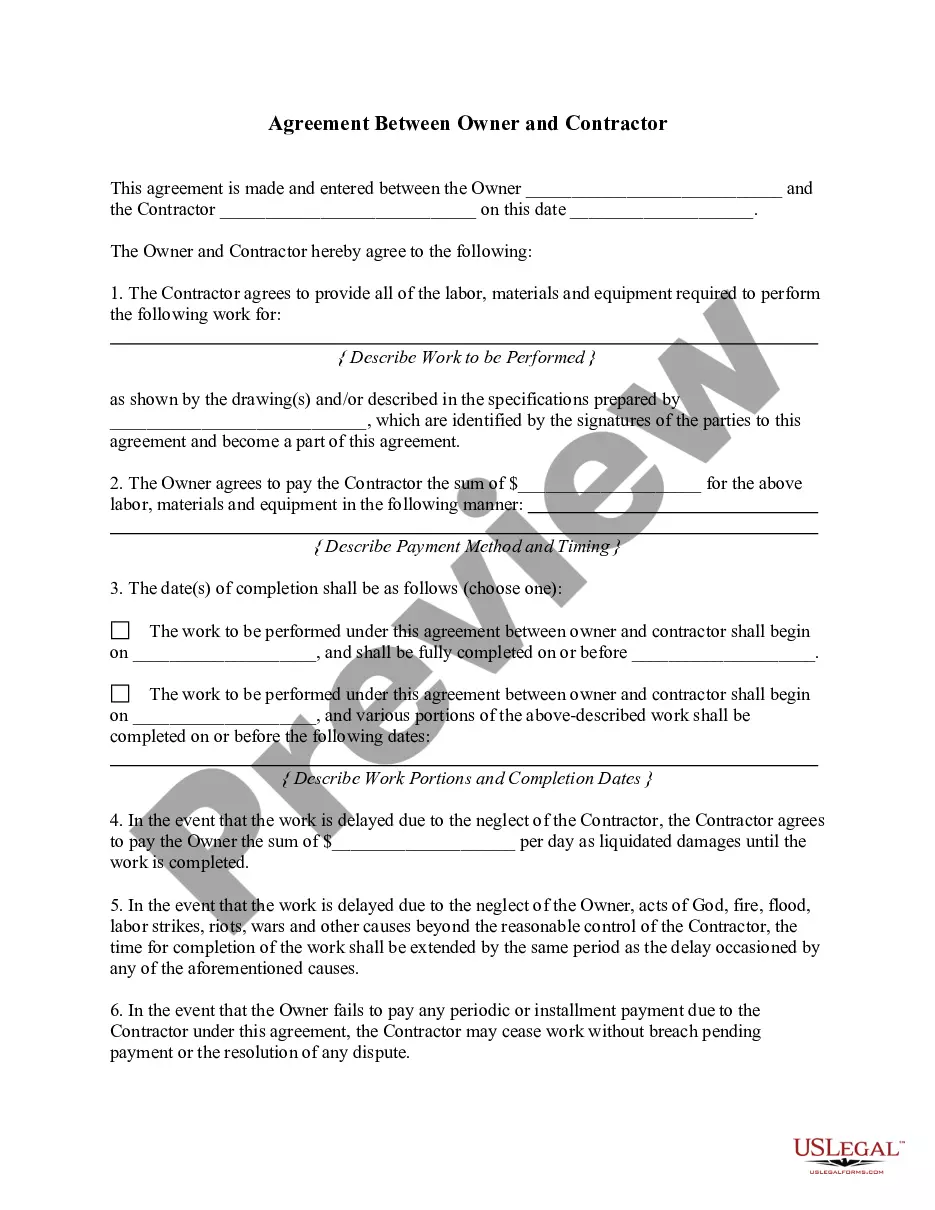
- Outline the payment structureâeither cost plus or fixed fee.
- Ensure all parties sign the contract and keep copies for their records.
- Discuss and include any specific requirements or changes through documented change orders.
Notarization guidance
This form does not typically require notarization unless specified by local law. However, it's recommended to check with legal counsel to ensure compliance based on jurisdictional requirements.
Get your form ready online
Our built-in tools help you complete, sign, share, and store your documents in one place.
Make edits, fill in missing information, and update formatting in US Legal Forms—just like you would in MS Word.
Download a copy, print it, send it by email, or mail it via USPS—whatever works best for your next step.
Sign and collect signatures with our SignNow integration. Send to multiple recipients, set reminders, and more. Go Premium to unlock E-Sign.
If this form requires notarization, complete it online through a secure video call—no need to meet a notary in person or wait for an appointment.
We protect your documents and personal data by following strict security and privacy standards.

Make edits, fill in missing information, and update formatting in US Legal Forms—just like you would in MS Word.

Download a copy, print it, send it by email, or mail it via USPS—whatever works best for your next step.

Sign and collect signatures with our SignNow integration. Send to multiple recipients, set reminders, and more. Go Premium to unlock E-Sign.

If this form requires notarization, complete it online through a secure video call—no need to meet a notary in person or wait for an appointment.

We protect your documents and personal data by following strict security and privacy standards.
Typical mistakes to avoid
- Failing to detail specific payment terms and conditions.
- Not including necessary permits and regulations related to the project.
- Overlooking change order processes that could lead to disputes.
- Not specifying responsibilities regarding soil and site conditions.
Why use this form online
- Convenient access to professionally drafted legal documents.
- Editable templates that can be customized to meet specific project needs.
- Reliable resources that comply with state laws and industry standards.
Legal use & context
- This contract is legally enforceable in accordance with Colorado laws.
- It provides clear definitions of responsibilities, minimizing conflicts.
- Utilizing a well-drafted contract helps protect both parties' interests throughout the project.
Main things to remember
- The Commercial Contract for Contractor is essential for formalizing agreements in commercial construction projects.
- Clear terms regarding payment and responsibilities help prevent future disputes.
- This form is tailored to meet the specific legal requirements of Colorado.
Looking for another form?
Form popularity
FAQ
Yes, a contractor should always have a contract. A Colorado Commercial Contract for Contractor clearly defines the scope of work, timelines, and payment details, which is essential in protecting your legal rights. It helps manage expectations and reduces potential conflicts. Using platforms like US Legal Forms can simplify your contract creation process, giving you peace of mind.
The best contract for contractors is a tailored Colorado Commercial Contract for Contractor that suits your specific project needs. This contract should outline roles, responsibilities, timelines, and payment terms. A customized agreement minimizes the likelihood of disputes and fosters smooth collaboration between parties. Consider using US Legal Forms to design a comprehensive contract.
Yes, you can be employed without a written contract, but it is not advisable. Relying on verbal agreements or informal arrangements can create uncertainty in your working relationship. A Colorado Commercial Contract for Contractor provides clear terms regarding job responsibilities and compensation, ensuring all parties understand their obligations. Protect yourself by having a contract in place.
If you do not have a Colorado Commercial Contract for Contractor, you may face various risks. Without a contract, you lack legal protection and clarity on project expectations. This situation can lead to misunderstandings, payment disputes, or unfinished work. To safeguard your interests, it is essential to create a well-drafted contract.
Yes, it is common for a contractor to request a 50% down payment before starting a project. This practice serves as a commitment from both parties and helps cover initial costs. However, be sure to document this agreement in your Colorado Commercial Contract for Contractor to ensure clarity and accountability.
To make a contract with a contractor, begin by discussing the specifics of your project and agreeing on key terms. Next, draft the contract, incorporating all necessary details, such as payment terms and deadlines. Using a Colorado Commercial Contract for Contractor can provide a solid foundation and help ensure all legal aspects are covered.
Writing a contract with a contractor involves specifying the project's details, including timelines, payment structures, and deliverables. Clearly define each party's obligations to prevent misunderstandings. For better guidance, consider using a Colorado Commercial Contract for Contractor template, which can facilitate a smoother drafting process.
Independent contractors in Colorado must comply with state laws, including obtaining necessary licenses and permits for their work. They should also maintain proper insurance coverage to protect both themselves and their clients. Understanding these requirements is crucial, and utilizing a Colorado Commercial Contract for Contractor can help outline responsibilities clearly.
When engaging with a contractor, avoid discussing overly personal information or making promises that are not in writing. Additionally, do not share your budget constraints too early, as this could lead to inflated quotes. Focus on the project details and refer to a Colorado Commercial Contract for Contractor to set clear expectations.
To create your own contract agreement, start by outlining the essential terms, such as the scope of work, payment details, and deadlines. Ensure that both parties clearly understand their responsibilities. Additionally, using a Colorado Commercial Contract for Contractor template can streamline the process and help you avoid common pitfalls.