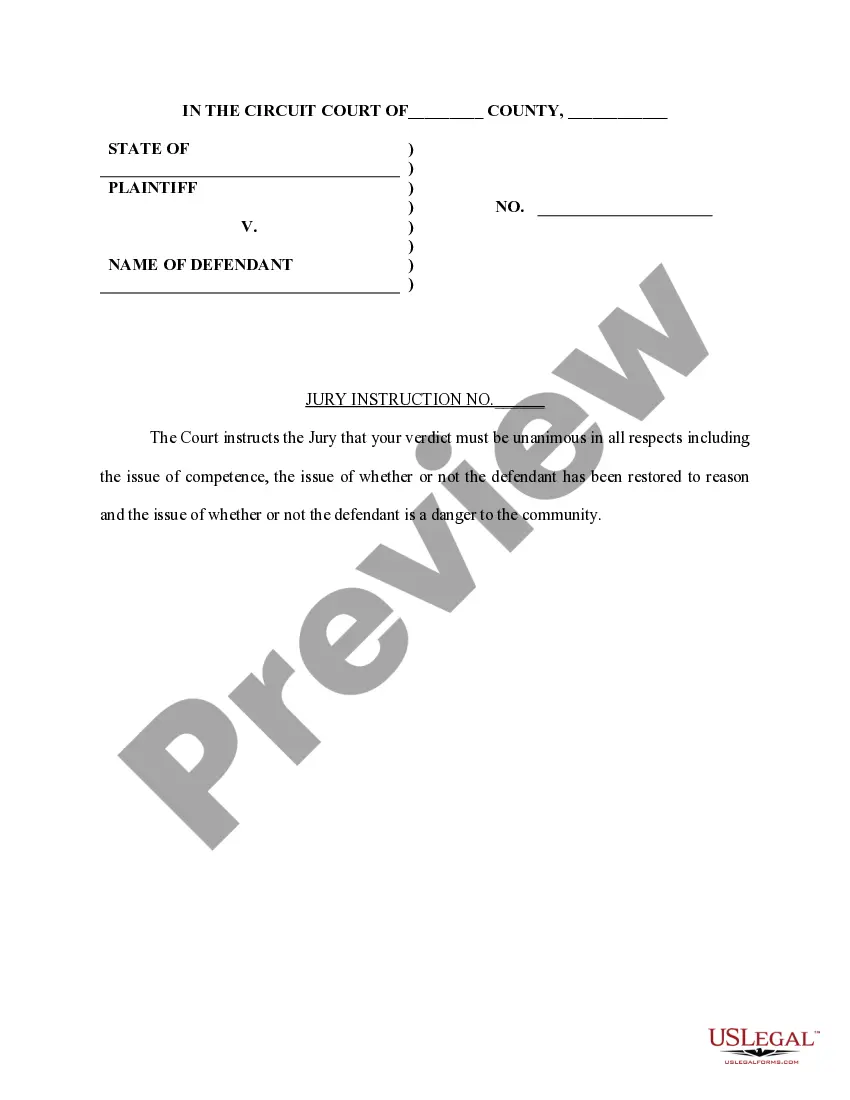
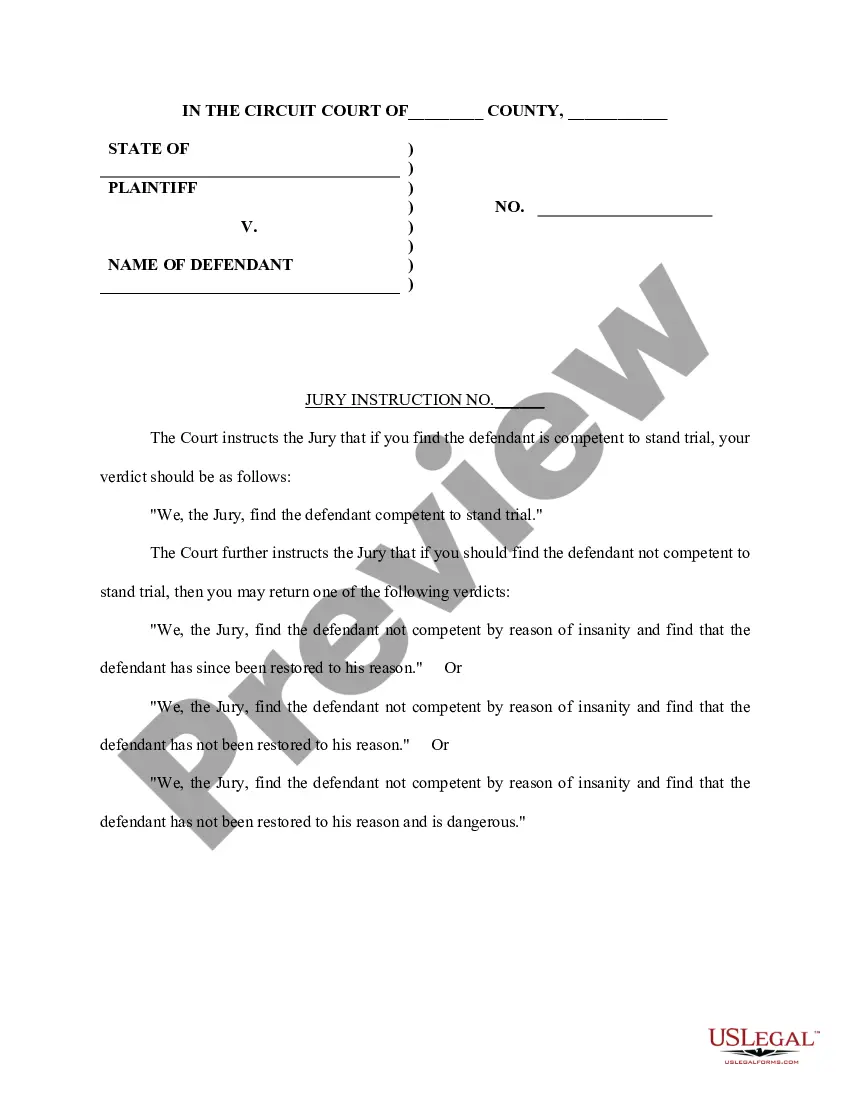
Colorado Competence - Unanimous Verdict
Description
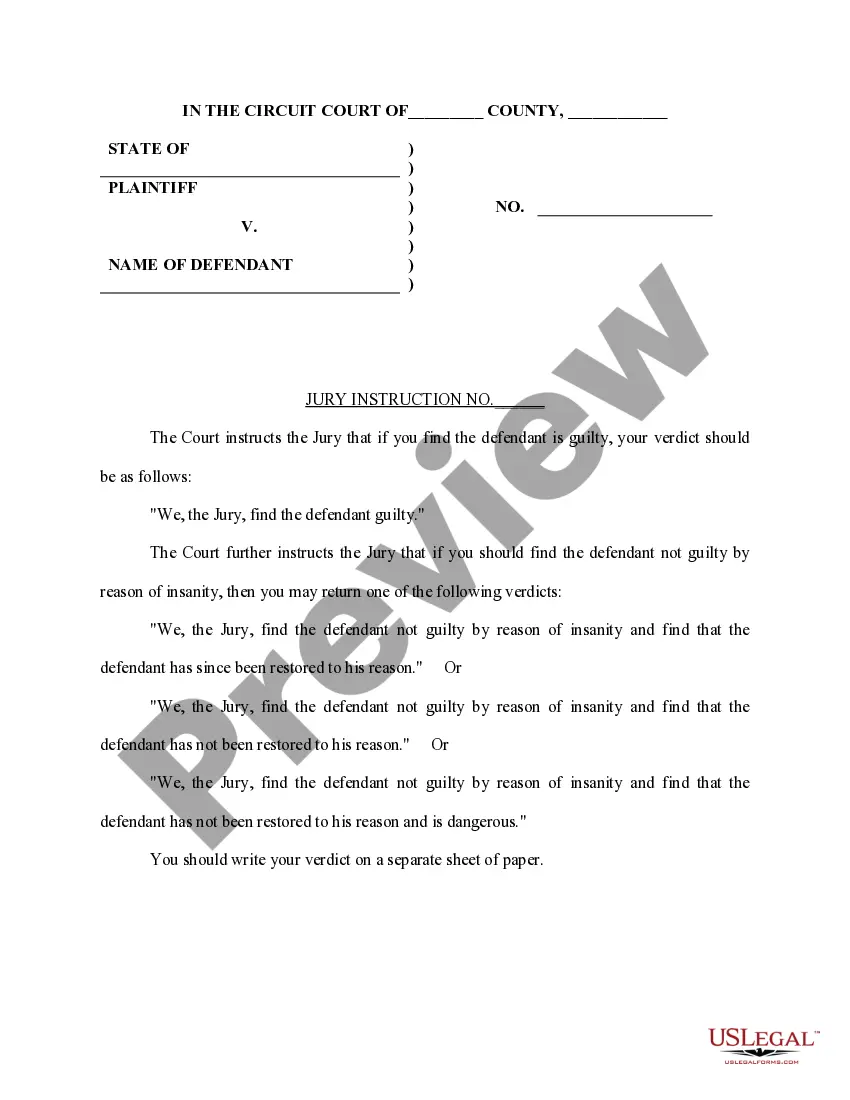
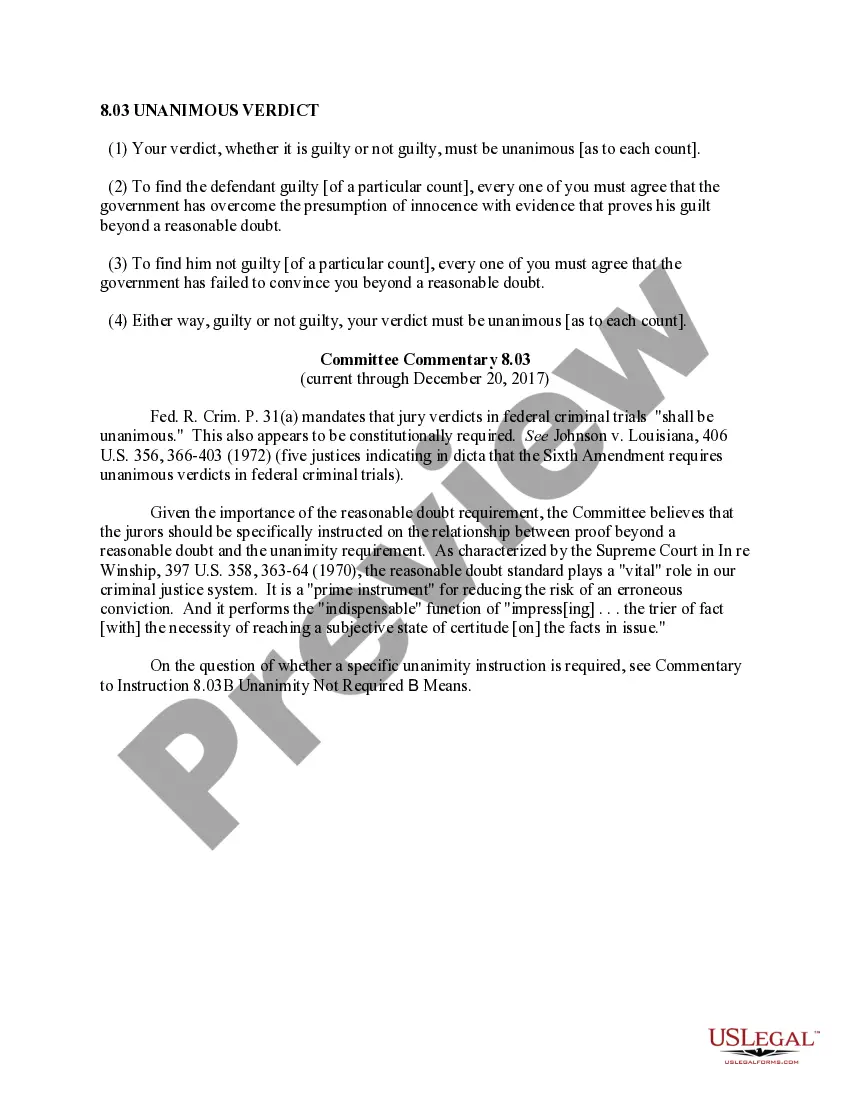
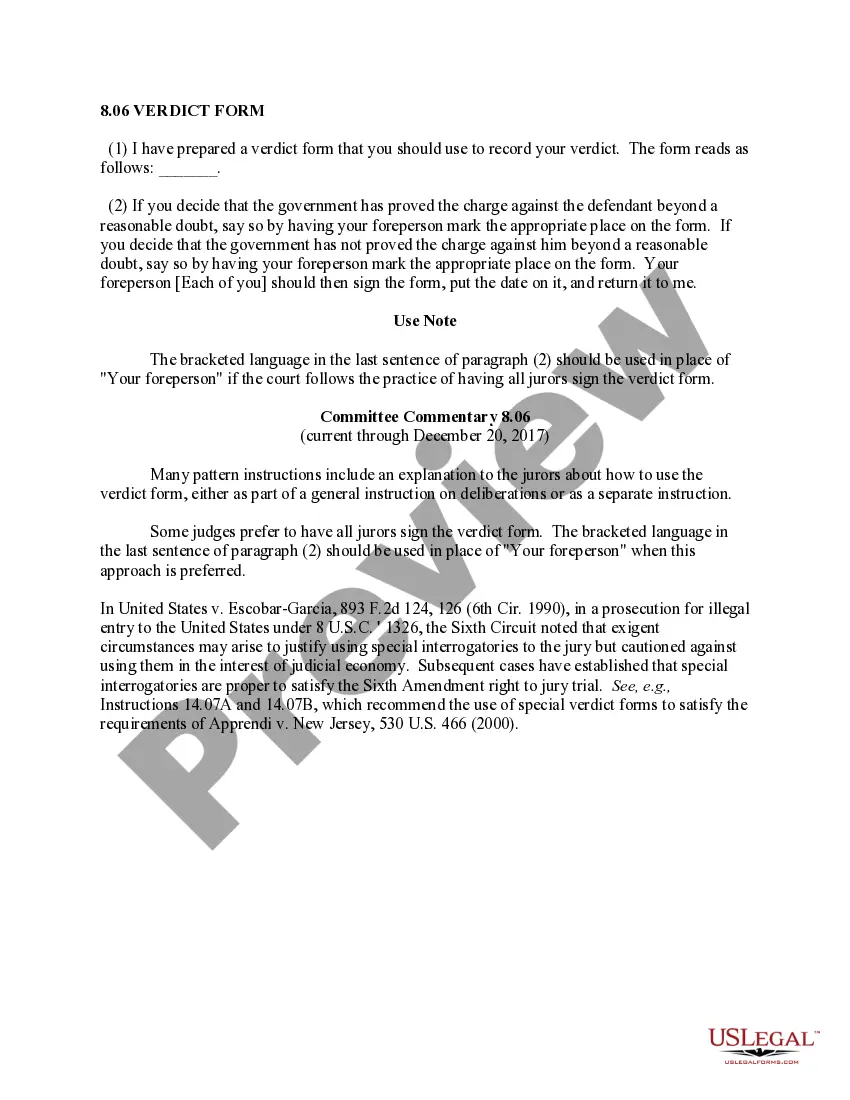
How to fill out Competence - Unanimous Verdict?
US Legal Forms - one of the largest collections of legal documents in the United States - provides a broad selection of legal document templates that you can download or print. By using the site, you will find thousands of forms for business and personal purposes, organized by categories, states, or keywords.
You can find the latest versions of forms such as the Colorado Competence - Unanimous Verdict in just a few seconds. If you already have a subscription, Log In and download the Colorado Competence - Unanimous Verdict from the US Legal Forms library. The Download button will appear on every form you view. You have access to all previously acquired forms in the My documents section of your account.
If you are using US Legal Forms for the first time, here are some simple steps to help you get started: Make sure you have selected the correct form for your city/region. Click the Preview button to review the form's content. Check the form summary to ensure that you have chosen the right one. If the form does not meet your needs, use the Search field at the top of the page to find one that does. If you are satisfied with the form, confirm your selection by clicking the Purchase now button. Then, choose the payment plan you prefer and provide your credentials to create an account. Process the payment. Use your credit card or PayPal account to complete the transaction. Select the format and download the form to your device. Make changes. Fill out, edit, print, and sign the downloaded Colorado Competence - Unanimous Verdict. Every template you added to your account does not expire and is yours forever. So, if you want to download or print another copy, simply go to the My documents section and click on the form you wish.
- Access the Colorado Competence - Unanimous Verdict with US Legal Forms, the most comprehensive collection of legal document templates.
- Utilize thousands of professional and state-specific templates that meet your business or personal needs and requirements.
Form popularity
FAQ
If a jury is unable to reach a unanimous verdict and results in a hung jury, the case may be retried with a new jury. If the second jury is also unable to reach a verdict, the judge may declare a mistrial.
In a criminal case, the unanimous agreement of all 12 jurors is required.
In a criminal case, the unanimous agreement of all 12 jurors is required.
United States, 333 U.S. 740, 748 (1948) ( ?Unanimity in jury verdicts is required where the Sixth and Seventh Amendments apply. In criminal cases this requirement of unanimity extends to all issues?character or degree of the crime, guilt and punishment?which are left to the jury.? ); Maxwell v.
The jury MUST unanimously find, beyond a reasonable doubt, that at least one aggravating factor in the statute exists in the case. Otherwise, the defendant is not eligible for the death penalty. If eligible and the jury has at least 8 votes for a death sentence, the recommendation MUST be for death.
If a jury is unable to reach a unanimous verdict and results in a hung jury, the case may be retried with a new jury. If the second jury is also unable to reach a verdict, the judge may declare a mistrial.
The jury are asked by the judge to reach a unanimous verdict - that means, they should all agree on whether the defendant is 'guilty' or 'not guilty'. If they can't do that after carefully considering and discussing the evidence, the judge can allow them to reach a majority verdict of at least 10 people.
A Unanimous Decision The verdict in a criminal case must be unanimously decided, meaning every single one of the jurors must agree with a finding of guilty or not guilty.