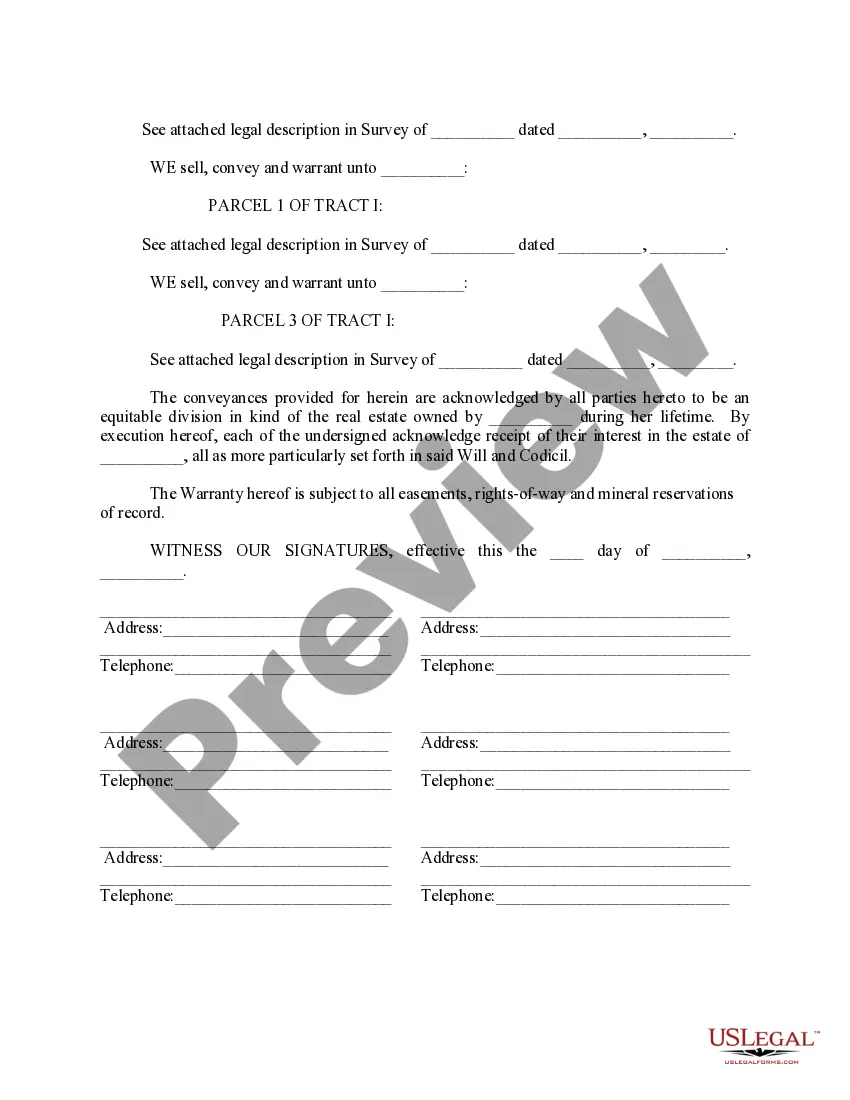
Colorado Partition Warranty Deed
Description
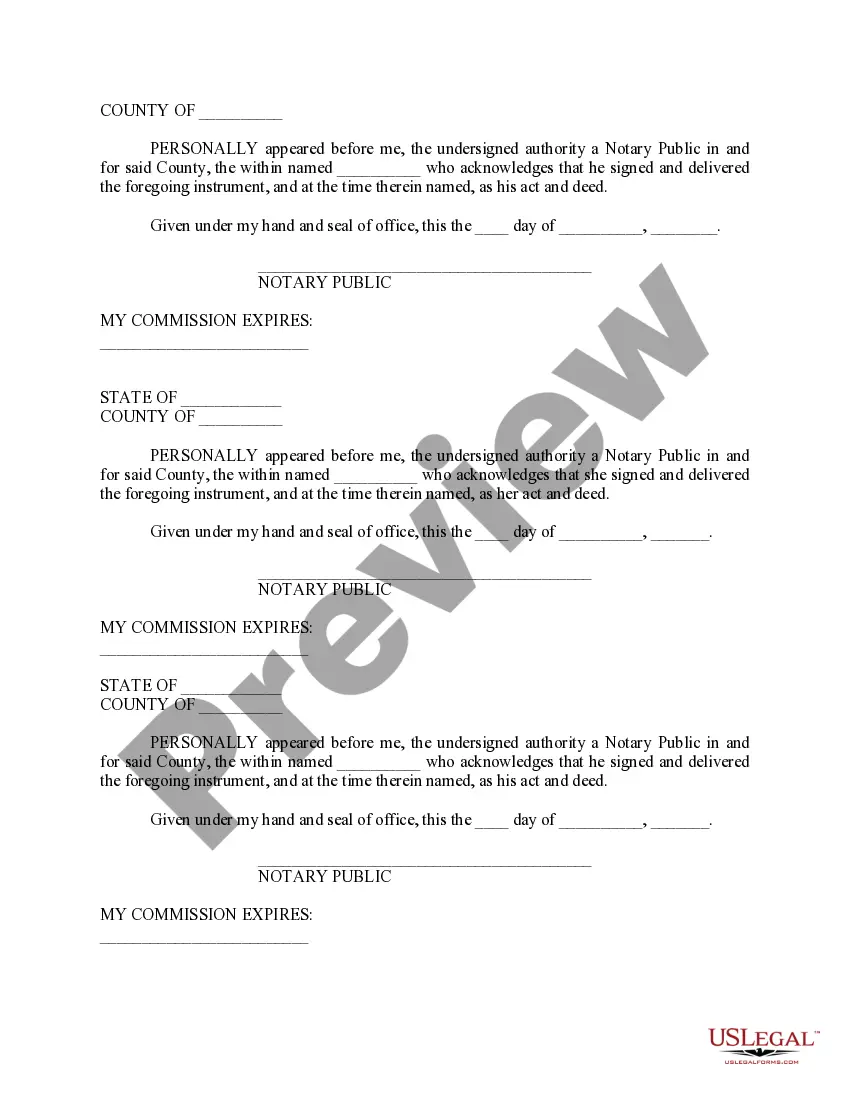

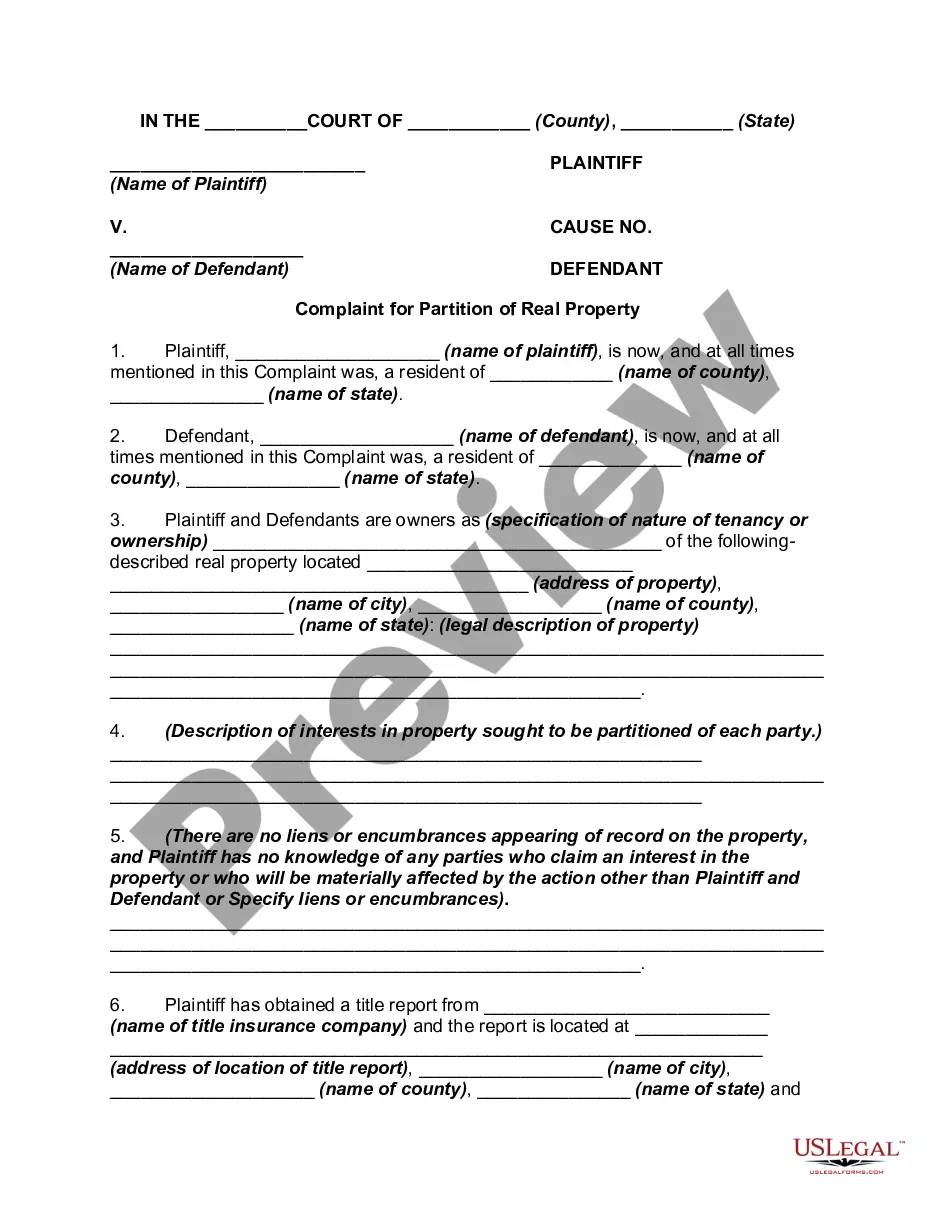
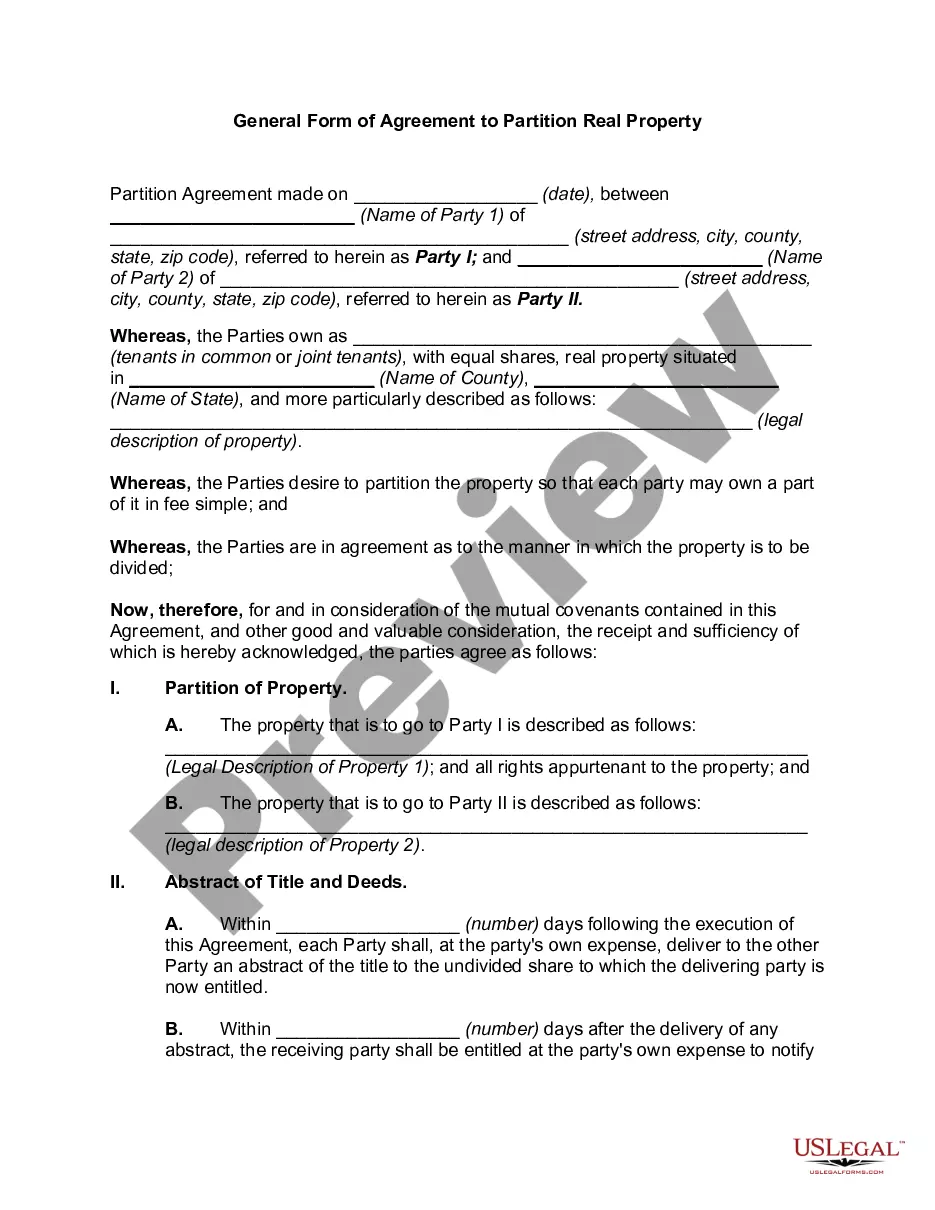
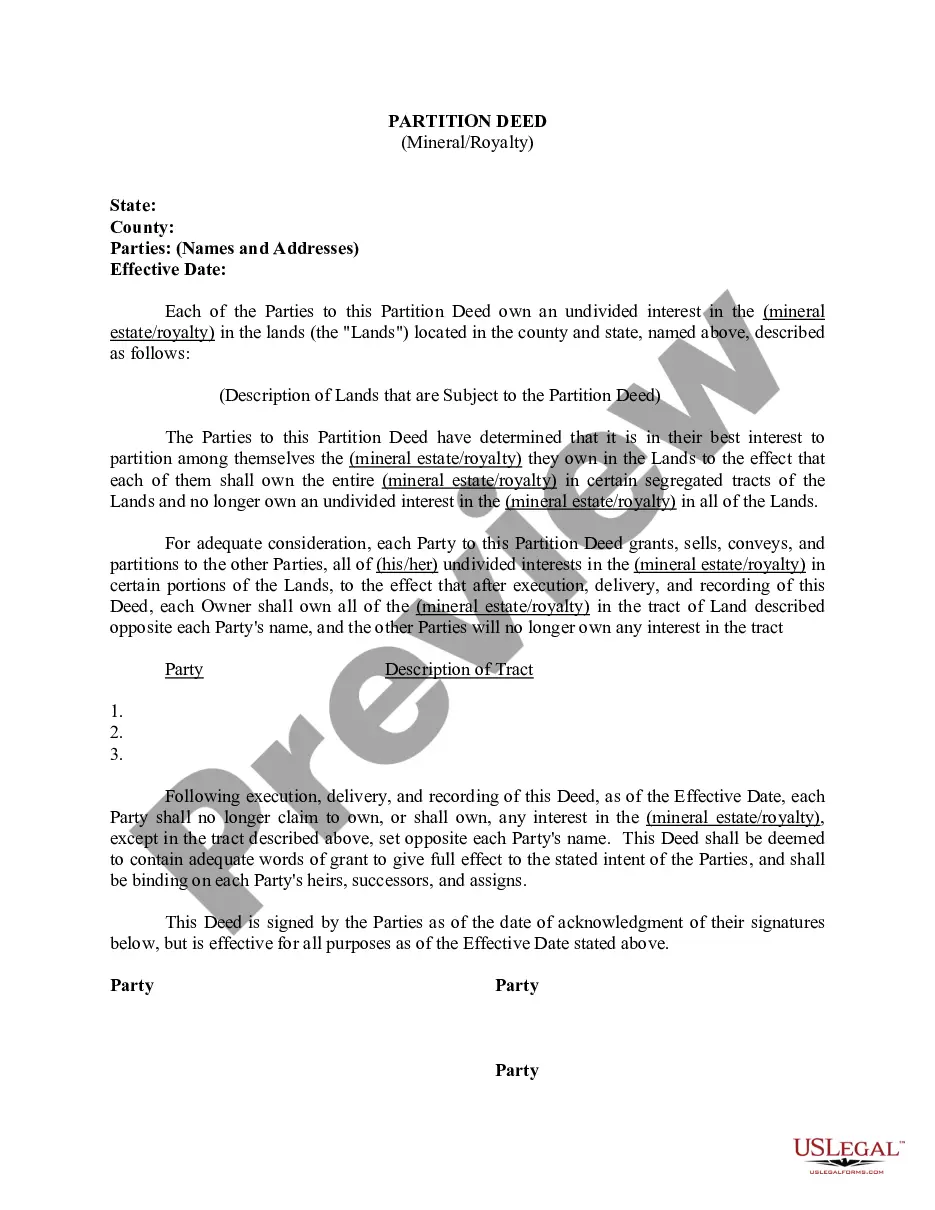
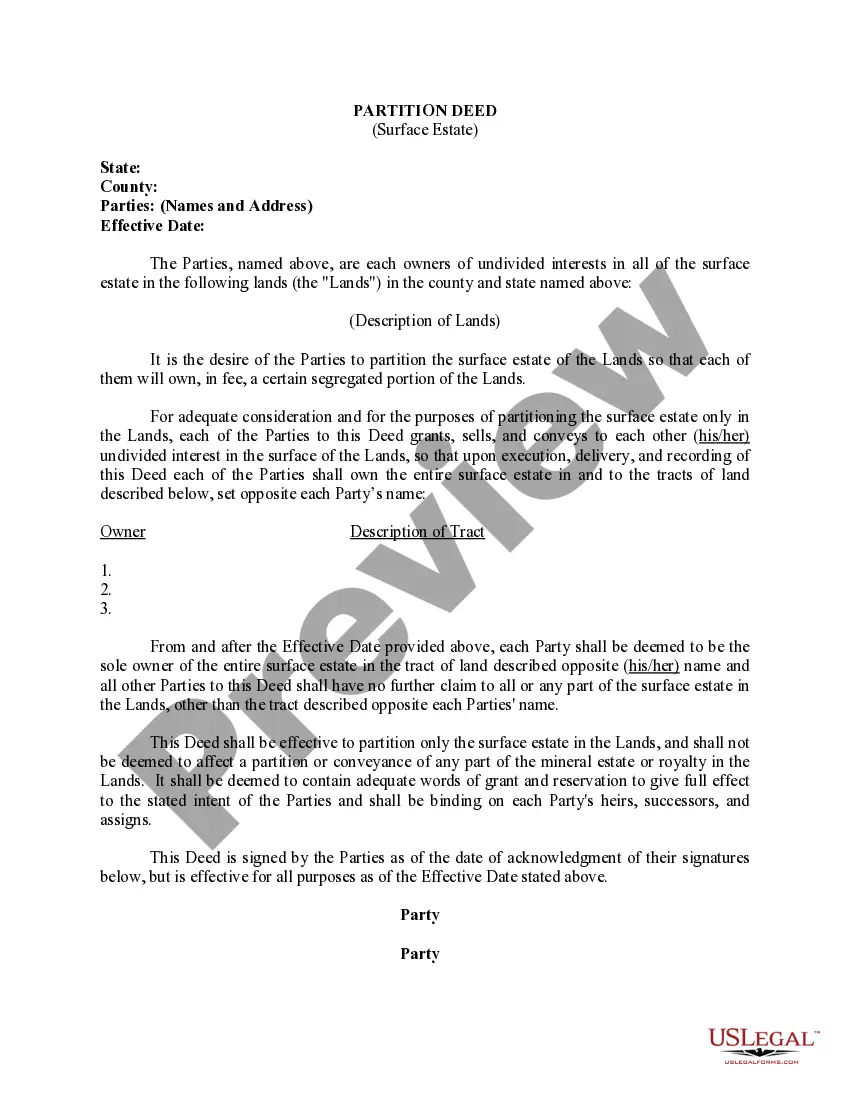
Get your form ready online
Our built-in tools help you complete, sign, share, and store your documents in one place.
Make edits, fill in missing information, and update formatting in US Legal Forms—just like you would in MS Word.
Download a copy, print it, send it by email, or mail it via USPS—whatever works best for your next step.
Sign and collect signatures with our SignNow integration. Send to multiple recipients, set reminders, and more. Go Premium to unlock E-Sign.
If this form requires notarization, complete it online through a secure video call—no need to meet a notary in person or wait for an appointment.
We protect your documents and personal data by following strict security and privacy standards.

Make edits, fill in missing information, and update formatting in US Legal Forms—just like you would in MS Word.

Download a copy, print it, send it by email, or mail it via USPS—whatever works best for your next step.

Sign and collect signatures with our SignNow integration. Send to multiple recipients, set reminders, and more. Go Premium to unlock E-Sign.

If this form requires notarization, complete it online through a secure video call—no need to meet a notary in person or wait for an appointment.

We protect your documents and personal data by following strict security and privacy standards.
Looking for another form?


How to fill out Partition Warranty Deed?
You can spend time online searching for the legal document template that meets the state and federal standards you require. US Legal Forms offers a wide array of legal documents that are reviewed by experts. You can easily obtain or create the Colorado Partition Warranty Deed from the service.
If you already possess a US Legal Forms account, you may Log In and select the Download option. Subsequently, you may fill out, modify, print, or sign the Colorado Partition Warranty Deed. Each legal document template you obtain is yours permanently. To acquire another copy of the purchased form, navigate to the My documents section and select the relevant option.
If you are using the US Legal Forms website for the first time, follow the simple instructions below: First, ensure that you have chosen the correct document template for your preferred region/city. Review the form details to confirm you have selected the appropriate document. If available, utilize the Preview option to examine the document template as well.
- If you wish to obtain another version of the document, use the Lookup field to find the template that fulfills your needs and specifications.
- After you have located the template you desire, click on Acquire now to proceed.
- Select the pricing plan you prefer, enter your credentials, and register for your account on US Legal Forms.
- Complete the transaction. You can use your credit card or PayPal account to pay for the legal document.
- Choose the format of the document and download it to your device.
- Make modifications to your document if necessary. You can fill out, amend, sign, and print the Colorado Partition Warranty Deed.
- Download and print numerous document templates using the US Legal Forms website, which provides the largest selection of legal documents. Utilize professional and state-specific templates to address your business or personal needs.
Form popularity
FAQ
Partition is the division of real or personal property between or among two or more co-owners, such as joint tenants or tenants-in-common. Partition is not a remedy available to owners who hold title as community property or quasi-community property.
It is worth noting that there are always exceptions. It is entirely possible for complex cases to be resolved faster than those with more simple terms. While the process will vary from case to case, it is reasonable to expect a partition action to take anywhere from 18 months to 24 months.
Partition is the division of real or personal property between or among two or more co-owners, such as joint tenants or tenants-in-common. Partition is not a remedy available to owners who hold title as community property or quasi-community property.
A partition suit is an effective remedy for resolving real estate ownership disputes, particularly ones in which co-owners cannot agree on whether to sell or keep a piece of property.
In a partition lawsuit, there are generally four different steps. First, the court determines each party's ownership interests. Second, the court will decide on the manner of sale. Third, the court will order the property be sold.
In Colorado, partition actions are governed by a set of statutes that allow anyone with an interest in the property to petition the court. The court will appoint one or more commissioners to either divide the property or sell it in a public sale and split proceeds among owners.