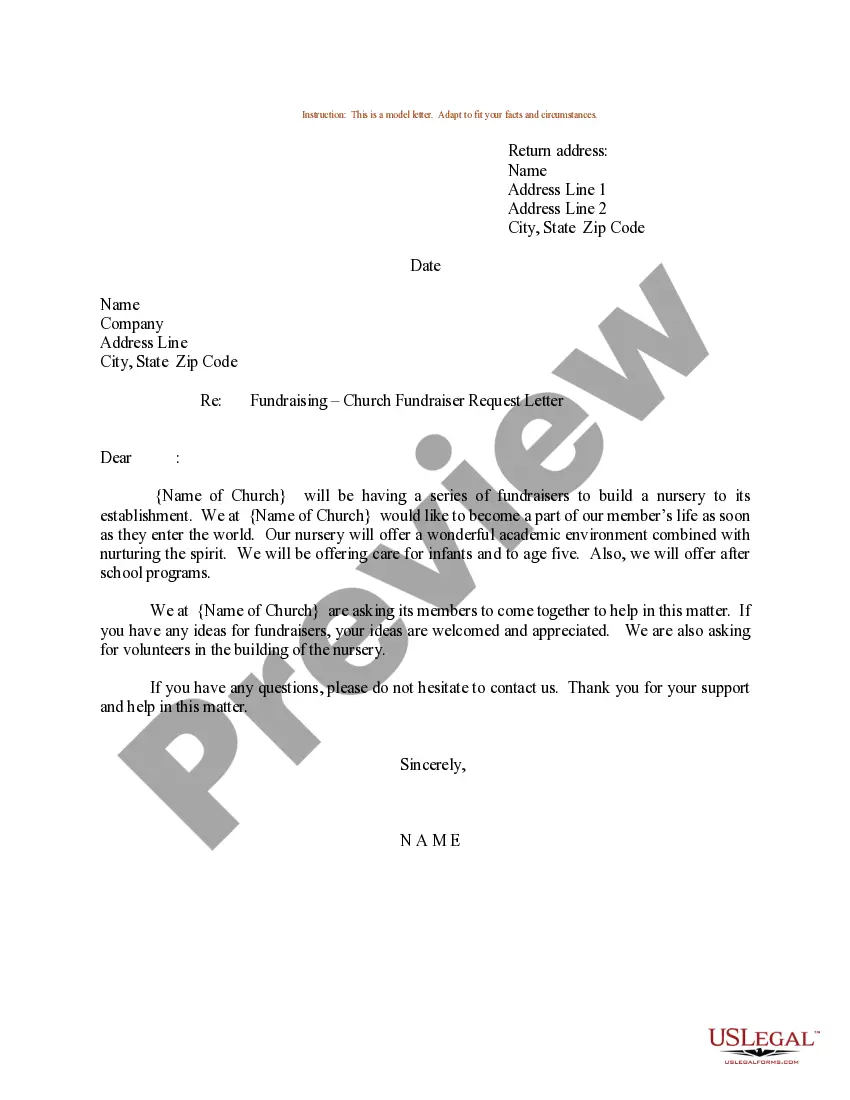
Colorado Employment of Supervisor
Description
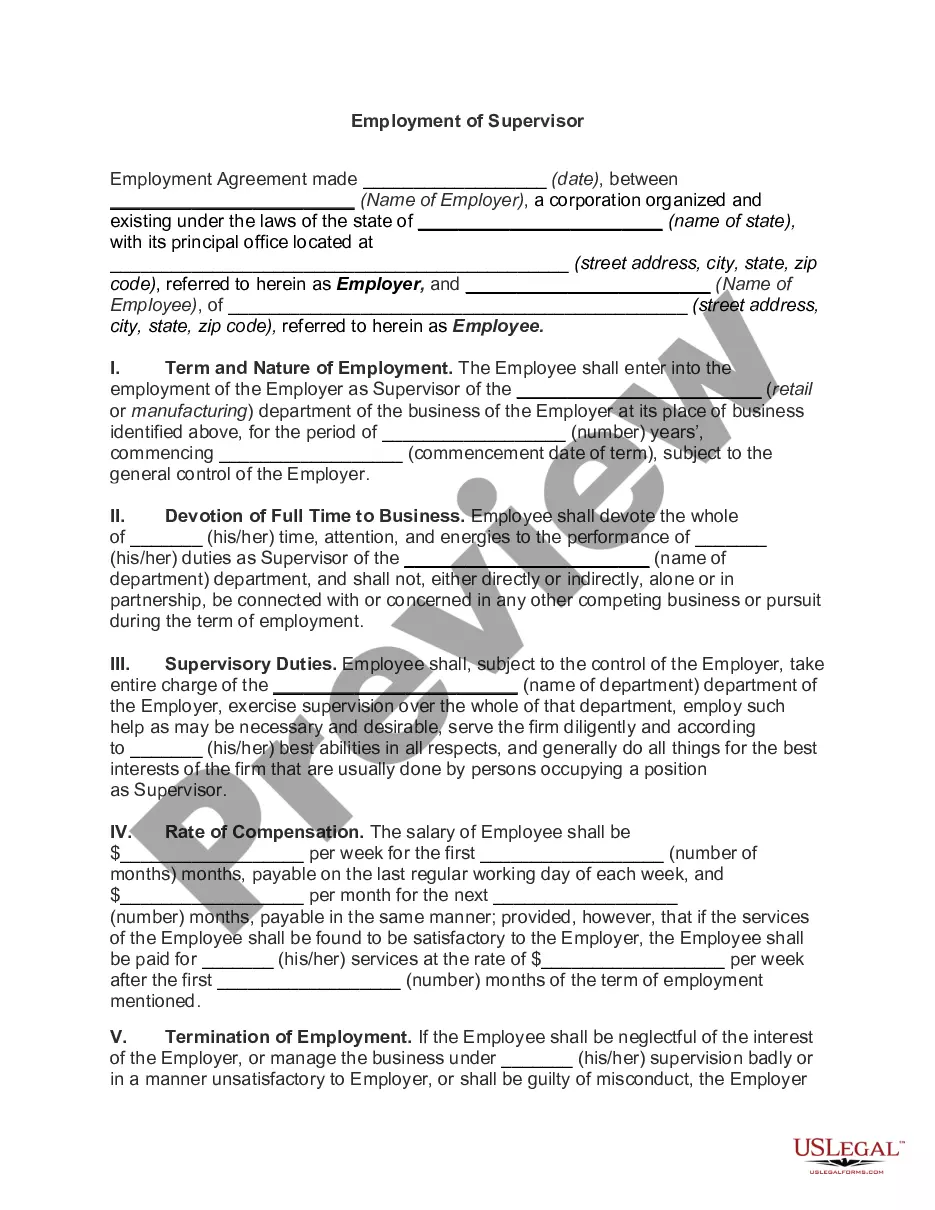
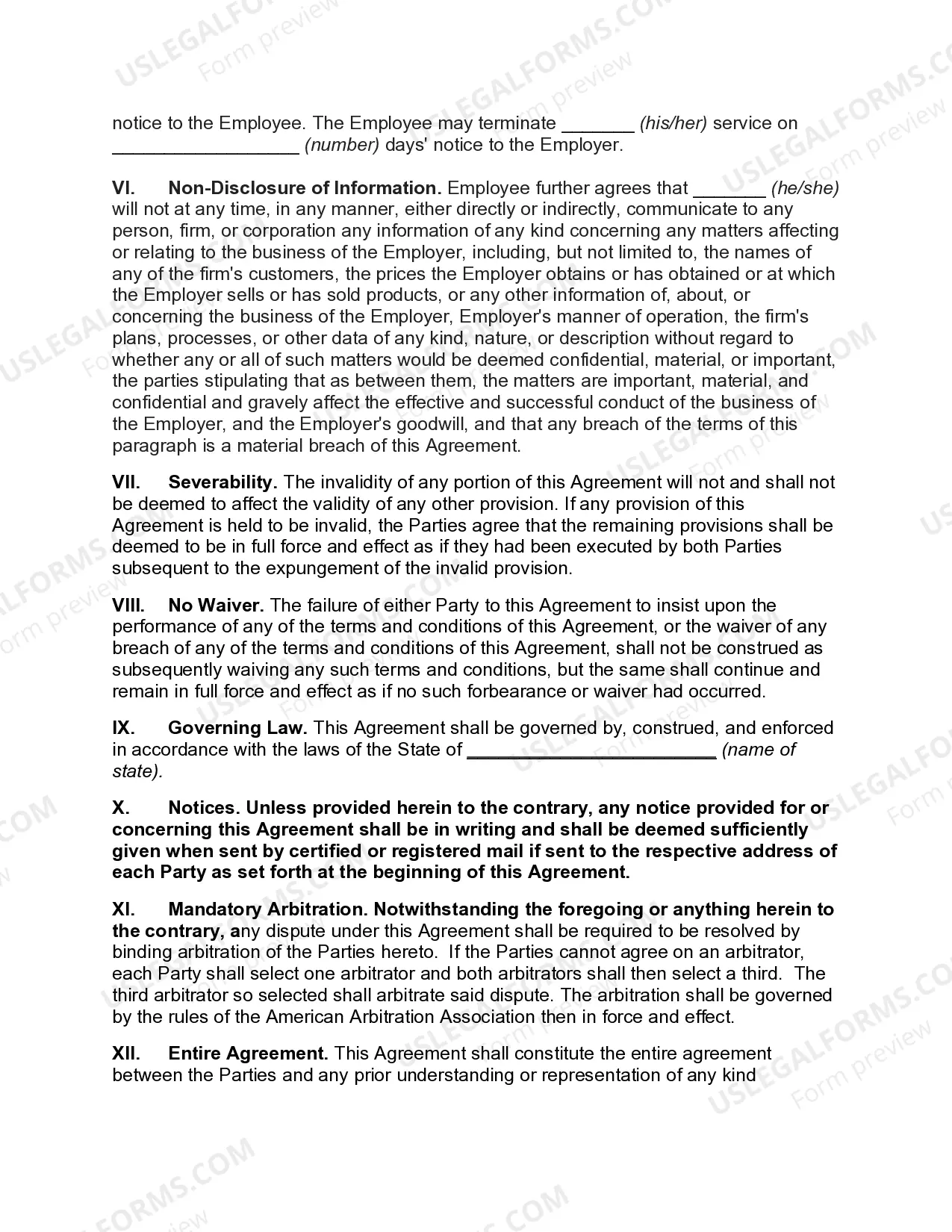
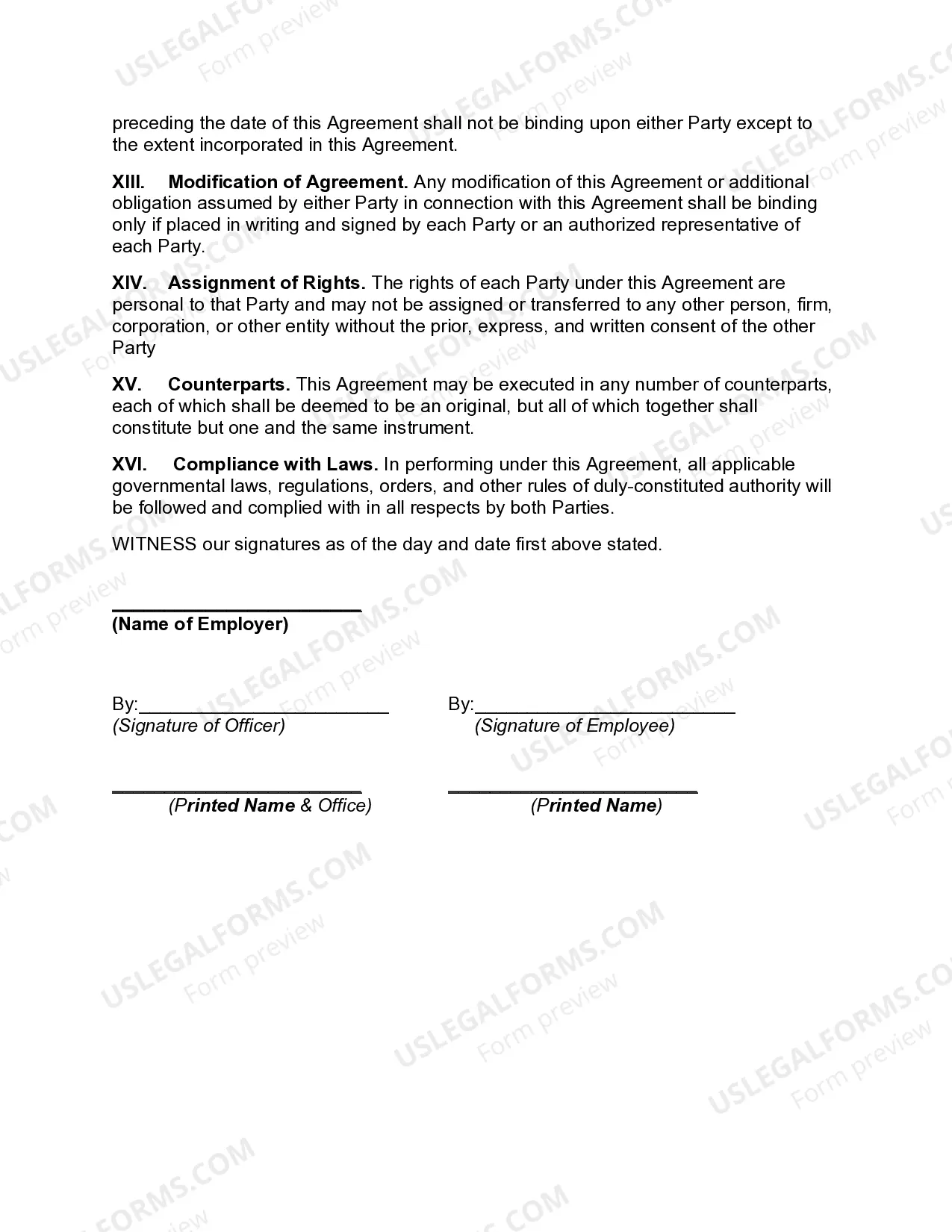
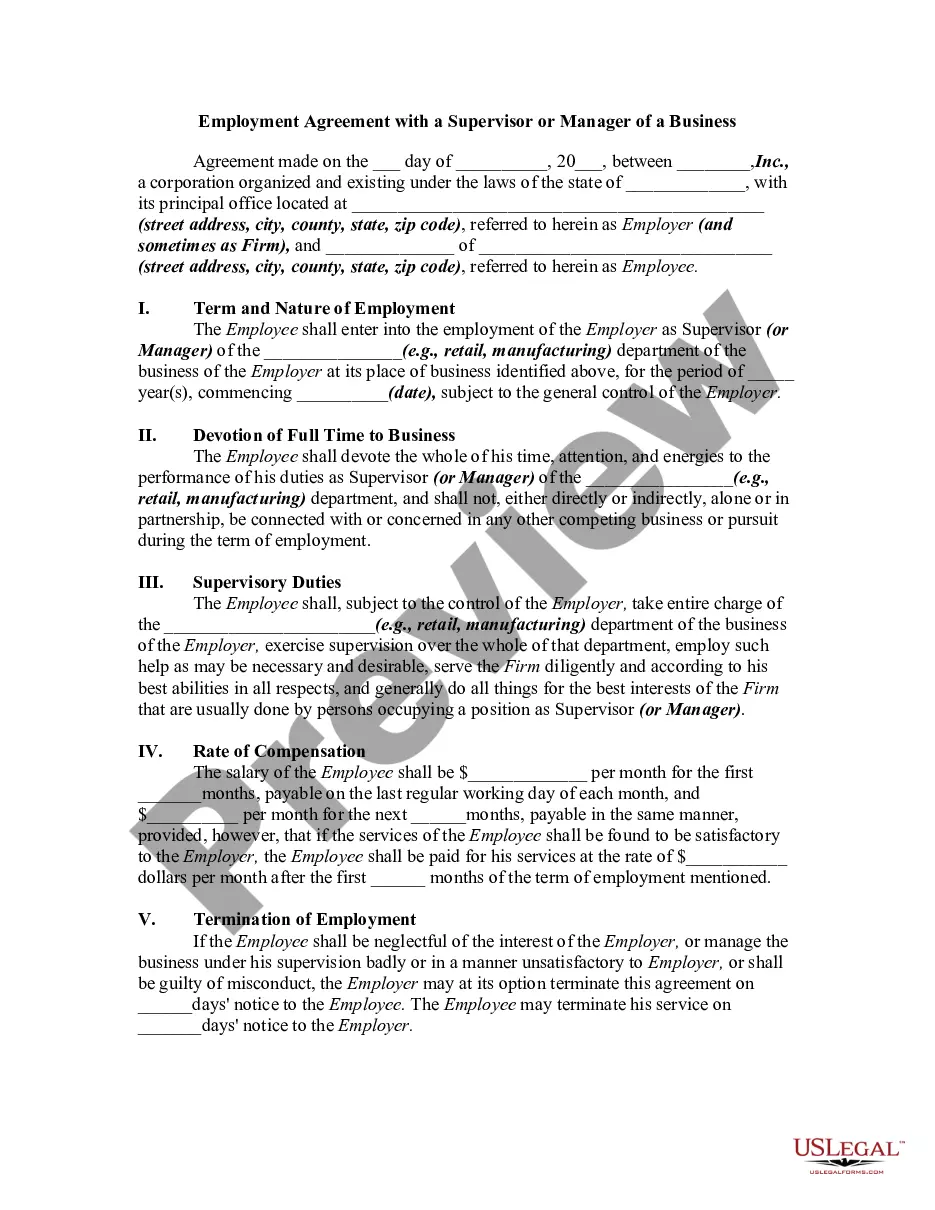
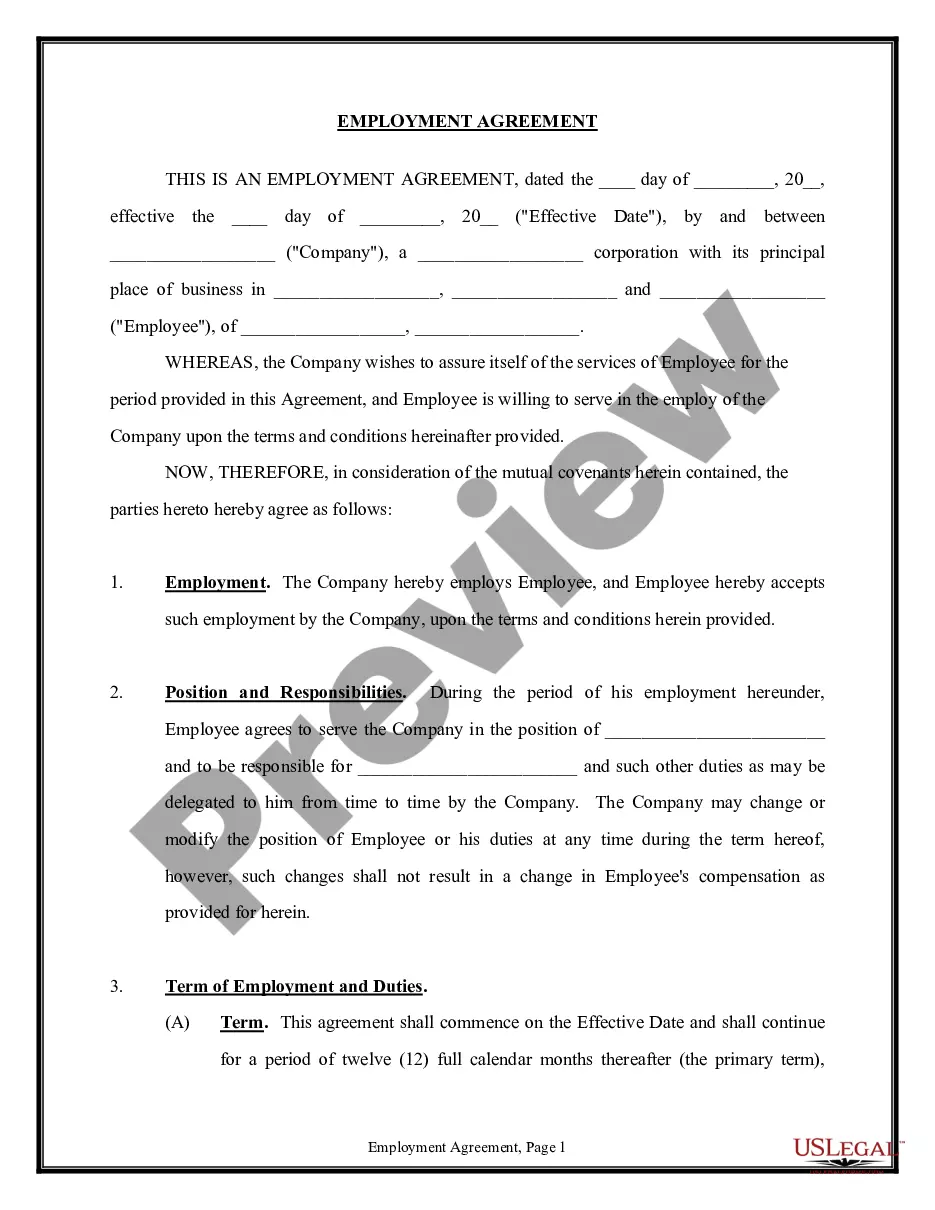
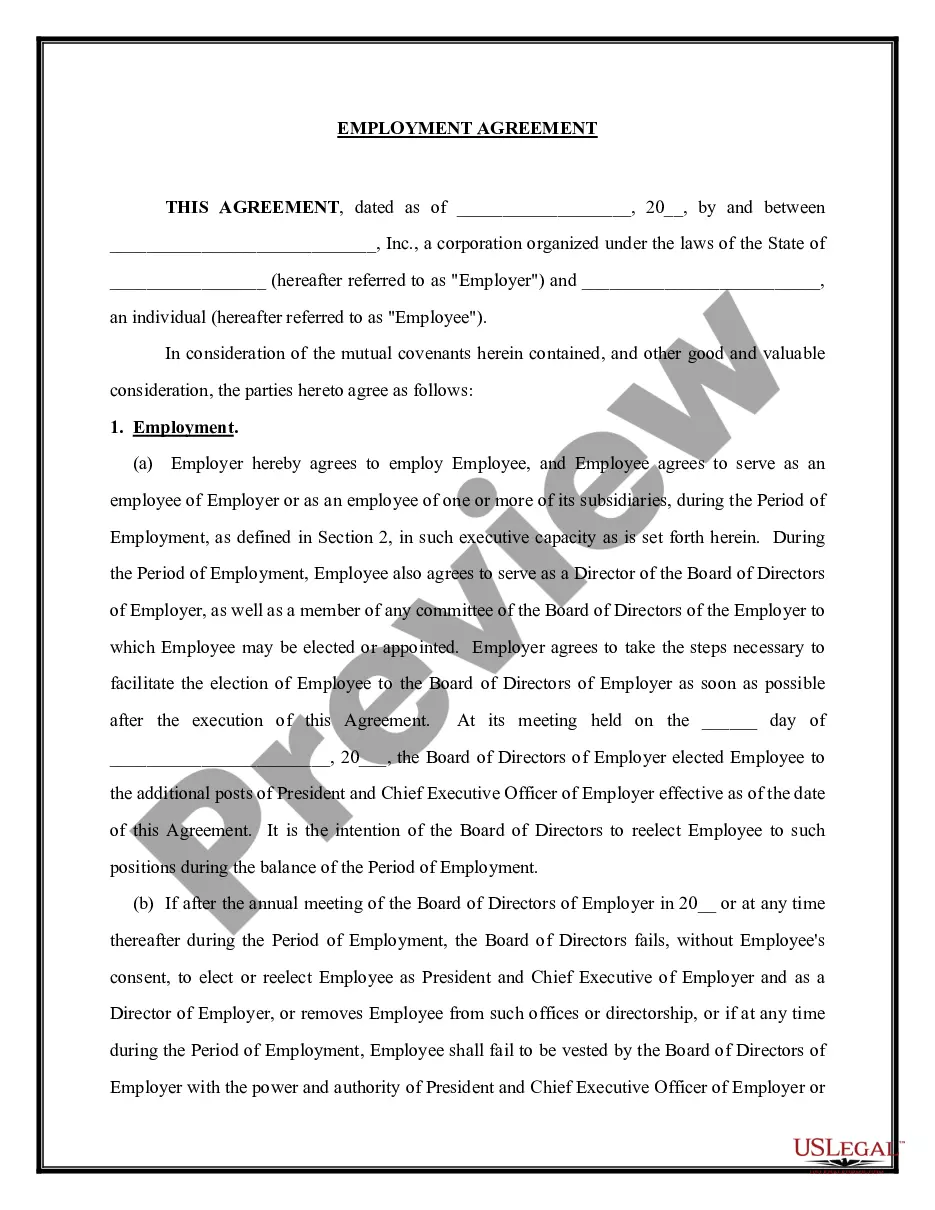
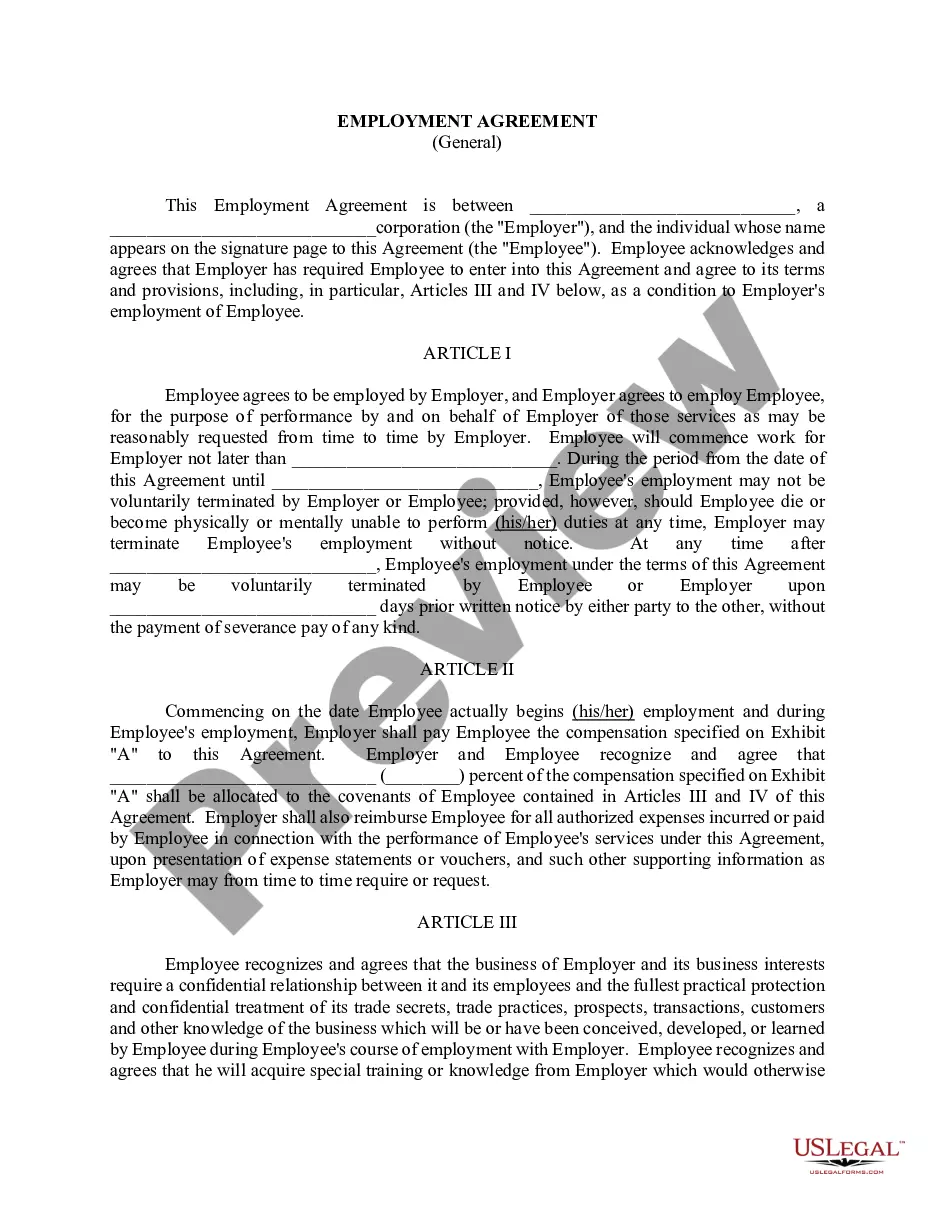



How to fill out Employment Of Supervisor?
Are you presently in a location where you require documents for either business or particular reasons almost every working day.
There are numerous authorized document templates available online, but locating trustworthy ones isn't straightforward.
US Legal Forms provides a vast array of form templates, including the Colorado Employment of Supervisor, which can be tailored to comply with state and federal regulations.
When you find the suitable form, simply click Purchase now.
Choose a convenient document format and download your copy.
- If you are already familiar with the US Legal Forms website and have your account, simply Log In.
- After that, you can access the Colorado Employment of Supervisor template.
- If you do not have an account and wish to start using US Legal Forms, follow these instructions.
- Obtain the form you need and ensure it's for the correct jurisdiction/area.
- Use the Preview button to review the form.
- Check the overview to confirm you have selected the appropriate form.
- If the form isn't what you are looking for, utilize the Search field to locate the form that matches your needs and requirements.
Form popularity
FAQ
A supervisor, or lead, (also known as foreman, boss, overseer, facilitator, monitor, area coordinator, line-manager or sometimes gaffer) is the job title of a lower-level management position that is primarily based on authority over workers or workplace.
A manager may be a first-level manager who supervises employees directly or a second-level manager who manages supervisors. The size of the company usually determines which.
In the U.S., information is called "classified" if it has been assigned one of the three levels: Confidential, Secret, or Top Secret. Information that is not so labeled is called "Unclassified information".
Classified employees are part of the Colorado Classified State Personnel System. The Classified State Personnel System is a merit system, which means that all appointments and promotions to jobs in the system require applicants to apply and compete against similar standards.
Typically, a supervisor is below a manager in the organizational hierarchy. In fact, the title of supervisor is often one of the first managerial positions a qualified and competent employee might put on his or her resume.
Certified or Non-Certified Employees Other positions, including Administrative Professionals, Faculty and Graduate Assistants, Non-Student hourly employees, and certain fellows, interns, and trainees, hold non-classified positions.
Unclassified employees are sometimes called "white collar" workers, named after the white dress shirts often worn with a business suit. They are typically company executives, administrators, outside sales representatives and professionals, earning a salary or commission versus an hourly wage.
The five key supervisory roles include Educator, Sponsor, Coach, Counselor, and Director. Each is described below. Note that in your role as a supervisor, you will be using these five roles, in some combination, simultaneously, depending on the needs of the team members.
The supervisor's overall role is to communicate organizational needs, oversee employees' performance, provide guidance, support, identify development needs, and manage the reciprocal relationship between staff and the organization so that each is successful.
In terms of hierarchy, managers typically rank higher than supervisors. Within most organizations, managers are regarded as middle-level management. They report to a director, someone within the C-suite, or vice president (VP). Often, they have the authority to hire, dismiss, or promote employees.