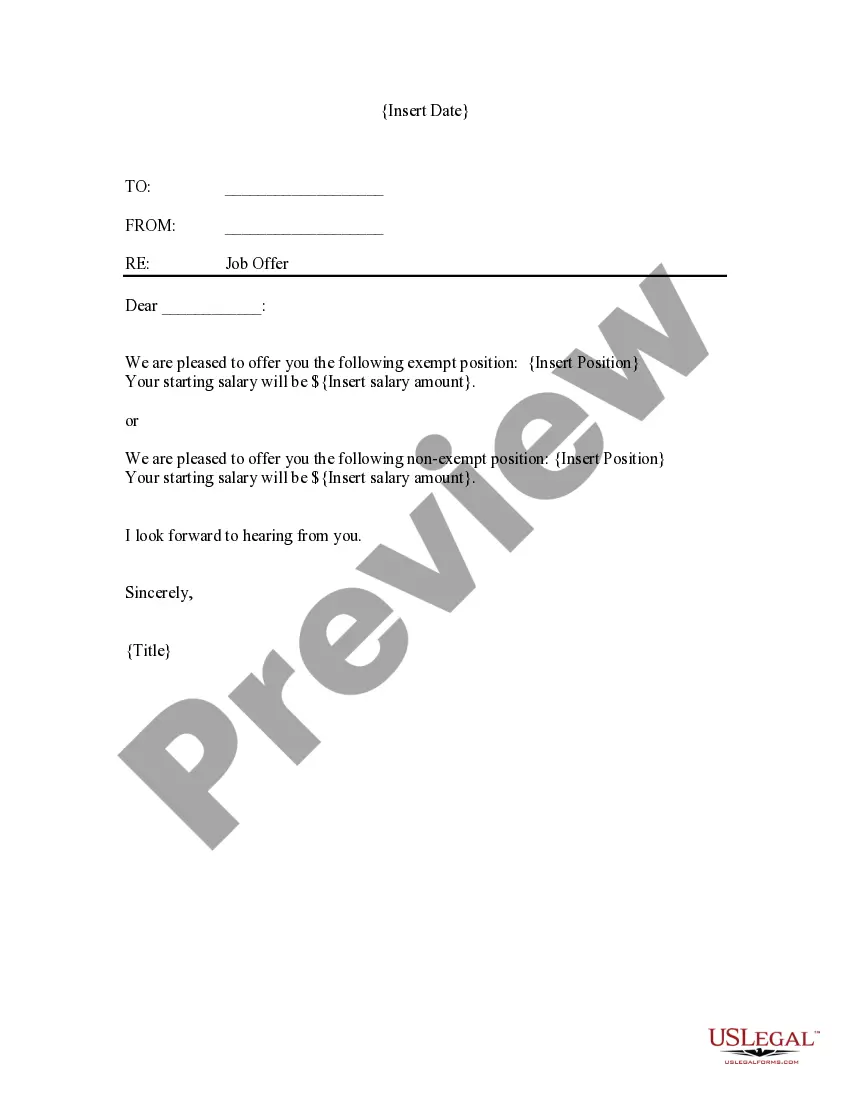
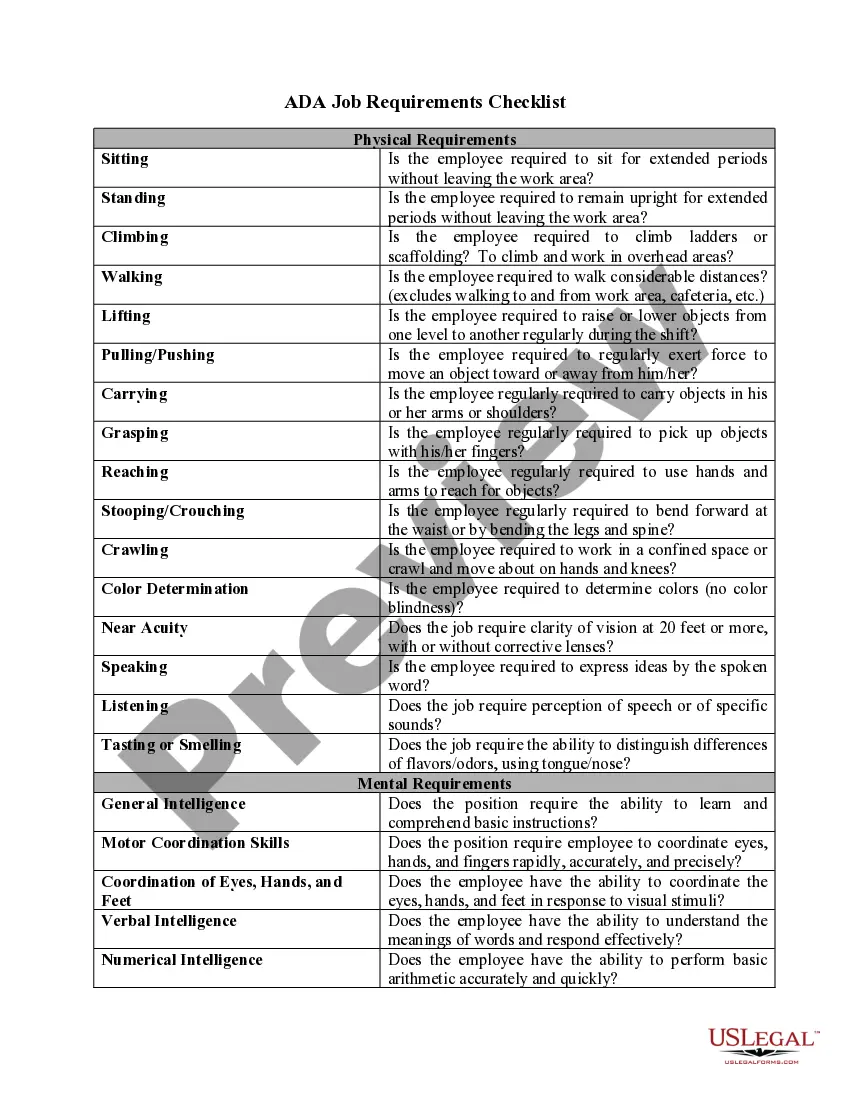
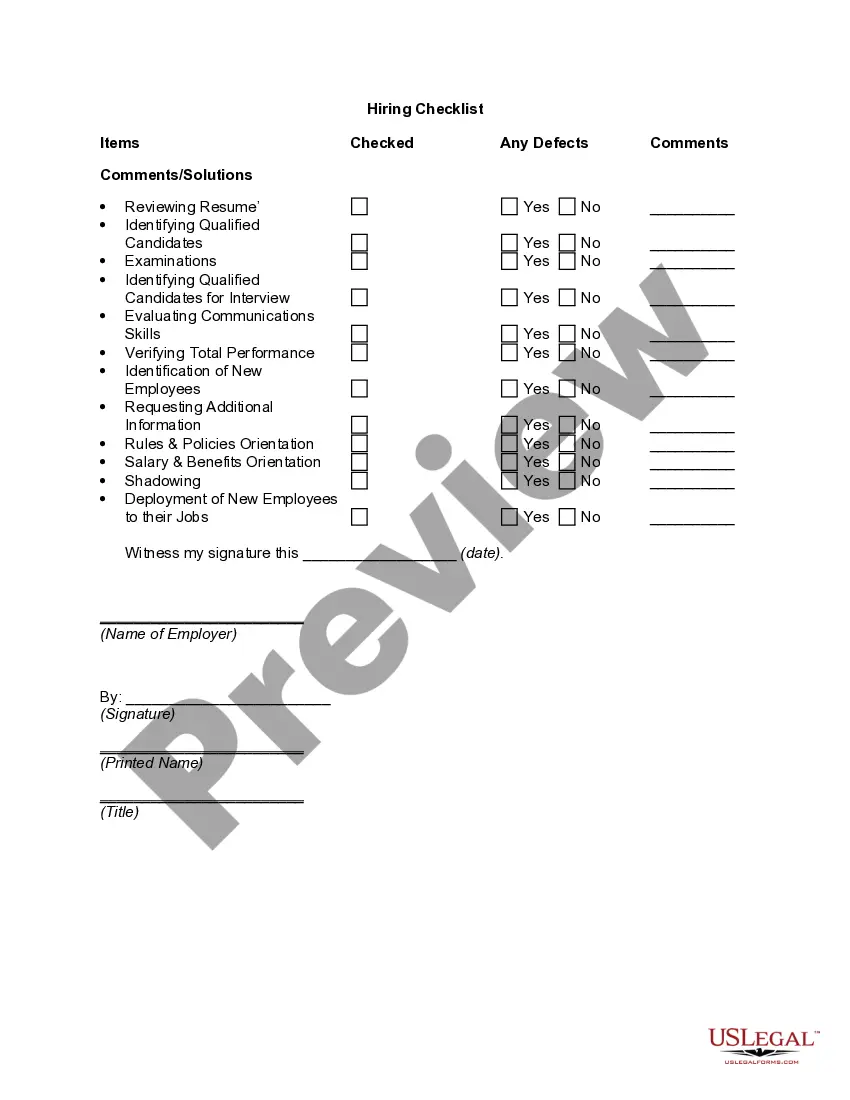
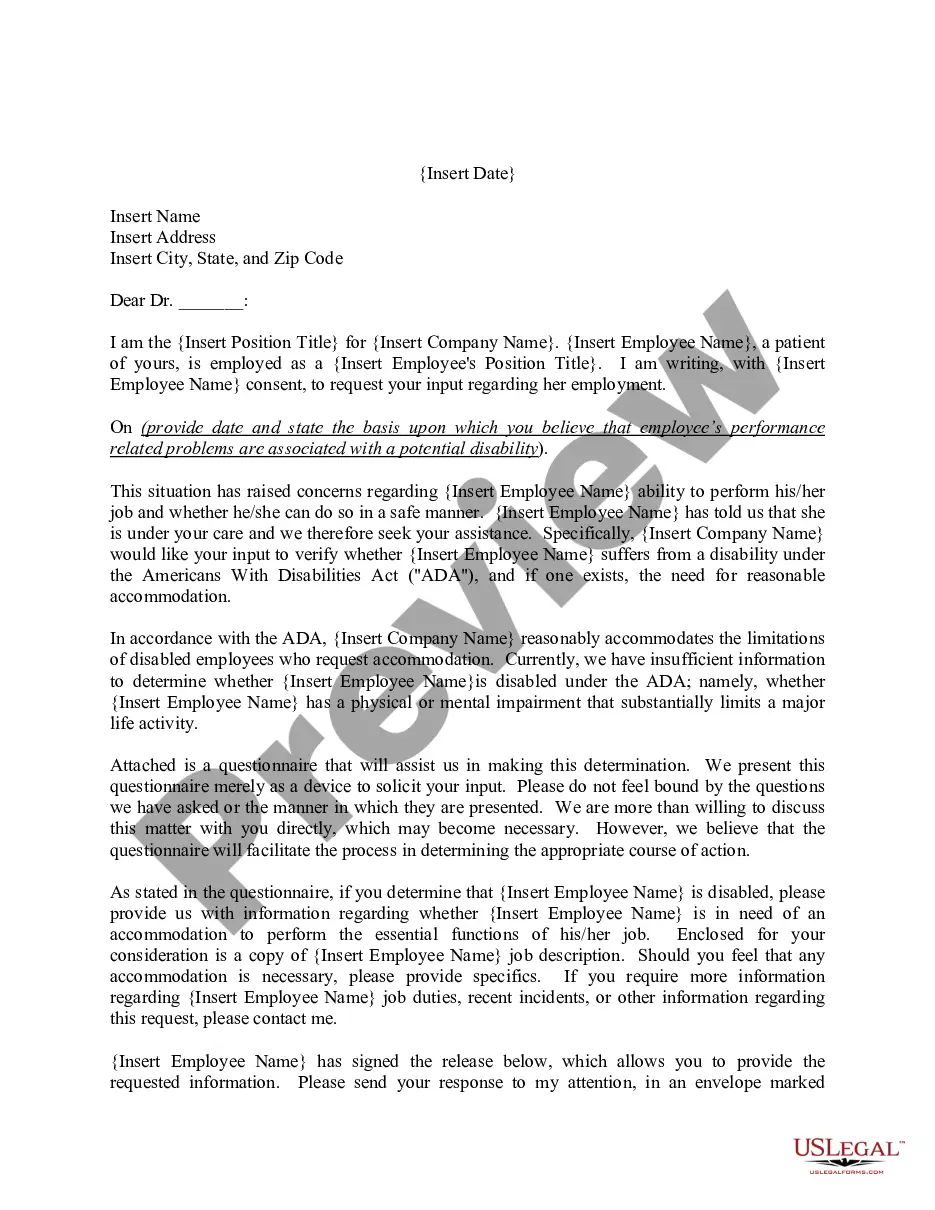
Colorado ADA Jobs Requirements Checklist
Description
Get your form ready online
Our built-in tools help you complete, sign, share, and store your documents in one place.
Make edits, fill in missing information, and update formatting in US Legal Forms—just like you would in MS Word.
Download a copy, print it, send it by email, or mail it via USPS—whatever works best for your next step.
Sign and collect signatures with our SignNow integration. Send to multiple recipients, set reminders, and more. Go Premium to unlock E-Sign.
If this form requires notarization, complete it online through a secure video call—no need to meet a notary in person or wait for an appointment.
We protect your documents and personal data by following strict security and privacy standards.

Make edits, fill in missing information, and update formatting in US Legal Forms—just like you would in MS Word.

Download a copy, print it, send it by email, or mail it via USPS—whatever works best for your next step.

Sign and collect signatures with our SignNow integration. Send to multiple recipients, set reminders, and more. Go Premium to unlock E-Sign.

If this form requires notarization, complete it online through a secure video call—no need to meet a notary in person or wait for an appointment.

We protect your documents and personal data by following strict security and privacy standards.
Looking for another form?



How to fill out ADA Jobs Requirements Checklist?
Are you presently in a scenario where you require documents for either business or personal purposes almost every day.
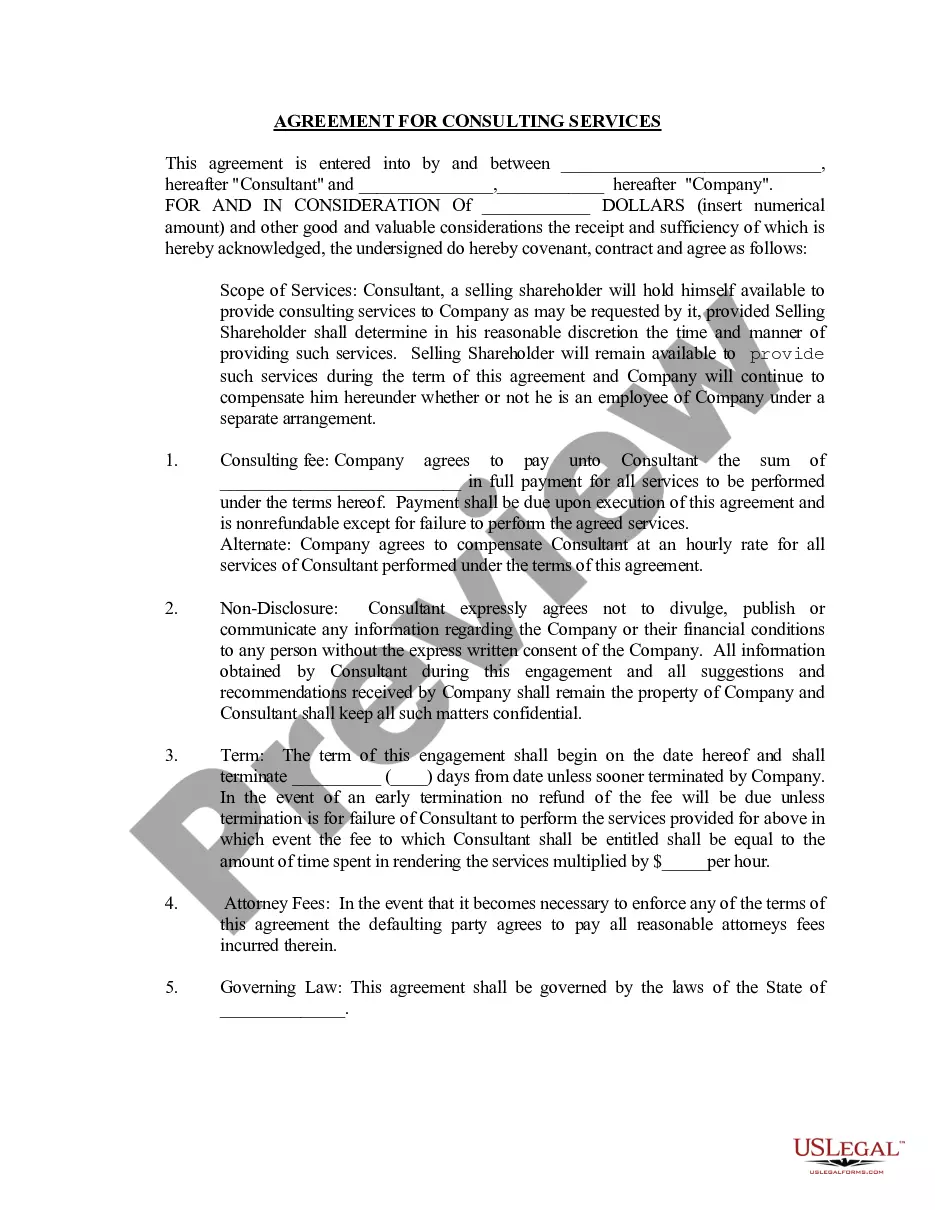
Numerous legal document templates can be found online, but finding those that are dependable can be challenging. US Legal Forms offers a vast array of form templates, including the Colorado ADA Jobs Requirements Checklist, tailored to comply with federal and state regulations.
If you are already acquainted with the US Legal Forms website and possess an account, simply Log In. After that, you can download the Colorado ADA Jobs Requirements Checklist template.
Access all the document templates you have purchased in the My documents section. You can retrieve an additional copy of the Colorado ADA Jobs Requirements Checklist anytime, if desired. Click on the necessary form to download or print the document template.
Utilize US Legal Forms, the most comprehensive collection of legal forms, to save time and minimize mistakes. The service provides professionally designed legal document templates that can be utilized for various purposes. Create an account on US Legal Forms and start making your life a bit easier.
- Obtain the form you need and ensure it is for the correct region/county.
- Utilize the Preview button to examine the document.
- Check the summary to confirm that you have chosen the right form.
- If the form does not match what you’re looking for, use the Search field to locate the form that fulfills your needs.
- Once you find the correct form, click Get now.
- Select the pricing plan you prefer, complete the necessary details to create your account, and process the payment using your PayPal or credit card.
- Choose a suitable file format and download your copy.
Form popularity
FAQ
What types of accommodations are generally considered reasonable?Change job tasks.Provide reserved parking.Improve accessibility in a work area.Change the presentation of tests and training materials.Provide or adjust a product, equipment, or software.Allow a flexible work schedule.More items...
How to Handle an Employee's Request for an ADA AccommodationStep 1: Determine Whether the Employer Is Covered by the ADA.Step 2: Ensure a Policy and Procedure Exist for Handling Accommodation Requests.Step 3: Determine Whether the Employee with a Disability Is "Qualified"Step 4: Initiate the Interactive Process.More items...
The ADA only requires that an employer provide employees with disabilities equal access to whatever health insurance coverage is offered to other employees.
It prohibits disability discrimination. The ADA is divided into four main sections, which are called Titles: Title I covers employment; Title II covers public entities and public transportation; Title III covers public accommodations and commercial facilities; and Title IV covers telecommunications.
The ADA is divided into five titles:Employment (Title I)Public Services (Title II)Public Accommodations (Title III)Telecommunications (Title IV)Miscellaneous (Title V)
The Americans with Disabilities Act (ADA) prohibits discrimination against people with disabilities in several areas, including employment, transportation, public accommodations, communications and access to state and local government' programs and services.
The ADA's four primary goals include full participation, equal opportunity, independent living and economic self-sufficiency.
Have an equal opportunity to be promoted once they are working; have equal access to benefits and privileges of employment that are offered to other employees, such as employer-provided health insurance or training; and. must not be harassed because of their disability.
To state a claim under title II of the ADA, a plaintiff must prove three elements: (1) that he is a qualified individual with a disability, (2) that he was discriminated against by being excluded from or denied the benefits of a public entity's services, and (3) that he was discriminated against because of his
Under the ADA, employers must make reasonable accommodations that enable employees with disabilities to enjoy equal benefits of employment. Therefore, if an employer provides parking for all employees, then it must provide parking for employees with disabilities, unless it would pose an undue hardship to do so.