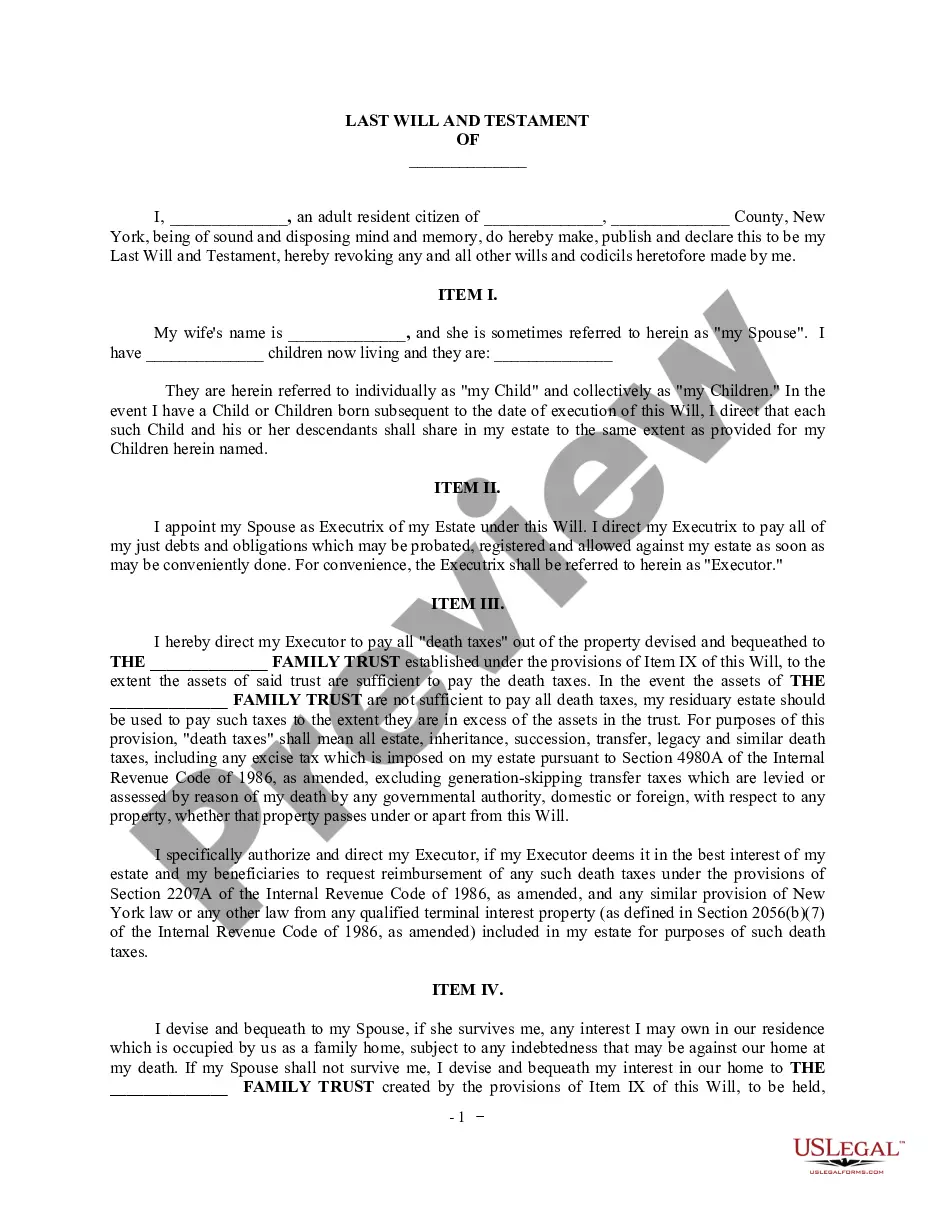
Connecticut Motion to Vacate and Re-Arrest Warrant
What this document covers
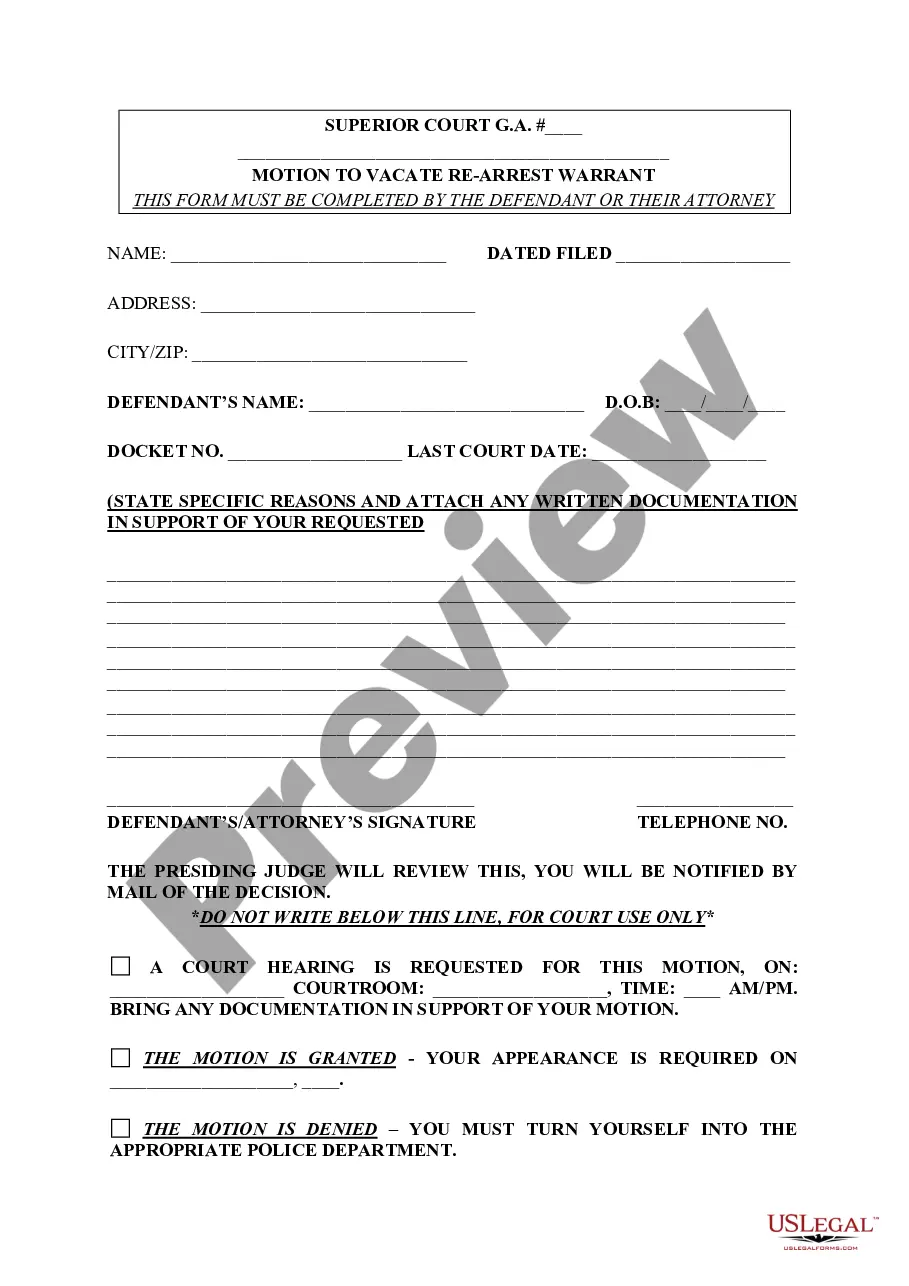
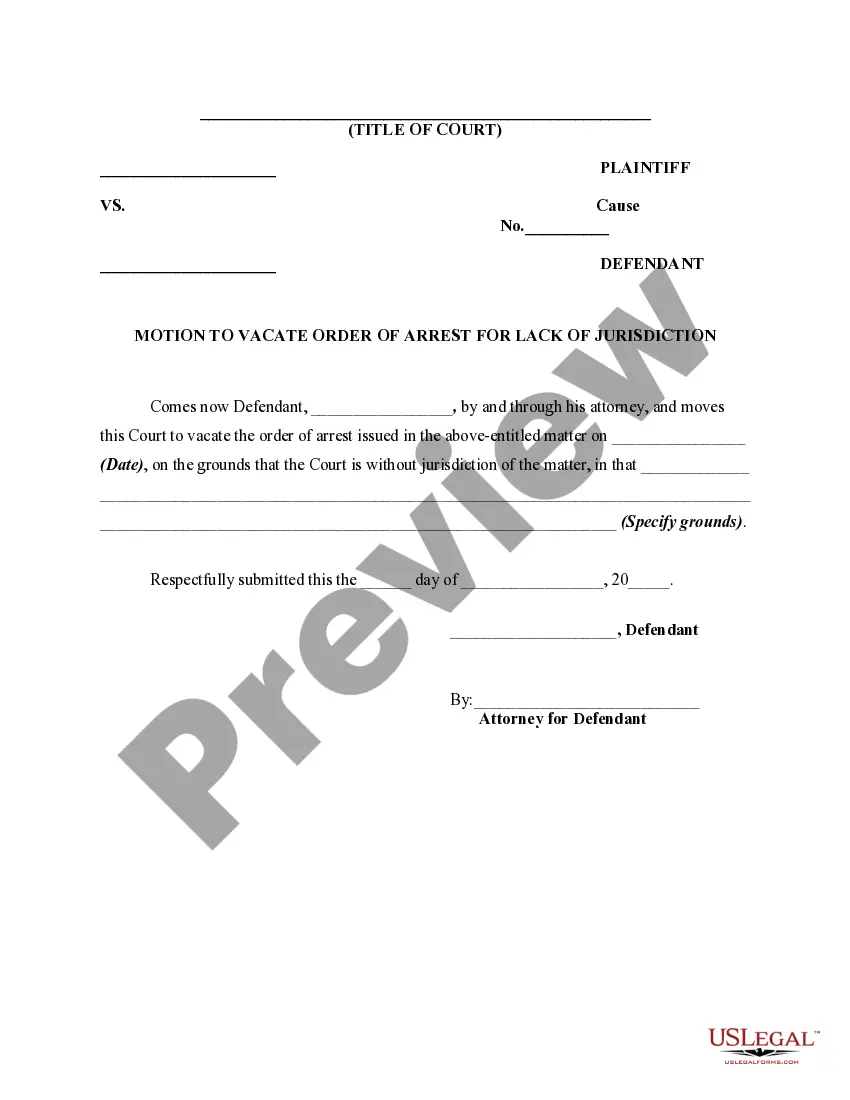
The Motion to Vacate and Re-Arrest Warrant is a legal document that requests the court to withdraw a previous order or judgment. This form specifically seeks to vacate an existing arrest warrant issued by the court. By filing this motion, the defendant or their attorney is asking the same court that issued the warrant to reconsider its decision, differentiating it from other motions that may address different legal matters.
Form components explained
- Defendant's name and contact information: Identifies the person making the motion.
- Docket number: References the specific court case related to the motion.
- Last court date: Indicates the date of the most recent court proceedings.
- Reasons for requesting vacate: Provides specific reasons and necessary documentation to support the motion.
- Signature section: Requires the defendant or attorneyâs signature for validity.
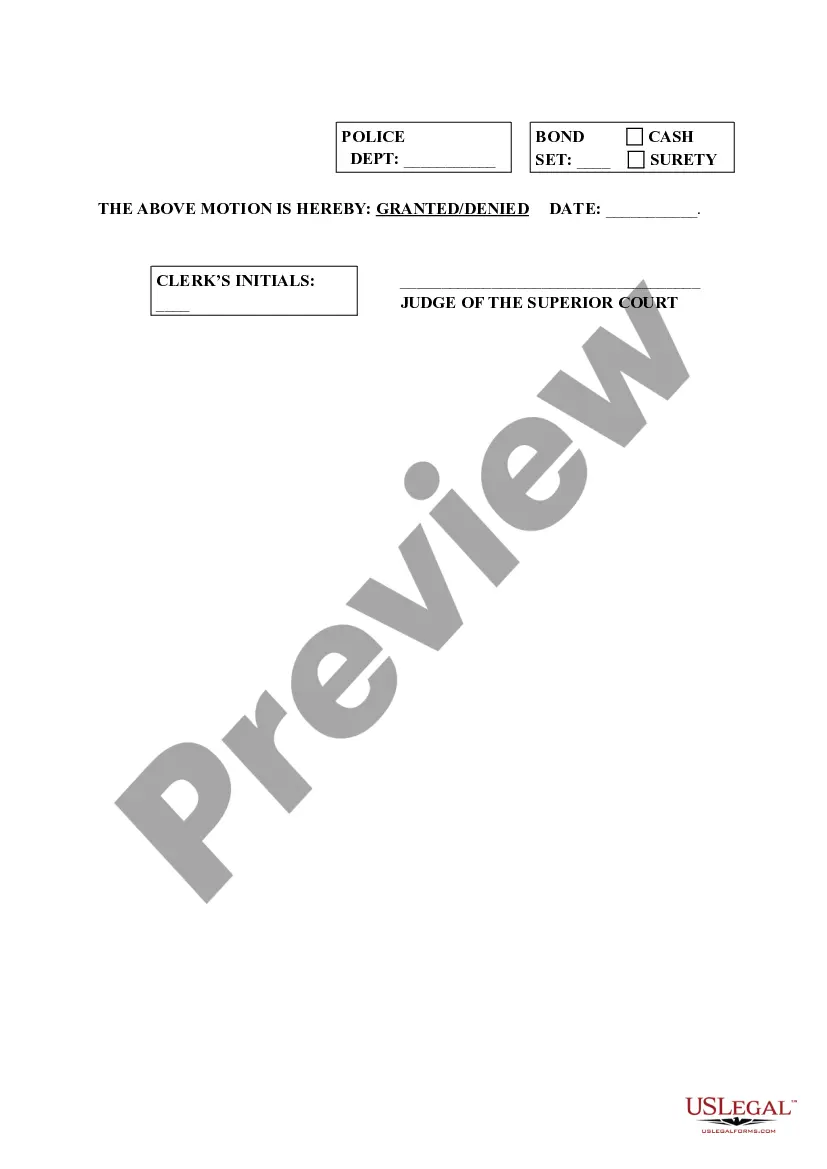
- Court use only section: For court clerks to track hearing requests and motions outcomes.
When this form is needed
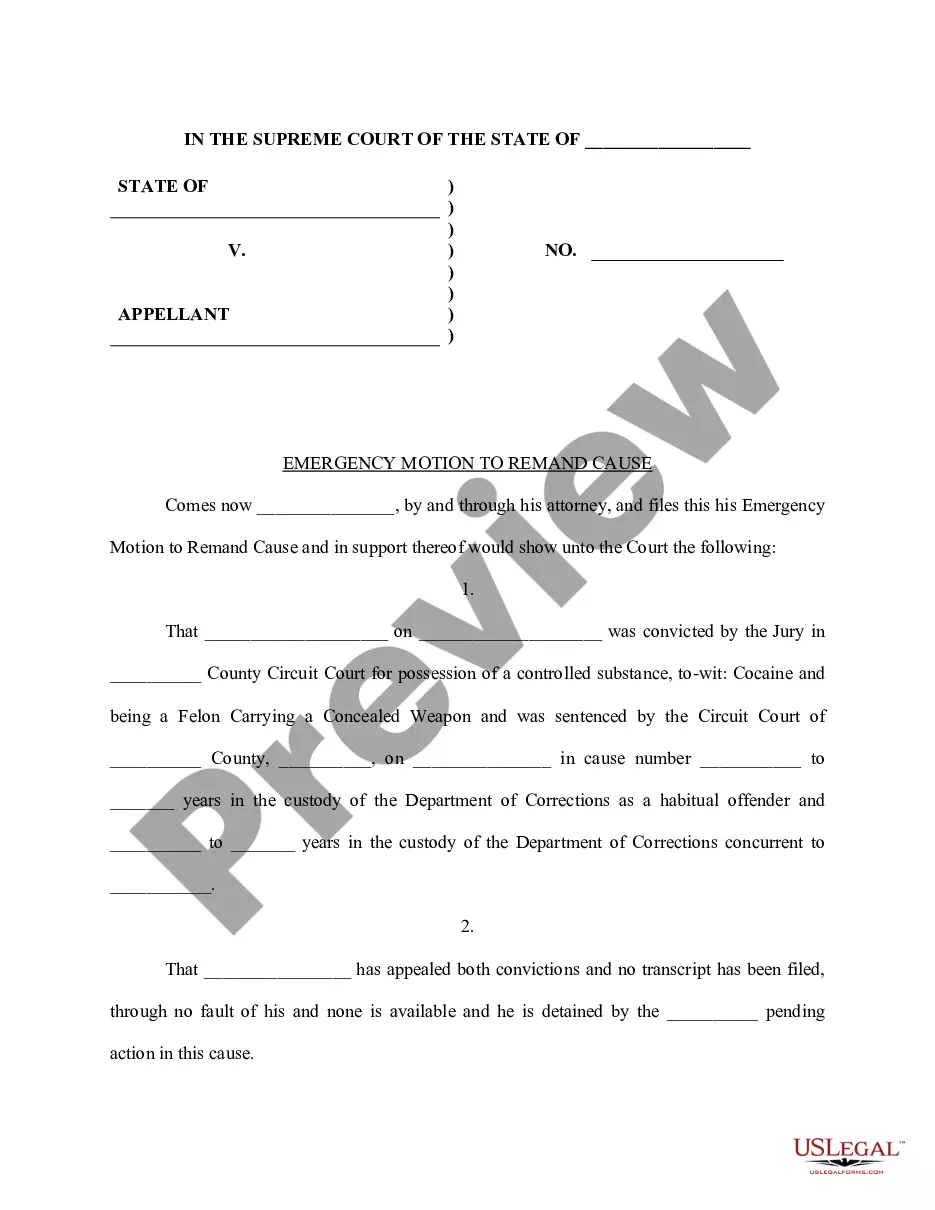
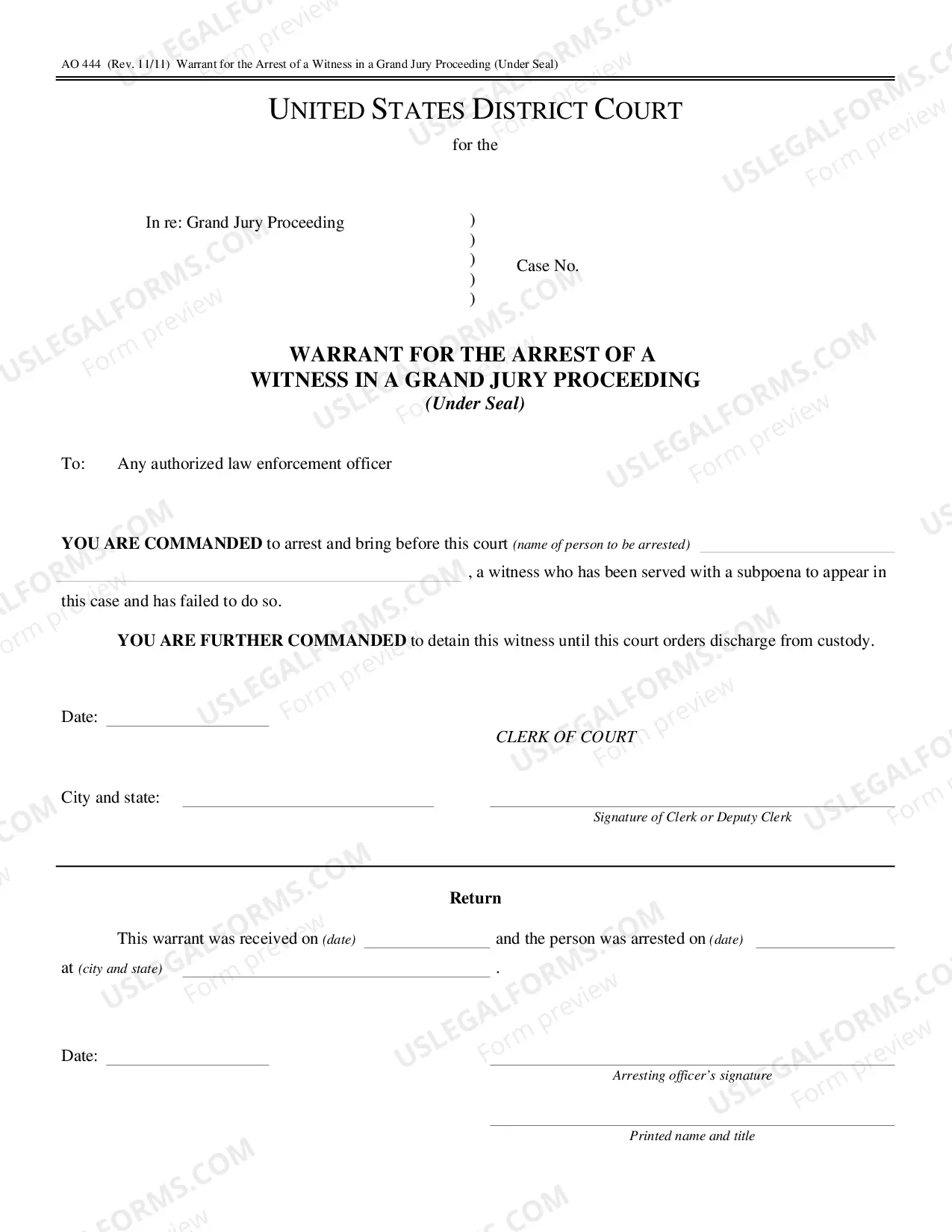
This form should be used when a defendant wishes to challenge or appeal against an arrest warrant that has been previously issued. Situations can include new evidence supporting the defendant's case, a change in circumstances, or instances where the warrant was issued in error. Filing this motion timely is crucial to avoid unnecessary detention.
Who can use this document
- Defendants who have an active arrest warrant against them.
- Attorneys representing clients challenging an arrest warrant.
- Individuals who believe there has been a mistake or misunderstanding regarding their warrant status.
How to prepare this document
- Enter your name and contact information as the defendant.
- Fill in the docket number associated with your case to allow the court to identify it.
- Specify the last court date to provide context for your motion.
- Clearly state the reasons for your request to vacate the warrant and attach any supporting documents.
- Sign the form and provide your contact telephone number.
- Submit the completed form to the court for review and await a notification of the court's decision.
Notarization requirements for this form
This form does not typically require notarization unless specified by local law. Be sure to check your stateâs specific regulations regarding this requirement.
Get your form ready online
Our built-in tools help you complete, sign, share, and store your documents in one place.
Make edits, fill in missing information, and update formatting in US Legal Forms—just like you would in MS Word.
Download a copy, print it, send it by email, or mail it via USPS—whatever works best for your next step.
Sign and collect signatures with our SignNow integration. Send to multiple recipients, set reminders, and more. Go Premium to unlock E-Sign.
If this form requires notarization, complete it online through a secure video call—no need to meet a notary in person or wait for an appointment.
We protect your documents and personal data by following strict security and privacy standards.

Make edits, fill in missing information, and update formatting in US Legal Forms—just like you would in MS Word.

Download a copy, print it, send it by email, or mail it via USPS—whatever works best for your next step.

Sign and collect signatures with our SignNow integration. Send to multiple recipients, set reminders, and more. Go Premium to unlock E-Sign.

If this form requires notarization, complete it online through a secure video call—no need to meet a notary in person or wait for an appointment.

We protect your documents and personal data by following strict security and privacy standards.
Common mistakes to avoid
- Failing to provide complete and accurate information in the required fields.
- Not attaching supporting documentation which can strengthen your case.
- Missing the submission deadline for filing the motion.
- Neglecting to sign the form before submitting it to the court.
Benefits of completing this form online
- Convenience of downloading and filling the form at any time.
- Editability allows for easy corrections and updates before finalizing.
- Access to legally vetted templates ensures compliance with jurisdictional requirements.
Legal use & context
- Filing this motion can prevent unwanted arrest and clarify legal standing.
- This motion must be submitted correctly to ensure it is acknowledged by the court.
- Understand that the decision made by the court can significantly impact the defendantâs legal status.
Quick recap
- The Motion to Vacate and Re-Arrest Warrant allows a defendant to contest an arrest warrant.
- Providing thorough and accurate information increases the likelihood of a favorable outcome.
- Consult with an attorney if unsure about the motion process or specific legal strategies.
Looking for another form?
Form popularity
FAQ
This form is a Connecticut standard criminal filing used to request that an arrest warrant be vacated and to address any accompanying re-arrest procedures. It’s intended for use when a warrant should be reconsidered in light of new information, a change in circumstances, or a procedural adjustment. It guides the court through a formal request and helps ensure proper notice to involved parties.
Vacating a warrant means asking the court to cancel or lift an active arrest warrant. In Connecticut, the Connecticut Motion to Vacate and Re-Arrest Warrant provides a mechanism to request this relief and to address related re-arrest procedures in a single filing. The form helps present grounds, notices, and the relief sought to the court, while ensuring the necessary record of the request.
Section 17-4 of the Connecticut Practice Book outlines procedural rules for motions in criminal actions, including how to file and serve motions like the Connecticut Motion to Vacate and Re-Arrest Warrant. It guides the format, timing, and notice requirements to ensure the court accepts the filing. Following it helps maintain proper process and reduces filing delays.
The Connecticut Motion to Vacate and Re-Arrest Warrant does not set or determine charges. It is used to request the court vacate a warrant and address related re-arrest considerations. If a particular charge applies in the underlying case, that charge is set by the charging document and relevant statutes, not by this motion.
Connecticut General Statutes § 52-46 is a cited statutory reference that can appear in warrants and procedural motions. This form may be used where a warrant implicates statutory grounds or notices under CT law. The motion’s purpose remains to request the warrant’s vacatur and to outline any re-arrest steps, with final authority resting with the judge.
This form specifically combines two objectives—vacating the warrant and addressing re-arrest procedures—in a single Connecticut filing. A standard motion to vacate might seek only to cancel the warrant without additional re-arrest considerations. This dual scope streamlines relief in cases where both actions may be warranted.