Connecticut Oil and Gas Acknowledgement
About this form
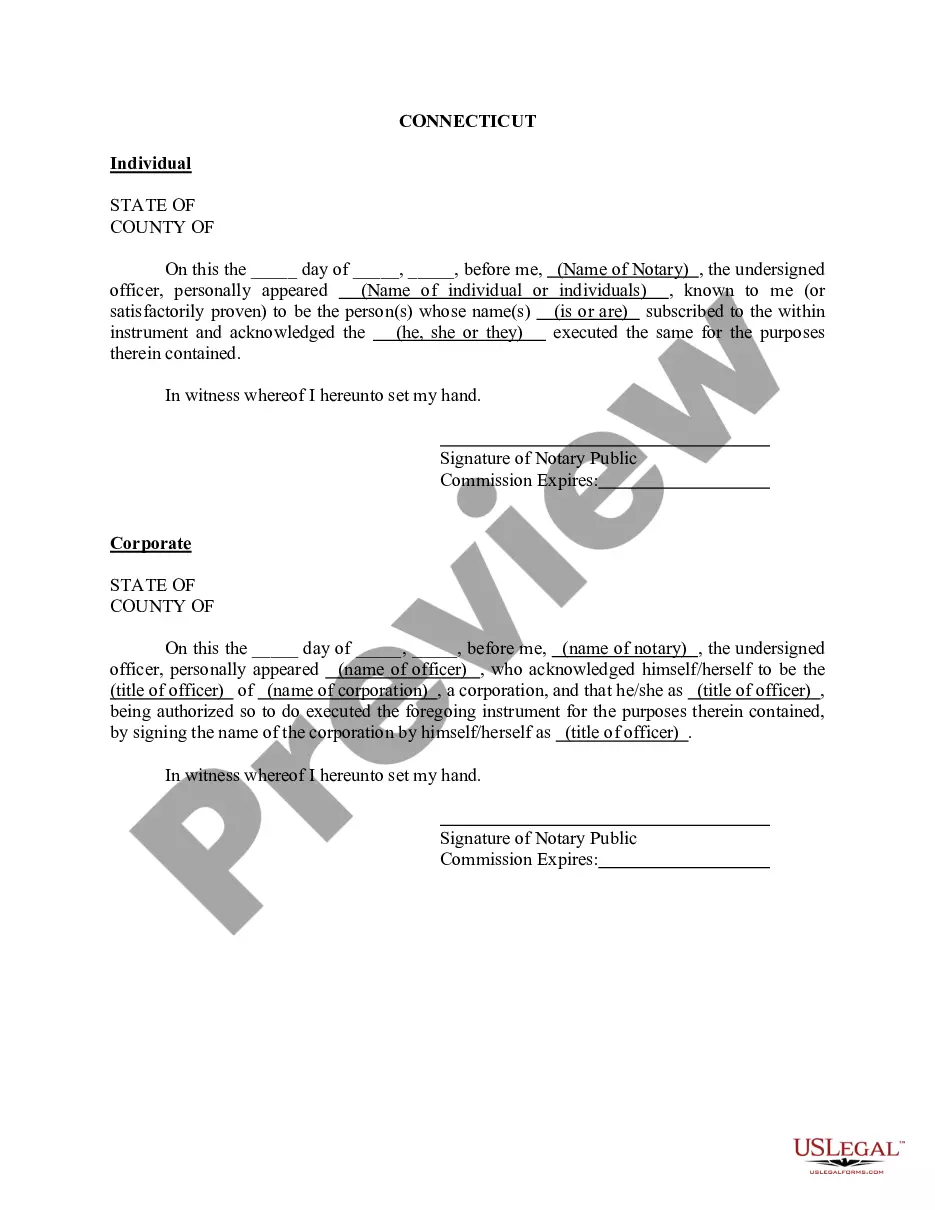
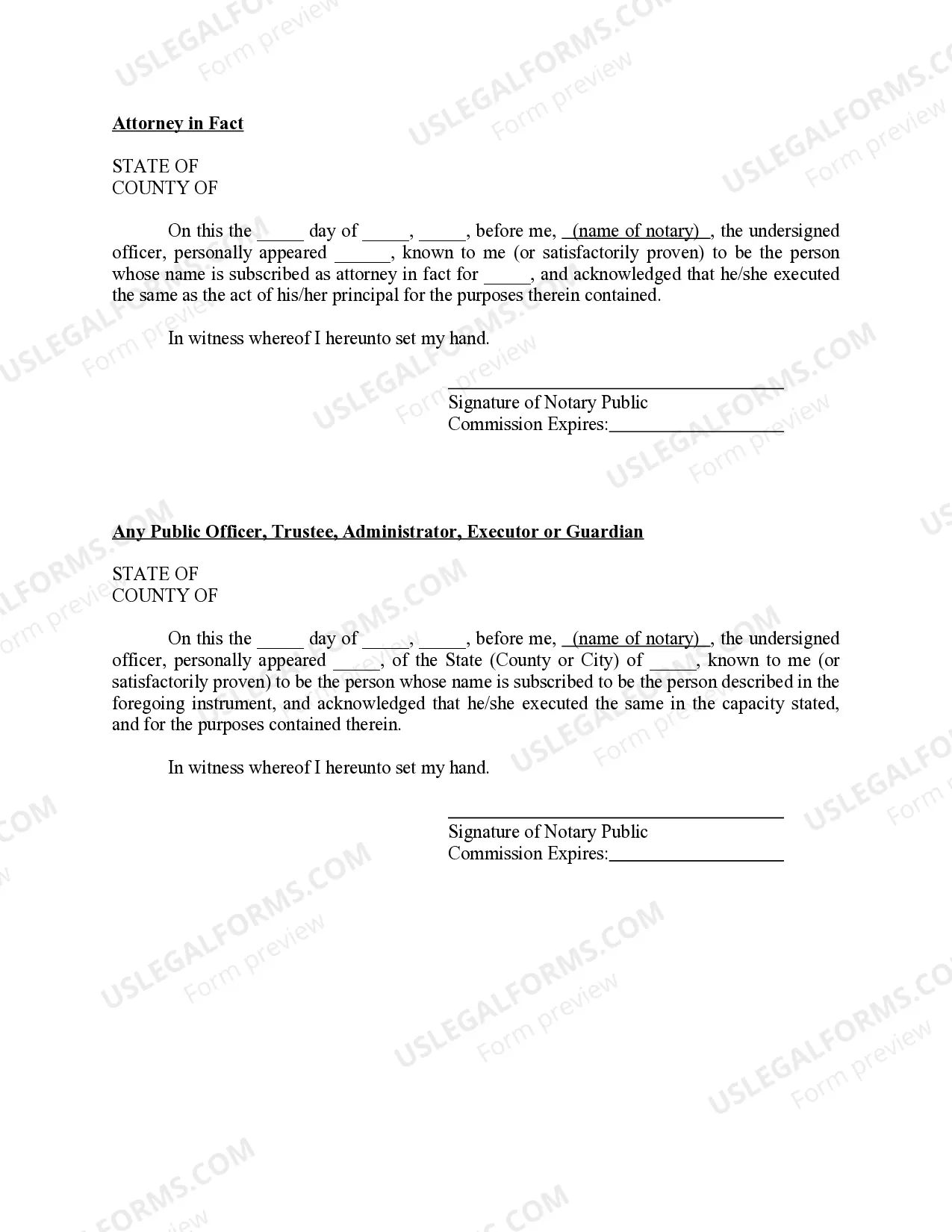
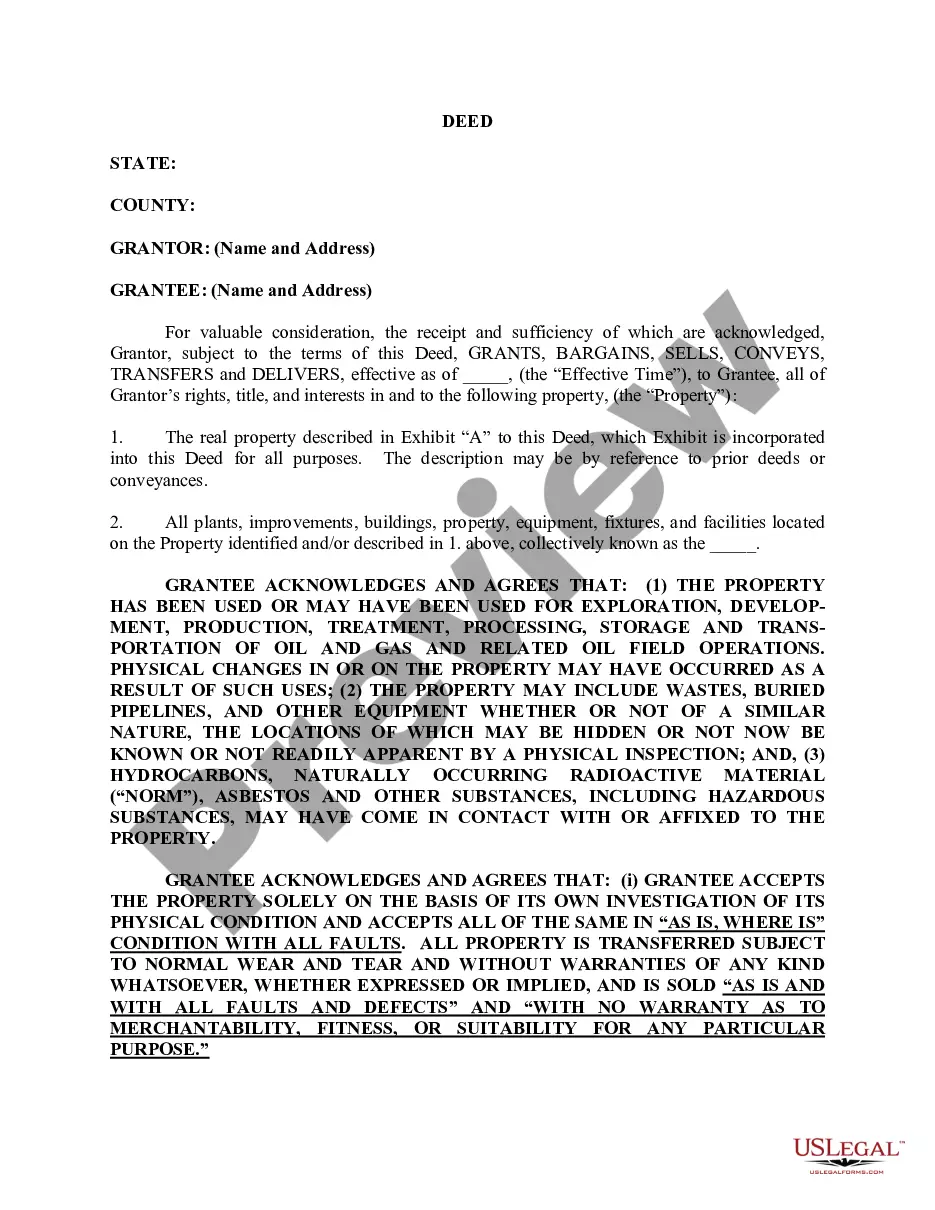
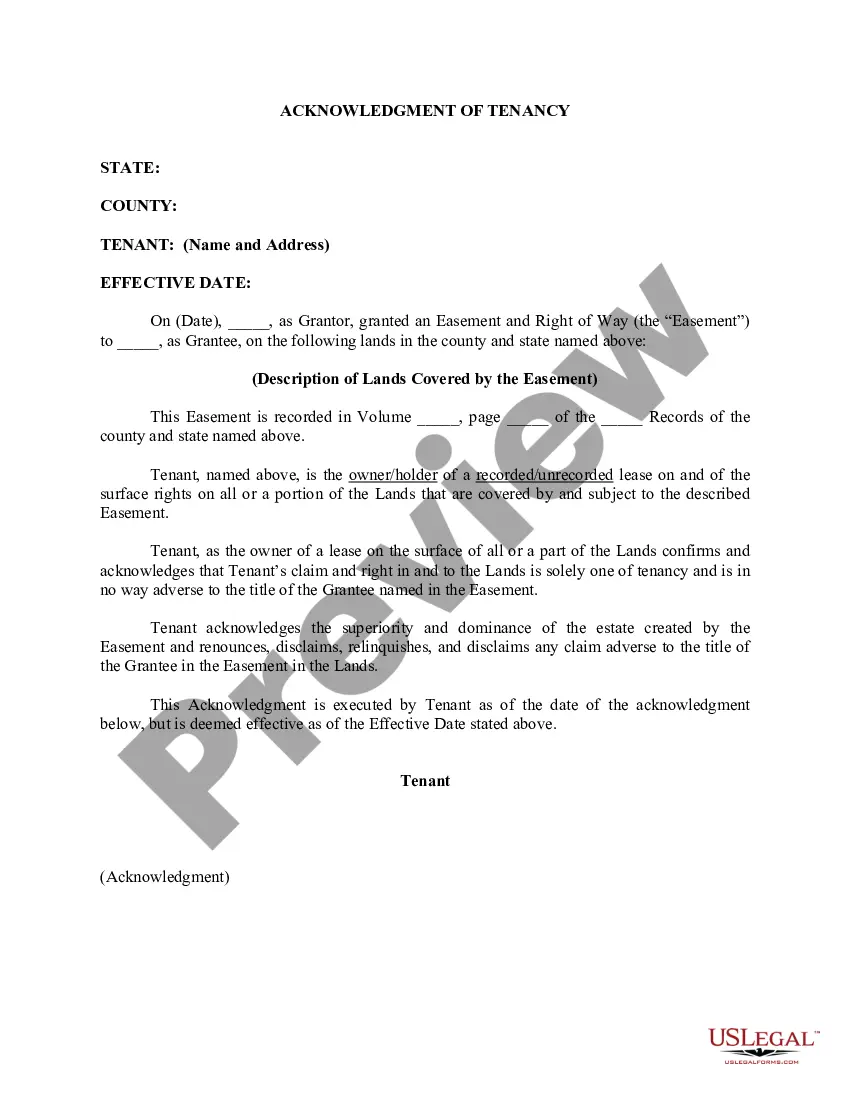
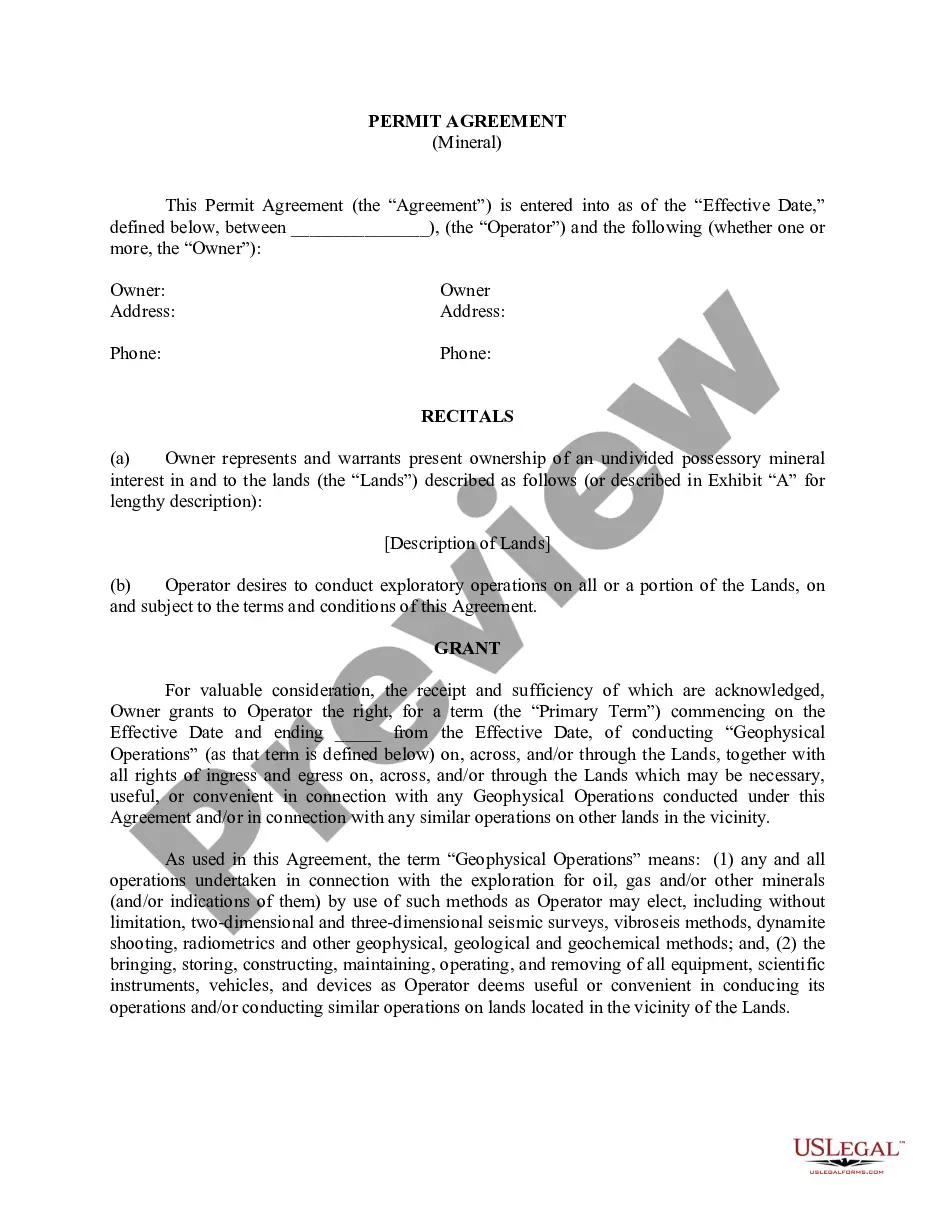
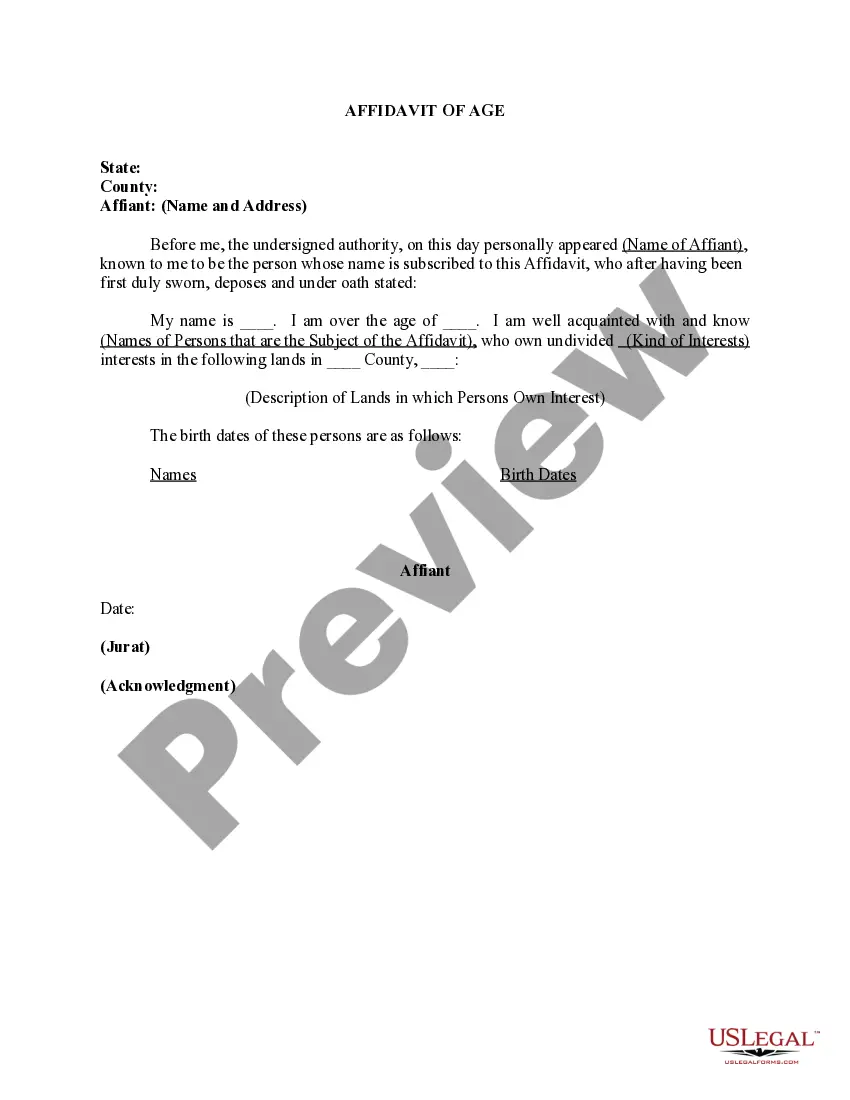
The Connecticut Oil and Gas Acknowledgement is a legal form used to confirm the signing party's identity and intent when executing an instrument related to oil and gas interests. This acknowledgment is essential for any document that may be recorded, distinguishing it from other forms by its specific requirement for confirmation of identity through notary services. It ensures that the instrument is executed with proper authority and can be legally upheld in court if needed.
Form components explained
- State and county where the acknowledgment takes place.
- Date of acknowledgment.
- Name of the notary public who is officiating the acknowledgment.
- The identities of the individuals or corporate officers involved.
- Signature of the notary public and expiration of their commission.
- Capacity in which a representative is acknowledging the document, such as an attorney in fact or corporate officer.
Common use cases
This form should be used when any document related to oil and gas interests requires acknowledgment to be legitimately recorded. Situations may include property transfers, leasing agreements, or other contractual agreements that exceed the necessity for mere signatures and require formal validation by a notary public. It is common in real estate transactions that deal with energy rights or leases.
Who this form is for
- Individuals or entities involved in oil and gas transactions.
- Notaries public and legal representatives facilitating the acknowledgment process.
- Corporate officers executing documents on behalf of their corporations.
- Attorneys in fact acting under a power of attorney.
How to complete this form
- Identify the parties involved and their roles in the transaction.
- Enter the state and county where the acknowledgment is taking place.
- Fill in the date of the acknowledgment.
- Provide the name of the notary public officiating the acknowledgment.
- Gather the signatures of all required individuals or corporate representatives.
- Ensure the notary public completes the acknowledgment section, including their signature and commission expiration date.
Does this form need to be notarized?
This document requires notarization to meet legal standards. US Legal Forms provides secure online notarization powered by Notarize, allowing you to complete the process through a verified video call, available 24/7.
Get your form ready online
Our built-in tools help you complete, sign, share, and store your documents in one place.
Make edits, fill in missing information, and update formatting in US Legal Forms—just like you would in MS Word.
Download a copy, print it, send it by email, or mail it via USPS—whatever works best for your next step.
Sign and collect signatures with our SignNow integration. Send to multiple recipients, set reminders, and more. Go Premium to unlock E-Sign.
If this form requires notarization, complete it online through a secure video call—no need to meet a notary in person or wait for an appointment.
We protect your documents and personal data by following strict security and privacy standards.

Make edits, fill in missing information, and update formatting in US Legal Forms—just like you would in MS Word.

Download a copy, print it, send it by email, or mail it via USPS—whatever works best for your next step.

Sign and collect signatures with our SignNow integration. Send to multiple recipients, set reminders, and more. Go Premium to unlock E-Sign.

If this form requires notarization, complete it online through a secure video call—no need to meet a notary in person or wait for an appointment.

We protect your documents and personal data by following strict security and privacy standards.
Typical mistakes to avoid
- Failing to complete the date of acknowledgment.
- Not specifying the correct capacity of signers, such as distinguishing between personal and corporate signers.
- Omitting the notary's signature or information, which invalidates the acknowledgment.
Key takeaways
- The Connecticut Oil and Gas Acknowledgement is crucial for validating transactions in oil and gas interests.
- Proper completion and notarization are essential for the legality of the document.
- Understanding the roles of the parties involved ensures compliance and minimizes errors.
Looking for another form?
Form popularity
FAQ
The 7.35% tax in Connecticut typically refers to the tax rate applied to certain income and business sectors. If you operate in the oil and gas industry, understanding this tax rate is essential for completing your Connecticut Oil and Gas Acknowledgement accurately. Make sure to familiarize yourself with any applicable exemptions or deductions that may lower your burden. Consulting with tax professionals can provide clarity on its implications for your business.
Yes, Connecticut provides an e-file form for submitting taxes electronically. This is a useful feature that can simplify your tax filing, particularly if you need to include your Connecticut Oil and Gas Acknowledgement. Online filing reduces paperwork and ensures you can submit your forms quickly. Make sure to follow the instructions closely to ensure proper submission.
Yes, Connecticut does impose a gross receipts tax. This tax affects various sectors, particularly the oil and gas industry, which must manage their tax obligations carefully. Your Connecticut Oil and Gas Acknowledgement plays a vital role in accurately reporting your tax liabilities. Understanding this tax is crucial for maintaining compliance and optimizing your business expenses.
Absolutely, you can file Connecticut state taxes online. This option streamlines the submission process, especially for businesses needing to manage their Connecticut Oil and Gas Acknowledgement efficiently. Using reputable online tax platforms can simplify your filing experience, ensuring you meet all deadlines without hassle. Look for tools that provide support and guidance throughout the process.
Yes, you can file your taxes electronically yourself in Connecticut. This method provides a swift and convenient way to submit your Connecticut Oil and Gas Acknowledgement. Ensure you have all your documents ready and follow the guidelines to achieve successful e-filing. Online tools simplify the process and allow for real-time confirmation of your submission.
Yes, Connecticut is currently accepting tax returns. If you need to file your Connecticut Oil and Gas Acknowledgement this tax season, make sure to gather all necessary documents. Filing early can help you avoid any potential delays. You can use online platforms for an efficient filing process.
Several states implement a gross receipts tax, which is based on total revenue rather than profit. Notably, states like Delaware, New Mexico, and Texas have such taxes in place. If you operate in Connecticut, it's essential to understand how the Connecticut Oil and Gas Acknowledgement intersects with gross receipts taxation. This knowledge could impact your business strategy and compliance efforts.
As of recent data, California holds the record for the highest fuel tax in the United States. This tax can significantly affect fuel prices, influencing consumer behavior. Understanding how fuel tax works in different states, including Connecticut, can help you navigate costs associated with oil and gas. The Connecticut Oil and Gas Acknowledgement can guide you through fuel tax regulations specific to the state.
Yes, heating oil in Connecticut is subject to sales tax, impacting both residential and commercial consumers. The current rate is aligned with the state's overall sales tax. When navigating heating oil purchases, the Connecticut Oil and Gas Acknowledgement becomes important to understand potential tax implications. Being aware of these taxes helps you avoid unexpected expenses.
Connecticut imposes a tax on petroleum products, which can vary based on the product type and market conditions. This tax plays a significant role in funding various state programs. When considering oil transactions, the Connecticut Oil and Gas Acknowledgement can provide details on how these taxes apply to your business operations. Understanding these taxes can help in budgeting and financial planning.