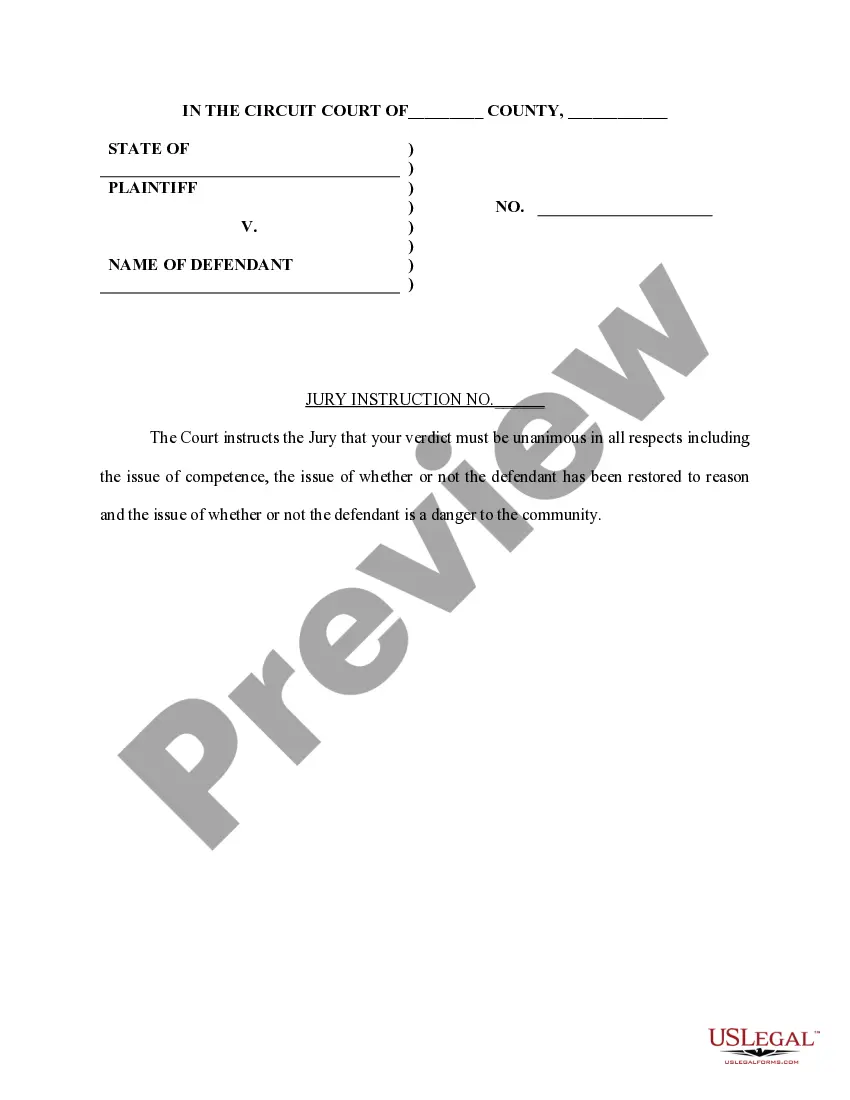
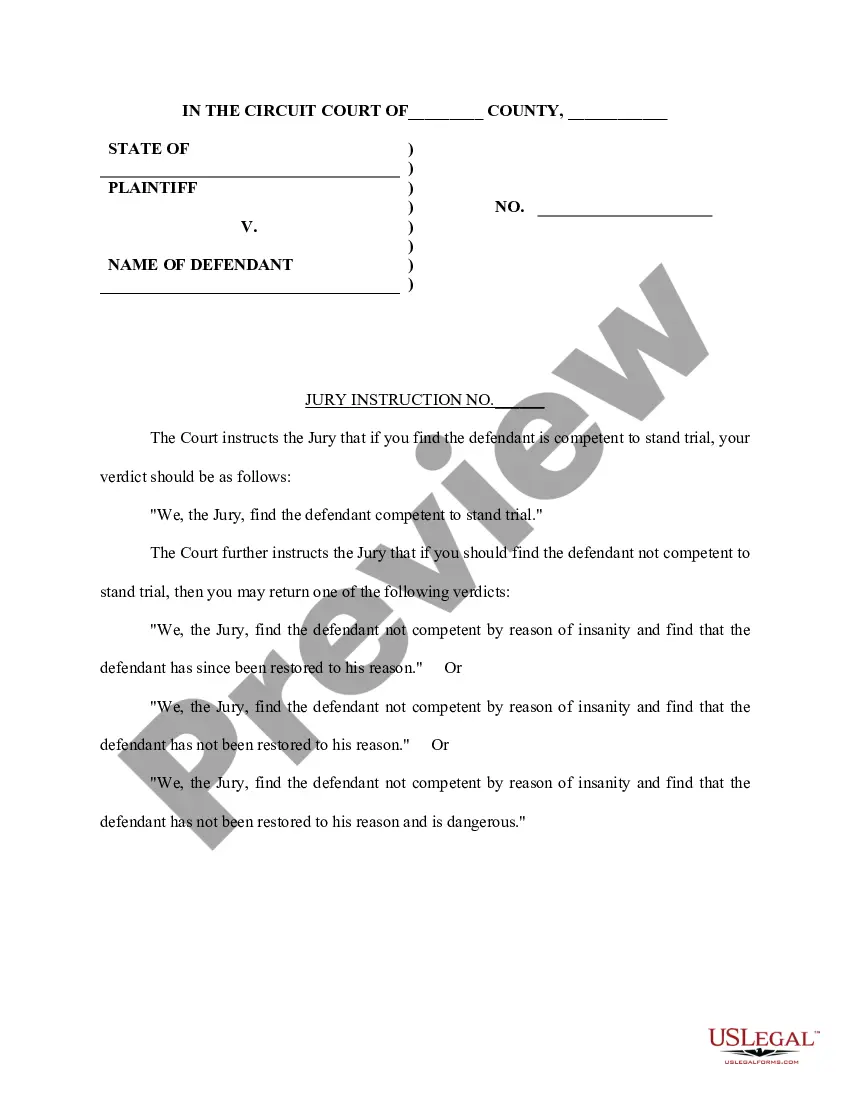
Connecticut Competence - Unanimous Verdict
Description
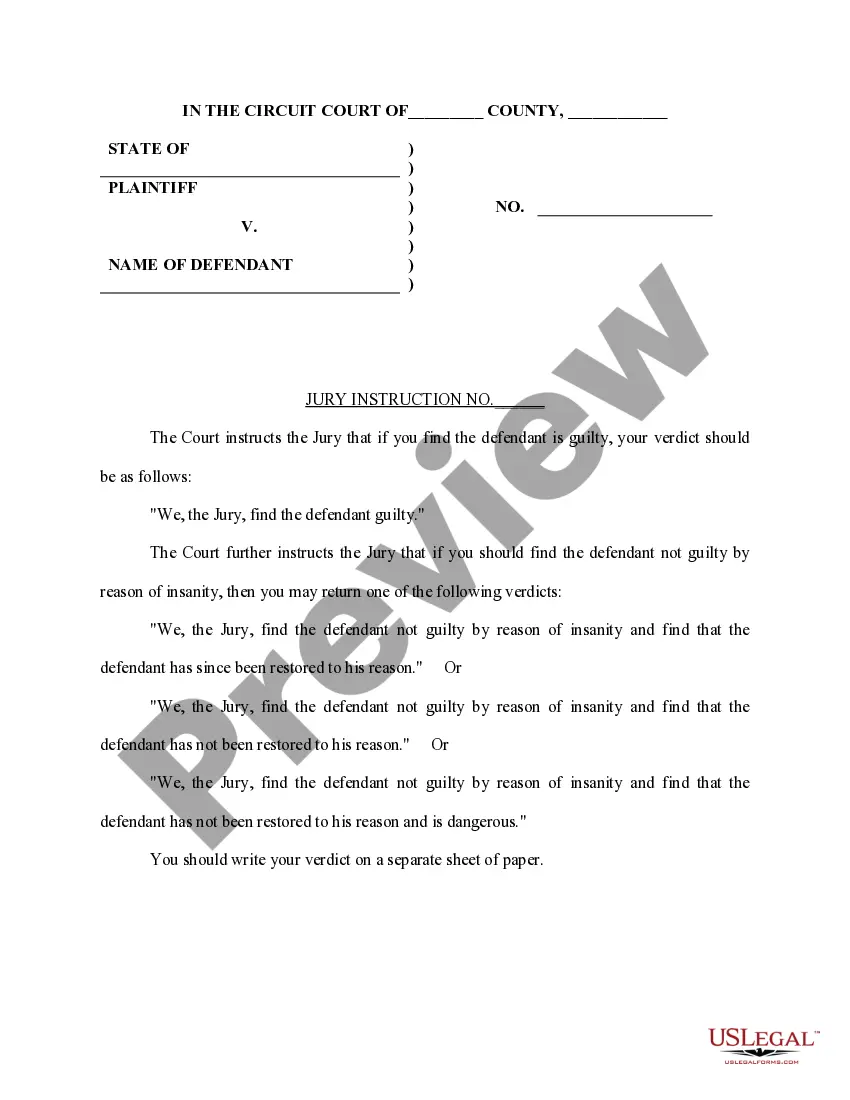
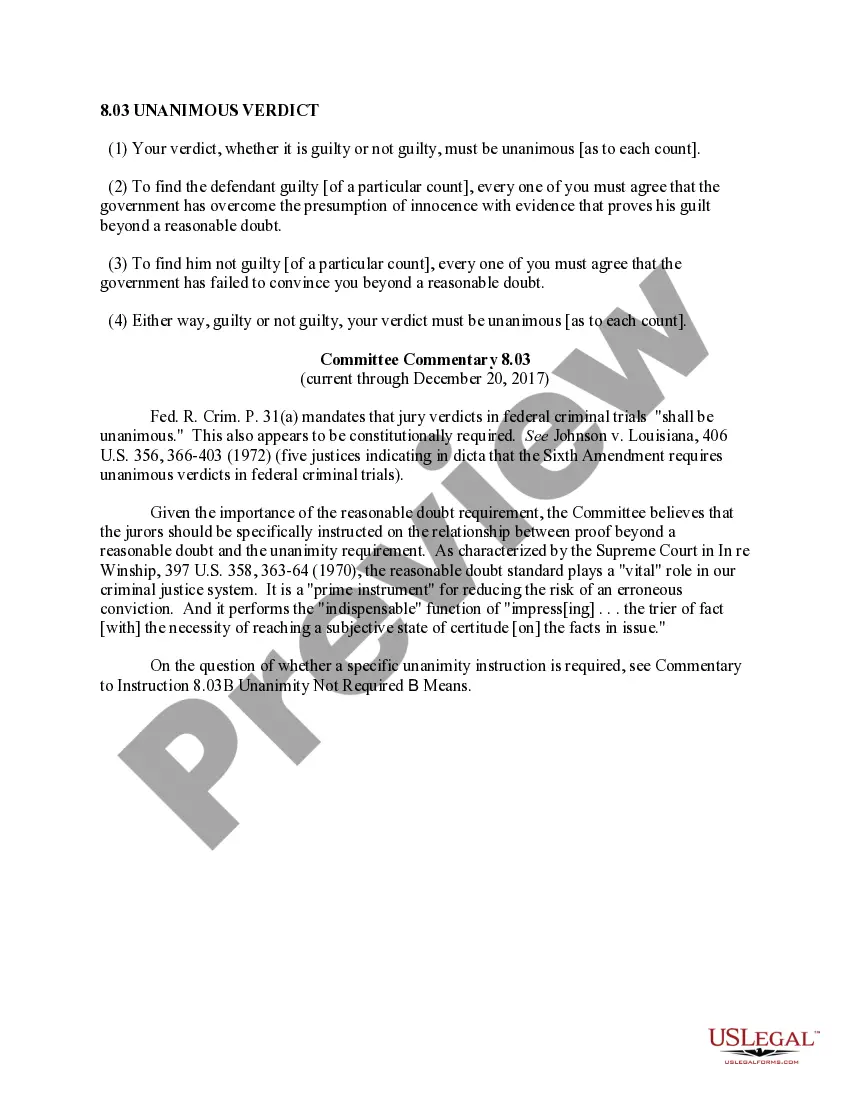
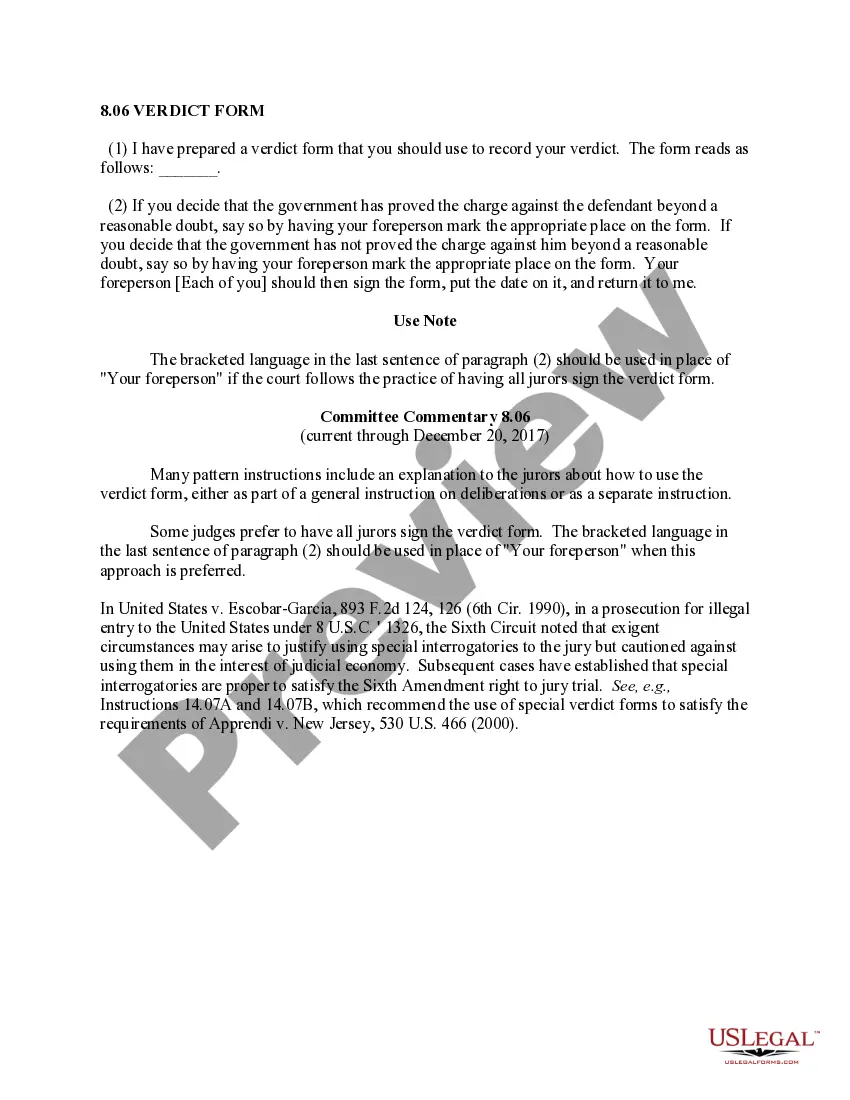
How to fill out Competence - Unanimous Verdict?
Have you ever found yourself in a situation where you require documents for either business or personal matters almost every day.
There are numerous legal document templates available online, but locating ones you can trust isn't easy.
US Legal Forms provides a vast array of form templates, such as the Connecticut Competence - Unanimous Verdict, designed to comply with state and federal regulations.
Once you find the appropriate form, click Purchase now.
Select the pricing plan you prefer, fill in the required information to create your account, and complete the purchase using your PayPal or credit card. Choose a suitable file format and download your copy. Access all the document templates you have purchased in the My documents section. You can acquire another copy of the Connecticut Competence - Unanimous Verdict at any time, if necessary. Simply select the desired form to download or print the template. Utilize US Legal Forms, the most extensive collection of legal forms, to save time and avoid errors. The service offers professionally crafted legal document templates that can be utilized for various purposes. Create an account on US Legal Forms and start making your life a bit easier.
- If you are already familiar with the US Legal Forms website and have an account, simply Log In.
- Then, you can download the Connecticut Competence - Unanimous Verdict template.
- If you don't have an account and wish to start using US Legal Forms, follow these steps.
- Find the form you need and ensure it is for the correct area/state.
- Utilize the Preview button to examine the form.
- Check the description to ensure you have selected the right form.
- If the form isn't what you're looking for, use the Search field to find the form that fits your needs.
Form popularity
FAQ
Existence of any fact that is material to the determination of the proceeding more probable or less probable than it would be without the evidence. Section 4-1 embodies the two separate components of relevant evidence recognized at common law: (1) probative value; and (2) materiality. State v. Jeffrey, 220 Conn.
4-3. Relevant evidence may be excluded if its probative value is outweighed by the danger of unfair prejudice or surprise, confusion of the issues, or misleading the jury, or by considerations of undue delay, waste of time or needless presentation of cumulative evidence.
The exception is limited to statements of then-existing physical condition, whereby the declarant describes how the declarant feels [as] at the time the declarant [speaks] makes the hearsay statement. Statements concerning past physical condition; Martin v. Sherwood, supra, 74 Conn. 482; State v.
Section 4-5 - Evidence of Other Crimes, Wrongs or Acts Generally Inadmissible (a)General Rule. Evidence of other crimes, wrongs or acts of a person is inadmissible to prove the bad character, propensity or criminal tendencies of that person except as provided in subsection (b).
This undergirding principle of evidentiary law is called the Best Evidence Rule, also referred to as the original writing rule. The foundation of the Best Evidence Rule is that the original writing, recording or photograph is the 'best' way to prove the actual content of the evidence.
4-8. Section 4-8 - Offers To Compromise (a)General rule. Evidence of an offer to compromise or settle a disputed claim is inadmissible on the issues of liability and the amount of the claim.
Section 7-2 requires a party offering expert testimony, in any form, to show that the witness is qualified and that the testimony will be of assistance to the trier of fact. A three-part test is used to determine whether these requirements are met.