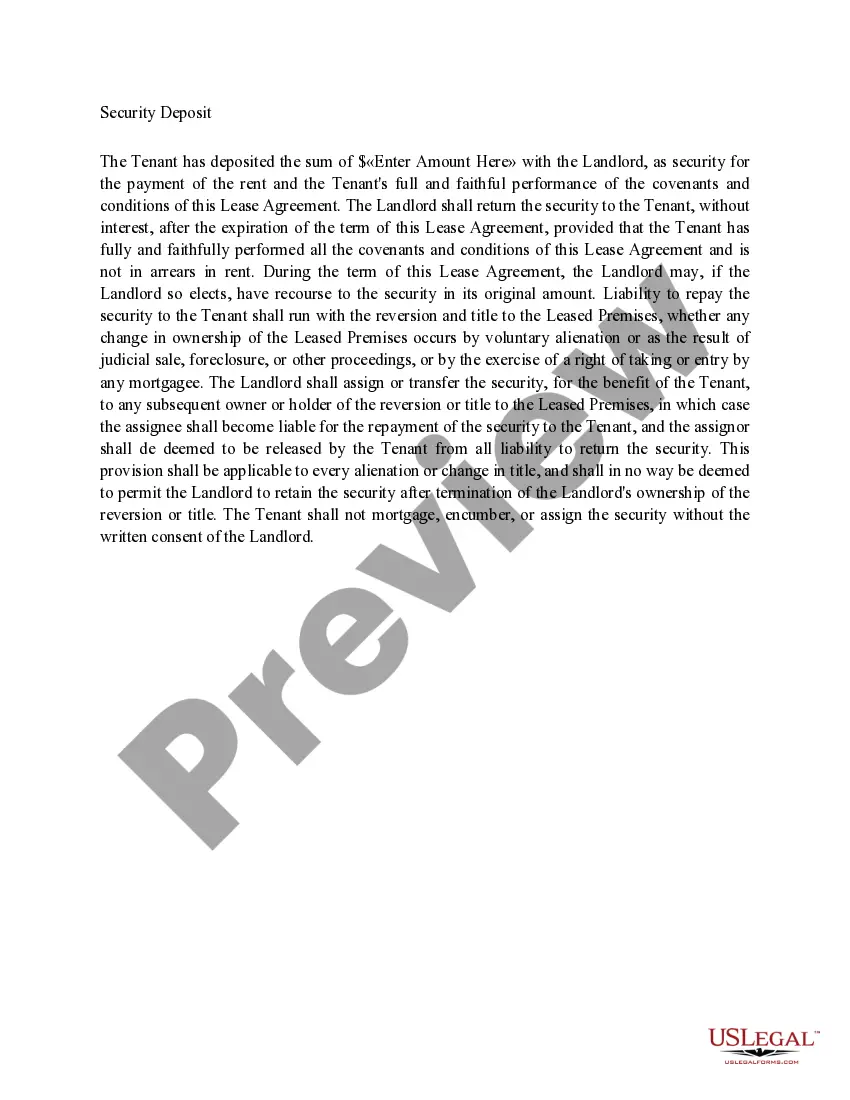
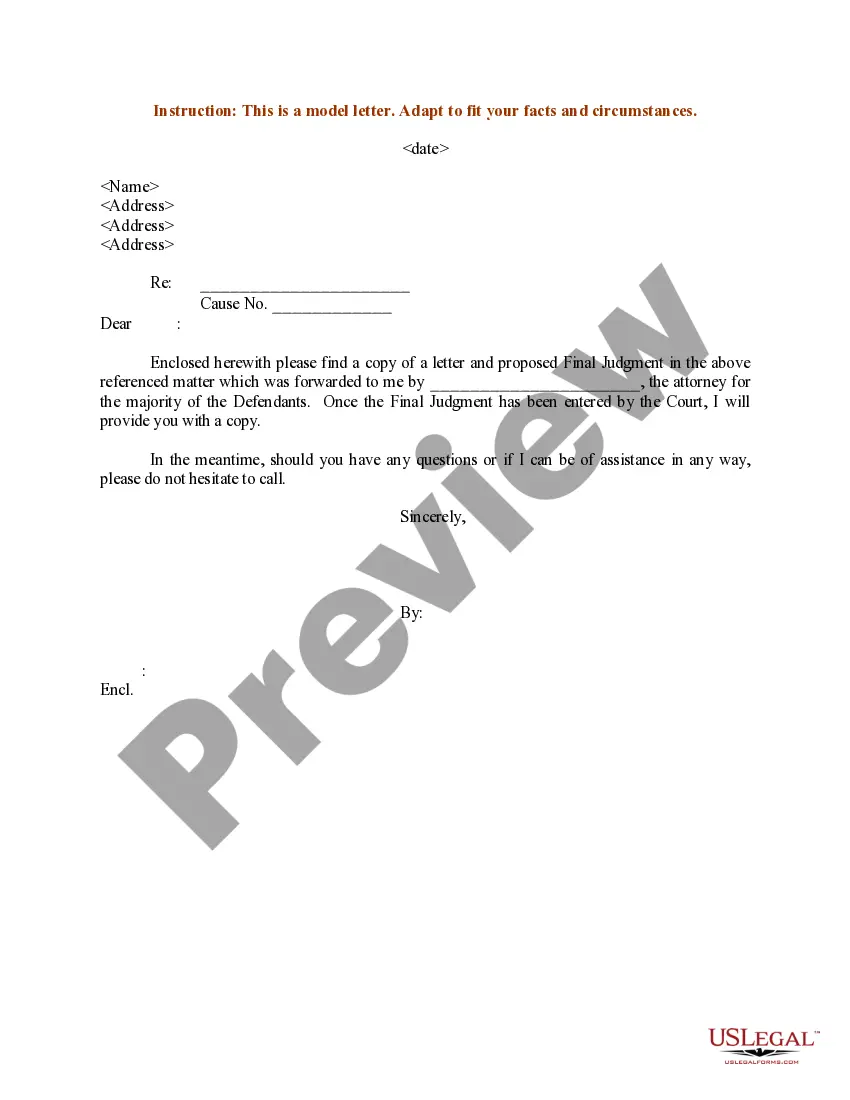
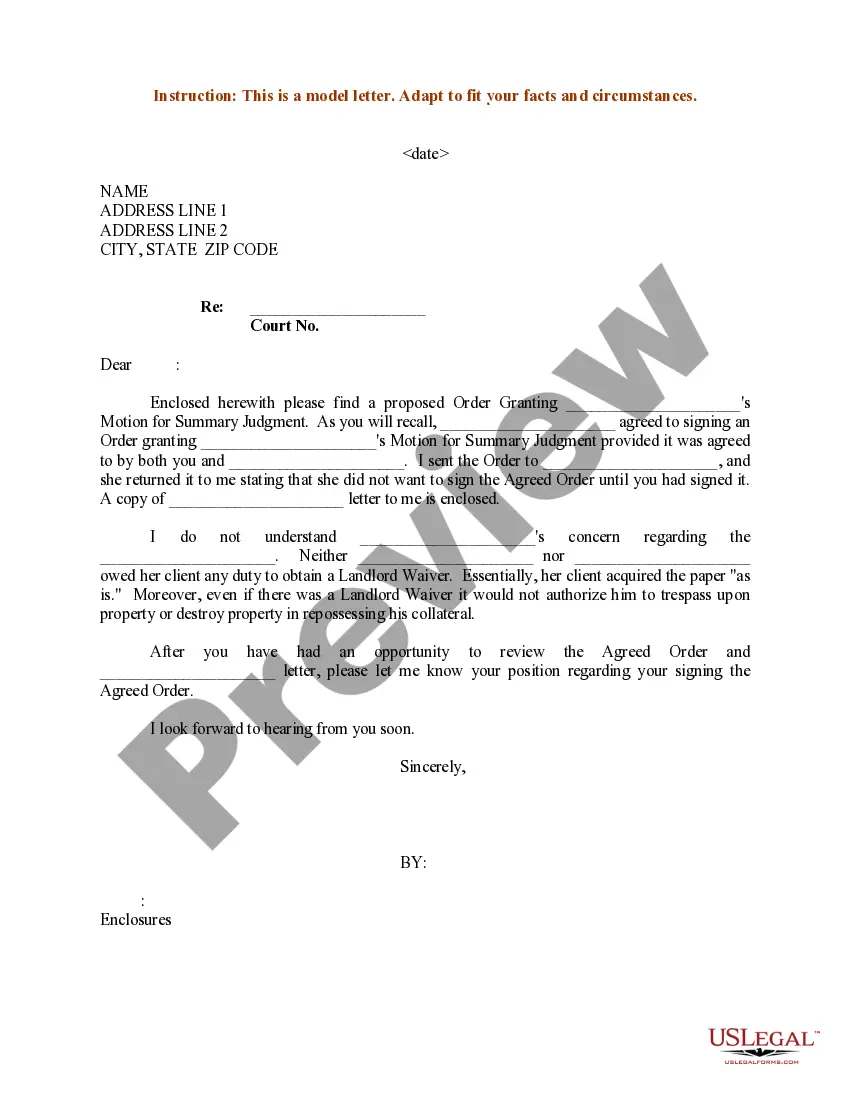
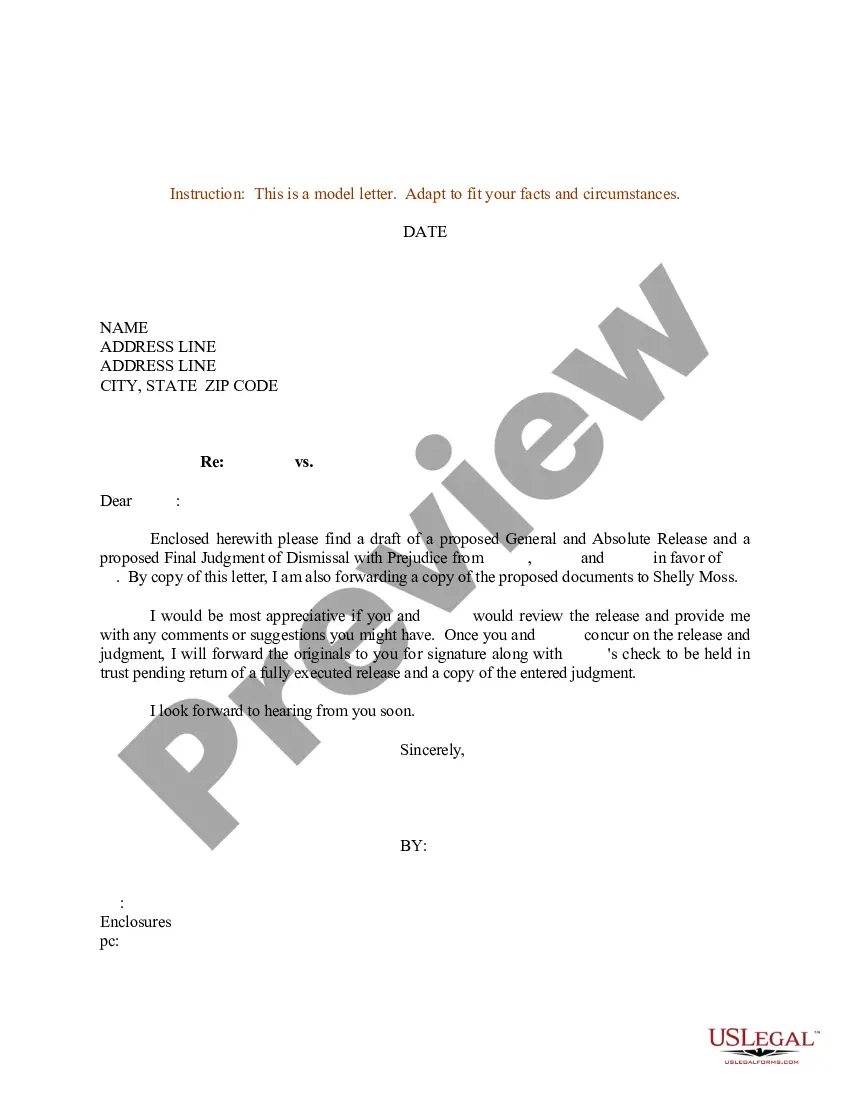
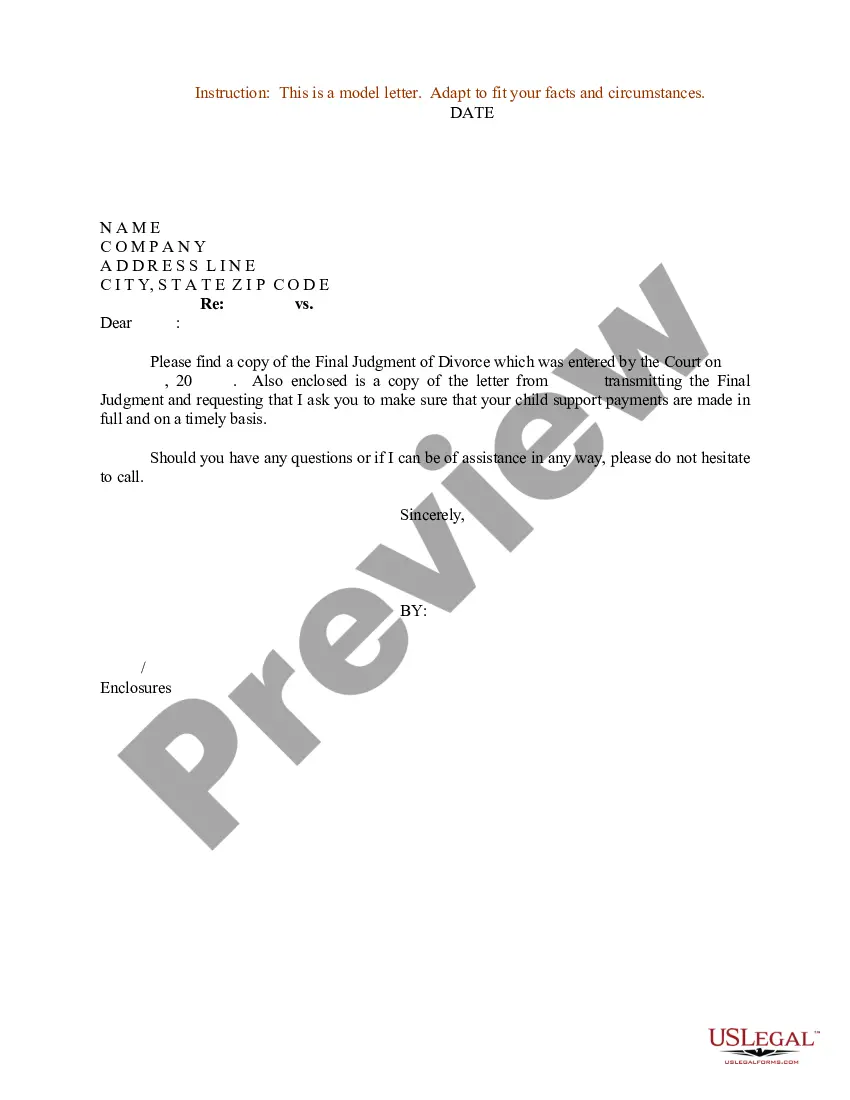
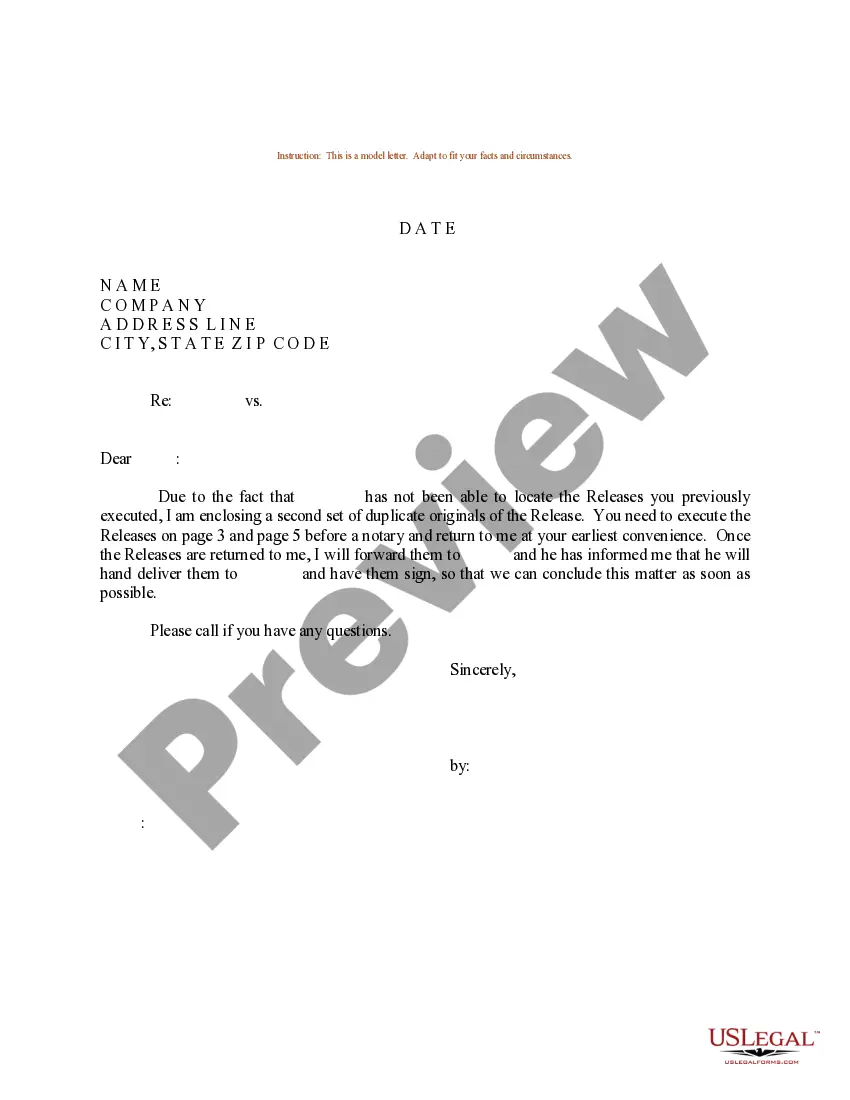
Connecticut Sample Letter for Proposed Final Judgment
Description


Get your form ready online
Our built-in tools help you complete, sign, share, and store your documents in one place.
Make edits, fill in missing information, and update formatting in US Legal Forms—just like you would in MS Word.
Download a copy, print it, send it by email, or mail it via USPS—whatever works best for your next step.
Sign and collect signatures with our SignNow integration. Send to multiple recipients, set reminders, and more. Go Premium to unlock E-Sign.
If this form requires notarization, complete it online through a secure video call—no need to meet a notary in person or wait for an appointment.
We protect your documents and personal data by following strict security and privacy standards.

Make edits, fill in missing information, and update formatting in US Legal Forms—just like you would in MS Word.

Download a copy, print it, send it by email, or mail it via USPS—whatever works best for your next step.

Sign and collect signatures with our SignNow integration. Send to multiple recipients, set reminders, and more. Go Premium to unlock E-Sign.

If this form requires notarization, complete it online through a secure video call—no need to meet a notary in person or wait for an appointment.

We protect your documents and personal data by following strict security and privacy standards.
Looking for another form?
How to fill out Sample Letter For Proposed Final Judgment?
Selecting the appropriate sanctioned document template can be challenging. Clearly, there are numerous templates accessible online, but how can you locate the sanctioned form you require? Utilize the US Legal Forms website. The service offers thousands of templates, including the Connecticut Sample Letter for Proposed Final Judgment, which you can use for business and personal purposes. All the forms are verified by experts and comply with state and federal requirements.
If you are currently registered, Log In to your account and click on the Download button to obtain the Connecticut Sample Letter for Proposed Final Judgment. Use your account to search through the legal forms you have previously acquired. Navigate to the My documents section of your account to retrieve another copy of the document you need.
If you are a new user of US Legal Forms, here are simple instructions you can follow: First, ensure you have selected the correct form for your specific area/region. You can review the form using the Preview option and read the form details to make sure it is suitable for you. If the form does not meet your requirements, utilize the Search field to find the appropriate form. When you are confident the form is suitable, select the Get now option to acquire the form. Choose the pricing plan you prefer and enter the necessary information. Create your account and complete the purchase using your PayPal account or credit card. Select the document format and download the legal document template to your device. Complete, modify, and print and sign the obtained Connecticut Sample Letter for Proposed Final Judgment.
The US Legal Forms platform enables users to access a broad array of legal document templates.
- US Legal Forms is the largest collection of legal forms where you can discover a variety of document templates.
- Use the service to obtain professionally-created paperwork that conforms to state regulations.
- Ensure you have selected the correct form for your specific area.
- Review the form using the Preview option.
- Utilize the Search area if the form does not meet your needs.
- Complete, modify, and sign the Connecticut Sample Letter for Proposed Final Judgment.
Form popularity
FAQ
Keep in mind, judgments issued by Connecticut Superior Courts are enforceable for up to 20 years and can possibly be revived for an additional period of time if proper procedure is followed before the expiration date.
Small claims rules and procedures are simpler than other courts. The hearing is informal. There is no jury. Parties represent themselves without lawyers.
There is a $95.00 entry (filing) fee. You must pay the Court Clerk with cash, or with a check or money order made out to "Clerk of the Superior Court." If you pay in person, you may also pay by MasterCard or Visa.
The plaintiff can collect money from the defendant by taking money out of the defendant's pay (a wage execution), by putting a lien on the defendant's property (a property execution), or by taking money out of the defendant's bank account (a bank execution).
THE RULES AND PROCEDURES FOR SMALL CLAIMS COURTS, WHICH HANDLE AMOUNTS LESS THAN $750, ARE EXPLAINED IN SIMPLE, STEP-BY-STEP FASHION. IT IS EMPHASIZED THAT A CONSUMER DOES NOT NEED A LAWYER FOR SUCH CASES.
Money judgments entered in Connecticut can be secured by filing a Judgment Lien on Connecticut real estate owned by the judgment debtor. Recording judgment liens on real estate should be among the first steps taken by judgment creditors after obtaining a money judgment.
If the plaintiff is a person, you must file the small claims writ with the judicial district court location serving the town: (1) where you live; (2) where the party you are suing (the defendant) lives or does business; or (3) where the thing or injury you are suing about took place, unless the claim is a landlord ...