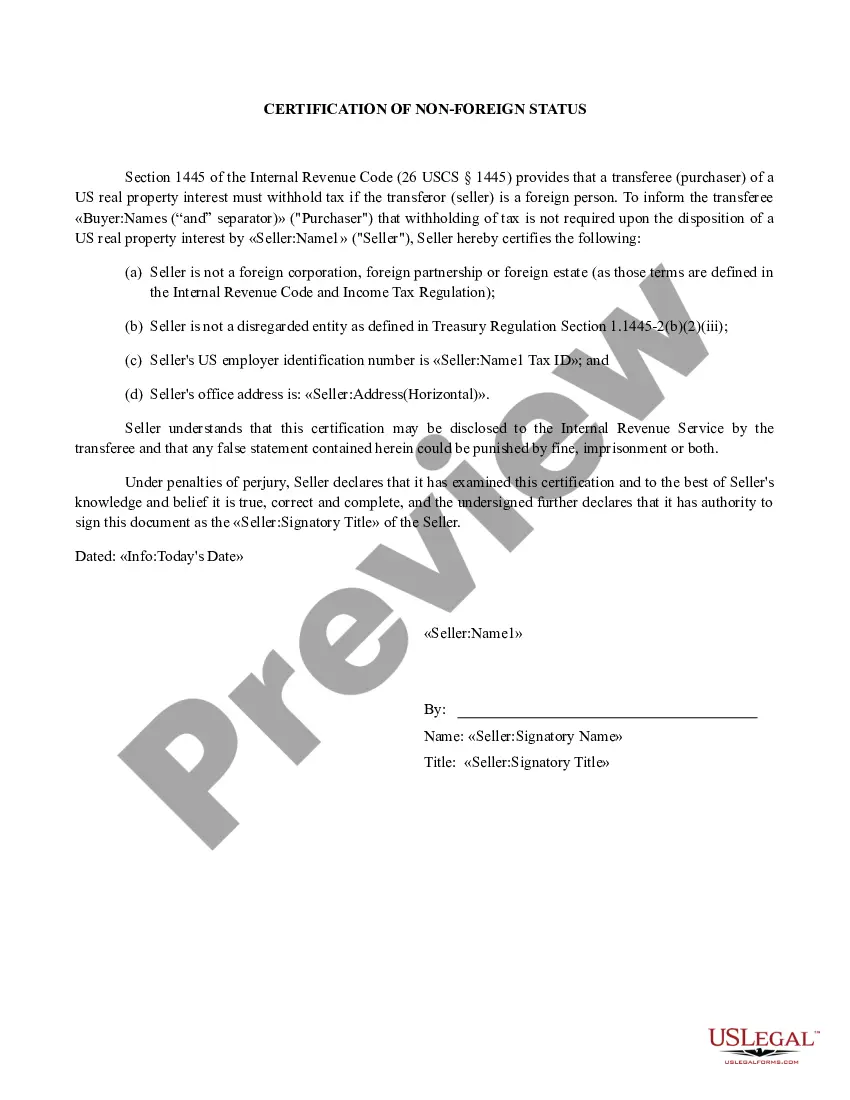
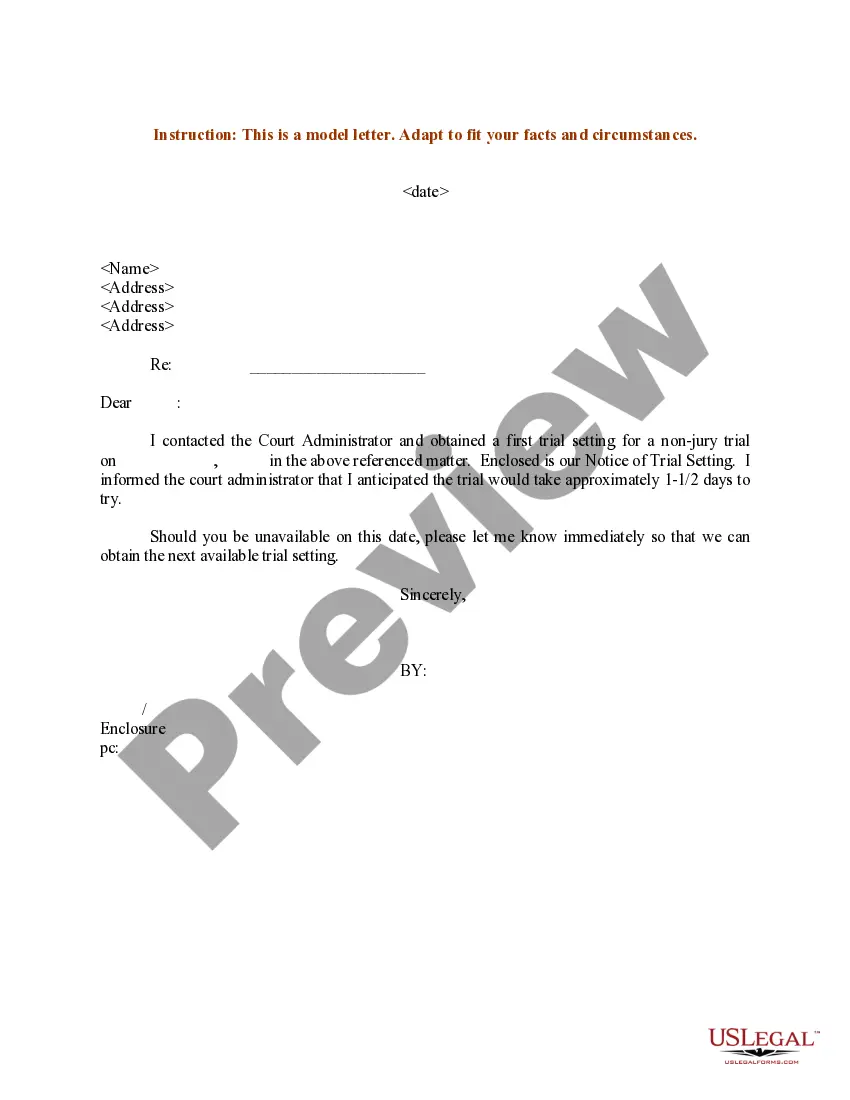
Connecticut Sample Letter for Trial Setting for Non-Jury Trial
Description
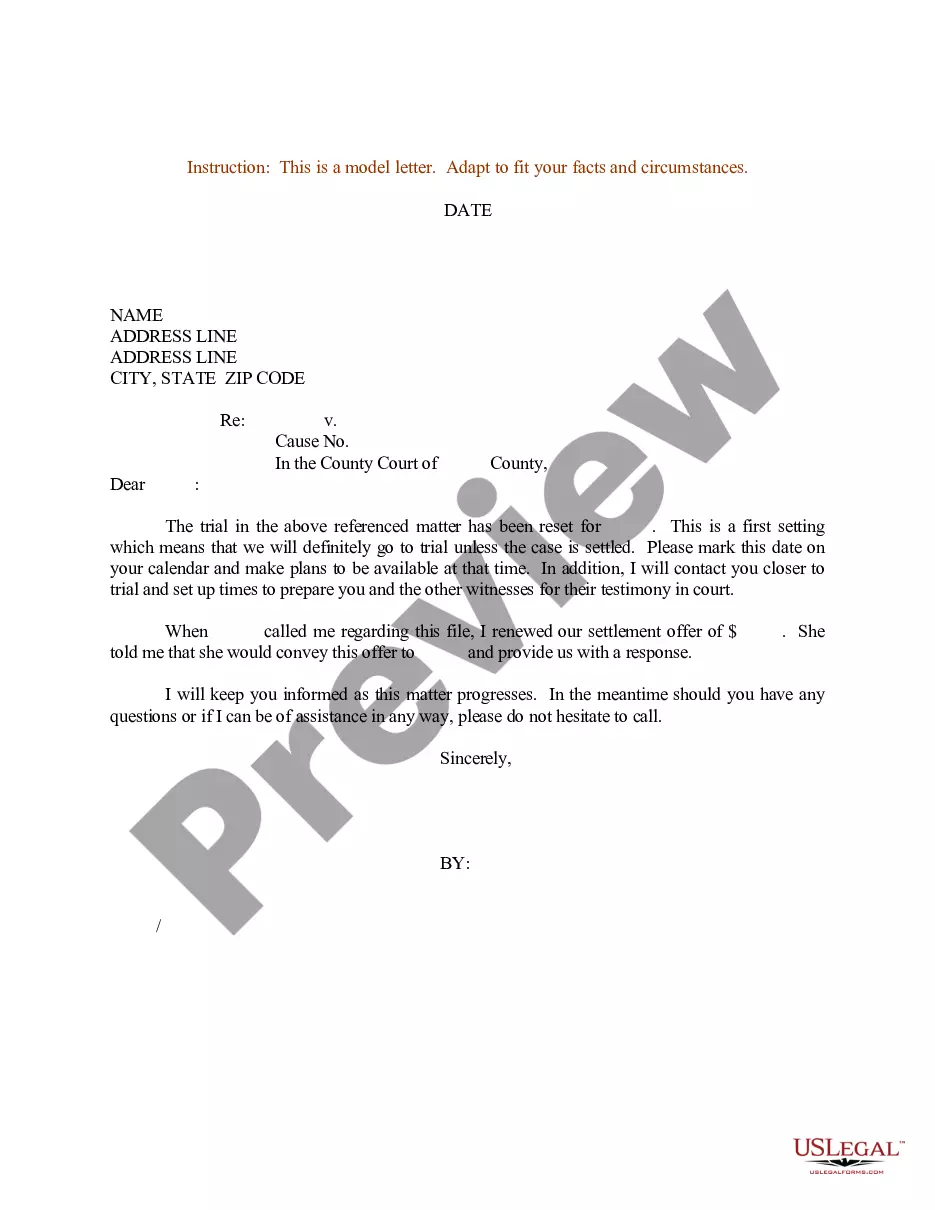
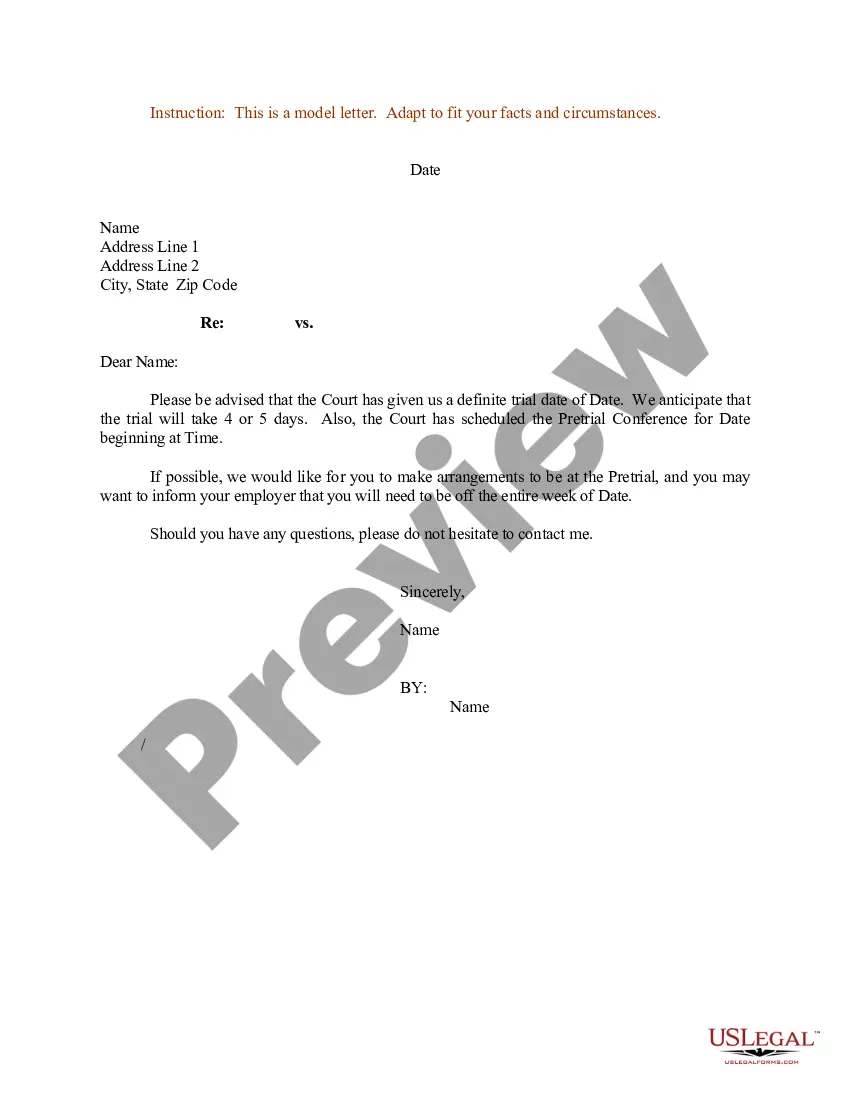

How to fill out Sample Letter For Trial Setting For Non-Jury Trial?
US Legal Forms - one of the most notable collections of legal templates in the United States - offers a range of legal document formats that you can download or create. By using the website, you can access thousands of templates for business and personal use, categorized by types, states, or keywords. You can find the latest versions of documents such as the Connecticut Sample Letter for Trial Setting for Non-Jury Trial in just seconds.
If you already possess a subscription, Log In and download the Connecticut Sample Letter for Trial Setting for Non-Jury Trial from the US Legal Forms collection. The Download option will appear on every document you view. You can access all previously downloaded documents in the My documents section of your account.
If you want to use US Legal Forms for the first time, here are simple steps to help you begin: Ensure you have selected the correct document for your area/region. Click the Review option to verify the document’s content. Read the document details to confirm that you have chosen the appropriate form. If the document does not meet your needs, utilize the Search area at the top of the screen to find one that does. When you are content with the form, confirm your selection by clicking the Acquire now option. Then, choose the payment plan you prefer and provide your credentials to register for an account. Complete the transaction. Use your credit card or PayPal account to finalize the payment. Select the format and download the document onto your device. Make adjustments. Fill in, modify, print, and sign the downloaded Connecticut Sample Letter for Trial Setting for Non-Jury Trial. Every template you add to your account has no expiration date and is yours indefinitely. Therefore, if you wish to download or create another copy, simply go to the My documents section and click on the document you need.
- Access the Connecticut Sample Letter for Trial Setting for Non-Jury Trial with US Legal Forms, the most extensive collection of legal document formats.
- Utilize thousands of professional and state-specific templates that satisfy your business or personal needs and requirements.
Form popularity
FAQ
?The order of pleadings shall be as follows: (1) The plaintiff's complaint. (2) The defendant's motion to dismiss the complaint. (3) The defendant's request to revise the complaint. (4) The defendant's motion to strike the complaint.
Rule 4.2 of the Rules of Professional Conduct provides that ?[i]n representing a client, a lawyer shall not communicate about the subject of the representation with a party the lawyer knows to be represented by another lawyer in the matter, unless the lawyer has the consent of the other lawyer or is authorized by law ...
Rule 8.4(7) defines ?professional misconduct? by a Connecticut attorney as including speech that the lawyer knows or reasonably should know ?is harassment or discrimination on the basis of? any of 15 listed characteristics?among them race, sex, religion, disability, sexual orientation, and gender identity.
For example, a party who is represented by counsel may not communicate directly to the Judge or opposing counsel. The party's attorney is responsible for communications with opposing counsel and the Judge, to avoid potential problems. Attorneys can also directly communicate with each other on behalf of their clients.
Rule 1.10 - Imputation of Conflicts of Interest: General Rule (a) While lawyers are associated in a firm, none of them shall knowingly represent a client when any one of them practicing alone would be prohibited from doing so by Rules 1.7, 1.8(c), or 1.9, unless the prohibition is based on a personal interest of the ...
Sec. 41-8. Motion to Dismiss (1) Defects in the institution of the prosecution including any grand jury proceedings; (2) Defects in the information including failure to charge an offense; (3) Statute of limitations; (4) Absence of jurisdiction of the court over the defendant or the subject matter;
Rule 7.1. A lawyer shall not make a false or misleading communication about the lawyer or the lawyer's services.