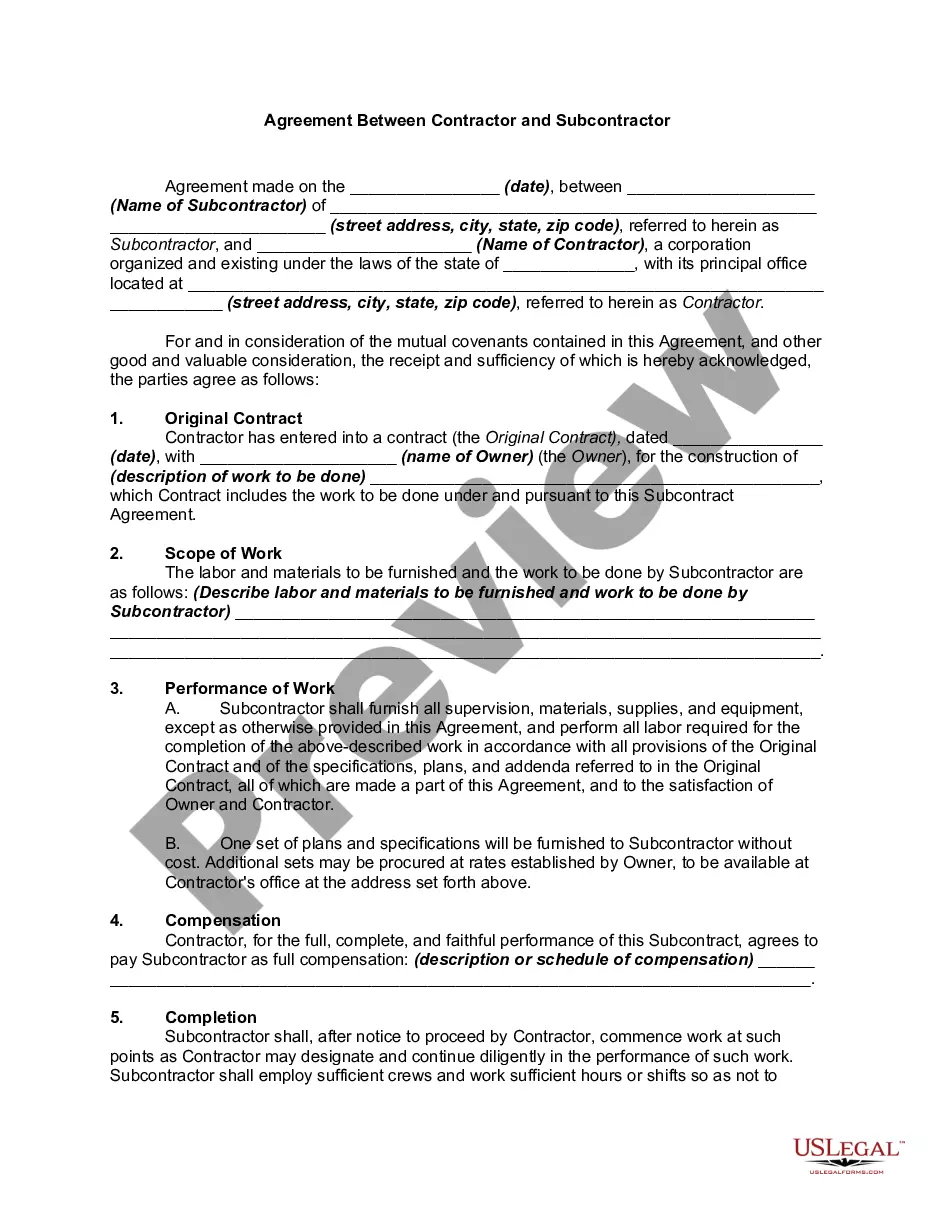
Connecticut Notice of Layoff
Description

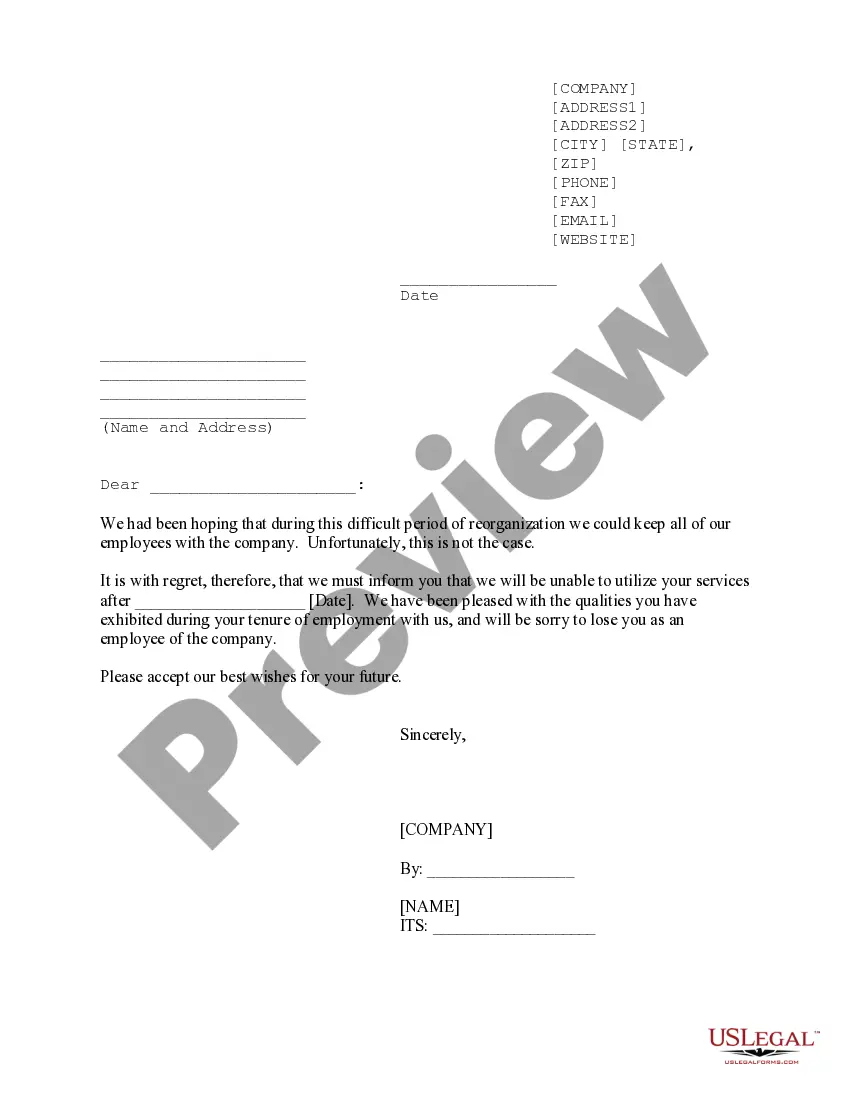
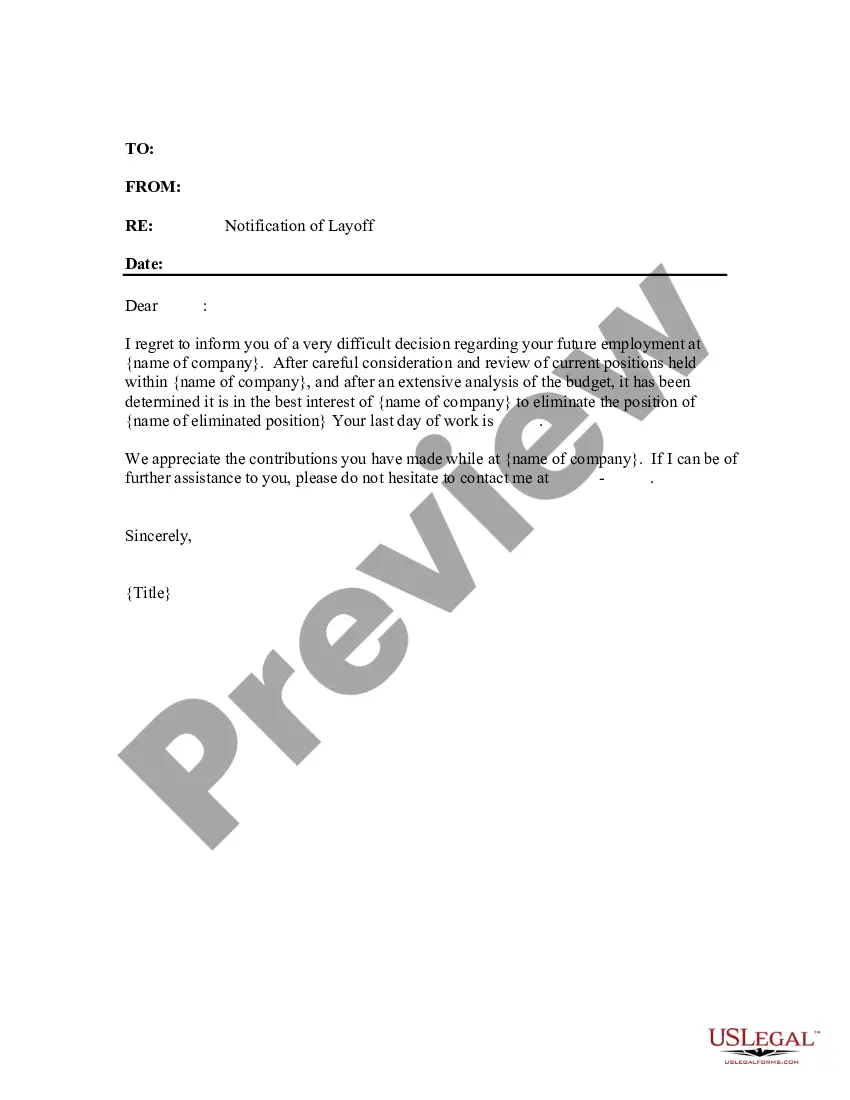
Get your form ready online
Our built-in tools help you complete, sign, share, and store your documents in one place.
Make edits, fill in missing information, and update formatting in US Legal Forms—just like you would in MS Word.
Download a copy, print it, send it by email, or mail it via USPS—whatever works best for your next step.
Sign and collect signatures with our SignNow integration. Send to multiple recipients, set reminders, and more. Go Premium to unlock E-Sign.
If this form requires notarization, complete it online through a secure video call—no need to meet a notary in person or wait for an appointment.
We protect your documents and personal data by following strict security and privacy standards.

Make edits, fill in missing information, and update formatting in US Legal Forms—just like you would in MS Word.

Download a copy, print it, send it by email, or mail it via USPS—whatever works best for your next step.

Sign and collect signatures with our SignNow integration. Send to multiple recipients, set reminders, and more. Go Premium to unlock E-Sign.

If this form requires notarization, complete it online through a secure video call—no need to meet a notary in person or wait for an appointment.

We protect your documents and personal data by following strict security and privacy standards.
Looking for another form?
How to fill out Notice Of Layoff?
If you require extensive, download, or print authentic document templates, utilize US Legal Forms, the most extensive selection of legal forms available online.
Take advantage of the site’s straightforward and convenient search feature to locate the documents you require.
Various templates for commercial and personal uses are sorted by categories and states, or keywords.
Every legal document template you obtain is yours indefinitely. You will have access to each form you downloaded within your account.
Visit the My documents section and choose a form to print or download again. Retrieve and print the Connecticut Notice of Layoff with US Legal Forms. There are millions of professional and state-specific forms you can utilize for your business or personal requirements.
- Use US Legal Forms to obtain the Connecticut Notice of Layoff with just a few clicks.
- If you are an existing US Legal Forms customer, Log In to your account and select the Download option to access the Connecticut Notice of Layoff.
- You can also view forms you previously downloaded in the My documents tab of your account.
- If this is your first time using US Legal Forms, adhere to the directions below.
- Step 1. Confirm you've selected the form for the correct city/state.
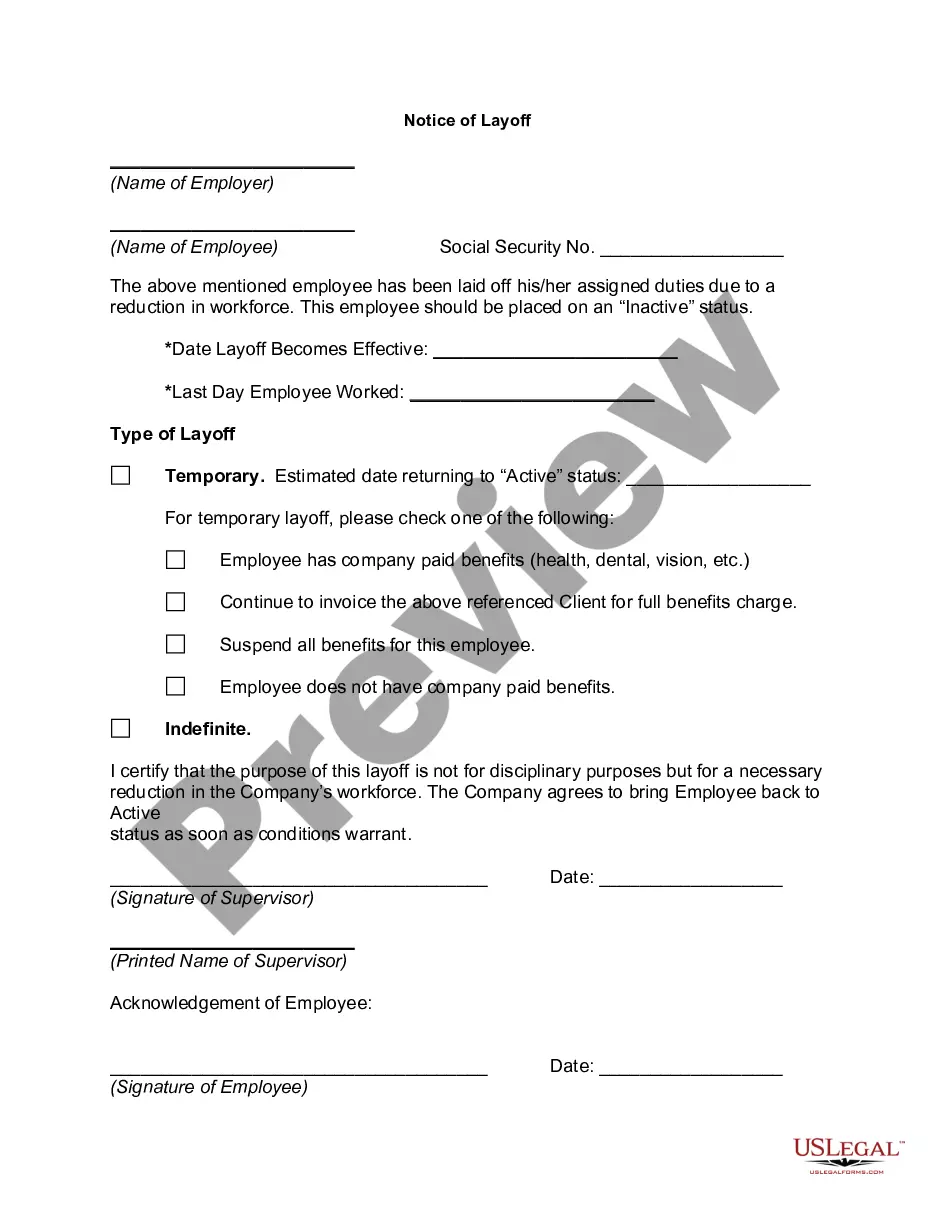
- Step 2. Use the Preview option to review the form’s contents. Remember to check the description.
- Step 3. If you're dissatisfied with the form, utilize the Search field at the top of the page to find other versions of the legal form template.
- Step 4. After locating the form you need, choose the Get now option. Select your preferred pricing plan and provide your details to register for an account.
- Step 5. Process the transaction. You can complete the purchase using your credit card or PayPal account.
- Step 6. Select the format of the legal form and download it onto your device.
- Step 7. Fill out, modify, and print or sign the Connecticut Notice of Layoff.
Form popularity
FAQ
To lay off an employee, start by reviewing your company policy and any applicable laws. Communicate the decision clearly and respectfully, explaining the reasons behind the layoff. It's also important to offer resources for transition and answer any questions they may have.
Federally, and in most states, a termination letter is not legally required. In some states, currently including Arizona, California, Illinois and New Jersey, written termination notices are required by law. Some of these states have specific templates employers must use for the letter.
Termination letters are appropriate and kind. Providing a terminated employee with a written termination letter helps to allow the employee to understand the reason for termination. The reason for the termination should be stated very briefly in the letter, such as tardiness or poor performance.
Both a lay-off or short-time must be temporary situations and your employer must give you notice of this before they start. The law on lay-off and short-time does not set out any minimum period of notice you must get. Exceptional circumstances, such as the COVID-19 pandemic, are likely to justify a short notice period.
Connecticut has no mini-WARN Act or other notice requirements for group layoffs (see Question 1). The Connecticut Department of Labor enforces the insurance notification requirement and the Connecticut Plant Closing Law.
Put Documentation in Employee File: All documentation, including receipts for returned items and termination letters, need to go into that employee's file. You can include documentation for discipline, warnings, and performance reviews that help show why you're firing that employee.
Connecticut is an "at will" state. This means that employers have the right to fire or terminate an employee at anytime without providing a reason, as long as it is not illegal.
The Worker Adjustment and Retraining Notification (WARN) Act is a federal law that requires employer with 100 or more full-time workers to give 60-days advance notice of a plant closing or mass layoff.
For over five years, Connecticut law has required employers to let employees respond, in writing, to write-ups, performance evaluations and/or notices of termination. Not only must employees be given the opportunity, but they must be advised of this right by their employer, in writing!
Connecticut has no mini-WARN Act or other notice requirements for group layoffs (see Question 1). The Connecticut Department of Labor enforces the insurance notification requirement and the Connecticut Plant Closing Law.