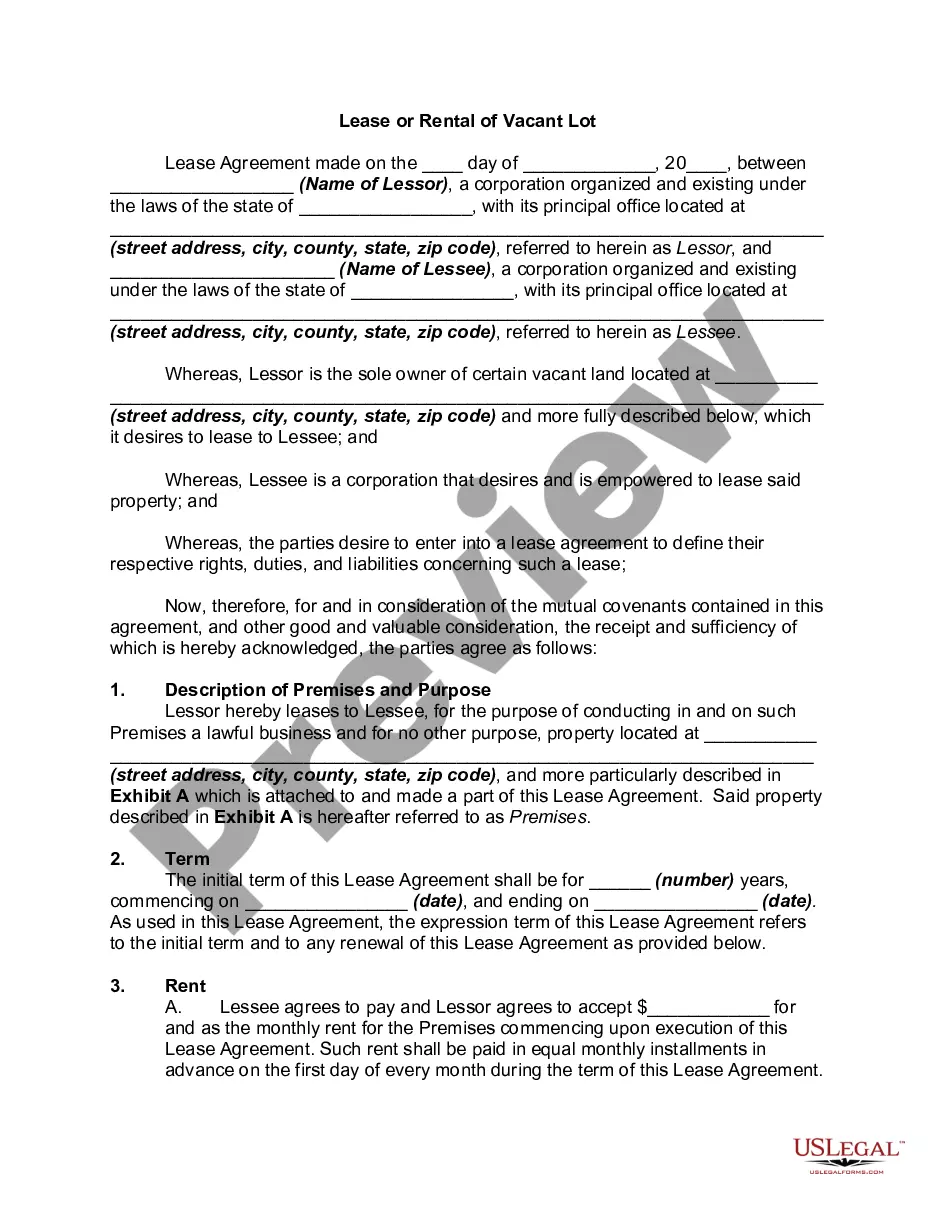
Connecticut Trademark Assignment and License Agreement
Description
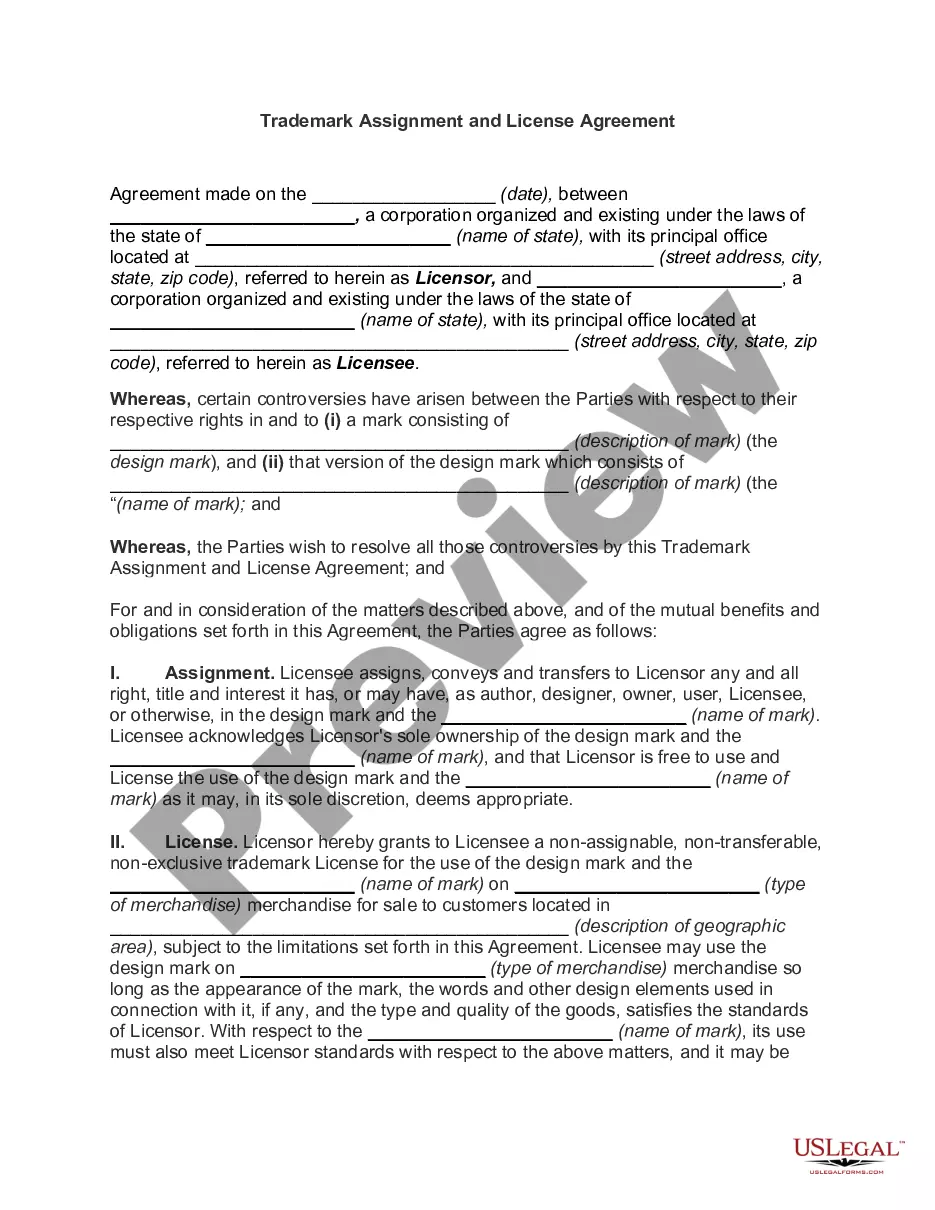
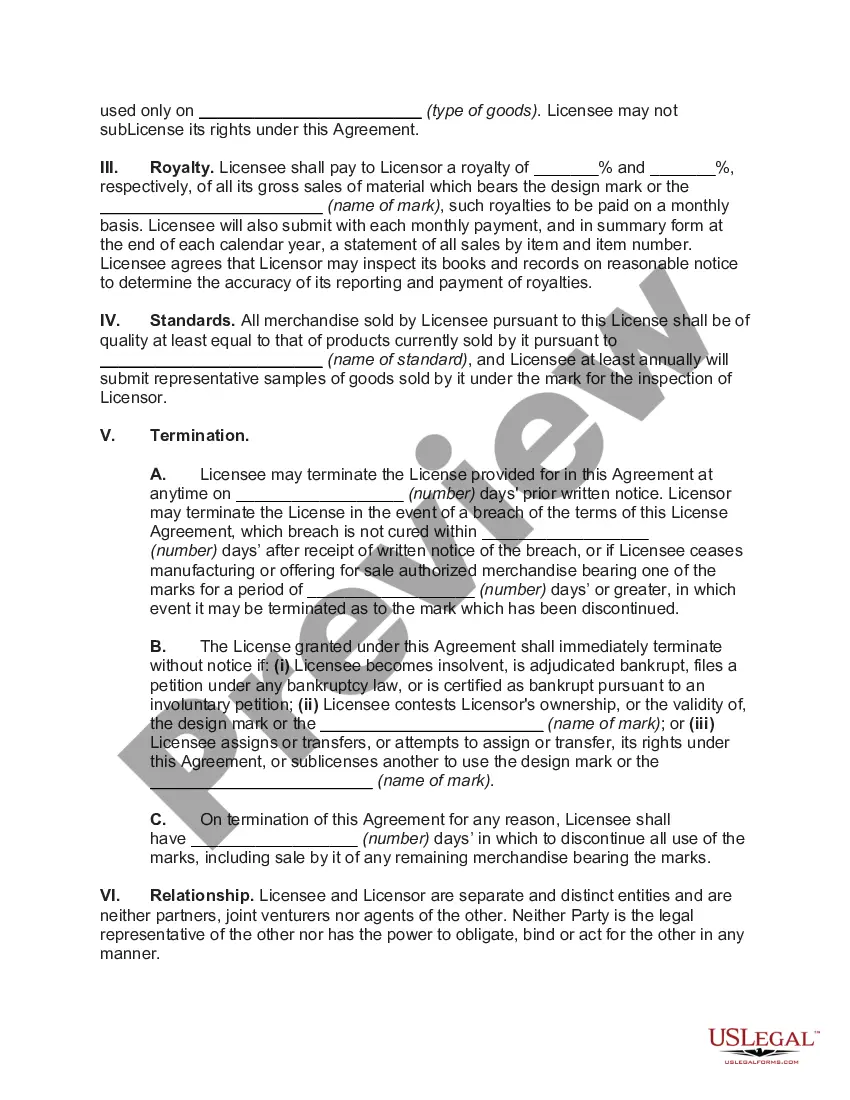
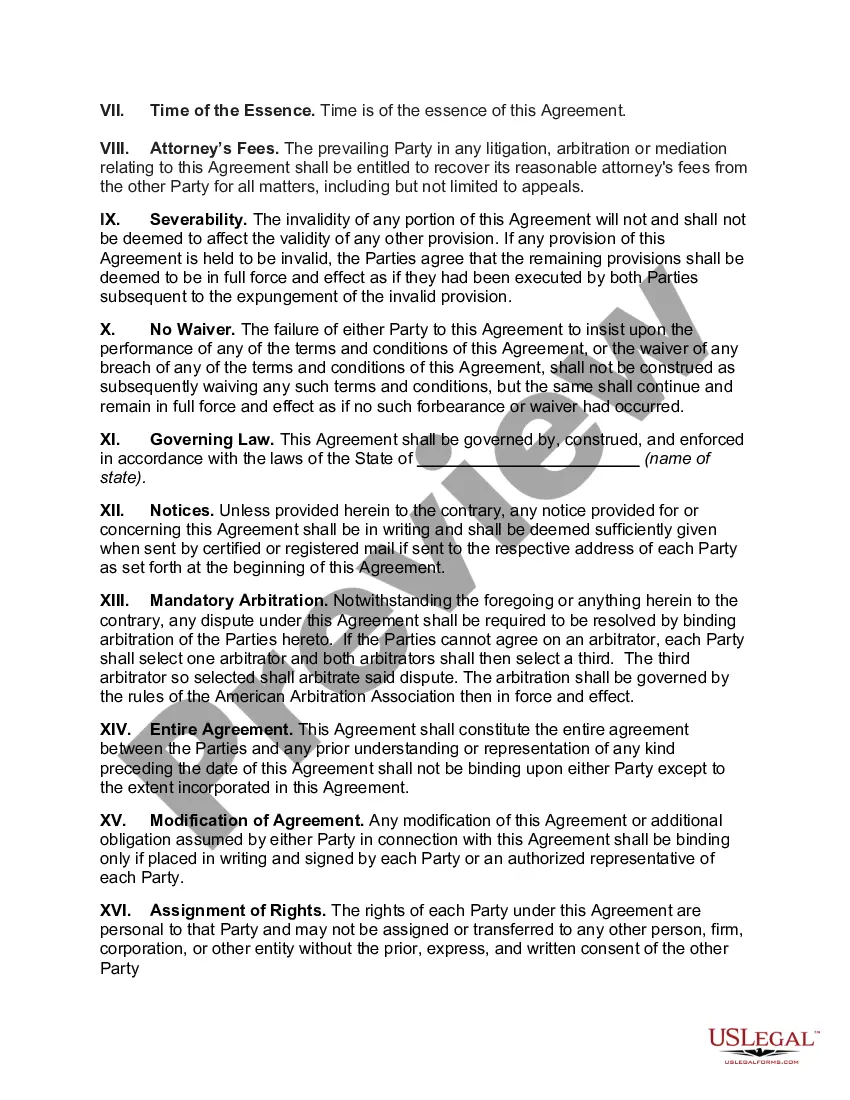
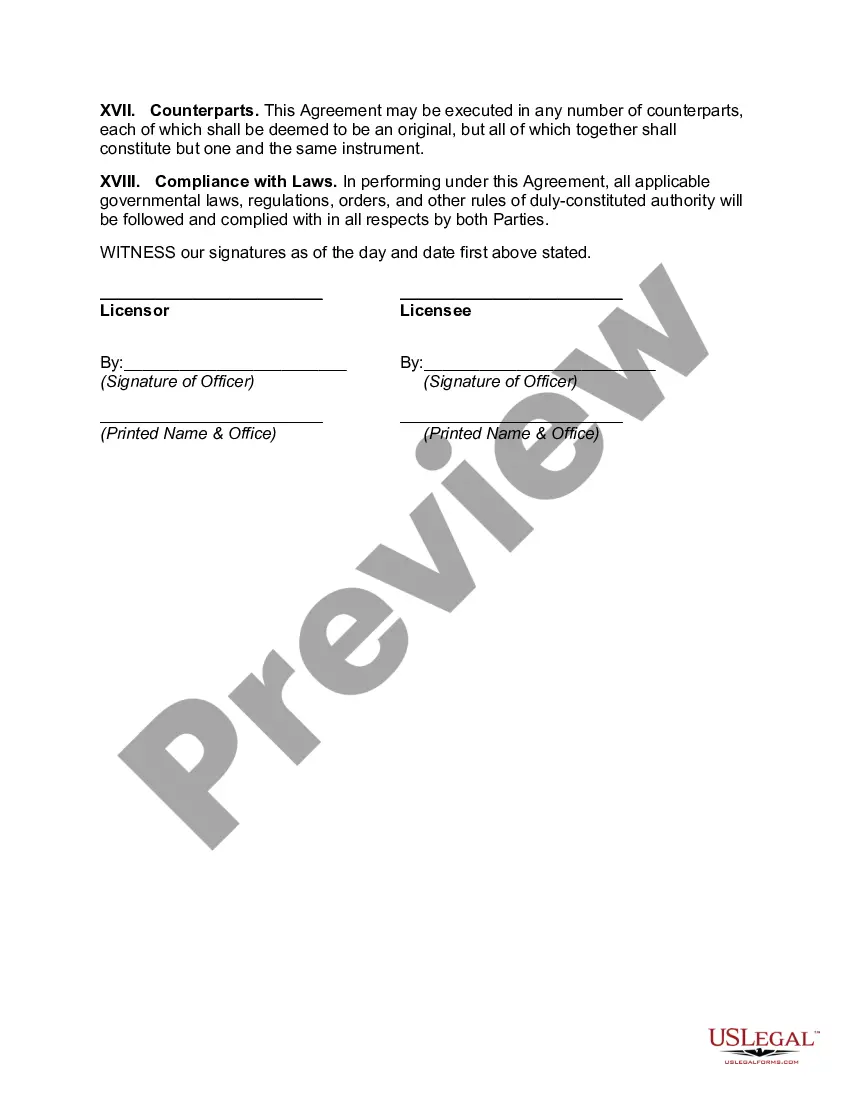
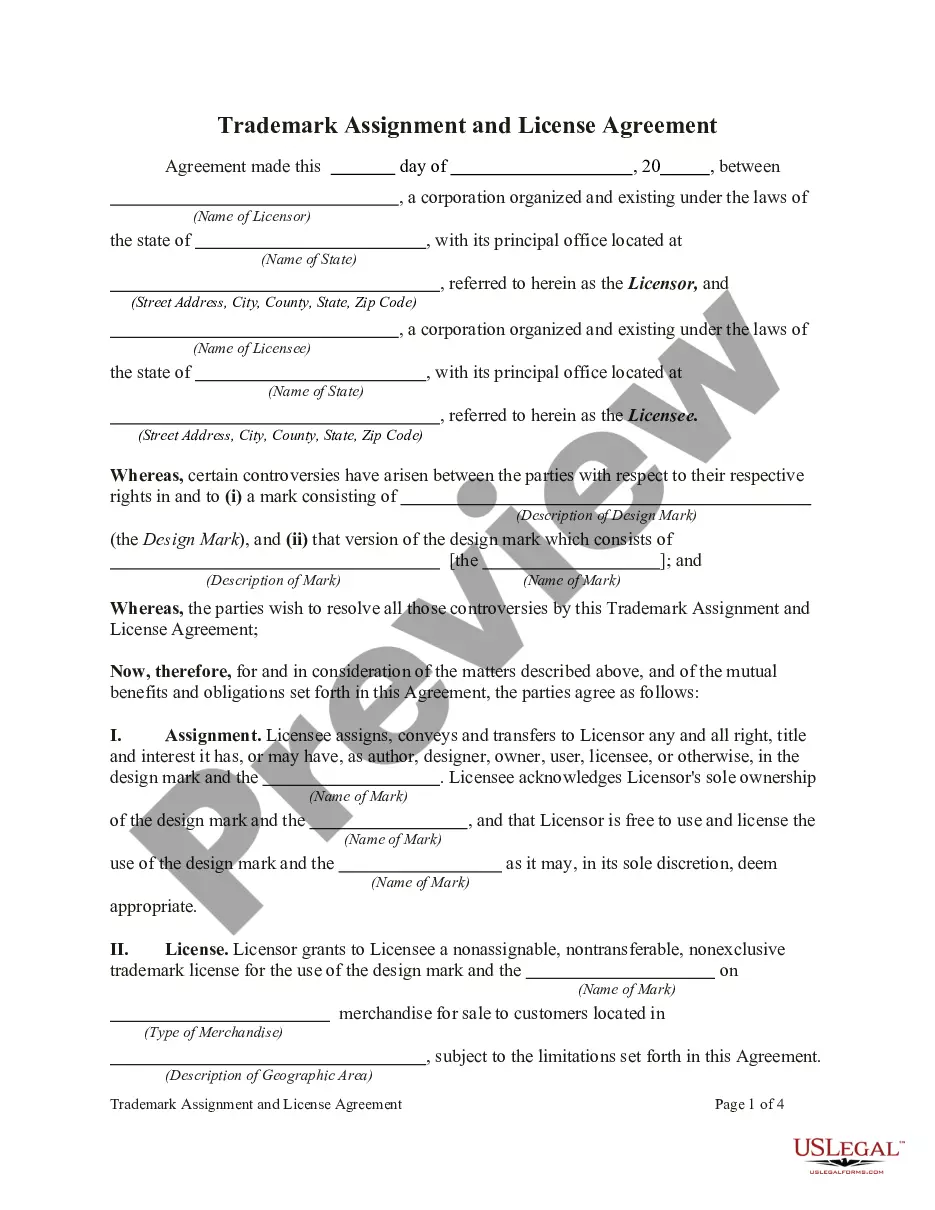
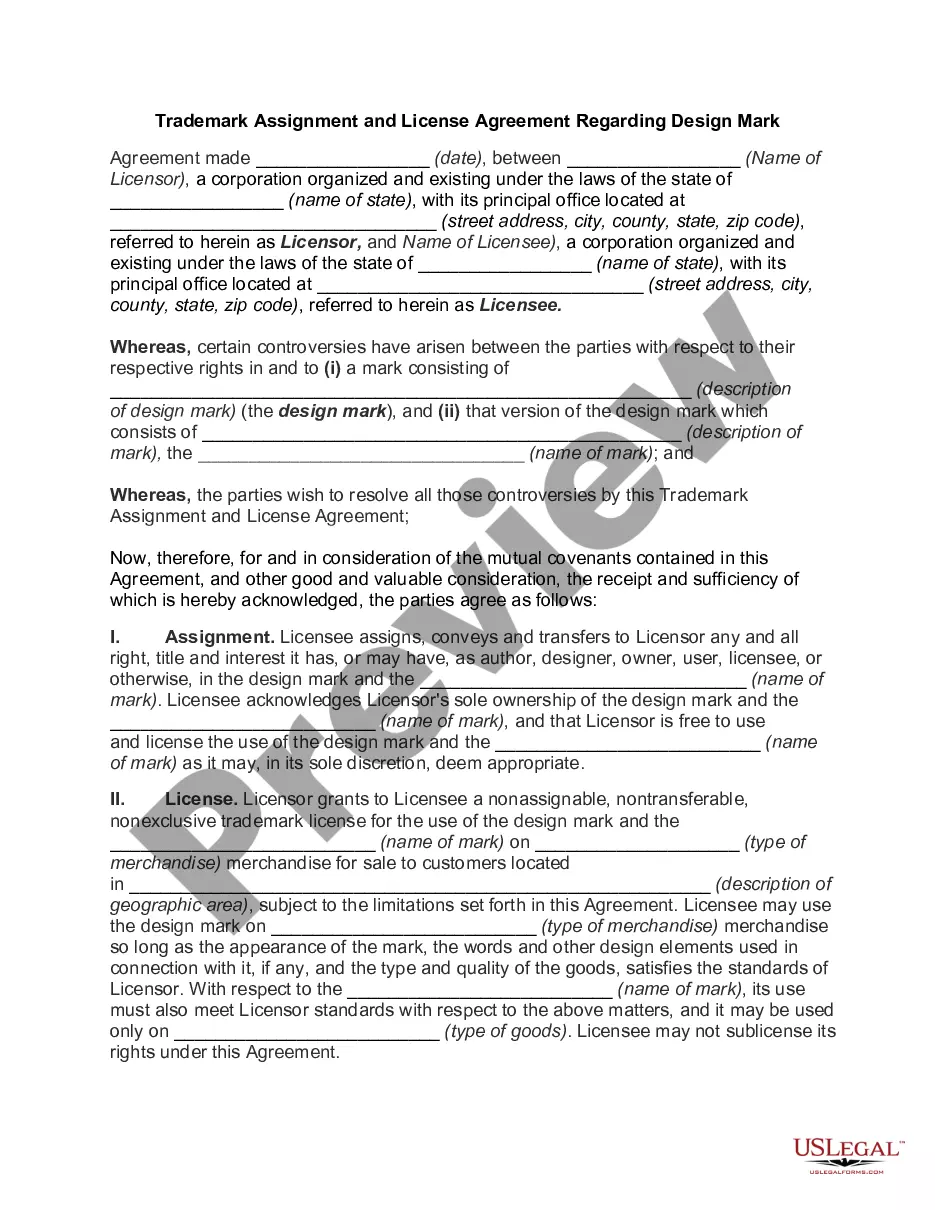
How to fill out Trademark Assignment And License Agreement?
You can spend time online looking for the legal document template that matches the federal and state requirements you desire.
US Legal Forms offers a extensive selection of legal forms that can be reviewed by experts.
You are able to download or print the Connecticut Trademark Assignment and License Agreement from my services.
If you want to obtain another version of the form, use the Search field to find the template that suits your needs and requirements.
- If you possess a US Legal Forms account, you can Log In and then press the Obtain button.
- Subsequently, you can complete, modify, print, or sign the Connecticut Trademark Assignment and License Agreement.
- All legal document templates you obtain are yours indefinitely.
- To retrieve another version of any purchased form, go to the My documents tab and click the relevant button.
- If you are using the US Legal Forms site for the first time, follow the simple instructions provided below.
- First, ensure that you have chosen the correct document template for your state/region of preference. Review the form details to confirm you have selected the right form.
- If available, use the Review button to look at the document template as well.
Form popularity
FAQ
A licensed mark is a trademark that a franchisee, or other licensee, has obtained the right to display for a certain period of time. The licensee doesn't own the trademark, but the trademark owner has granted him the right to display the trademark for a limited time, and subject to certain conditions.
Practitioners and licensing executives often refer to three basic types of voluntary licenses: non-exclusive, sole, and exclusive. A non-exclusive licence allows the licensor to retain the right to use the licensed property and the right to grant additional licenses to third parties.
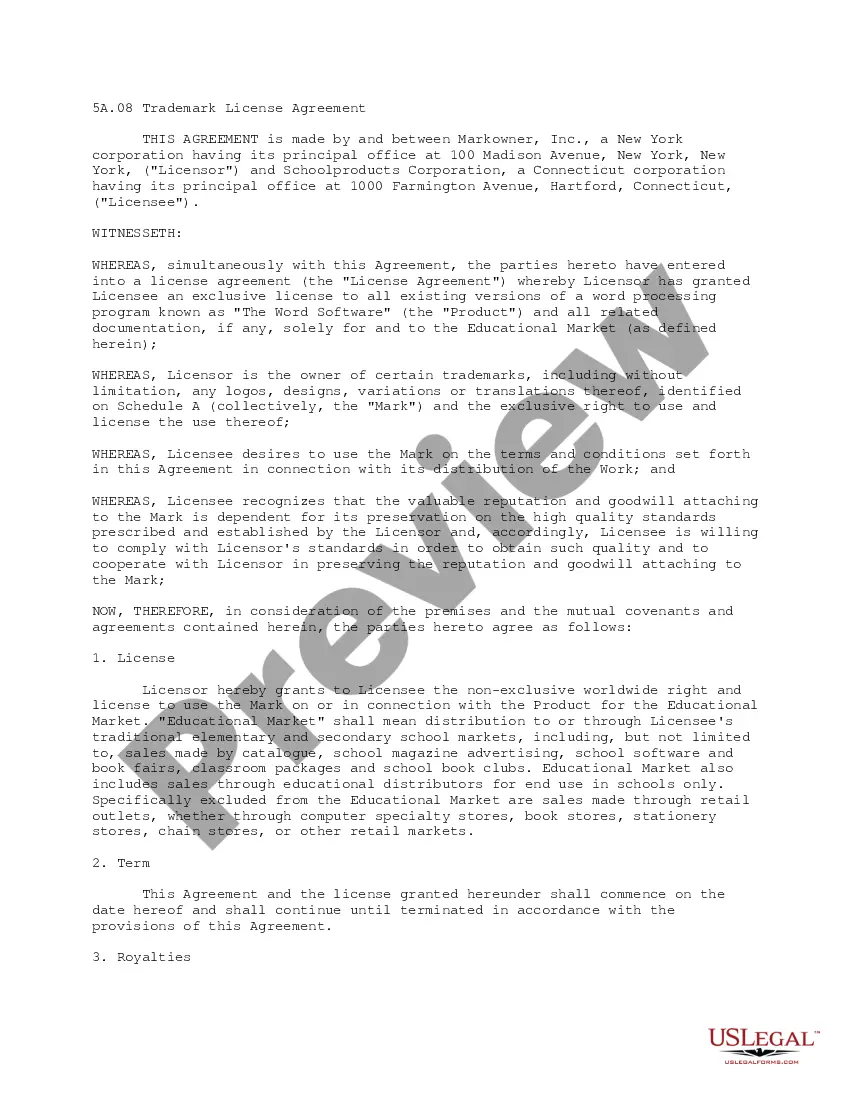
A trademark licence is an agreement between a trademark owner (the licensor) and another entity (the licensee) in which the licensor permits the licensee to use its trademark for commercial purposes.
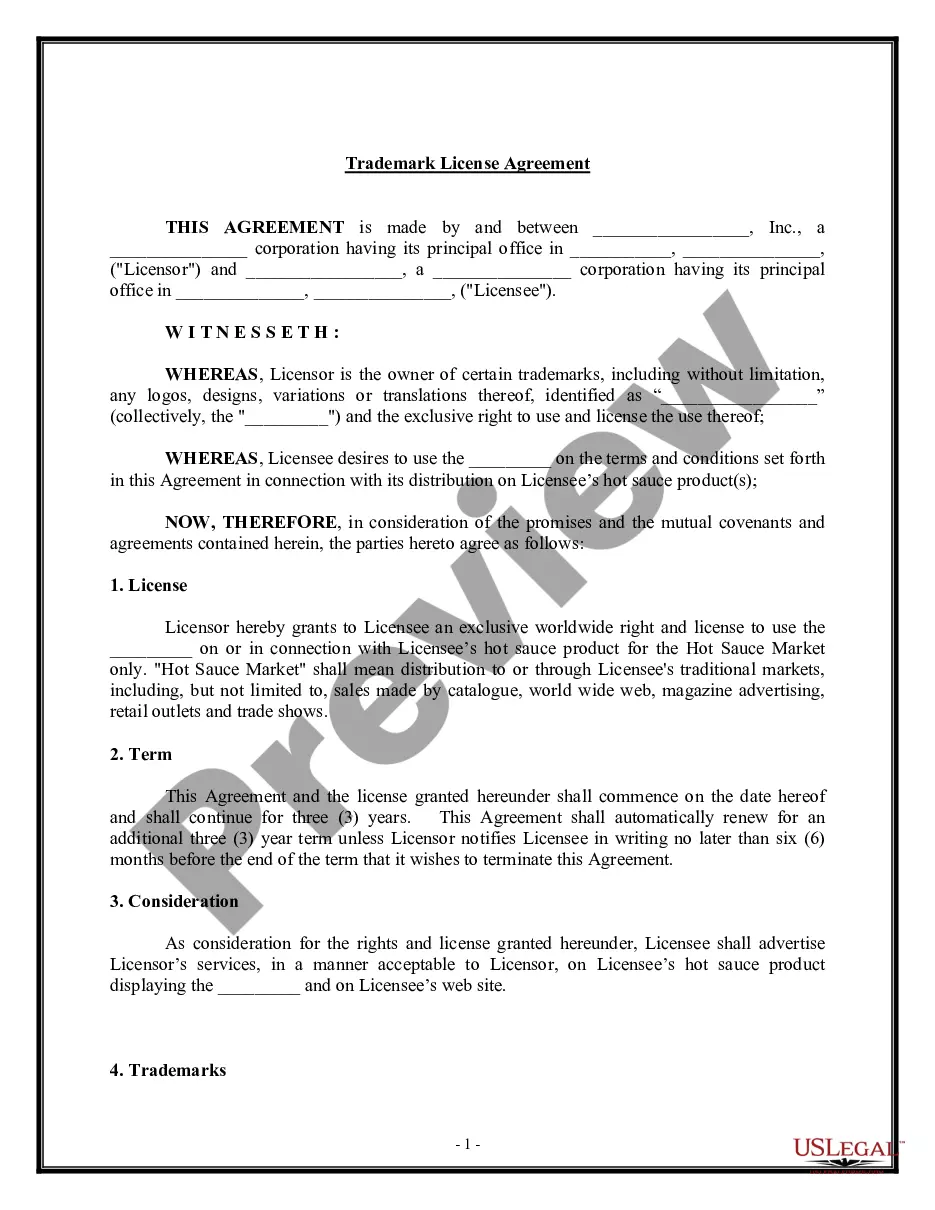
Trademark licensing is an agreement in which a registered trademark owner, the licensor, grants another party, the licensee, permission to make and distribute products or services under that trademark.
In a Trademark licence agreement the proprietor (Licensor) of a registered trademark gives authorization to another company (Licensee) to manufacture and distribute products under this trademark.
A trademark license agreement allows the licensee to use (but not own) the licensor's trademark in connection with agreed-on products or services. Licensing can help a company expand into new markets effectively and easily while lending the licensee an established name and reputation.
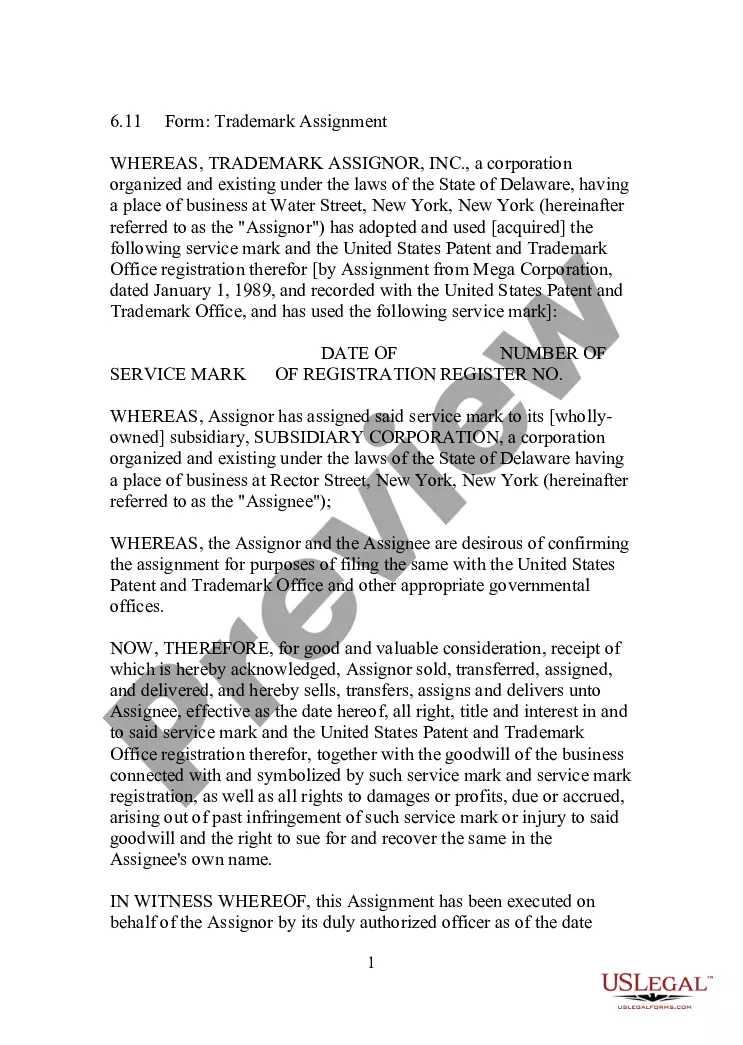
A trademark assignment is the transfer of an owner's property rights in a given mark or marks. Such transfers may occur on their own or as parts of larger asset sales or purchases. Trademark assignment agreements both provide records of ownership and transfer and protect the rights of all parties.
To put it summarily, in case of an assignment of a trademark, there is a change in the ownership of the registered brand and in case of licensing, the right in the trade mark continues to vest with the original owner but only few restricted rights to use the brand/mark are given to the third party.
The term 'assignment' and 'license' cannot be interchanged. A license is different from an agreement. Generally, in absence of any provision to the contrary, the assignee becomes the owner of the assigned work, whereas in case of a license the licensee gets the right to exercise particular rights only.
A trademark licensing agreement is a legal contract between a trademark owner and another party that have agreed to use the trademark on preapproved terms decided between the contracting parties.