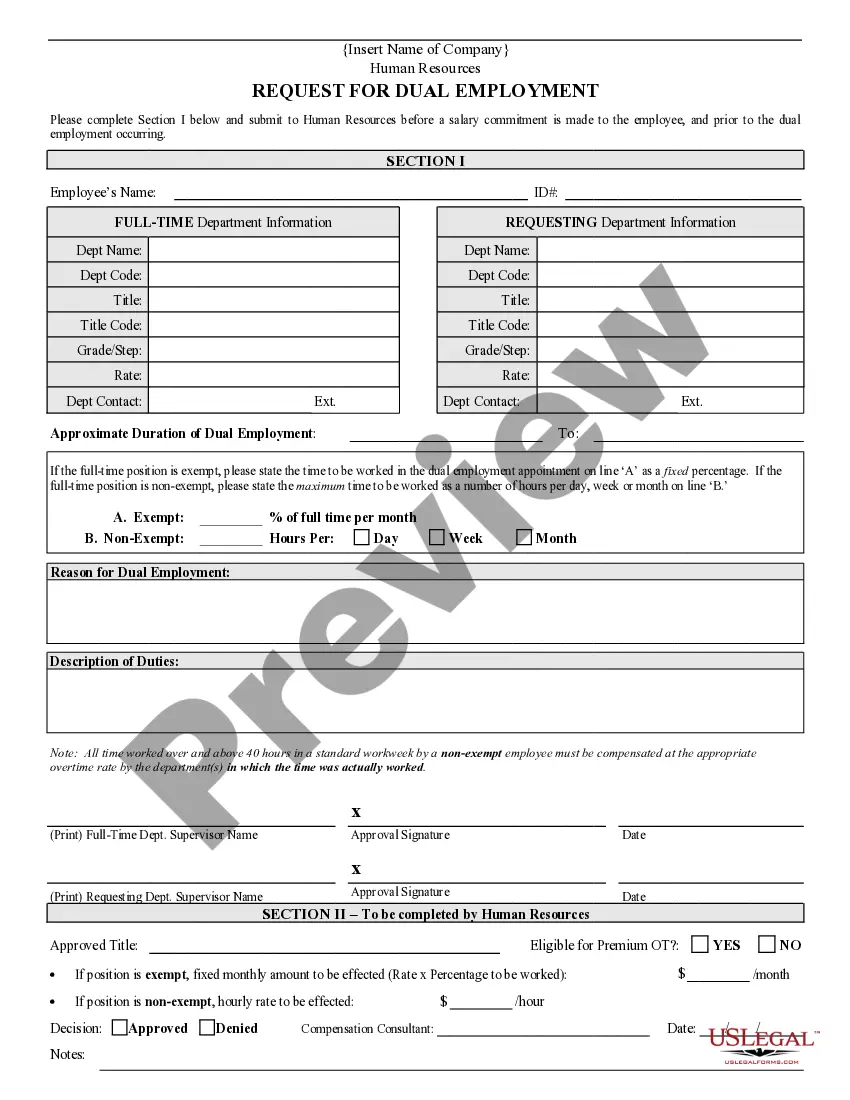
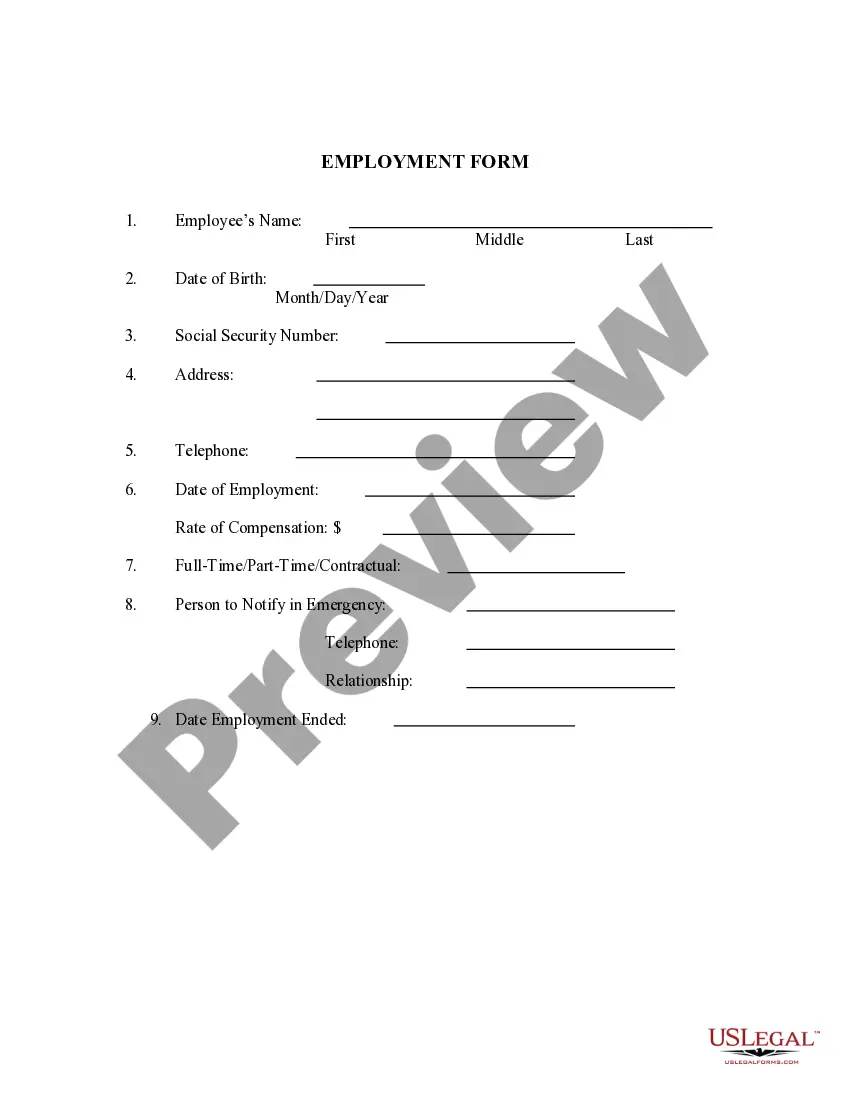
Connecticut Request for Dual Employment
Description

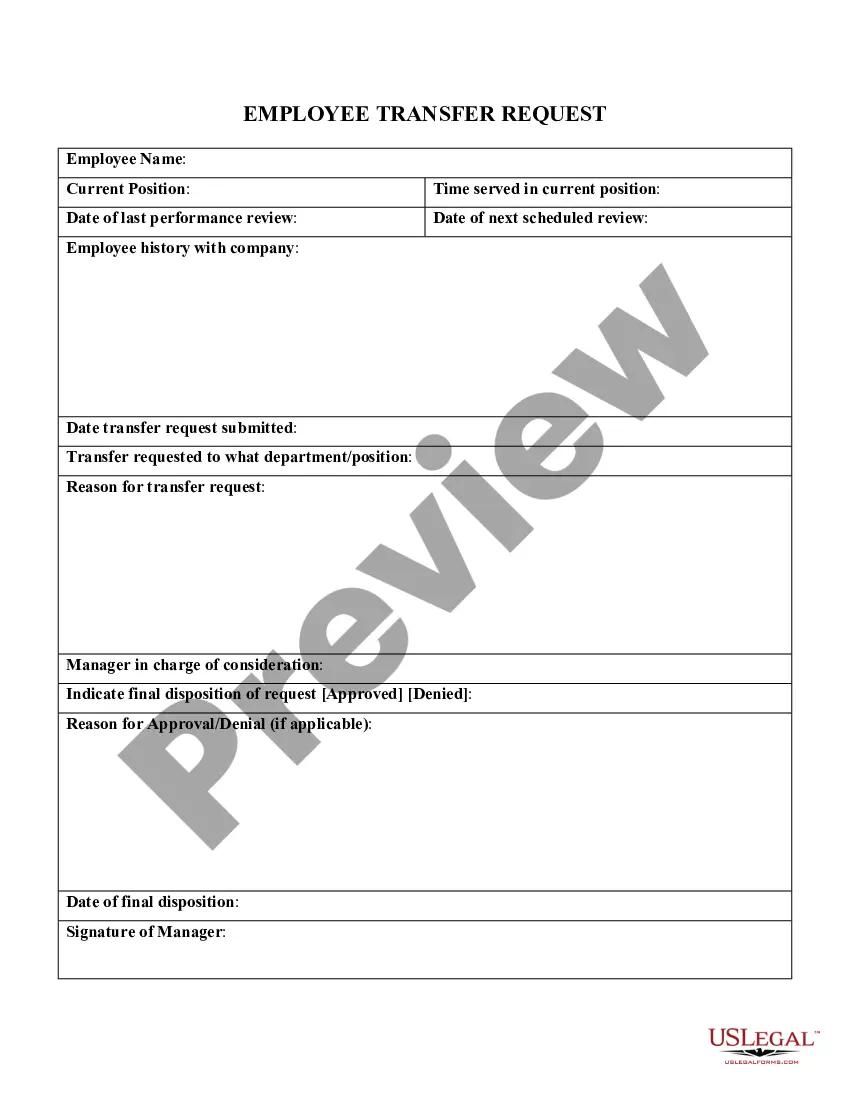
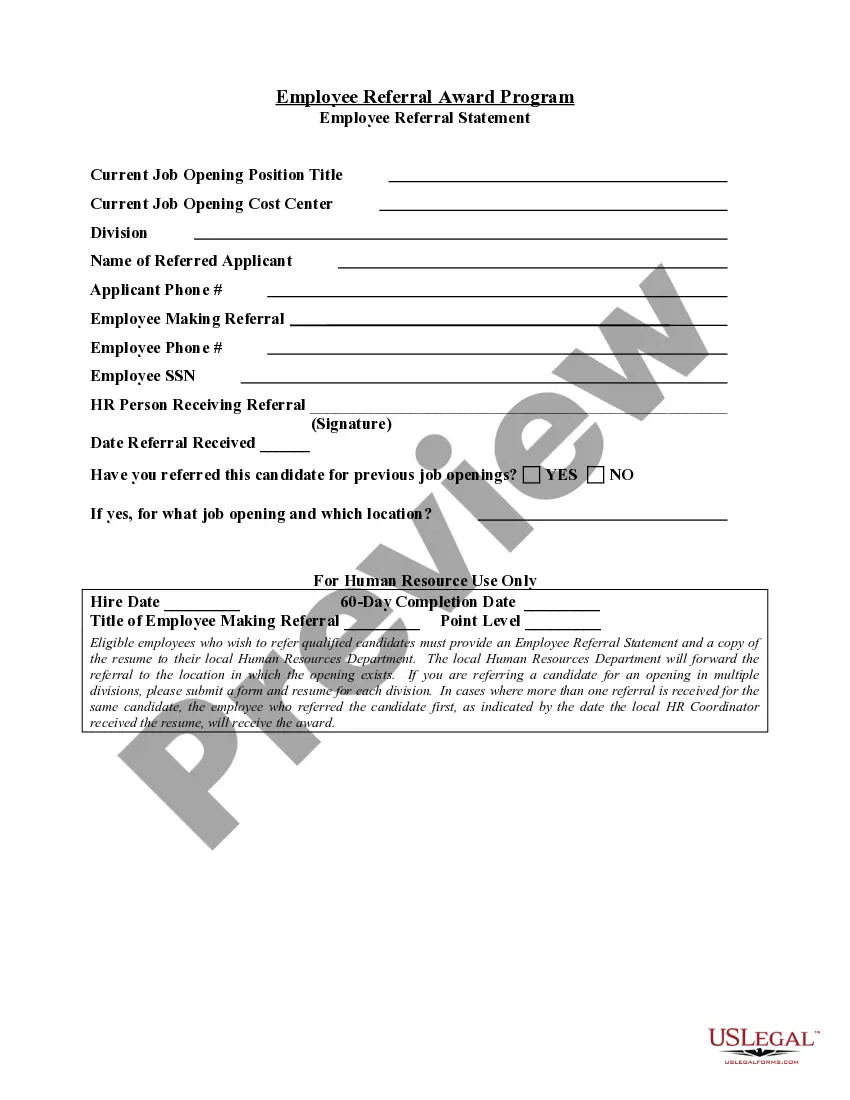
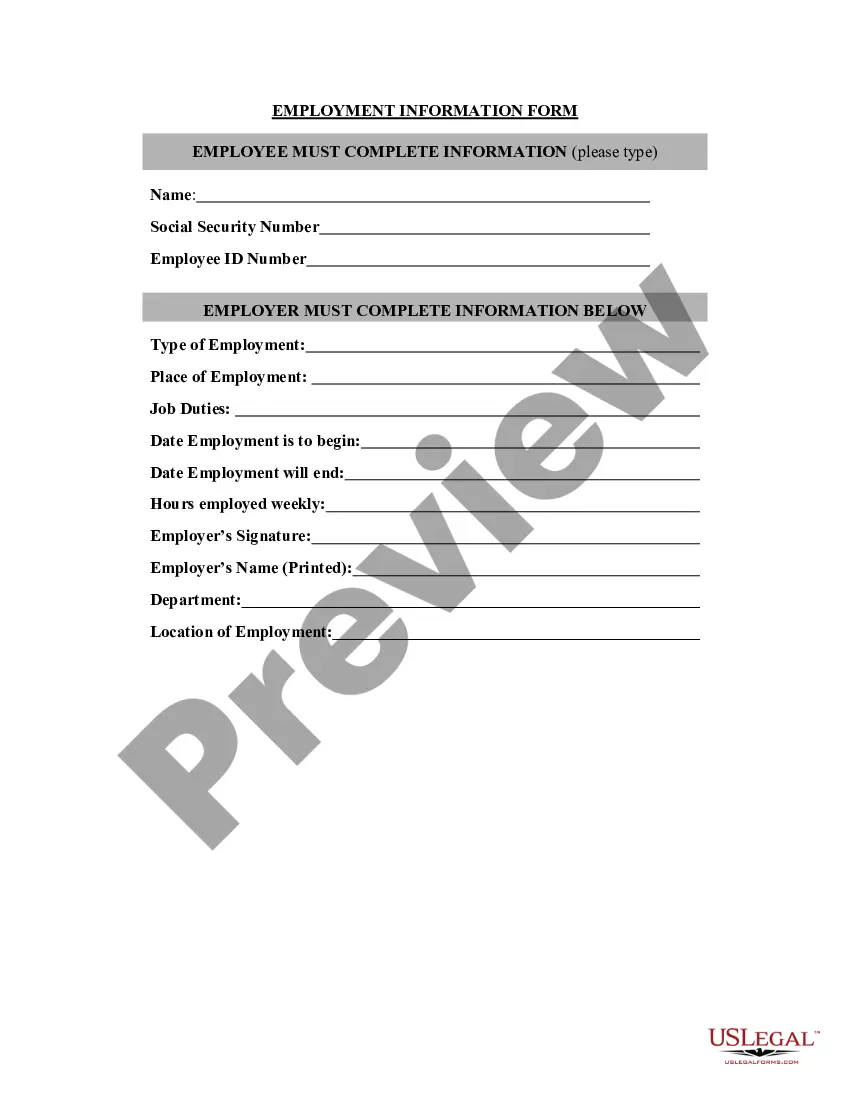
Get your form ready online
Our built-in tools help you complete, sign, share, and store your documents in one place.
Make edits, fill in missing information, and update formatting in US Legal Forms—just like you would in MS Word.
Download a copy, print it, send it by email, or mail it via USPS—whatever works best for your next step.
Sign and collect signatures with our SignNow integration. Send to multiple recipients, set reminders, and more. Go Premium to unlock E-Sign.
If this form requires notarization, complete it online through a secure video call—no need to meet a notary in person or wait for an appointment.
We protect your documents and personal data by following strict security and privacy standards.

Make edits, fill in missing information, and update formatting in US Legal Forms—just like you would in MS Word.

Download a copy, print it, send it by email, or mail it via USPS—whatever works best for your next step.

Sign and collect signatures with our SignNow integration. Send to multiple recipients, set reminders, and more. Go Premium to unlock E-Sign.

If this form requires notarization, complete it online through a secure video call—no need to meet a notary in person or wait for an appointment.

We protect your documents and personal data by following strict security and privacy standards.
Looking for another form?
How to fill out Request For Dual Employment?
Locating the appropriate legal document format can be challenging.
Of course, there are numerous templates available online, but how do you find the legal document you need.
Utilize the US Legal Forms website. The platform provides thousands of templates, including the Connecticut Request for Dual Employment, which can be used for both business and personal purposes.
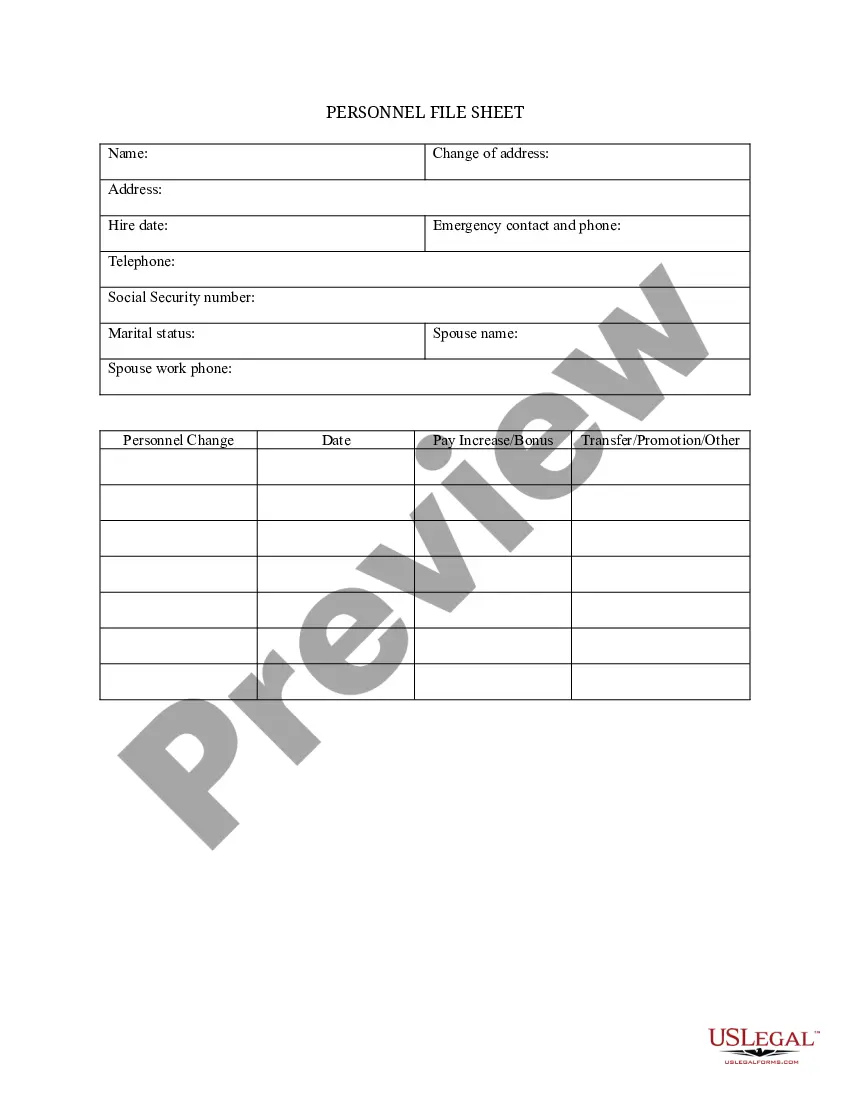
You can preview the document using the Review button and read the description to confirm this is the right one for you.
- All documents are vetted by experts and adhere to federal and state regulations.
- If you are already registered, Log In to your account and click the Download button to obtain the Connecticut Request for Dual Employment.
- Use your account to review the legal documents you have previously acquired.
- Navigate to the My documents section of your account and download another copy of the document you need.
- If you are a new user of US Legal Forms, here are simple instructions to follow.
- First, ensure you have selected the correct form for your city/region.
Form popularity
FAQ
The terms and conditions of your contract of employment may prohibit you from engaging in secondary employment. If so, engaging in secondary employment may constitute a breach of your employment conditions, placing you at risk of termination.
There is no provision under the Indian labour laws barring dual employment. Thus the Indian employment laws provide no specific provisions dealing with the legality of dual employment. But in the case of employees working in factories section 60 of the Factories Act 1948 lays restriction on double employment in India.
Here are our 12 rules, in no particular order.Don't Talk About Working Two Remote Jobs. The golden rule.Don't Fall In Love (with your second burner job)Do Your Own Research (DYOR)Have A Clearly Defined Goal.Have An Exit Strategy.Get What You Want By Giving People What They Want.Be Average.Take Care Of Yourself First.More items...?
The moonlighting clause must be added and signed with the free consent of both the employer and employee. The employer has to make sure that the employment agreement clearly mentions dual employment as a ground for termination of employment.
Non-represented employees may hold dual employment appointments. Dual employment occurs when a staff employee who holds a full-time (100%) staff position in one department takes on an additional staff appointment in another department.
Article IX, Section IX of the Constitution says that no elective or appointive public officer or employee shall receive additional, double, or indirect compensation, unless specifically authorized by law. Section 7(b) of Republic Act No. 6713 also prohibits government employees from private practice.
Yes, definitely you can work on both companies.
There is no provision under the Indian labour laws barring dual employment. Thus the Indian employment laws provide no specific provisions dealing with the legality of dual employment. But in the case of employees working in factories section 60 of the Factories Act 1948 lays restriction on double employment in India.
Criminal Convictions - Addendum to Application for Examination or Employment Form - CT-HR-13. Form to be completed by individuals certifying they have/have not been convicted of an offense against criminal or military law or current pending charges.
First, if you live in the United States, at-will employment is the law. This means it's a free market between employees and employers, so it's legal to work multiple remote jobs.