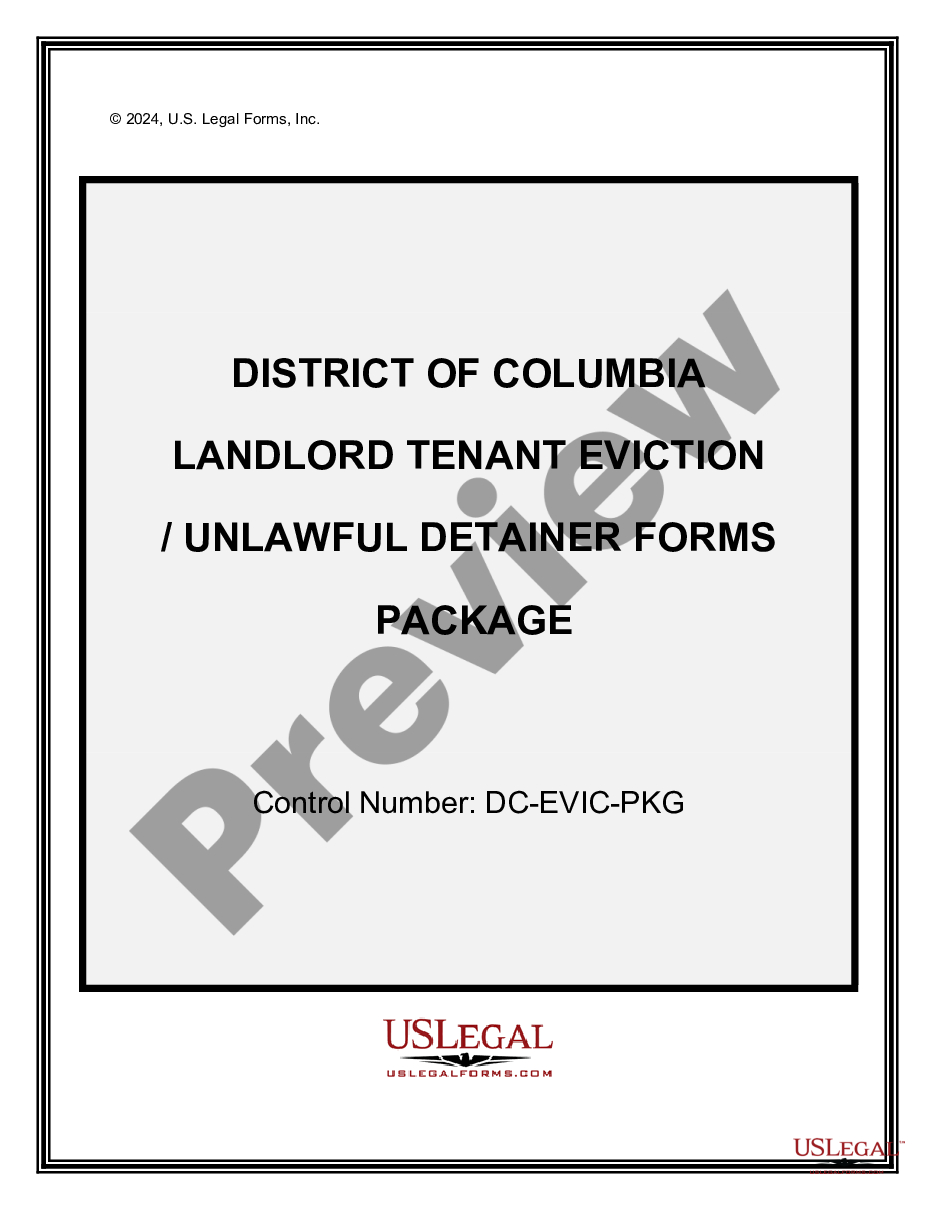
District of Columbia Landlord Tenant Eviction / Unlawful Detainer Forms Package
What is this form package?
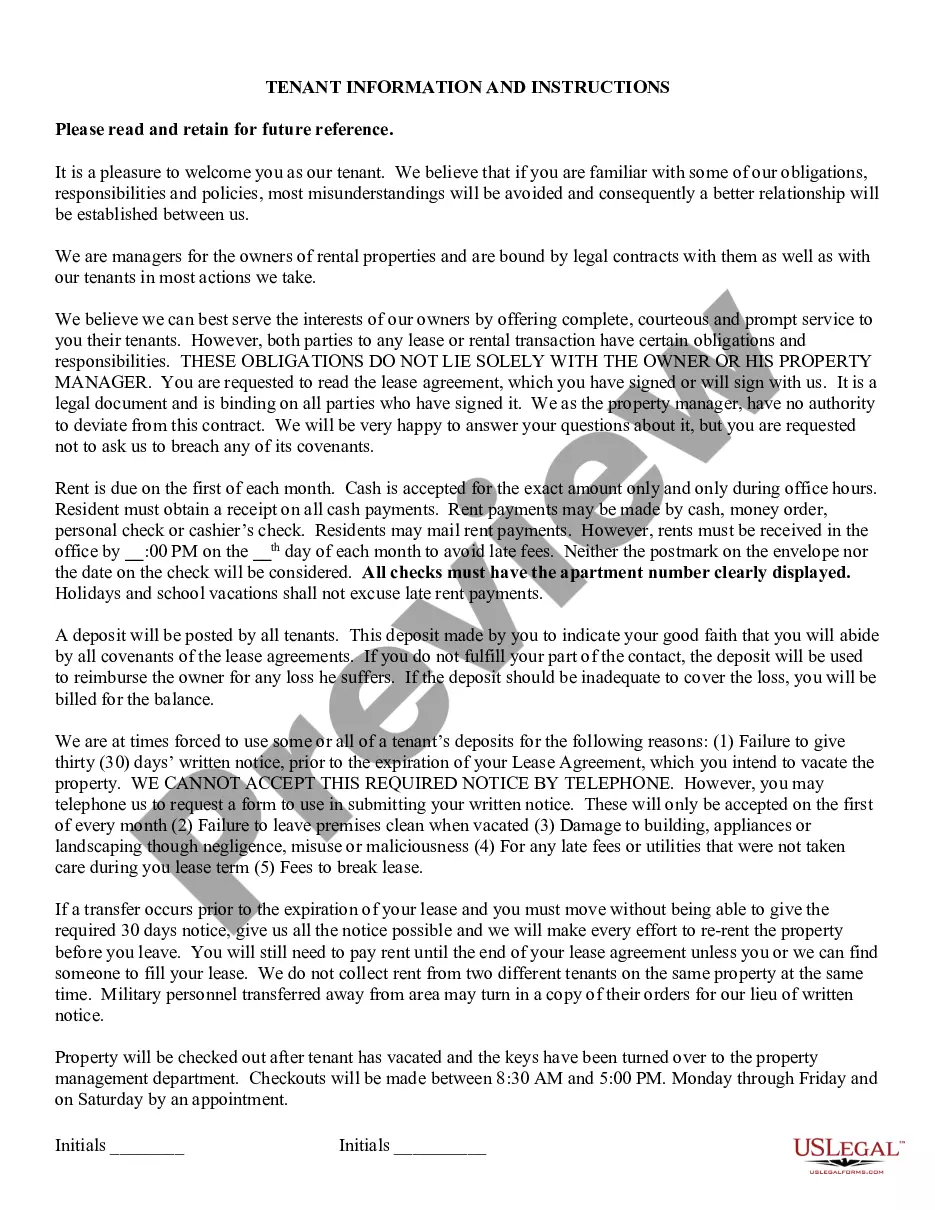
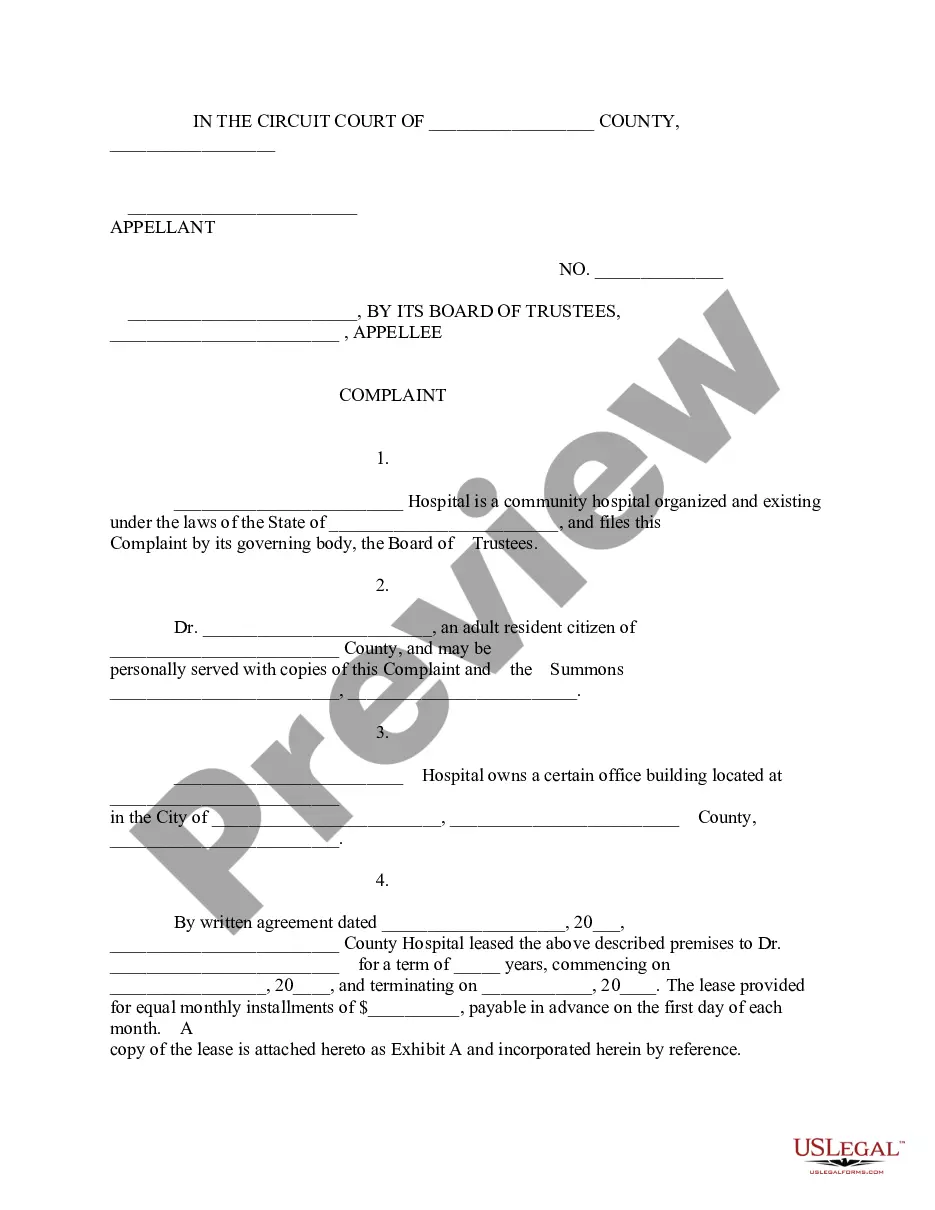
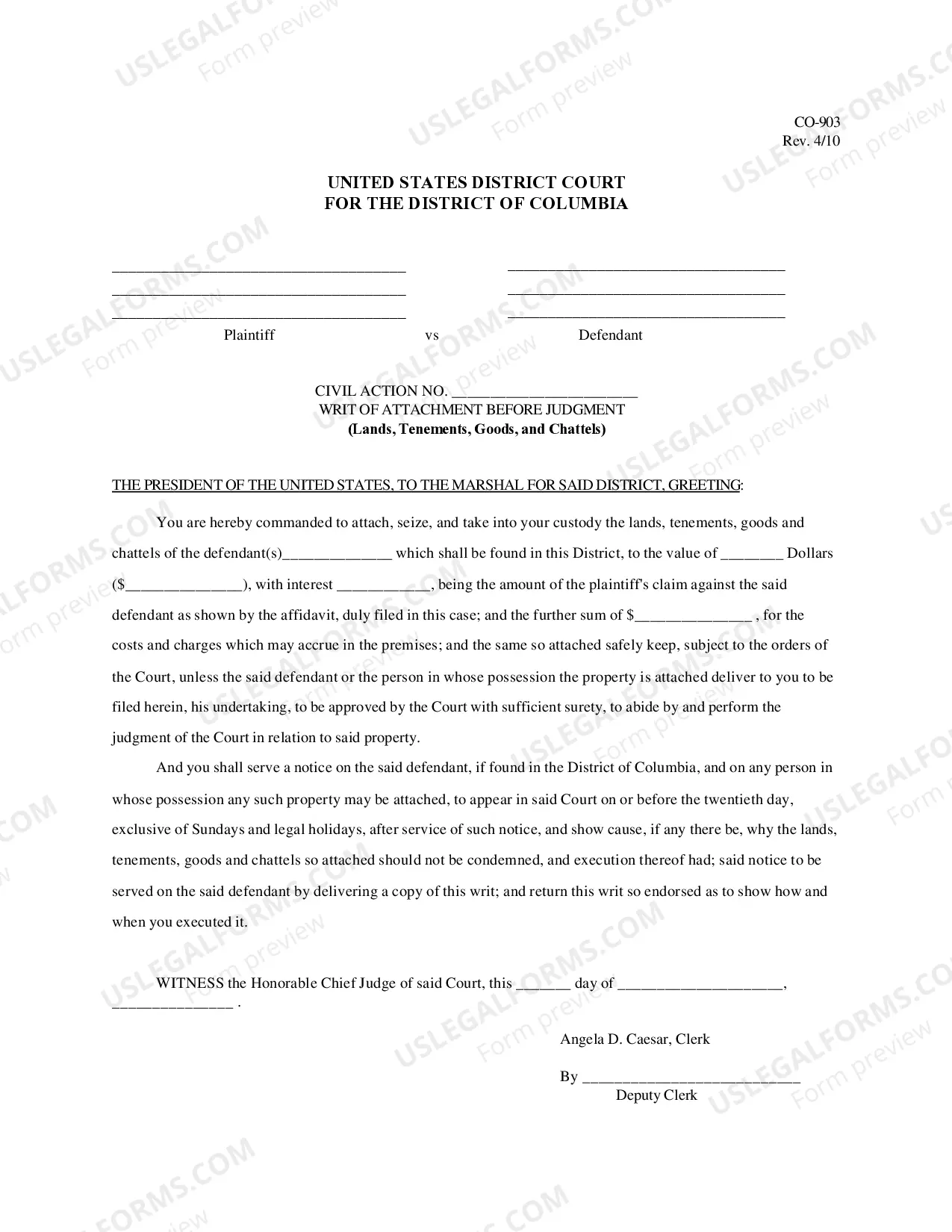
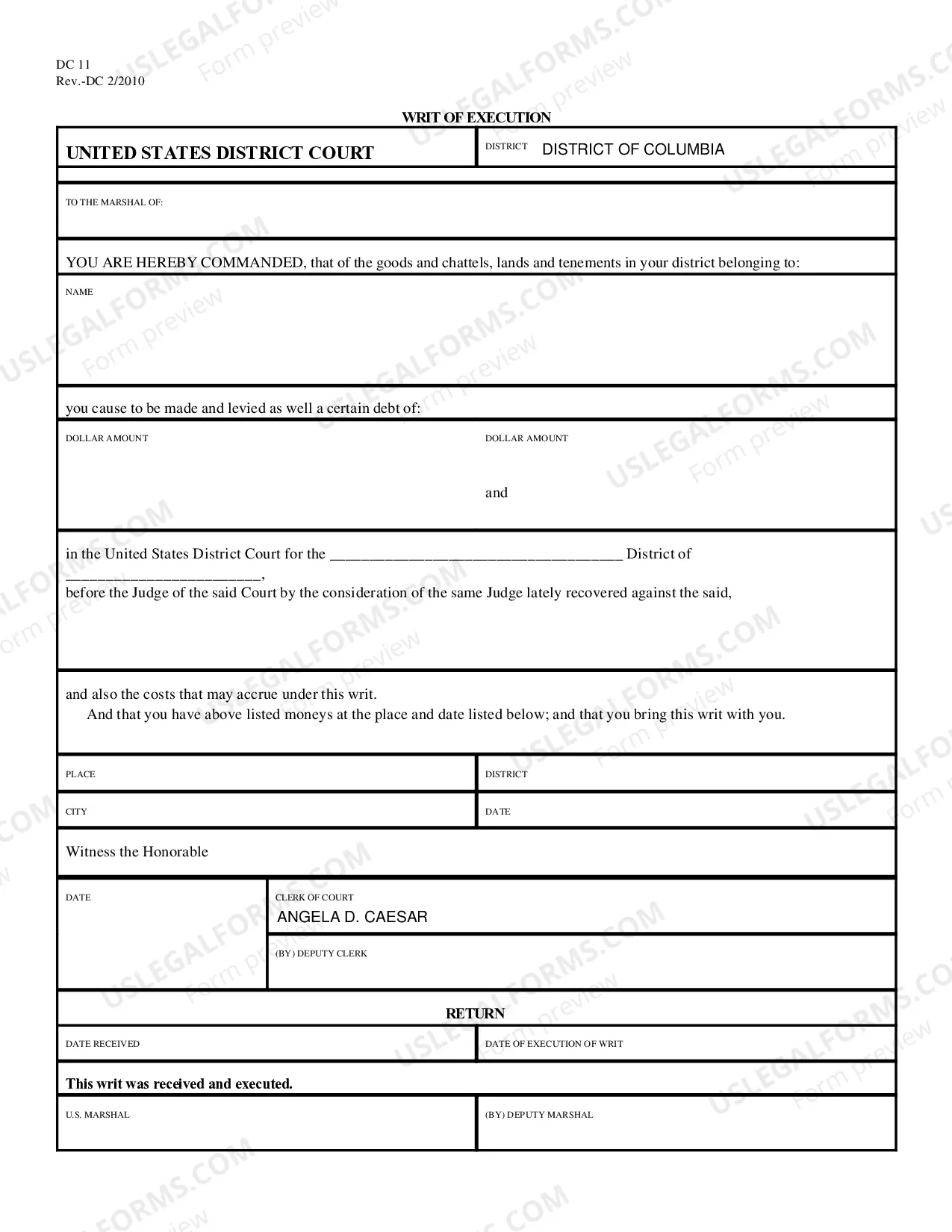
The District of Columbia Landlord Tenant Eviction / Unlawful Detainer Forms Package is a comprehensive collection of essential legal forms designed specifically for landlords looking to evict tenants in Washington, D.C. This package provides the necessary documentation to ensure compliance with state laws, making the eviction process smoother and more efficient. It includes forms for various eviction scenarios, including nonpayment of rent and violations of lease terms.
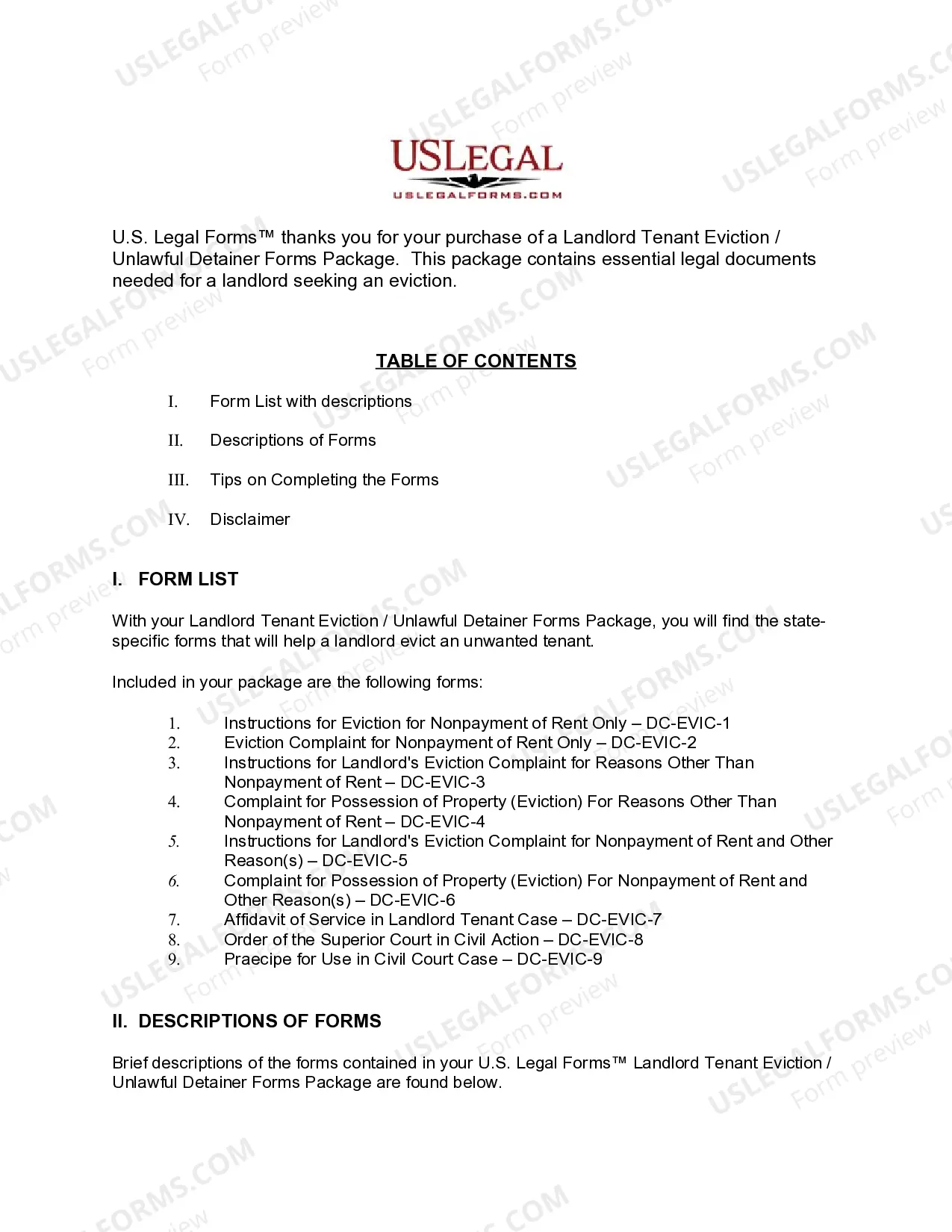
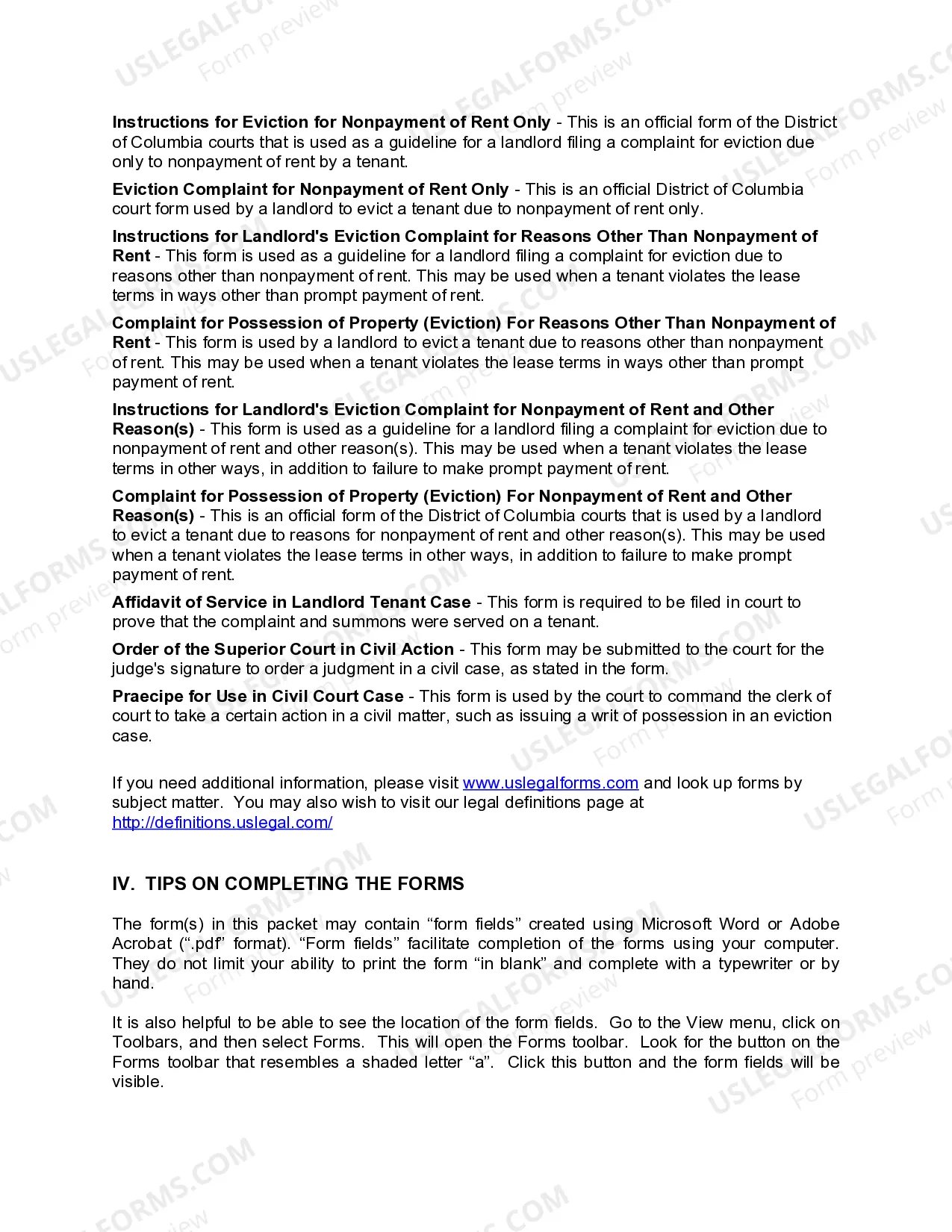
What’s included in this form package
When this form package is needed
This form package is useful in several situations:
- When a tenant fails to pay rent on time.
- When a tenant violates other terms of the lease agreement.
- When you need to formally notify and take legal action against a tenant to regain possession of your property.
Who can use this document
- Landlords who own residential rental properties in Washington, D.C.
- Property managers handling eviction processes on behalf of landlords.
- Anyone responsible for compliance with local eviction laws and procedures.
Instructions for completing these forms
- Review the included forms to determine which ones apply to your situation.
- Identify the parties involved, including your name as the landlord and the tenant's name.
- Complete the forms by entering the required information in the designated fields.
- Ensure all forms are signed and dated where required.
- File the completed forms with the appropriate District of Columbia court to initiate the eviction process.
Notarization details for included forms
Forms in this package typically do not require notarization. However, certain states or document types may still need it. US Legal Forms provides online notarization powered by Notarize, available 24/7 for your convenience.
Get your form ready online
Our built-in tools help you complete, sign, share, and store your documents in one place.
Make edits, fill in missing information, and update formatting in US Legal Forms—just like you would in MS Word.
Download a copy, print it, send it by email, or mail it via USPS—whatever works best for your next step.
Sign and collect signatures with our SignNow integration. Send to multiple recipients, set reminders, and more. Go Premium to unlock E-Sign.
If this form requires notarization, complete it online through a secure video call—no need to meet a notary in person or wait for an appointment.
We protect your documents and personal data by following strict security and privacy standards.

Make edits, fill in missing information, and update formatting in US Legal Forms—just like you would in MS Word.

Download a copy, print it, send it by email, or mail it via USPS—whatever works best for your next step.

Sign and collect signatures with our SignNow integration. Send to multiple recipients, set reminders, and more. Go Premium to unlock E-Sign.

If this form requires notarization, complete it online through a secure video call—no need to meet a notary in person or wait for an appointment.

We protect your documents and personal data by following strict security and privacy standards.
Mistakes to watch out for
- Failing to use the correct forms for specific situations (e.g., nonpayment vs. lease violations).
- Not providing complete and accurate information on the forms.
- Missing signatures or dates, which can invalidate the documents.
Benefits of completing this package online
- Convenient access to all necessary forms from any device.
- Easy editability allows you to customize forms based on your unique situation.
- Reliable source of state-specific legal forms drafted by licensed attorneys.
Legal use & context
- These forms are legally binding when completed and filed correctly according to D.C. law.
- Using the correct forms ensures that you adhere to the legal standards required for evictions in the District of Columbia.
What to keep in mind
- This package is essential for landlords in Washington, D.C., facing eviction situations.
- It includes all necessary forms to comply with state law.
- Proper completion and filing of these forms can facilitate a smoother eviction process.
Looking for another form?
Form popularity
FAQ
The timeframe to file an eviction in North Carolina typically varies depending on how quickly you can serve notice and gather necessary documents. After serving the proper notice, landlords can file for eviction in court, which may take several weeks to resolve. To streamline your filing process, consider the District of Columbia Landlord Tenant Eviction / Unlawful Detainer Forms Package for guidance and efficient documentation.
Evicting a tenant in North Carolina can be straightforward if you follow the legal process. It requires proper documentation, such as a notice to vacate, and potentially a court appearance. By utilizing the District of Columbia Landlord Tenant Eviction / Unlawful Detainer Forms Package, you can simplify the complexities involved in this process and stay compliant with legal requirements.
Filling out an eviction notice template requires careful attention to detail. Start by providing the tenant's information, the property address, and the reason for eviction. It’s crucial to specify any deadlines for tenant action. For completing eviction notices accurately, the District of Columbia Landlord Tenant Eviction / Unlawful Detainer Forms Package offers templates that are easy to use.
In many jurisdictions, including areas governed by the District of Columbia laws, there is a requirement to store tenant belongings for a specified period after eviction. Often, this timeframe is around 30 days, during which the tenant can retrieve their possessions. Ensure you understand these timelines by referring to the District of Columbia Landlord Tenant Eviction / Unlawful Detainer Forms Package for clarified guidelines.
In Vermont, the eviction process is governed by state laws that require landlords to provide a valid reason for eviction. Typically, landlords must give a written notice, which can vary in length based on the reason for eviction. To navigate these regulations effectively, consider the District of Columbia Landlord Tenant Eviction / Unlawful Detainer Forms Package for clear and compliant forms.
An eviction letter should be addressed clearly to the tenant, including their full name and the property address. Start the letter with a polite greeting, clearly state the reason for the eviction, and mention any relevant dates. For a comprehensive eviction letter template, consider the District of Columbia Landlord Tenant Eviction / Unlawful Detainer Forms Package to guide you.
The quickest way to evict a tenant involves following the proper legal procedures, starting with a notice to vacate. After providing the required notice, you can file an unlawful detainer action in court. Utilizing the District of Columbia Landlord Tenant Eviction / Unlawful Detainer Forms Package can help streamline this process and ensure compliance with local laws.
In North Carolina, the requirement for a notice to vacate depends on the lease agreement. If the lease is month-to-month, a 30-day notice is generally required. However, if the lease has a specified end date, no notice may be needed. For assistance with eviction processes, consider using the District of Columbia Landlord Tenant Eviction / Unlawful Detainer Forms Package.
The eviction diversion program in the District of Columbia aims to prevent evictions by providing mediation and resources to both landlords and tenants. This program encourages communication and offers solutions to disputes, allowing tenants to remain in their homes longer. Utilizing the District of Columbia Landlord Tenant Eviction / Unlawful Detainer Forms Package may help you navigate this program effectively.
To file a complaint against a landlord in the District of Columbia, you must gather supporting documentation and complete the appropriate forms. You can utilize resources such as the District of Columbia Landlord Tenant Eviction / Unlawful Detainer Forms Package to guide you through this process. File your complaint with the Department of Consumer and Regulatory Affairs for appropriate action.