District of Columbia Demand for Notice of Aggravating and for Disclosure of Evidence Supporting Mitigating Circumstances
Description
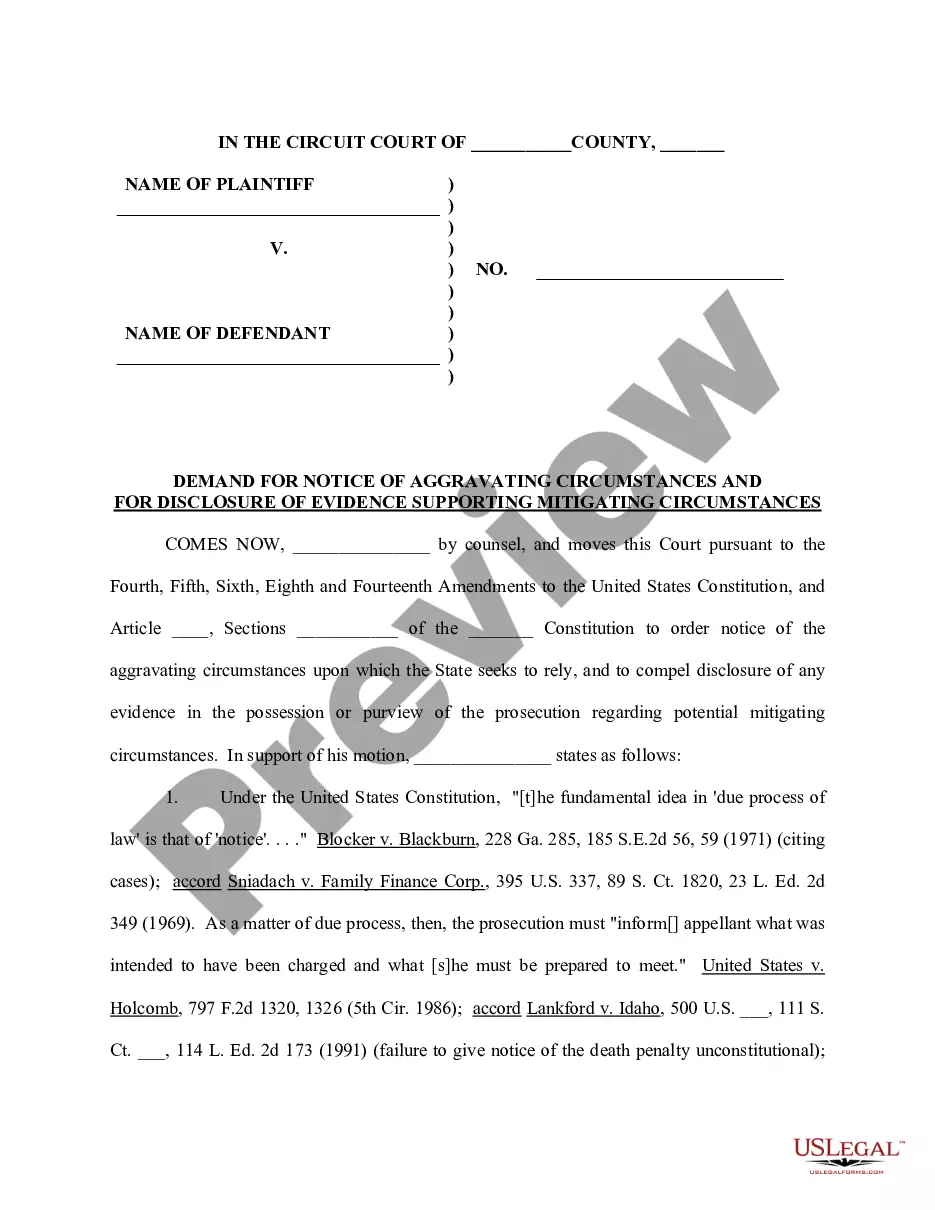
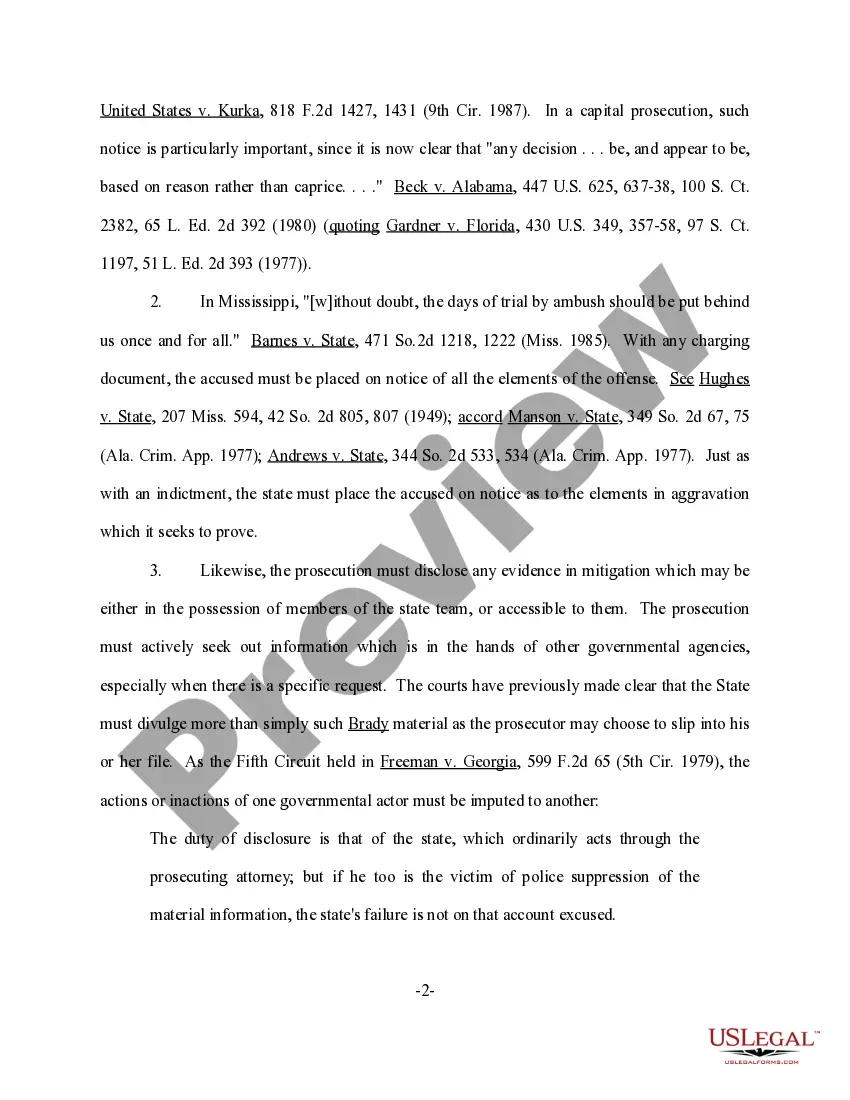
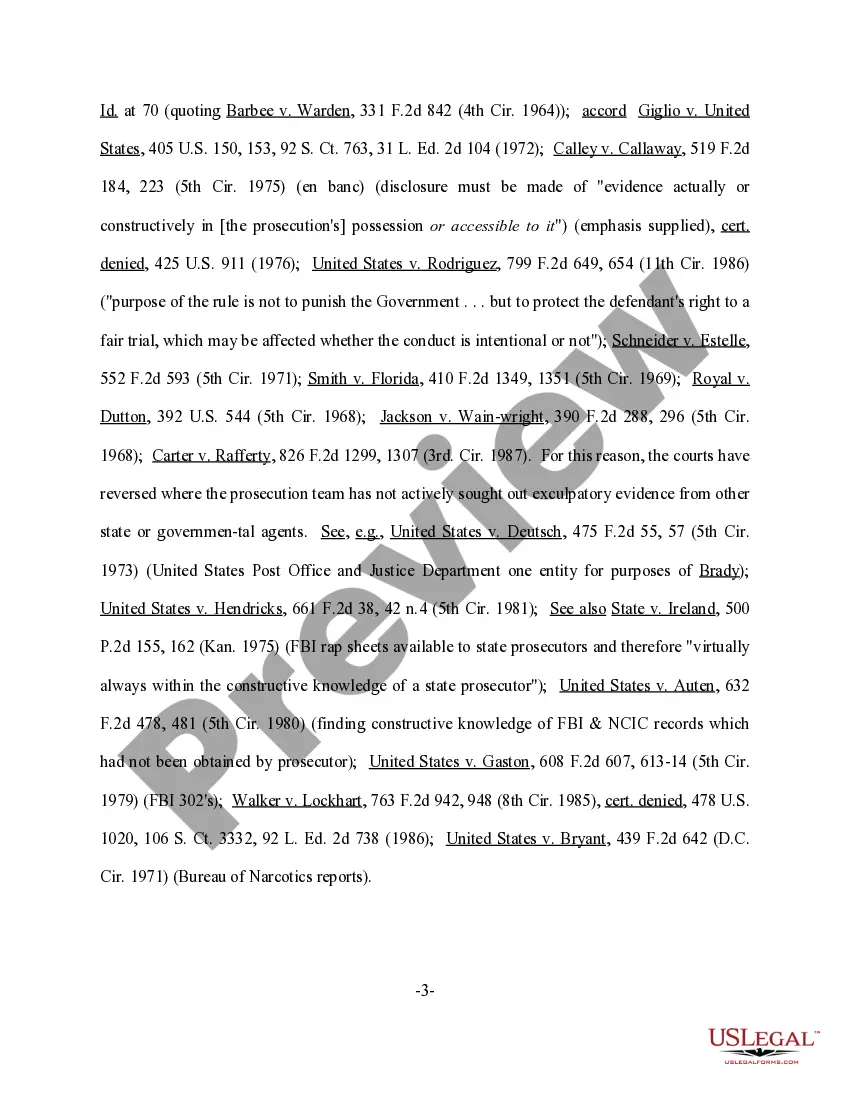
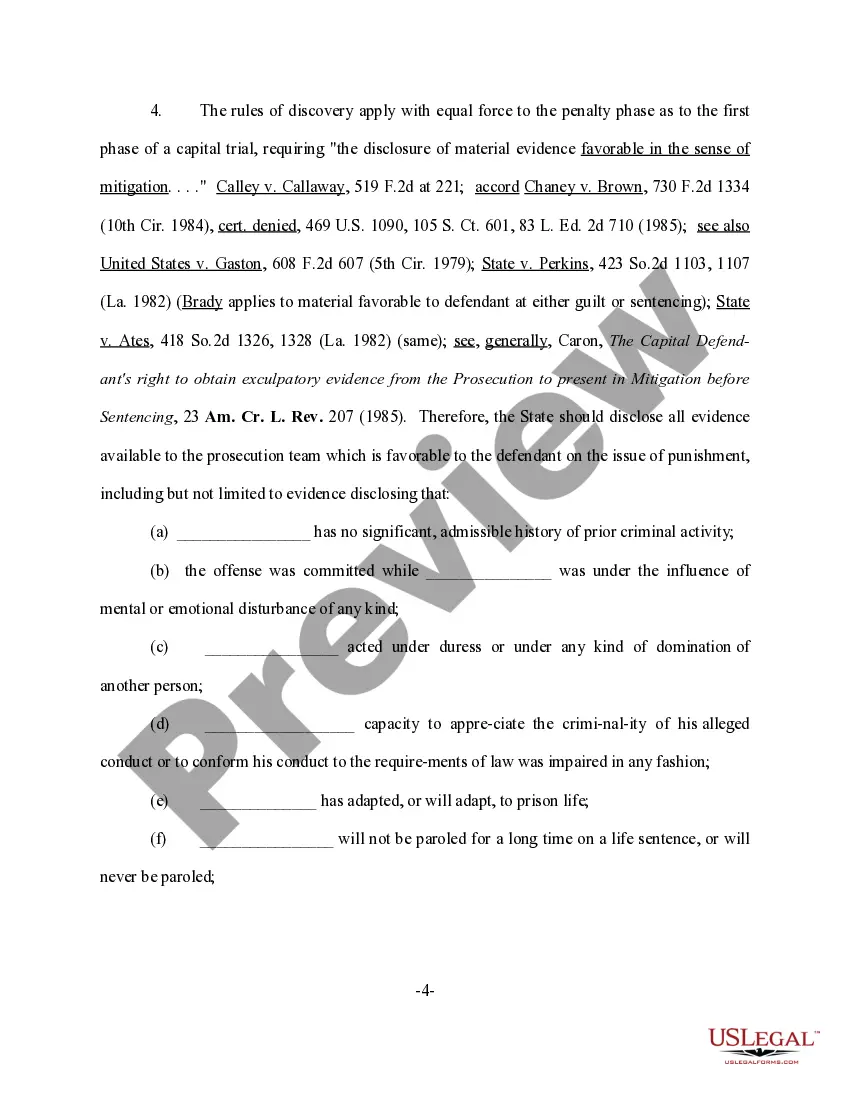
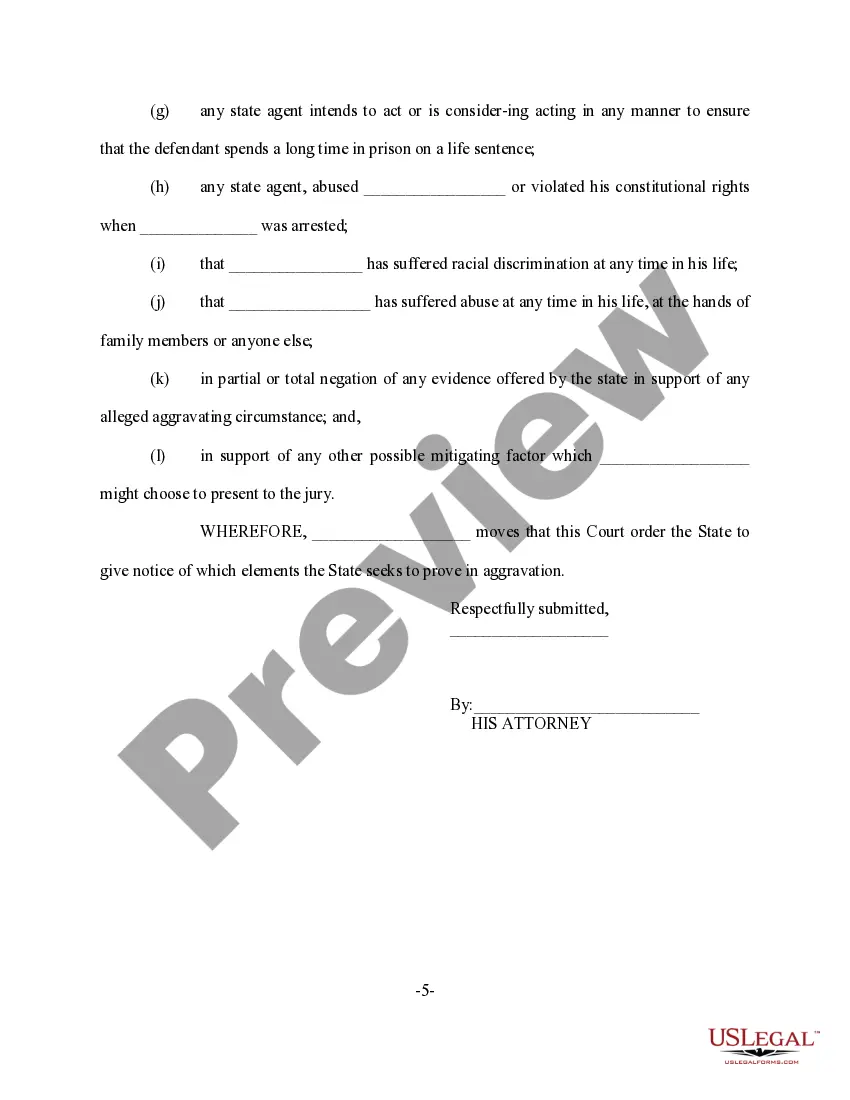
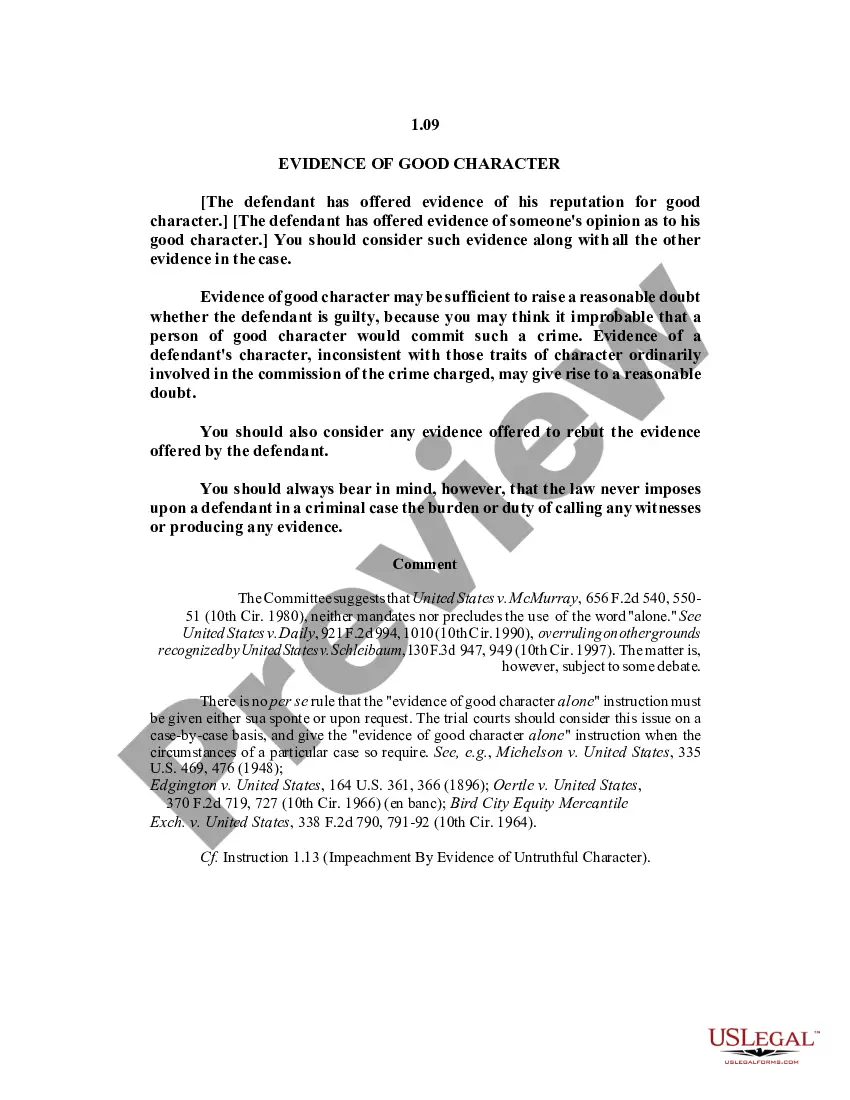
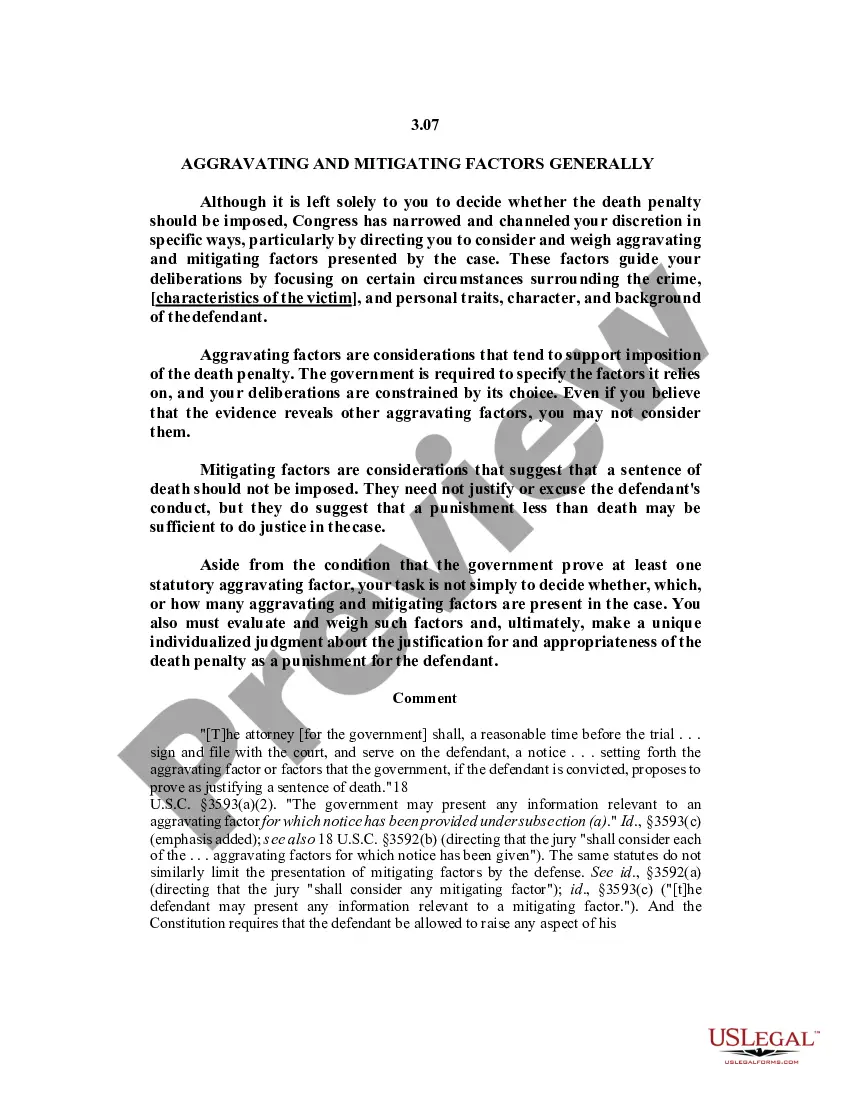
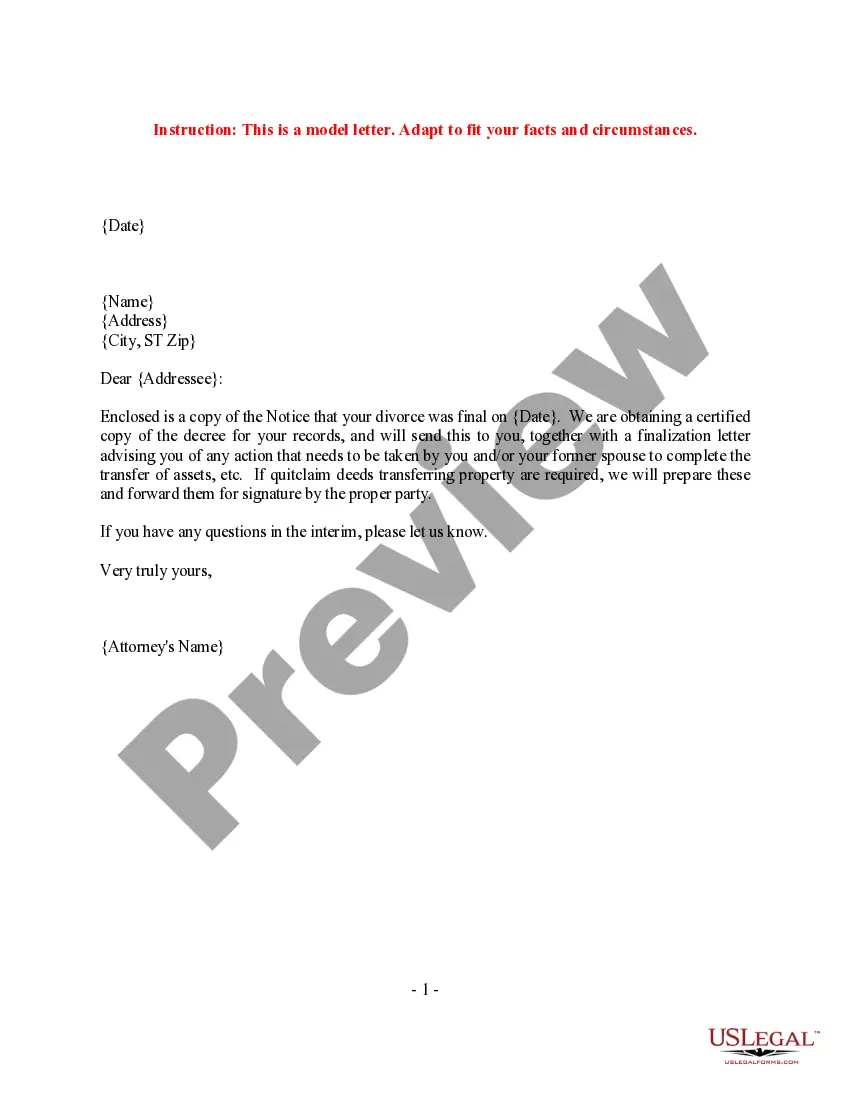
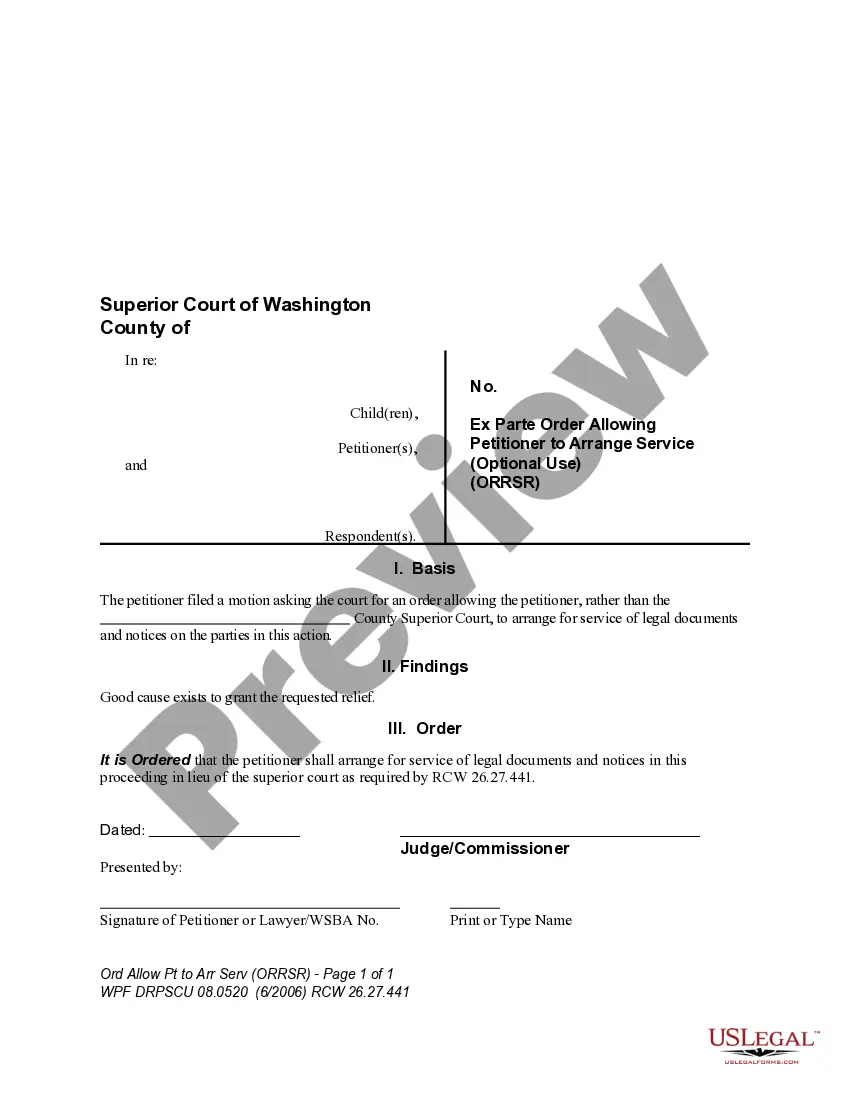
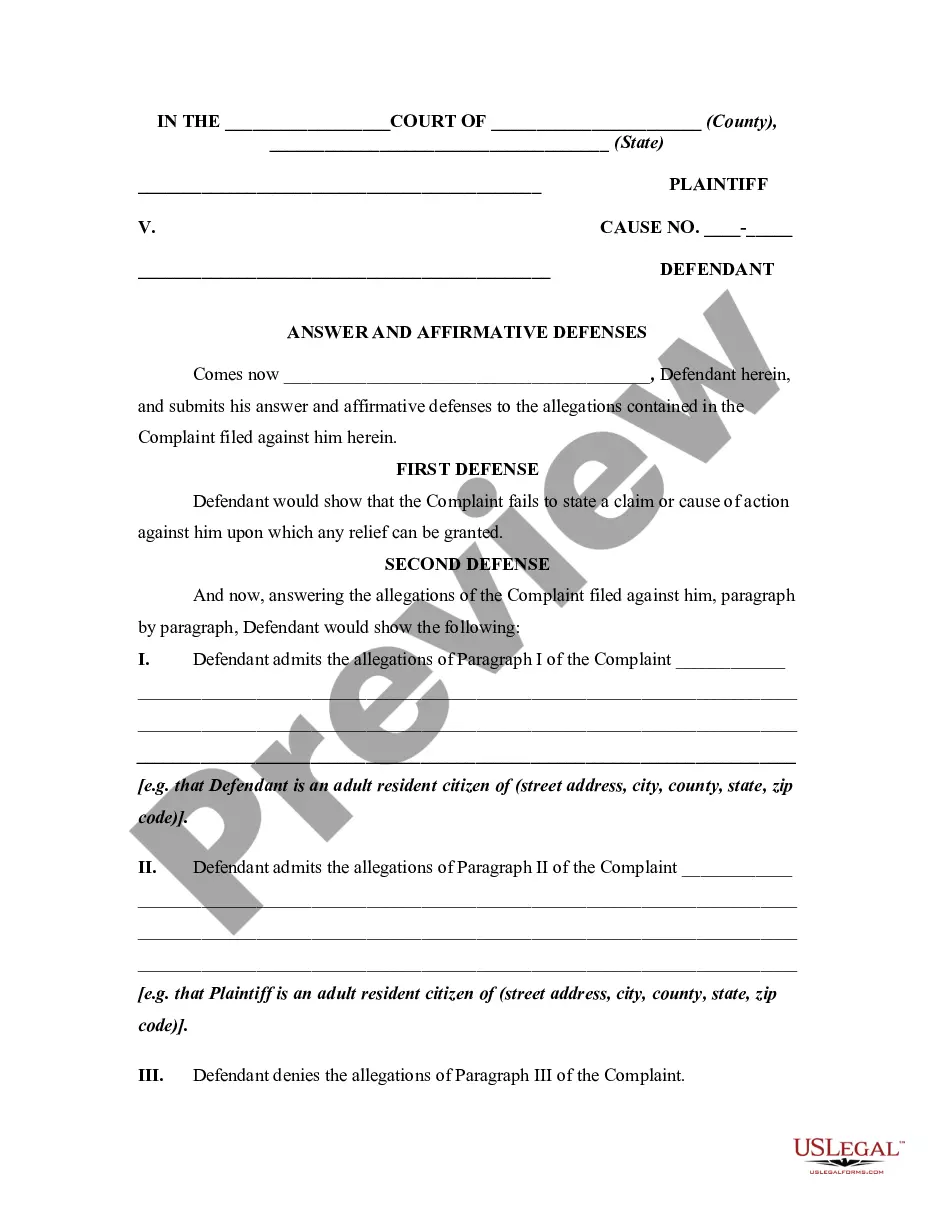
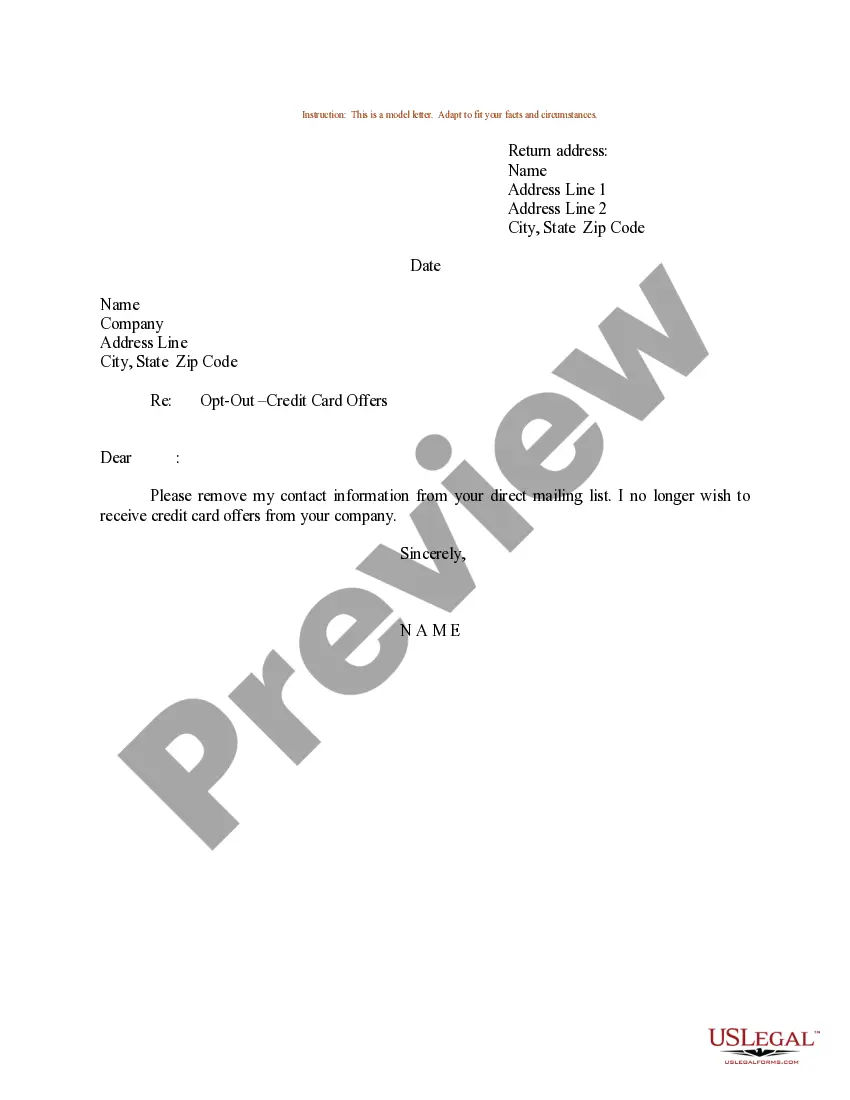
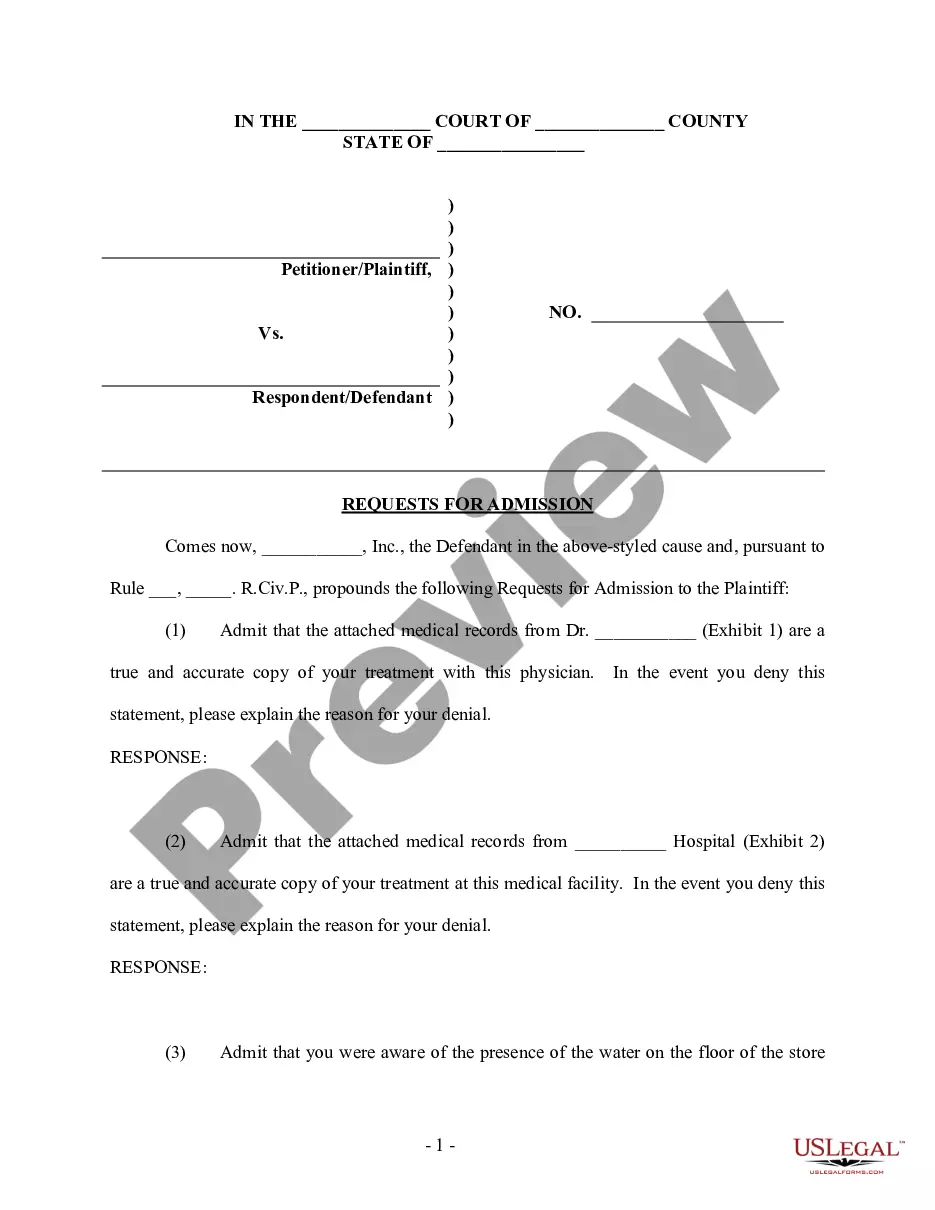
How to fill out Demand For Notice Of Aggravating And For Disclosure Of Evidence Supporting Mitigating Circumstances?
If you need to compile, acquire, or generate sanctioned document templates, utilize US Legal Forms, the most extensive selection of legal forms available online. Capitalize on the site's straightforward and convenient search to locate the documents you require. Various templates for business and personal purposes are organized by categories and jurisdictions, or keywords. Use US Legal Forms to discover the District of Columbia Demand for Notice of Aggravating and for Disclosure of Evidence Supporting Mitigating Circumstances in just a few clicks.
If you are already a US Legal Forms user, Log In to your account and click the Acquire button to retrieve the District of Columbia Demand for Notice of Aggravating and for Disclosure of Evidence Supporting Mitigating Circumstances. You can also access documents you previously downloaded in the My documents section of your account.
If you are using US Legal Forms for the first time, follow these steps: Step 1. Ensure you have selected the form for the correct city/state. Step 2. Utilize the Review feature to examine the content of the form. Remember to read the description. Step 3. If you are not satisfied with the form, use the Search bar at the top of the page to find other versions of the legal form template. Step 4. Once you have located the form you need, click the Buy now button. Choose your preferred pricing plan and enter your information to register for an account. Step 5. Complete the purchase. You can use your Visa or Mastercard or PayPal account to finalize the transaction. Step 6. Select the format of your legal form and download it to your device. Step 7. Fill out, edit, and print or sign the District of Columbia Demand for Notice of Aggravating and for Disclosure of Evidence Supporting Mitigating Circumstances.
- Each legal document template you purchase is yours indefinitely.
- You have access to every form you downloaded in your account.
- Navigate to the My documents section and select a form to print or download again.
- Be proactive and obtain, and print the District of Columbia Demand for Notice of Aggravating and for Disclosure of Evidence Supporting Mitigating Circumstances using US Legal Forms.
- There are numerous professional and state-specific forms available for your business or personal needs.
- Utilize US Legal Forms for efficient document procurement.
Form popularity
FAQ
(a) ORDER FOR AN EXAMINATION. (1) In General. The court may order a party whose mental or physical condition? including blood group?is in controversy to submit to a physical or mental examination by a suitably licensed or certified examiner.
At trial, the witnesses' testimony must be taken in open court unless otherwise provided by these rules. For good cause in compelling circumstances and with appropriate safeguards, the court may permit testimony in open court by contemporaneous transmission from a different location.
The responding party may state that it will produce copies of documents or of electronically stored information instead of permitting inspection. The production must then be completed no later than the time for inspection specified in the request or another reasonable time specified in the response.
(a) In Open Court. At trial, the witnesses' testimony must be taken in open court unless a federal statute, the Federal Rules of Evidence, these rules, or other rules adopted by the Supreme Court provide otherwise.
If a party has consented to the assignment of the case to the magistrate judge calendar, such consent may be withdrawn only for good cause upon leave of the Presiding Judge of the Civil Division or that judge's designee.
Imprisonment involves keeping an offender under supervision, whereas probation does not.
Probation is granted by a judge or jury, and parole is granted by a parole board. Those on probation have generally served no jail time, while parolees have often served a substantial portion of their sentences behind bars.