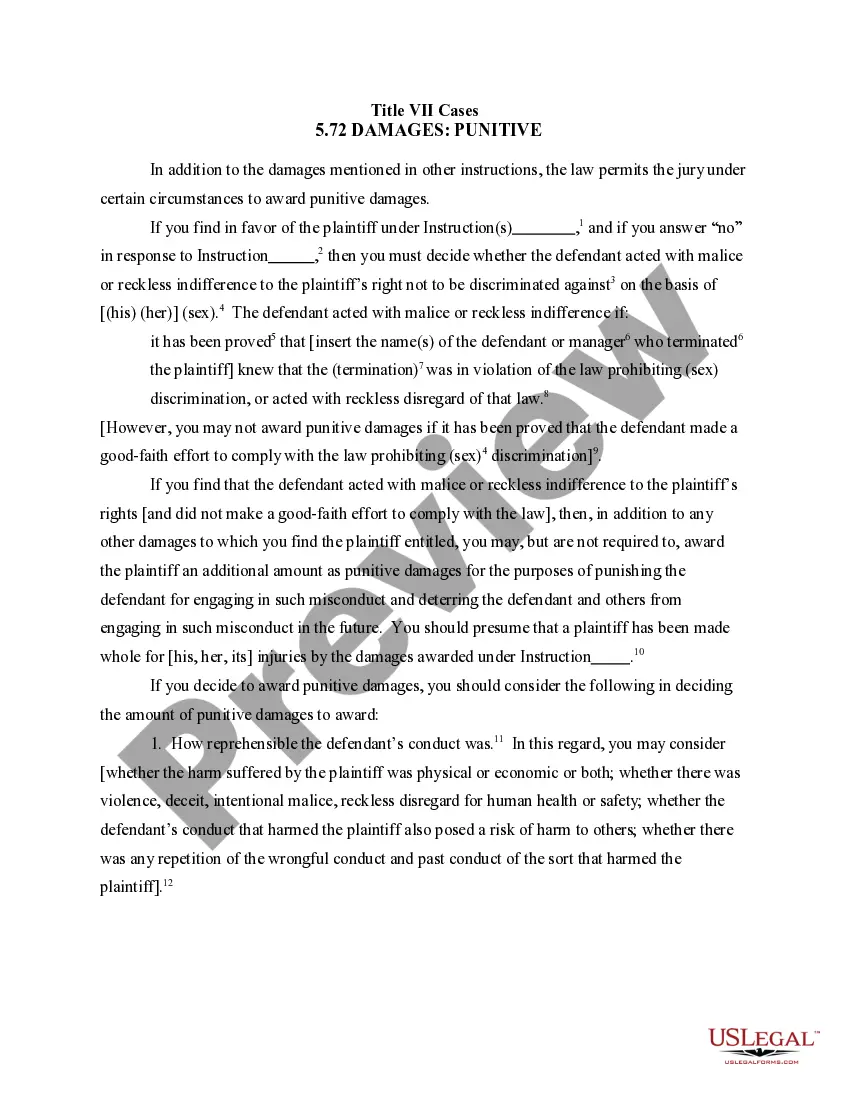
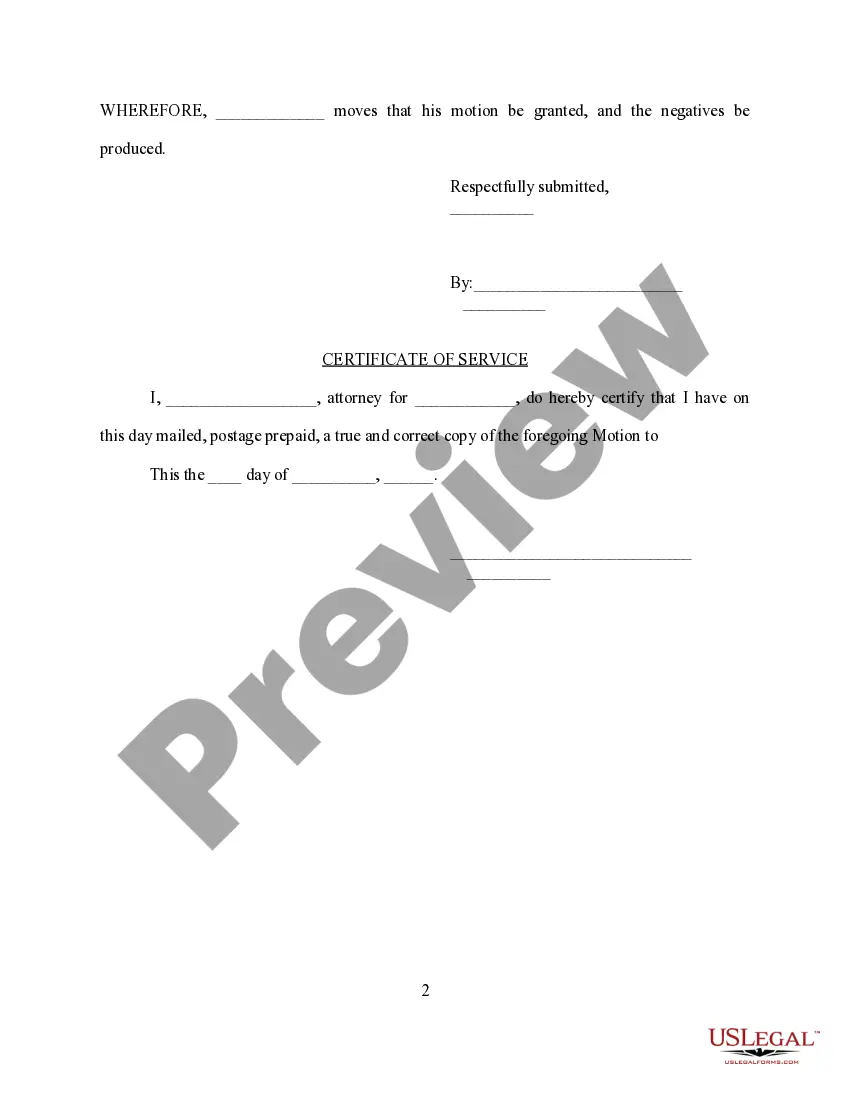
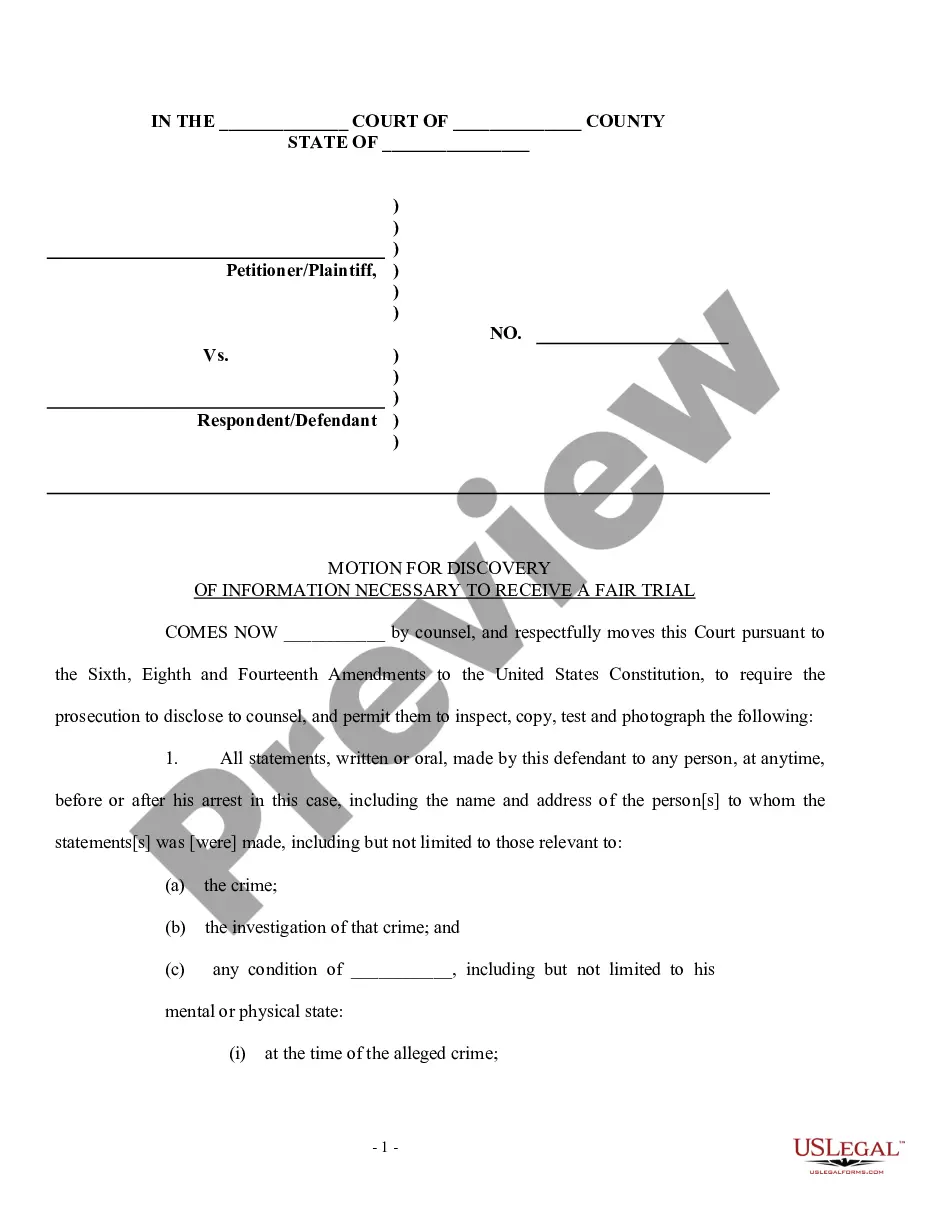
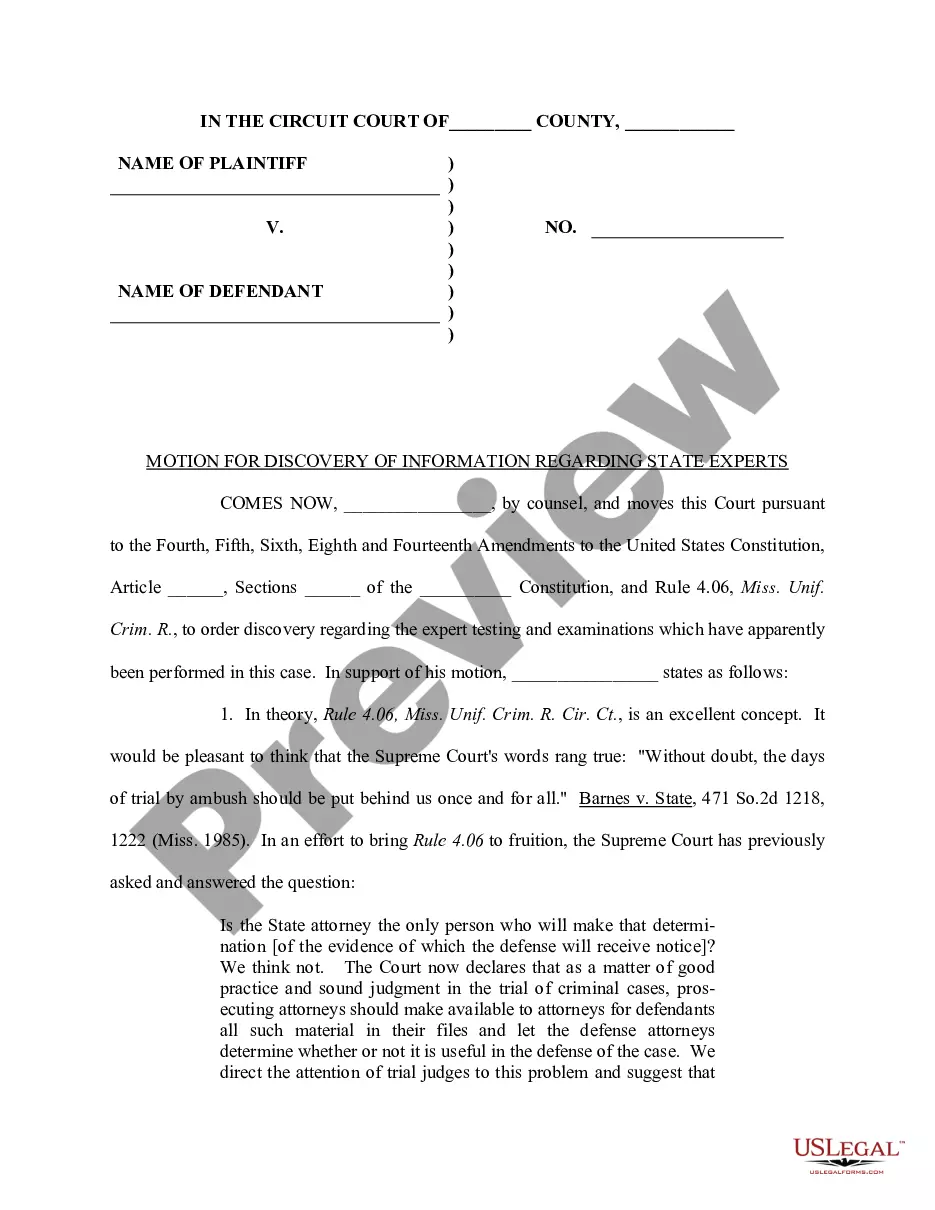
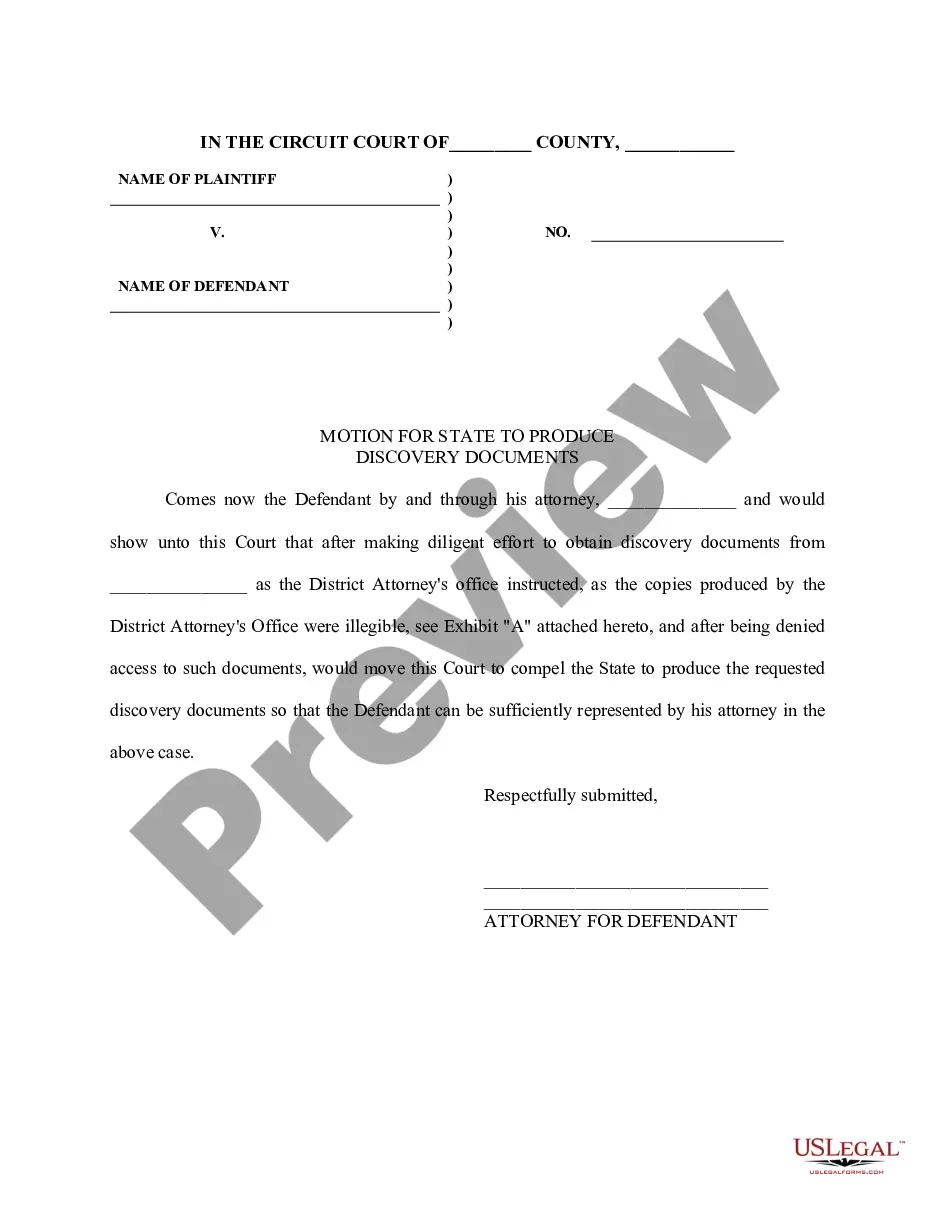
District of Columbia Motion to Produce Negatives
Description
Get your form ready online
Our built-in tools help you complete, sign, share, and store your documents in one place.
Make edits, fill in missing information, and update formatting in US Legal Forms—just like you would in MS Word.
Download a copy, print it, send it by email, or mail it via USPS—whatever works best for your next step.
Sign and collect signatures with our SignNow integration. Send to multiple recipients, set reminders, and more. Go Premium to unlock E-Sign.
If this form requires notarization, complete it online through a secure video call—no need to meet a notary in person or wait for an appointment.
We protect your documents and personal data by following strict security and privacy standards.
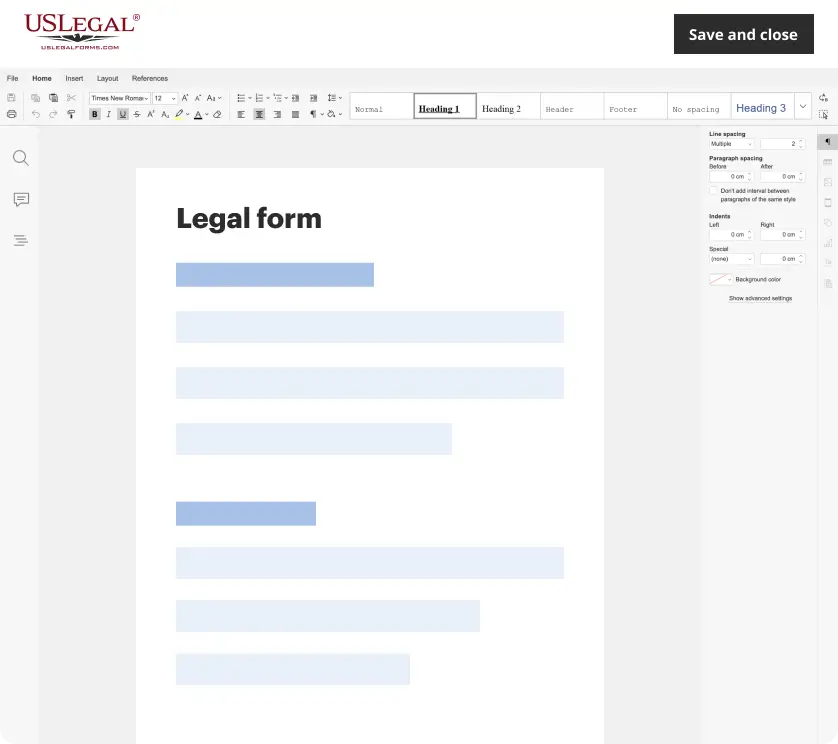
Make edits, fill in missing information, and update formatting in US Legal Forms—just like you would in MS Word.
Download a copy, print it, send it by email, or mail it via USPS—whatever works best for your next step.
Sign and collect signatures with our SignNow integration. Send to multiple recipients, set reminders, and more. Go Premium to unlock E-Sign.
If this form requires notarization, complete it online through a secure video call—no need to meet a notary in person or wait for an appointment.
We protect your documents and personal data by following strict security and privacy standards.
Looking for another form?
How to fill out Motion To Produce Negatives?
Have you ever found yourself in a situation where you need documents for various business or particular purposes almost daily? There are numerous legal document templates available online, but locating reliable ones isn't simple.
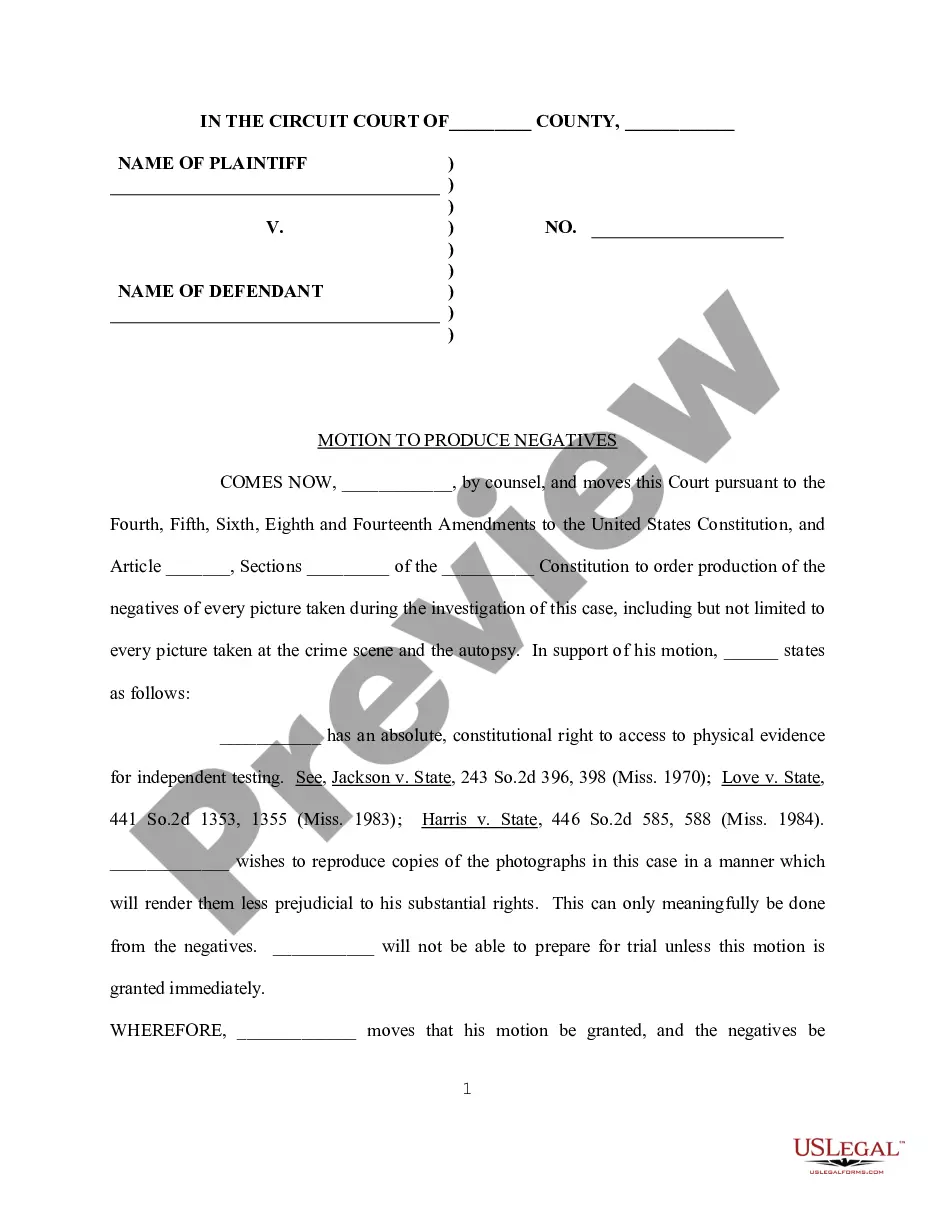
US Legal Forms provides an extensive selection of form templates, including the District of Columbia Motion to Produce Negatives, which can be tailored to meet federal and state requirements.
If you are already familiar with the US Legal Forms website and possess an account, simply Log In. After that, you can download the District of Columbia Motion to Produce Negatives template.
Choose a convenient file format and download your copy.
You can view all the document templates you have purchased in the My documents section. You can get another copy of the District of Columbia Motion to Produce Negatives anytime, if needed. Just click the necessary form to download or print the document template. Use US Legal Forms, which has one of the largest collections of legal forms, to save time and avoid mistakes. The service offers properly created legal document templates suitable for a variety of purposes. Create an account on US Legal Forms and start simplifying your life.
- If you do not have an account and wish to start using US Legal Forms, follow these steps.
- Find the form you need and ensure it is for the correct city/county.
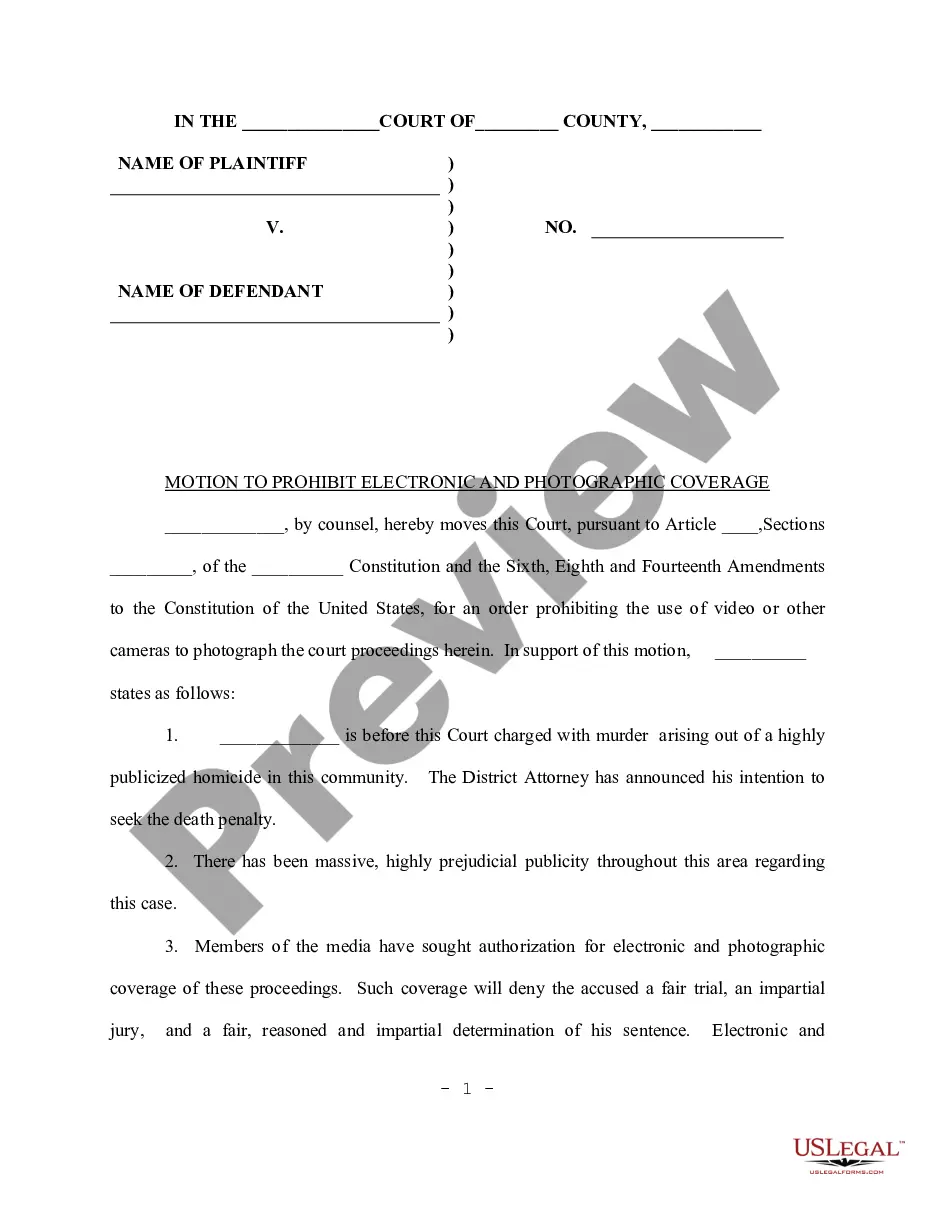
- Use the Preview button to review the form.
- Check the description to confirm that you have selected the correct form.
- If the form isn't what you're looking for, utilize the Search area to locate the form that meets your needs and criteria.
- Once you find the right form, click on Buy now.
- Select the pricing plan you want, enter the required information to process your payment, and complete the transaction using your PayPal or credit card.
Form popularity
FAQ
(A) A defendant must serve an answer within 21 days after being served with the summons and complaint. (B) A party must serve an answer to a counterclaim or crossclaim within 21 days after being served with the pleading that states the counterclaim or crossclaim.
Section (b) requires that all unrepresented parties and counsel must attend a conference early in the case at which the judge will explore the possibilities of settlement or alternative dispute resolution and will then establish a firm schedule for completion of the litigation.
Upon motion made by a party before responding to a pleading or, if no responsive pleading is permitted by these rules, upon motion made by a party within 20 days after the service of the pleading upon the party or upon the court's own initiative at any time, the court may order stricken from any pleading any ...
There are four defenses that may be waived if not made by a Rule 12 motion: Lack of Personal Jurisdiction (Rule 12(b)(2)); Improper Venue (Rule 12(b)(3)); Insufficiency of Process (Rule 12(b)(4)); and Insufficiency of Service of Process (Rule 12(b)(5).)
(A) In General. A party must disclose to the other parties the identity of any witness it may use at trial to present expert testimony.
Deadline for Opposition or Response to a Motion: 14 days. Under SCR-Civil 12-I (e), ?Within 14 days after service of the motion or at such other time as the court may direct, an opposing party must file and serve a statement of opposing points and authorities in opposition to the motion.?
The court must decide every pretrial motion before trial unless it finds good cause to defer a ruling. The court must not defer ruling on a pretrial motion if the deferral will adversely affect a party's right to appeal.
Rule 12-I(a) provides that a moving party must seek consent of other affected parties prior to the filing of a motion, except with respect to Rule 11 motions for imposition of sanctions. In these instances, a good faith effort to resolve the disputed issues is required.