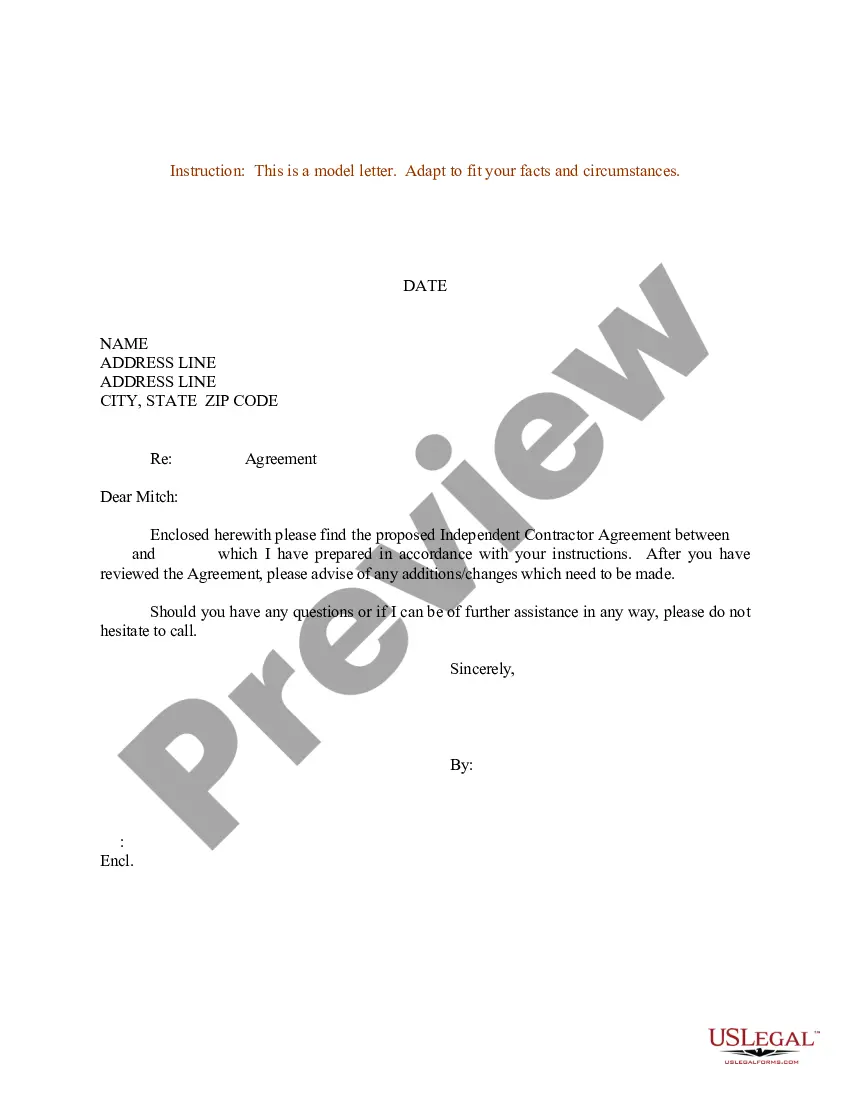
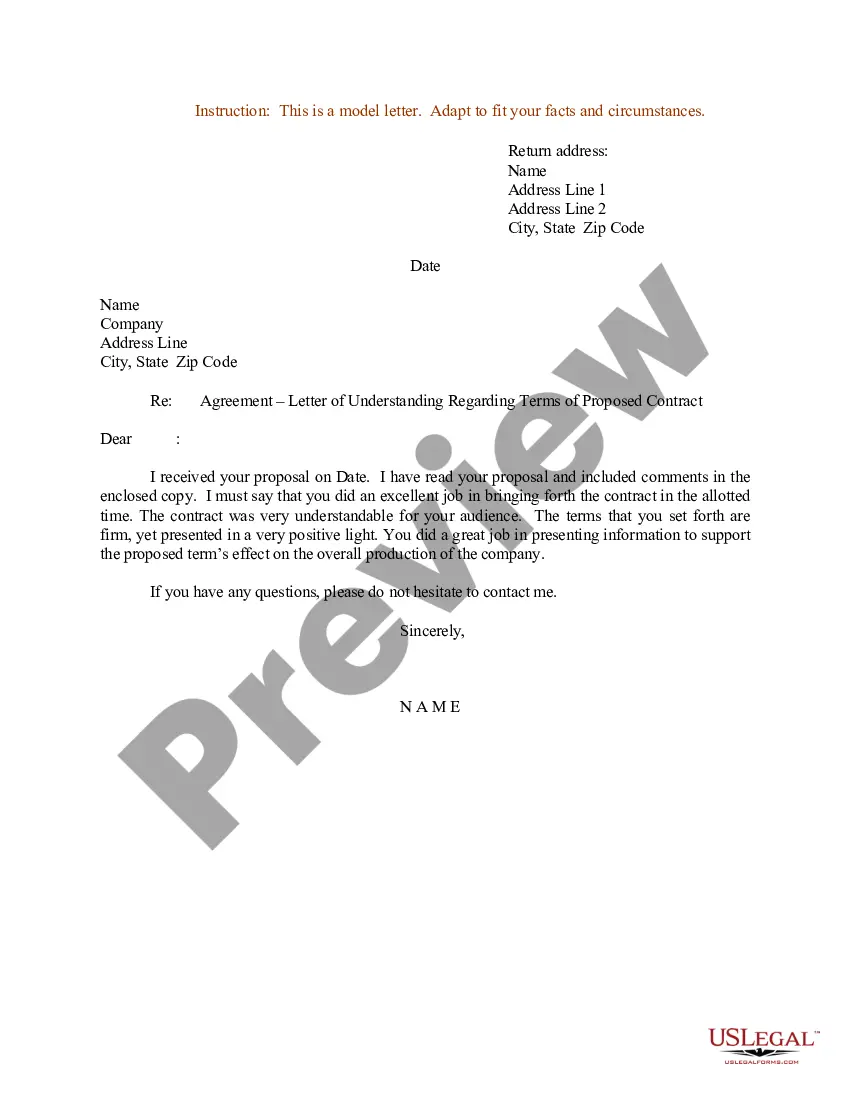
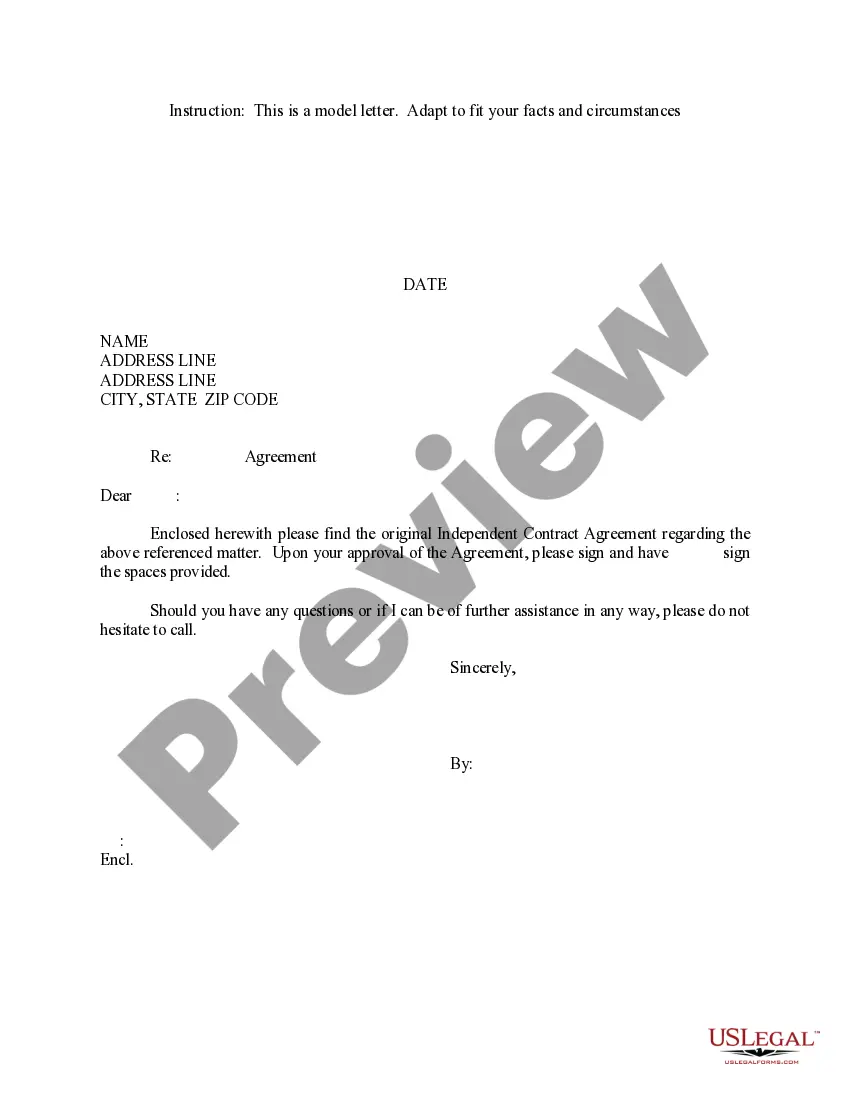
District of Columbia Sample Letter for Proposed Independent Contract Agreement
Description

Get your form ready online
Our built-in tools help you complete, sign, share, and store your documents in one place.
Make edits, fill in missing information, and update formatting in US Legal Forms—just like you would in MS Word.
Download a copy, print it, send it by email, or mail it via USPS—whatever works best for your next step.
Sign and collect signatures with our SignNow integration. Send to multiple recipients, set reminders, and more. Go Premium to unlock E-Sign.
If this form requires notarization, complete it online through a secure video call—no need to meet a notary in person or wait for an appointment.
We protect your documents and personal data by following strict security and privacy standards.

Make edits, fill in missing information, and update formatting in US Legal Forms—just like you would in MS Word.

Download a copy, print it, send it by email, or mail it via USPS—whatever works best for your next step.

Sign and collect signatures with our SignNow integration. Send to multiple recipients, set reminders, and more. Go Premium to unlock E-Sign.

If this form requires notarization, complete it online through a secure video call—no need to meet a notary in person or wait for an appointment.

We protect your documents and personal data by following strict security and privacy standards.
Looking for another form?

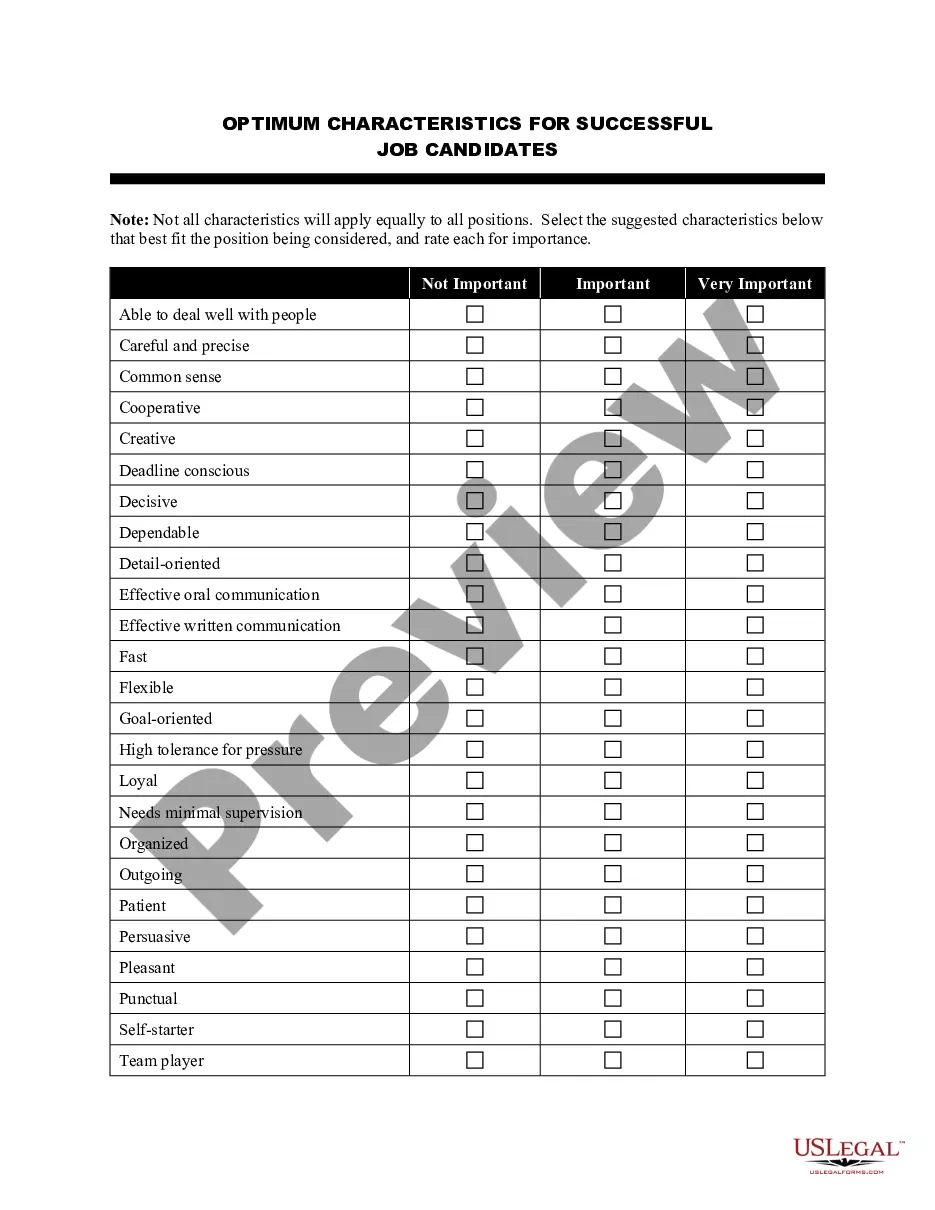
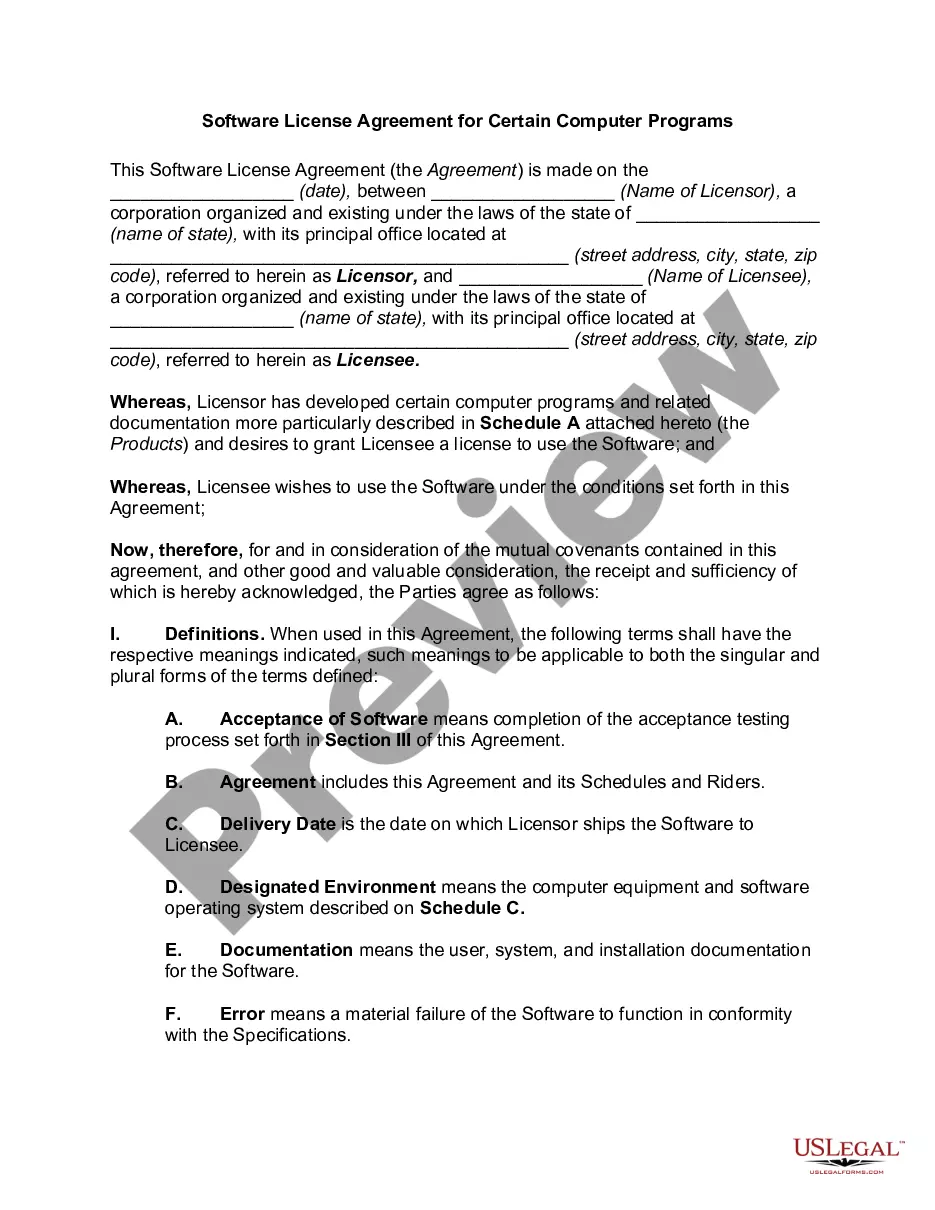
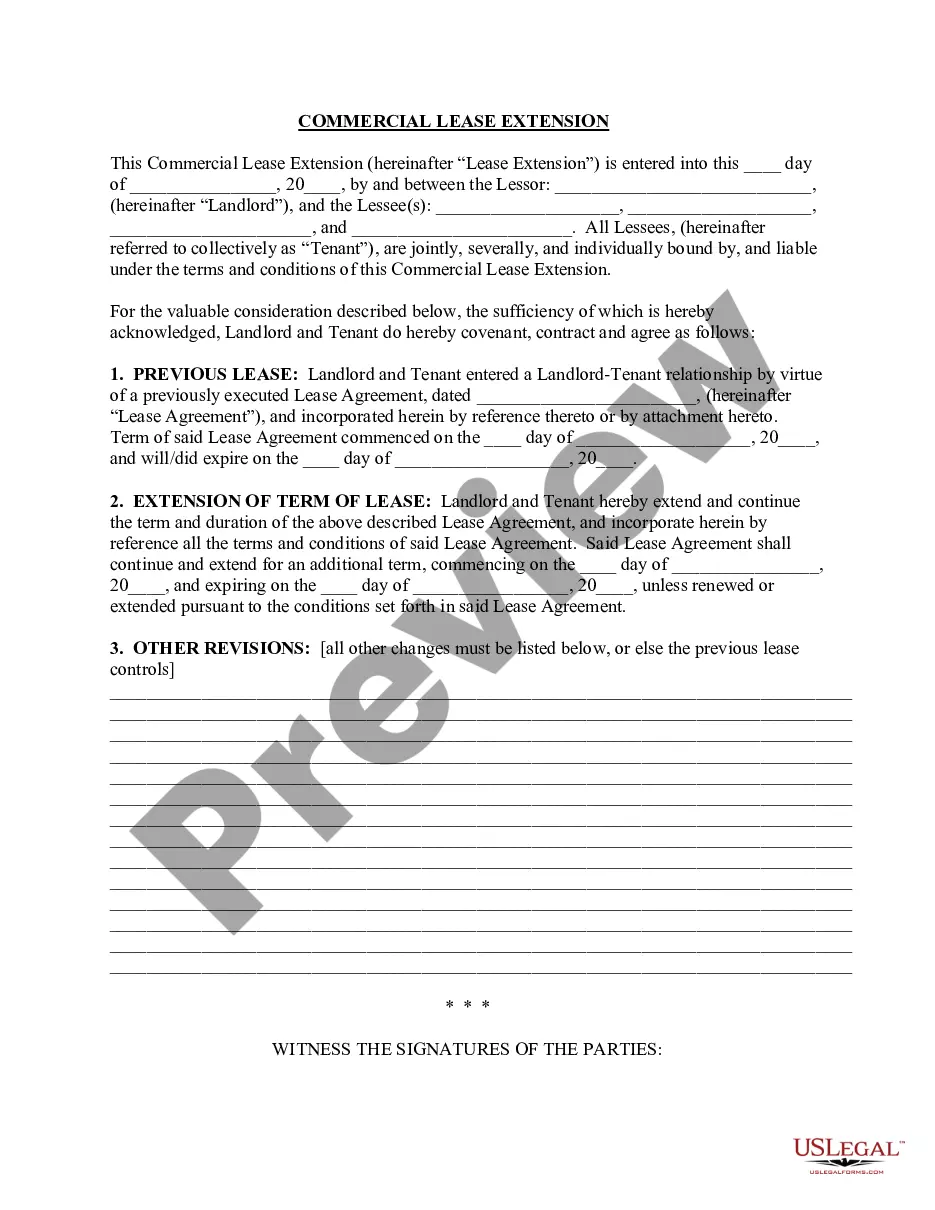

How to fill out Sample Letter For Proposed Independent Contract Agreement?
US Legal Forms - one of the largest collections of legal documents in the United States - offers a variety of legal document templates you can download or print. By utilizing the website, you can access numerous forms for business and personal use, sorted by categories, states, or keywords. You can find the latest forms like the District of Columbia Sample Letter for Proposed Independent Contract Agreement in just a few minutes.
If you have an account, Log In and download the District of Columbia Sample Letter for Proposed Independent Contract Agreement from your US Legal Forms library. The Download button will appear on every form you view. You can access all previously downloaded forms within the My documents section of your account.
If you are new to US Legal Forms, here are straightforward instructions to help you get started: Ensure you have selected the correct form for the area/state. Click the Preview button to review the form's details. Check the form information to confirm you have chosen the right document. If the form doesn’t meet your requirements, use the Search box at the top of the screen to find one that does. Once you are satisfied with the form, confirm your selection by clicking the Buy now button. Then, choose the payment plan you prefer and provide your credentials to create an account. Complete the transaction. Use your Visa or Mastercard or PayPal account to finalize the transaction. Select the format and download the form to your device. Make modifications. Fill out, edit, and print and sign the downloaded District of Columbia Sample Letter for Proposed Independent Contract Agreement. Each template you added to your account has no expiration date and is your property indefinitely. Therefore, if you want to download or print another copy, just go to the My documents section and click on the form you wish to access.
- Access the District of Columbia Sample Letter for Proposed Independent Contract Agreement with US Legal Forms, the most extensive collection of legal document templates.
- Utilize a multitude of professional and state-specific templates that cater to your business or personal requirements and preferences.
Form popularity
FAQ
How to Write a Contractor Agreement Outline Services Provided. The contractor agreement should list all services the contractor will provide. ... Document Duration of the Work. Specify the duration of the working relationship. ... Outline Payment Terms. ... Outline Confidentiality Agreement. ... Consult with a Lawyer.
Your independent contractor offer letter should include the following: Client name and address. Independent contractor name and address. Date of the contract. Services the independent contractor will provide. Compensation, including rates, payment frequency, and invoicing requirements.
Tips on How to Write a Contract Letter Make the Candidate Feel Valued. ... Cover the Specifics. ... Stipulate Important Conditions. ... Spell Out the At-will Employment Relationship. ... Don't Forget the Nice-to-Knows. ... Remember the Signature. ... Ask a Legal Team to Review.
How to draft a contract between two parties: A step-by-step checklist Check out the parties. ... Come to an agreement on the terms. ... Specify the length of the contract. ... Spell out the consequences. ... Determine how you would resolve any disputes. ... Think about confidentiality. ... Check the contract's legality. ... Open it up to negotiation.
Express Contract: The promises are communicated by language, either oral or written. Example: John promises to paint Dan's car in return for Dan's promise to pay him $100. Implied Contract: The conduct of the parties indicates that they consented to be bound. Example: Toni fills her car with gas at Tina's gas station.
An employment contract typically includes the following elements: Duration of employment, if applicable. Salary or wages. General job responsibilities. Work schedule. Benefits. Confidentiality. Non-compete agreement. Severance pay, if applicable.
Step by step instructions on how to write your own employment contract Understand the role. ... Determine the contract type. ... Specify compensation. ... Include working hours. ... Detail leave entitlements. ... Add termination clauses. ... Confidentiality and non-compete. ... Review and legal check.
An independent contractor agreement is a contract that lays out the terms of the independent contractor's work. It covers the contractual obligations, scope, and deadlines of the work to be performed. It affirms that the client and contractor are not in an employer-employee relationship.