District of Columbia Proof of Residency for Mortgage
Description
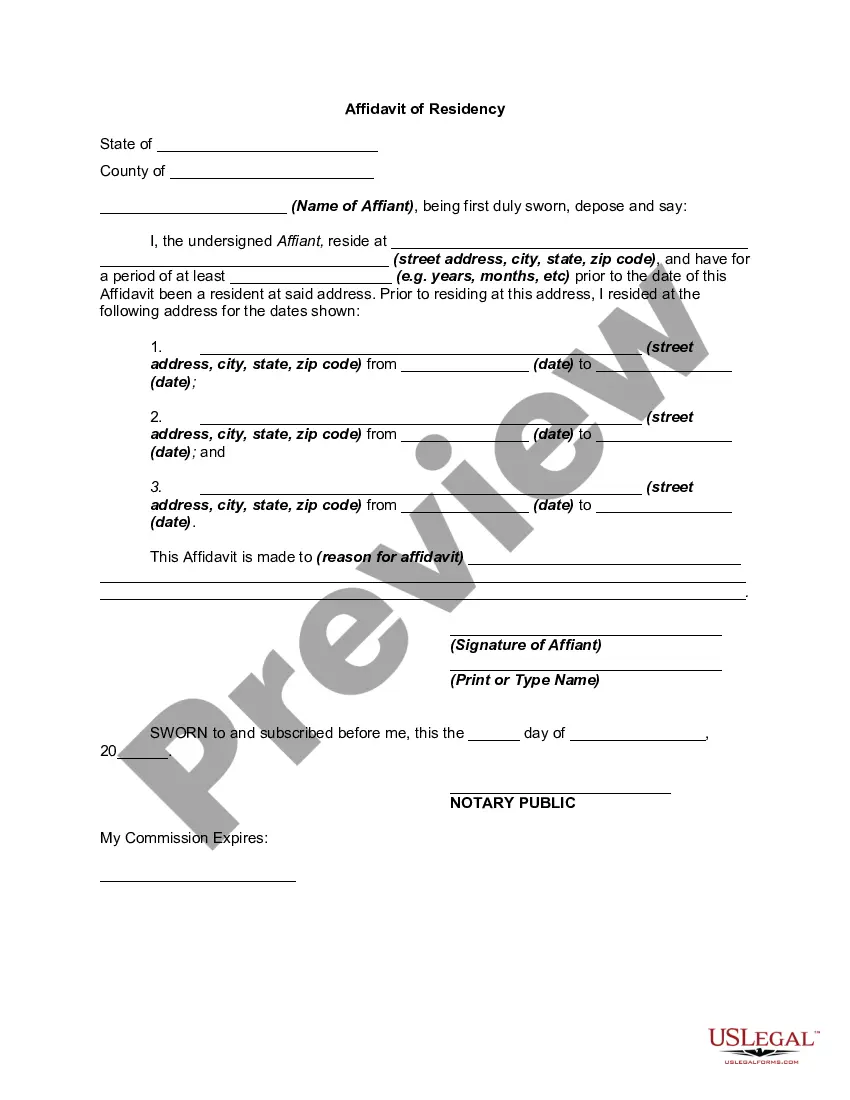
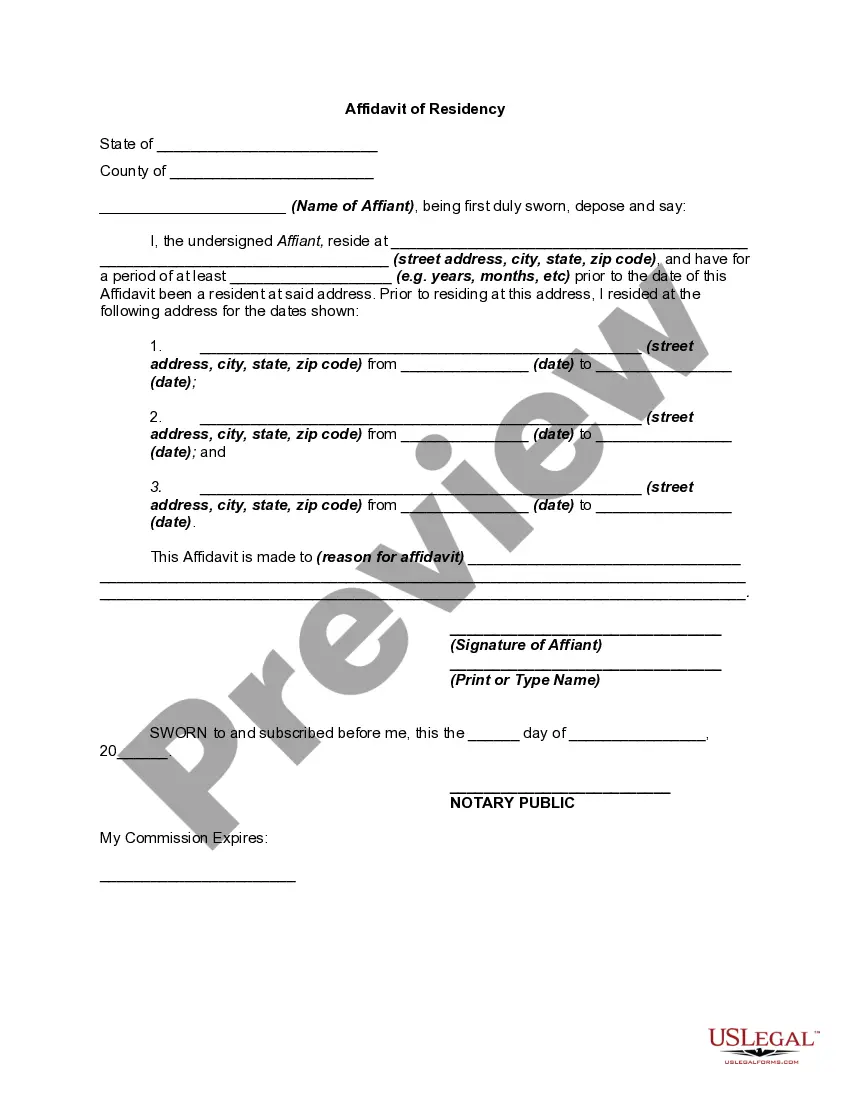
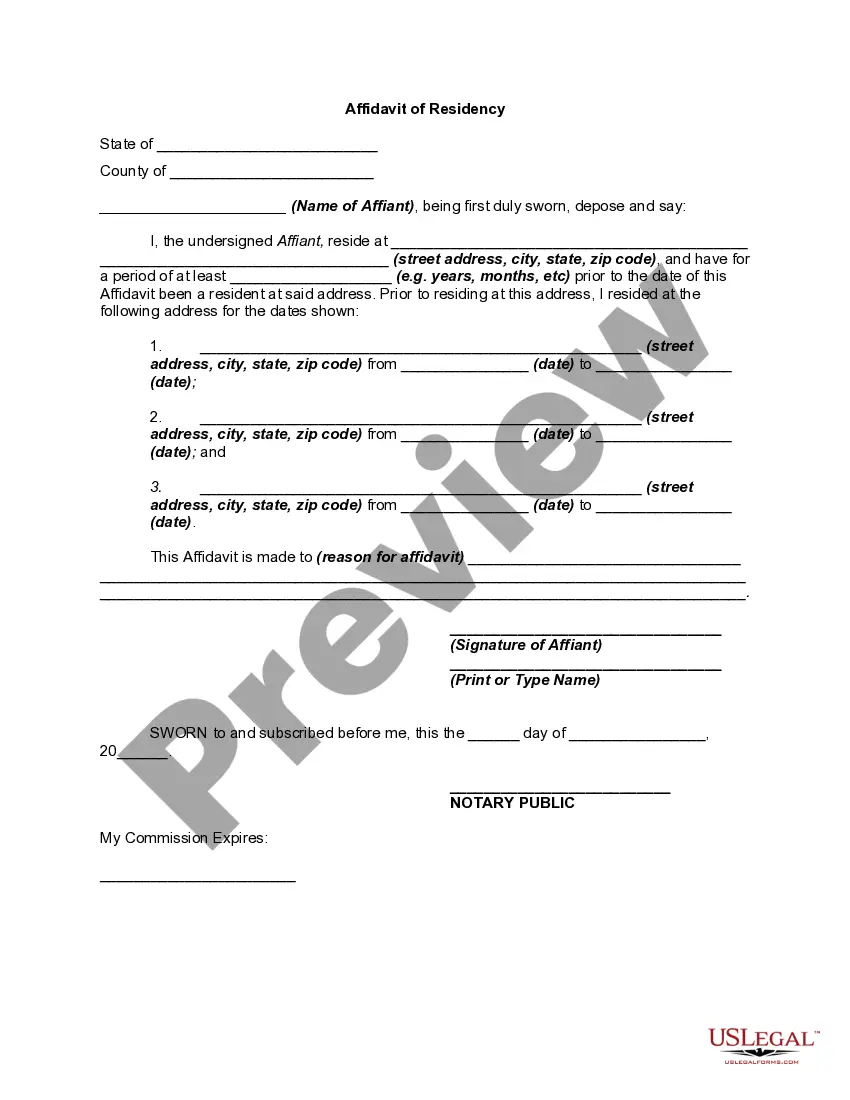
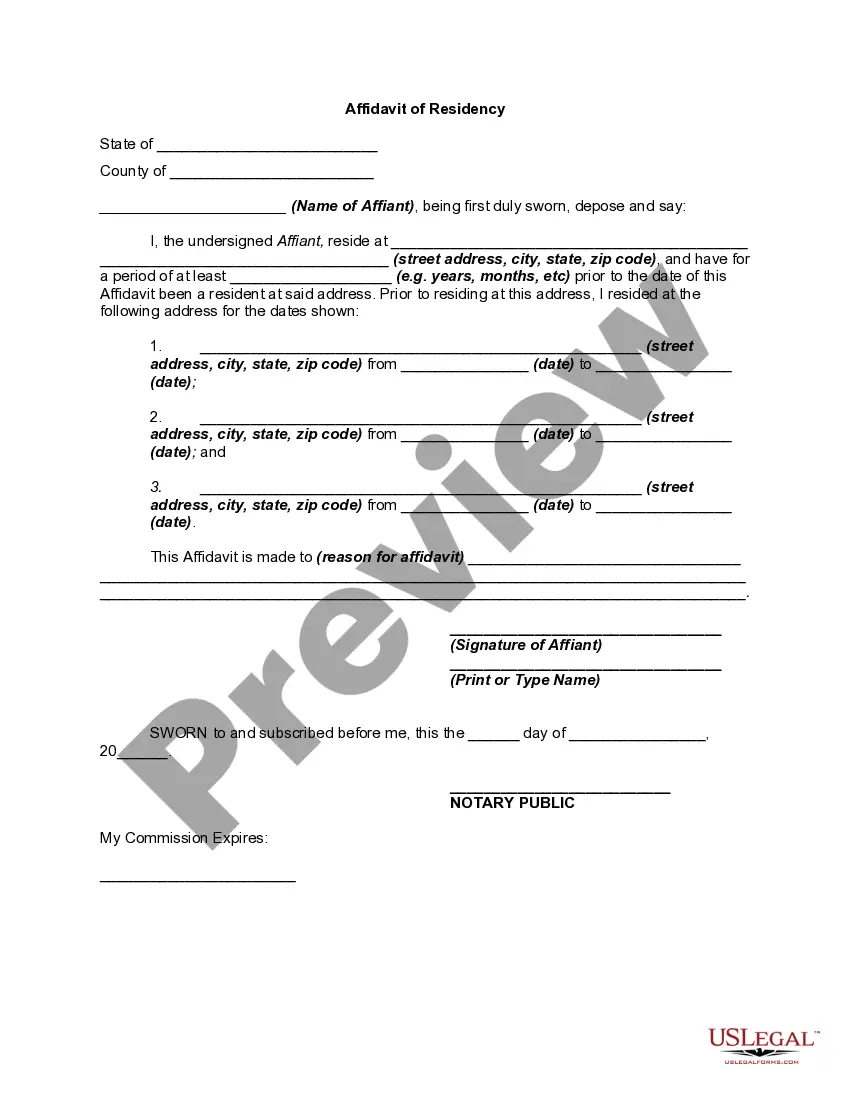
Get your form ready online
Our built-in tools help you complete, sign, share, and store your documents in one place.
Make edits, fill in missing information, and update formatting in US Legal Forms—just like you would in MS Word.
Download a copy, print it, send it by email, or mail it via USPS—whatever works best for your next step.
Sign and collect signatures with our SignNow integration. Send to multiple recipients, set reminders, and more. Go Premium to unlock E-Sign.
If this form requires notarization, complete it online through a secure video call—no need to meet a notary in person or wait for an appointment.
We protect your documents and personal data by following strict security and privacy standards.

Make edits, fill in missing information, and update formatting in US Legal Forms—just like you would in MS Word.

Download a copy, print it, send it by email, or mail it via USPS—whatever works best for your next step.

Sign and collect signatures with our SignNow integration. Send to multiple recipients, set reminders, and more. Go Premium to unlock E-Sign.

If this form requires notarization, complete it online through a secure video call—no need to meet a notary in person or wait for an appointment.

We protect your documents and personal data by following strict security and privacy standards.
Looking for another form?
How to fill out Proof Of Residency For Mortgage?
Are you presently in a situation where you require documentation for both business or specific purposes almost every day.
There are many legitimate document templates accessible online, but finding ones you can trust isn't easy.
US Legal Forms provides a vast array of form templates, such as the District of Columbia Proof of Residency for Mortgage, that are designed to comply with state and federal regulations.
Utilize US Legal Forms, the most extensive collection of legal forms, to save time and avoid mistakes.
The service offers well-crafted legal document templates that can be used for various purposes. Create an account on US Legal Forms and begin simplifying your life.
- If you are already familiar with the US Legal Forms website and possess an account, just Log In.
- After that, you can obtain the District of Columbia Proof of Residency for Mortgage template.
- If you do not have an account and wish to start using US Legal Forms, follow these steps.
- Obtain the form you need and ensure it is for your correct city/state.
- Use the Preview button to review the form.
- Check the summary to confirm that you have selected the correct form.
- If the form isn't what you're looking for, use the Lookup field to find the form that meets your requirements.
- Once you locate the correct form, click Buy now.
- Choose the pricing plan you desire, fill in the required details to create your account, and complete your purchase using PayPal or a credit card.
- Select a convenient file format and download your copy.
- Access all the document templates you have purchased in the My documents menu. You can obtain another copy of the District of Columbia Proof of Residency for Mortgage anytime, if desired. Just click on the required form to download or print the document template.
Form popularity
FAQ
A DC Resident is an individual that maintains a place of abode within DC for 183 days or more. If the individual is domiciled in the state at anytime, you are considered to be a DC resident. A DC Nonresident is an individual that did not spend any time domiciled in the state.
A lease, rental receipt, deed, settlement papers, or mortgage statement for a DC residence, home owner's or renter's insurance policy, a property tax bill, a utility bill, a paystub showing address and DC taxes withheld, or a voter registration card showing your name and DC address.
(a) A resident of the District of Columbia is one who is living in the District of Columbia voluntarily and not for a temporary purpose; that is, one with no intention of presently removing himself or herself therefrom.
Utility bills (excluding telephone bills) and paid receipts or cancelled checks (from a period within the 2 months immediately preceding consideration of residency) in the name of the person seeking to enroll the student that show a District residence address.
Section 47-1801.04(17) of the DC Official Code describes a statutory resident as any individual who maintains a place of abode within the District for an aggregate of 183 days or more during the taxable year, whether or not such individual is domiciled in the District.
Residential lease/property deed. Utility bill. Letter from the government/court (marriage license, divorce, government aid) Bank statement. Driver's license/learner's permit.
Section 47-1801.04(17) of the DC Official Code describes a statutory resident as any individual who maintains a place of abode within the District for an aggregate of 183 days or more during the taxable year, whether or not such individual is domiciled in the District.
Deed, mortgage, or settlement agreement reflecting applicant's name and property address issued within the last 60 days. Unexpired lease or rental agreement with the name of the applicant listed as the lessee, permitted resident, or renter (may be a photocopy).