District of Columbia Employment Agreement of Executive with Deferred Compensation and Cost-of-Living Increases
Description
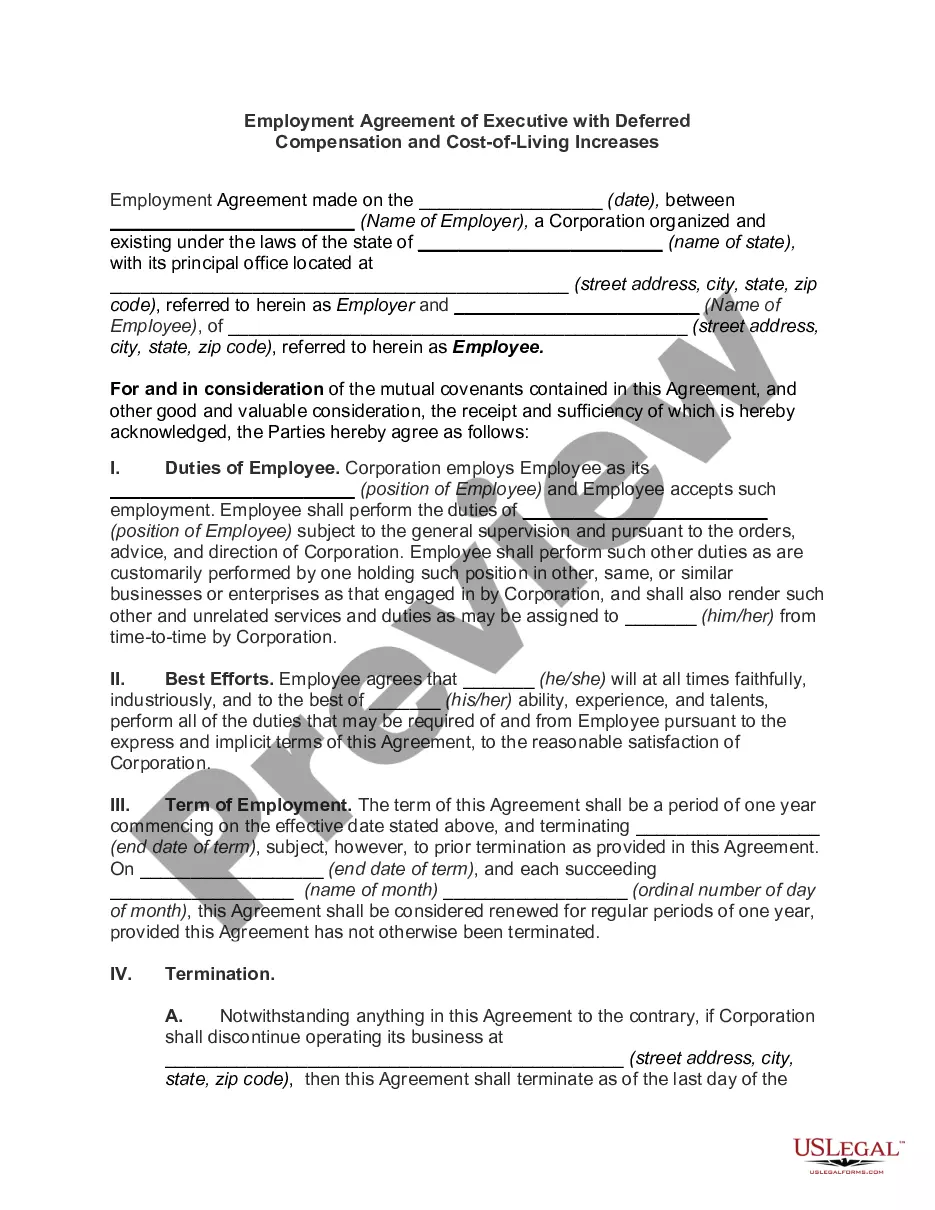
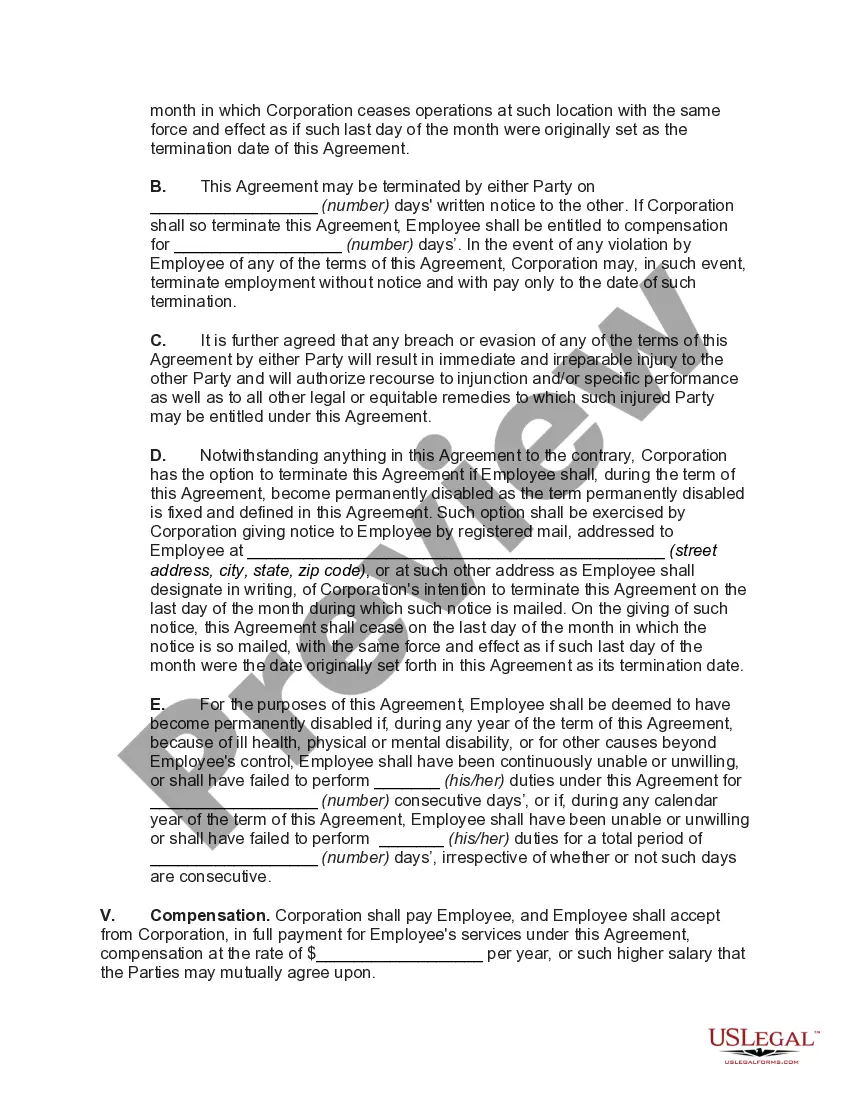
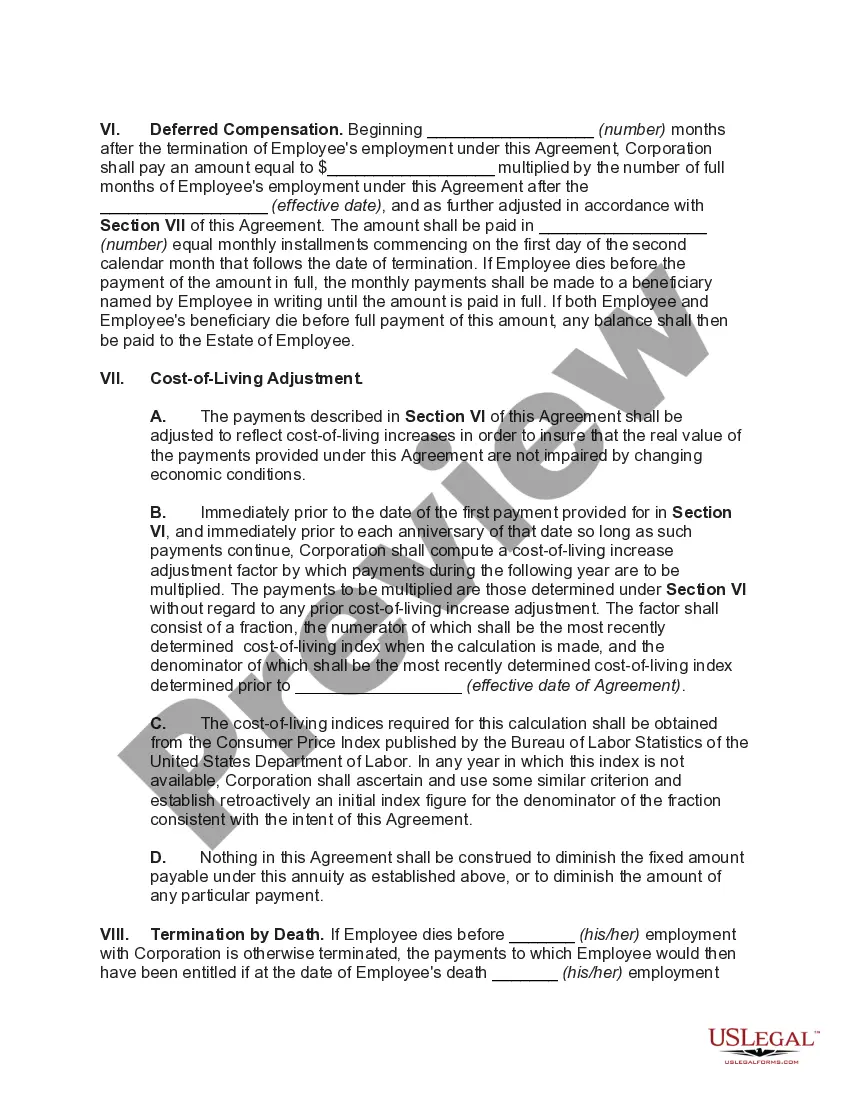

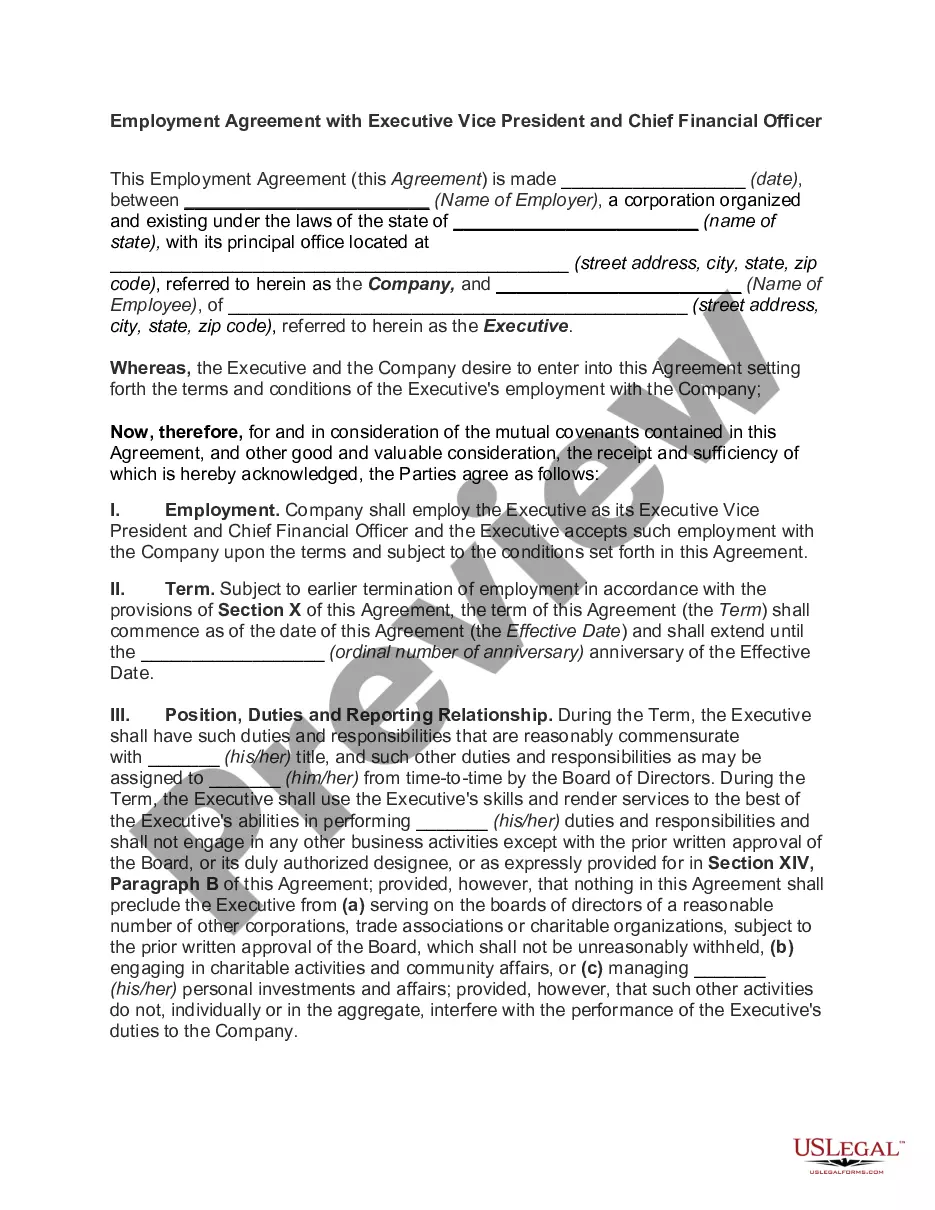



How to fill out Employment Agreement Of Executive With Deferred Compensation And Cost-of-Living Increases?
Locating the appropriate valid document format can be a challenge.
Clearly, there are numerous templates accessible online, but how do you procure the valid form you require.
Utilize the US Legal Forms website. The service offers thousands of templates, such as the District of Columbia Employment Agreement of Executive with Deferred Compensation and Cost-of-Living Increases, which can be employed for business and personal purposes.
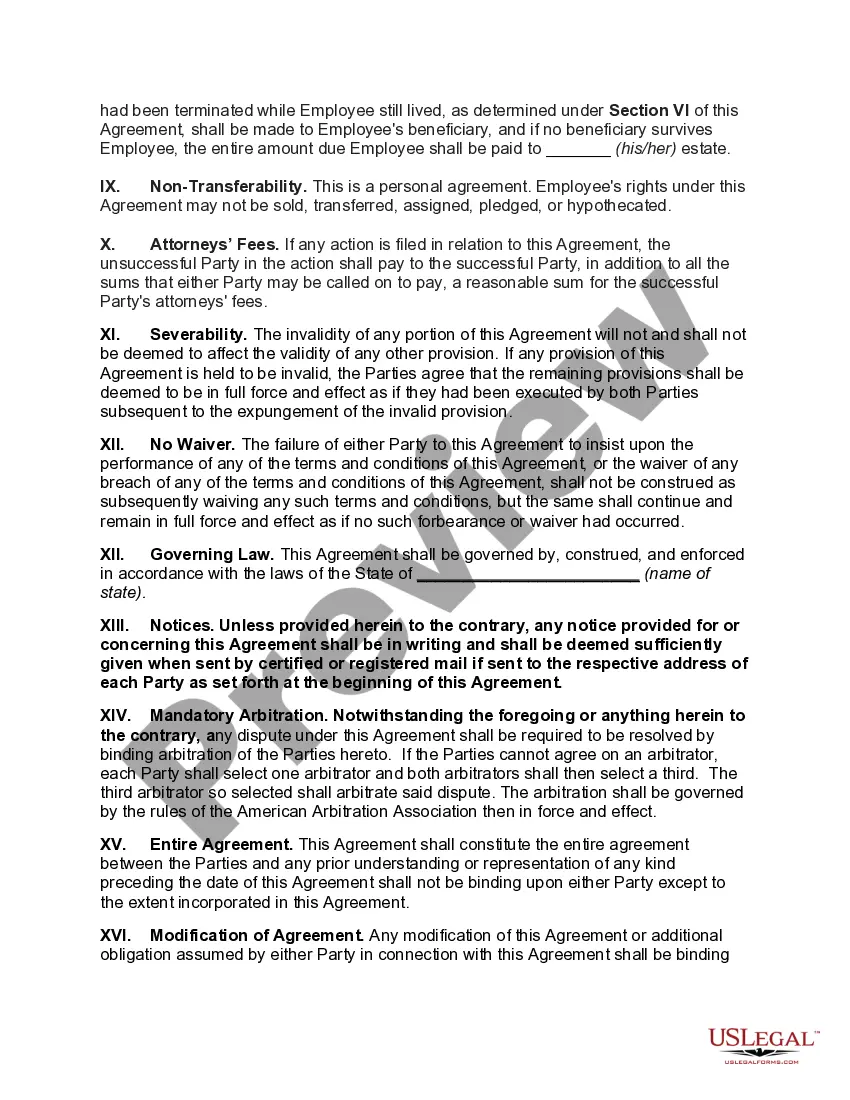
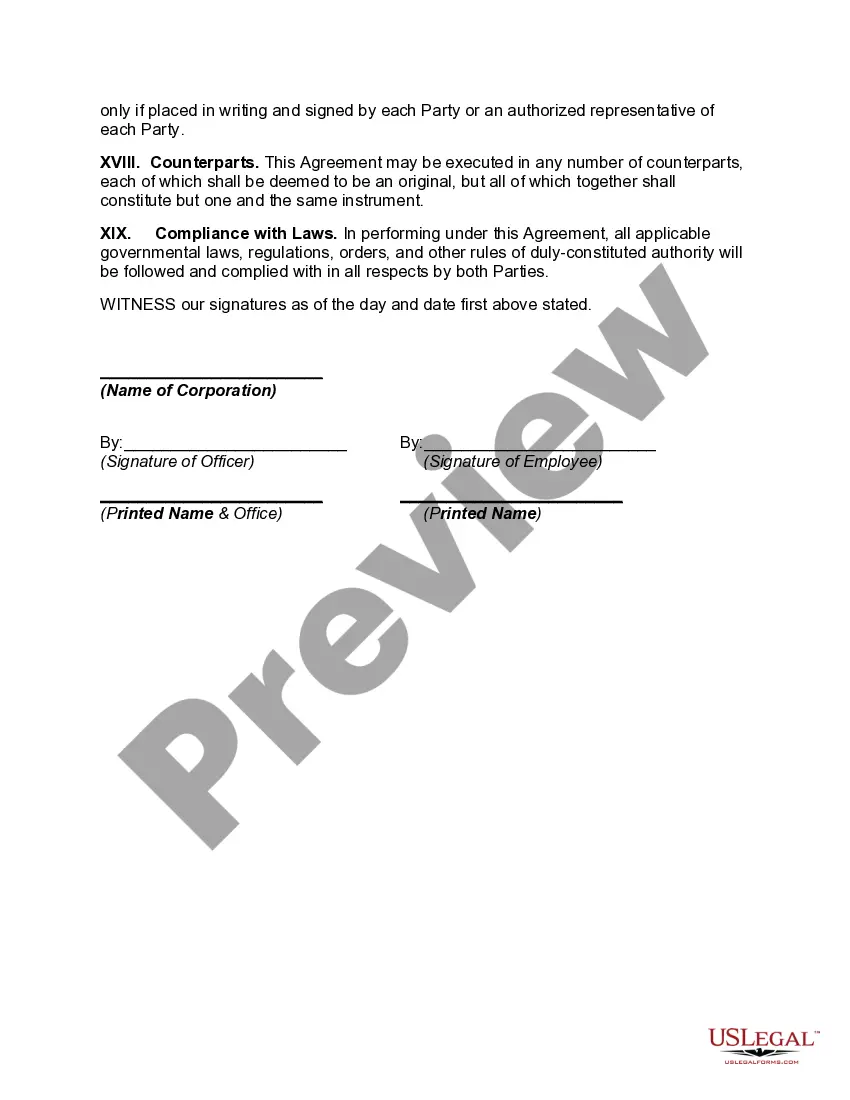
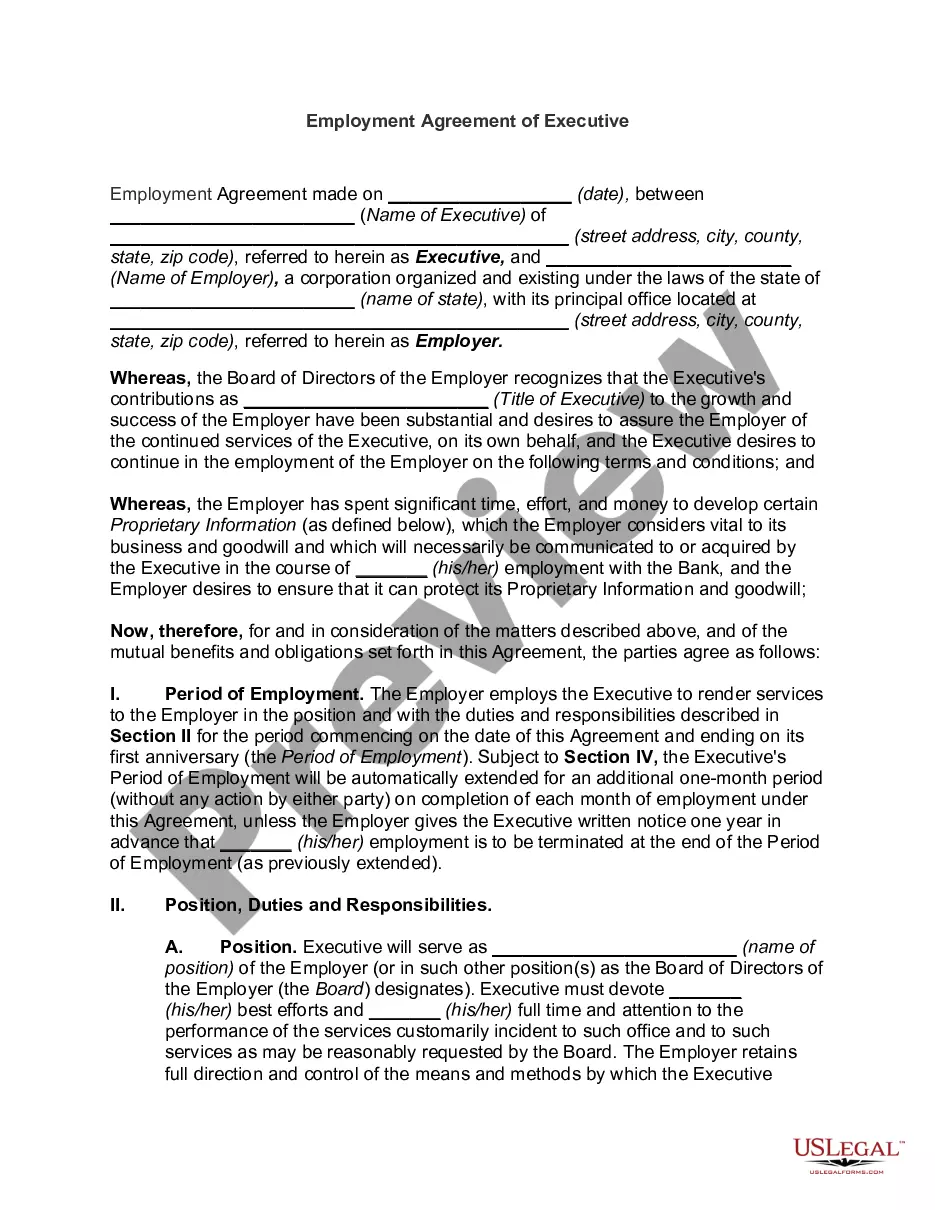
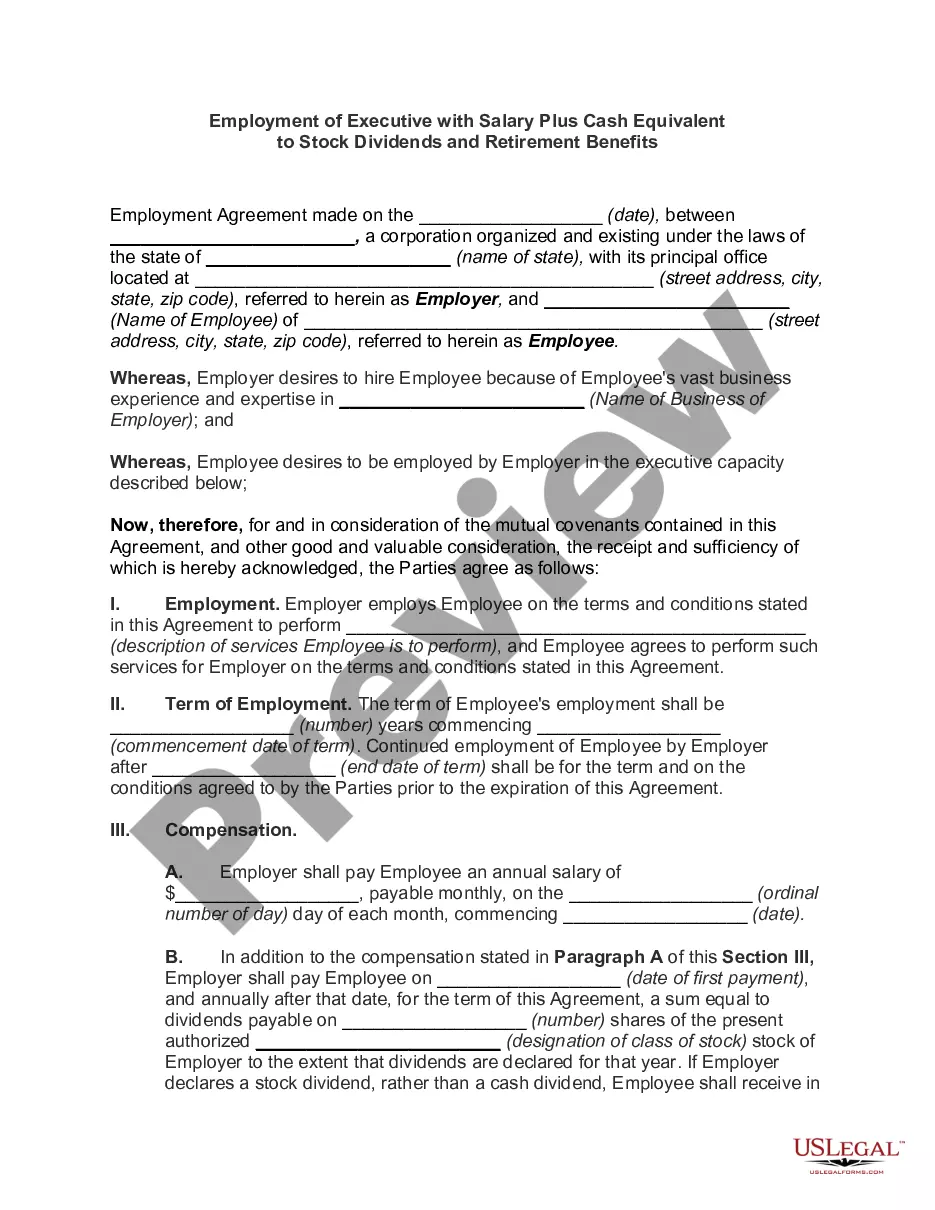
You can review the form using the Preview button and examine the form description to confirm it is the right one for you.
- All forms are reviewed by experts and meet federal and state requirements.
- If you are already registered, Log In to your account and click the Download button to obtain the District of Columbia Employment Agreement of Executive with Deferred Compensation and Cost-of-Living Increases.
- Utilize your account to search through the legal forms you have purchased in the past.
- Go to the My documents tab of your account and retrieve another copy of the document you need.
- If you are a new user of US Legal Forms, here are straightforward instructions for you to follow.
- First, ensure you have selected the correct form for your region/state.
Form popularity
FAQ
To establish residency in the District of Columbia, you generally need to live there for at least 180 consecutive days. This guideline helps determine eligibility for various benefits and responsibilities, including tax obligations. If you're navigating the District of Columbia Employment Agreement of Executive with Deferred Compensation and Cost-of-Living Increases, understanding residency rules can be essential for optimizing your employment experience.
Similar to government employees, DC employees generally do not have to reside within the district. Having flexibility allows employees to live in surrounding areas if they prefer. The District of Columbia Employment Agreement of Executive with Deferred Compensation and Cost-of-Living Increases does support those who might choose to live locally, often enhancing the overall work experience.
Yes, the District of Columbia government provides a pension plan for its employees. This plan plays a crucial role in the financial security of employees over time. When considering the District of Columbia Employment Agreement of Executive with Deferred Compensation and Cost-of-Living Increases, understanding pension benefits is essential for long-term financial planning.
DC government employees are not mandated to live in the District of Columbia. However, certain positions may prefer or encourage local residency. The District of Columbia Employment Agreement of Executive with Deferred Compensation and Cost-of-Living Increases outlines potential benefits and resources that can motivate employees to consider living within the city.
A significant portion of federal employees work in the District of Columbia but reside outside its borders. In fact, studies show that thousands of these individuals commute from neighboring states such as Virginia and Maryland. Understanding the implications of the District of Columbia Employment Agreement of Executive with Deferred Compensation and Cost-of-Living Increases can benefit those considering employment in DC while living elsewhere.
Many individuals who work in the District of Columbia do choose to live within its boundaries. However, it's not a requirement. The District of Columbia Employment Agreement of Executive with Deferred Compensation and Cost-of-Living Increases accommodates various circumstances, allowing employees flexibility in their living arrangements. Thus, while a substantial number reside in DC, others prefer nearby areas.
An employment contract is a type of agreement formed between an employer and an employee that sets out the specific terms of their employment relationship, such as wages, responsibilities, and the length of employment.
Parties on both sides of the negotiating table should be aware of four key elements of association CEO employment contractsterm, termination and severance, compensation and benefits, and authority and responsibilityand should understand the most important issues that need to be considered on the way to an agreement.
Further, there are six key provisions that will almost always appear in your executive employment agreement.Compensation. Your employment agreement will outline your compensation.Target Annual Bonus v. sales commission:Sign-on bonus:Retention Bonus:Exemption status:Equity or Equity-Related Awards:
A deferred compensation plan withholds a portion of an employee's pay until a specified date, usually retirement. The lump sum owed to an employee in this type of plan is paid out on that date. Examples of deferred compensation plans include pensions, 401(k) retirement plans, and employee stock options.