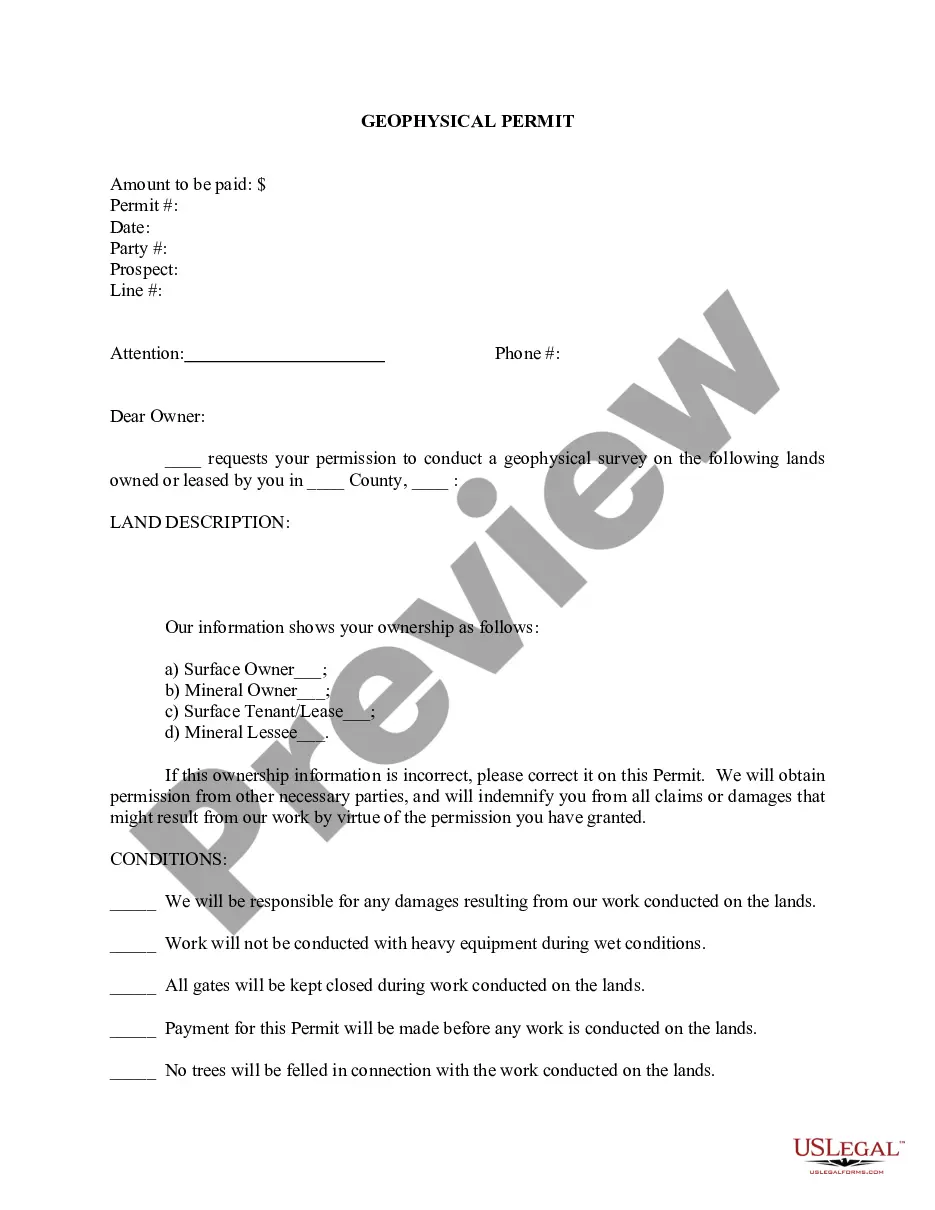
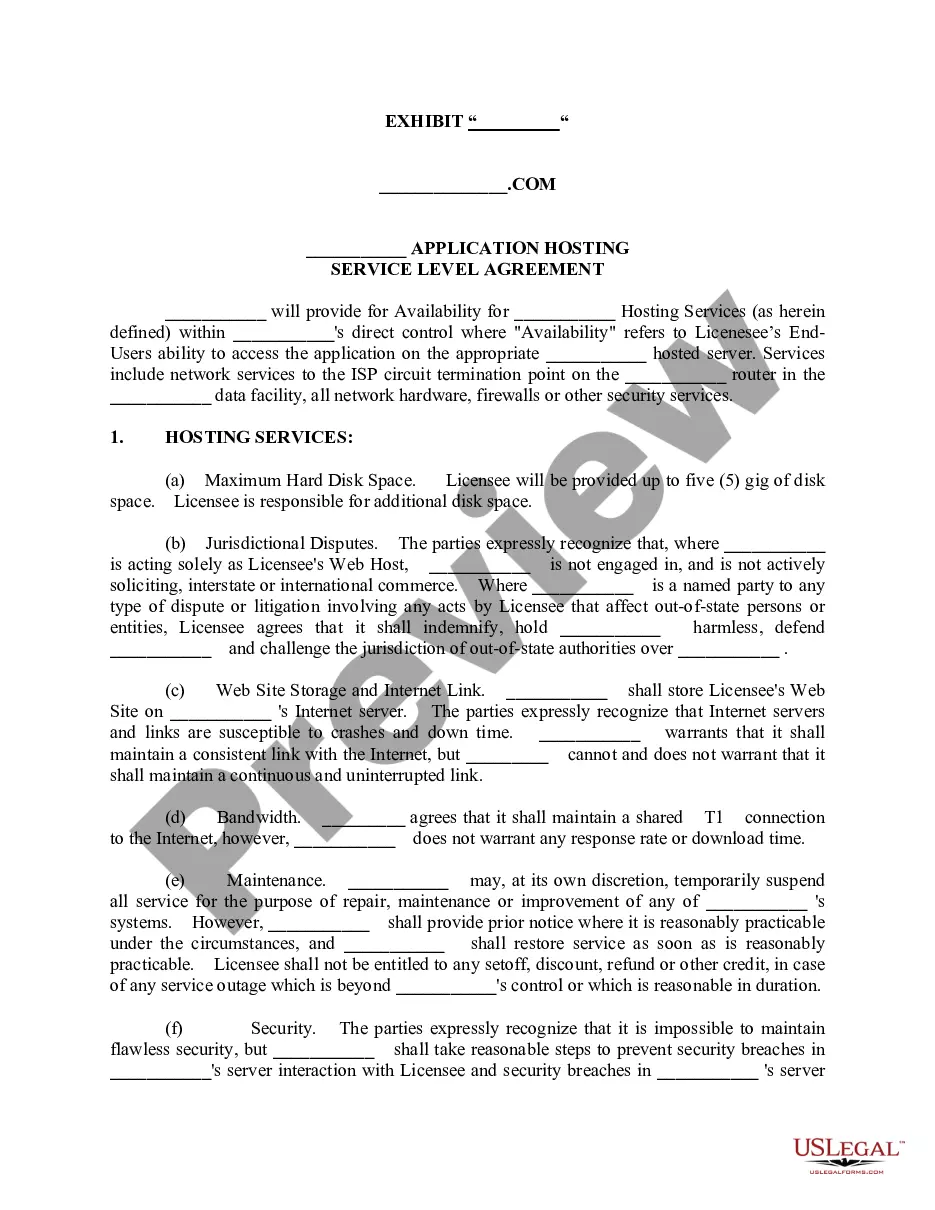
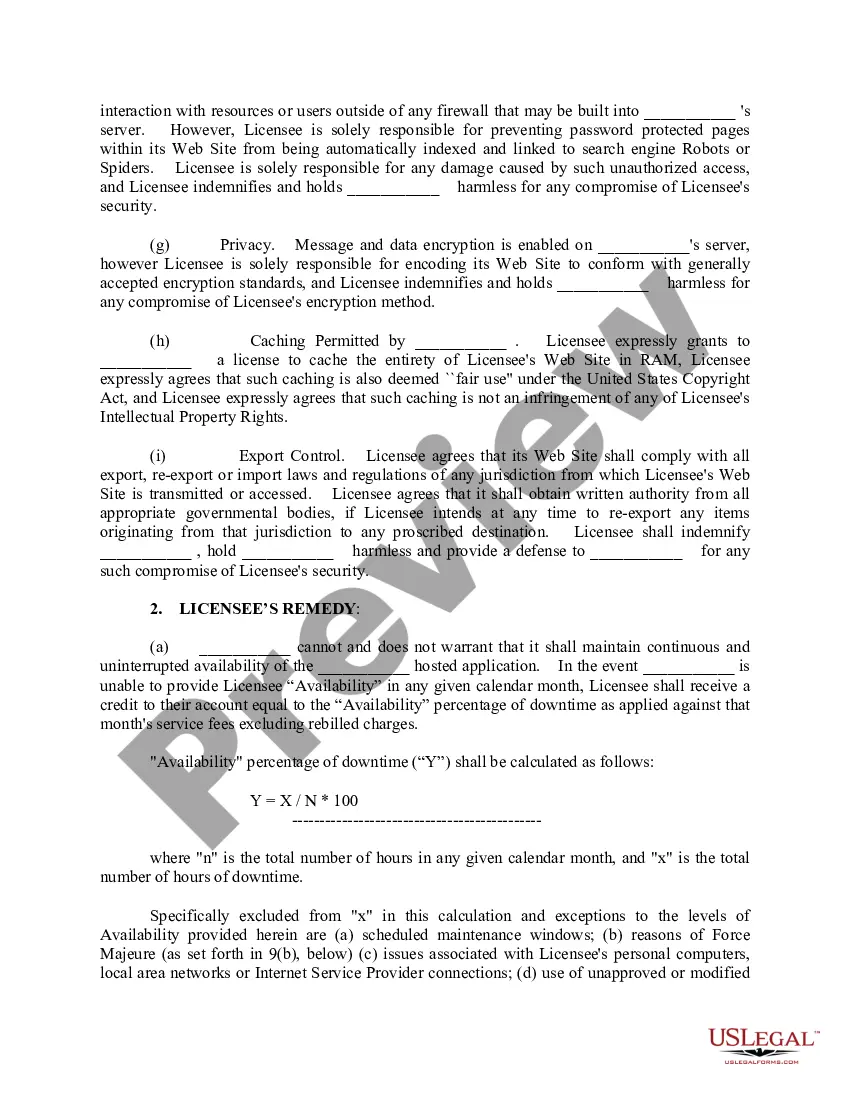
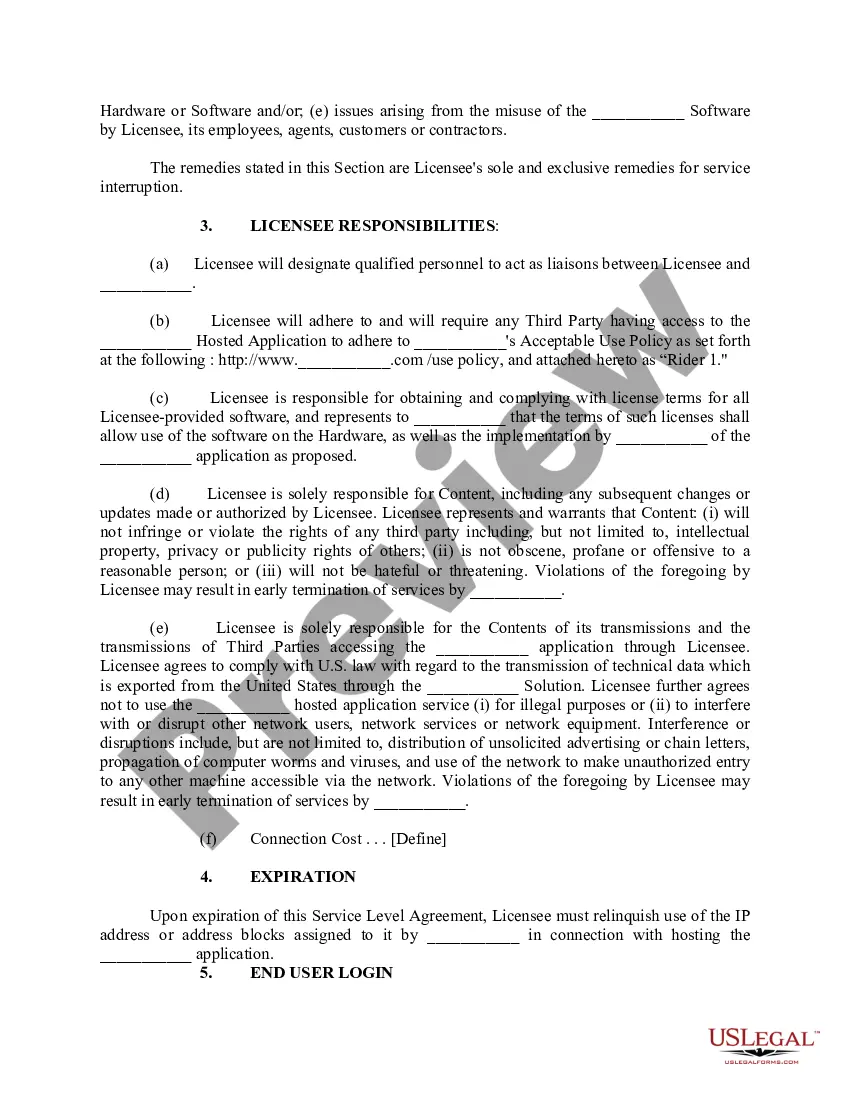
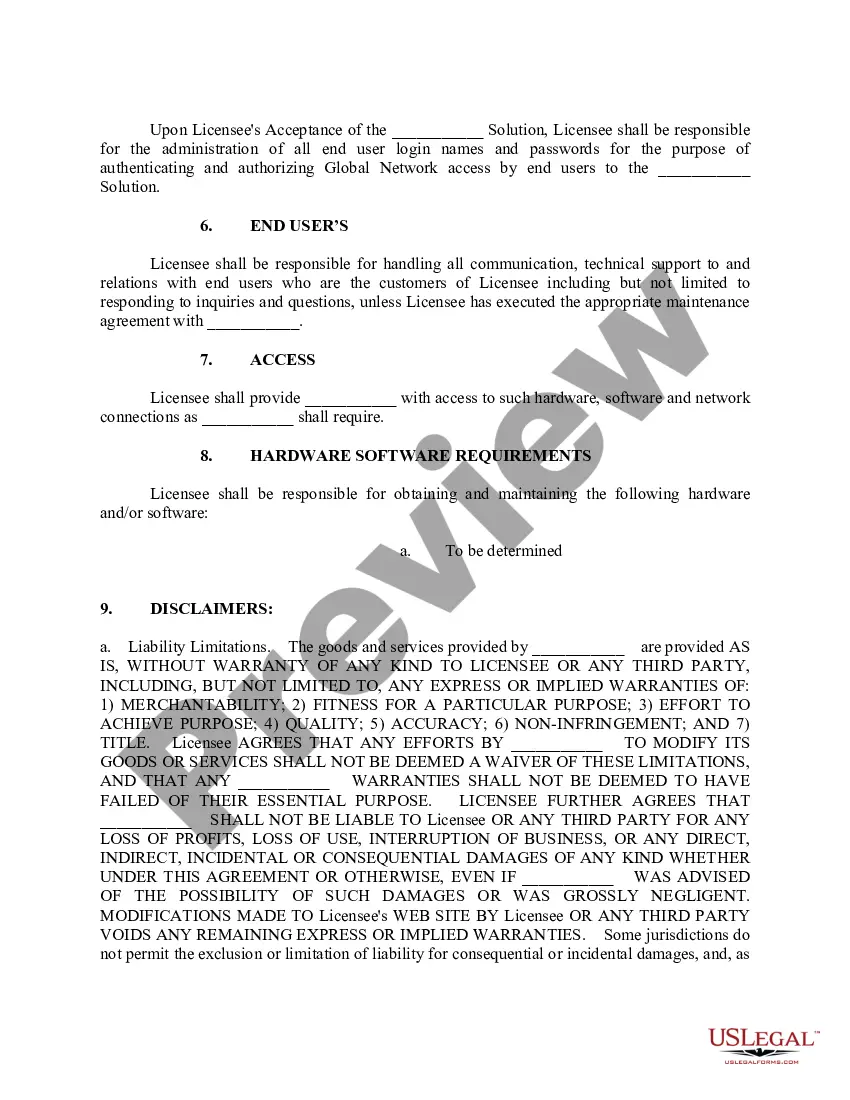
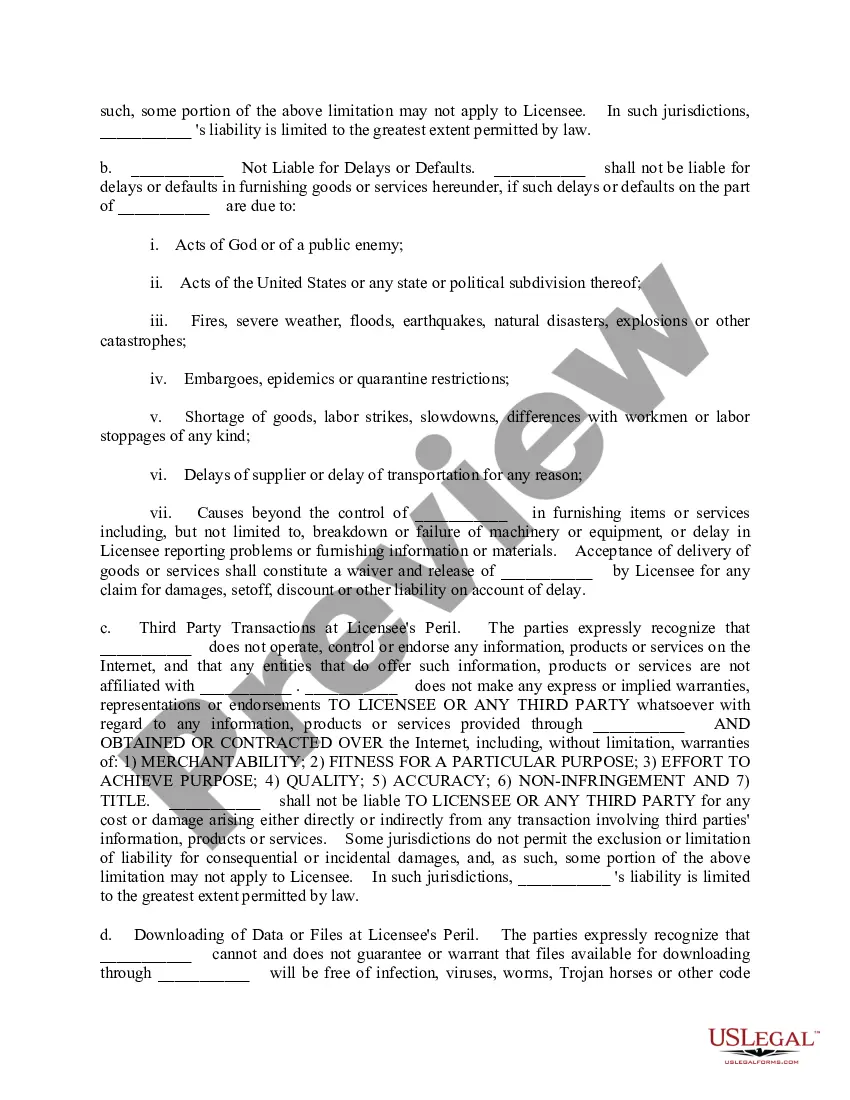
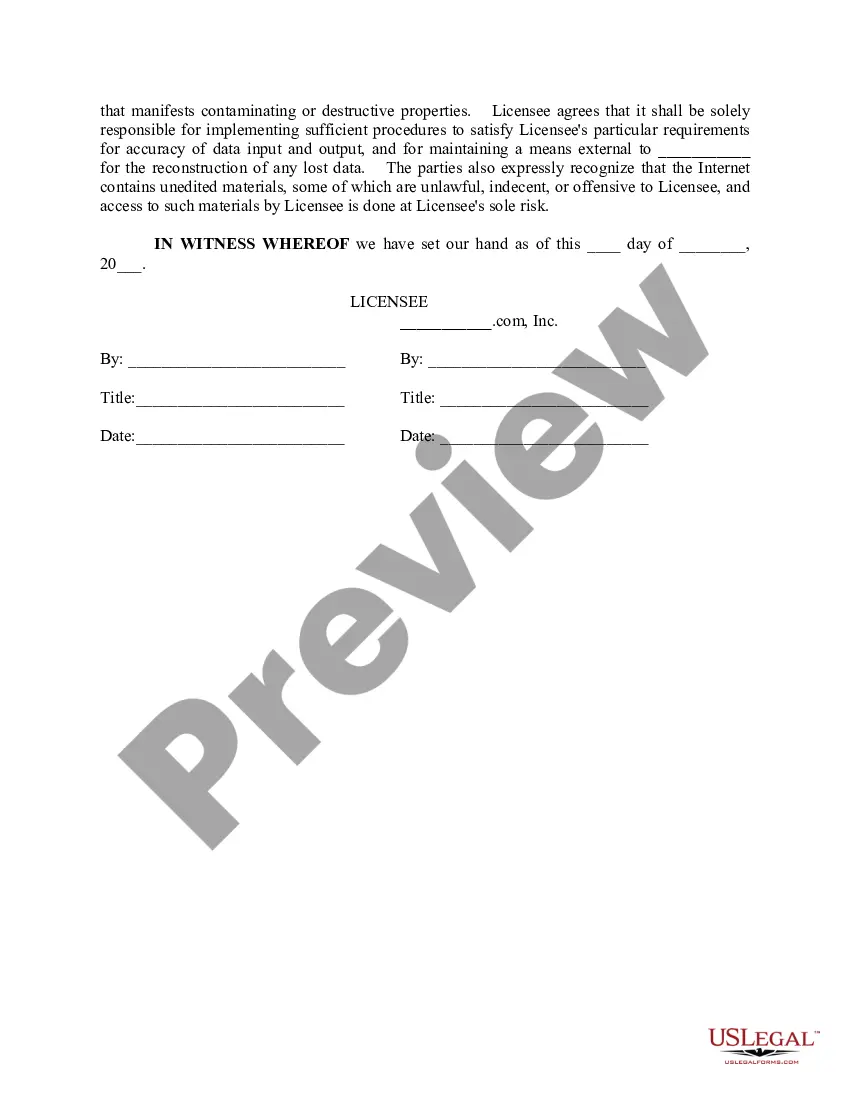
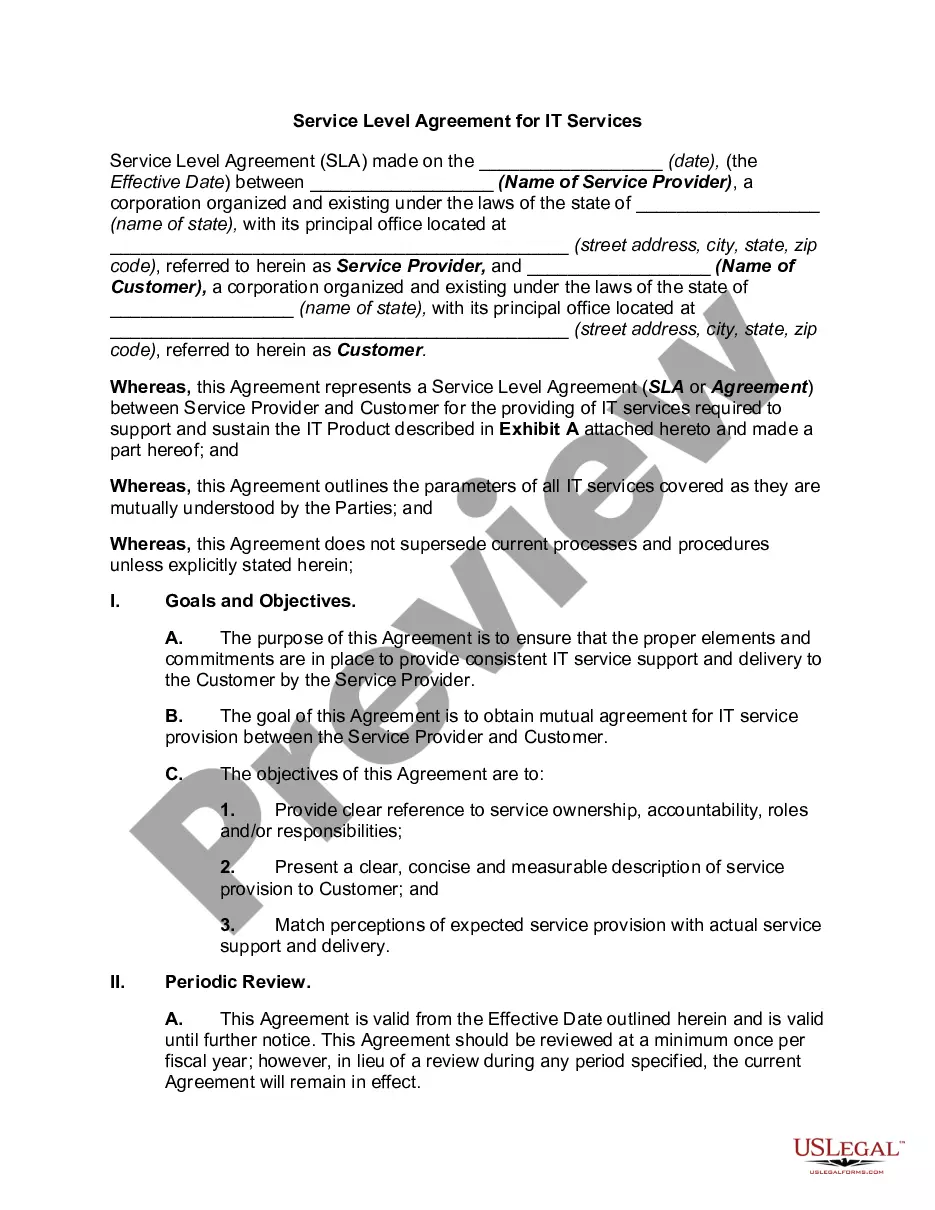
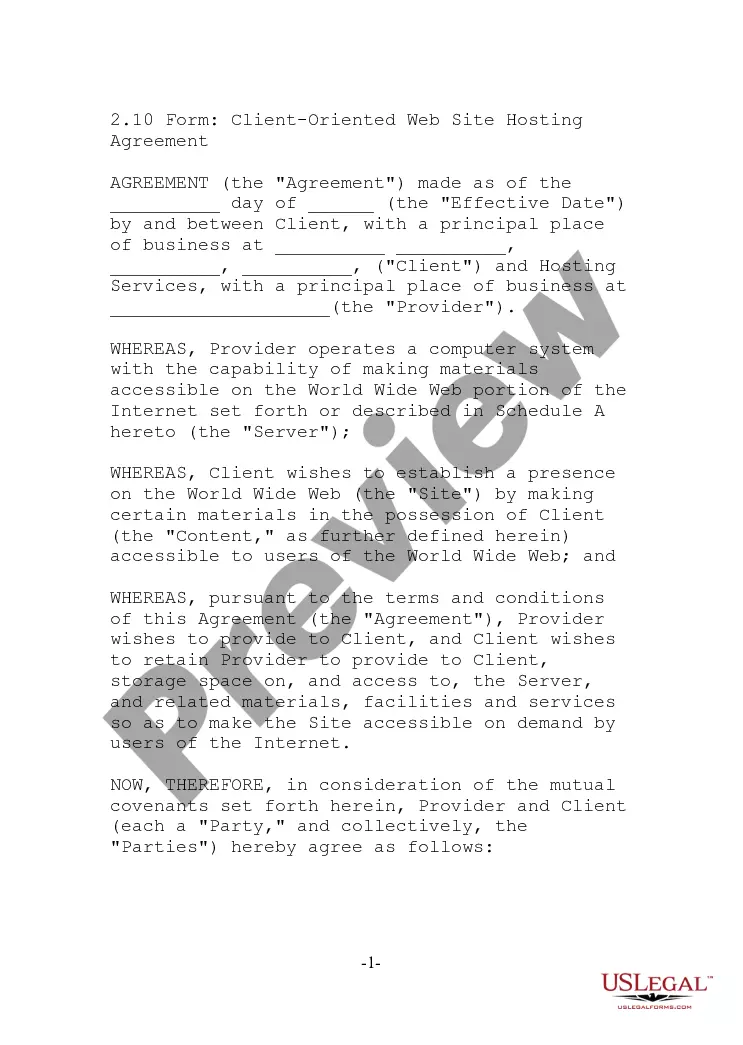
This form is an Application for Hosting a Service Level Agreement. The licensee agrees to provide the end-user with access to such hardware, software, and network connections that may be required. The document also provides that the licensee is given up to five gig of disk space and the licensee will be responsible for additional disk space. The parties expressly recognize that the Internet contains unedited materials, some of which are unlawful, indecent, or offensive to the licensee, and access to such materials by the licensee is done at the licensee's sole risk.
District of Columbia Application Hosting Service Level Agreement
Category:
State:
Multi-State
Control #:
US-KWP-0070
Format:
Word;
Rich Text
Instant download
Description
Free preview
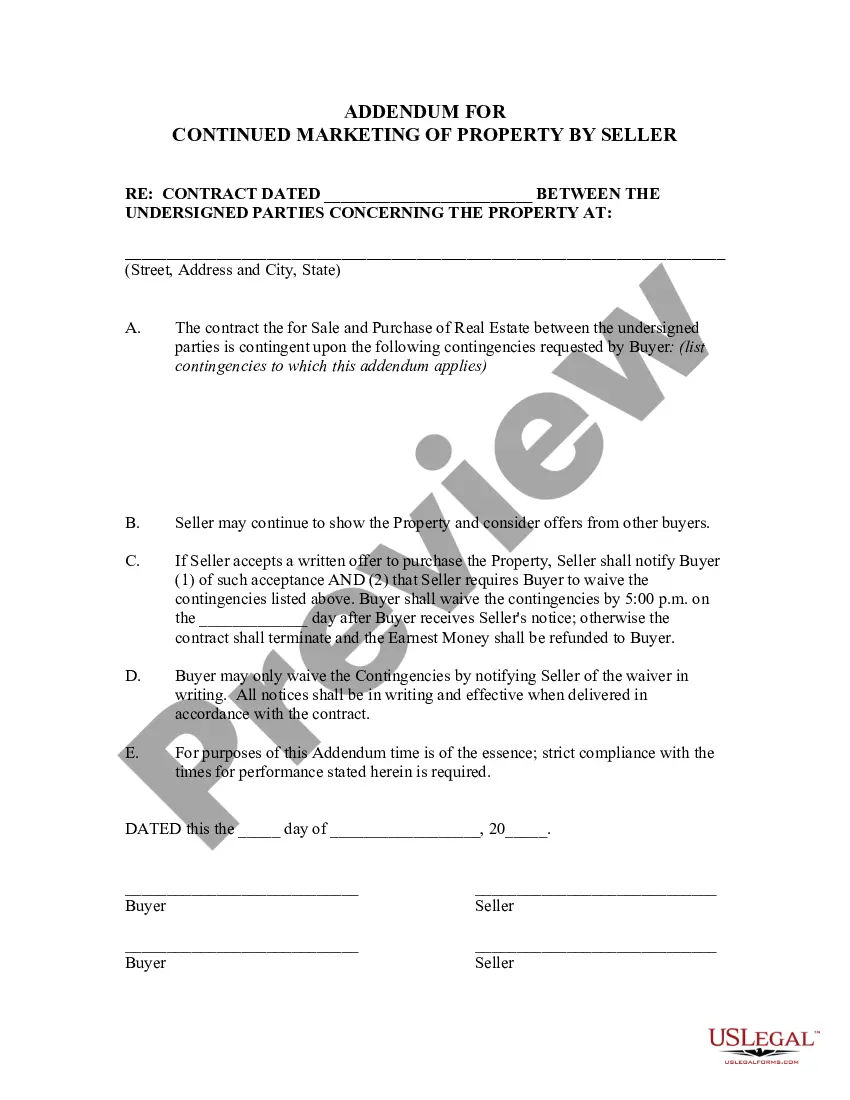

How to fill out Application Hosting Service Level Agreement?
You might spend hours online searching for the legal document format that complies with state and federal regulations you will require.
US Legal Forms offers a vast array of legal documents that are assessed by professionals.
It is easy to download or print the District of Columbia Application Hosting Service Level Agreement from the services.
If available, use the Preview button to examine the document format as well. If you wish to find another version of the form, use the Lookup field to locate the format that suits your needs and requirements. Once you have found the format you want, click Buy now to proceed. Choose the pricing plan you prefer, enter your details, and register for your account on US Legal Forms. Complete the transaction. You can use your credit card or PayPal account to purchase the legal document. Choose the format of the document and download it to your device. Make changes to your document if necessary. You can complete, edit, sign, and print the District of Columbia Application Hosting Service Level Agreement. Obtain and print a wide variety of document templates using the US Legal Forms website, which provides the largest collection of legal forms. Utilize professional and jurisdiction-specific templates to address your business or personal needs.
- If you already have a US Legal Forms account, you can Log In and click on the Acquire button.
- Next, you can complete, edit, print, or sign the District of Columbia Application Hosting Service Level Agreement.
- Every legal document format you obtain is yours permanently.
- To get another copy of any purchased form, go to the My documents tab and click on the corresponding button.
- If you are using the US Legal Forms website for the first time, follow the simple instructions below.
- First, ensure you have selected the correct document format for the county/town you choose.
- Review the form summary to confirm you have chosen the suitable form.
Form popularity
FAQ
The three types of SLAs commonly discussed in educational settings include service-based, customer-based, and multi-level SLAs. Each type serves a unique purpose, catering to different business needs and customer expectations. Familiarity with these SLAs can enhance your understanding when negotiating a District of Columbia Application Hosting Service Level Agreement, ensuring you choose the best option for your organization.
The three types of options for SLAs include fixed, flexible, and tiered SLAs. Fixed SLAs provide a set level of service without variation, while flexible SLAs allow for adjustments based on changing needs. Tiered SLAs offer various service levels, enabling customers to choose based on their requirements. Selecting the right option is crucial for a successful District of Columbia Application Hosting Service Level Agreement.
To obtain a Service Level Agreement, start by identifying your service needs and expectations. Next, consult with service providers to discuss their offerings and how they align with your requirements. You can utilize platforms like uslegalforms to guide you through the process of drafting a District of Columbia Application Hosting Service Level Agreement, ensuring all essential aspects are covered.
SLA P1, P2, P3, and P4 denote priority levels for incident response within a Service Level Agreement. P1 represents critical issues requiring immediate attention, while P2 indicates high-priority matters that need prompt resolution. P3 and P4 are lower priority levels, addressing less urgent issues. Understanding these priorities is essential when establishing a District of Columbia Application Hosting Service Level Agreement to ensure appropriate response times.
Level 3 support SLA refers to the highest tier of technical support, typically involving complex issues that require specialized knowledge. This level usually includes expert technicians who address the most challenging problems within a defined timeframe. In the context of a District of Columbia Application Hosting Service Level Agreement, having access to Level 3 support ensures that critical issues are resolved swiftly, minimizing downtime.
The three types of Service Level Agreements (SLAs) are service-based, customer-based, and multi-level SLAs. Service-based SLAs focus on specific services provided to all customers, while customer-based SLAs cater to individual customer needs. Multi-level SLAs combine both service-based and customer-based aspects, allowing flexibility. Understanding these types is vital when considering a District of Columbia Application Hosting Service Level Agreement.
There are three main types of service level agreements: customer-based SLAs, service-based SLAs, and multi-level SLAs. Customer-based SLAs focus on specific agreements with individual customers. Service-based SLAs cover all customers using a specific service, while multi-level SLAs combine elements from both customer-based and service-based agreements. Choosing the right type can enhance your District of Columbia Application Hosting Service Level Agreement.
Guidelines for a District of Columbia Application Hosting Service Level Agreement include clarity, specificity, and mutual agreement on terms. It's important to define key performance indicators that are measurable and relevant. Furthermore, ensure that there are provisions for regular reviews and updates to accommodate any changes in service or technology. Clear guidelines foster a positive working relationship.
An example of a District of Columbia Application Hosting Service Level Agreement could specify uptime commitments, such as guaranteeing 99.9% uptime for hosted applications. It may also include response time benchmarks for technical support inquiries, such as responding to critical issues within one hour. Such specific examples help both parties understand their obligations and set realistic expectations.
Typically, a service level agreement is prepared by the service provider in collaboration with the client. This collaborative approach ensures that both parties' needs and expectations are considered. In the context of a District of Columbia Application Hosting Service Level Agreement, legal and IT teams may also contribute to ensure all technical and legal aspects are covered. Utilizing expert resources can streamline this process.