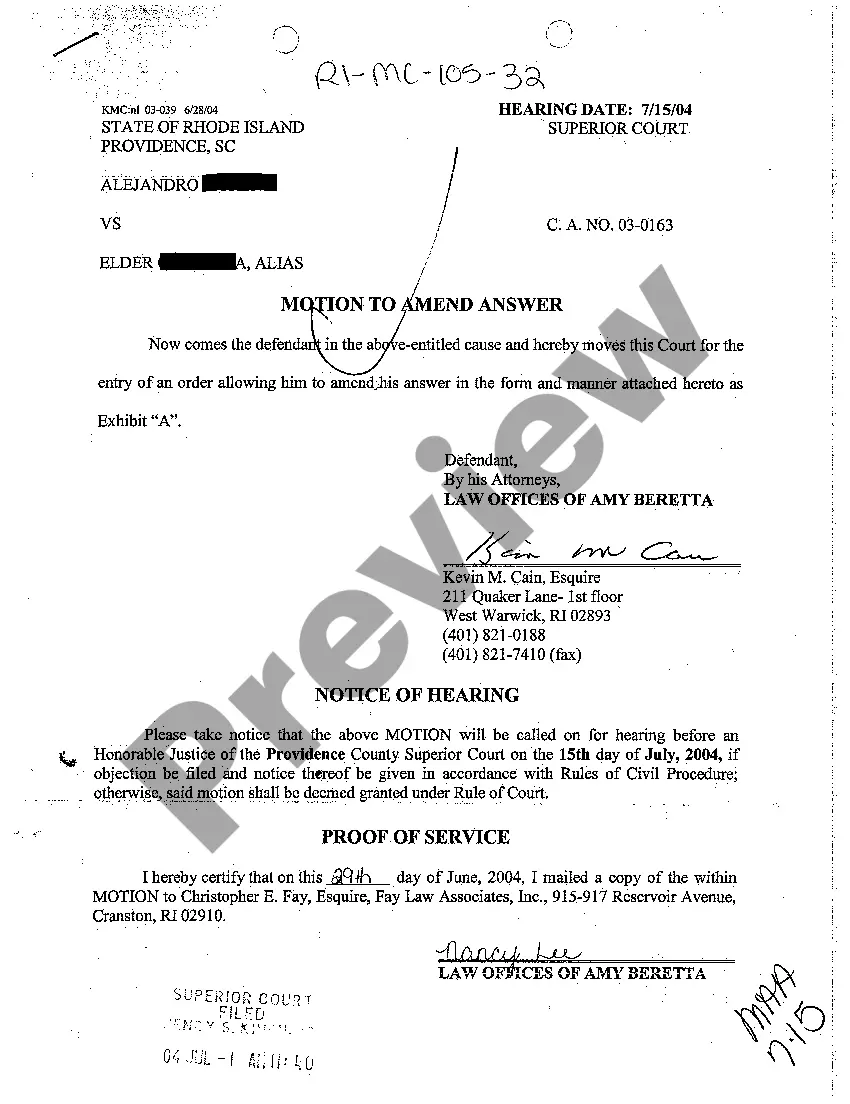
District of Columbia Transfer on Death Deed or TOD - Beneficiary Deed for Husband and Wife to Multiple Individuals
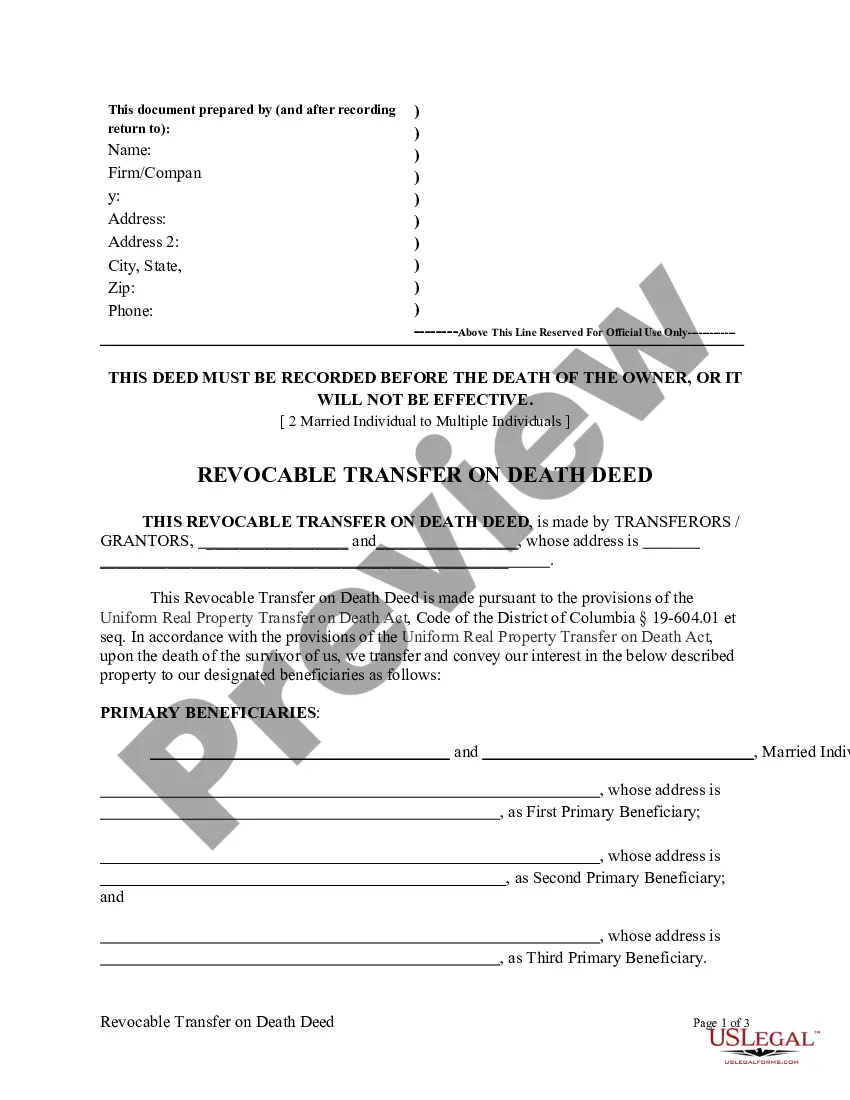
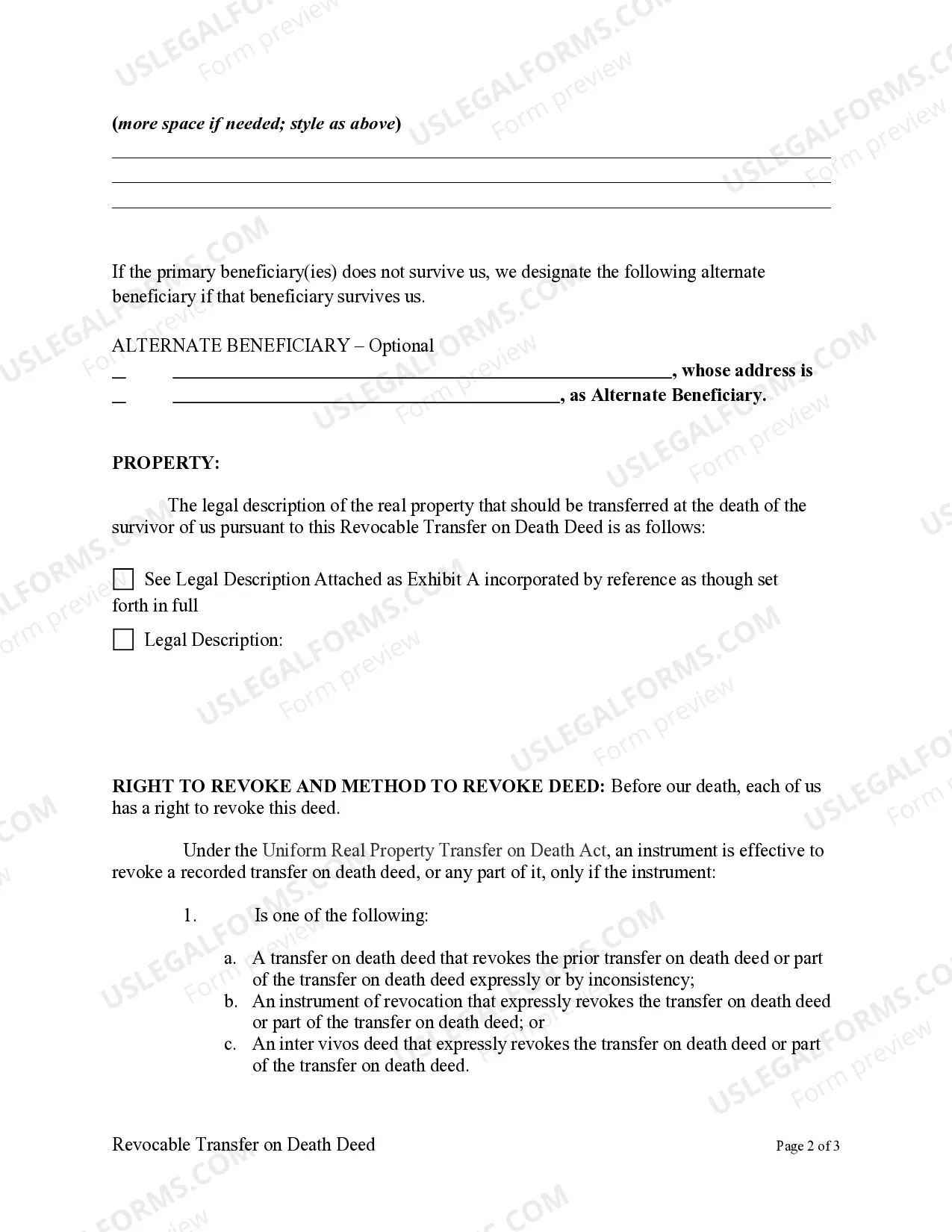
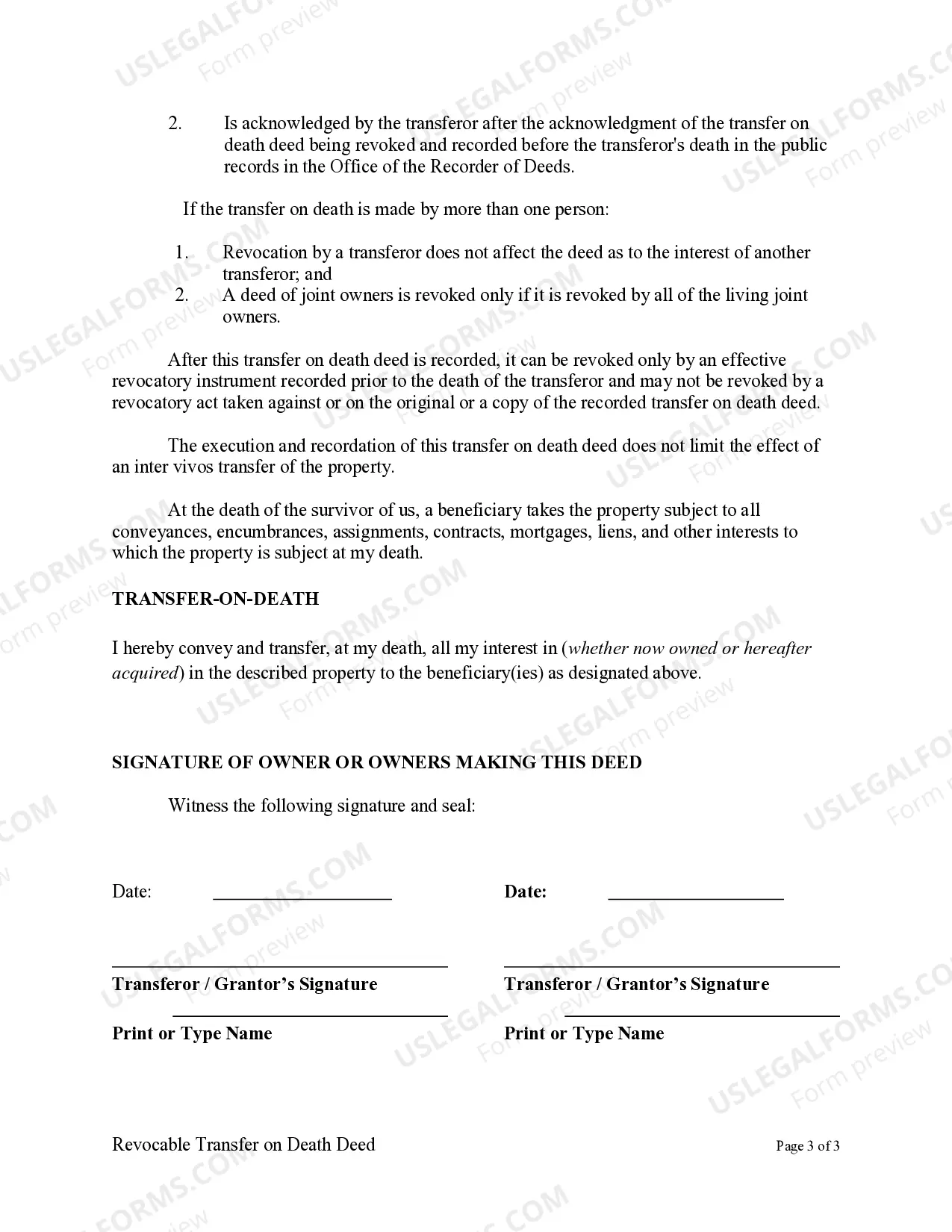
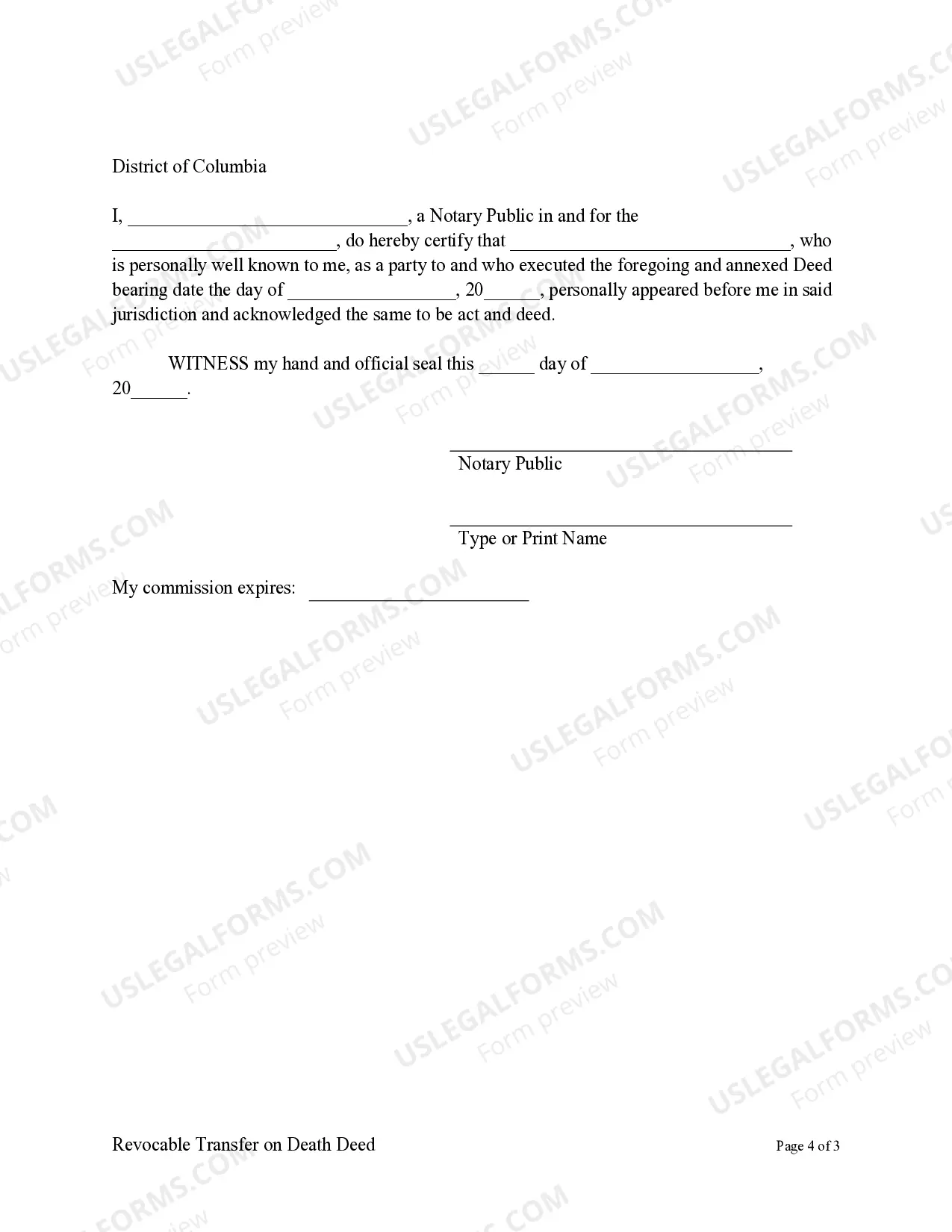






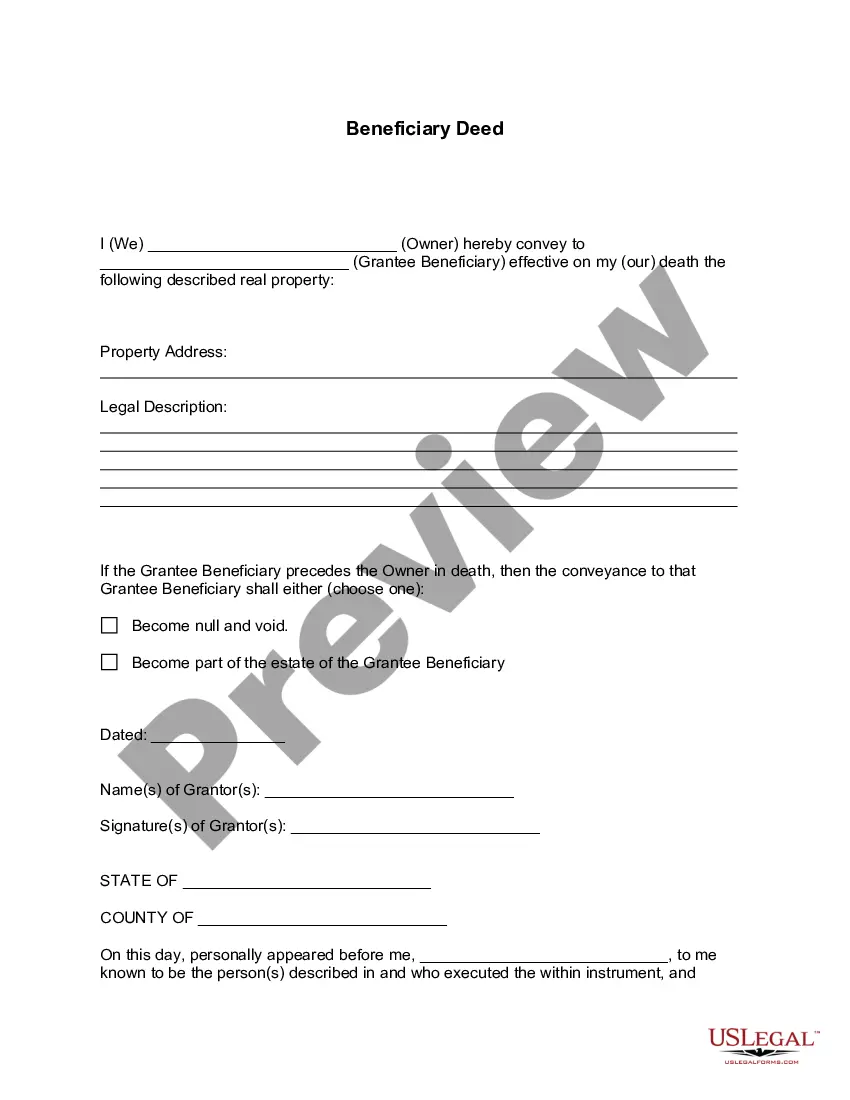
Notarization requirements for this form
This form does not typically require notarization to be legally valid. However, some jurisdictions or document types may still require it. US Legal Forms provides secure online notarization powered by Notarize, available 24/7 for added convenience.
Get your form ready online
Our built-in tools help you complete, sign, share, and store your documents in one place.
Make edits, fill in missing information, and update formatting in US Legal Forms—just like you would in MS Word.
Download a copy, print it, send it by email, or mail it via USPS—whatever works best for your next step.
Sign and collect signatures with our SignNow integration. Send to multiple recipients, set reminders, and more. Go Premium to unlock E-Sign.
If this form requires notarization, complete it online through a secure video call—no need to meet a notary in person or wait for an appointment.
We protect your documents and personal data by following strict security and privacy standards.

Make edits, fill in missing information, and update formatting in US Legal Forms—just like you would in MS Word.

Download a copy, print it, send it by email, or mail it via USPS—whatever works best for your next step.

Sign and collect signatures with our SignNow integration. Send to multiple recipients, set reminders, and more. Go Premium to unlock E-Sign.

If this form requires notarization, complete it online through a secure video call—no need to meet a notary in person or wait for an appointment.

We protect your documents and personal data by following strict security and privacy standards.
Looking for another form?
Form popularity
FAQ
Yes, you can designate two beneficiaries on a District of Columbia Transfer on Death Deed or TOD - Beneficiary Deed for Husband and Wife to Multiple Individuals. Listing multiple beneficiaries allows for straightforward property division among heirs. Be sure to clarify how ownership will be shared, to prevent any future disputes.
Yes, the District of Columbia does allow for the use of a Transfer on Death Deed. This legal tool enables property owners to designate beneficiaries who will receive the property upon their death without going through the probate process. It is a practical option for many couples and individuals looking to simplify their estate planning.
A significant disadvantage of a District of Columbia Transfer on Death Deed is that it does not give you control over the property during your lifetime. Once recorded, the deed cannot be changed or revoked easily. Furthermore, if beneficiaries have difficulties or disagreements, it can complicate the process, leading to delays in the transfer of ownership after your passing.
There are several disadvantages to consider when using a District of Columbia Transfer on Death Deed or TOD - Beneficiary Deed for Husband and Wife to Multiple Individuals. For instance, this type of deed does not avoid probate if not correctly executed or if the beneficiaries predecease you. Other limitations include the potential for disagreements among beneficiaries and lack of control over what beneficiaries do with the property after your death.
To transfer a property using a District of Columbia Transfer on Death Deed or TOD - Beneficiary Deed for Husband and Wife to Multiple Individuals to two beneficiaries, you must list both names on the deed. Make sure to include the correct legal descriptions of the property, and specify how you want the property divided. It is crucial to execute this deed correctly to ensure a smooth transfer upon your passing.
While you can complete a District of Columbia Transfer on Death Deed or TOD - Beneficiary Deed for Husband and Wife to Multiple Individuals without an attorney, it is advisable to seek legal assistance. An attorney can ensure that you comply with all legal requirements, helping you avoid potential mistakes. Additionally, they can provide guidance tailored to your unique situation.
While it is not strictly necessary to hire a lawyer for a District of Columbia Transfer on Death Deed or TOD - Beneficiary Deed for Husband and Wife to Multiple Individuals, consulting with a legal professional can be very beneficial. A lawyer can help ensure that the deed is properly executed and complies with all relevant laws. This can prevent potential pitfalls and provide clarity in your estate planning.
While a District of Columbia Transfer on Death Deed or TOD can be advantageous, there are a few drawbacks to consider. One significant issue is that it may not cover all aspects of estate planning, necessitating additional legal documents. Additionally, if the property owner incurs debt, creditors may still come after the estate, which is something to keep in mind.
Generally, using a District of Columbia Transfer on Death Deed or TOD - Beneficiary Deed for Husband and Wife to Multiple Individuals is a beneficial strategy. It provides a simple way to transfer property outside of probate, which can save time and costs. However, each person's situation is unique, so it's essential to consult with a professional to determine whether a TOD is the right fit for your estate planning needs.
Yes, a District of Columbia Transfer on Death Deed or TOD - Beneficiary Deed for Husband and Wife to Multiple Individuals can help avoid probate. This means that when one spouse passes away, the property transfers directly to the beneficiaries named in the deed. Consequently, this process simplifies the transfer of ownership and saves time and expenses associated with probate court.