Delaware Hold Harmless Agreement for Subcontractors
Description
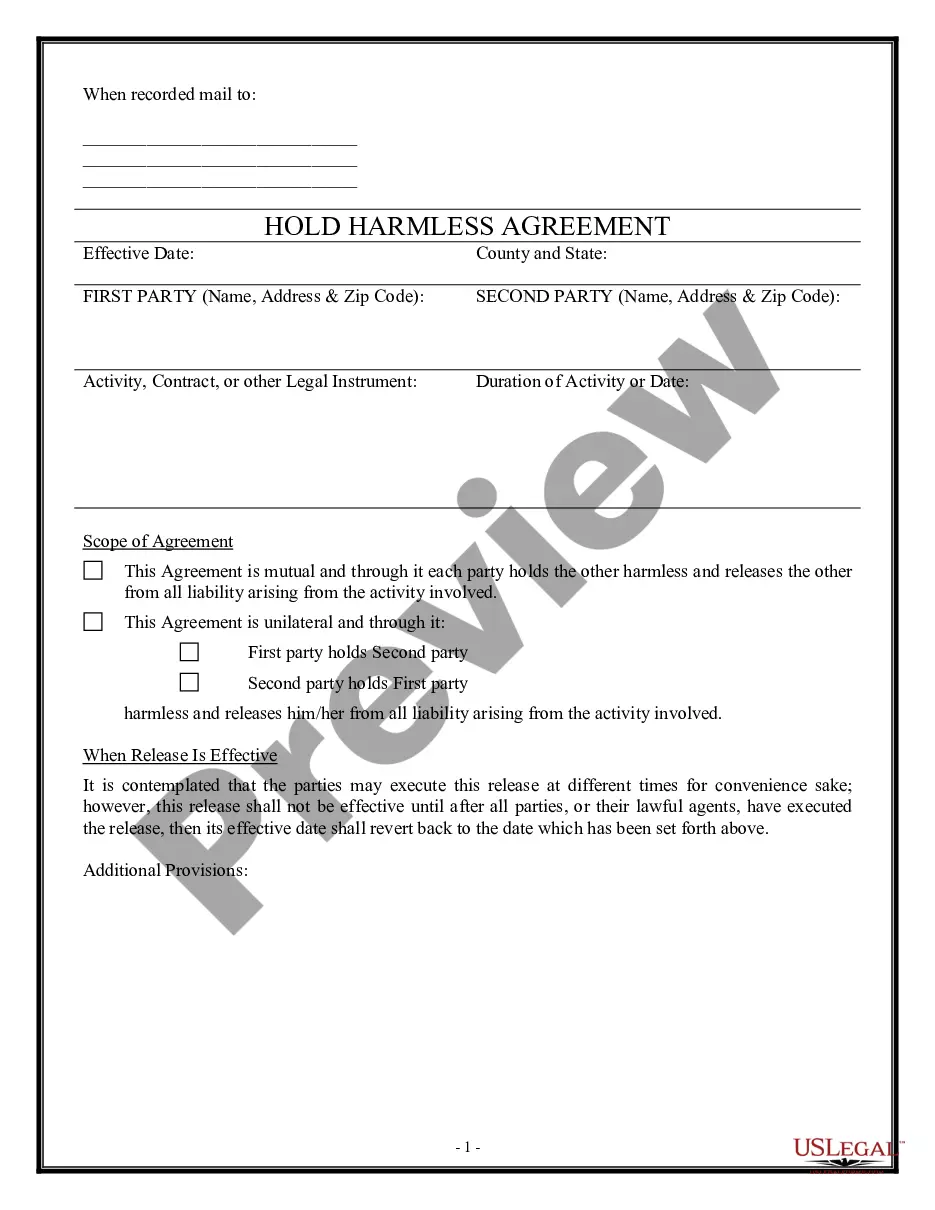
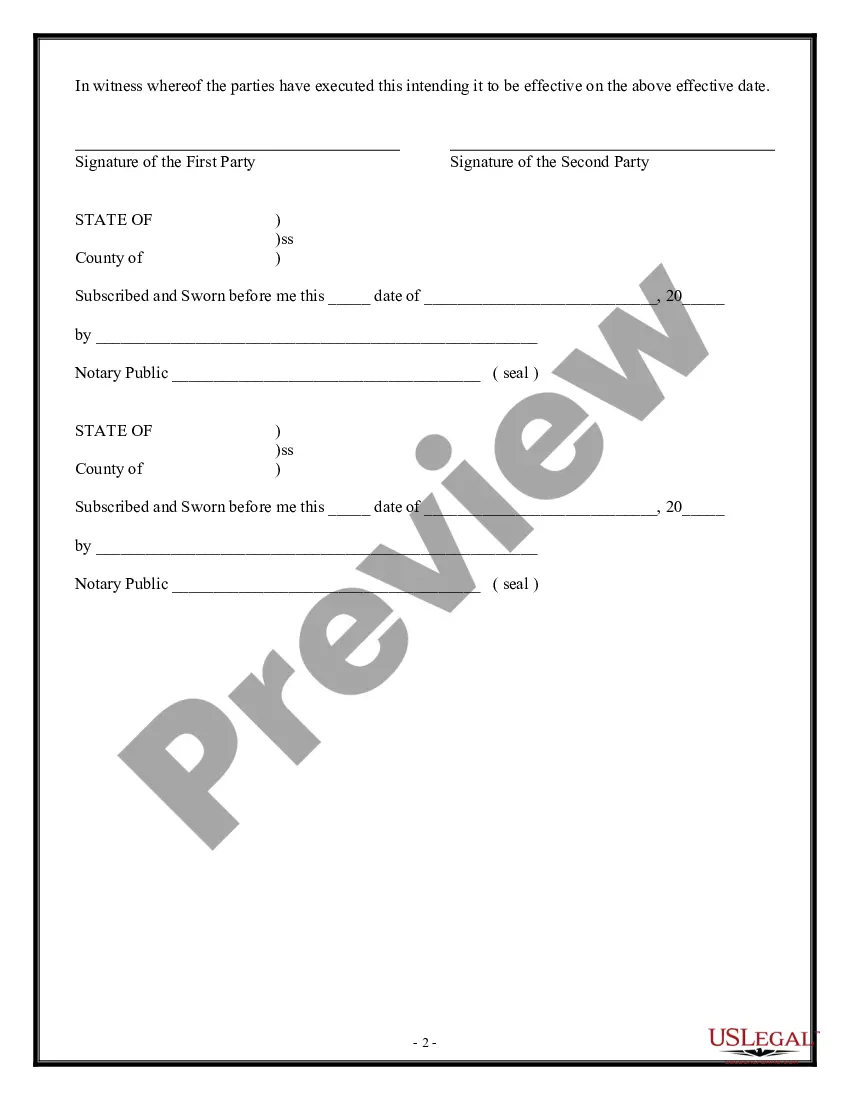
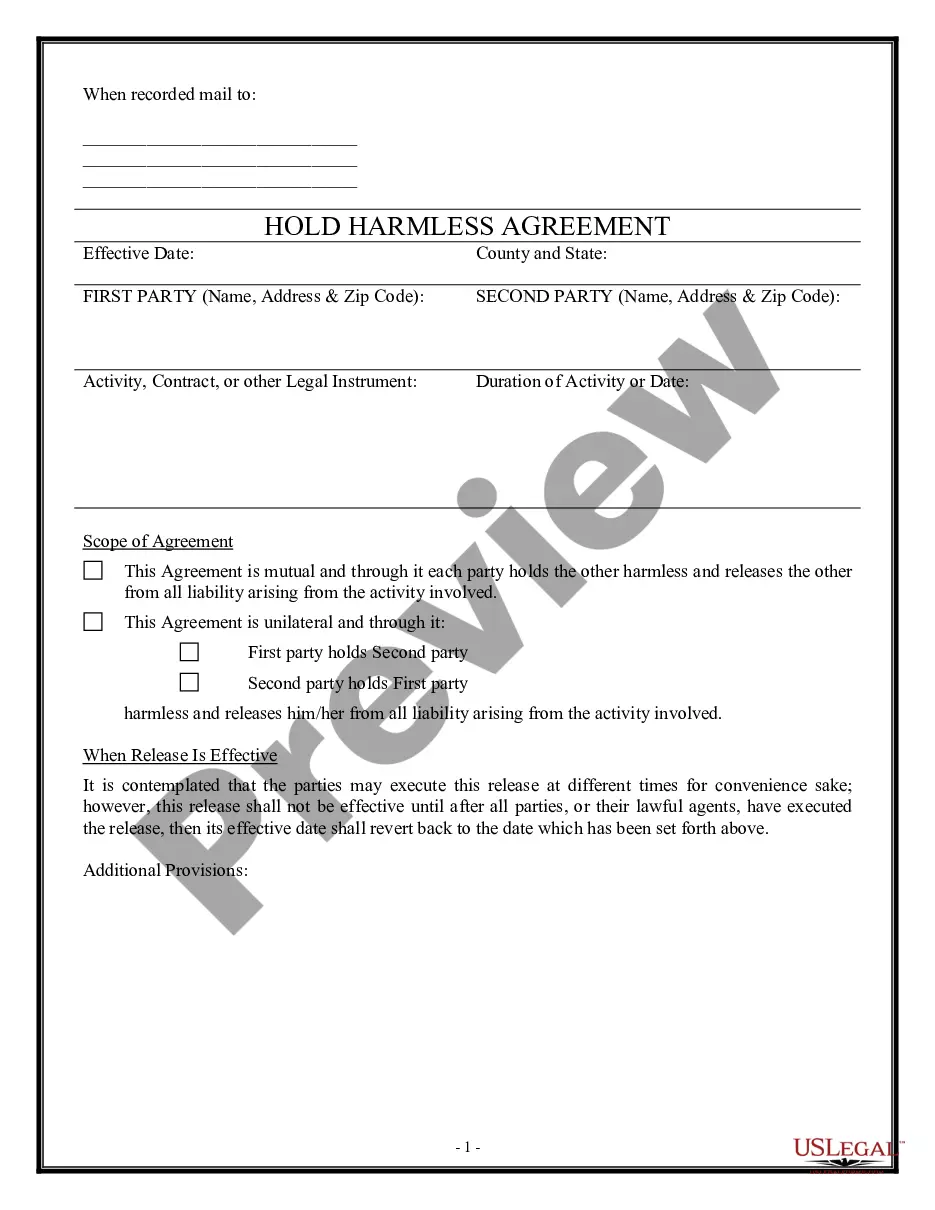
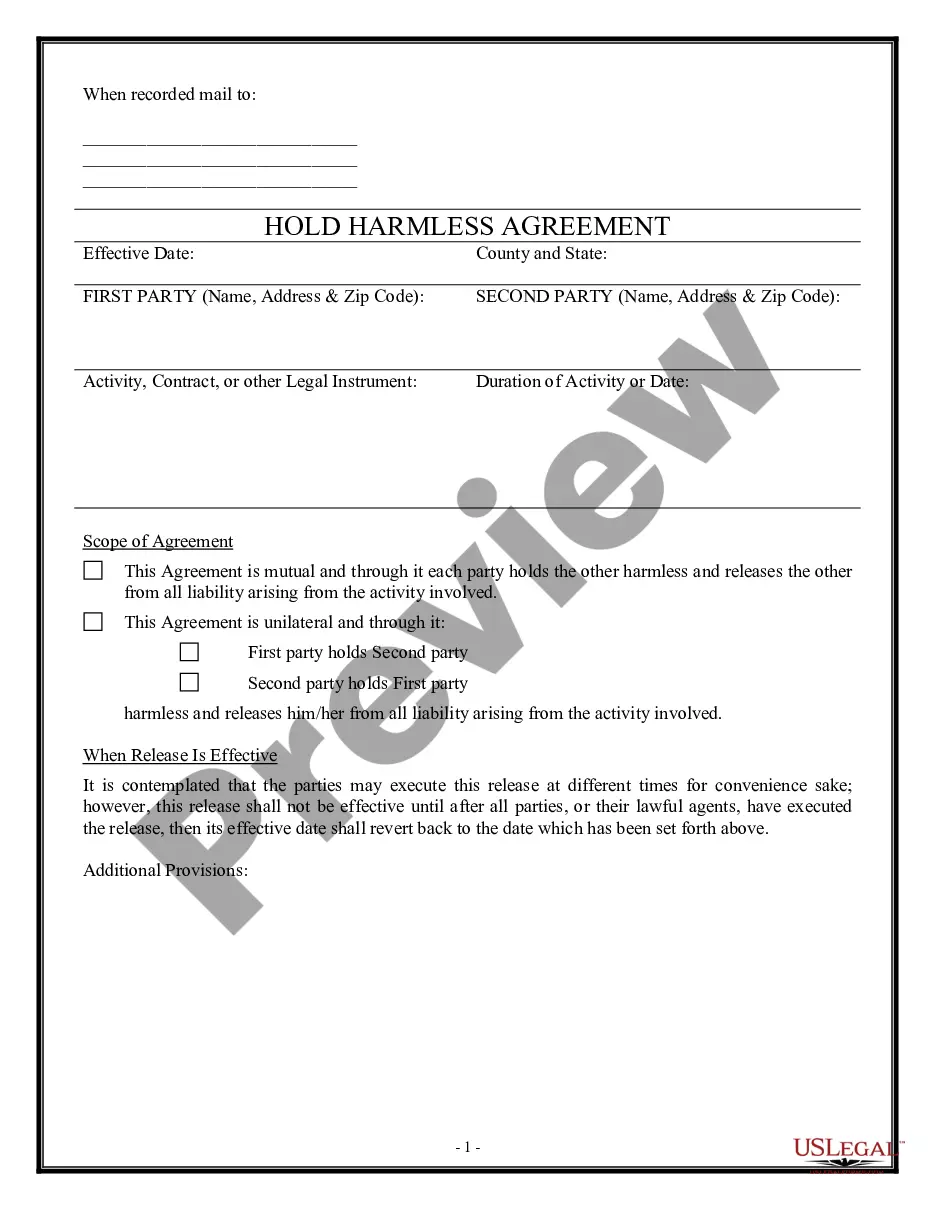
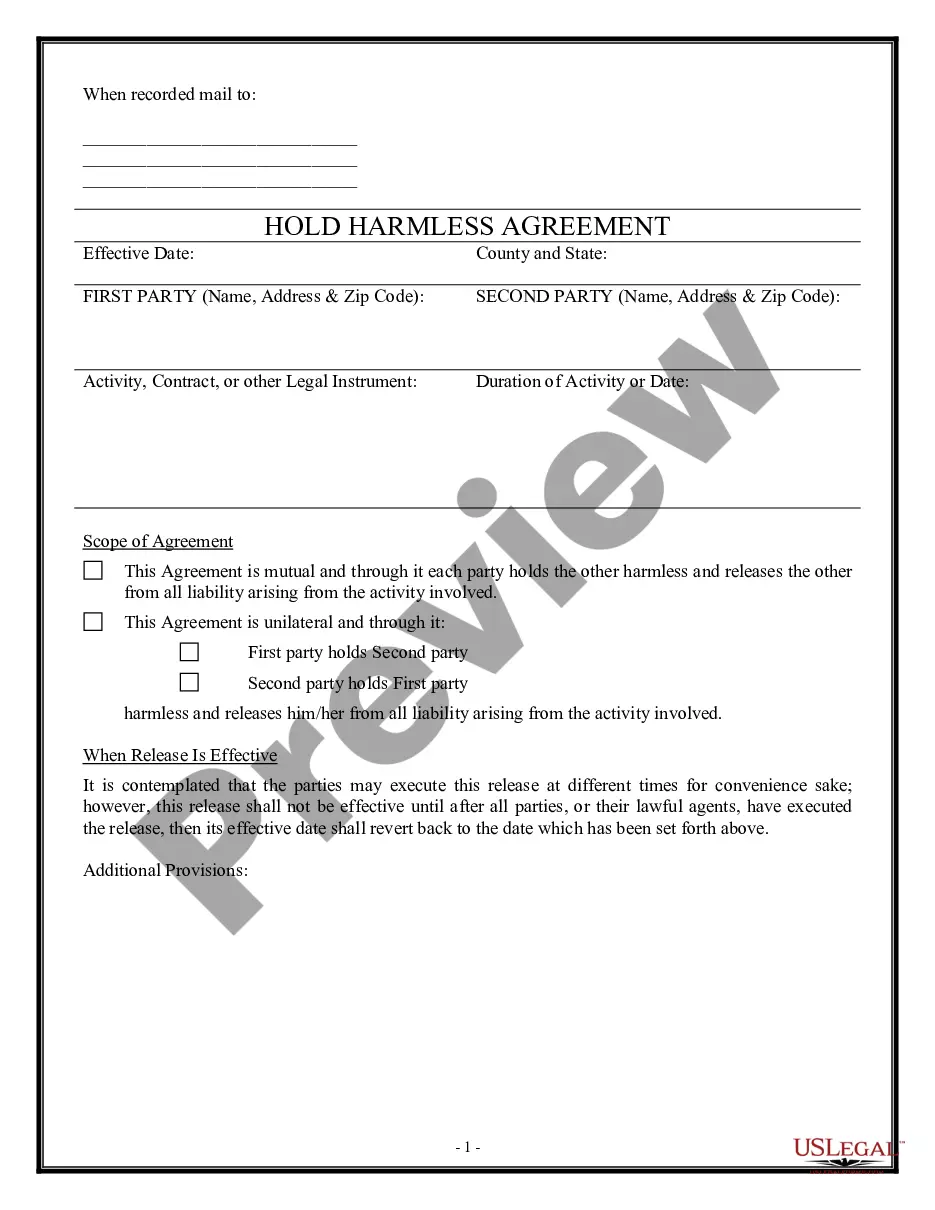
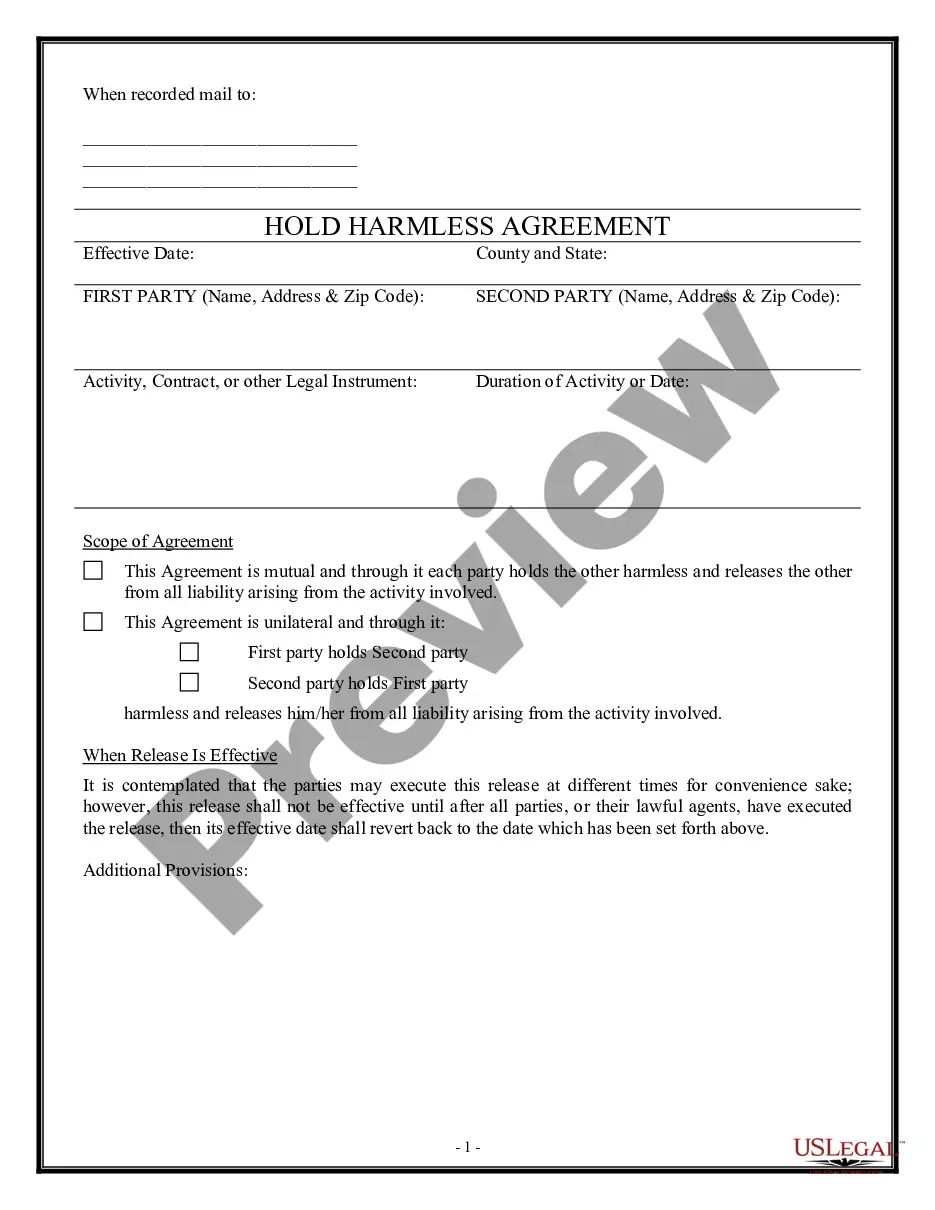
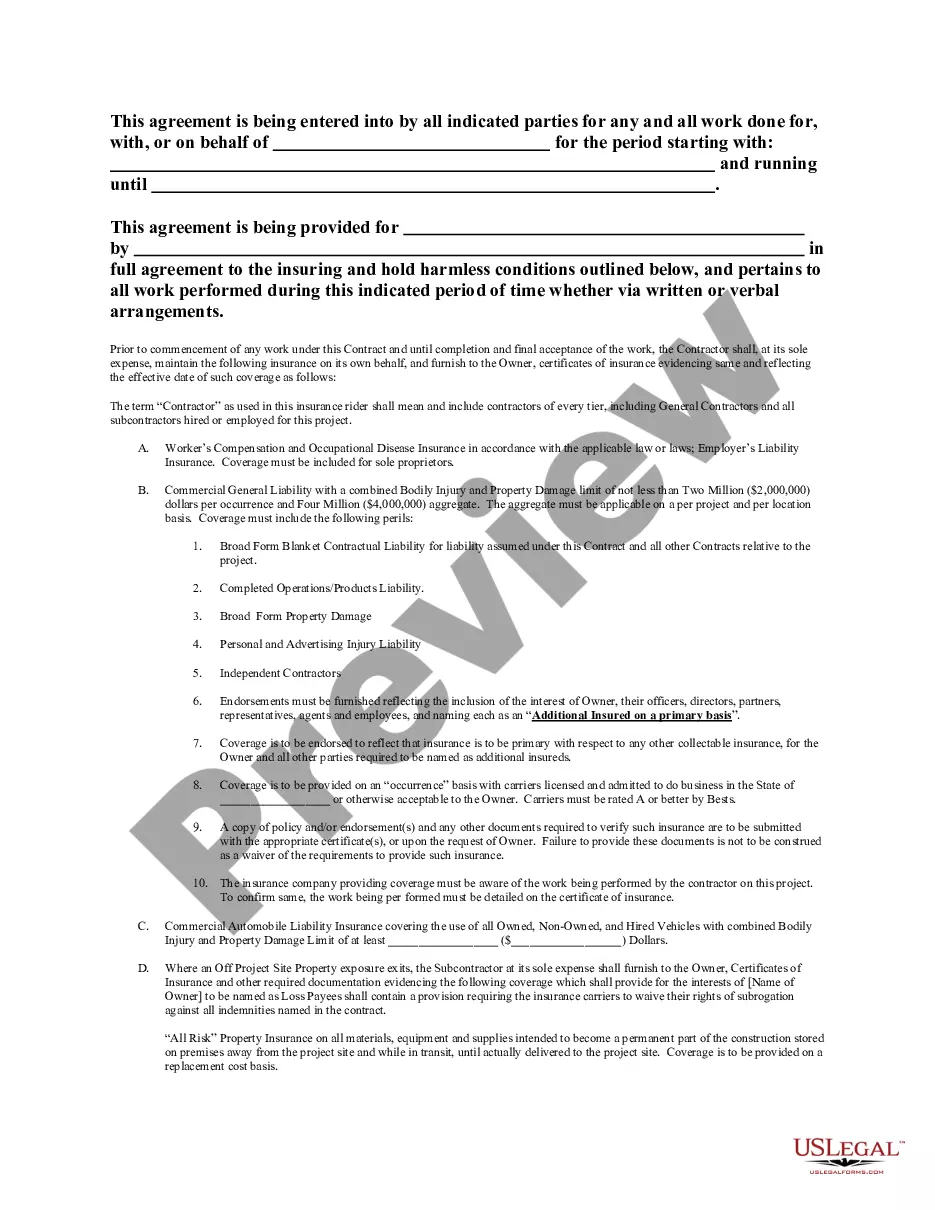
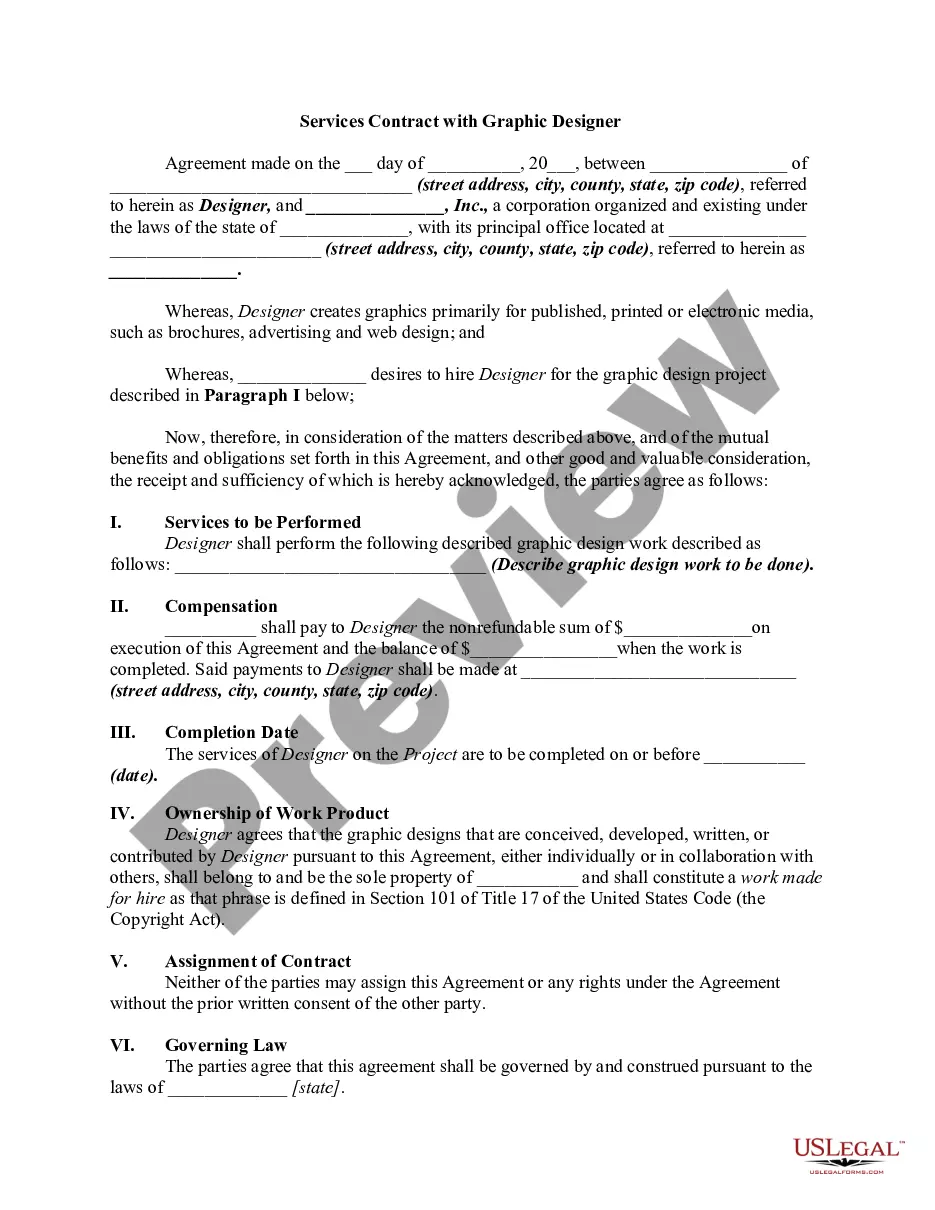
How to fill out Hold Harmless Agreement For Subcontractors?
Have you ever been in a situation where you require documentation for either business or personal events almost constantly.
There is a plethora of legal document templates accessible online, yet finding reliable ones can be challenging.
US Legal Forms offers thousands of form templates, such as the Delaware Hold Harmless Agreement for Subcontractors, crafted to comply with federal and state regulations.
Utilize US Legal Forms, one of the largest collections of legal forms, to conserve time and avoid mistakes.
The service provides professionally crafted legal document templates that can be used for a variety of purposes. Create an account on US Legal Forms and start simplifying your life.
- If you are already familiar with the US Legal Forms site and possess an account, simply Log In.
- Then, you can download the Delaware Hold Harmless Agreement for Subcontractors template.
- If you do not have an account and are interested in using US Legal Forms, follow these steps.
- Find the form you need and ensure it corresponds to the correct area/county.
- Use the Preview button to examine the document.
- Review the description to confirm you have selected the right form.
- If the document is not what you are seeking, use the Search field to locate a form that fulfills your requirements and criteria.
- Once you find the appropriate form, click on Acquire now.
- Select the pricing plan you want, fill out the necessary information to set up your payment, and complete the purchase with your PayPal or Visa or Mastercard.
- Choose a suitable file format and download your copy.
- Find all the document templates you have purchased in the My documents menu.
- You can get an additional copy of the Delaware Hold Harmless Agreement for Subcontractors anytime, if needed. Simply select the required form to download or print the document template.
Form popularity
FAQ
A Delaware Hold Harmless Agreement for Subcontractors does not legally require notarization to be valid. However, having it notarized can add an extra layer of authenticity and may help in disputes. Notarization verifies the identities of the parties involved, which can protect their interests. Consider using platforms like uslegalforms to securely create and store your agreements, ensuring they meet all legal requirements.
A Delaware Hold Harmless Agreement for Subcontractors can be provided by various parties involved in a construction project, including project owners, general contractors, or legal professionals specializing in construction law. These agreements are designed to protect one party from liability for certain actions or claims that may arise during the project. It is essential to have a clear and well-drafted agreement to ensure that all parties understand their rights and obligations. You can find comprehensive templates and services on the US Legal Forms platform, simplifying the process of obtaining a Delaware Hold Harmless Agreement for Subcontractors.
To fill out a Delaware Hold Harmless Agreement for Subcontractors, start by clearly stating the parties involved in the agreement. Next, outline the specific scope of work the subcontractor will undertake. Include a detailed clause that outlines the extent to which the subcontractor agrees to hold the other party harmless against claims, damages, or injuries that may arise. Finally, ensure that both parties sign and date the agreement, which you can conveniently do using the uslegalforms platform for a streamlined process.
A hold harmless agreement between a contractor and subcontractor specifies that the subcontractor will not seek compensation from the contractor for certain claims or losses. This type of agreement is essential in a Delaware Hold Harmless Agreement for Subcontractors because it ensures that the contractor is shielded from liabilities arising from the subcontractor’s performance. Such agreements foster a smoother working relationship and help manage risks effectively.
A hold harmless agreement is a legal document where one party agrees not to hold another party liable for specific incidents or claims. In the context of a Delaware Hold Harmless Agreement for Subcontractors, this agreement is critical for protecting parties involved in construction projects. It establishes clear expectations and reduces the risk of legal disputes.
The indemnification clause for a subcontractor outlines the subcontractor’s obligation to cover specific losses or damages incurred by the contractor. This clause is a key component of the Delaware Hold Harmless Agreement for Subcontractors and protects the contractor from claims arising from the subcontractor's work. Clearly defining this clause helps minimize disputes and provides a framework for liability management.
The three types of hold harmless agreements are broad, intermediate, and limited. A broad agreement provides the most extensive protection against any claims, while an intermediate agreement offers some limitations on liability. A limited hold harmless agreement restricts liability to specific situations. Selecting the right type is crucial in a Delaware Hold Harmless Agreement for Subcontractors to effectively manage risk.
Yes, you can write your own hold harmless agreement, but careful consideration is necessary to ensure it meets legal standards. A Delaware Hold Harmless Agreement for Subcontractors should clearly outline the rights and responsibilities of each party. However, consulting with a legal professional or using a service like US Legal Forms can help avoid potential pitfalls and ensure compliance.
The three types of indemnification are express indemnity, implied indemnity, and comparative indemnity. Express indemnity occurs when parties explicitly agree to indemnify each other in a contract. Implied indemnity arises from legal relationships, while comparative indemnity shares liability based on the extent of fault. Understanding these types can be crucial when drafting a Delaware Hold Harmless Agreement for Subcontractors.
Yes, hold harmless agreements can stand up in court if they are properly drafted and meet legal requirements. In a Delaware Hold Harmless Agreement for Subcontractors, clarity and mutual consent are essential for enforceability. Courts usually enforce these agreements, provided that they do not violate public policy or contain unconscionable terms.