Delaware Notice to Vacate for Holding Over
Description
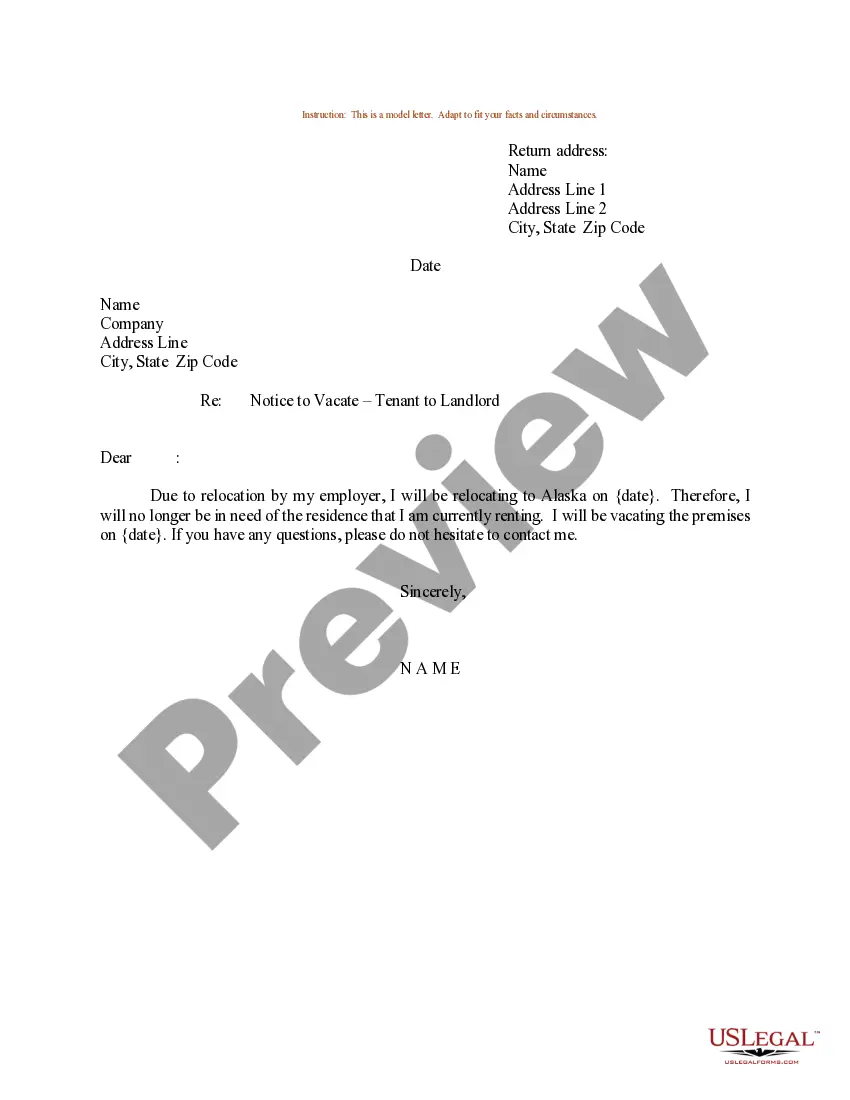
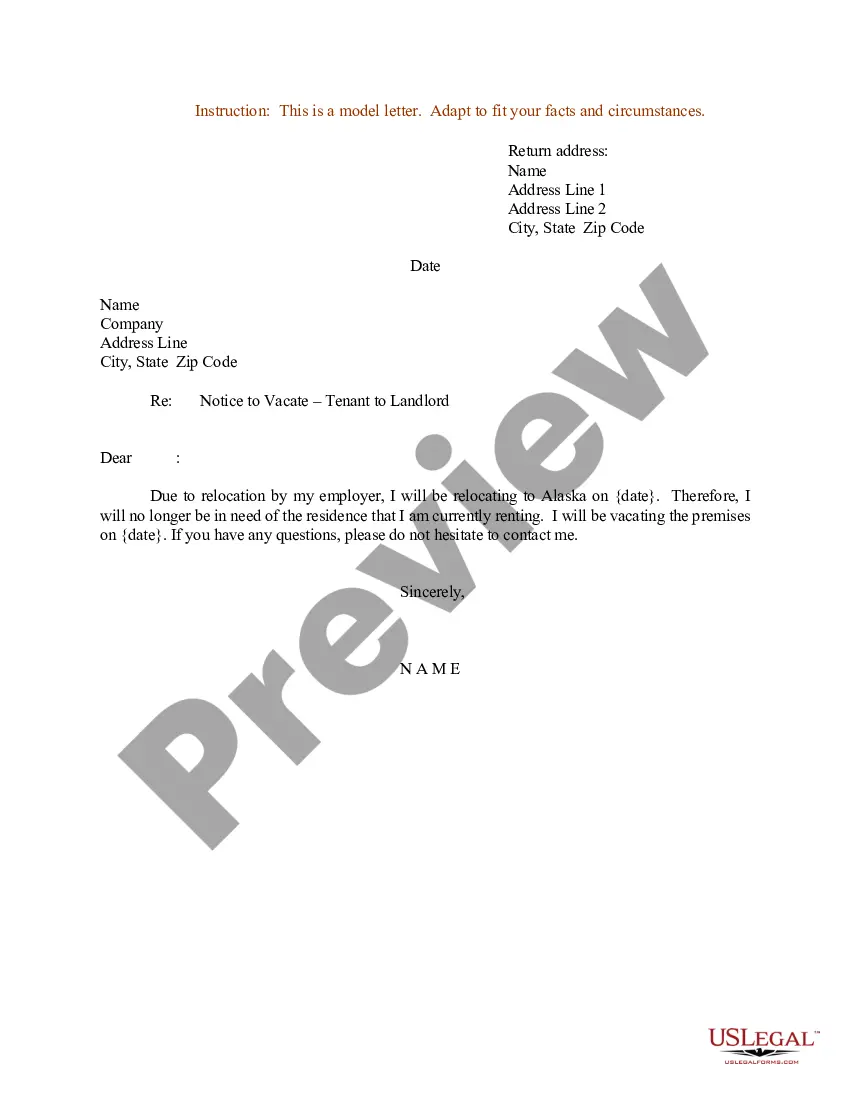
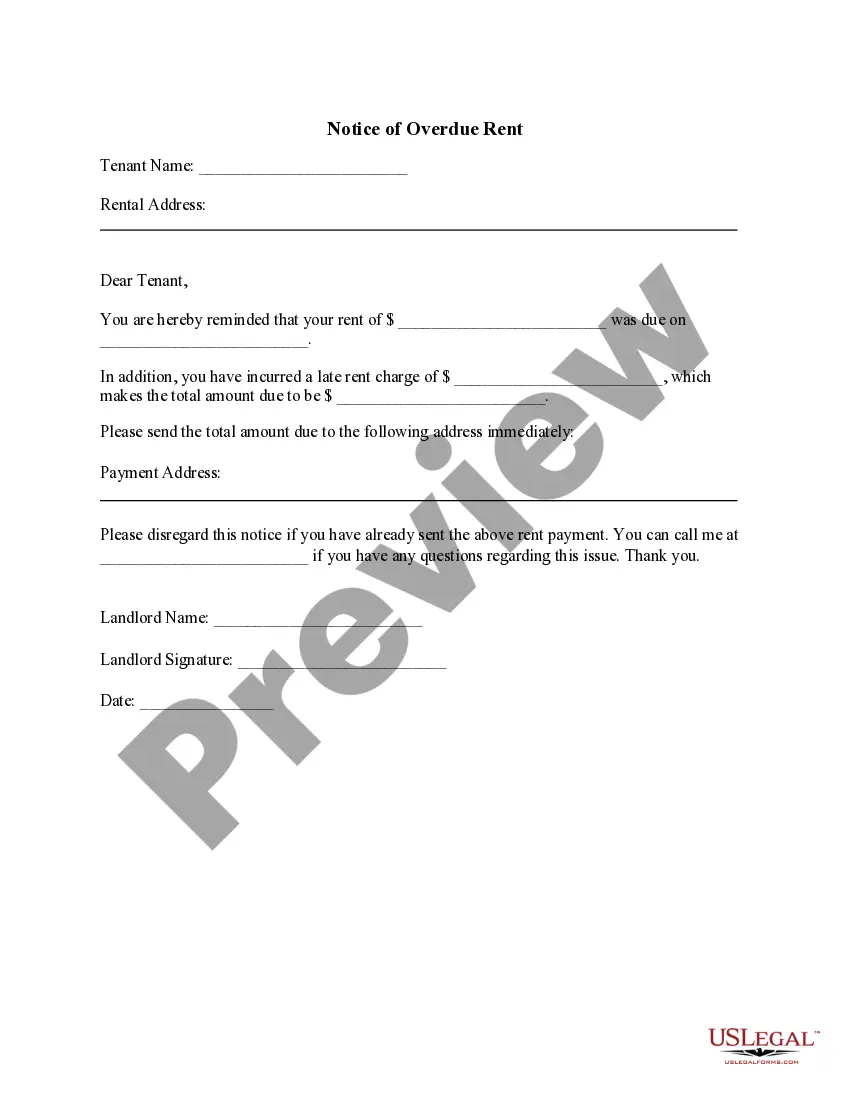


How to fill out Notice To Vacate For Holding Over?
Finding the correct legal document template can be challenging.
Of course, there are numerous templates available online, but how do you locate the legal form you need.
Utilize the US Legal Forms website. This service offers a vast array of templates, including the Delaware Notice to Vacate for Holding Over, which can be utilized for both business and personal purposes.
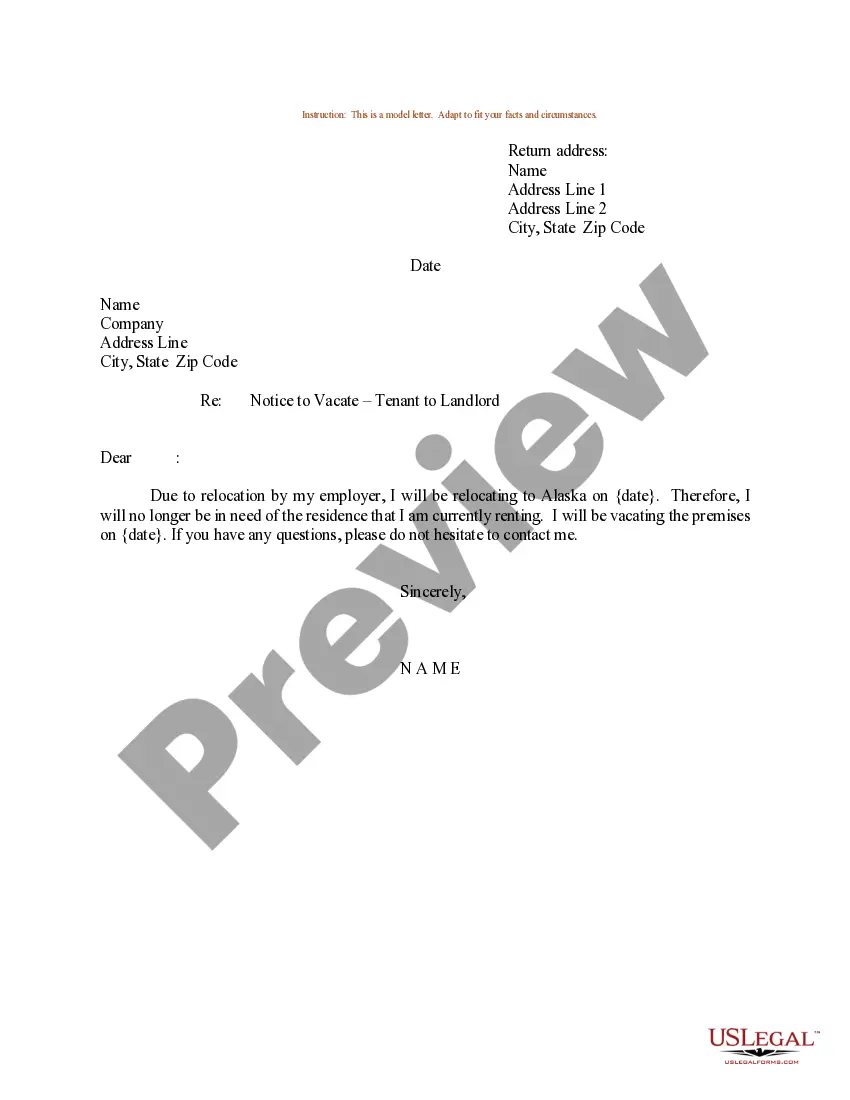
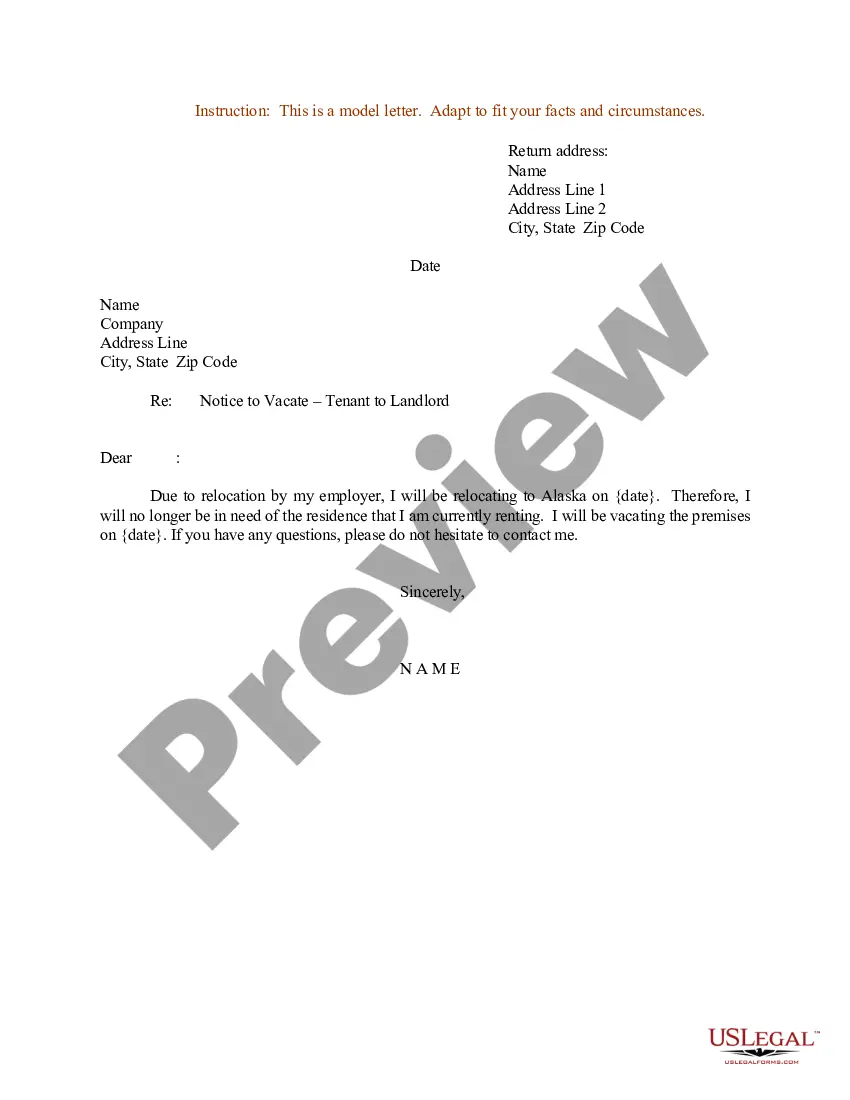
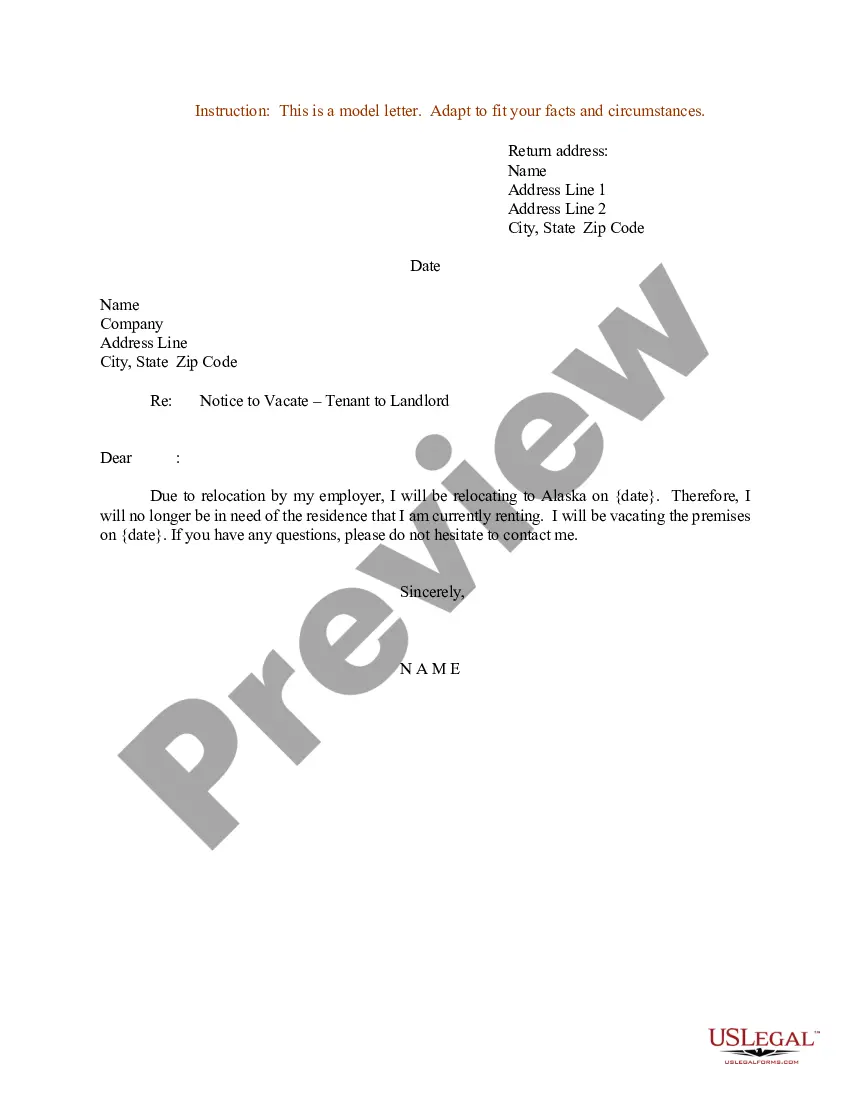
You can preview the form using the Preview button and review the form details to ensure it is suitable for you.
- All forms are reviewed by experts and comply with both state and federal regulations.
- If you are already registered, Log In to your account and click the Download button to obtain the Delaware Notice to Vacate for Holding Over.
- Use your account to browse through the legal forms you have previously acquired.
- Visit the My documents tab in your account to download another copy of the document you need.
- If you are a new user of US Legal Forms, here are simple steps to follow.
- First, ensure that you have selected the correct form for your state/region.
Form popularity
FAQ
Yes, you can write your own notice to vacate in Delaware, but it's best to ensure it meets legal standards. Your notice should clearly state the reason for the eviction, the required timeline, and include the term 'Delaware Notice to Vacate for Holding Over' for clarity. Using a platform like uslegalforms can help you create a compliant notice that adheres to state laws and protects your rights.
A proceeding against a tenant holding over is a legal action taken by a landlord when a tenant remains in possession of the property after the lease has expired. This process typically starts with a Delaware Notice to Vacate for Holding Over, demanding the tenant vacate the premises. If the tenant fails to respond appropriately, the landlord may file an eviction suit in court for possession of the property.
To get someone out of your house in Delaware, the first step is to deliver a Delaware Notice to Vacate for Holding Over. This formal notice must specify the timeframe for them to move out, typically 15 days. If the individual refuses to leave, you can proceed with filing an eviction lawsuit in the local court. It’s crucial to document all communications and follow legal guidelines.
To evict someone in Delaware without a lease, you must issue a Delaware Notice to Vacate for Holding Over. This notice informs the occupant that they need to leave your property within the given time frame, usually 15 days. If they do not vacate the premises, you can then initiate eviction proceedings in court, ensuring you adhere to the appropriate legal steps.
In Delaware, someone can live with you without being on the lease for a short period, but it’s wise to know the specifics. Typically, if they stay beyond a few weeks or become a regular occupant, you may need to take steps like providing a Delaware Notice to Vacate for Holding Over. Always check your lease terms and local laws to avoid any misunderstandings regarding tenancy rights.
In Delaware, the amount of notice a landlord must give a tenant to move out varies based on the rental agreement's terms and the situation. For a Delaware Notice to Vacate for Holding Over, a landlord should generally provide at least 15 days' notice under most circumstances. It's crucial to ensure this notice is in writing and delivered properly to avoid any legal complications.
To evict someone with no lease in Delaware, you first need to give them a Delaware Notice to Vacate for Holding Over. This notice typically requires them to leave your property within a specific time frame, usually 15 days. If they do not comply, you can file for eviction in your local court. It's essential to follow the legal process carefully to protect your rights as a landlord.
Holdover tenants have certain rights, even if they are residing in the property without a valid lease. They have the right to be served a Delaware Notice to Vacate for Holding Over, which outlines their obligation to leave. Additionally, tenants may have defenses against eviction, such as arguing that they still have a legal agreement with the landlord. Understanding these rights can help tenants navigate their options while safeguarding their interests.
A hold over notice is a legal document that a landlord issues to inform a tenant that they need to vacate the premises due to unauthorized occupancy after the lease's expiration. This notice often takes the form of a Delaware Notice to Vacate for Holding Over. It provides the tenant with a specific timeframe to leave and can be essential in any potential eviction proceedings. Properly drafting and serving this notice is key to protecting your rental rights.
The term 'hold over' refers to a tenant who remains in possession of rental property after their lease has officially ended. This can occur with or without the landlord's consent. Under Delaware law, a Delaware Notice to Vacate for Holding Over serves as a formal request for these tenants to leave the premises. Recognizing this definition is crucial for both landlords and tenants navigating legal scenarios.