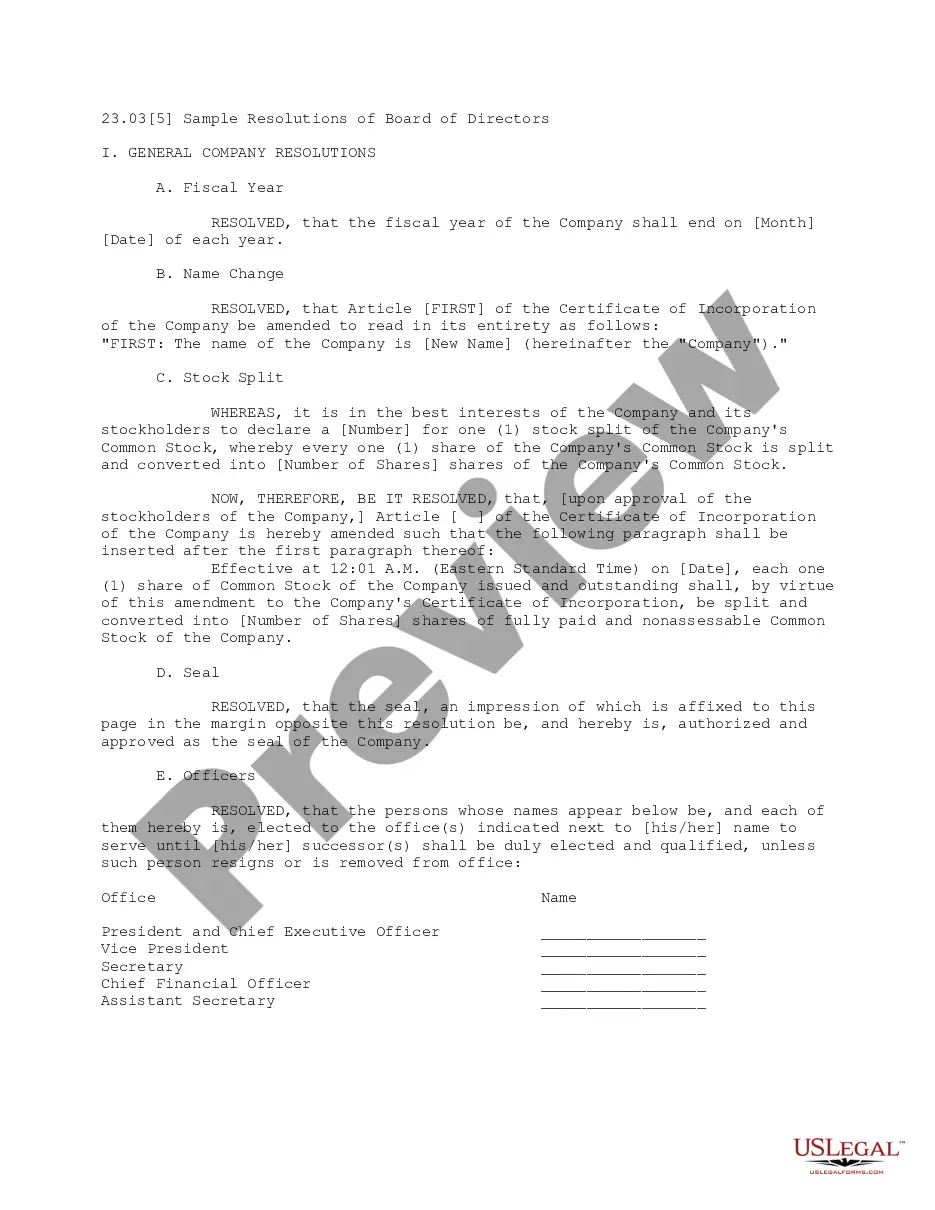
Delaware Employment Agreement
Description
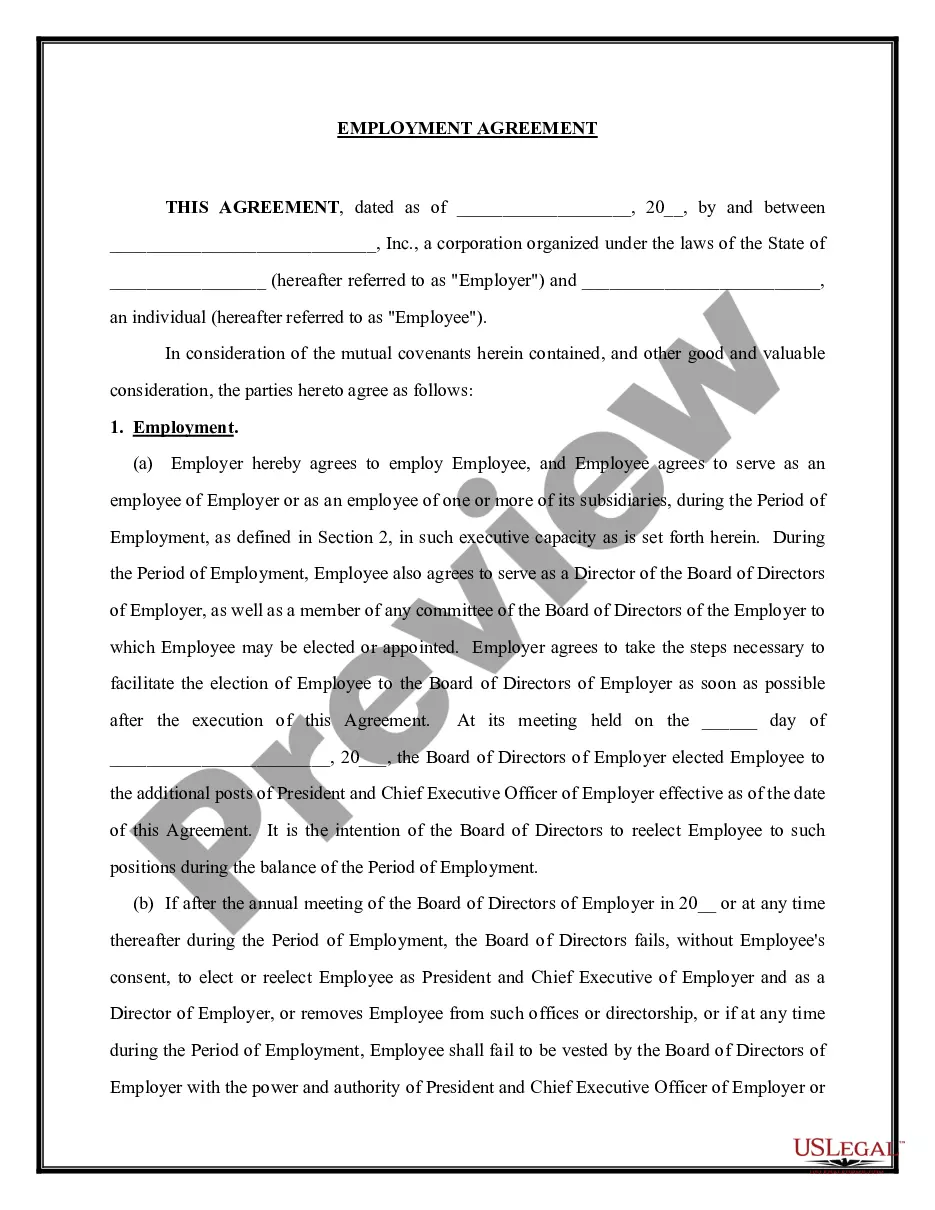
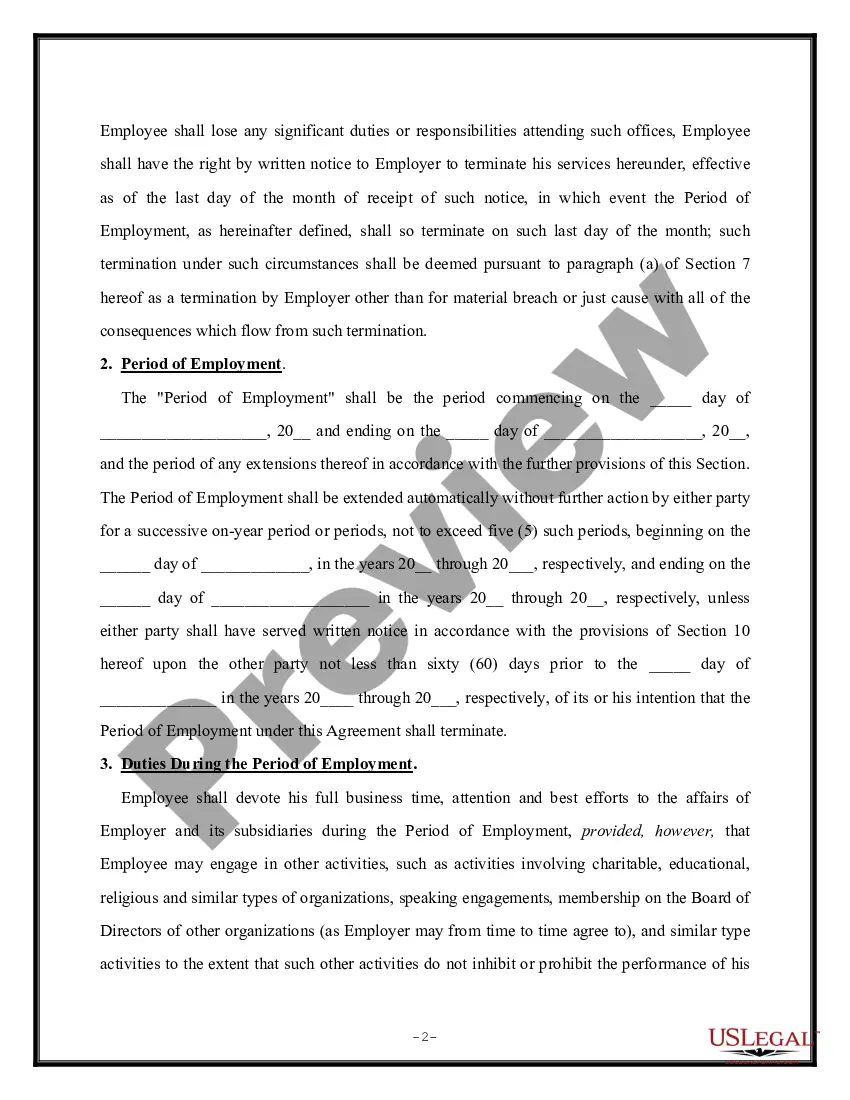
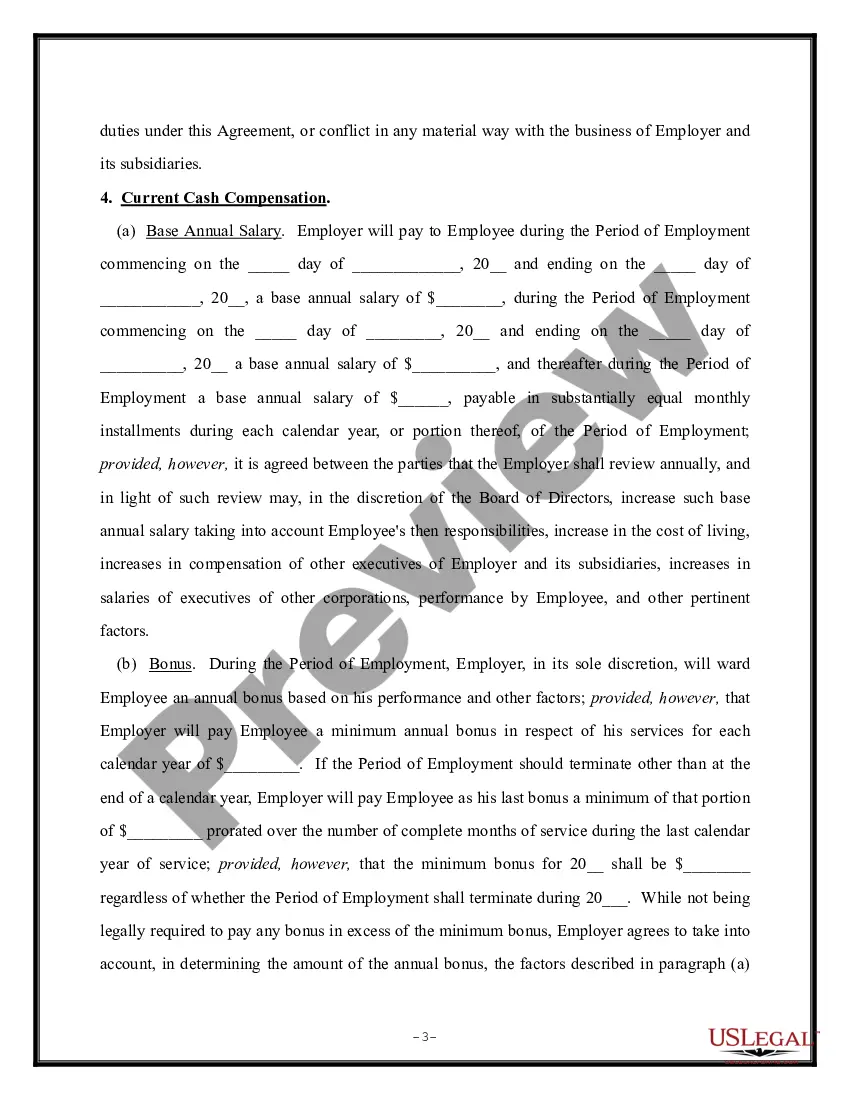
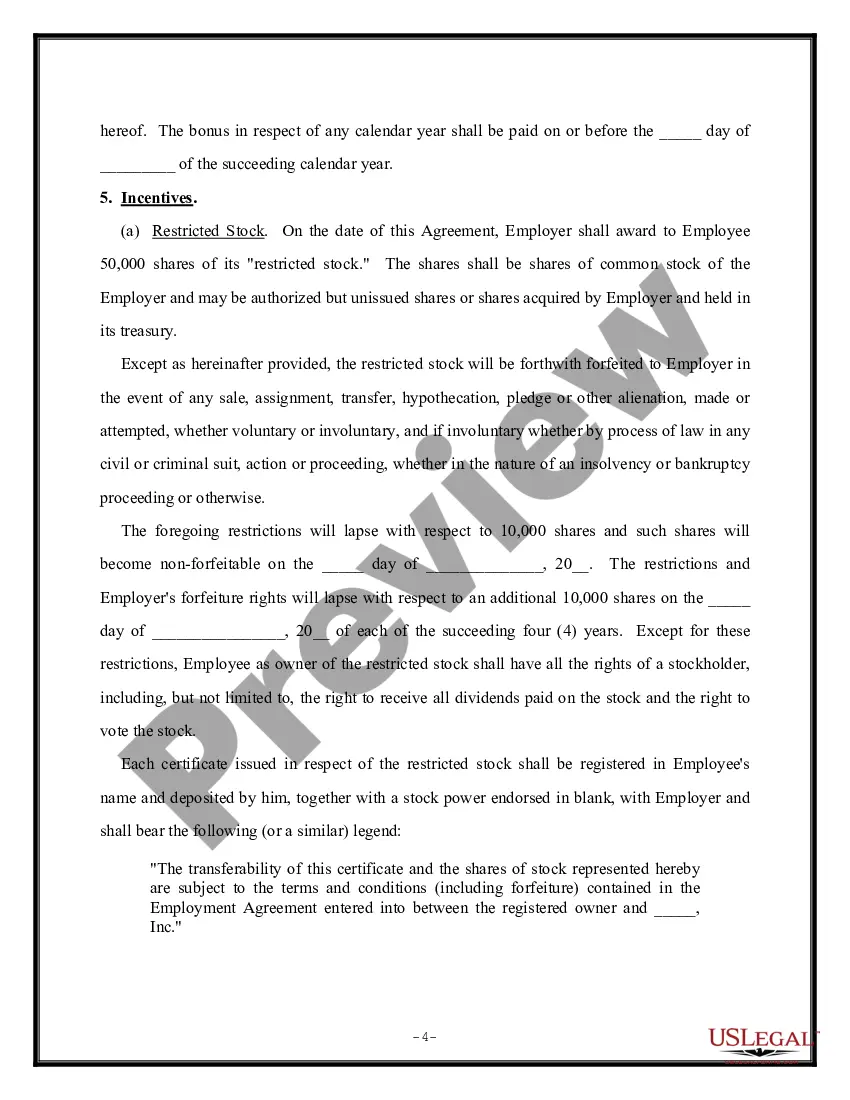
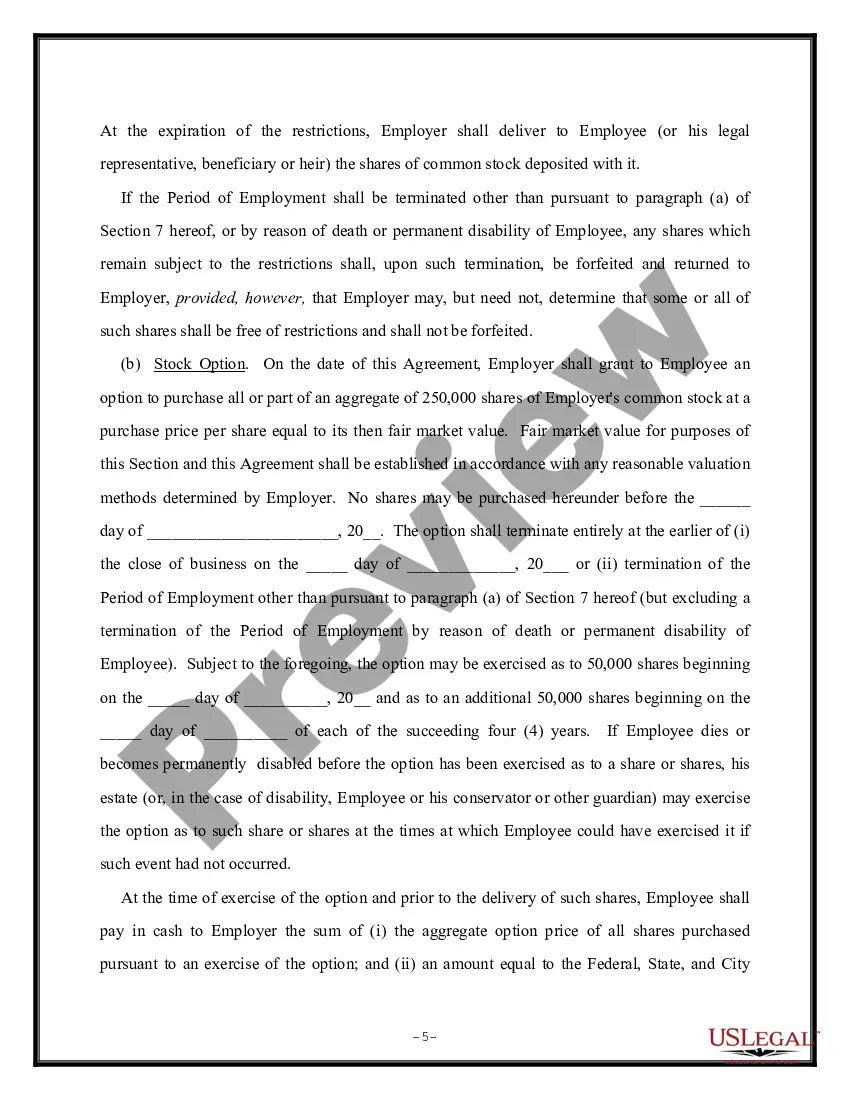
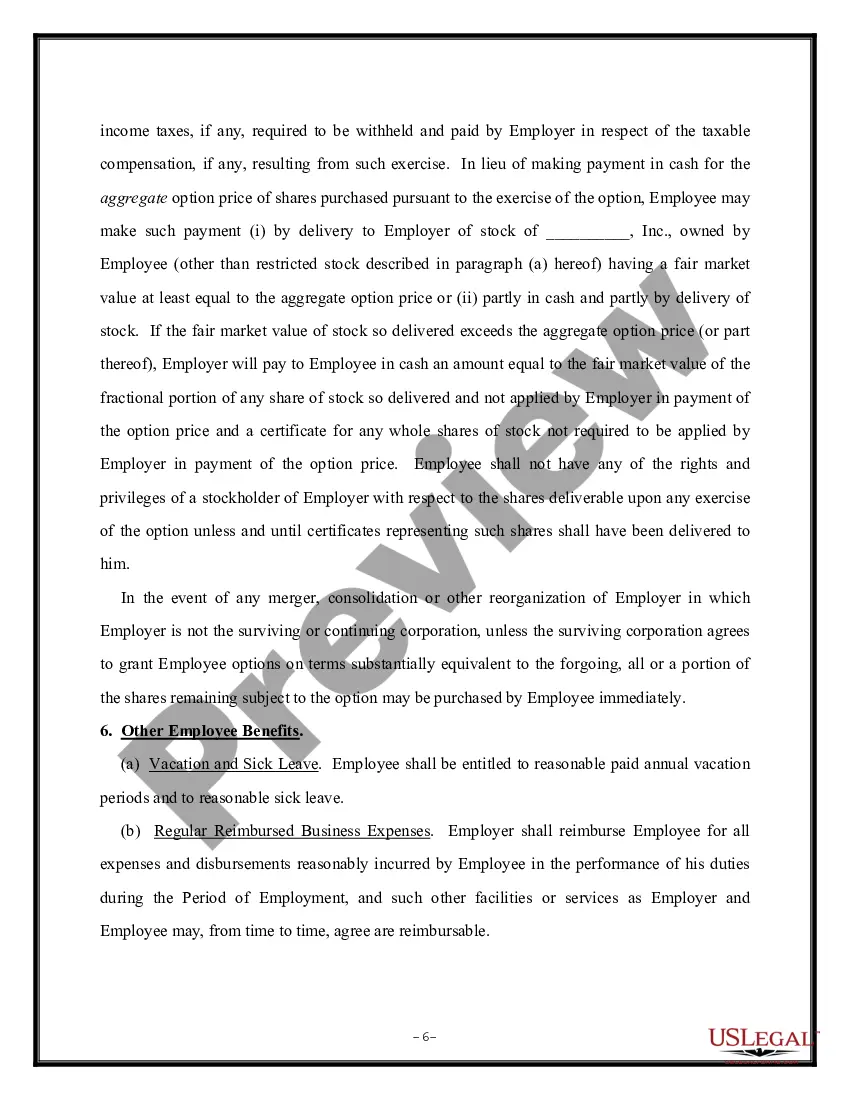
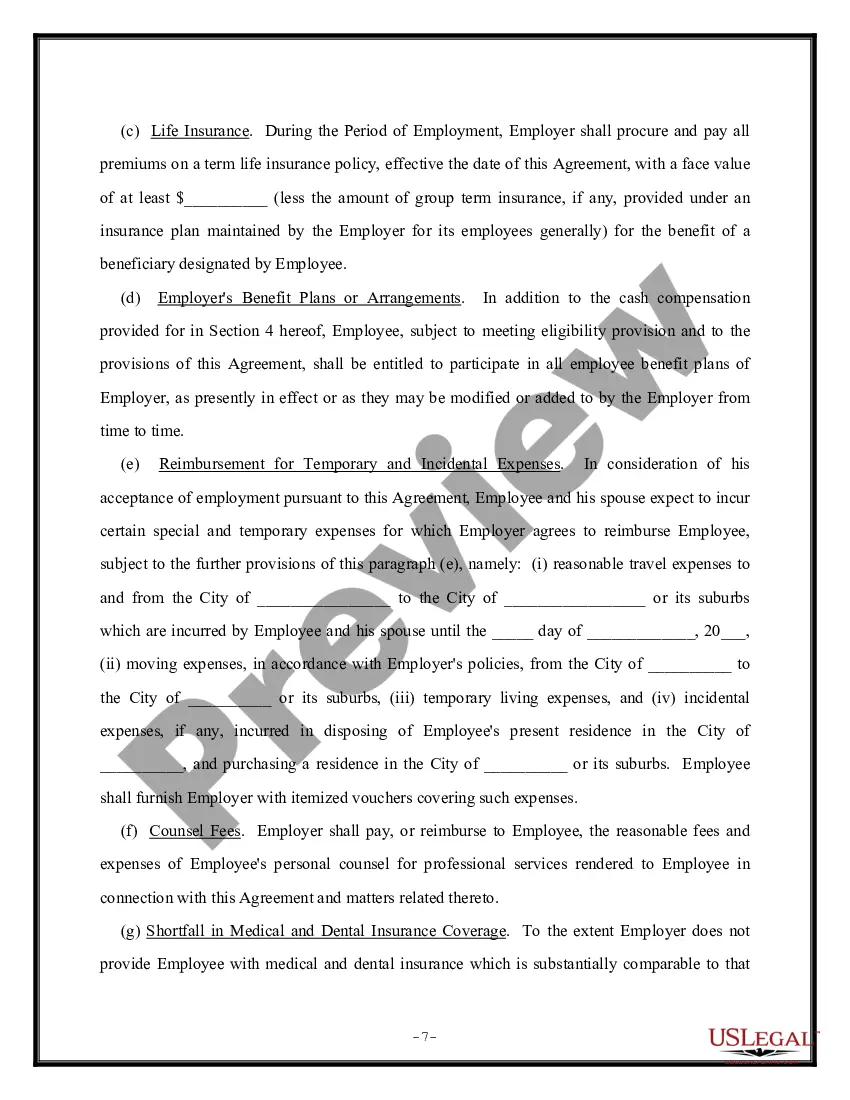

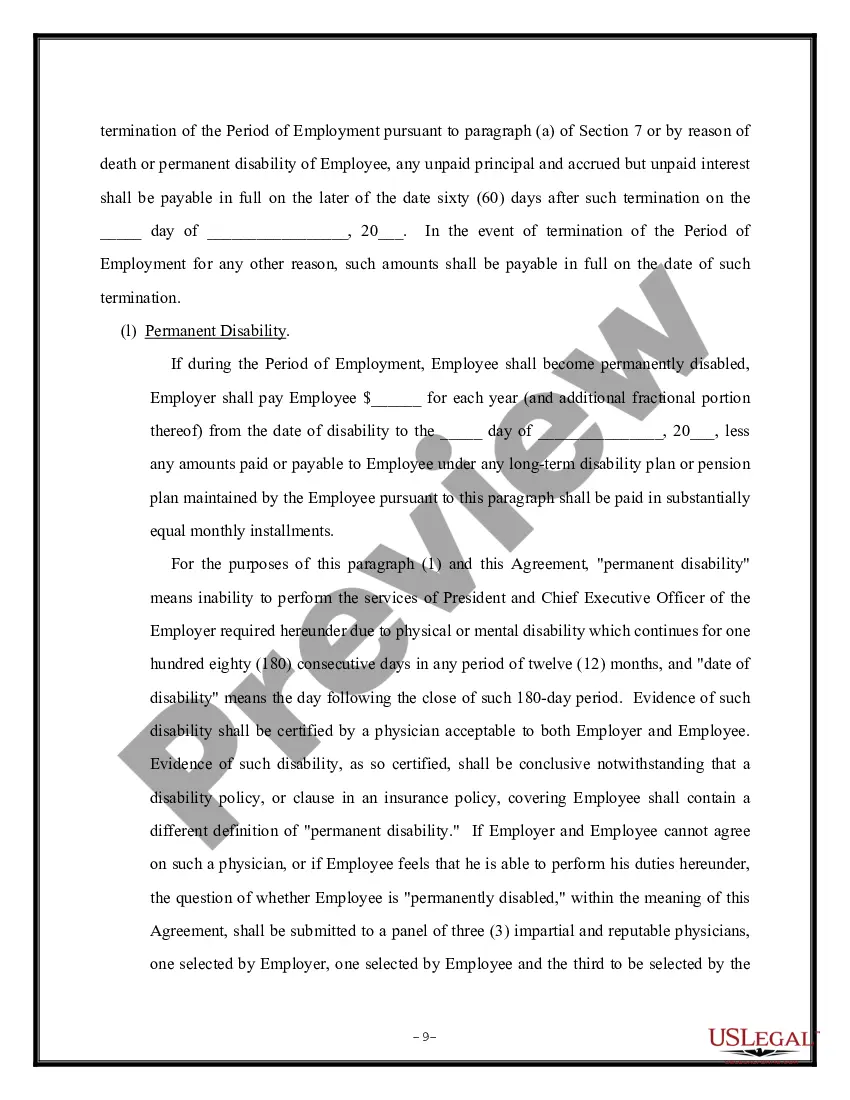
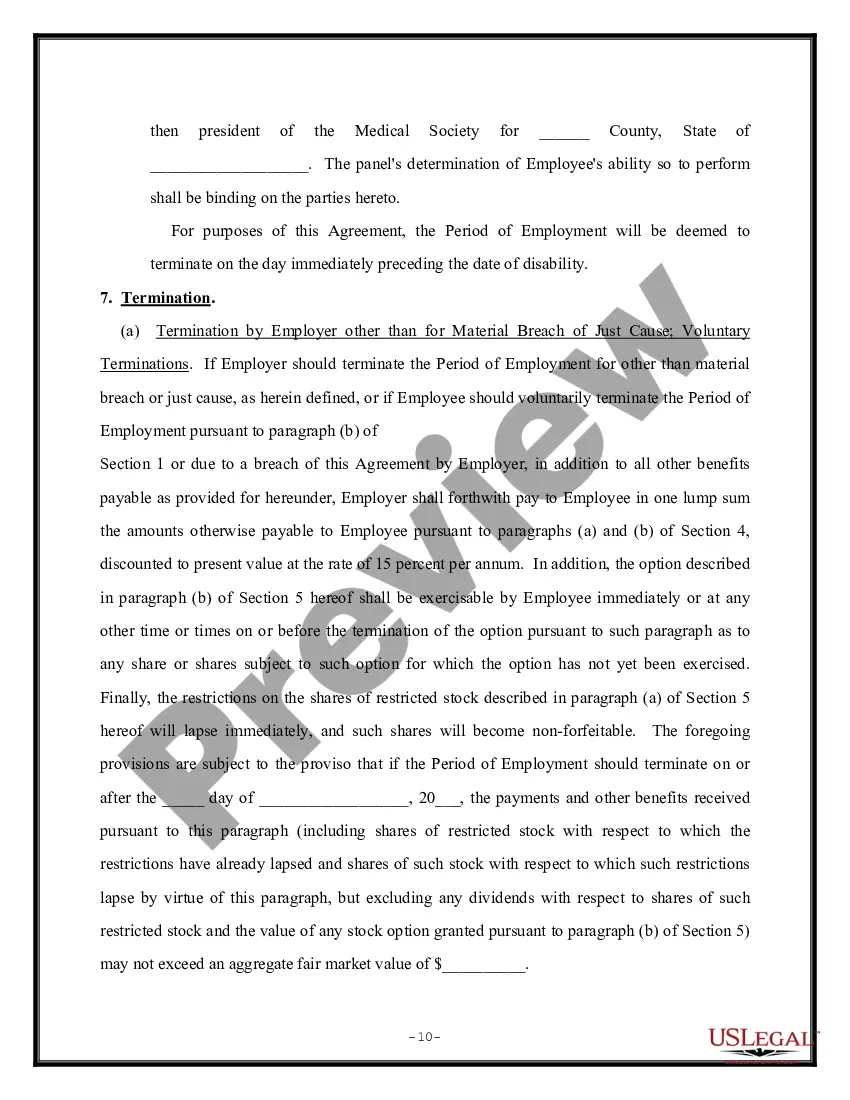

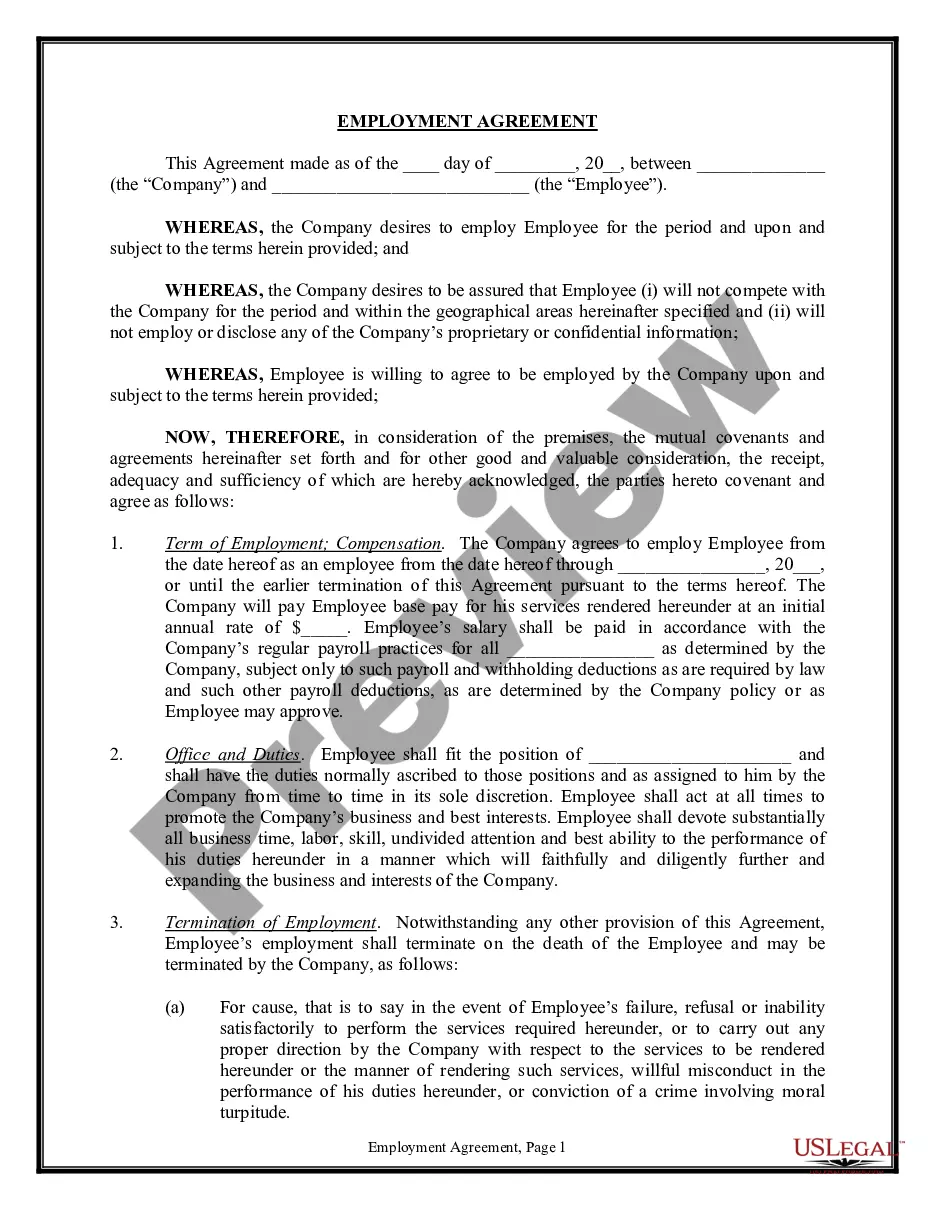
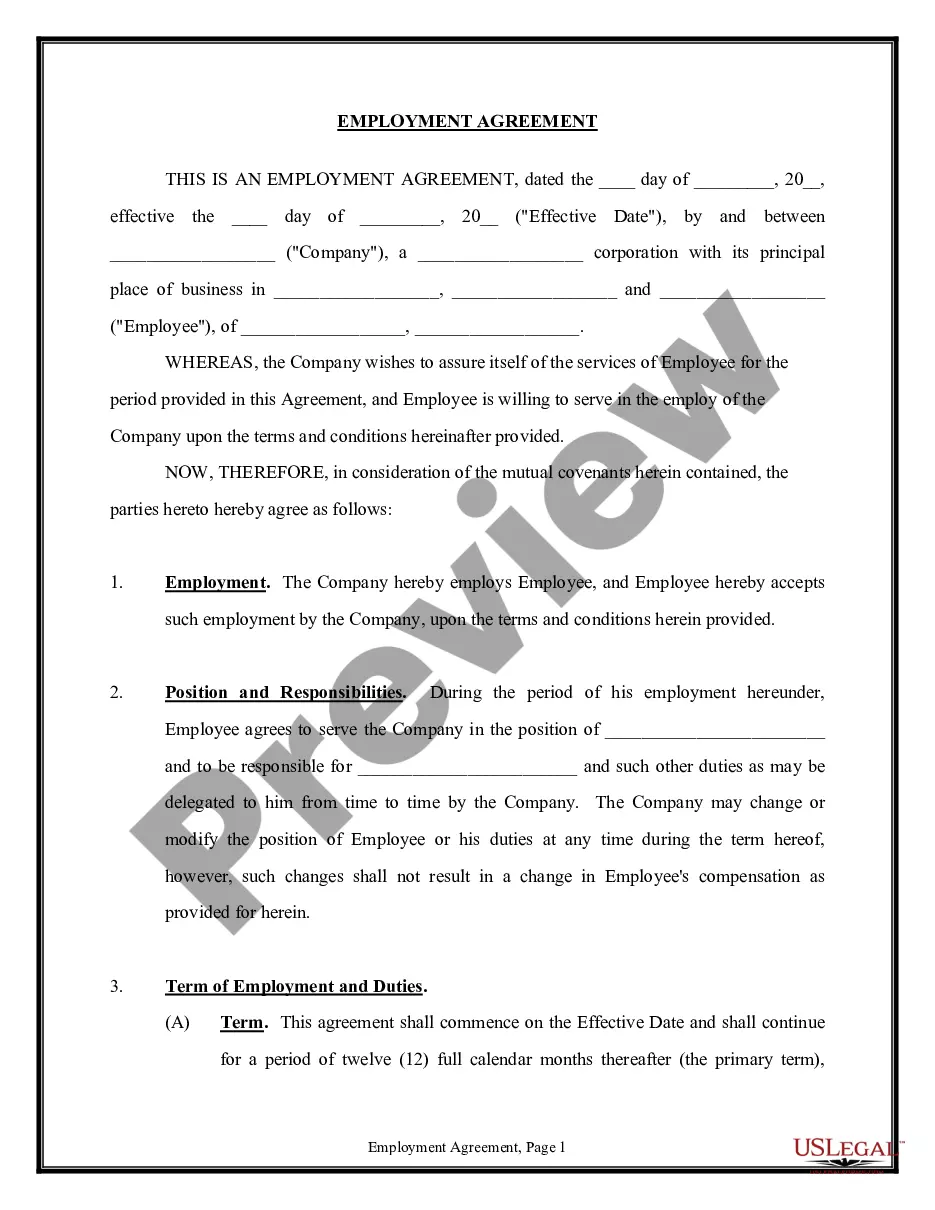
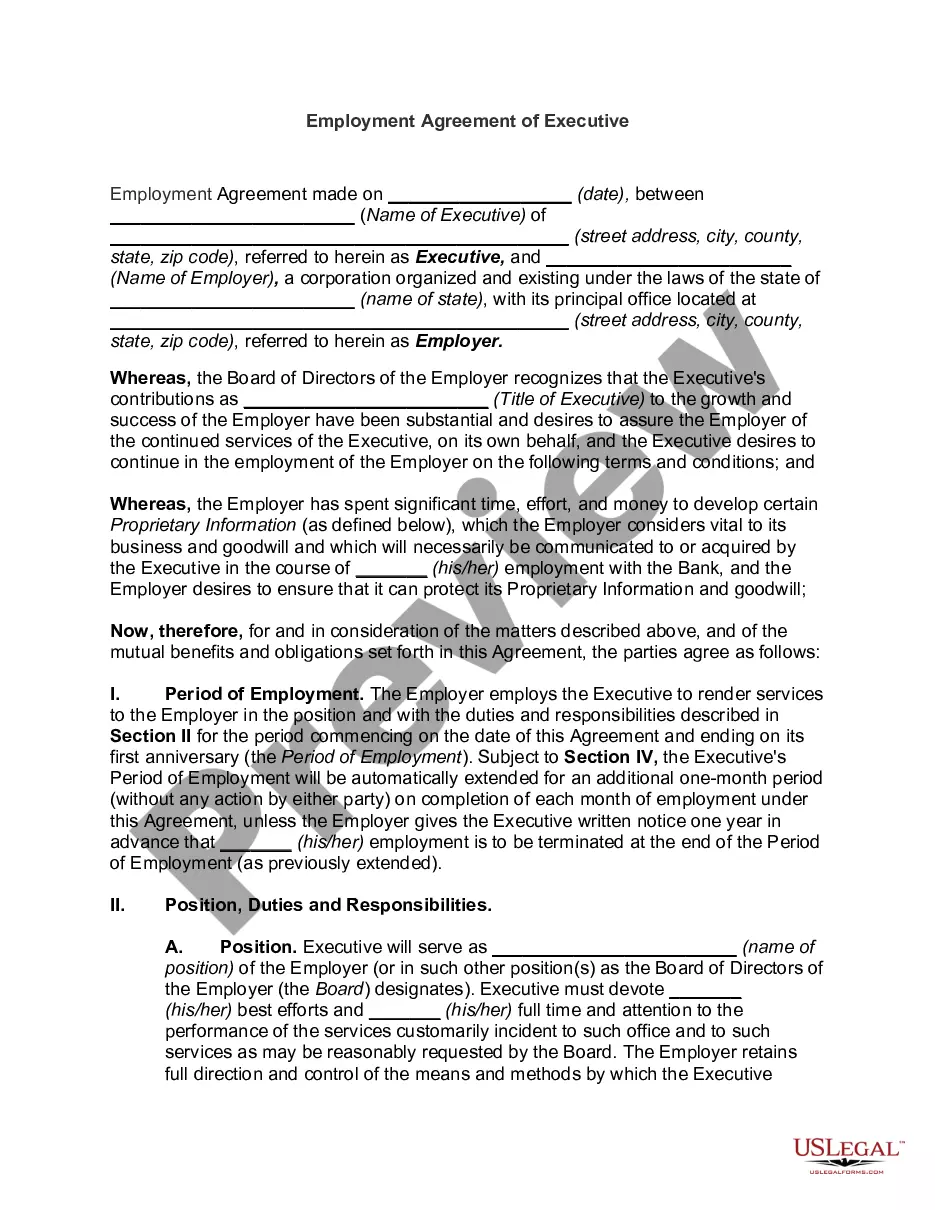
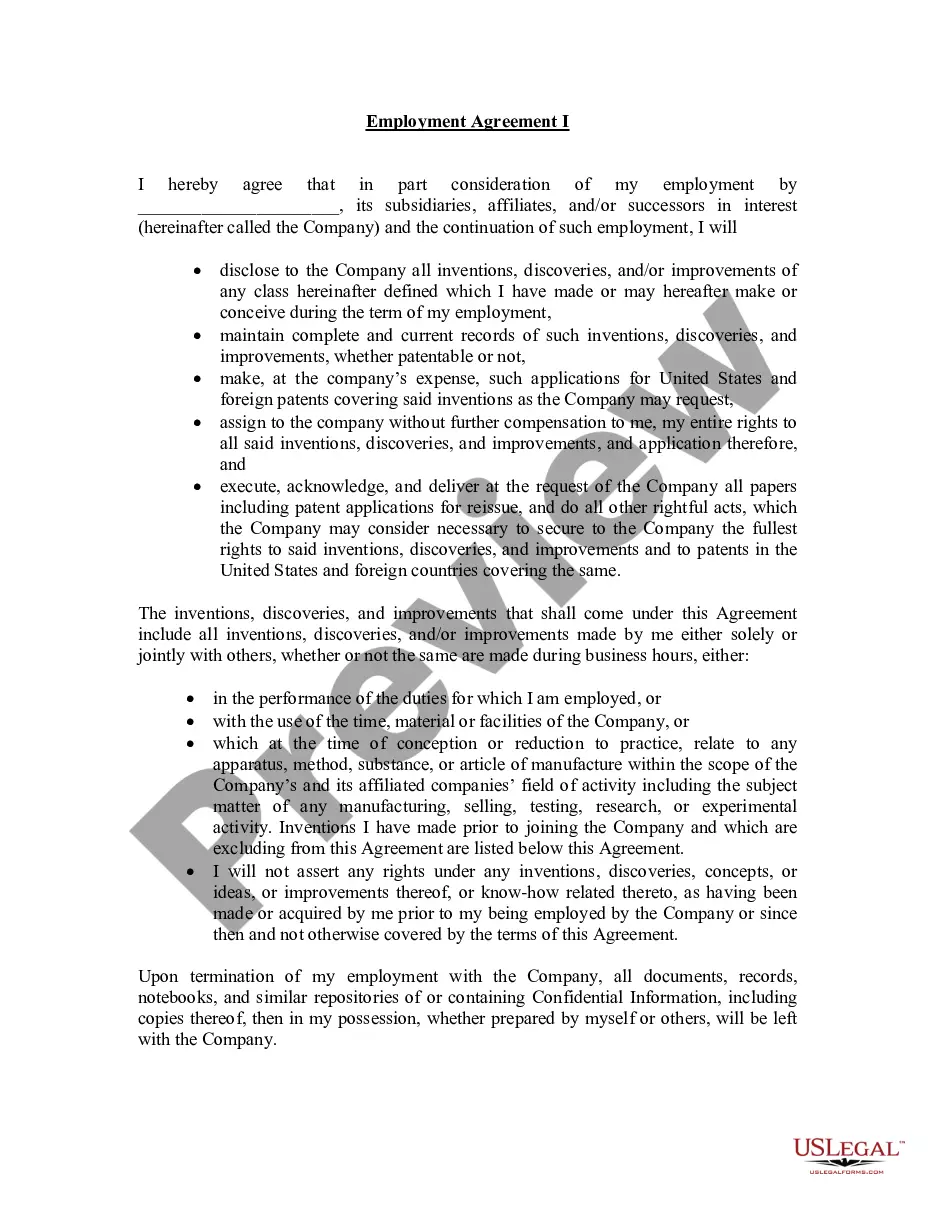

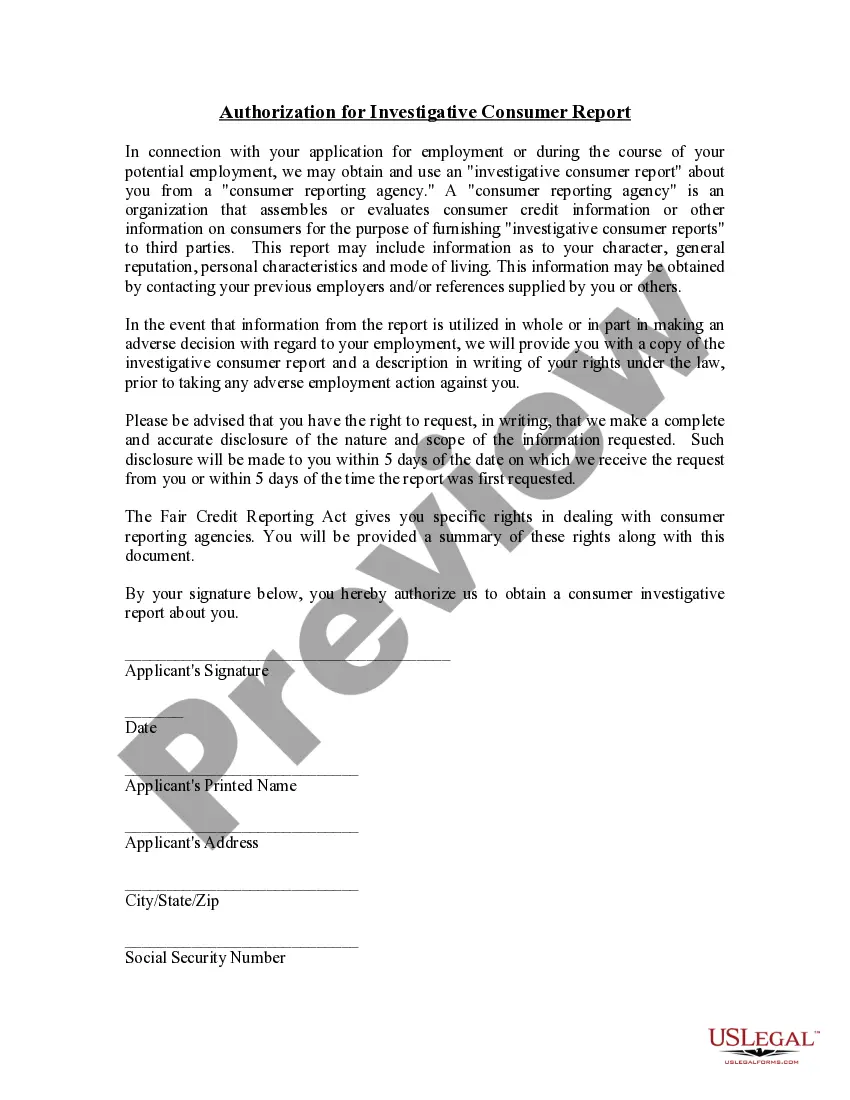
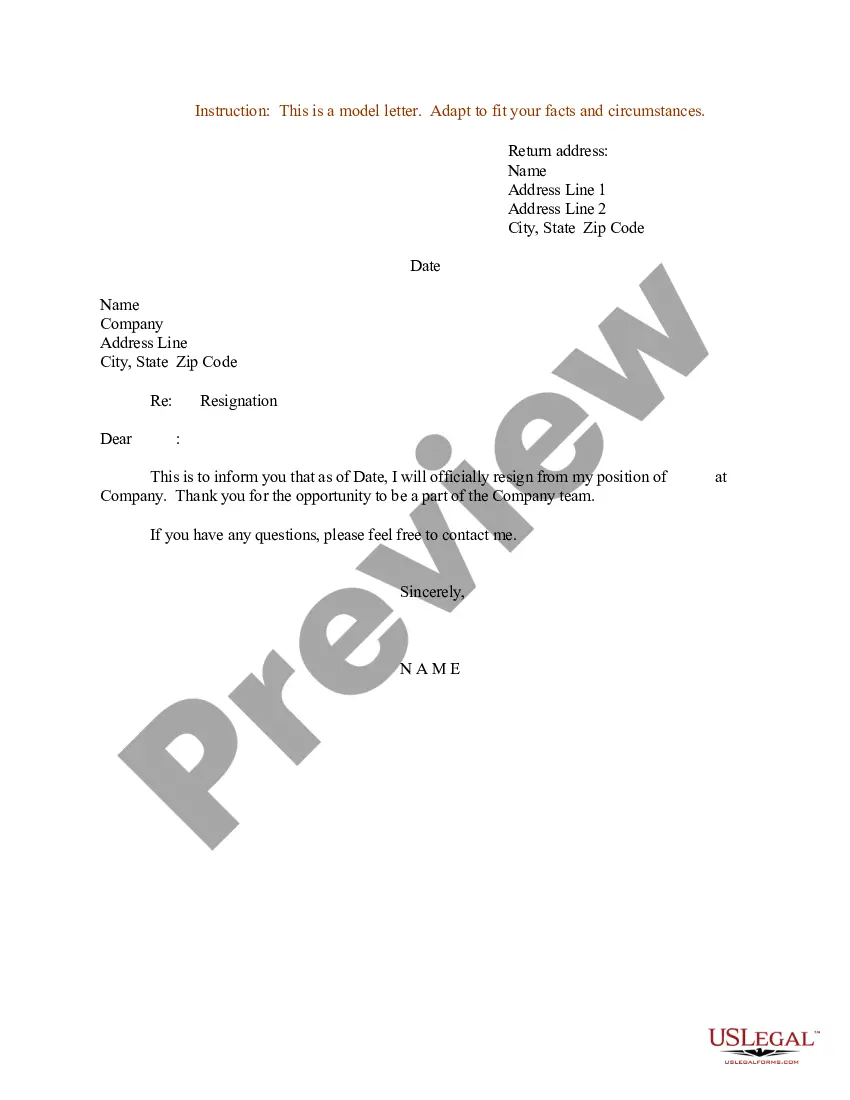

How to fill out Employment Agreement?
Locating the appropriate legal document template can be challenging.
Clearly, there are numerous templates accessible online, but how can you locate the legal form you need.
Utilize the US Legal Forms website. This service offers thousands of templates, including the Delaware Employment Agreement, which can be utilized for business and personal purposes.
You can review the form using the Preview button and examine the form details to confirm it is suitable for you.
- All forms are reviewed by experts and comply with state and federal regulations.
- If you are already registered, sign in to your account and click the Download button to retrieve the Delaware Employment Agreement.
- Use your account to browse the legal forms you have obtained previously.
- Navigate to the My documents section of your account and download another copy of the document you require.
- If you are a new user of US Legal Forms, here are simple instructions to follow.
- First, ensure you have selected the correct form for your jurisdiction/county.
Form popularity
FAQ
An employment agreement letter serves as a written record between employer and employee outlining the terms of employment. This document typically includes job title, salary, benefits, and specific job duties, providing protection for both parties. Utilizing a Delaware Employment Agreement can streamline this process, ensuring that both parties are aware of their rights and responsibilities from the outset.
Delaware operates under a no-fault insurance system for automobile accidents, which means individuals can file claims regardless of who caused the accident. However, when it comes to employment-related issues, understanding the nuance of your Delaware Employment Agreement can help clarify the obligations of both parties. With a well-drafted agreement, both employers and employees can find confidence in their contractual relationship.
Yes, employees in Delaware can be terminated without cause due to the at-will employment policy. This means an employer can dismiss an employee for any reason that is not illegal. Including provisions addressing termination in a Delaware Employment Agreement can provide clarity for both employers and employees regarding potential job security.
In Delaware, several factors can disqualify an employee from receiving unemployment benefits. Common reasons include voluntary resignation without good cause, misconduct associated with their job, or not actively seeking new employment. Understanding these criteria can help employees navigate their rights and responsibilities and consider incorporating a Delaware Employment Agreement to outline expectations.
The purpose of a Delaware Employment Agreement is to clearly define the terms of the employer-employee relationship. This document outlines job responsibilities, compensation, and benefits, ensuring both parties understand their rights and obligations. By establishing these terms, the agreement helps prevent misunderstandings and creates a foundation for a healthy work environment.
Delaware is not a no-fault state for employment; rather, it operates under at-will employment principles. This means that unless otherwise stated in a Delaware Employment Agreement, either party can terminate the employment relationship for almost any reason. However, understanding the specifics of your contract is essential to navigate this area effectively.
An employment contract is constituted by the mutual agreement between an employer and employee regarding job responsibilities and compensation. This document can be written or verbal, but having it in writing is always best for clarity and legal protection. Ensure your Delaware Employment Agreement covers all necessary details to avoid miscommunication.
For a Delaware Employment Agreement to be legally binding, it must include an offer, acceptance, and consideration. This framework ensures both the employer and employee understand and agree to the terms of employment. A well-structured agreement protects both parties and minimizes the risk of legal issues.
The Delaware Employment Contract is a legal document that outlines the relationship between an employer and employee in Delaware. It specifies roles, responsibilities, and compensation details while adhering to state laws. This contract helps prevent conflicts by clarifying expectations for both parties.
To have a valid Delaware Employment Agreement, both parties must agree to the terms, and there must be an exchange of consideration, typically in the form of salary for labor. Additionally, the contract should be in writing and signed by both parties to ensure enforceability. Clear terms contribute to avoiding potential disputes.