Delaware Percentage Exchange Agreement
Description
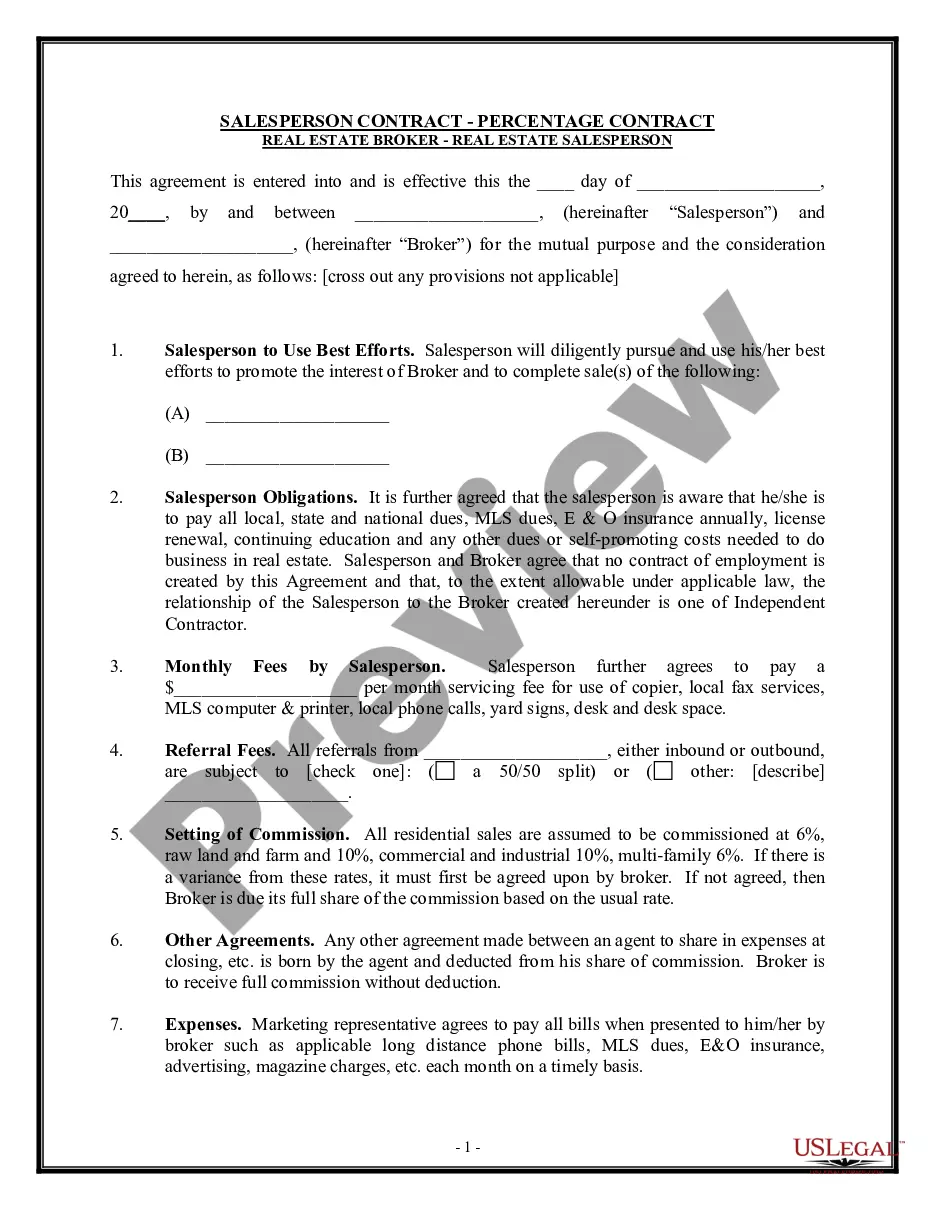
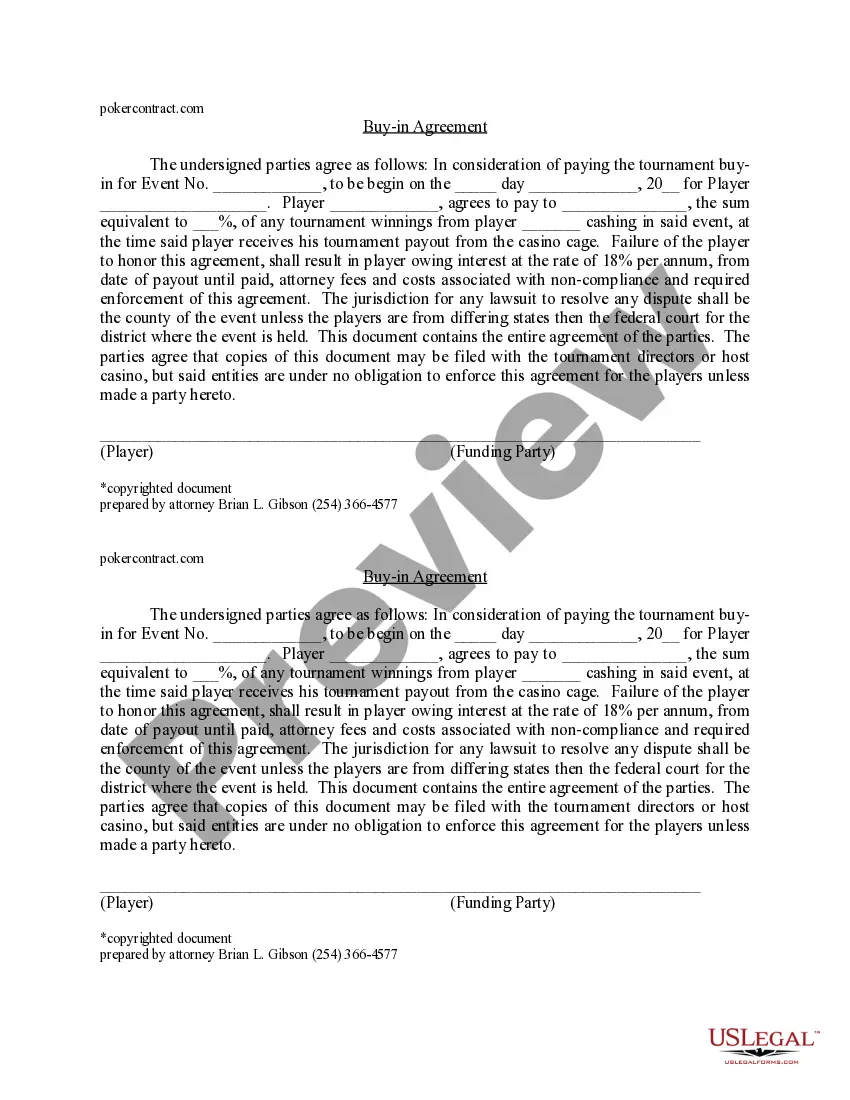
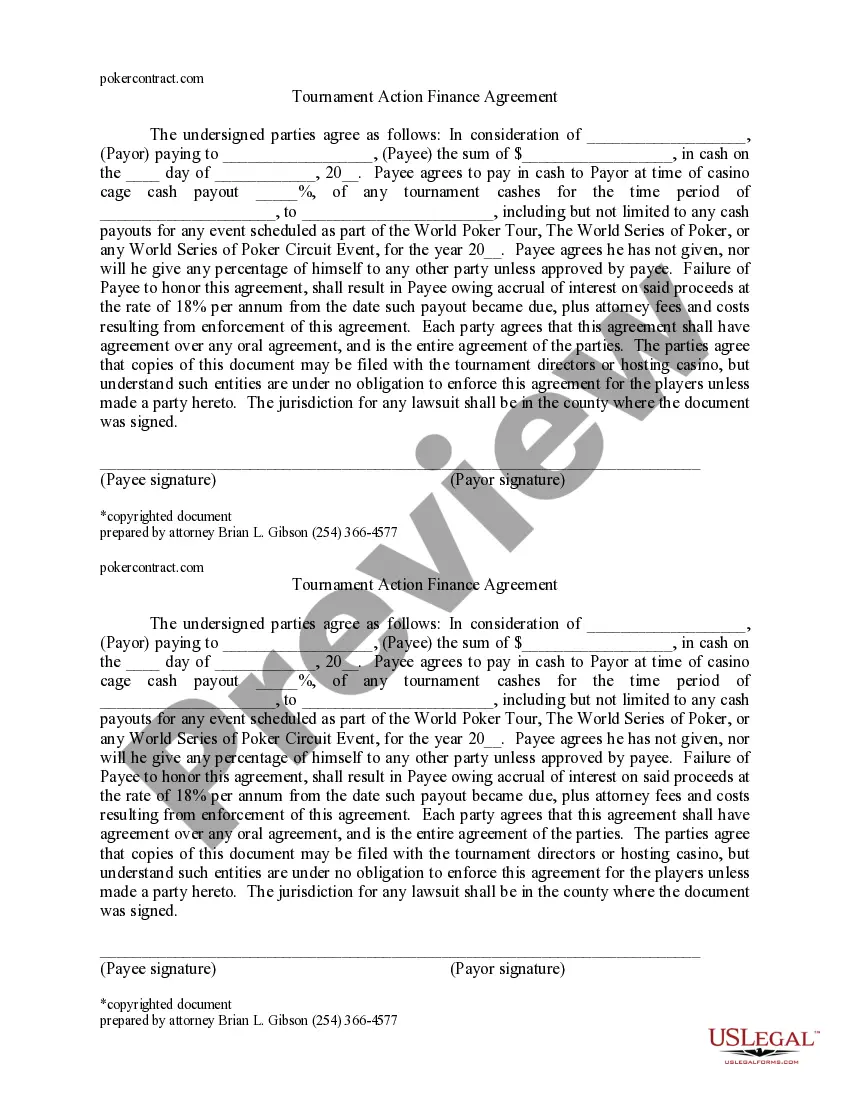

How to fill out Percentage Exchange Agreement?
US Legal Forms - one of the most extensive collections of legal templates in the United States - offers a variety of legal document formats you can download or print.
Through the website, you can access thousands of forms for business and personal needs, organized by categories, states, or keywords. You can find the latest versions of forms such as the Delaware Percentage Exchange Agreement within seconds.
If you already have an account, Log In to download the Delaware Percentage Exchange Agreement from the US Legal Forms repository. The Download button will appear on each form you review. You can access all previously downloaded forms in the My documents section of your account.
Complete the transaction. Use your credit card or PayPal account to finish the purchase.
Select the format and download the form to your device. Edit. Fill out, modify, print, and sign the downloaded Delaware Percentage Exchange Agreement.
- Ensure you have selected the correct form for your locality/county.
- Use the Review button to check the content of the form.
- Read the form description to confirm you have chosen the right document.
- If the form does not meet your requirements, utilize the Search box at the top of the page to find one that does.
- If you are satisfied with the form, confirm your selection by clicking the Purchase now button.
- Then, select the payment plan you prefer and provide your information to register for an account.
Form popularity
FAQ
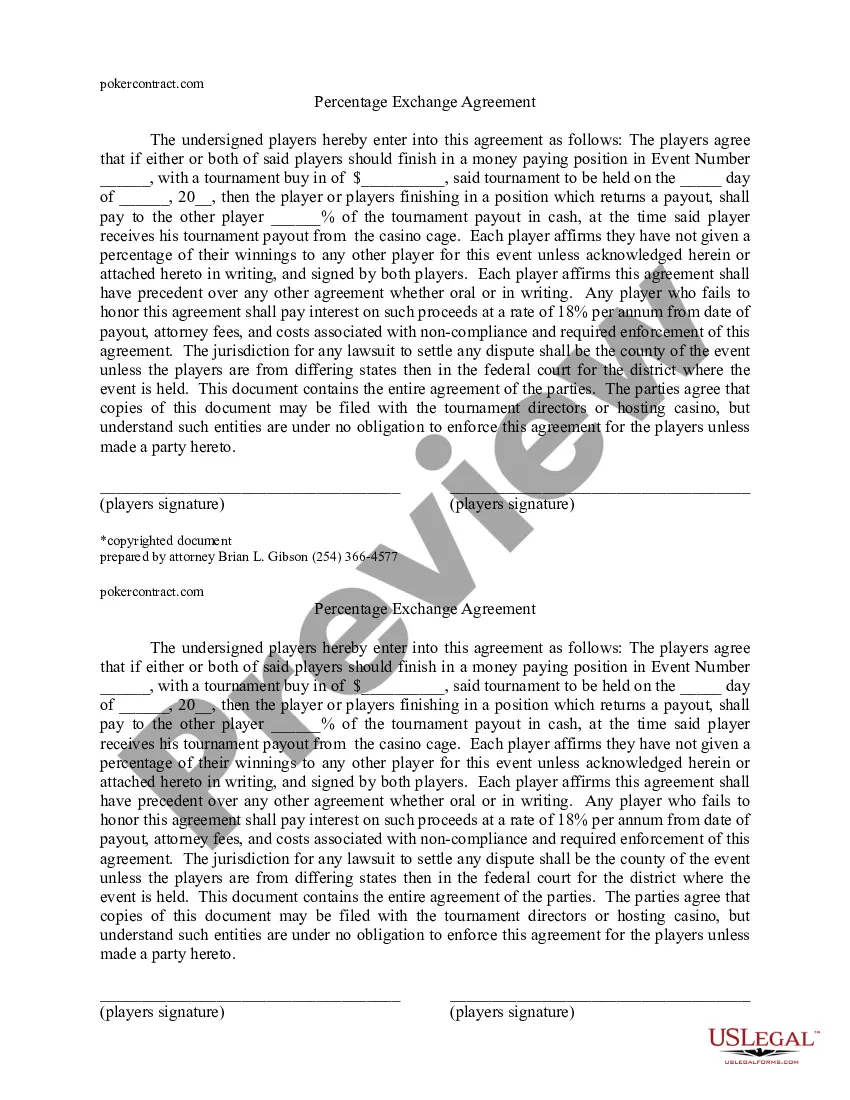
An exchange agreement in real estate is a legal document that outlines the terms under which one property can be exchanged for another, often involving a Delaware Percentage Exchange Agreement. This agreement ensures that all parties understand their obligations and the structure of the transaction, facilitating a seamless exchange process. Utilizing platforms like uslegalforms can help you draft a robust agreement that meets all legal requirements.
A 1031 exchange allows investors to defer capital gains taxes by exchanging one investment property for another, while a Delaware Statutory Trust (DST) structure allows for fractional ownership in a property. With a 1031 exchange, you maintain more control over your investment decisions, but a Delaware Percentage Exchange Agreement through a DST can offer simplicity and passive income opportunities. Choosing between these options depends on your investment goals and management preferences.
Yes, tenants in common can participate in a 1031 exchange, allowing them to defer taxes on the sale of their property. This process often involves a Delaware Percentage Exchange Agreement, which provides a structured method for the exchange. It's crucial to ensure that all parties in the agreement meet the requirements set forth by the IRS to ensure a smooth transaction.
The downside of a Delaware Statutory Trust (DST) investment lies primarily in the lack of control over the property and decision-making. Investors must rely on the trustee to manage the property, which can limit personal involvement and flexibility. Additionally, while a Delaware Percentage Exchange Agreement can provide tax benefits, it is essential to understand the risks and potential market fluctuations associated with DSTs before committing.
A Delaware exchange refers to a transaction where an investor sells a property and reinvests the proceeds into a new property in Delaware, often using a Delaware Percentage Exchange Agreement. This type of agreement helps facilitate a tax-deferred exchange, allowing investors to defer capital gains taxes while leveraging their investments. By utilizing this framework, you can optimize your investment strategy and expand your portfolio.
Yes, Delaware has a designated pass-through entity tax that targets partnerships and S corporations. This tax allows income to be passed to individual owners, who report it on their personal returns. Familiarity with the Delaware Percentage Exchange Agreement can help you understand how this tax impacts your business operations.
Delaware has a variety of taxes, including corporate income tax, personal income tax, and franchise tax. However, one of its most appealing features is the absence of a state sales tax. By leveraging the advantages of a Delaware Percentage Exchange Agreement, businesses can optimize their tax obligations effectively.
As of now, over 40 states have implemented some form of pass-through entity tax. Each state has its own specific rules and regulations regarding these taxes. It’s crucial to understand how your Delaware Percentage Exchange Agreement interacts with these taxes to ensure compliance across different states.
Any corporation doing business in Delaware must file a corporate tax return, regardless of its revenue. This includes both domestic and foreign entities that operate within the state. If your business structure involves a Delaware Percentage Exchange Agreement, it’s essential to ensure that you meet all filing requirements.
The Delaware business tax loophole allows companies to take advantage of the state's favorable tax laws, including no sales tax and low corporate tax rates. This loophole attracts many businesses to incorporate in Delaware, making it a popular choice for entrepreneurs. Utilizing a Delaware Percentage Exchange Agreement can potentially maximize your tax benefits.