Georgia Excavator Contract for Contractor
Overview of this form
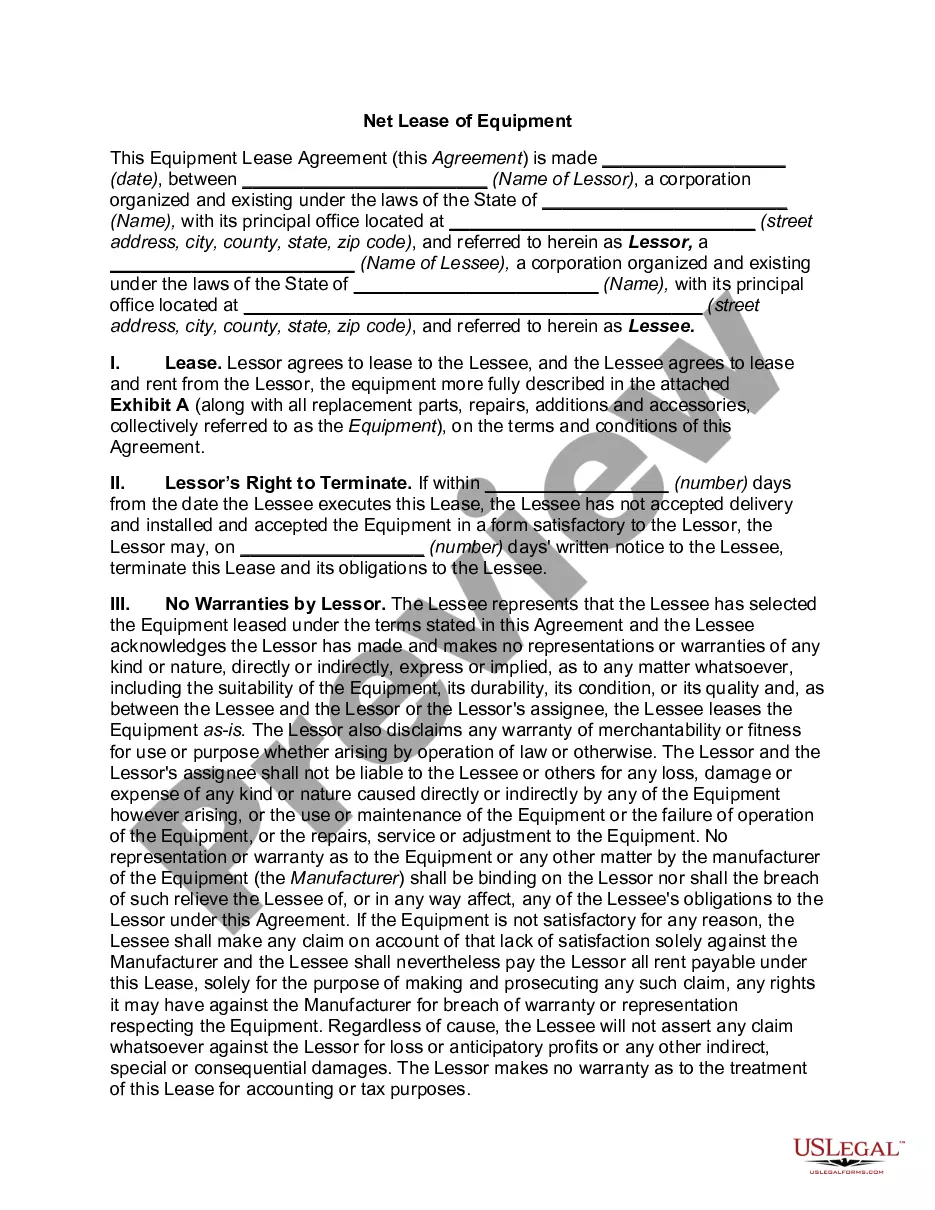
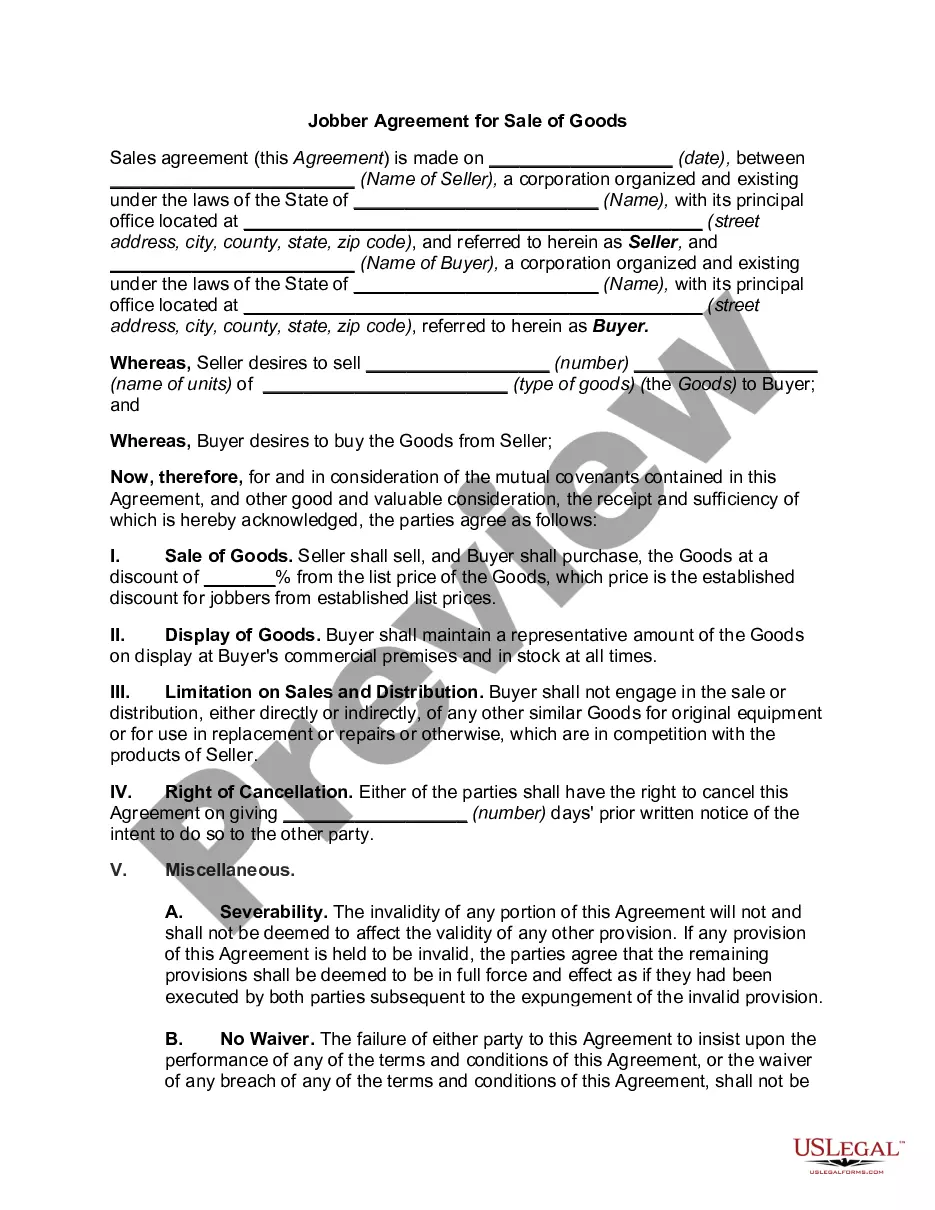
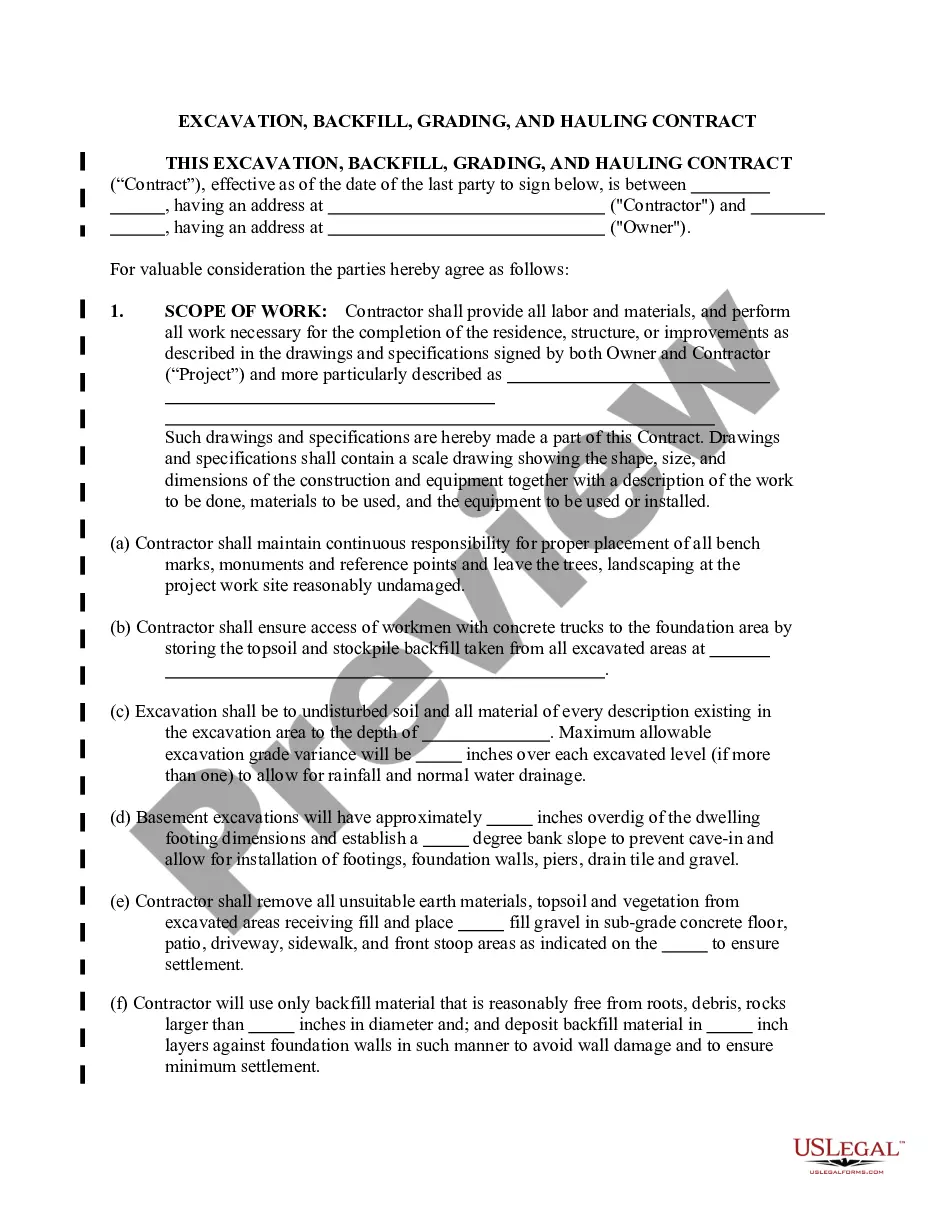
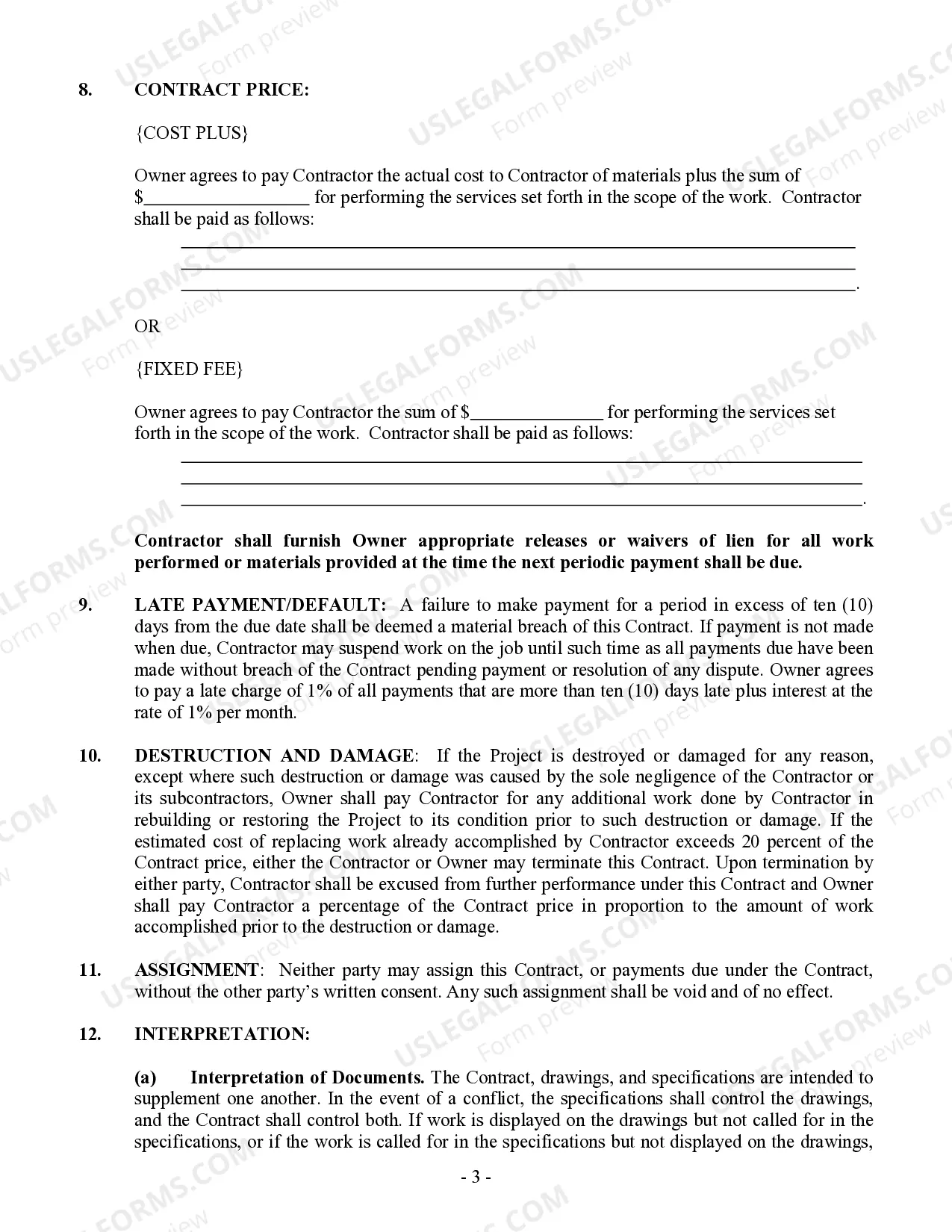
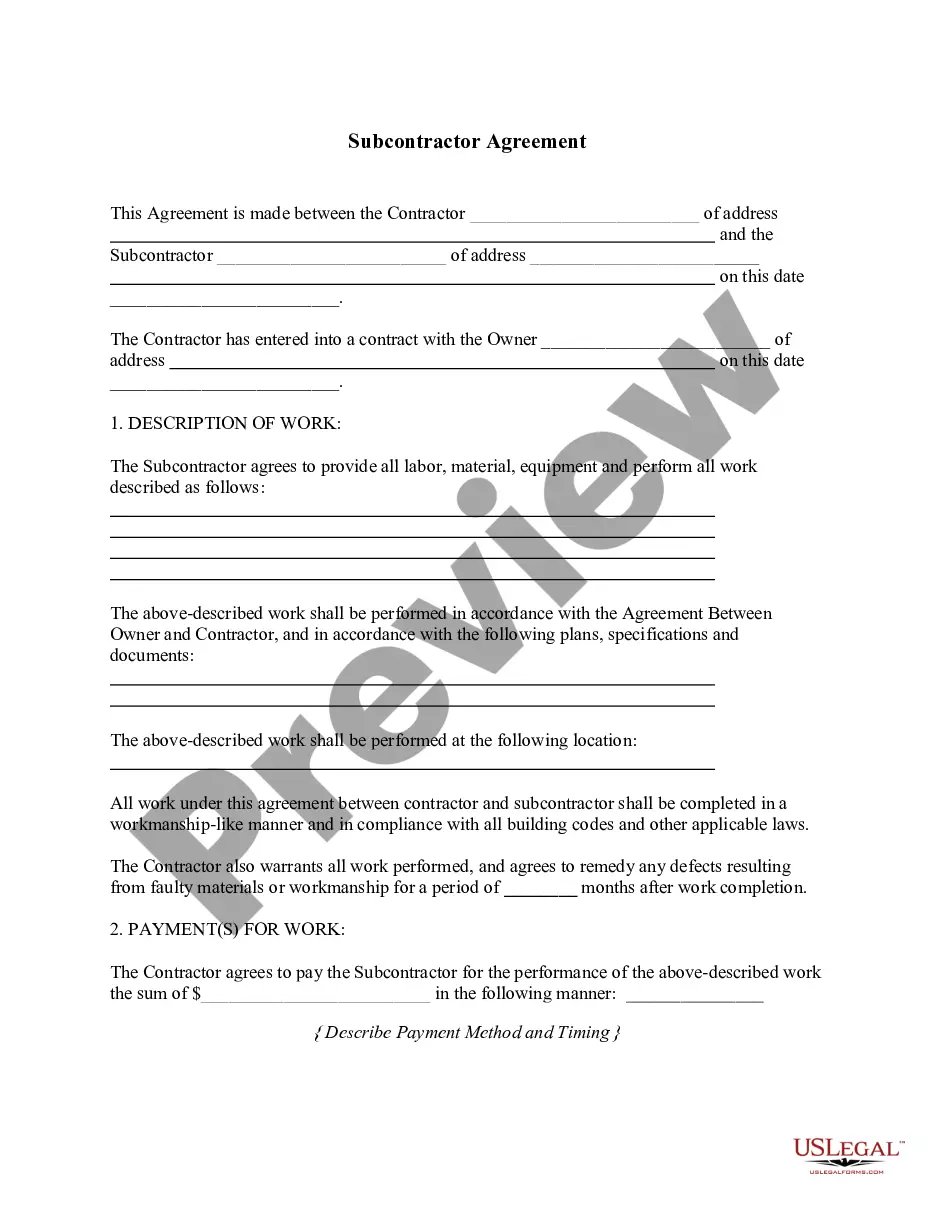
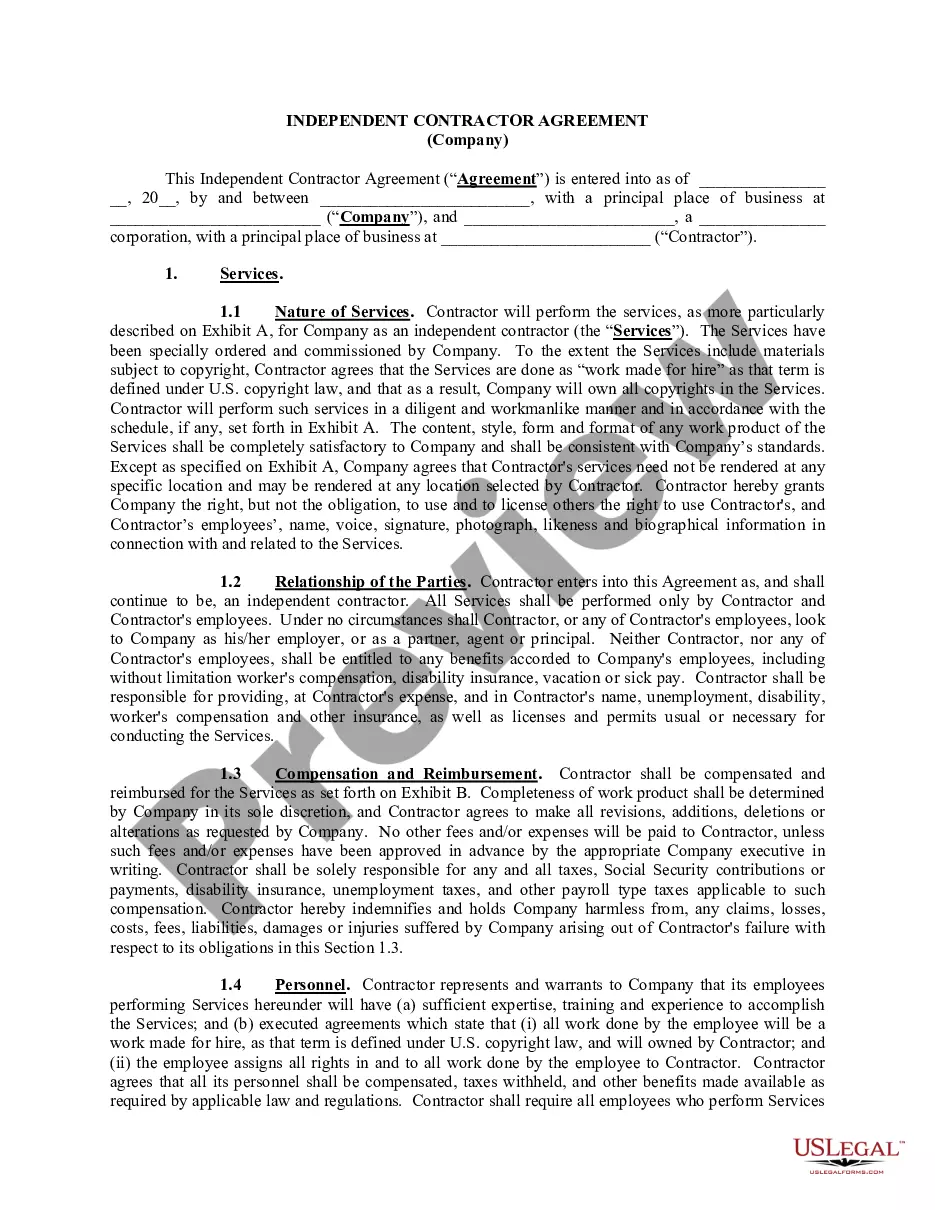
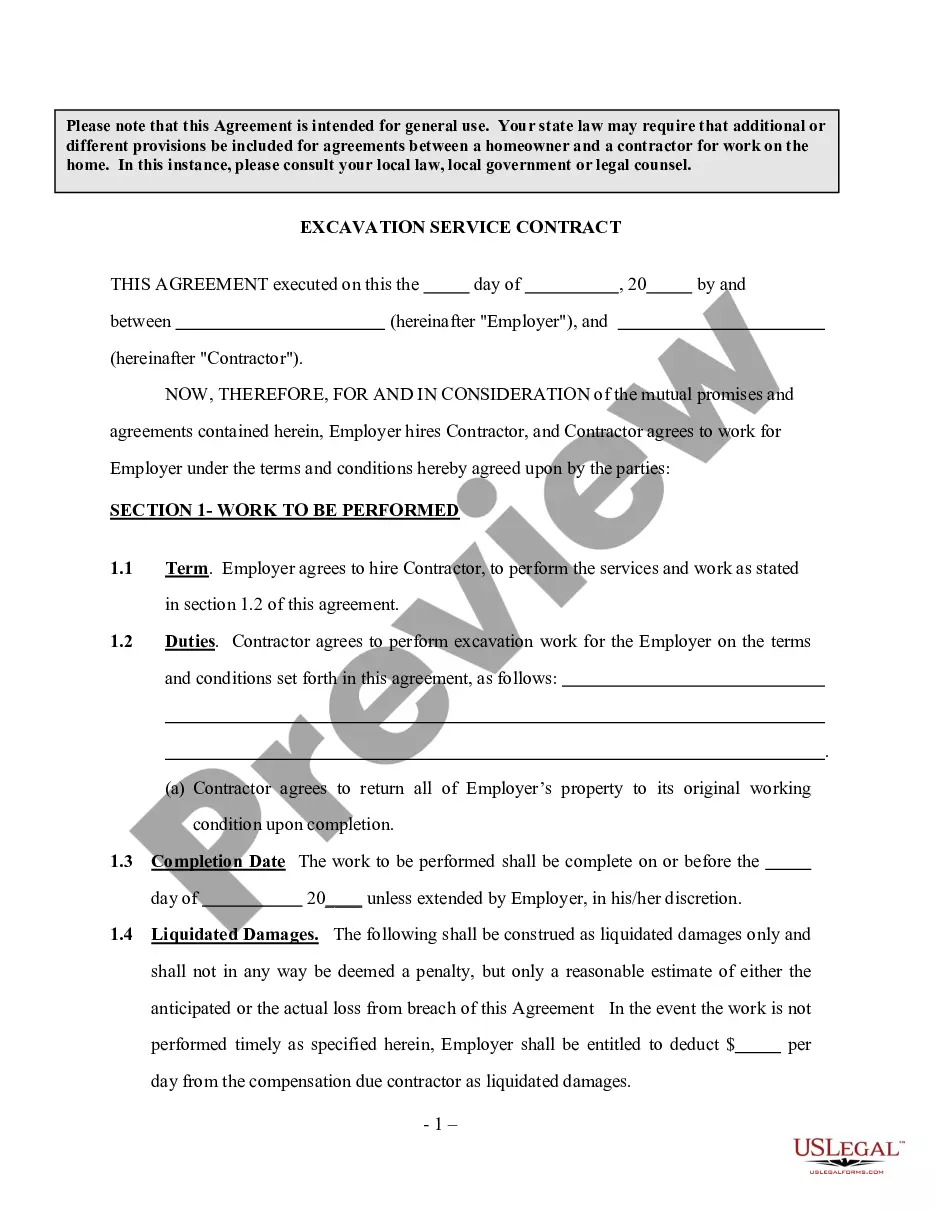
This Excavator Contract for Contractor is a legal document designed for use between excavator contractors and property owners, establishing a clear framework for construction projects. This contract facilitates both cost-plus and fixed-fee payment arrangements, addressing critical elements such as change orders, work site specifications, warranty, and insurance requirements. It is specifically tailored to comply with the laws of the State of Georgia, ensuring that all parties understand their rights and responsibilities throughout the project.
Main sections of this form
- Define responsibilities of both the Owner and Contractor, including safety measures and site protection.
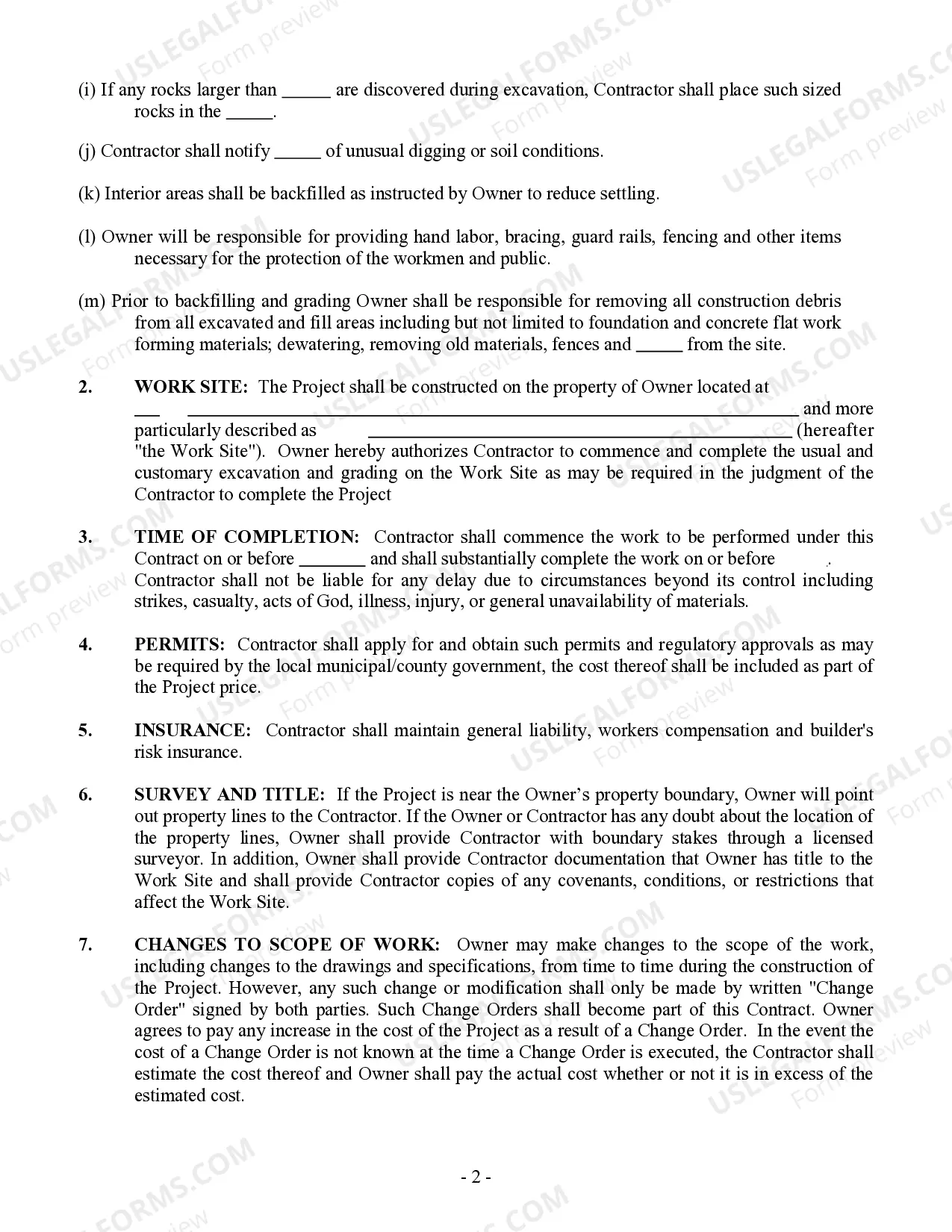
- Specify the permit application process and related costs for regulatory approvals.
- Outline insurance requirements, including general liability and workers compensation coverage.
- Include provisions for changes to the scope of work, requiring written Change Orders signed by both parties.
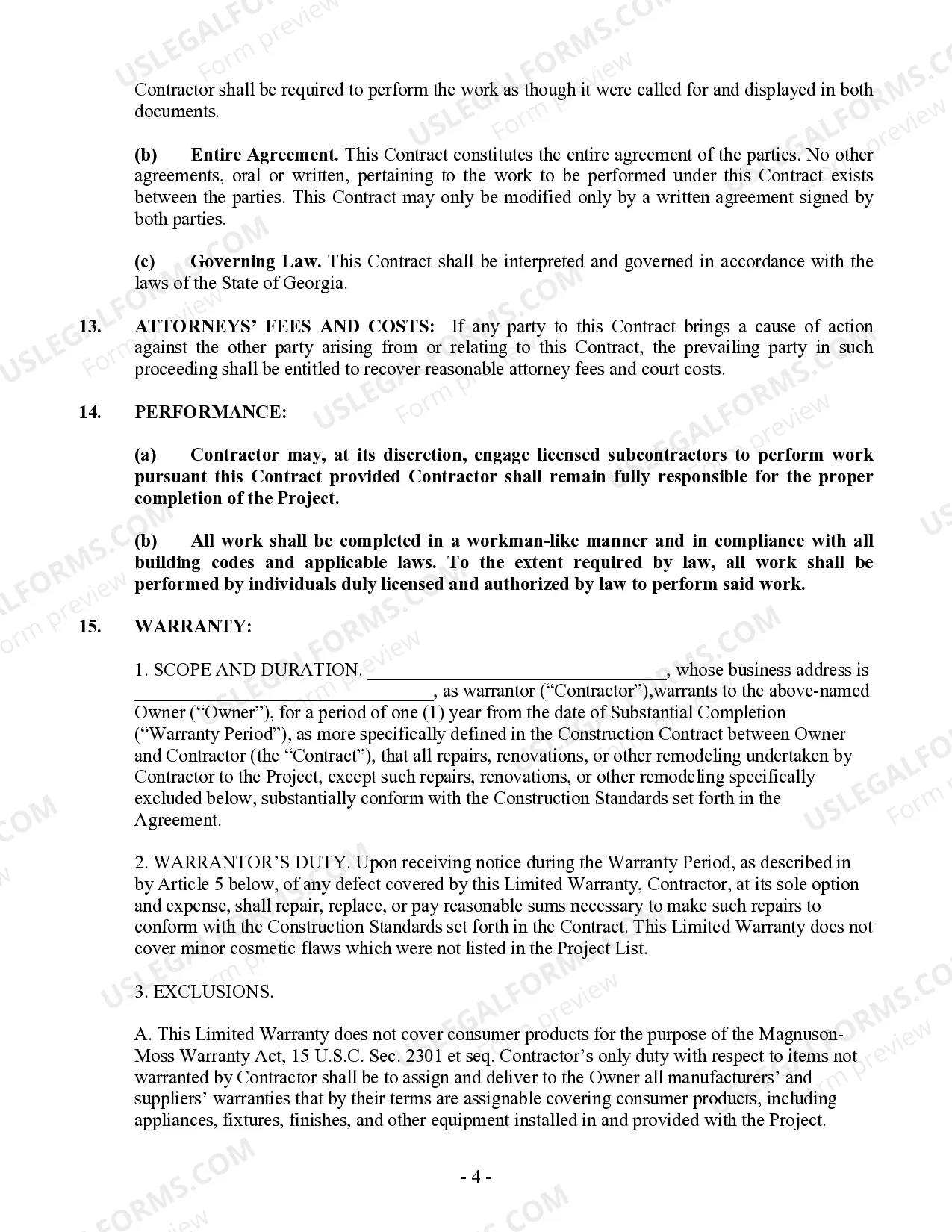
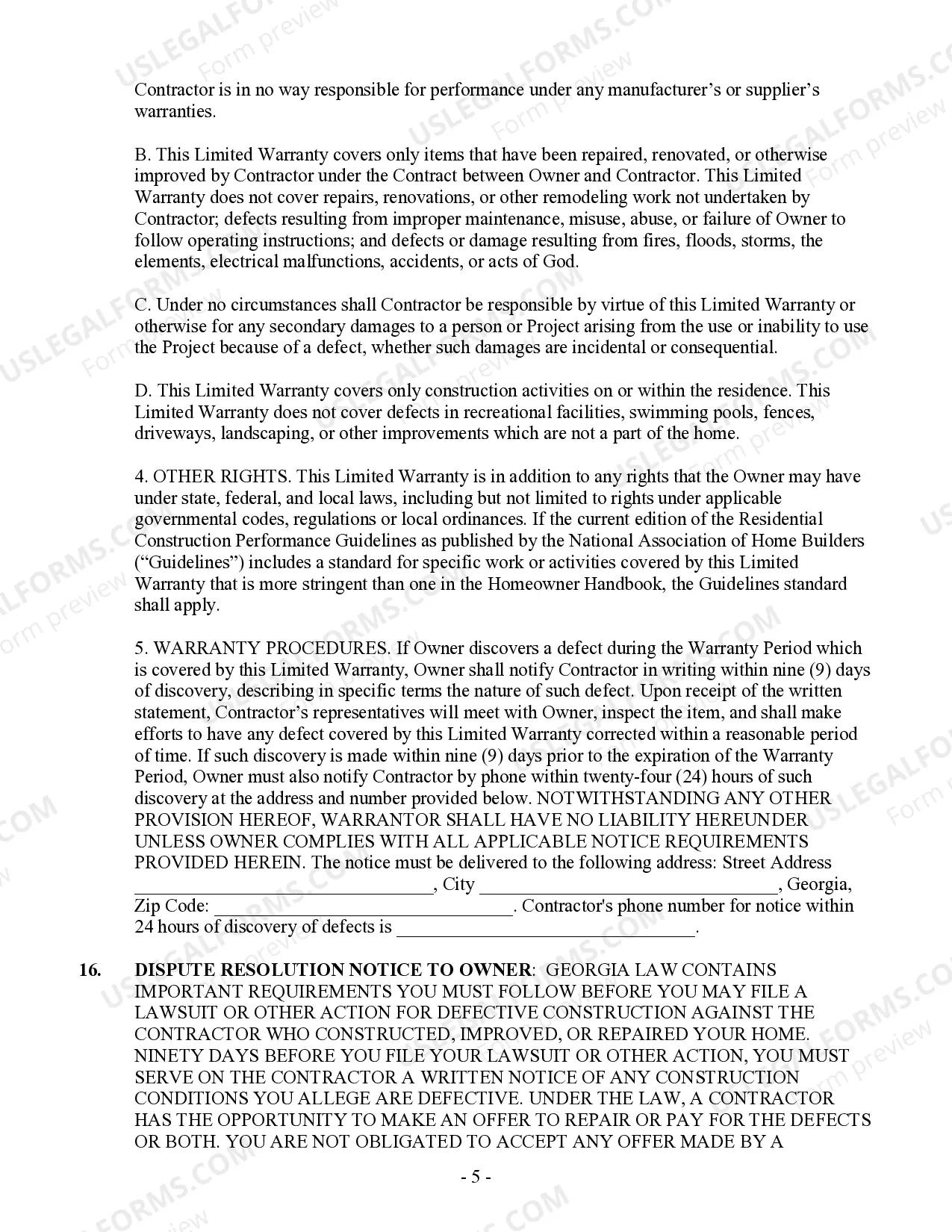
- Detail warranty provisions, including coverage for repairs and conditions under which claims can be made.
- Clarify assignment rights and limitations for both parties regarding the contract.

When to use this form
This form is used when a property owner hires an excavator contractor for a construction project requiring earth-moving services. It is applicable in situations where clear terms regarding costs, scope of work, and responsibility are essential to ensure a smooth construction process. It is particularly relevant for projects in Georgia, where specific legal requirements must be adhered to.
Who needs this form
This form is intended for:
- Property owners seeking to engage excavator contractors for construction or landscaping projects.
- Excavator contractors who require a formal agreement to outline project expectations and legal obligations.
- Licensed attorneys involved in construction law who need standardized templates for their clients.
How to prepare this document
To complete this Excavator Contract for Contractor, follow these steps:
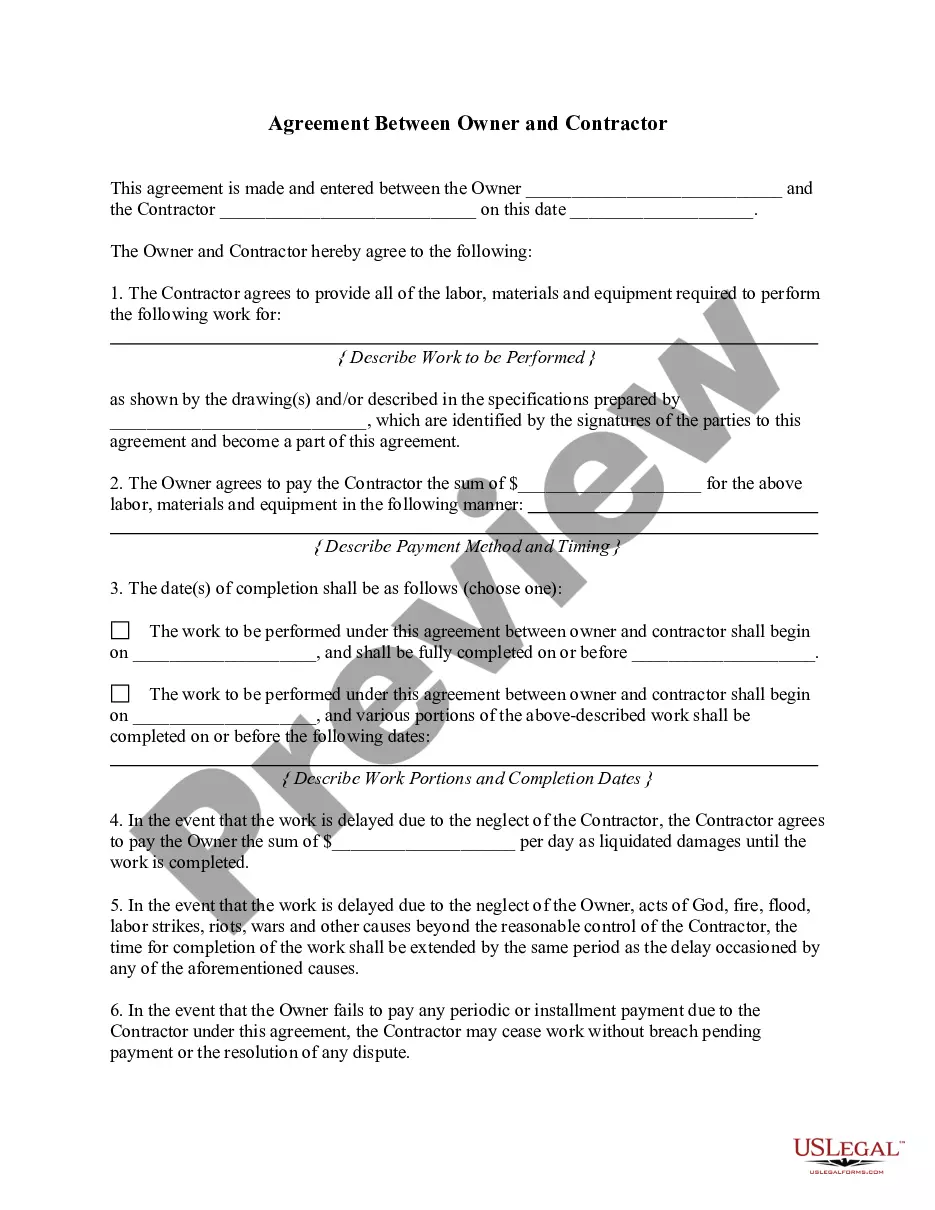
- Identify the parties involved, including the property owner's name and the contractor's business details.
- Specify the project location and any relevant site information, such as property boundaries.
- Outline the payment structure, indicating whether it will be a cost-plus or fixed-fee arrangement.
- Include details for required permits and insurance coverage, ensuring compliance with legal requirements.
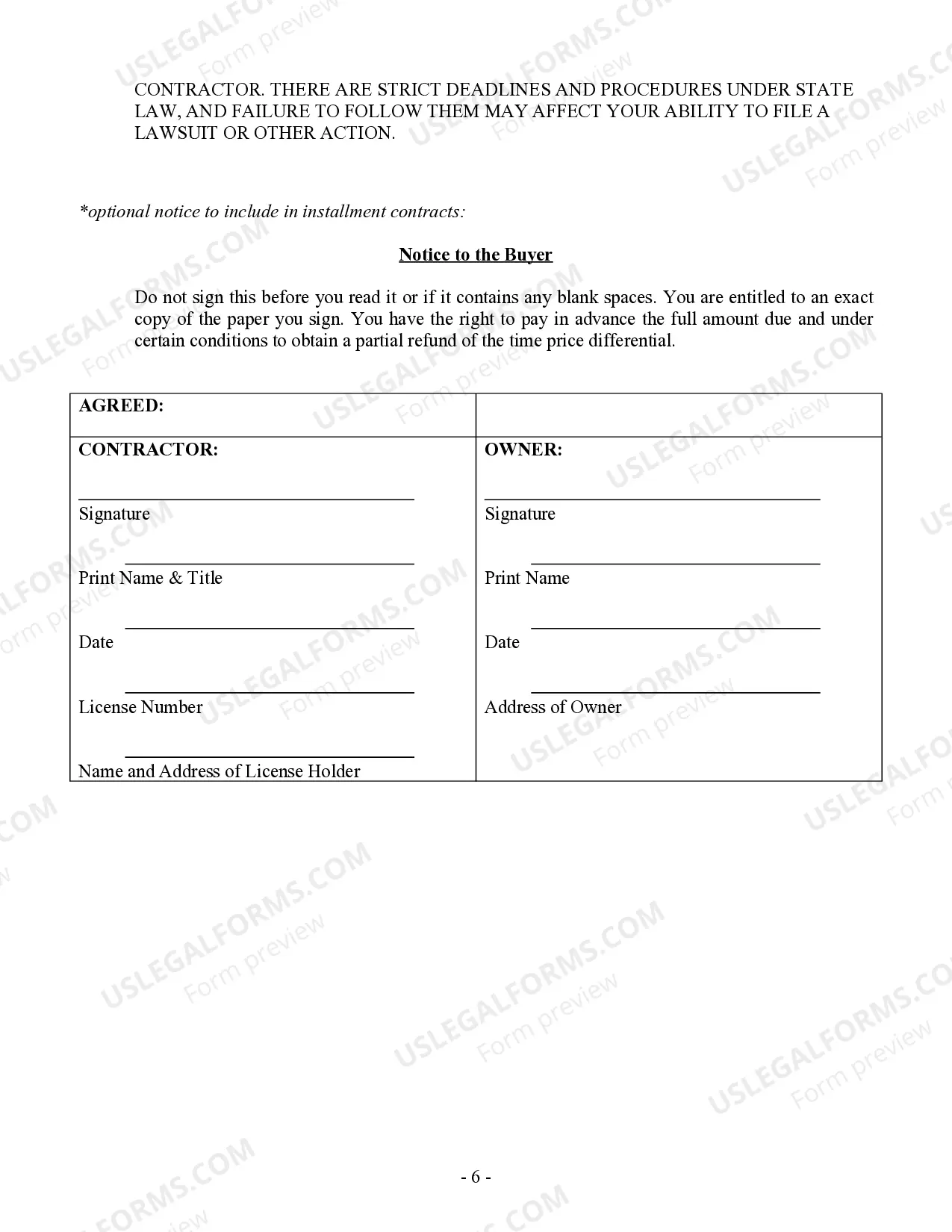
- Have both parties review and sign the contract, along with any necessary attachments or modifications.
Is notarization required?
This form does not typically require notarization unless specified by local law. However, both parties should review their local regulations to ensure compliance and validity of the contract.
Get your form ready online
Our built-in tools help you complete, sign, share, and store your documents in one place.
Make edits, fill in missing information, and update formatting in US Legal Forms—just like you would in MS Word.
Download a copy, print it, send it by email, or mail it via USPS—whatever works best for your next step.
Sign and collect signatures with our SignNow integration. Send to multiple recipients, set reminders, and more. Go Premium to unlock E-Sign.
If this form requires notarization, complete it online through a secure video call—no need to meet a notary in person or wait for an appointment.
We protect your documents and personal data by following strict security and privacy standards.

Make edits, fill in missing information, and update formatting in US Legal Forms—just like you would in MS Word.

Download a copy, print it, send it by email, or mail it via USPS—whatever works best for your next step.

Sign and collect signatures with our SignNow integration. Send to multiple recipients, set reminders, and more. Go Premium to unlock E-Sign.

If this form requires notarization, complete it online through a secure video call—no need to meet a notary in person or wait for an appointment.

We protect your documents and personal data by following strict security and privacy standards.
Common mistakes
- Failing to provide clear definitions for the scope of work, leading to misunderstandings later.
- Neglecting to document any changes to the project through formal Change Orders.
- Not reviewing local laws regarding permits and insurance, which can lead to legal issues.
- Overlooking warranty details, which may leave the owner unprotected against defects.
Why complete this form online
- Conveniently access a standardized contract template that saves time and reduces legal costs.
- Ability to customize the contract to fit specific project needs while maintaining legal integrity.
- Easy download and printing options for quick use in real-world situations.
- This contract is legally binding and enforceable in the State of Georgia.
- It is advisable to follow all outlined procedures for changes and warranties to maintain legal protections.
- Failure to adhere to requirements, such as permit acquisition, may result in liability issues.
Quick recap
- The Excavator Contract for Contractor protects both parties by clarifying obligations and expectations.
- Ensure compliance with Georgia law to avoid future disputes or legal complications.
- Utilize this contract template to establish a solid foundation for your construction project.
Looking for another form?
Form popularity
FAQ
The five essential elements of a construction contract include the offer, acceptance, consideration, legal capacity, and lawful purpose. The offer describes what one party will provide, while acceptance confirms agreement from the other party. Consideration refers to the exchange of value, and legal capacity ensures parties can enter into a contract. Lastly, the contract must serve a lawful purpose. A template for a Georgia Excavator Contract for Contractor can clearly outline these elements.
A contractor typically needs to fill out various forms, including the contractor agreement, permits, and insurance documentation. It is essential to have legal contracts that cover project specifics, payment terms, and liabilities. For a Georgia Excavator Contract for Contractor, using a dedicated platform like US Legal Forms ensures that you have all necessary paperwork correctly prepared.
Writing a construction contract agreement involves specifying the project's scope, timeline, and budget. Clearly outline payment methods and any conditions related to changes or delays. Both parties should agree to the terms, and signatures should be acquired for validation. Utilizing a Georgia Excavator Contract for Contractor template can ensure completeness and professionalism.
To fill out a contractor agreement, start by entering vital information about the contractor and client. Include project details, payment terms, and any pertinent legal clauses. Make sure all parties understand their obligations. Tools like US Legal Forms offer pre-designed templates for Georgia Excavator Contract for Contractor to guide you through this process.
Filling out an agreement requires attention to detail. Begin by entering the names of the involved parties, followed by a clear description of the project's scope. Enter any timelines and payment specifics. Using resources like US Legal Forms can simplify filling out a Georgia Excavator Contract for Contractor, ensuring accuracy and compliance.
To write a simple contract agreement, start by clearly outlining the purpose of the contract and the parties involved. Include specific details, such as the terms of the agreement, payment conditions, and the duration of the contract. Ensure both parties review and sign the document. For a Georgia Excavator Contract for Contractor, using a template can streamline this process.
Creating an independent contractor agreement in Georgia involves outlining the scope of work, payment terms, and other important details. This ensures both parties understand their rights and responsibilities clearly. Utilizing the Georgia Excavator Contract for Contractor template can streamline this process by providing an efficient framework. You can easily customize the agreement to fit your specific needs, ensuring that all essential elements are included.
Yes, in Georgia, specific types of contracting work require a contractor’s license. If you plan to work on larger excavation projects, obtaining a license is essential to ensure compliance with state regulations. The Georgia Excavator Contract for Contractor typically outlines these licensing requirements, making it crucial to familiarize yourself with them. You can find detailed information on licensing through the Georgia Secretary of State's office.
In Georgia, independent contractors can perform minor jobs without a license, but this typically means projects that do not exceed $2,500 in labor and materials. Undertaking larger projects usually requires a valid contractor license. For those interested in specializing in excavating, having a Georgia Excavator Contract for Contractor ensures that you meet legal standards. Understanding the scope of your work helps protect your business while allowing you to grow your expertise.
Yes, as an independent contractor in Georgia, you typically need a business license to operate legally. The requirements may vary based on the county or city where you conduct business, so it’s essential to check local regulations. Having a Georgia Excavator Contract for Contractor can also help you demonstrate your legal compliance and professionalism to clients. This ensures your operations remain smooth and recognized by authorities.