Georgia Guide for Identity Theft Victims Who Know Their Imposter
Description
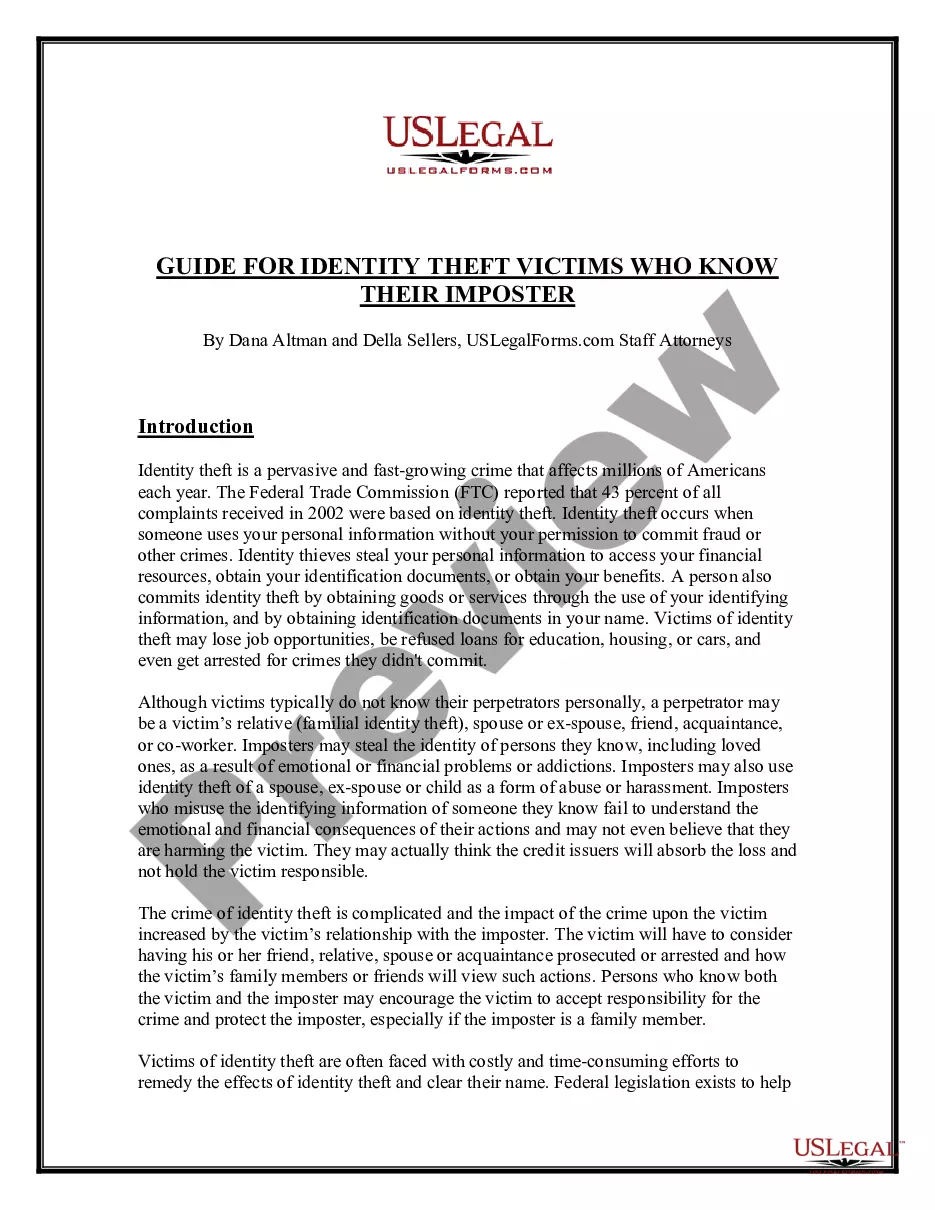

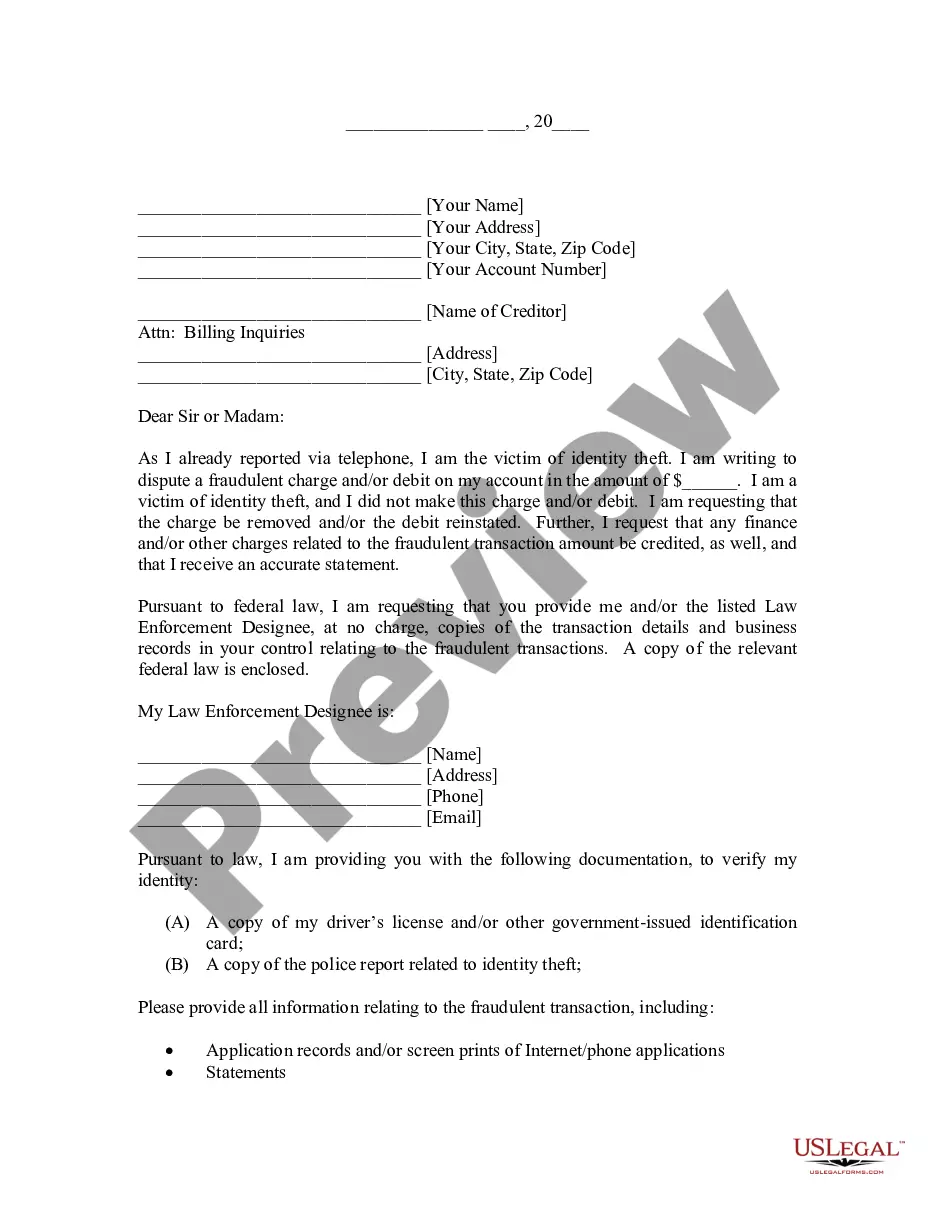
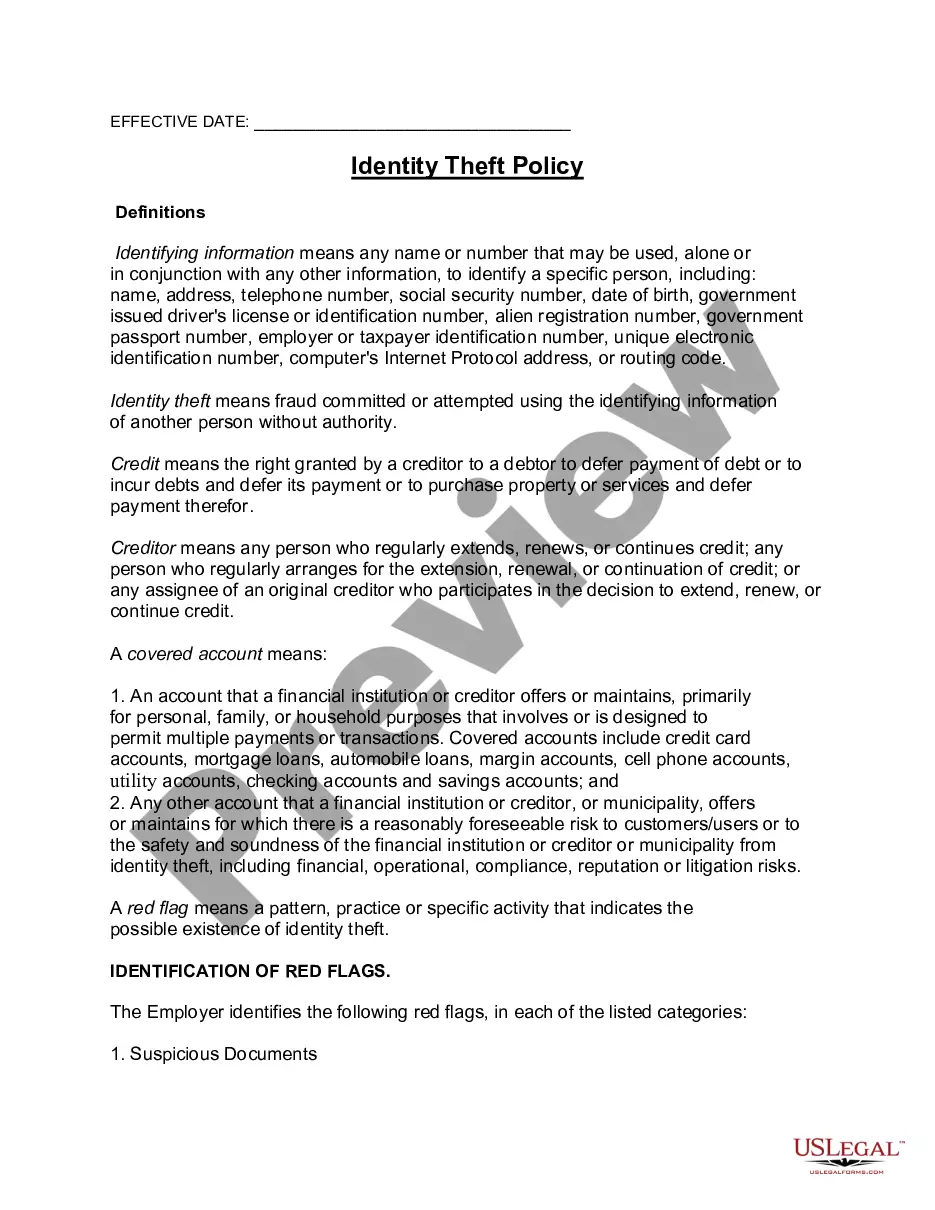


How to fill out Guide For Identity Theft Victims Who Know Their Imposter?
US Legal Forms - one of the largest collections of legal documents in the United States - offers a broad range of legal form templates that you can download or print. By utilizing the website, you can access thousands of forms for business and personal purposes, categorized by types, states, or keywords. You can find the latest versions of forms such as the Georgia Guide for Identity Theft Victims Who Know Their Imposter in moments.
If you already have a subscription, Log In and download the Georgia Guide for Identity Theft Victims Who Know Their Imposter from the US Legal Forms library. The Download option will be available on every form you view. You can access all previously downloaded forms from the My documents section of your account.
To use US Legal Forms for the first time, here are simple steps to help you get started: Ensure you have selected the correct form for your location/area. Click the Preview option to review the form's content. Check the form description to confirm that you have chosen the right form. If the form does not meet your requirements, utilize the Search field at the top of the screen to find one that does. Once you are satisfied with the form, confirm your choice by clicking the Get now button. Then, select the payment plan you prefer and provide your information to register for an account. Complete the transaction. Use your credit card or PayPal account to finalize the transaction. Choose the format and download the form to your device. Make changes. Fill out, modify, print, and sign the downloaded Georgia Guide for Identity Theft Victims Who Know Their Imposter. Each template you add to your account has no expiration date and belongs to you permanently. Therefore, if you wish to download or print another copy, simply visit the My documents section and click on the form you need.
- Access the Georgia Guide for Identity Theft Victims Who Know Their Imposter with US Legal Forms, one of the most comprehensive collections of legal document templates.
- Utilize a vast array of professional and state-specific templates that meet your business or personal needs and requirements.
- Explore thousands of forms for various applications.
- Sort forms by categories, states, or keywords for easier navigation.
- Ensure your documents are accurate and up-to-date with the latest legal standards.
- Maintain permanent possession of your downloaded forms without expiration.
Form popularity
FAQ
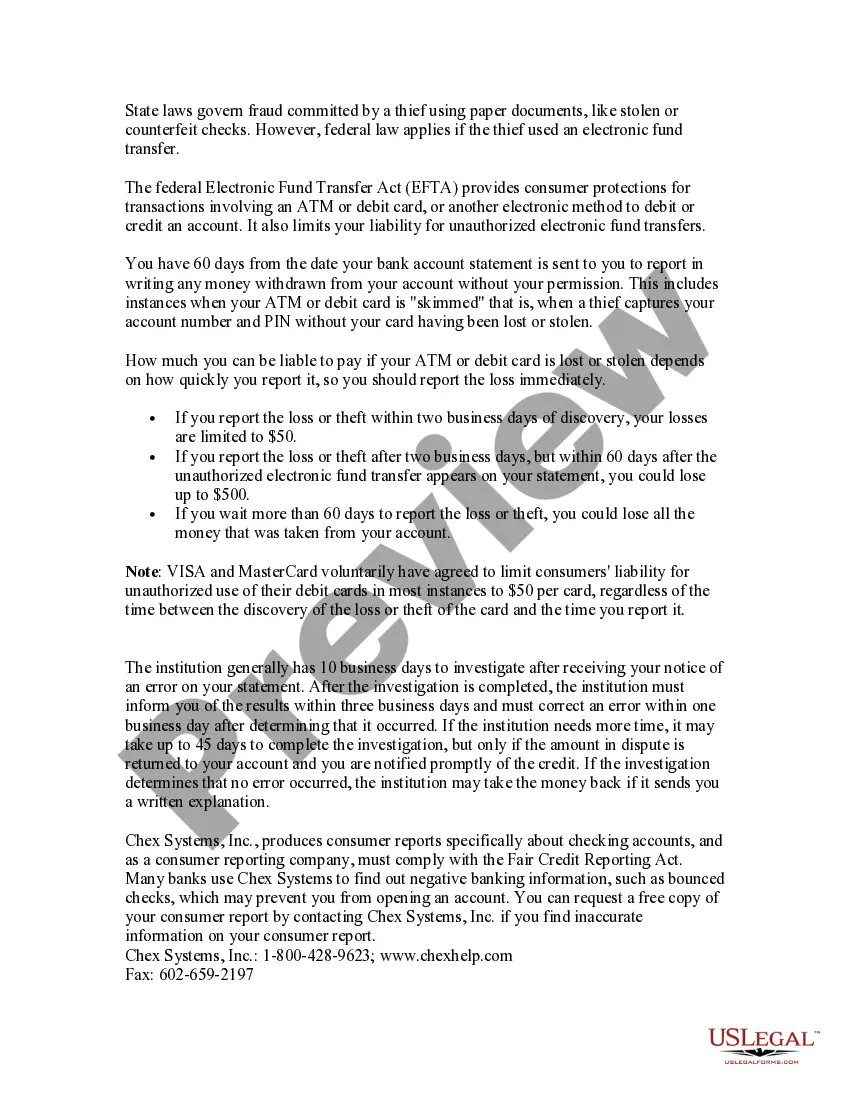
Identity theft has profound consequences for its victims. They can have their bank accounts wiped out, credit histories ruined, and jobs and valuable possessions taken away. Some victims have even been arrested for crimes they did not commit.
Identity thieves and cybercriminals do get caught and more of them are being held accountable for their crimes than ever before. But that doesn't mean that cybercrime is decreasing or that it is anywhere remotely near under control.
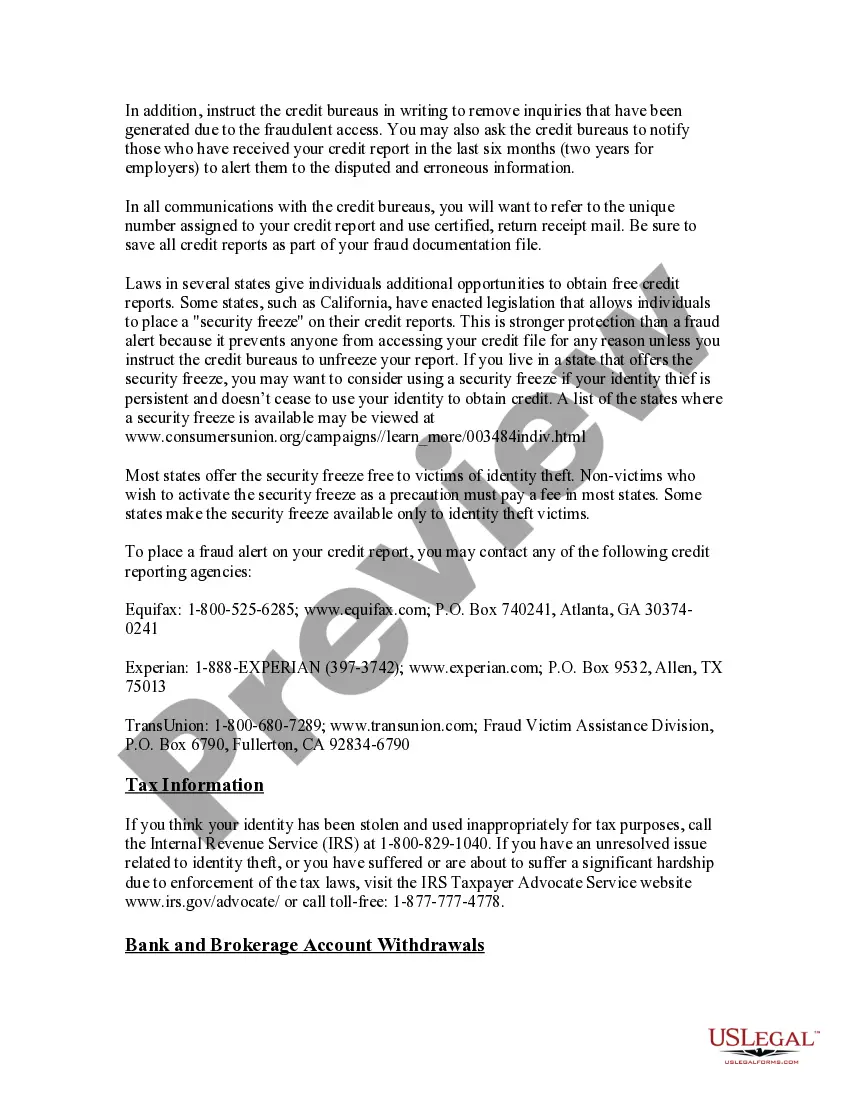
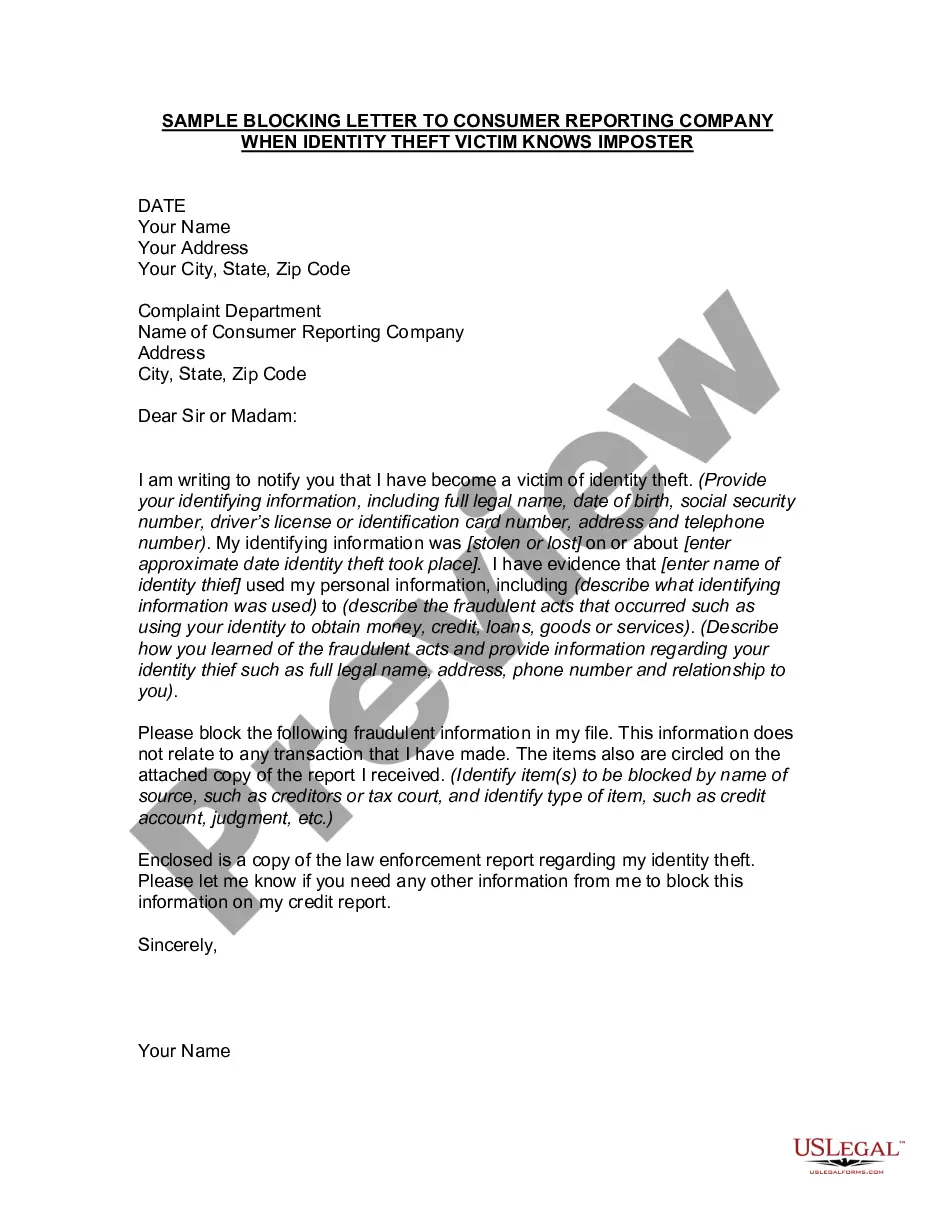
Reviewing your credit report is one of the most important steps you can take to ensure that you are not a victim of identity theft (ID theft). To review your credit report, contact one or all of the major consumer credit reporting agencies and request a copy of your credit report.
Identity thieves and cybercriminals do get caught and more of them are being held accountable for their crimes than ever before. But that doesn't mean that cybercrime is decreasing or that it is anywhere remotely near under control.
Restitution: Identity thieves can be ordered to compensate a victim for financial losses, including lost wages, legal fees and even damages from emotional distress. Imprisonment: Identity thieves can be incarcerated with aggravated identity theft punishable by a mandatory minimum sentence of two years.
Changes in your credit score can indicate identity theft. For example, if someone takes out utility bills in your name and doesn't pay them, your credit score may dip. Checking your credit report from each of the three major credit bureaus Equifax, Experian, and TransUnion can help pinpoint the problem.
Identity thieves and fraudsters can use your personal information to take over your accounts, use your accounts, open new accounts, file tax returns or even get medical procedures in your name.
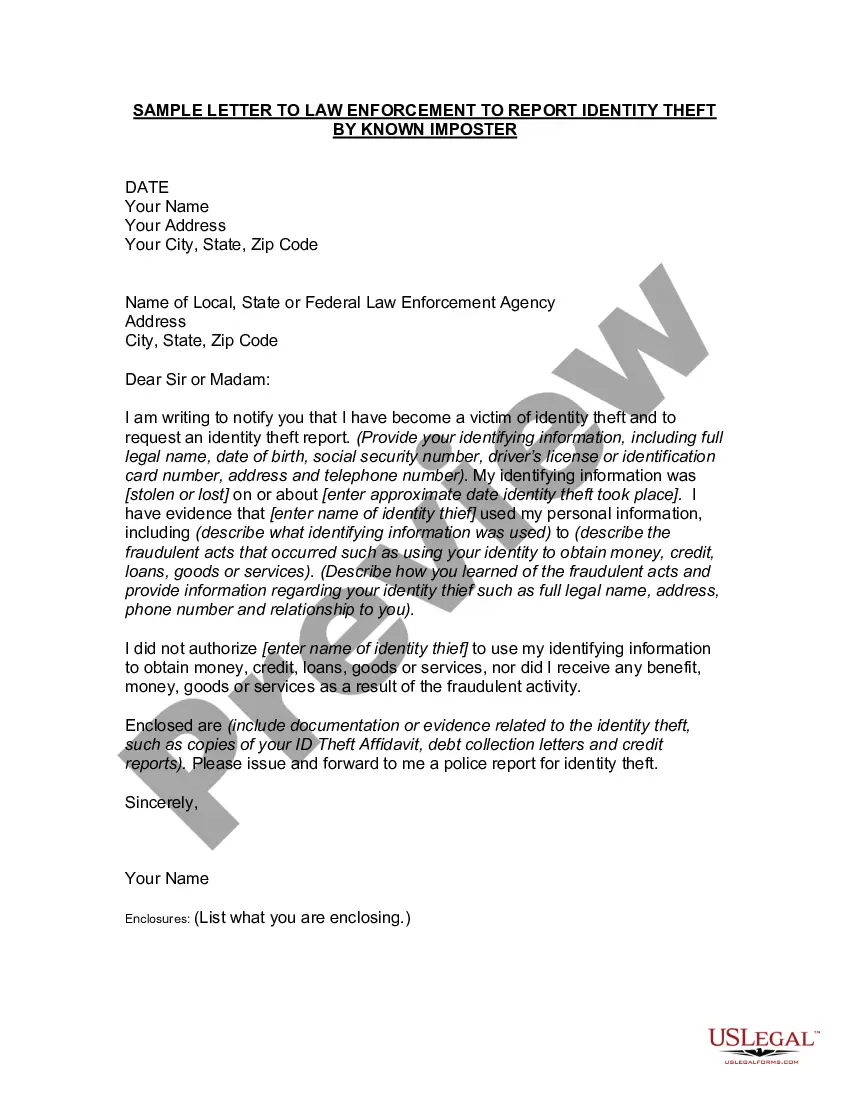
To report identity theft, contact: The Federal Trade Commission (FTC) online at IdentityTheft.gov or call 1-877-438-4338. The three major credit reporting agencies. Ask them to place fraud alerts and a credit freeze on your accounts.