Georgia Blind Trust Agreement
Description
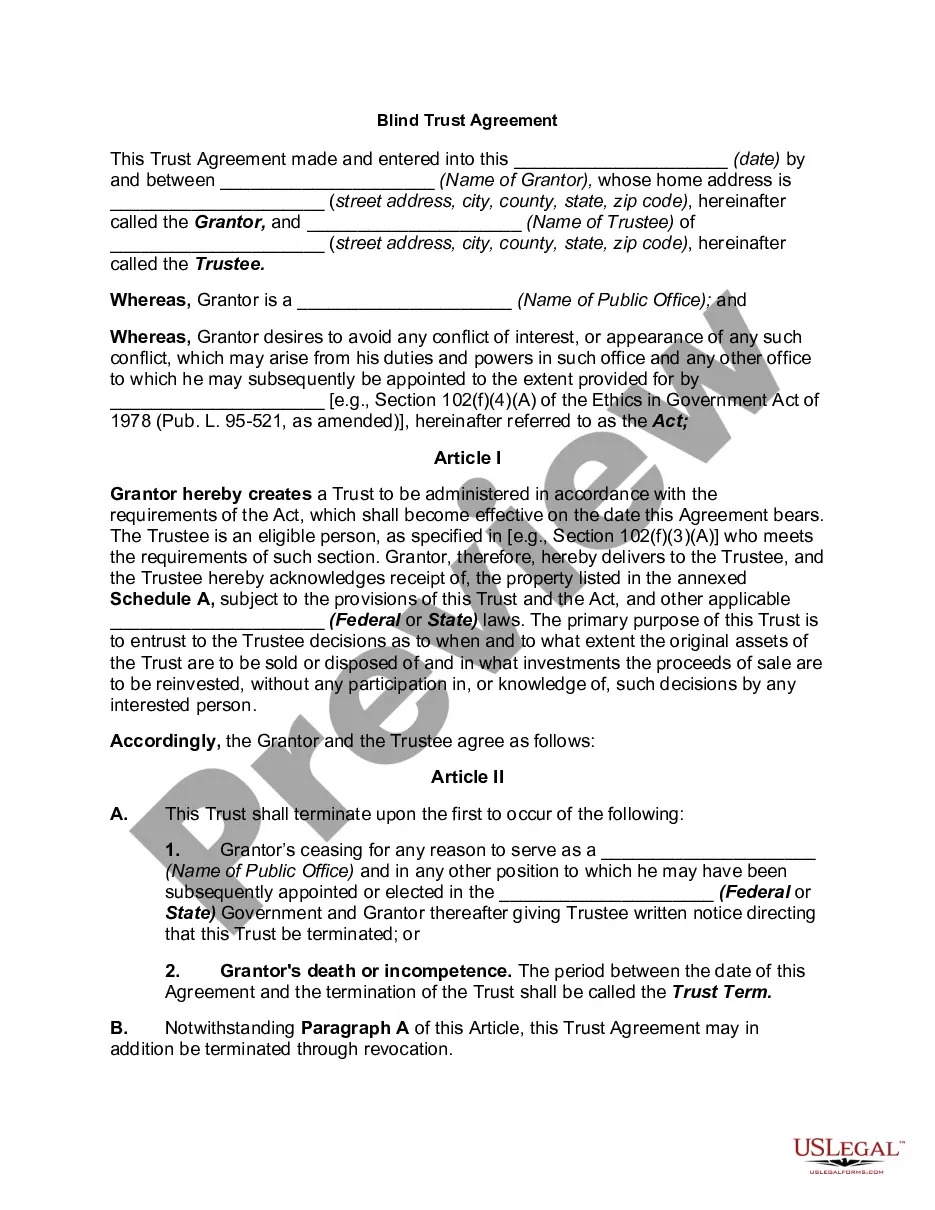
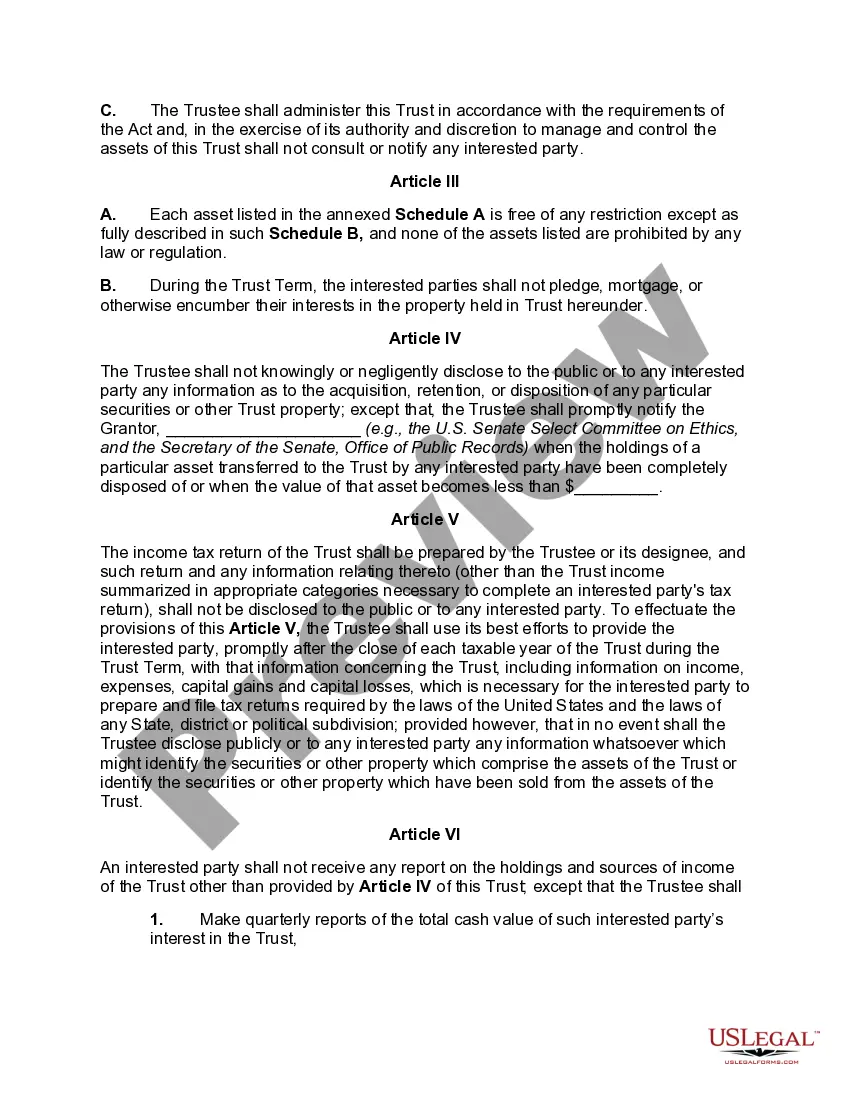
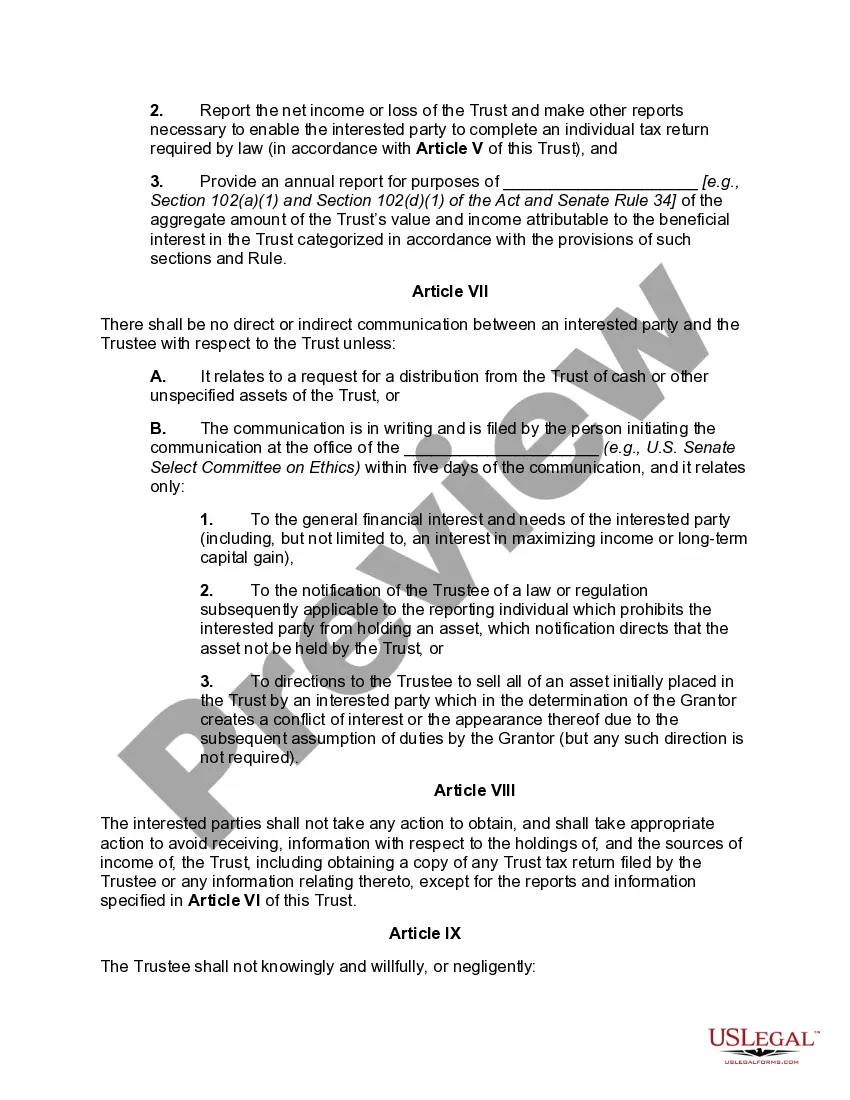
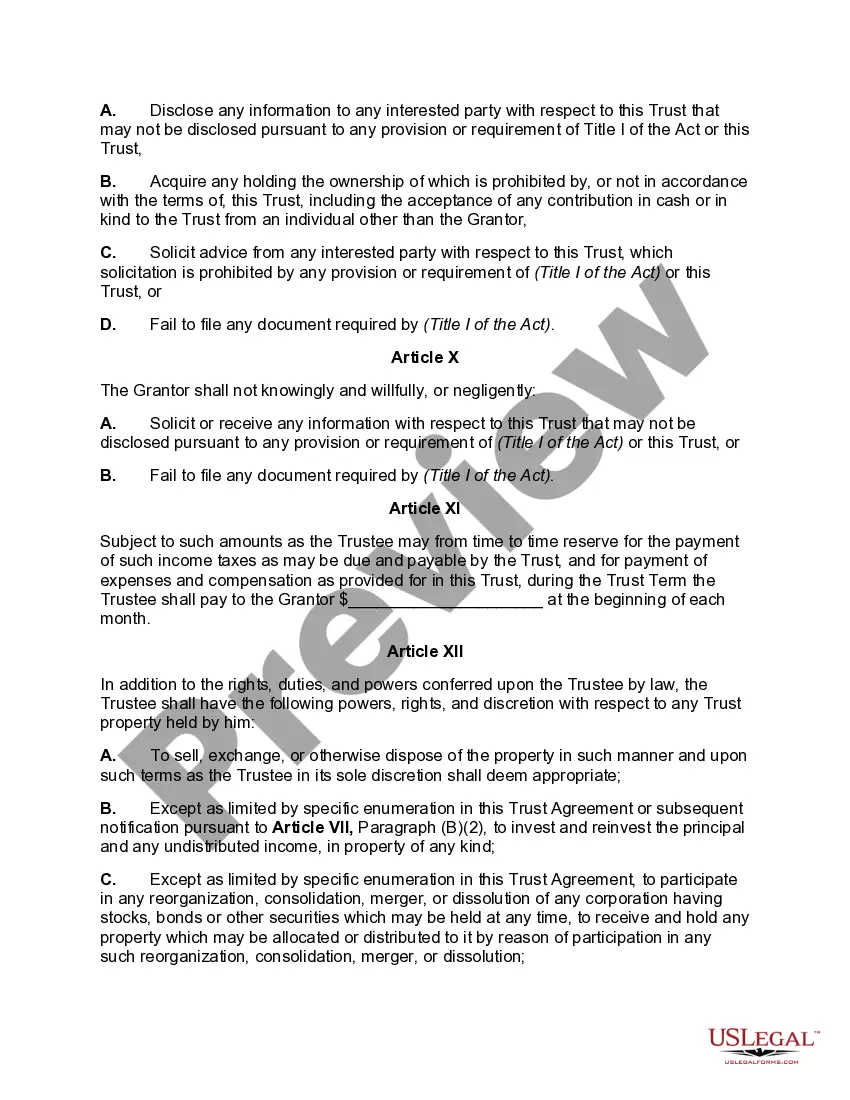
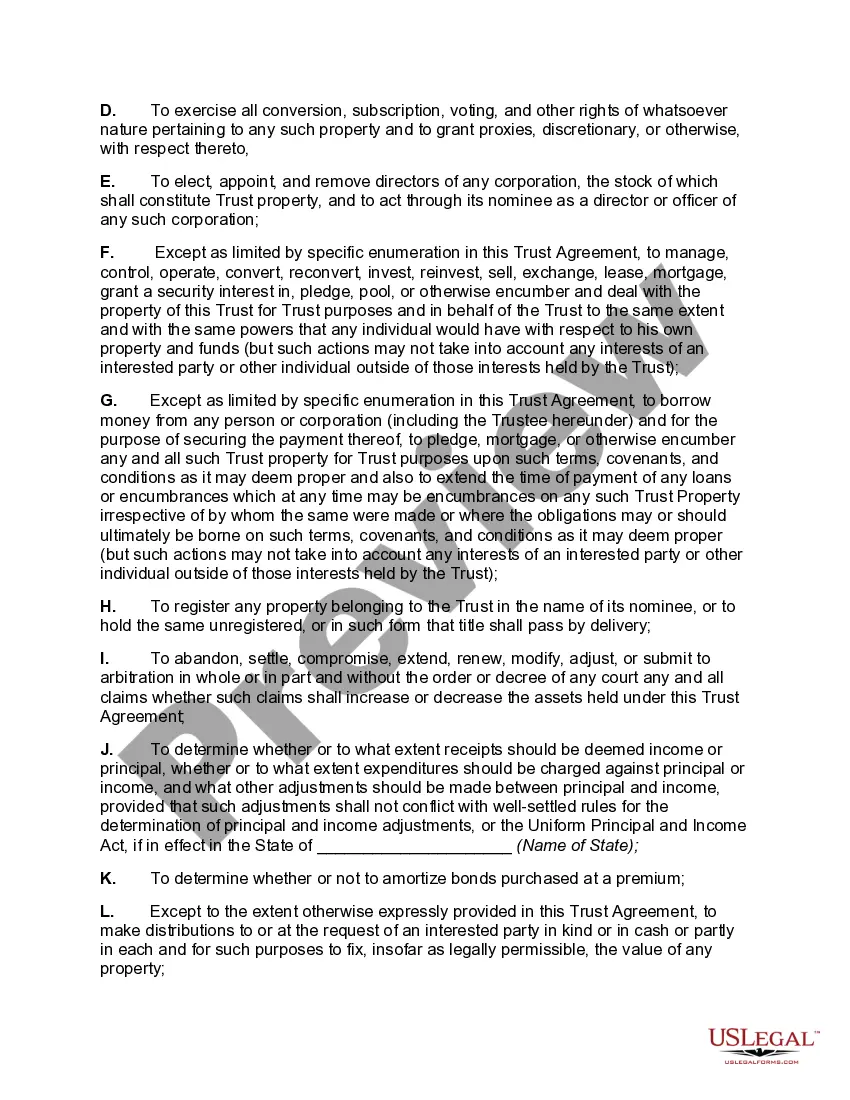
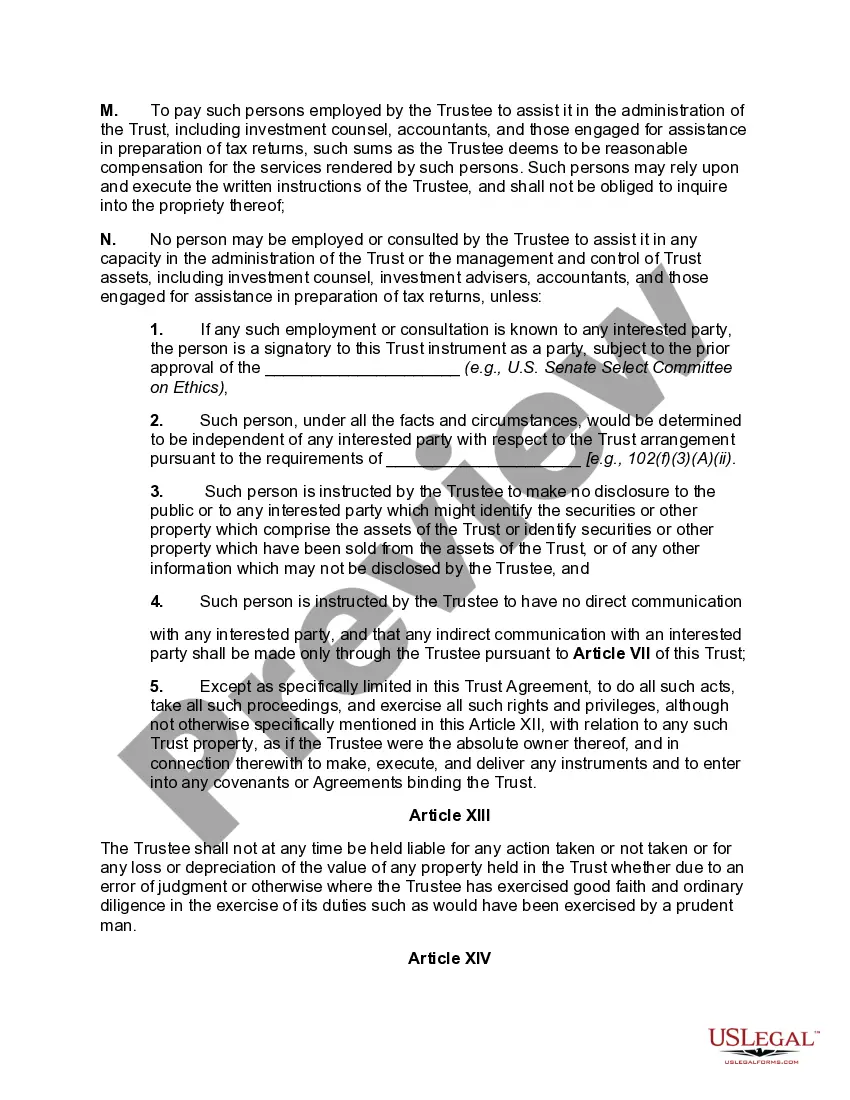
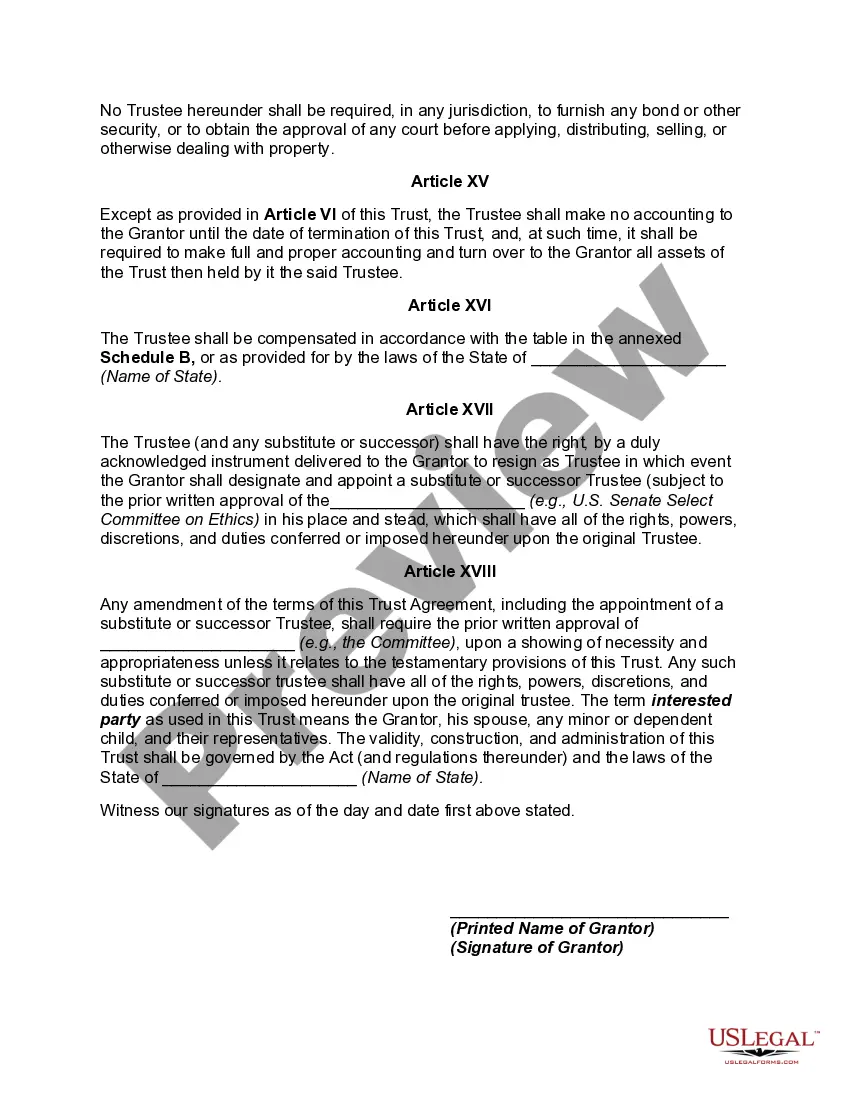
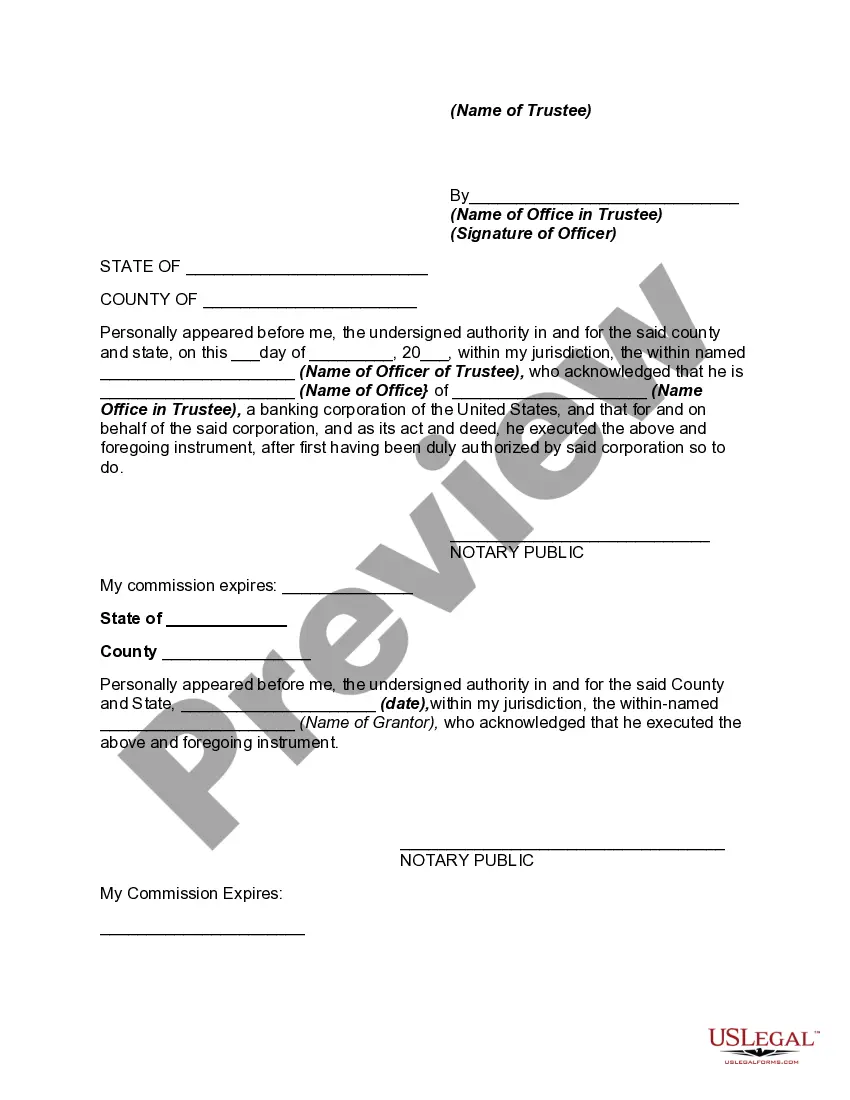
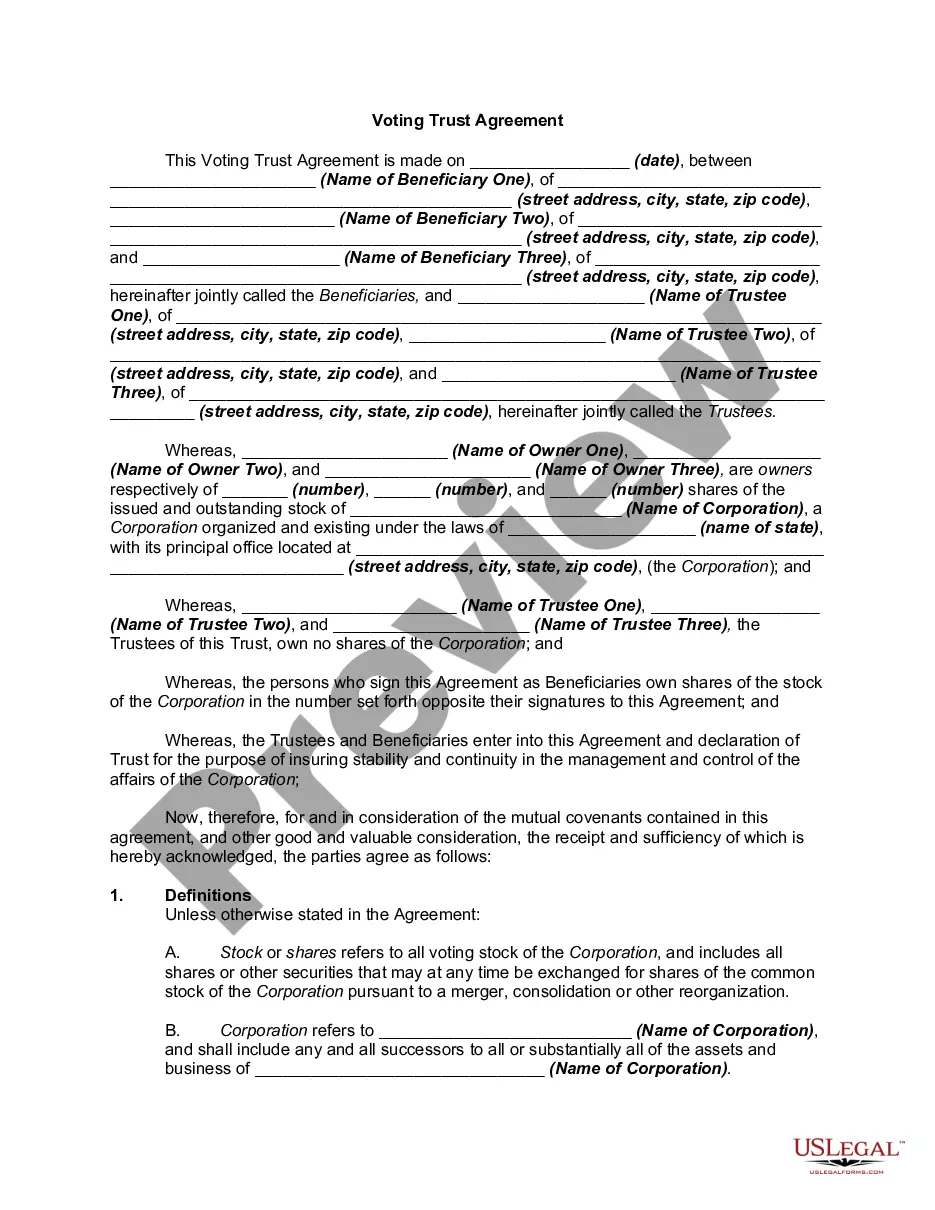
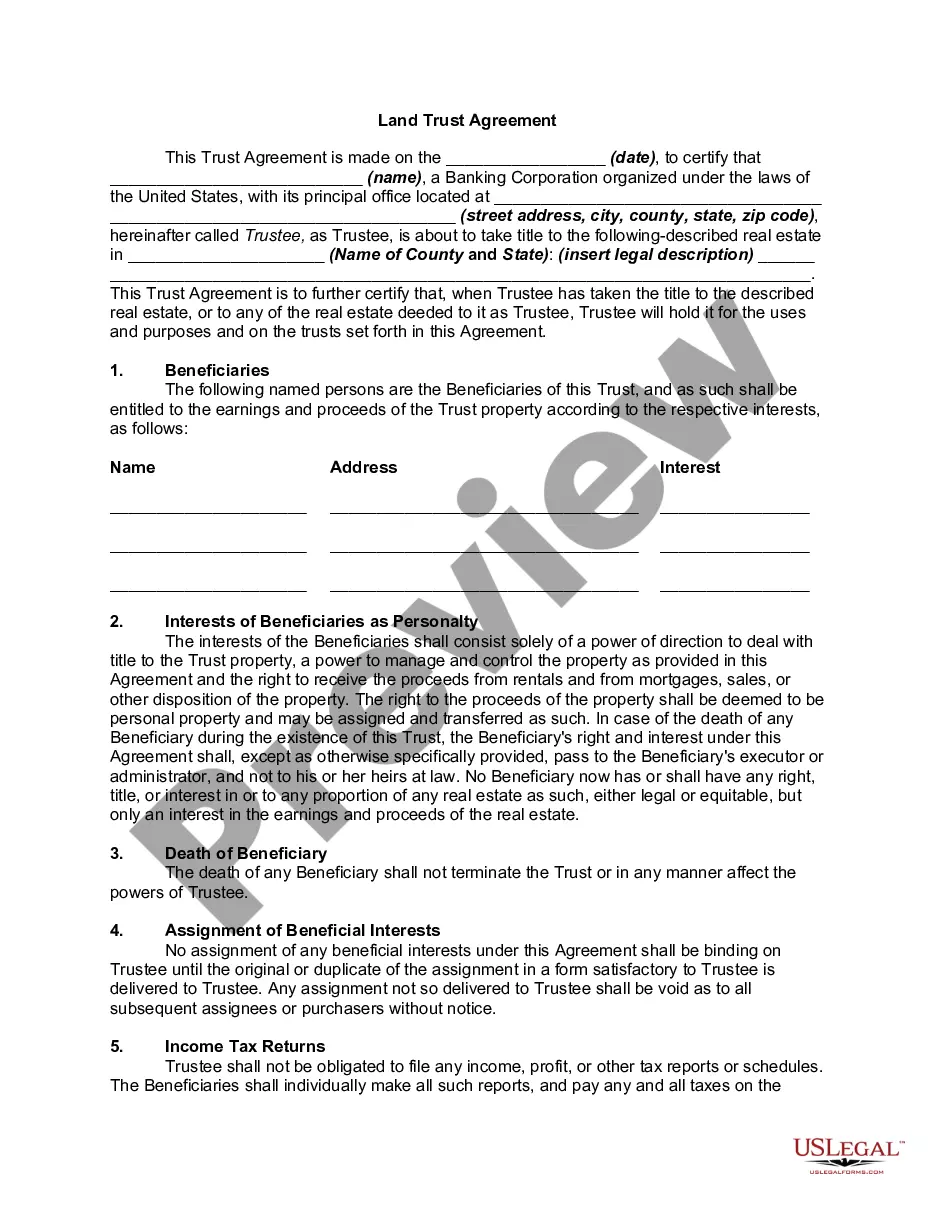
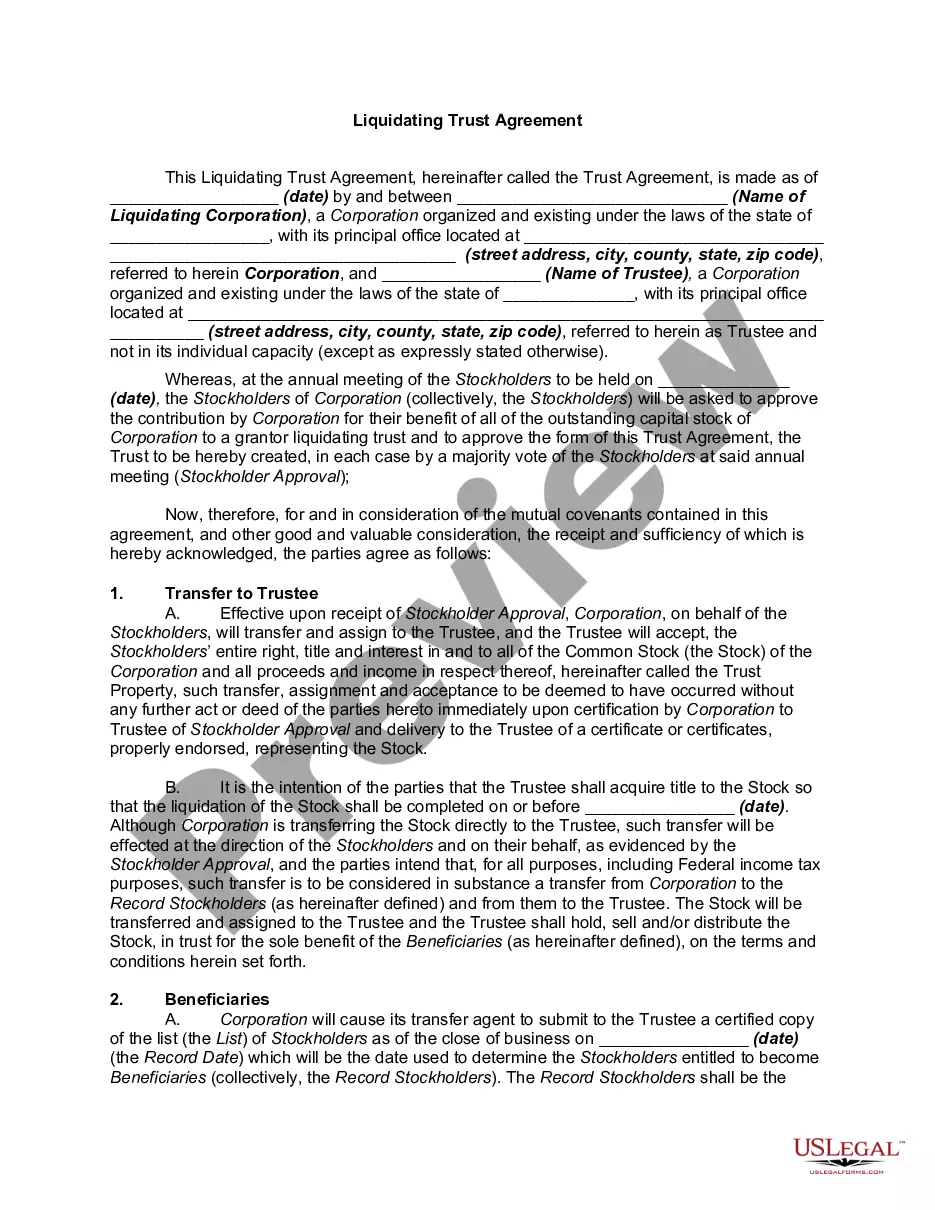
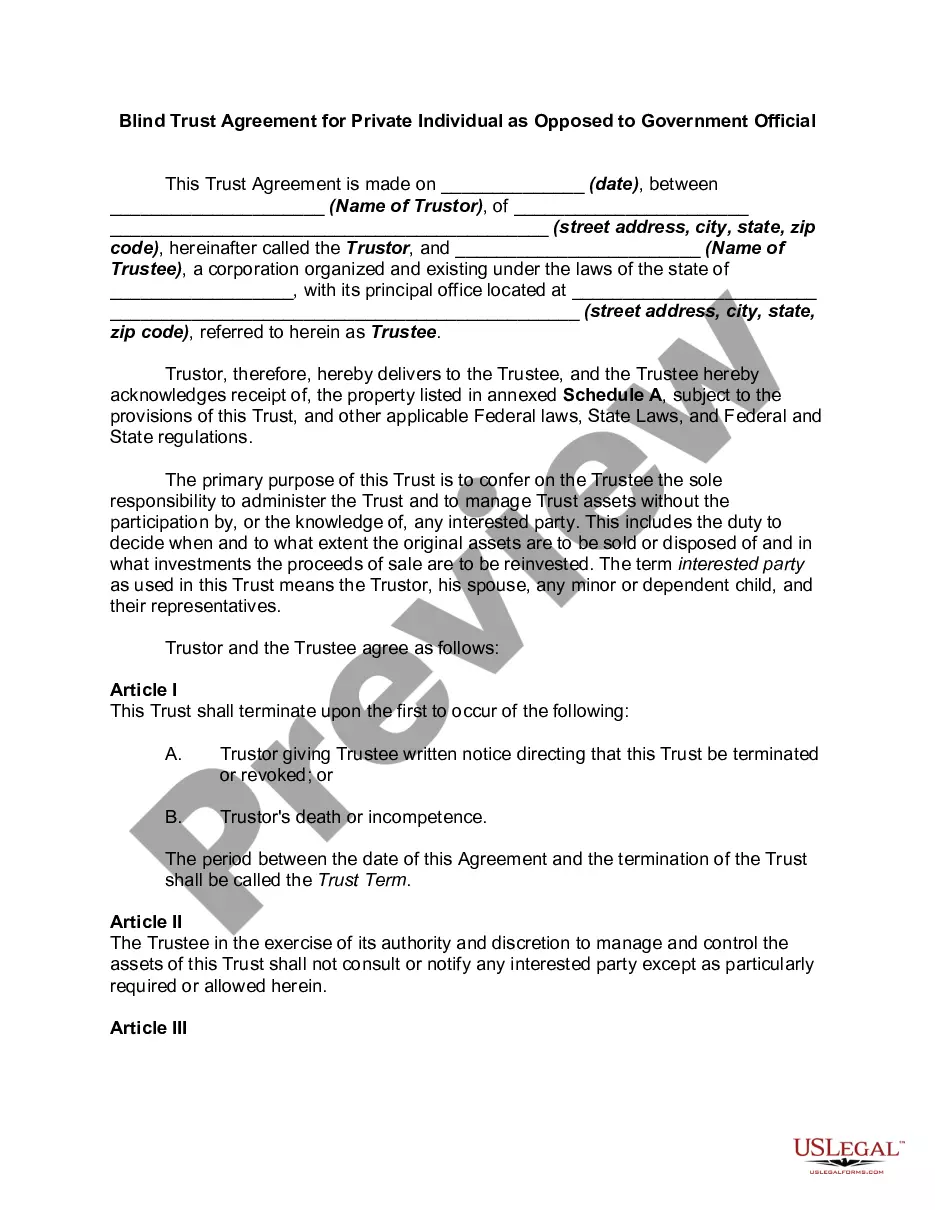


How to fill out Blind Trust Agreement?
Selecting the most suitable lawful documents template can be quite a challenge.
Naturally, there are numerous templates available on the web, but how can you acquire the specific document you need.
Utilize the US Legal Forms website. The service offers thousands of templates, including the Georgia Blind Trust Agreement, which you can use for both business and personal purposes.
If the document does not meet your expectations, utilize the Search field to find the correct template. Once you are certain the document is suitable, click on the Get Now button to obtain the document. Choose your desired pricing plan and enter the necessary information. Create your account and complete the payment using your PayPal account or credit card. Select the file format and download the legal document template to your device. Fill out, edit, print, and sign the downloaded Georgia Blind Trust Agreement. US Legal Forms is indeed the largest repository of legal documents where you can find numerous paper templates. Use this service to acquire professionally crafted documents that align with state requirements.
- All documents are reviewed by experts and comply with federal and state regulations.
- If you are already registered, Log In to your account and click the Download button to obtain the Georgia Blind Trust Agreement.
- Use your account to re-access the legal forms you have previously ordered.
- Visit the My documents section of your account to download another copy of the documents you need.
- If you are a new user of US Legal Forms, here are some simple steps to follow.
- First, ensure you have selected the appropriate document for your city/county. You can review the document using the Preview button and read the document description to ensure it meets your needs.
Form popularity
FAQ
Yes, you can set up a trust without an attorney in Georgia, but it is essential to understand the legal requirements to avoid future issues. A Georgia Blind Trust Agreement is a necessary document, and with resources available online, you can draft one yourself. However, make sure to carefully follow state guidelines, and consider seeking professional advice if you encounter complexities. Platforms like uslegalforms can help streamline this process for you.
To start a blind trust, first, determine the purpose and the assets you want to place into the trust. Then, create a Georgia Blind Trust Agreement that outlines the trust's management by an independent trustee. This document is crucial, as it helps maintain the blind nature of the trust and ensures that your assets are managed without your involvement. Utilizing platforms like uslegalforms can simplify the process of drafting this agreement.
Setting up a blind trust typically begins with deciding the assets to include. You need to draft a Georgia Blind Trust Agreement that specifies the terms of the trust and the trustee's powers. It is advisable to consult with a financial advisor or an attorney to ensure compliance with state laws. Once you finalize the agreement, you can fund the trust with the selected assets.
To form a blind trust, you typically begin by drafting a trust agreement that outlines how the trust will operate. The Georgia Blind Trust Agreement requires specific details about the trust’s assets and the appointed trustee. Using services like US Legal Forms can streamline this process, ensuring you have a comprehensive document that meets state requirements. Once created, fund the trust with your assets to activate it legally.
An example of a blind trust is a trust set up by a public official to avoid conflicts of interest. In this case, the official transfers assets into the trust and does not manage them directly, ensuring unbiased actions in their role. The Georgia Blind Trust Agreement allows for this level of separation, providing peace of mind that personal financial interests won't clash with public responsibilities. This form of trust is useful for many individuals seeking financial privacy.
Filling out a trust form usually involves providing essential information about the trust's assets, beneficiaries, and terms of distribution. For the Georgia Blind Trust Agreement, you will need to specify details such as the name of the trustee and the purpose of the trust. Using a platform like US Legal Forms can simplify this process, offering templates that guide you through each section. Ensure you read each requirement carefully to avoid mistakes.
The key difference between a blind trust and a regular trust lies in the control and visibility of assets. In a Georgia Blind Trust Agreement, beneficiaries do not have knowledge of the trust's assets or their management, while a regular trust allows beneficiaries to have more transparency and involvement. This lack of visibility in a blind trust is designed to prevent conflicts of interest. If you're considering which type of trust suits your needs, understanding these differences is crucial.
Generally, you cannot withdraw from a blind trust because the purpose is to separate control from ownership. In a Georgia Blind Trust Agreement, the trustee oversees the assets, making all financial decisions on your behalf. This arrangement allows you to avoid any potential conflicts of interest. However, you may have strategies to access funds indirectly, depending on the trust's specific terms.
While a Georgia Blind Trust Agreement offers privacy and prevents conflicts of interest, it also has drawbacks. One major con is the lack of control you have over your assets, as a trustee manages them without your input. This can lead to frustration if the trustee does not align with your financial goals. Moreover, the complexities surrounding tax implications can create challenges that require careful navigation.
One common mistake parents make when establishing a Georgia Blind Trust Agreement is failing to communicate their intentions clearly with their heirs. Transparency about the trust’s purpose and how assets will be managed can prevent misunderstandings later. Additionally, overlooking the specific needs and circumstances of each child can lead to inequitable outcomes. It is essential to plan carefully and consider all aspects of your family's future.