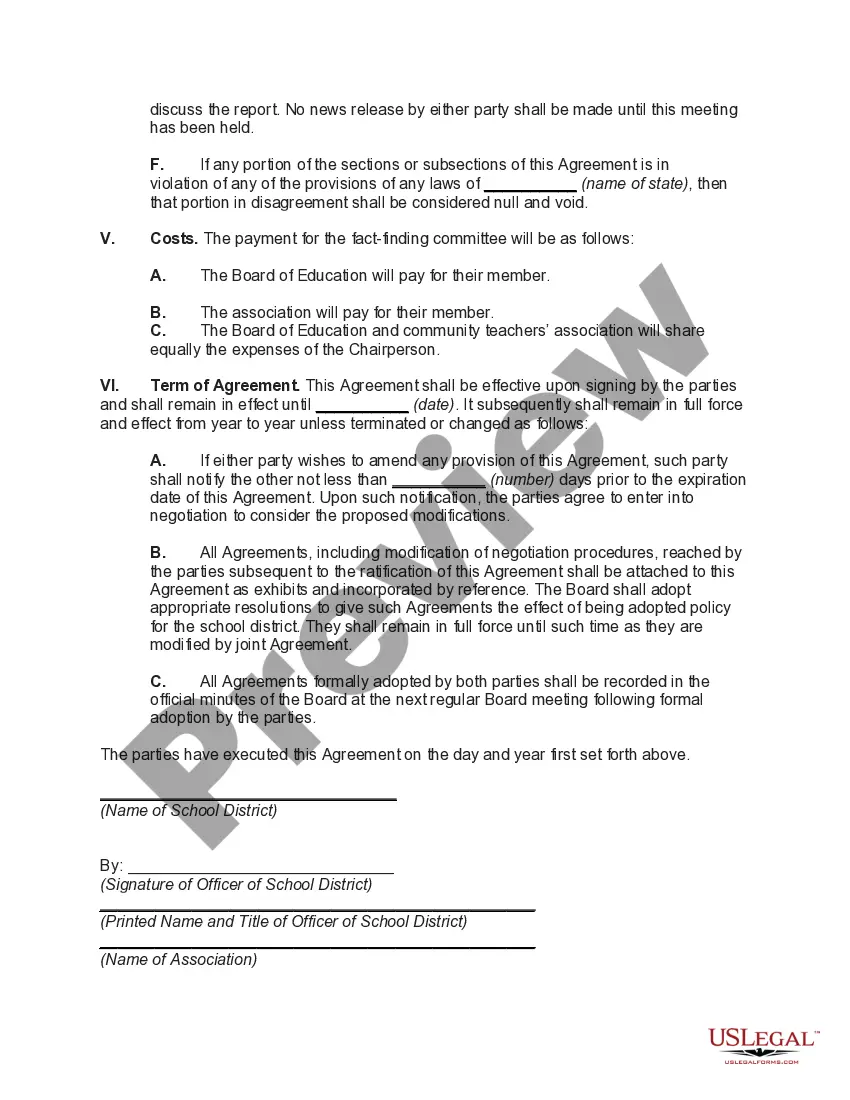
Georgia Collective Bargaining Agreement Between School District and Community Teachers' Association
Description
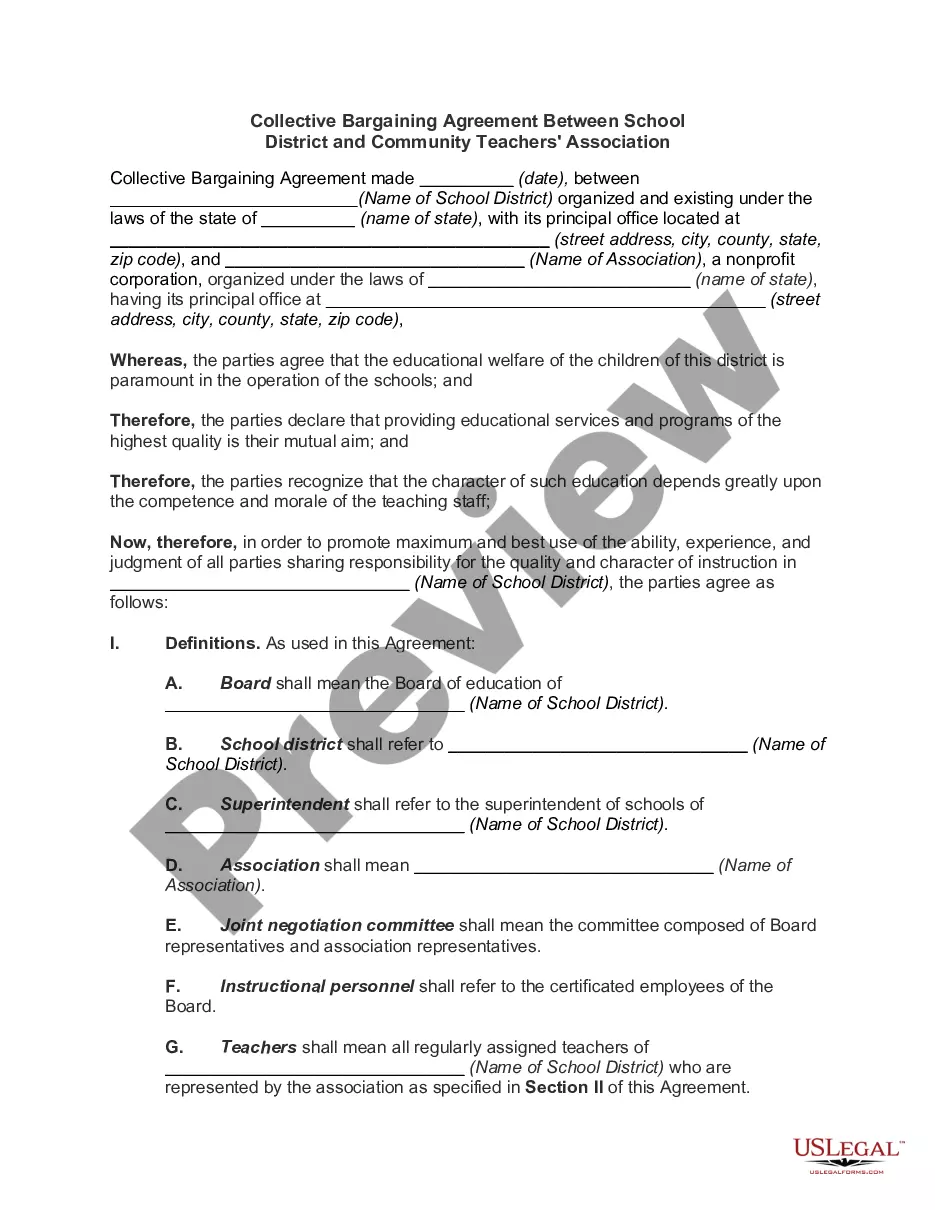
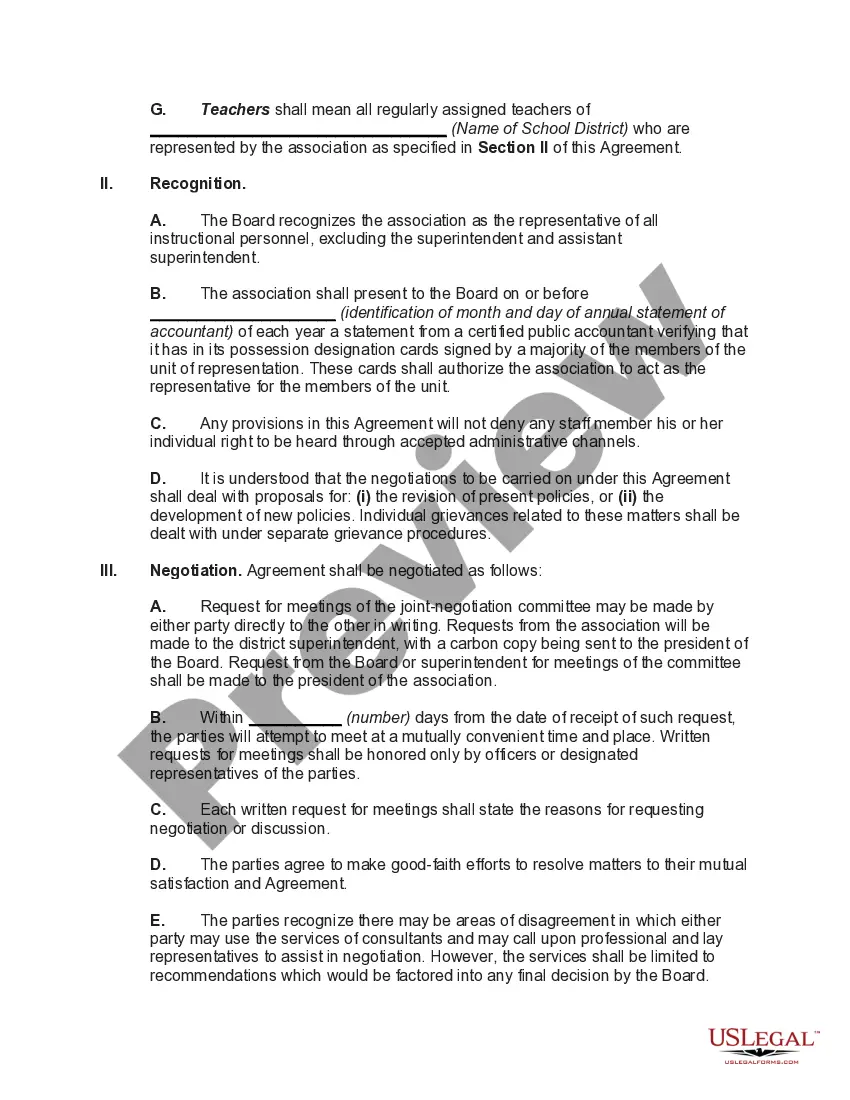
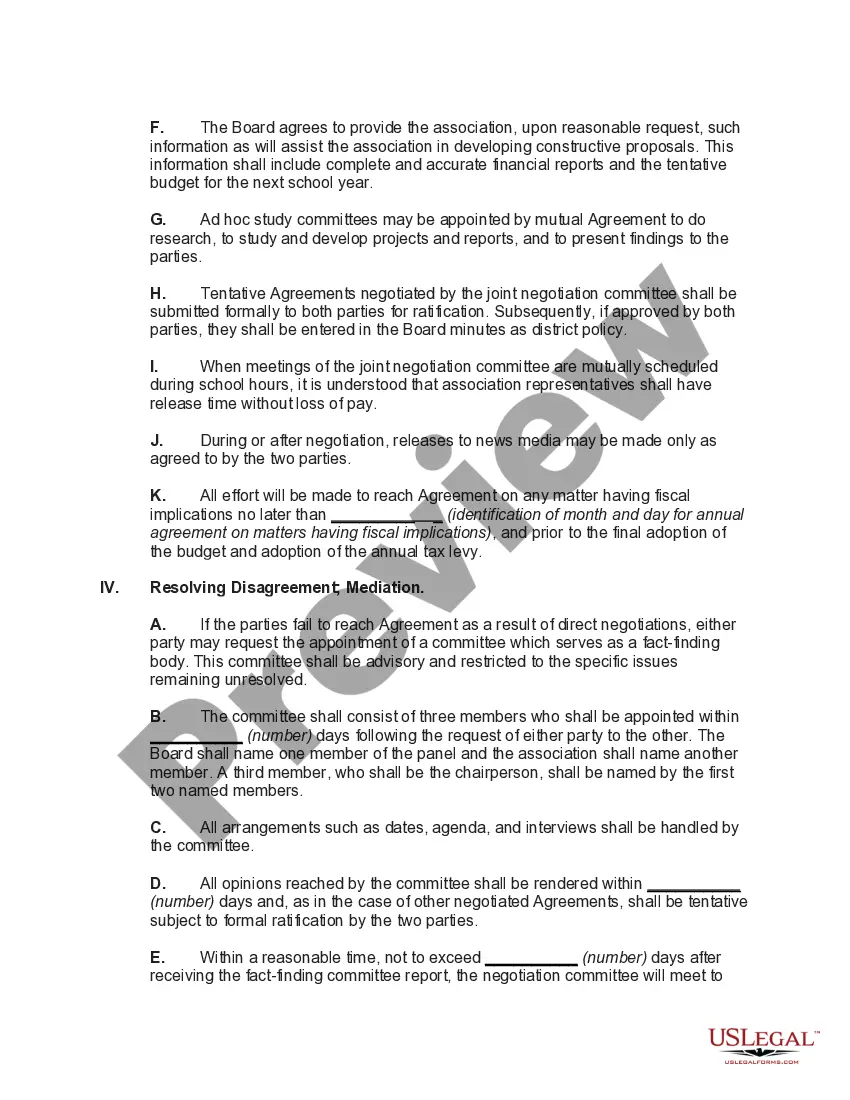
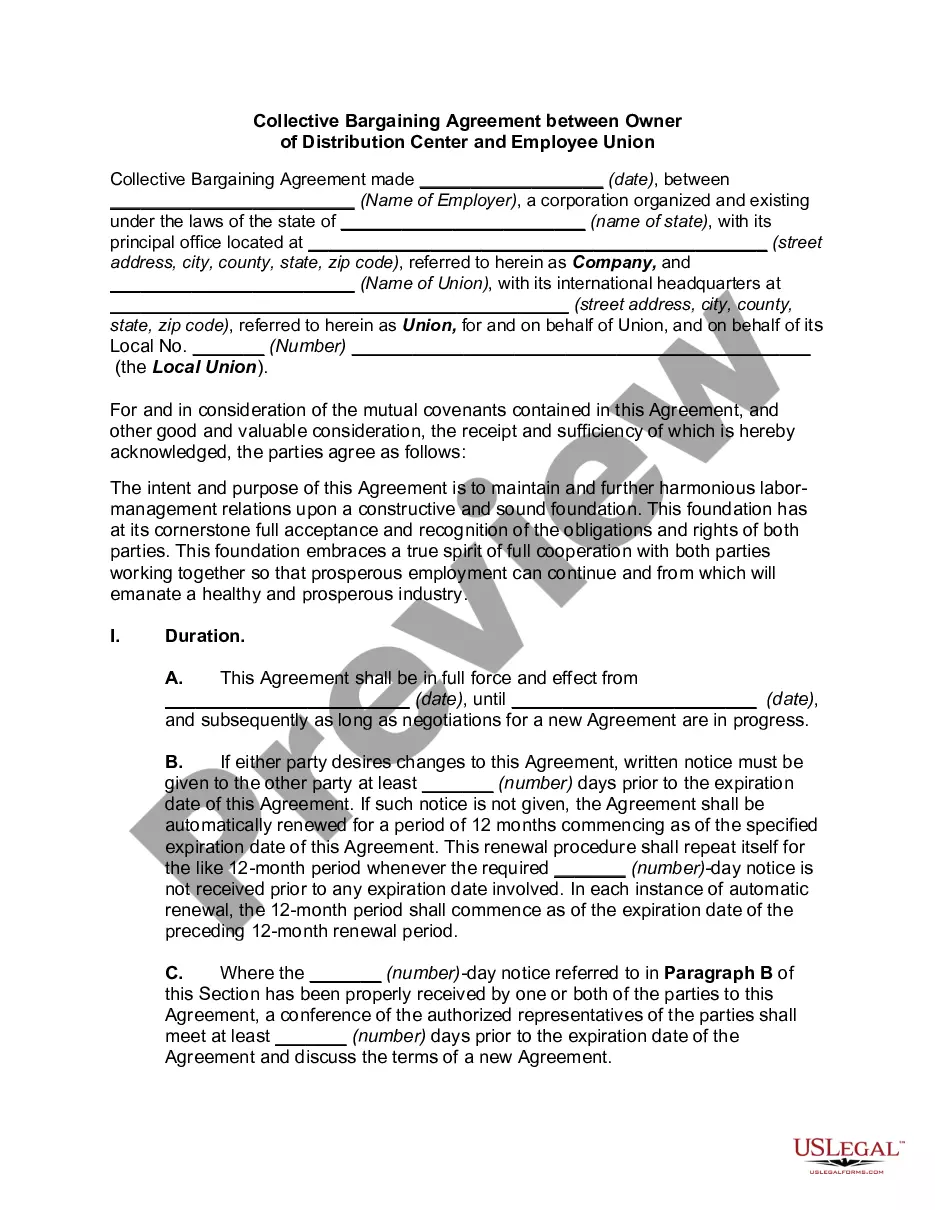
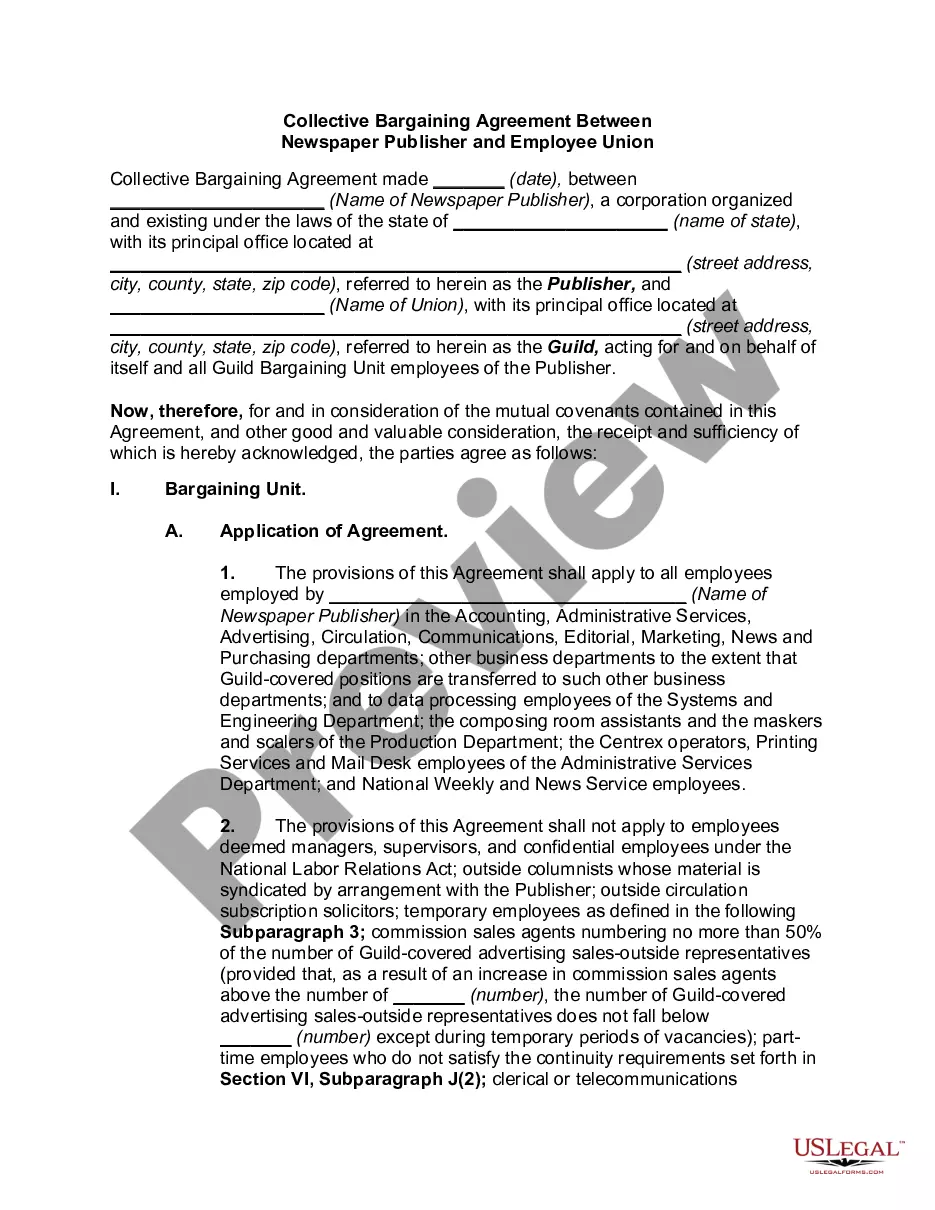
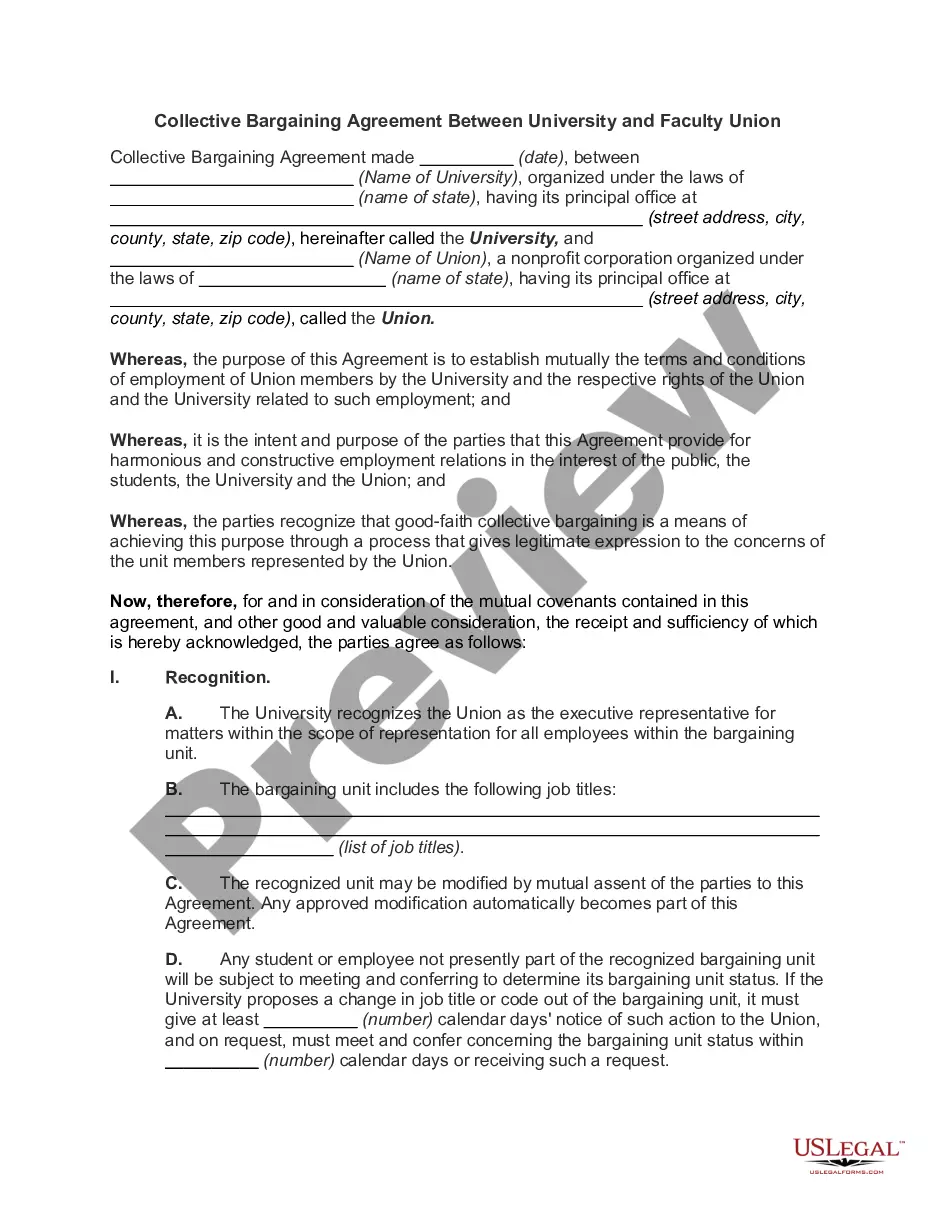

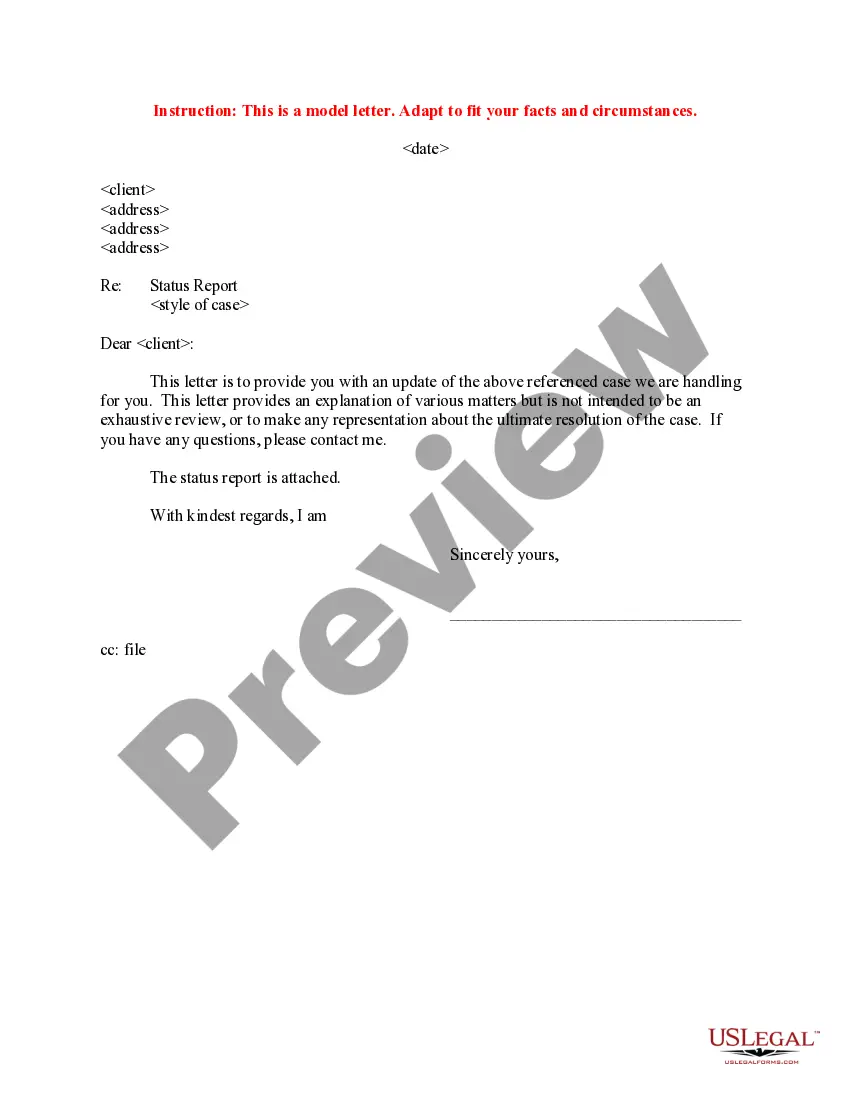


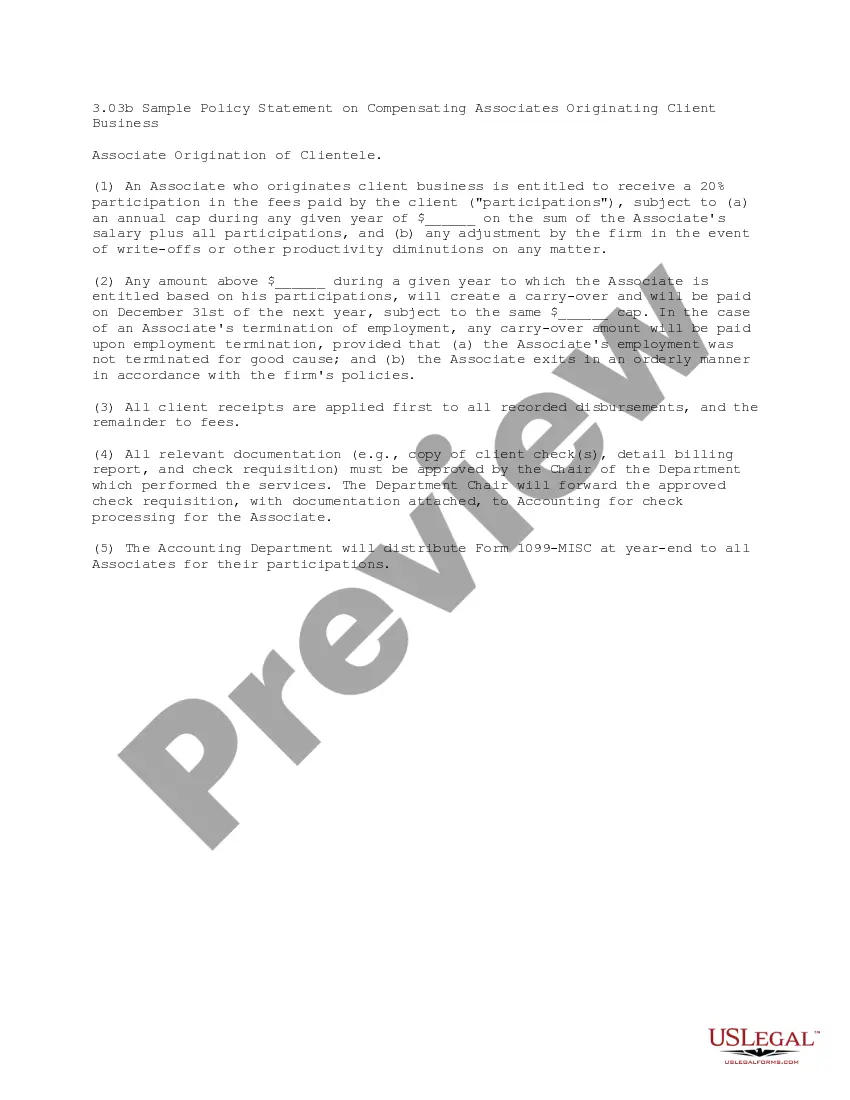

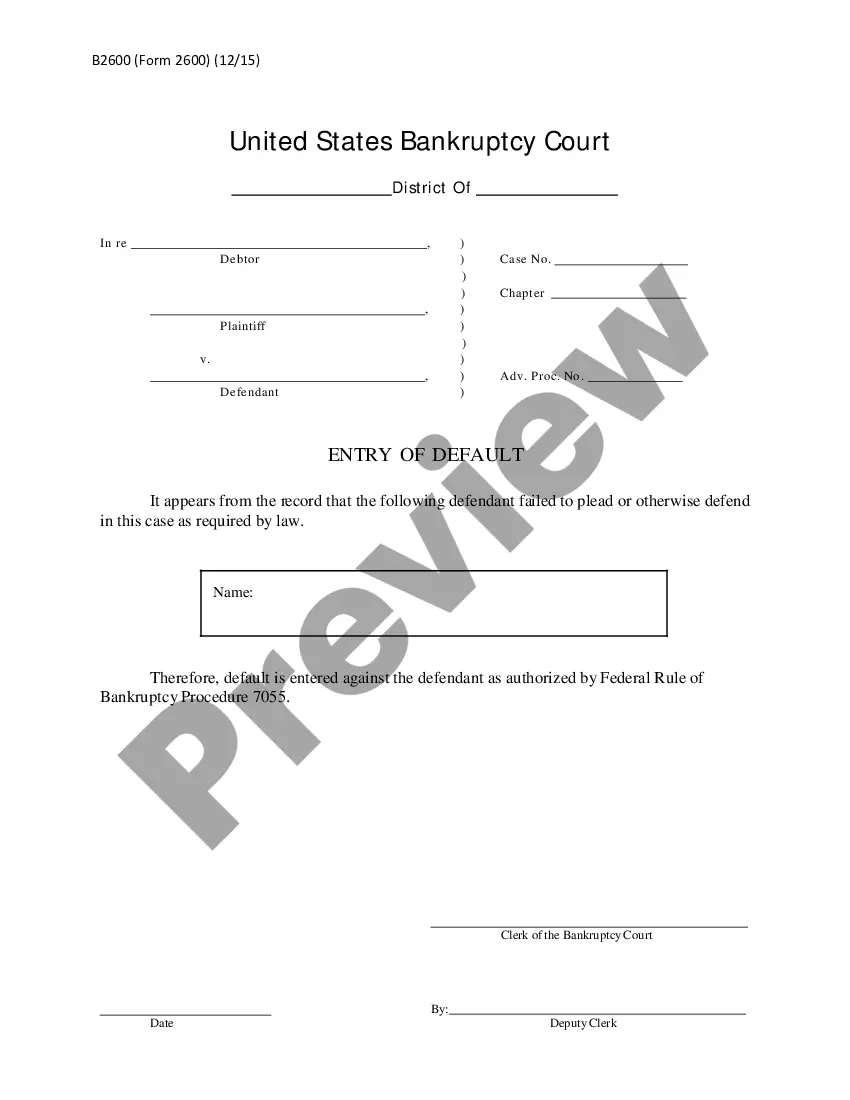


How to fill out Collective Bargaining Agreement Between School District And Community Teachers' Association?
Have you found yourself in a scenario where you need documentation for various business or particular purposes nearly every day.
There are numerous authentic document templates available online, but locating trustworthy ones is challenging.
US Legal Forms provides a vast array of form templates, such as the Georgia Collective Bargaining Agreement Between School District and Community Teachers' Association, which is designed to meet federal and state requirements.
Once you find the correct template, click on Purchase now.
Select the pricing plan you desire, provide the necessary information to create your account, and complete the transaction using PayPal or a credit card.
- If you are already familiar with the US Legal Forms website and possess an account, simply Log In.
- Then, you can download the Georgia Collective Bargaining Agreement Between School District and Community Teachers' Association template.
- If you do not have an account and wish to start using US Legal Forms, follow these instructions.
- Find the form you need and ensure it is appropriate for the specific city/region.
- Utilize the Review button to examine the document.
- Check the details to confirm you have selected the correct form.
- If the form does not meet your needs, use the Search field to locate the document that suits your requirements.
Form popularity
FAQ
Every collective agreement must contain provisions governing the dismissal or discipline of employees and the final settlement of all disputes by arbitration. Every agreement must also have a provision prohibiting strikes and lockouts during the life of the collective agreement.
Collective bargaining gives educators a voice in their workplace. It helps assure fair wages and benefits, im- proving teacher recruitment and retention. Educators also negotiate better teaching and learning conditions.
They divide bargaining subjects into three categories: mandatory, permissive, and illegal. Mandatory subjects, broadly speaking, relate to wages, hours, pensions, healthcare and working conditions. Employers cannot refuse to bargain over these subjects, and negotiations may continue to the point of mediation or strike.
CBAs commonly set forth provisions regarding wages, vacation time, working hours and conditions, and employee benefits. These provisions are enforced by the labor union to ensure that employees are treated fairly.
Collective Bargaining AgreementWages.Working hours and conditions.Employee benefits.Grievance and arbitration procedures.Limitations on strikes.The union's rights and responsibilities.Management's rights and responsibilities.
Mandatory subjects are those that directly impact wages, hours or working conditions (or terms and conditions of employment). These are subjects over which the parties must bargain if a proposal is made by either party.
Mandatory subjects are those topics required by law and the National Labor Relations Board (NLRB). Those subjects include items like wages, overtime, bonuses, grievance procedures, safety and work practices, and seniority, as well as procedures for discharge, layoff, recall, or discipline.
Collective bargaining in education offers an organized and transparent system to improve student learning and the overall environment in public schools, and helps ensure that educators receive a professional level of pay.
Teachers, as with other public employees, do not have the constitutional right to collectively bargain (that is for the states to decide). But the First Amendment does provide that people have the right to "peaceably assemble," which includes the right to join a union (if not as a vehicle for collective bargaining).
Traditional teacher strikes occur when a teachers union and a school district cannot come to an agreement around various work issues through a process known as collective bargaining. Collective bargaining is legal for teachers in 34 states, optional in an additional 10 states, and illegal in seven states.