Guam Petition to Enter Plea of Guilty
Description
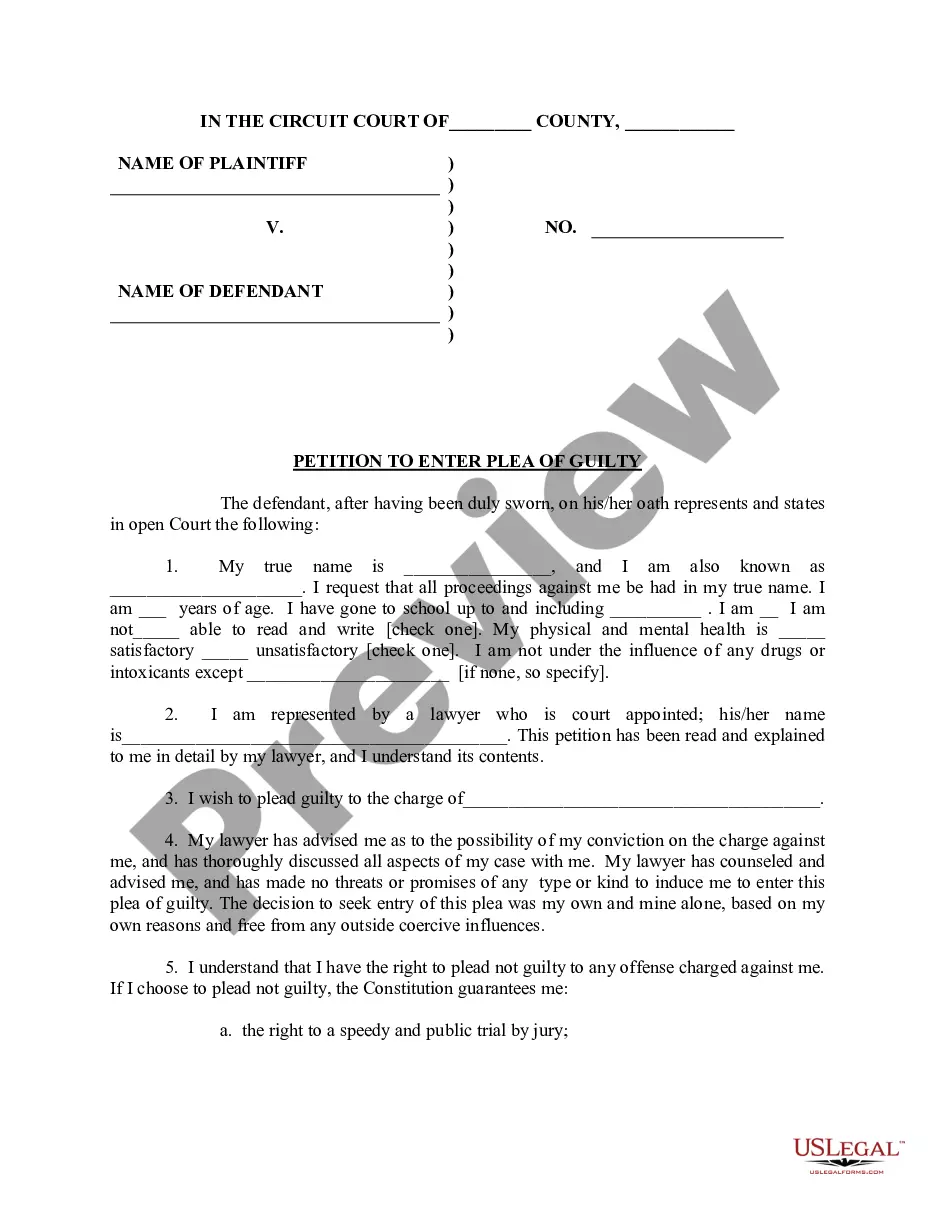
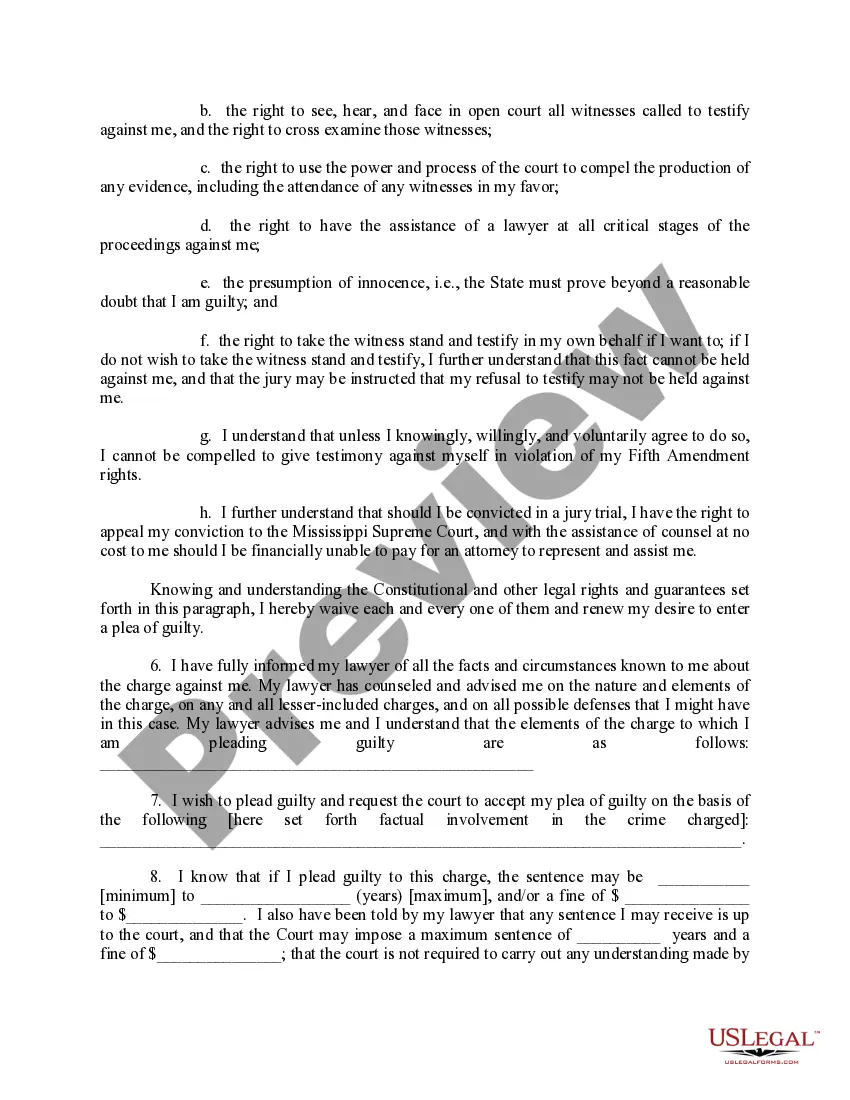
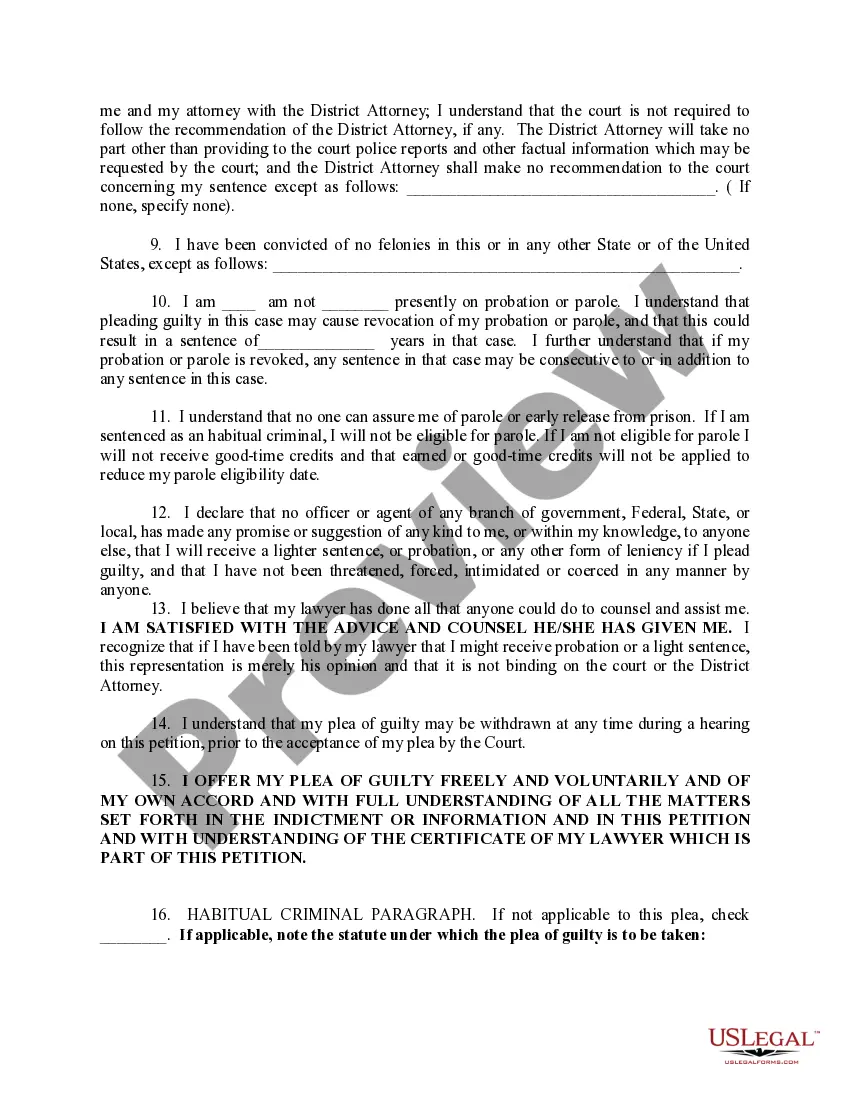
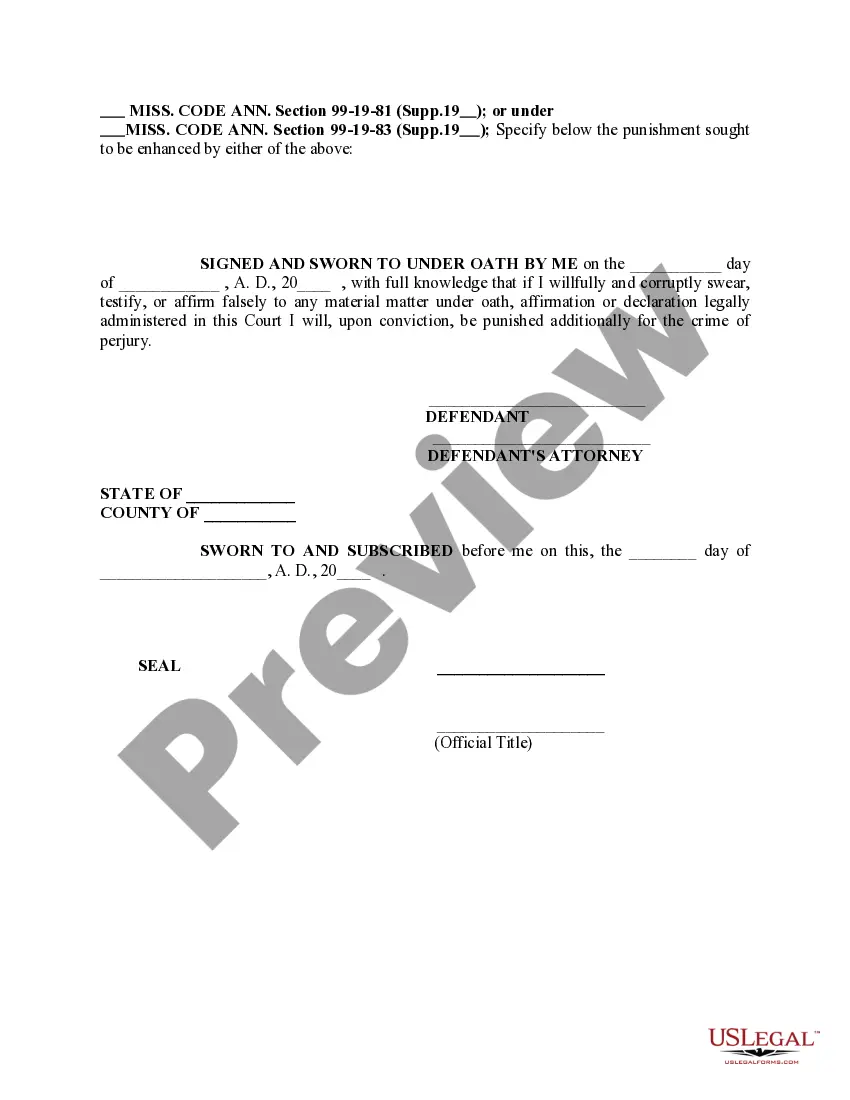
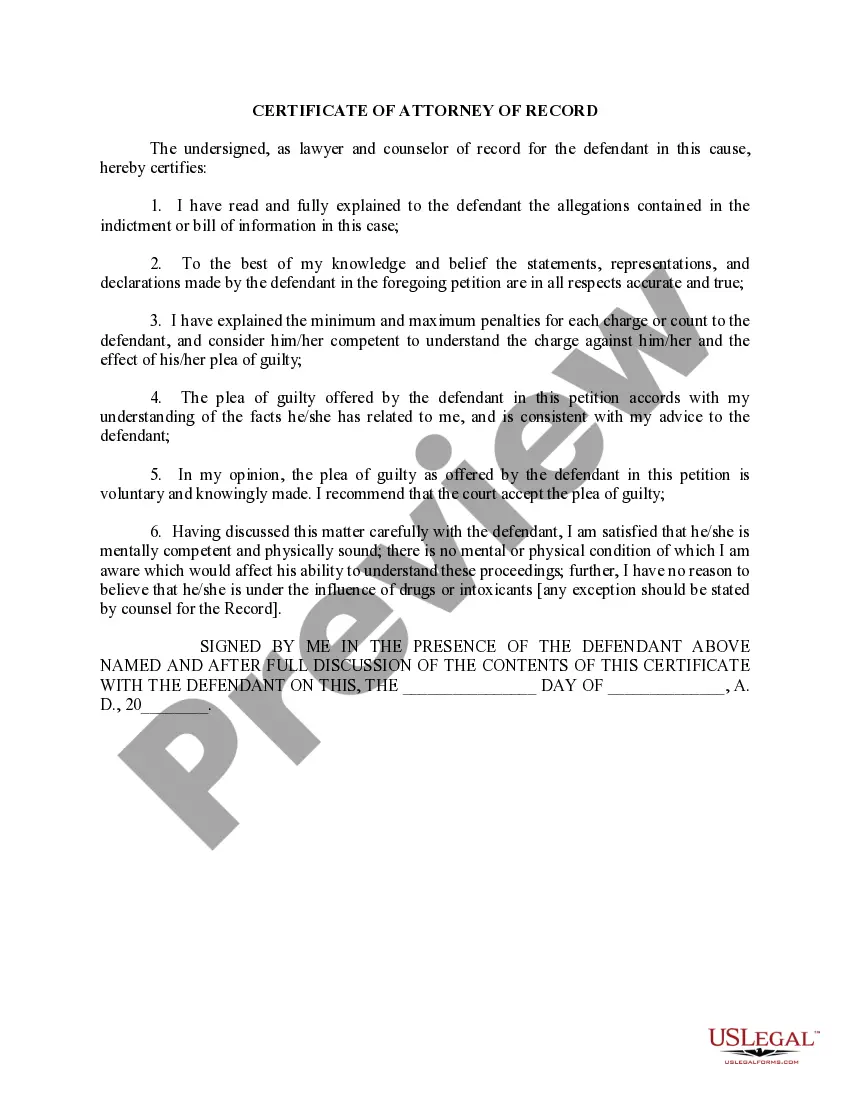
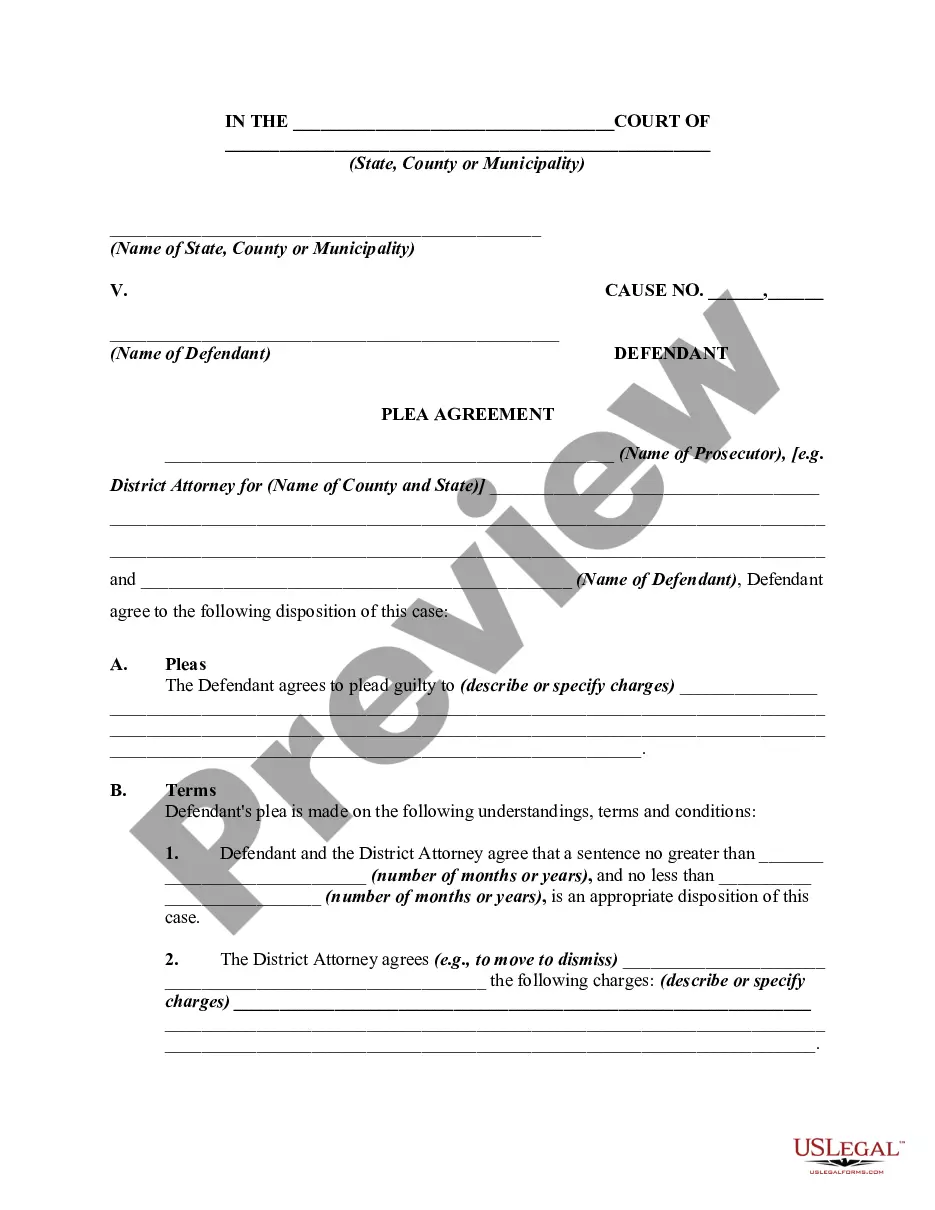
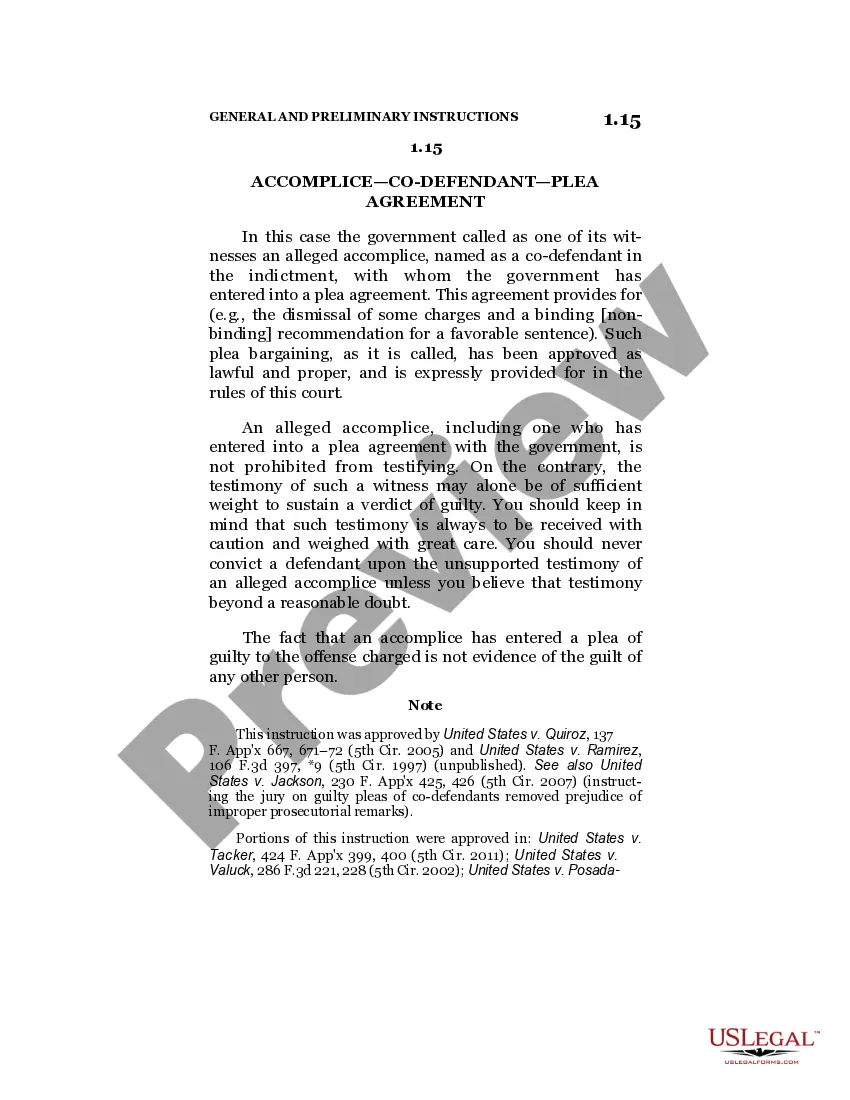
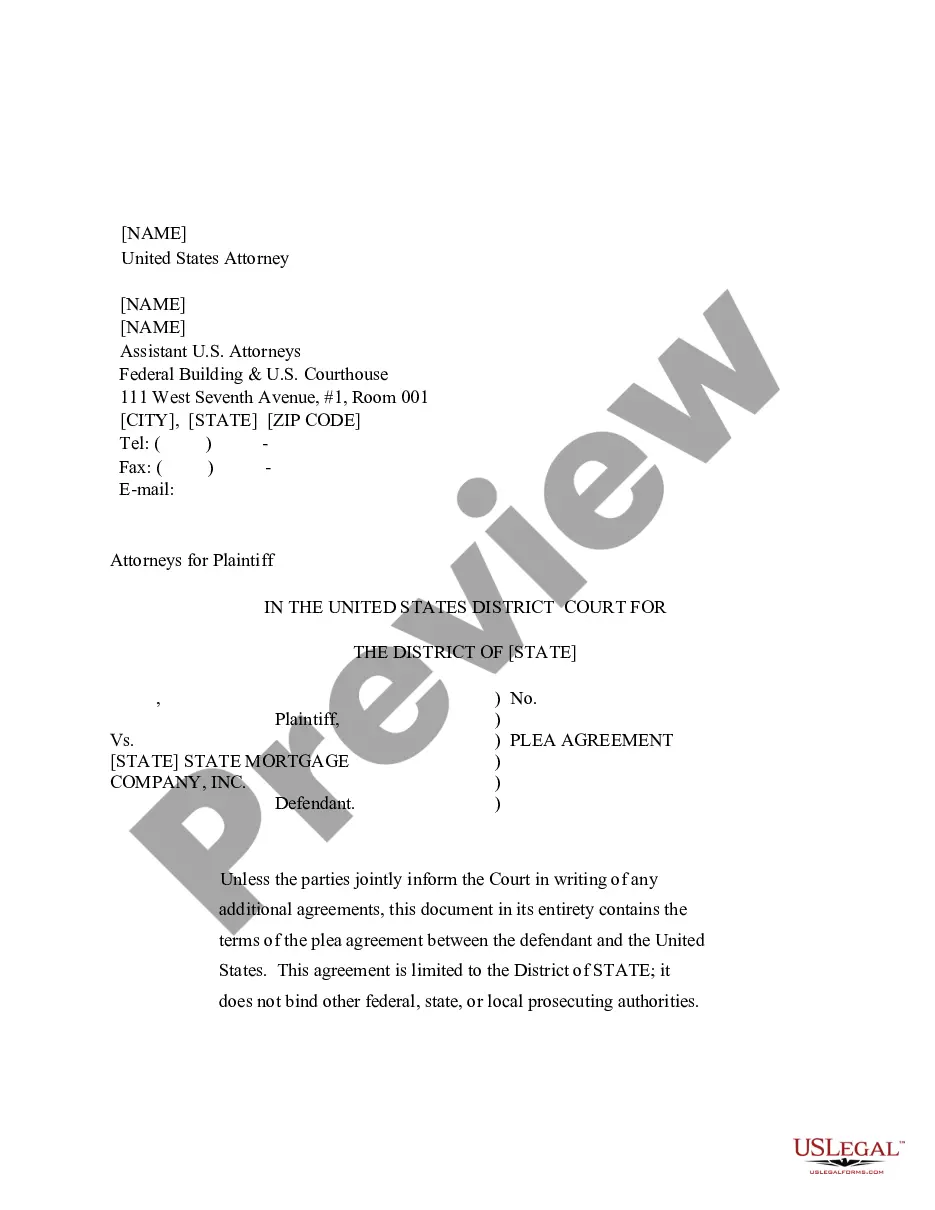
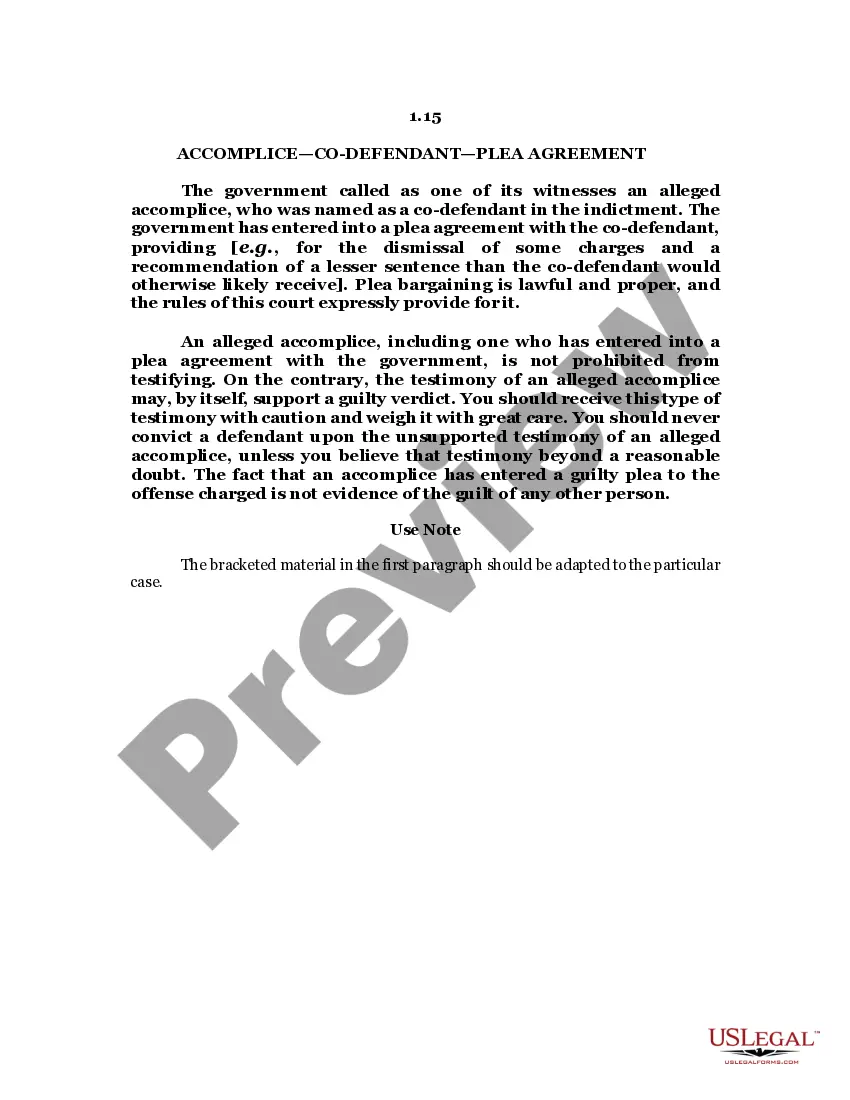
How to fill out Petition To Enter Plea Of Guilty?
You may spend hours online searching for the legal document template that meets the state and federal requirements you need. US Legal Forms offers a vast selection of legal forms that have been reviewed by experts.
It is easy to download or print the Guam Petition to Enter Plea of Guilty from their services. If you possess a US Legal Forms account, you may Log In and click on the Download button. Afterwards, you can complete, modify, print, or sign the Guam Petition to Enter Plea of Guilty.
Every legal document template you purchase is yours permanently. To obtain another copy of a purchased form, navigate to the My documents tab and click the corresponding button.
Choose the format of the document and download it to your device. Make modifications to your document if necessary. You can complete, alter and sign, and print the Guam Petition to Enter Plea of Guilty. Download and print thousands of document templates using the US Legal Forms website, which offers the largest variety of legal forms. Utilize professional and state-specific templates to meet your business or personal needs.
- If you are using the US Legal Forms website for the first time, follow the simple instructions below.
- First, ensure that you have selected the correct document template for the jurisdiction of your choice. Review the form description to confirm you have chosen the right one.
- If available, utilize the Preview button to examine the document template as well.
- If you wish to find another version of the form, use the Search field to locate the template that suits your needs.
- Once you have found the template you desire, click on Purchase now to proceed.
- Select the pricing plan you want, enter your details, and create an account on US Legal Forms.
- Complete the transaction. You can use your credit card or PayPal account to pay for the legal form.
Form popularity
FAQ
The Arraignment is the formal accusation of the defendant where a plea of guilty or not guilty is entered. The defendant does not need to be present if a written arraignment is filed on their behalf by their Attorney.
A defendant may choose not to have a trial and enter a plea of guilty, which admits his guilt of the crimes charged. A defendant may also plead no contest, which has exactly the same effect and consequences of a guilty plea, execpt that the defendant does not admit guilt.
Plea bargains are agreements between defendants and prosecutors in which defendants agree to plead guilty to some or all of the charges against them in exchange for concessions from the prosecutors.
If a defendant pleads guilty, there is no trial, but the next step is to prepare for a sentencing hearing.
It must be expressly clear that the defendant understands the ramifications of the plea. They must understand that they are waiving their 5th and 6th constitutional rights (the right to not incriminate themselves, the right to a trial and the right to confront their accusers).
In a criminal proceeding, a defendant may enter a plea of nolo contendere, in which the defendant does not accept or deny responsibility for the charges but waives the right to a trial and agrees to accept the penalty.