Hawaii Landlord Tenant Eviction / Unlawful Detainer Forms Package (1st Circuit only)
About this form package
The Hawaii Landlord Tenant Eviction / Unlawful Detainer Forms Package is designed specifically for landlords in the First, Third, or Fifth District of Hawaii, including the islands of Hawaii, Kauai, and Oahu. This package provides essential state-specific forms necessary to lawfully evict a tenant. It ensures that landlords follow the correct legal process, protecting their rights and minimizing potential complications during eviction proceedings.
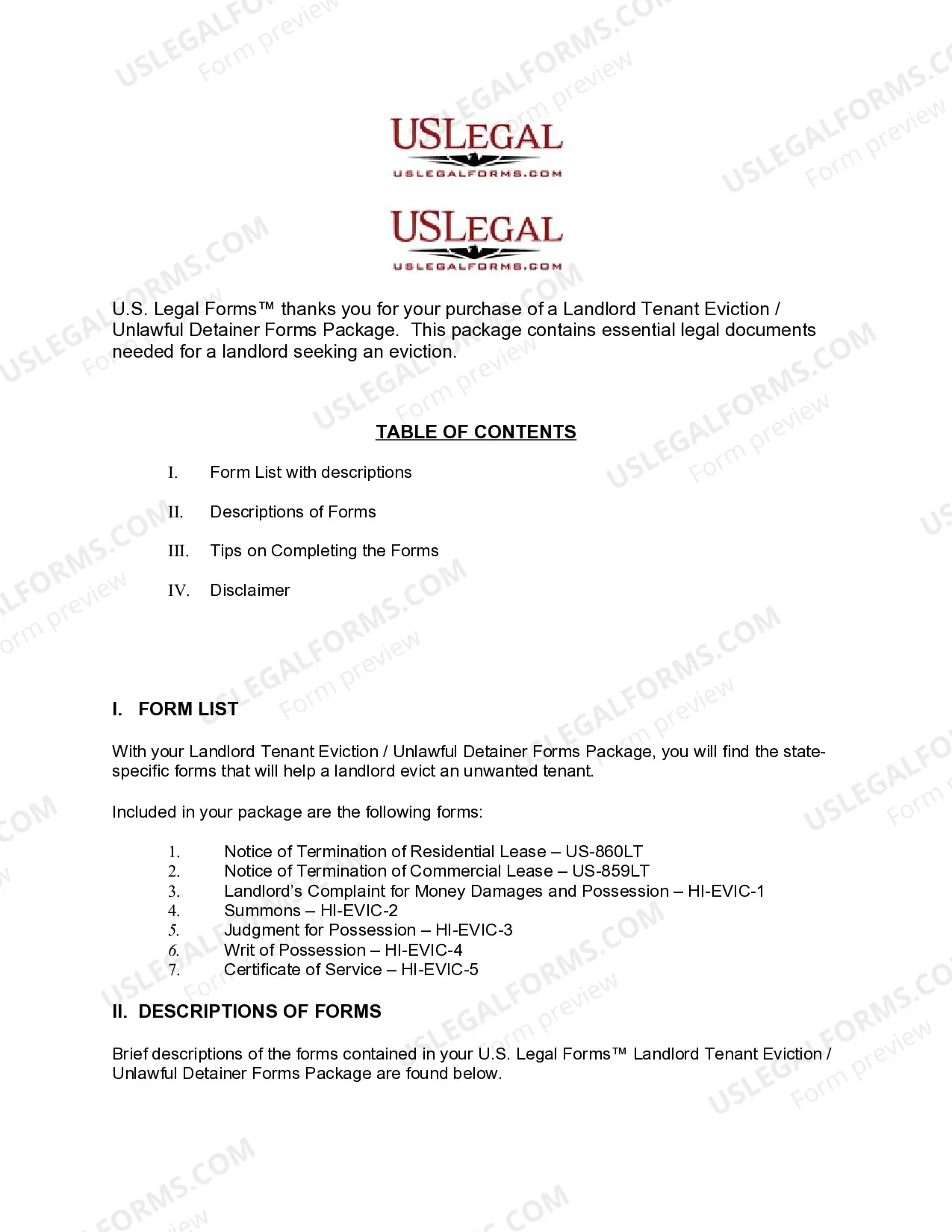
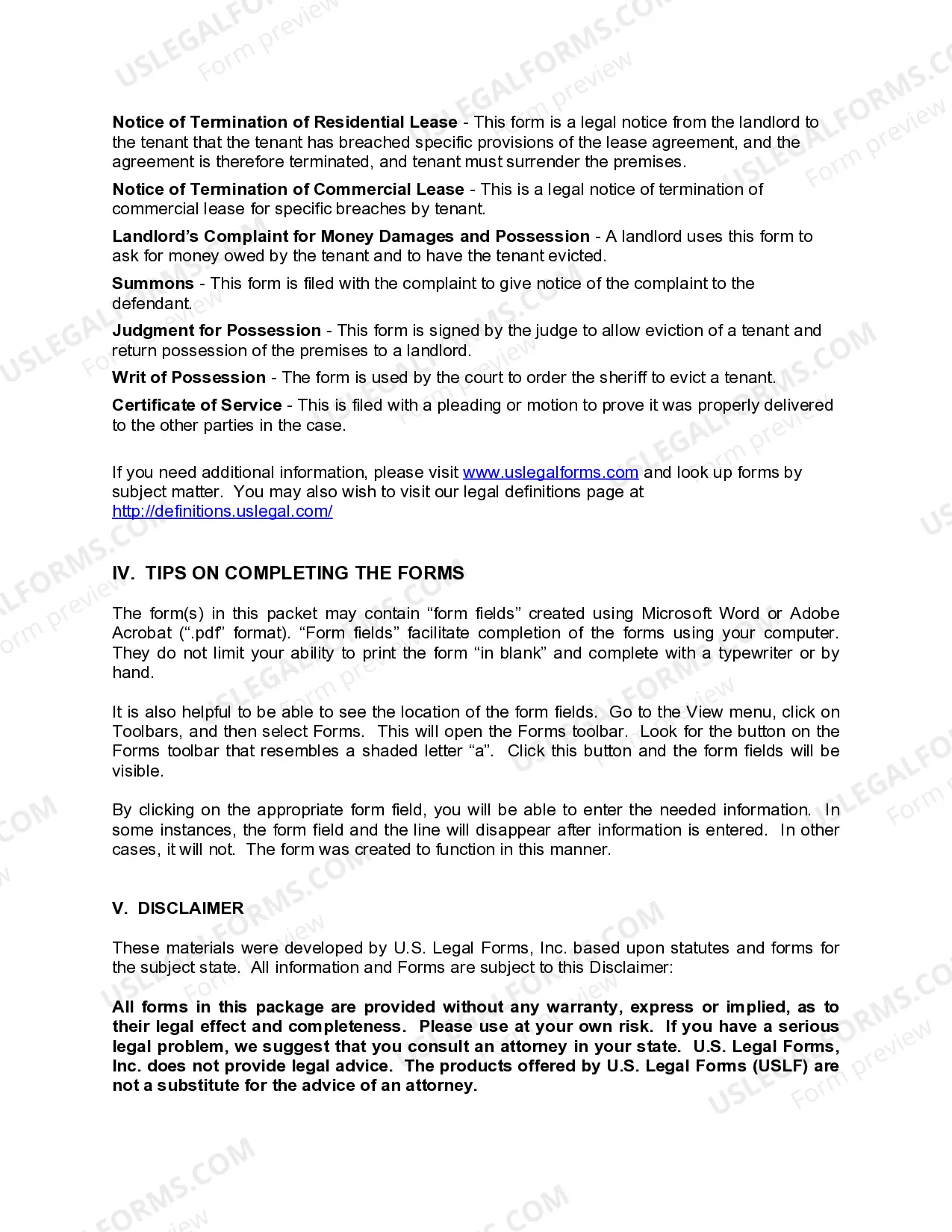
Forms included in this package
- Landlord Complaint for Assumpsit (Money Damages) and Possession (Eviction) (1st Circuit only)
- Summons (1st Circuit only)
- Judgment for Possession (1st Circuit only)
- Writ of Possession (1st Circuit only)
- Certificate of Service (1st Circuit only)
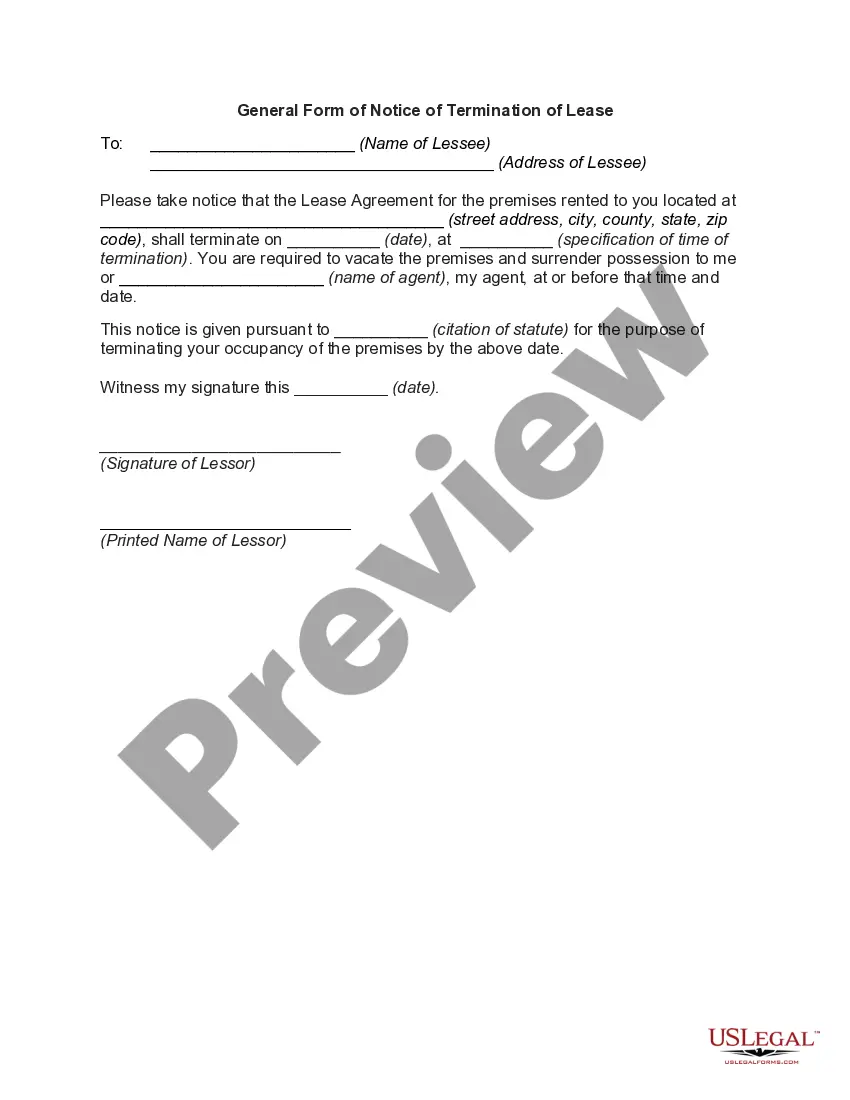
- Notice of Termination of Commercial Lease
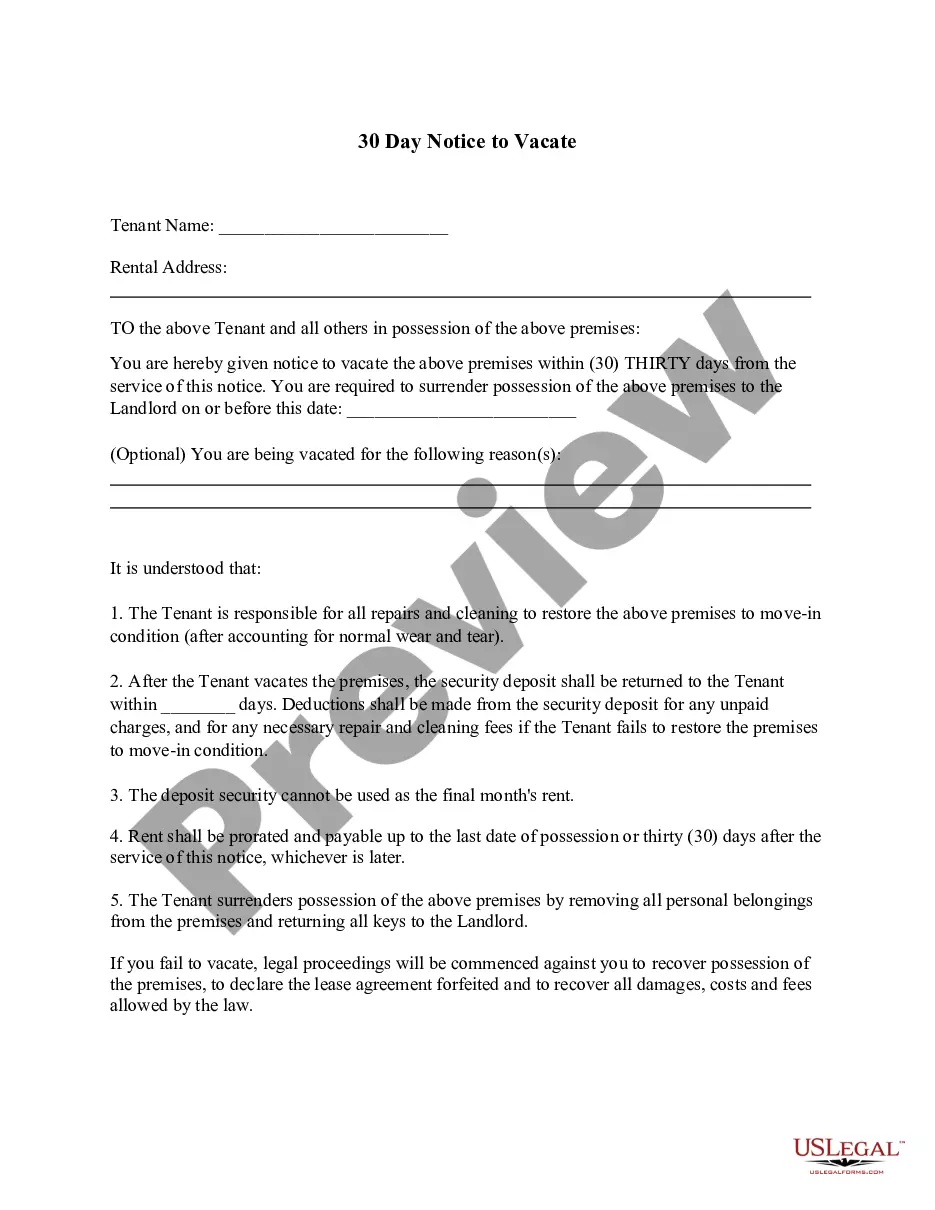
- Notice of Termination of Residential Lease
When to use this form package
This form package is useful in various real-world scenarios, including:
- When a tenant fails to pay rent on time.
- When a tenant violates specific terms of a lease agreement.
- When a landlord needs to regain possession of their property following a lease termination.
- In situations where legal action is required to collect owed rent along with eviction.
Who this form package is for
- Landlords seeking to evict a tenant in the specified districts of Hawaii.
- Property managers handling lease agreements and tenant relationships.
- Landlords who want to ensure legal compliance during the eviction process.
Completing these forms step by step
- Review all included forms in the package carefully.
- Identify the involved parties, including landlord and tenant details.
- Complete necessary sections, including dates and specific lease violations.
- Sign the forms where required, ensuring compliance with state law.
- File the completed forms with the appropriate local court as directed.
Notarization details for included forms
Most forms in this package do not require notarization. However, local laws or specific situations may demand it. Our online notarization service, powered by Notarize, lets you complete the process through a verified video call, available anytime.
Get your form ready online
Our built-in tools help you complete, sign, share, and store your documents in one place.
Make edits, fill in missing information, and update formatting in US Legal Forms—just like you would in MS Word.
Download a copy, print it, send it by email, or mail it via USPS—whatever works best for your next step.
Sign and collect signatures with our SignNow integration. Send to multiple recipients, set reminders, and more. Go Premium to unlock E-Sign.
If this form requires notarization, complete it online through a secure video call—no need to meet a notary in person or wait for an appointment.
We protect your documents and personal data by following strict security and privacy standards.

Make edits, fill in missing information, and update formatting in US Legal Forms—just like you would in MS Word.

Download a copy, print it, send it by email, or mail it via USPS—whatever works best for your next step.

Sign and collect signatures with our SignNow integration. Send to multiple recipients, set reminders, and more. Go Premium to unlock E-Sign.

If this form requires notarization, complete it online through a secure video call—no need to meet a notary in person or wait for an appointment.

We protect your documents and personal data by following strict security and privacy standards.
Mistakes to watch out for
- Failing to provide accurate information about the tenant and lease terms.
- Not adhering to the required notice periods for lease termination.
- Neglecting to file forms in the proper court jurisdiction.
- Forgetting to sign or date the forms before filing.
Benefits of completing this package online
- Convenience of downloading forms instantly and accessing them from anywhere.
- Editability allows landlords to customize forms easily to fit their specific situation.
- Reliable legal language ensures compliance with state laws and guidelines.
Looking for another form?
Form popularity
FAQ
Although this question pertains to Alabama, it's crucial to understand related processes. Typically, after receiving an eviction order, tenants in Alabama may have a few days to vacate the property. While this duration is state-specific, staying informed about your rights can aid in a smoother transition. For Hawaii residents, consider the Hawaii Landlord Tenant Eviction / Unlawful Detainer Forms Package (1st Circuit only) to navigate your eviction efficiently.
To file for eviction in Hawaii, you must first provide adequate notice to the tenant as required by law. After giving notice, if the tenant does not vacate, you can file a complaint in the appropriate circuit court. Creating the necessary documents can be easily accomplished using the Hawaii Landlord Tenant Eviction / Unlawful Detainer Forms Package (1st Circuit only). This package simplifies the steps to ensure you comply with legal requirements.
In Hawaii, a landlord must provide notice to a tenant to move out based on the rental agreement length. If the lease is month-to-month, a landlord must typically provide a 45-day notice. For a fixed-term lease, the notice requirement may vary but often depends on the lease's terms. Utilizing the Hawaii Landlord Tenant Eviction / Unlawful Detainer Forms Package (1st Circuit only) can streamline this process.
In Hawaii, a tenant generally must provide a 30-day notice to vacate. This notice should be in writing and given to the landlord to avoid any misunderstandings. If you need assistance drafting the notice, consider using the Hawaii Landlord Tenant Eviction / Unlawful Detainer Forms Package (1st Circuit only), which can guide you through the requirements and help make the process straightforward.
Failing to give a 30-day notice to your landlord may result in complications when moving out. The landlord could dispute your departure, leading to potential legal issues or losses on your security deposit. It's essential to consult the rental agreement and follow the correct procedure. For those in the 1st Circuit, the Hawaii Landlord Tenant Eviction / Unlawful Detainer Forms Package can help clarify the process and protect your rights.
No, a notice to vacate is not the same as an eviction. The notice is a formal request for the tenant to leave the property, but eviction involves a legal process through the court. If the tenant does not comply with the notice, you must proceed with eviction using the proper legal forms. The Hawaii Landlord Tenant Eviction / Unlawful Detainer Forms Package (1st Circuit only) provides the necessary documents to guide you through this process.
The eviction process in Hawaii can vary, but generally, it may take around 30 to 60 days from start to finish. The timeline depends on factors like court schedules and the ability to serve notices properly. Utilizing the Hawaii Landlord Tenant Eviction / Unlawful Detainer Forms Package (1st Circuit only) can streamline this process. By using the right forms and understanding the law, you can help ensure a smoother eviction experience.
Yes, a landlord can cancel an unlawful detainer before the court hearing. If you and your tenant reach an agreement or the tenant rectifies the breach that led to the eviction, you may formally withdraw the eviction case. It is essential to communicate clearly with the tenant and document any agreements. The Hawaii Landlord Tenant Eviction / Unlawful Detainer Forms Package (1st Circuit only) offers resources to help you manage cancellations properly.
The soonest you can evict a tenant in Hawaii varies based on the eviction reason. Typically, for non-payment of rent, a 5-day notice is required, whereas other violations may require a longer notice period. After giving the appropriate notice and if the tenant fails to comply, you may proceed to file for eviction. The Hawaii Landlord Tenant Eviction / Unlawful Detainer Forms Package (1st Circuit only) provides structured guidance to help you navigate these timelines.
To legally evict a tenant in Hawaii, first ensure you have valid grounds for eviction. Serve the tenant with the appropriate notice, depending on the reason for eviction, and allow time for compliance. If the tenant does not leave, you must file an unlawful detainer action in court. To facilitate this process, you can use the Hawaii Landlord Tenant Eviction / Unlawful Detainer Forms Package (1st Circuit only) for accurate legal documentation.