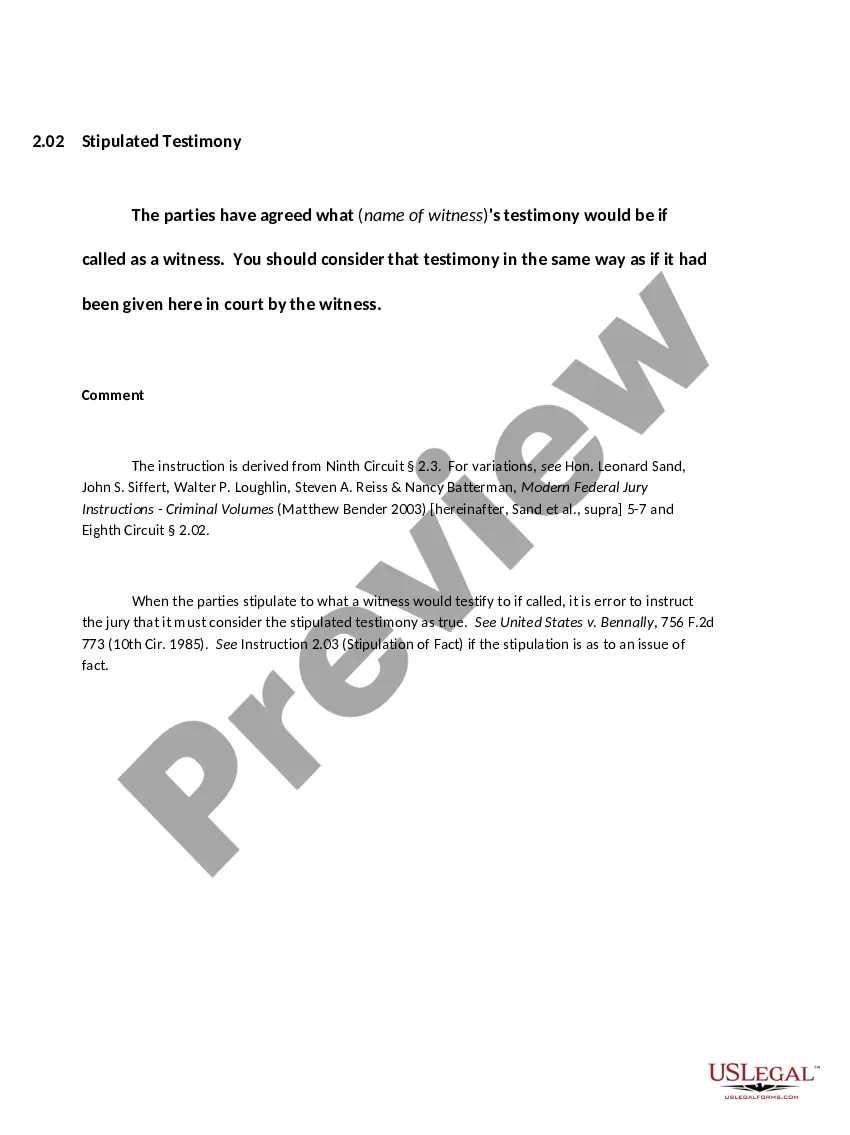
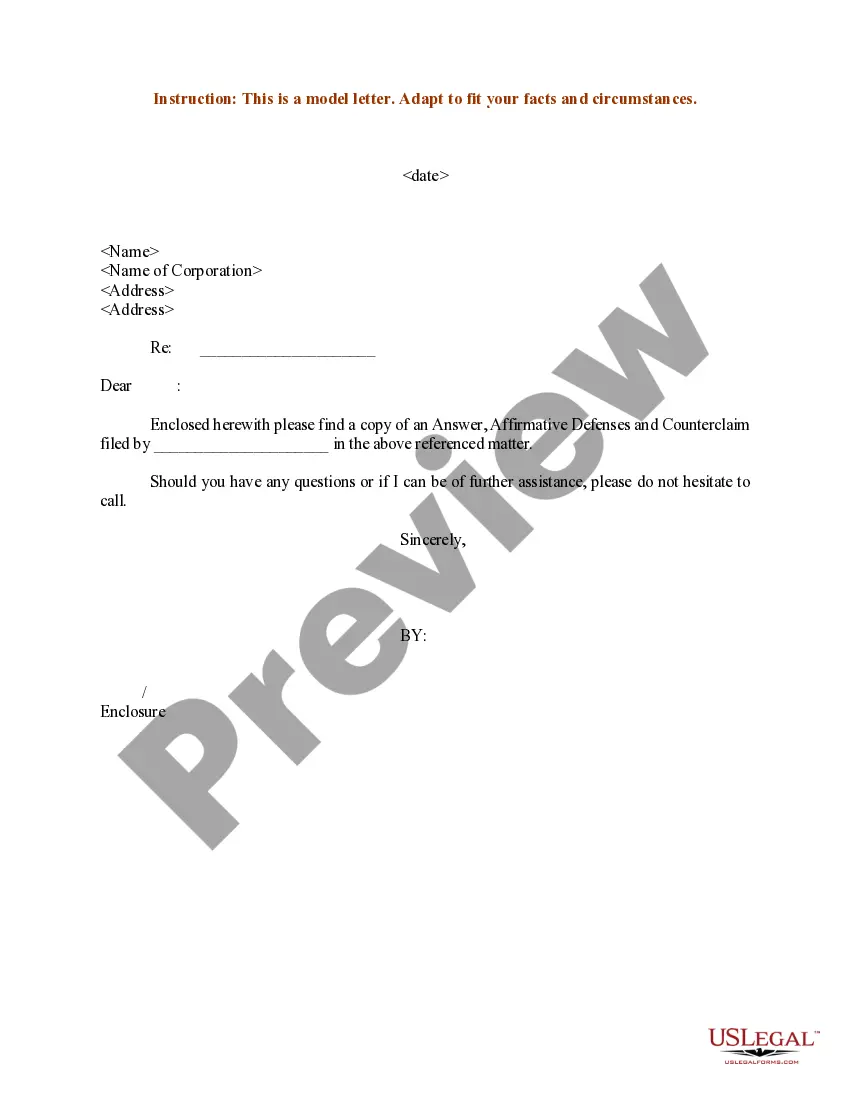
Hawaii Sample Letter regarding Answer, Affirmative Defenses, and Counterclaim
Description
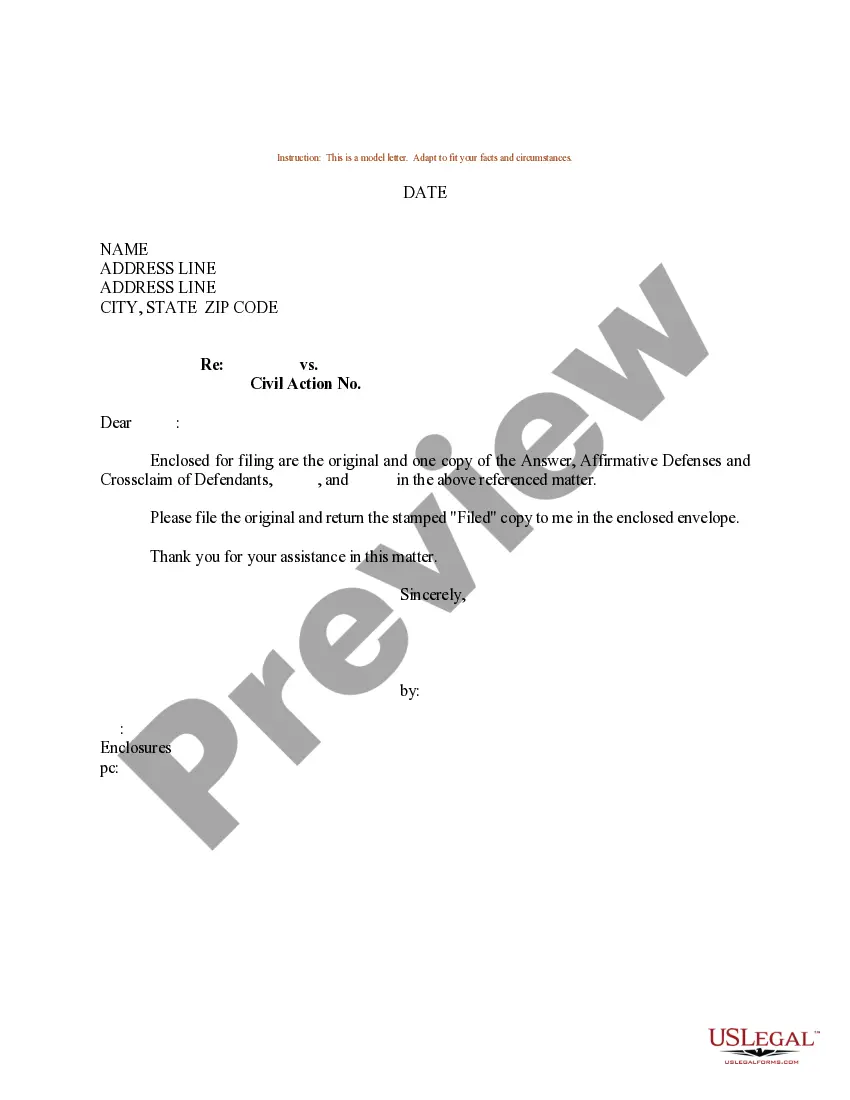
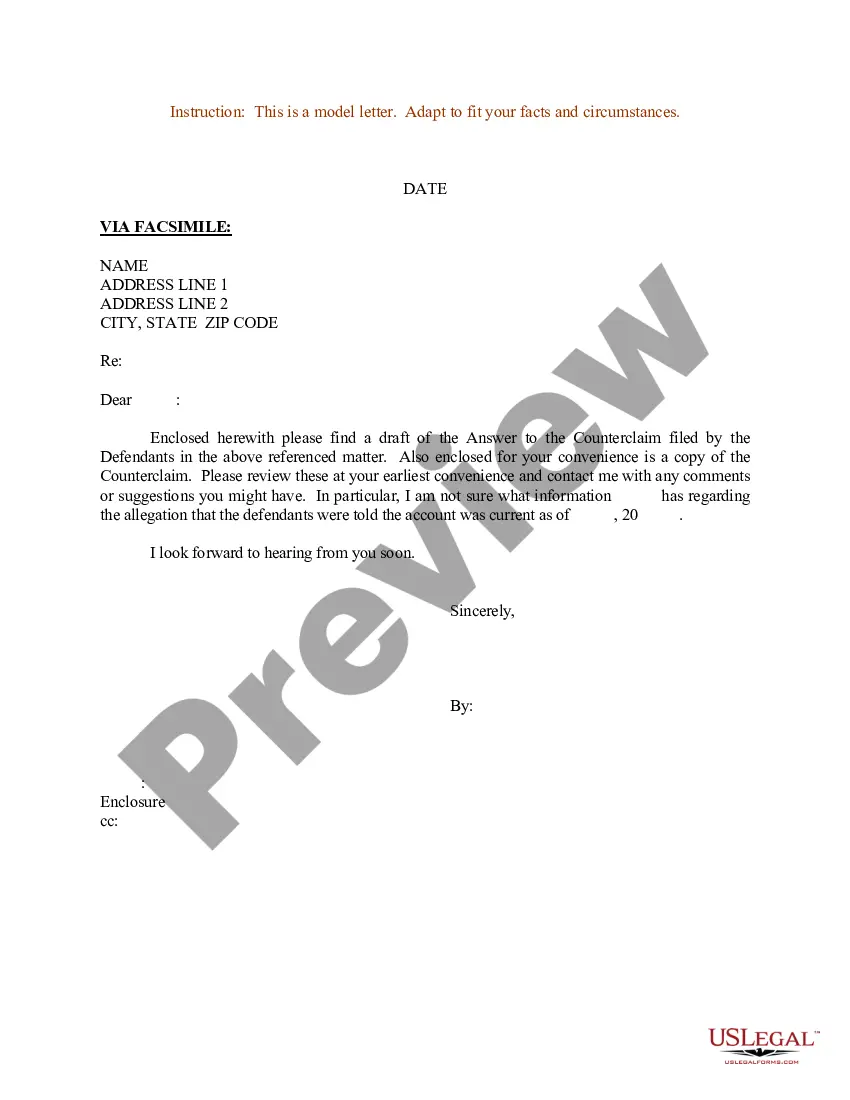
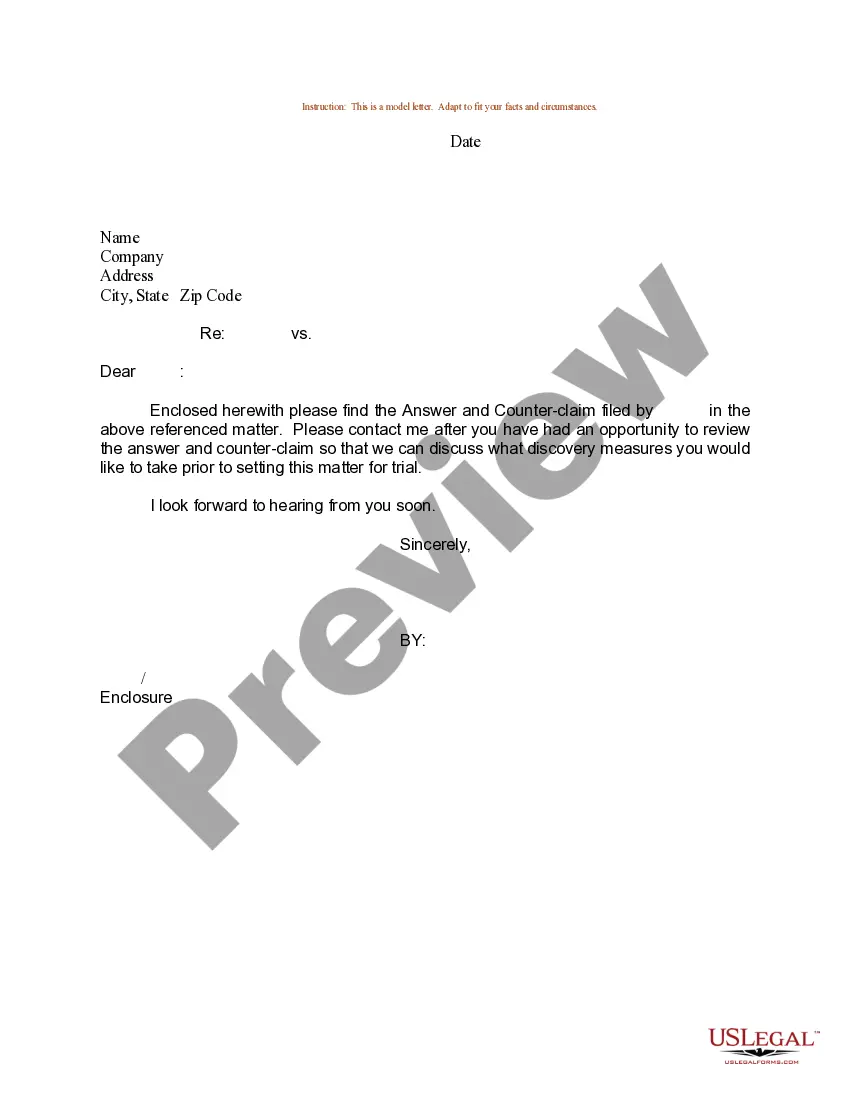
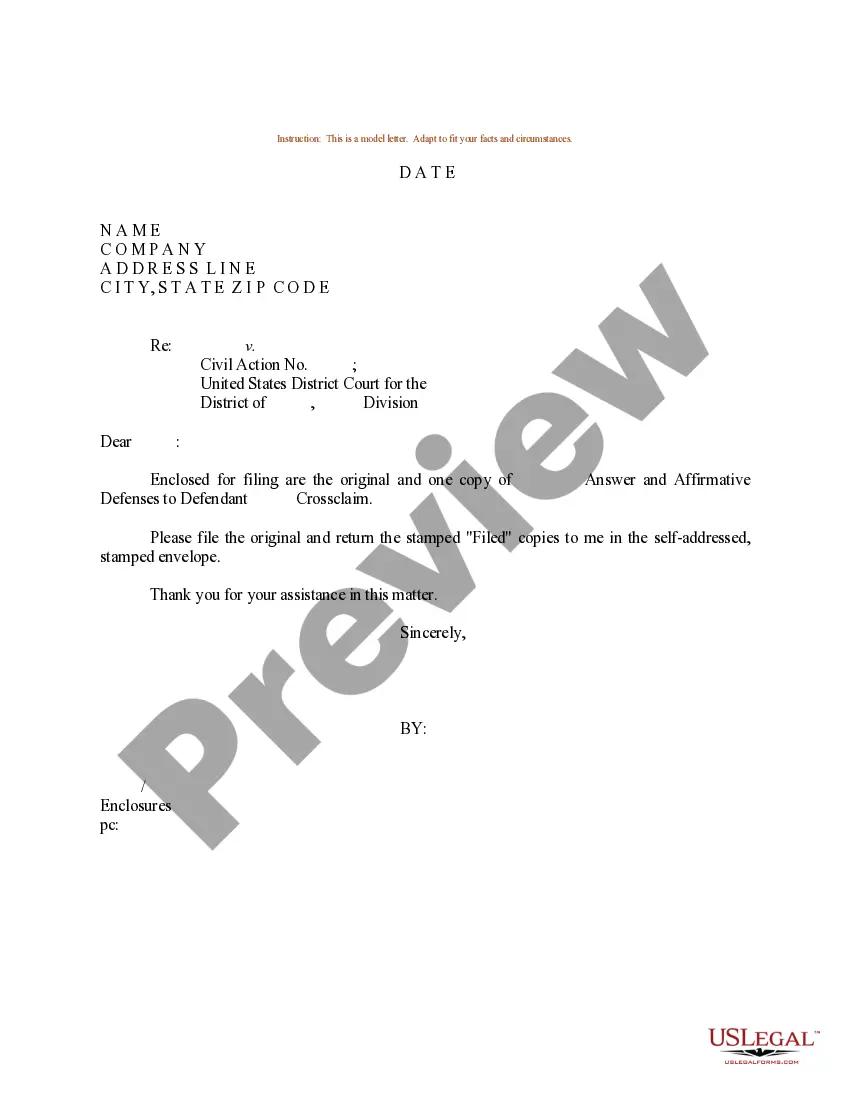
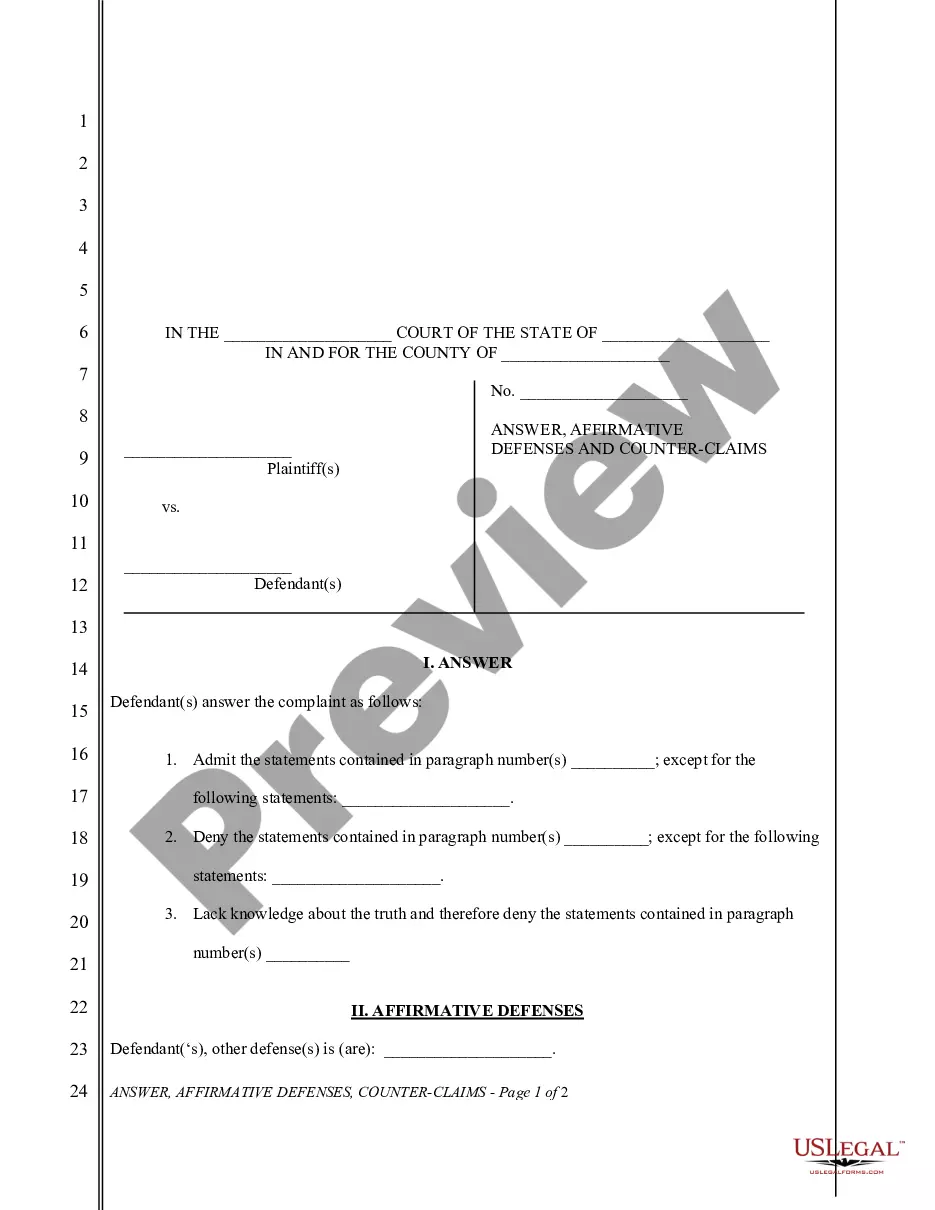




How to fill out Sample Letter Regarding Answer, Affirmative Defenses, And Counterclaim?
US Legal Forms - one of the most important collections of legal documents in the USA - provides a broad selection of legal form templates that you can download or create.
By using the website, you can access thousands of forms for business and personal use, organized by categories, states, or keywords. You can find the latest versions of forms like the Hawaii Sample Letter regarding Answer, Affirmative Defenses, and Counterclaim in moments.
If you possess a subscription, Log In and download the Hawaii Sample Letter regarding Answer, Affirmative Defenses, and Counterclaim from your US Legal Forms library. The Download button will appear on every form you view. You can access all previously downloaded forms in the My documents section of your account.
Complete the transaction. Use your credit card or PayPal account to finalize the purchase.
Select the format and download the form to your device. Make modifications. Fill out, edit, print, and sign the downloaded Hawaii Sample Letter regarding Answer, Affirmative Defenses, and Counterclaim. Every template you add to your account has no expiration date and is yours indefinitely. So, if you wish to download or print another version, just navigate to the My documents section and click on the form you want. Access the Hawaii Sample Letter regarding Answer, Affirmative Defenses, and Counterclaim with US Legal Forms, the most comprehensive collection of legal document templates. Utilize thousands of professional and state-specific templates that fulfill your business or personal needs.
- If you are using US Legal Forms for the first time, here are simple steps to get started.
- Ensure you have chosen the correct form for your city/state.
- Click the Preview button to review the content of the form.
- Read the form description to confirm that you have selected the right one.
- If the form does not meet your needs, use the Search section at the top of the screen to find one that does.
- Once you are satisfied with the form, confirm your selection by clicking the Buy now button.
- Then, choose the payment plan you prefer and provide your details to register for the account.
Form popularity
FAQ
In conclusion, the main difference between a counterclaim and an affirmative defense is that a counterclaim is a claim made by a defendant against the plaintiff. In contrast, an affirmative defense is a defense raised by the defendant in response to the plaintiff's claim.
The affirmative defense is a justification for the defendant having committed the accused crime. It differs from other defenses because the defendant admits that he did, in fact, break the law.
Affirmative defense?Examples On [Date], after making the contract and the alleged breach, and before this action was commenced, defendant paid to the plaintiff the sum of [specify amount], which was accepted by the plaintiff in full satisfaction and discharge of the damages claimed in the petition.
What is an affirmative defense. An affirmative defense is a defense that brings up new facts or issues not in the Complaint that, if true, would be a legal reason why the plaintiff should not win, or should win less than they're asking for. It is not a denial that you did what the plaintiff says you did.
In criminal law, an affirmative defense is sometimes called a justification or excuse defense.
There are permissive and compulsory counterclaims. "Common law compulsory counterclaims" are counterclaims that, if successful, would nullify the plaintiff's claim. If defendants do not raise these counterclaims, they cannot sue on them later in a different lawsuit.